Yemen is back from the brink, but frenemies Saudi Arabia and UAE have much to negotiate
ANALYSIS
The UAE this week announced a withdrawal of its troops from southern Yemen, marking a de-escalation in year-end tensions with its ally Saudi Arabia. But 2026 offers little hope for a strategic patch-up between the two Gulf powerhouses. That could mean more trouble for Yemen, the region, and the international community in the world’s chokehold zone.
Issued on: 02/01/2026
ANALYSIS
The UAE this week announced a withdrawal of its troops from southern Yemen, marking a de-escalation in year-end tensions with its ally Saudi Arabia. But 2026 offers little hope for a strategic patch-up between the two Gulf powerhouses. That could mean more trouble for Yemen, the region, and the international community in the world’s chokehold zone.
Issued on: 02/01/2026
FRANCE24
By: Leela JACINTO
‘Mixed messaging’
In southern Yemen, this week's de-escalation came just as swiftly as the dramatic escalation. On Thursday, the UAE-backed STC said Saudi-aligned government forces would enter territories it had seized in recent weeks.
In its statement, the STC said it would continue to operate in the regions but had agreed to the deployment of the Riyadh-backed National Shield government force. “Today, we launched an operation to integrate the southern National Shield forces so that they can assume the responsibilities and missions that fall to our armed forces,” they announced.
But in Yemen, the devil lies in the official statement details. “We are seeing mixed messaging,” said Mohammed Al-Basha, founder of the Basha Report, a US-based risk advisory, in a post on X, noting that while Saudi-aligned figures claimed National Shield forces “will take over security” in Hadramawt, “STC influencers say an agreement was reached to share security responsibilities, tasks, and even garrisons and bases”.
The current crisis was sparked by the STC’s lightening sweep in early December from its heartlands around the southwestern port city of Aden towards the east, seizing parts of the resource-rich Hadramawt and Al Mahra provinces.
Yemen’s history has been marked by a north-south divide, with its southern coastal regions – centred around the ancient strategic port of Aden – culturally distinct from the northern area which includes the capital Sanaa. The STC is the latest iteration of longstanding southern secessionist movements fed by grievances against the north.
Over the past few years, “the STC ran most of the south”, said Basha. “Any diplomat, envoy, journalist going to the south did not see any symbols of the Republic of Yemen, it existed only on paper.”
By: Leela JACINTO
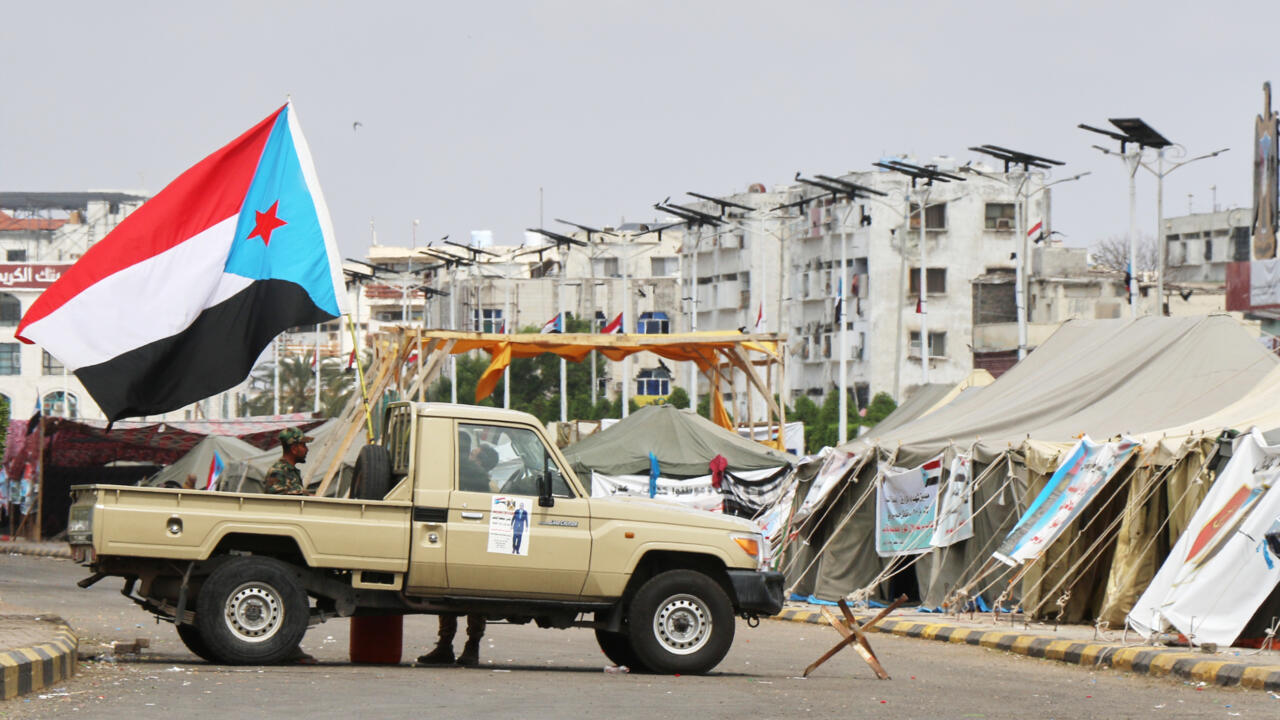
Southern Transitional Council (STC) soldiers under a South Yemen flag man a check point, in Aden, Yemen, December 31, 2025.
The New Year kicked off with Yemen, an unstable country straddling a strategic maritime corridor between the Gulf of Aden and the Red Sea, seemingly back from the brink.
After an explosive, public blowout in the last weeks of 2025 that saw Saudi Arabia bomb an alleged arms shipment from the United Arab Emirates (UAE) to its proxies in Yemen, tensions have cooled. Abu Dhabi denied the arms shipment accusations, but nonetheless complied with a 24-hour deadline to withdraw its forces in southern Yemen.
READ MOREWhat we know about the Saudi-led air strikes in Yemen
Saudi Arabia and the UAE came together in a military coalition in 2015 to prevent a takeover of Yemen by Iran-backed Shiite Houthi rebels. But a decade later, the two Gulf powerhouses, who officially refer to each other as “brotherly” countries, have turned into frenemies. Ambition has driven a wedge between Saudi Crown Prince Mohammed bin Salman and UAE President Mohammed bin Zayed al-Nahyan and a once-close relationship between the two royals has been ripped by a divergence of strategic vision.
The Houthis have not been vanquished, but the coalition against them is hanging by a thread. Riyadh backs the internationally recognised Yemeni government under the Presidential Leadership Council (PLC), an unwieldy umbrella body that includes the Islah party, which the UAE accuses of ties to the Muslim Brotherhood and the party denies. Abu Dhabi supports the Southern Transitional Council (STC), which is also within the PLC, but has secessionist aspirations that are at odds with its coalition partners.
The year may have begun with the UAE pulling its “counterterrorism teams” from southern Yemen, but few expect Abu Dhabi to stop wielding its influence and economic heft in a geostrategic coastal zone.
On the regional front, Emirati interests in the Red Sea area are increasing exponentially. Its co-signatory to the Abraham Accords, Israel, ended 2025 with the surprise recognition of the breakaway region of Somaliland, just across the Gulf of Aden from Yemen. Meanwhile the Houthis continue to target Red Sea shipping lanes and Israeli cities under Iran’s “axis of resistance” banner.
Finally, the latest Saudi-UAE spat in Yemen unfolded in the volatile southern region that has long been an al Qaeda stronghold and offers ideal terrain for jihadist groups.
It may not be a very happy new year for Yemenis who have borne the brunt of a devastating conflict, nor for the international community scrambling to cope with the fast-moving pieces on the Middle East chessboard. By the end of the week, Saudi air strikes had already slammed southern separatist camps, causing deaths and injuries, according to a senior STC official.
The New Year kicked off with Yemen, an unstable country straddling a strategic maritime corridor between the Gulf of Aden and the Red Sea, seemingly back from the brink.
After an explosive, public blowout in the last weeks of 2025 that saw Saudi Arabia bomb an alleged arms shipment from the United Arab Emirates (UAE) to its proxies in Yemen, tensions have cooled. Abu Dhabi denied the arms shipment accusations, but nonetheless complied with a 24-hour deadline to withdraw its forces in southern Yemen.
READ MOREWhat we know about the Saudi-led air strikes in Yemen
Saudi Arabia and the UAE came together in a military coalition in 2015 to prevent a takeover of Yemen by Iran-backed Shiite Houthi rebels. But a decade later, the two Gulf powerhouses, who officially refer to each other as “brotherly” countries, have turned into frenemies. Ambition has driven a wedge between Saudi Crown Prince Mohammed bin Salman and UAE President Mohammed bin Zayed al-Nahyan and a once-close relationship between the two royals has been ripped by a divergence of strategic vision.
The Houthis have not been vanquished, but the coalition against them is hanging by a thread. Riyadh backs the internationally recognised Yemeni government under the Presidential Leadership Council (PLC), an unwieldy umbrella body that includes the Islah party, which the UAE accuses of ties to the Muslim Brotherhood and the party denies. Abu Dhabi supports the Southern Transitional Council (STC), which is also within the PLC, but has secessionist aspirations that are at odds with its coalition partners.
The year may have begun with the UAE pulling its “counterterrorism teams” from southern Yemen, but few expect Abu Dhabi to stop wielding its influence and economic heft in a geostrategic coastal zone.
On the regional front, Emirati interests in the Red Sea area are increasing exponentially. Its co-signatory to the Abraham Accords, Israel, ended 2025 with the surprise recognition of the breakaway region of Somaliland, just across the Gulf of Aden from Yemen. Meanwhile the Houthis continue to target Red Sea shipping lanes and Israeli cities under Iran’s “axis of resistance” banner.
Finally, the latest Saudi-UAE spat in Yemen unfolded in the volatile southern region that has long been an al Qaeda stronghold and offers ideal terrain for jihadist groups.
It may not be a very happy new year for Yemenis who have borne the brunt of a devastating conflict, nor for the international community scrambling to cope with the fast-moving pieces on the Middle East chessboard. By the end of the week, Saudi air strikes had already slammed southern separatist camps, causing deaths and injuries, according to a senior STC official.
‘Mixed messaging’
In southern Yemen, this week's de-escalation came just as swiftly as the dramatic escalation. On Thursday, the UAE-backed STC said Saudi-aligned government forces would enter territories it had seized in recent weeks.
In its statement, the STC said it would continue to operate in the regions but had agreed to the deployment of the Riyadh-backed National Shield government force. “Today, we launched an operation to integrate the southern National Shield forces so that they can assume the responsibilities and missions that fall to our armed forces,” they announced.
But in Yemen, the devil lies in the official statement details. “We are seeing mixed messaging,” said Mohammed Al-Basha, founder of the Basha Report, a US-based risk advisory, in a post on X, noting that while Saudi-aligned figures claimed National Shield forces “will take over security” in Hadramawt, “STC influencers say an agreement was reached to share security responsibilities, tasks, and even garrisons and bases”.
The current crisis was sparked by the STC’s lightening sweep in early December from its heartlands around the southwestern port city of Aden towards the east, seizing parts of the resource-rich Hadramawt and Al Mahra provinces.
Yemen’s history has been marked by a north-south divide, with its southern coastal regions – centred around the ancient strategic port of Aden – culturally distinct from the northern area which includes the capital Sanaa. The STC is the latest iteration of longstanding southern secessionist movements fed by grievances against the north.
Over the past few years, “the STC ran most of the south”, said Basha. “Any diplomat, envoy, journalist going to the south did not see any symbols of the Republic of Yemen, it existed only on paper.”
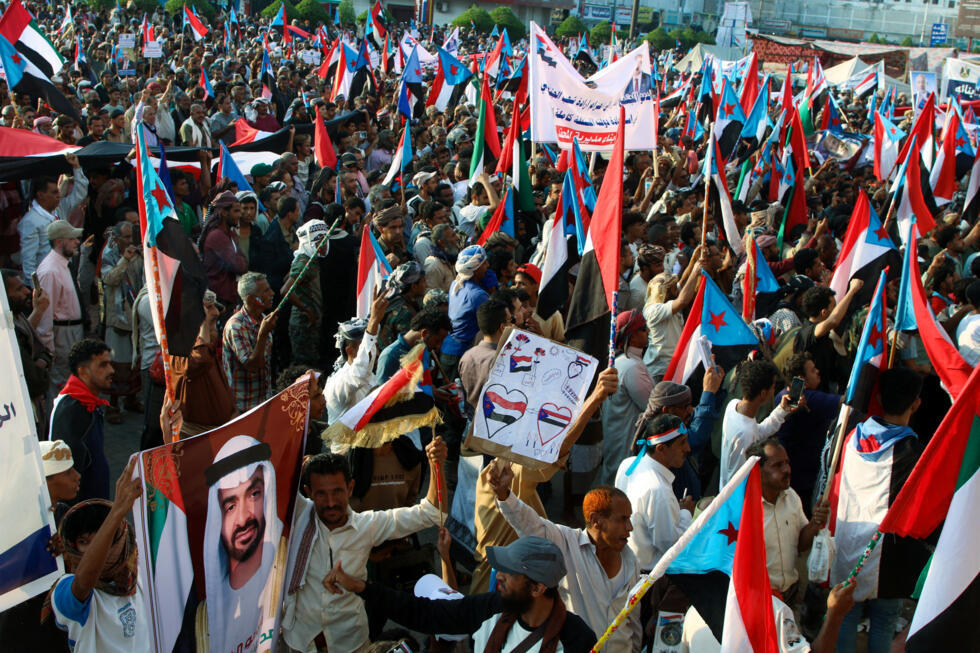
STC supporters hold a poster of UAE President Mohammed bin Zayed al-Nahyan at a rally in Aden, Yemen, January 1, 2026. © Fawaz Salman, Reuters
Defining ‘the south’
The “southern question”, as it’s known in Yemen policy circles, is a legitimate issue, analysts concede. But in its current form, there are two “major points of contention”, according to Elisabeth Kendall, president of Girton College at the University of Cambridge and a seasoned Yemen expert.
“One is, does the southern cause mean a separate southern region, or does it mean a separate southern state that's independent and sovereign? And two, how big is that southern region or state? Is it just the southern heartlands, the four governorates that are in and around Aden? Or does it include the two vast eastern governorates of Hadramawt and Al Mahra? The Saudis would argue that it does not include Hadramawt and Al Mahra because they border Saudi Arabia,” she added.
The easternmost Al Mahra governorate also borders Oman, a neutral Gulf country that has strained to contain a spillover of the Yemeni conflict into its own Dhofar region that has seen rebellions in the past. “Neither Saudi Arabia nor Oman want a UAE-influenced state on their borders,” Kendall said.
Within Yemen, there are divides between the southwestern and eastern states, notes Basha. “There's no cohesiveness, even though the STC is the largest political bloc. In theory they could run the south, but they don't have the support of the east,” he noted.
While the eruption of the “southern question” exposed the faultlines with the east, it did little to address Yemen’s core security issues. “Two groups are benefiting from everything that's happening right now in the east and the south. It's the Houthis and AQAP,” noted Basha, referring to al Qaeda in the Arabian Peninsula. “The Houthis are sitting back, watching the anti-Houthi coalition fight each other, watching the two regional backers have a very public divorce,” he explained. “And al Qaeda loves to flourish wherever there's a vacuum.”
Defining ‘the south’
The “southern question”, as it’s known in Yemen policy circles, is a legitimate issue, analysts concede. But in its current form, there are two “major points of contention”, according to Elisabeth Kendall, president of Girton College at the University of Cambridge and a seasoned Yemen expert.
“One is, does the southern cause mean a separate southern region, or does it mean a separate southern state that's independent and sovereign? And two, how big is that southern region or state? Is it just the southern heartlands, the four governorates that are in and around Aden? Or does it include the two vast eastern governorates of Hadramawt and Al Mahra? The Saudis would argue that it does not include Hadramawt and Al Mahra because they border Saudi Arabia,” she added.
The easternmost Al Mahra governorate also borders Oman, a neutral Gulf country that has strained to contain a spillover of the Yemeni conflict into its own Dhofar region that has seen rebellions in the past. “Neither Saudi Arabia nor Oman want a UAE-influenced state on their borders,” Kendall said.
Within Yemen, there are divides between the southwestern and eastern states, notes Basha. “There's no cohesiveness, even though the STC is the largest political bloc. In theory they could run the south, but they don't have the support of the east,” he noted.
While the eruption of the “southern question” exposed the faultlines with the east, it did little to address Yemen’s core security issues. “Two groups are benefiting from everything that's happening right now in the east and the south. It's the Houthis and AQAP,” noted Basha, referring to al Qaeda in the Arabian Peninsula. “The Houthis are sitting back, watching the anti-Houthi coalition fight each other, watching the two regional backers have a very public divorce,” he explained. “And al Qaeda loves to flourish wherever there's a vacuum.”
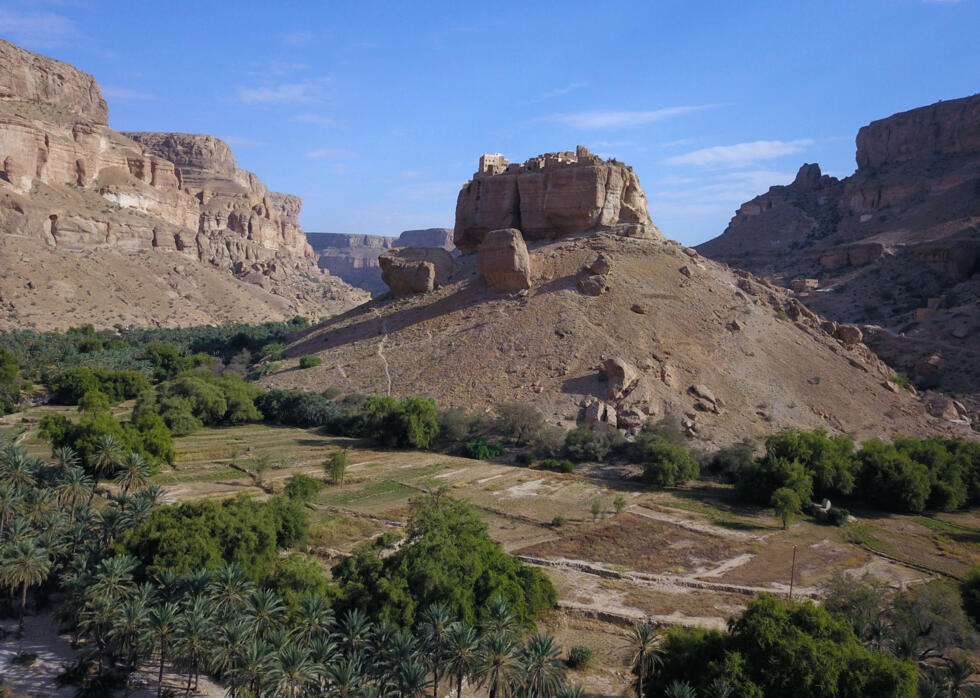
File photo taken October 20, 2020, of the picturesque Haid al-Jazil village perched on a rock in Dawan directorate in the Hadramawt governorate. © AFP file photo
One of the key reasons for the STC’s lightening sweep to the east in December was the fear that the Saudis could reach a peace deal with the Houthis, leaving the Shiite rebels in a commanding position in the north while sidelining southern powerbrokers.
A prisoner swap between the Houthis and the Yemeni government last year sparked some hopes for a peace deal. But given the complexities of the conflict, expectations are low.
“In 2026, will we see a peace deal between the Saudis and the Houthis? Absolutely, yes. Is it going to be implementable on the ground? I am not sure,” said Basha. “The real problems in Yemen will appear after a peace agreement is signed,” he added, predicting that the country’s myriad armed groups are likely to “just either fight each other for territory and resources, or collapse, or join AQAP, or form other militant groups”.
Realpolitik sidelines nation-building
While the UAE agreed to troop withdrawal from southern Yemen to avert a military confrontation with Saudi Arabia, analysts question whether it will mark an end to Abu Dhabi’s funding and support for its proxies in the region.
The 2025 crisis in Yemen has put a spotlight on the UAE’s increasingly assertive foreign policy and extension of its sphere of influence in Middle East, Africa and the seas in between.
“These maritime locations are supremely important geopolitically. The area that the UAE seeks to extend its influence in, via the STC, is right on that very important corner of the Arabian Peninsula, where the Gulf of Aden meets the Red Sea,” explained Kendall.
Yemeni territory includes the island of Perim, located in the Bab el-Mandeb Strait, which is a gateway for oil tankers heading to Europe via the Suez Canal. Further east lies Socotra, an archipelago and UNESCO World Heritage Site that is also a part of Yemen.
One of the key reasons for the STC’s lightening sweep to the east in December was the fear that the Saudis could reach a peace deal with the Houthis, leaving the Shiite rebels in a commanding position in the north while sidelining southern powerbrokers.
A prisoner swap between the Houthis and the Yemeni government last year sparked some hopes for a peace deal. But given the complexities of the conflict, expectations are low.
“In 2026, will we see a peace deal between the Saudis and the Houthis? Absolutely, yes. Is it going to be implementable on the ground? I am not sure,” said Basha. “The real problems in Yemen will appear after a peace agreement is signed,” he added, predicting that the country’s myriad armed groups are likely to “just either fight each other for territory and resources, or collapse, or join AQAP, or form other militant groups”.
Realpolitik sidelines nation-building
While the UAE agreed to troop withdrawal from southern Yemen to avert a military confrontation with Saudi Arabia, analysts question whether it will mark an end to Abu Dhabi’s funding and support for its proxies in the region.
The 2025 crisis in Yemen has put a spotlight on the UAE’s increasingly assertive foreign policy and extension of its sphere of influence in Middle East, Africa and the seas in between.
“These maritime locations are supremely important geopolitically. The area that the UAE seeks to extend its influence in, via the STC, is right on that very important corner of the Arabian Peninsula, where the Gulf of Aden meets the Red Sea,” explained Kendall.
Yemeni territory includes the island of Perim, located in the Bab el-Mandeb Strait, which is a gateway for oil tankers heading to Europe via the Suez Canal. Further east lies Socotra, an archipelago and UNESCO World Heritage Site that is also a part of Yemen.
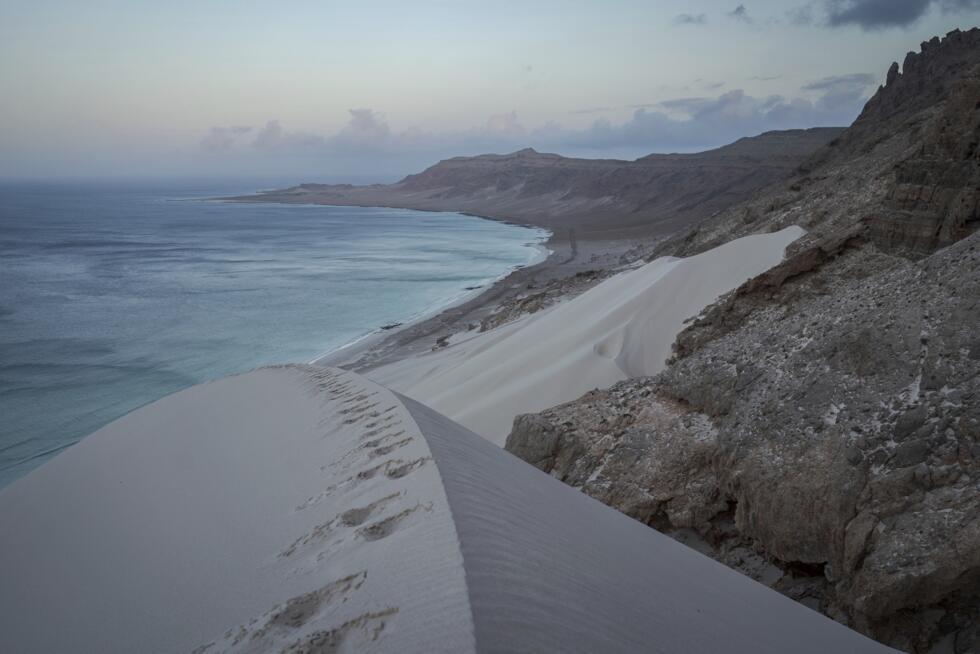
Sand dunes plunge into the sea on the Yemeni island of Socotra on September 21, 2024. © AP file photo
Satellite imagery reveals an expanded network of airstrips, military and intelligence bases built by the UAE, according to investigative reports. They extend from Socotra in the Indian Ocean to Yemen’s Arabian Peninsula coast to the Horn of Africa.
The UAE’s strategic partnership with Israel, strengthened by the Abrahams Accord, has also come under the spotlight during the recent tensions in Yemen.
Israeli media last month speculated about the resulting benefits of an independent southern Yemen under Abu Dhabi’s patronage. Arab outlets noted The National’s interview with Aidarous Al Zubaidi, head of the UAE-backed STC and also vice president of the Saudi-backed PLC, wherein he said he believed “we will be part of the [Abraham] accords”.
While this may be music to the Trump administration’s ears, it adds credence among local populations to the Houthis' self-declared role as defenders of the Palestinian cause.
Last month, when Israel suddenly recognised Somalia’s breakaway region of Somaliland, it raised eyebrows in Middle Eastern capitals and policy circles – and protests in Mogadishu.
Israel's recognition of Somaliland drives divides
It also drew attention to the UAE’s goals in the region. Noting Abu Dhabi’s strategic sweep from Perim island in the west to Socotra in the east, Kendall remarked that the UAE “has a stranglehold on the Gulf of Aden. Add to that, the fact that it was silent when its ally in the Abraham Accords, Israel, expressed its solidarity with the breakaway ‘nation of Somaliland’ on the other side of the Gulf of Aden, and it looks like that whole area is encircled by the UAE.”
Meanwhile across the Red Sea in Sudan, UN sanctions monitors have described what they deemed credible allegations that the UAE provided military support to Sudan's paramilitary Rapid Support Forces (RSF) in the civil war against the Sudanese army. Abu Dhabi denies the allegations.
The problem, many analysts say, is not Abu Dhabi’s goal of increasing strategic influence, but its effects on weak states. The UAE bases its foreign policy on “realpolitik and doesn't mind working with secessionist movements or with minorities”, said Basha. “You see that with the Rapid Support Forces. You're seeing that with the southerners in the STC. The Saudis are completely against that.”
This year, until and unless the two Gulf brotherly nations-turned-frenemies manage to sort out their differences, Yemen – and the wider Middle East – is unlikely to enjoy a lasting peace.
Satellite imagery reveals an expanded network of airstrips, military and intelligence bases built by the UAE, according to investigative reports. They extend from Socotra in the Indian Ocean to Yemen’s Arabian Peninsula coast to the Horn of Africa.
The UAE’s strategic partnership with Israel, strengthened by the Abrahams Accord, has also come under the spotlight during the recent tensions in Yemen.
Israeli media last month speculated about the resulting benefits of an independent southern Yemen under Abu Dhabi’s patronage. Arab outlets noted The National’s interview with Aidarous Al Zubaidi, head of the UAE-backed STC and also vice president of the Saudi-backed PLC, wherein he said he believed “we will be part of the [Abraham] accords”.
While this may be music to the Trump administration’s ears, it adds credence among local populations to the Houthis' self-declared role as defenders of the Palestinian cause.
Last month, when Israel suddenly recognised Somalia’s breakaway region of Somaliland, it raised eyebrows in Middle Eastern capitals and policy circles – and protests in Mogadishu.
Israel's recognition of Somaliland drives divides
It also drew attention to the UAE’s goals in the region. Noting Abu Dhabi’s strategic sweep from Perim island in the west to Socotra in the east, Kendall remarked that the UAE “has a stranglehold on the Gulf of Aden. Add to that, the fact that it was silent when its ally in the Abraham Accords, Israel, expressed its solidarity with the breakaway ‘nation of Somaliland’ on the other side of the Gulf of Aden, and it looks like that whole area is encircled by the UAE.”
Meanwhile across the Red Sea in Sudan, UN sanctions monitors have described what they deemed credible allegations that the UAE provided military support to Sudan's paramilitary Rapid Support Forces (RSF) in the civil war against the Sudanese army. Abu Dhabi denies the allegations.
The problem, many analysts say, is not Abu Dhabi’s goal of increasing strategic influence, but its effects on weak states. The UAE bases its foreign policy on “realpolitik and doesn't mind working with secessionist movements or with minorities”, said Basha. “You see that with the Rapid Support Forces. You're seeing that with the southerners in the STC. The Saudis are completely against that.”
This year, until and unless the two Gulf brotherly nations-turned-frenemies manage to sort out their differences, Yemen – and the wider Middle East – is unlikely to enjoy a lasting peace.
2 January 2026
COMMONSPACE.EU
The very public, and very rare, spat between Saudi Arabia and the United Arab Emirates, which saw Saudi planes bombarding cargo in Mukalla in Southern Yemen, which had just been unloaded from two ships that arrived from the UAE port of Fujairah, has caused concern among the four other GCC countries, and other neighbours in the region.
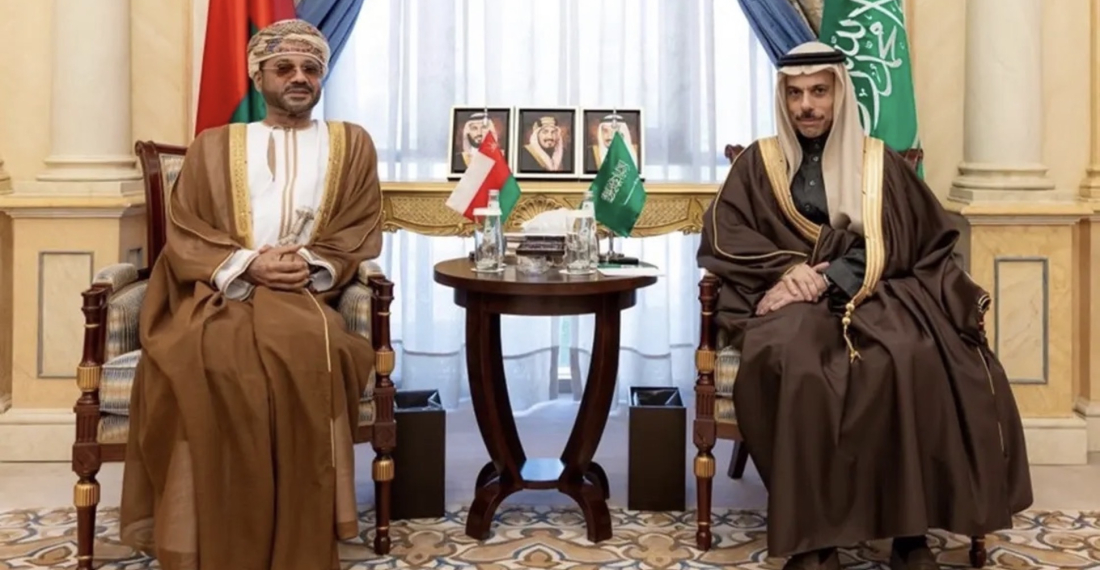
Omani Foreign Minister Badr Al Busaidi visited Riyadh on Wednesday for talks with Saudi Foreign Minister Prince Faisal bin Farhan on the developments in Yemen, which have raised concern across the region.
Oman's Foreign Ministry said the meeting between the ministers “addressed efforts to contain the escalation of violence and ways to support the political process aimed at addressing the root causes of the crisis”.
Tension has risen in recent weeks after the military takeover of Mahra and Hadhramaut, which share a 700km border with Saudi Arabia, by the Southern Transitional Council. The STC is the largest faction within the forces of the ruling Presidential Leadership Council, led by Rashad al-Alimi.
In Riyadh, Mr Al Busaidi and Prince Faisal discussed “achieving a comprehensive and sustainable settlement that preserves the sovereignty of the Republic of Yemen over its security and stability, while also taking into account the aspirations of its people and the higher national security interests of neighbouring countries and the rest of the region”, Oman's Foreign Ministry said.
Oman has played a vital mediation role in Yemen since Houthi rebels seized the capital, Sanaa, in 2014, forcing the government to flee south. A Saudi-led coalition, including the UAE, intervened at the request of the government to counter the Houthis, who control most of the north.
On Monday ( 28 December) the UAE announced that it was heeding calls by Mr Alimi, backed by Saudi statements, which called for the withdrawal of UAE forces from Yemen. This in turn raised concerns about internationally backed efforts to counter terror groups there.
Gulf countries have called for calm and restraint following the recent escalation. GCC members, Bahrain, Qatar, Oman and Kuwait, said they were monitoring the situation closely, highlighting the important role played in the past by Saudi Arabia and the UAE in supporting “stability and security” in Yemen.
Bahrain expressed its “confidence in the leadership of the Kingdom of Saudi Arabia and the United Arab Emirates and their ability to contain any differences in viewpoints within the framework of a unified Gulf
Qatar and Kuwait commended statements issued by the UAE and Saudi Arabia, which reflected “a commitment to prioritising the interests of the region, strengthening the principles of good neighbourliness and adhering to the foundations and principles upon which the GCC Charter is based”, Qatar's Foreign Ministry said.
Beyond the Gulf, Egypt said it was confident that the UAE and Saudi Arabia would approach the recent developments “wisely”, adding that it will continue to work with all sides towards de-escalation.
Jordan's Foreign Ministry said it held in high regard the “wisdom of the leaderships of the sisterly kingdom of Saudi Arabia and the United Arab Emirates in addressing the situation in Yemen”, which reflects their keenness to preserve Yemen's security and interests.
The STC, which is seeking to re-establish a separate state in southern Yemen, said on Wednesday that “the south does not harbour any hostility towards any country in the region or its Arab surroundings, especially the kingdom of Saudi Arabia, with which the south has deep and long-standing historical ties”.
Source: commonspace.eu, with the National (Abu Dhabi), Al Jazeera (Doha) and agencies.
Picture: Oman's Foreign Minister Badr Al Busaidi and Saudi Foreign Minister Prince Faisal bin Farhan in Riyadh on Wednesday, 31 December. (Photo courtesy of the Foreign Ministry of Oman).
The very public, and very rare, spat between Saudi Arabia and the United Arab Emirates, which saw Saudi planes bombarding cargo in Mukalla in Southern Yemen, which had just been unloaded from two ships that arrived from the UAE port of Fujairah, has caused concern among the four other GCC countries, and other neighbours in the region.
Omani Foreign Minister Badr Al Busaidi visited Riyadh on Wednesday for talks with Saudi Foreign Minister Prince Faisal bin Farhan on the developments in Yemen, which have raised concern across the region.
Oman's Foreign Ministry said the meeting between the ministers “addressed efforts to contain the escalation of violence and ways to support the political process aimed at addressing the root causes of the crisis”.
Tension has risen in recent weeks after the military takeover of Mahra and Hadhramaut, which share a 700km border with Saudi Arabia, by the Southern Transitional Council. The STC is the largest faction within the forces of the ruling Presidential Leadership Council, led by Rashad al-Alimi.
In Riyadh, Mr Al Busaidi and Prince Faisal discussed “achieving a comprehensive and sustainable settlement that preserves the sovereignty of the Republic of Yemen over its security and stability, while also taking into account the aspirations of its people and the higher national security interests of neighbouring countries and the rest of the region”, Oman's Foreign Ministry said.
Oman has played a vital mediation role in Yemen since Houthi rebels seized the capital, Sanaa, in 2014, forcing the government to flee south. A Saudi-led coalition, including the UAE, intervened at the request of the government to counter the Houthis, who control most of the north.
On Monday ( 28 December) the UAE announced that it was heeding calls by Mr Alimi, backed by Saudi statements, which called for the withdrawal of UAE forces from Yemen. This in turn raised concerns about internationally backed efforts to counter terror groups there.
Gulf countries have called for calm and restraint following the recent escalation. GCC members, Bahrain, Qatar, Oman and Kuwait, said they were monitoring the situation closely, highlighting the important role played in the past by Saudi Arabia and the UAE in supporting “stability and security” in Yemen.
Bahrain expressed its “confidence in the leadership of the Kingdom of Saudi Arabia and the United Arab Emirates and their ability to contain any differences in viewpoints within the framework of a unified Gulf
Qatar and Kuwait commended statements issued by the UAE and Saudi Arabia, which reflected “a commitment to prioritising the interests of the region, strengthening the principles of good neighbourliness and adhering to the foundations and principles upon which the GCC Charter is based”, Qatar's Foreign Ministry said.
Beyond the Gulf, Egypt said it was confident that the UAE and Saudi Arabia would approach the recent developments “wisely”, adding that it will continue to work with all sides towards de-escalation.
Jordan's Foreign Ministry said it held in high regard the “wisdom of the leaderships of the sisterly kingdom of Saudi Arabia and the United Arab Emirates in addressing the situation in Yemen”, which reflects their keenness to preserve Yemen's security and interests.
The STC, which is seeking to re-establish a separate state in southern Yemen, said on Wednesday that “the south does not harbour any hostility towards any country in the region or its Arab surroundings, especially the kingdom of Saudi Arabia, with which the south has deep and long-standing historical ties”.
Source: commonspace.eu, with the National (Abu Dhabi), Al Jazeera (Doha) and agencies.
Picture: Oman's Foreign Minister Badr Al Busaidi and Saudi Foreign Minister Prince Faisal bin Farhan in Riyadh on Wednesday, 31 December. (Photo courtesy of the Foreign Ministry of Oman).

No comments:
Post a Comment