Tuesday, January 13, 2026

Indian shares slide as Trump backs 500% tariff on New Delhi

THIS IS HOW HE TREATS FRIENDS 
Indian shares slide as Trump backs 500% tariff on New Delhi
/ Unsplash - Anne Nygard
By bno Chennai Office January 12, 2026

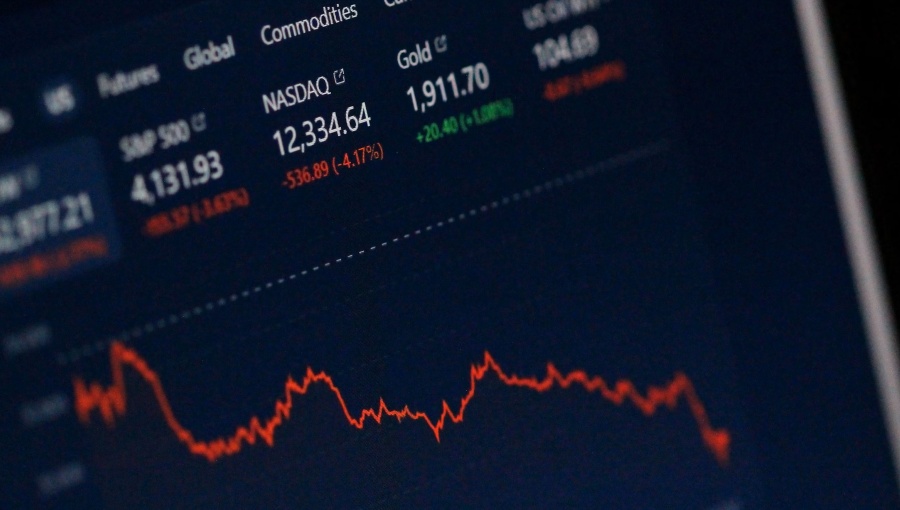
Indian equities closed lower on January 9 2025 as investors pared risk amid global uncertainty, renewed concern over trade frictions with the US and caution ahead of key inflation data due in the week starting January 12.

The Indian markets also severely corrected based on the potential implications of comments by US President Donald Trump and a proposed US bill that would impose a 500% tariff on Indian goods over New Delhi’s purchases of Russian oil, developments that added to geopolitical and policy risk premiums.

The Trump administration’s intermittent signals and statements about intervention on the side of the protestors in Iran where widespread protests against the ruling islamic regime are reaching a critical point, as well as the US’s continued insistence on acquiring Greenland from Denmark for its own national security needs contributed to the crashing sentiment.

According to a report by state owned DD News, the BSE Sensex fell 604.72 points, or 0.72%, to close at 83,576.24, while the NSE Nifty 50 declined 193.55 points, or 0.75%, to 25,683.30. Losses accelerated as the session progressed after a flat opening, reflecting late-day selling by institutional investors. Sectoral performance showed broad-based weakness.

Real estate and automobile stocks led declines, with the Nifty Realty index down 2.26% and the Nifty Auto index lower by 1.15%. Consumer-linked segments also underperformed, as the Nifty Consumer Durables slipped 1.14%, the Nifty FMCG index fell 1.08% and the Nifty Consumption index dropped 1.06%, signalling caution on discretionary demand. A handful of sectors bucked the trend.

The Nifty Oil & Gas index rose 0.40%, supported by selective buying in energy names, while the Nifty IT index added 0.28% on expectations of stable overseas demand. Public sector lenders also saw modest gains, with the Nifty PSU Bank index up 0.18%.

Heavyweights dragged the benchmark indices lower. Shares of NTPC Ltd (NSE:NTPC), ICICI Bank Ltd (NSE:ICICIBANK), Bharti Airtel Ltd (NSE:BHARTIARTL), Sun Pharmaceutical Industries Ltd (NSE:SUNPHARMA), InterGlobe Aviation Ltd (NSE:INDIGO), Mahindra & Mahindra Ltd (NSE:M&M), Bajaj Finance Ltd (NSE:BAJFINANCE), Titan Co Ltd (NSE:TITAN), Axis Bank Ltd (NSE:AXISBANK), ITC Ltd (NSE:ITC), Tata Steel Ltd (NSE:TATASTEEL), Maruti Suzuki India Ltd (NSE:MARUTI), UltraTech Cement Ltd (NSE:ULTRACEMCO), HDFC Bank Ltd (NSE:HDFCBANK), Bajaj Finserv Ltd (NSE:BAJAJFINSV), Hindustan Unilever Ltd (NSE:HINDUNILVR) and Power Grid Corp of India Ltd (NSE:POWERGRID) were among the main laggards.

Gains were limited to select counters. Asian Paints Ltd (NSE:ASIANPAINT), HCL Technologies Ltd (NSE:HCLTECH), Bharat Electronics Ltd (NSE:BEL), Eternal Ltd (NSE:ETERNAL), Tech Mahindra Ltd (NSE:TECHM), State Bank of India (NSE:SBIN), Tata Consultancy Services Ltd (NSE:TCS) and Infosys Ltd (NSE:INFY) ended higher. Broader markets also weakened.

The Nifty Midcap 100 index fell 474.40 points, or 0.79%, to 59,748.15, while the Nifty Smallcap 100 index slid 318.40 points, or 1.81%, to 17,282.65, indicating risk aversion beyond frontline stocks.

Profit taking intensified amid global volatility and uncertainty over trade negotiations after the US Commerce Secretary signalled delays in an India-US trade deal. Trump’s recent statements on trade and the proposed punitive tariff bill targeting India’s Russian oil imports further clouded the outlook. 

Attention is now also on India’s own inflation data due on January 12, which investors see as critical for assessing the policy stance of India’s central bank, the Reserve Bank of India, and the near-term direction of equities.

EU-India trade deal could be agreed by February, Merz says
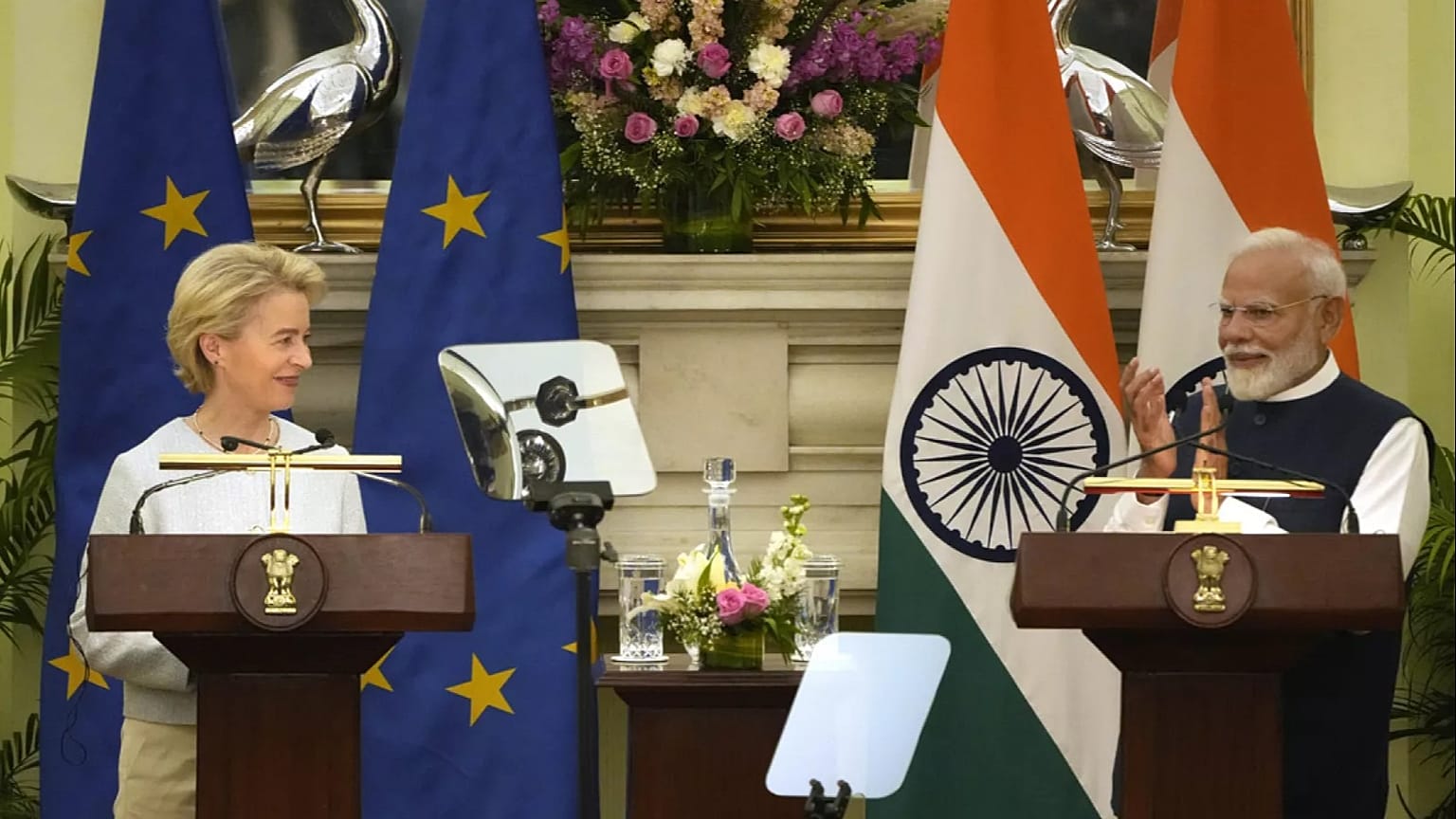
Indian Prime Minister Narendra Modi and European Commission President Ursula von der Leyen in New Delhi, India.
Copyright Manish Swarup/Copyright 2025 The AP. All rights reserved

By Peggy Corlin
Published on 

The German chancellor is already a strong supporter of the contentious Mercosur agreement adopted by EU countries last Friday.

Speaking on Monday during a trip to India, German Chancellor Friedrich Merz said European Commission President Ursula von der Leyen and European Council President Antonio Costa could sign a free trade agreement with New Delhi by the end of the month.

Merz's comments came days after a majority of EU member states backed the Mercosur free trade pact, a deal strongly supported by Germany as part of the bloc’s strategy to diversify trade ties beyond the US and China – two countries that have pursued strongly nationalist trade policies over the past year.

“Unfortunately we are seeing a renaissance of protectionism. It is directed against the principles of free trade and open markets,” Merz said at a press conference, adding that EU leaders could travel to India “towards the end of this month” to sign a free-trade agreement.

“In any case, they will take another major step forward to ensure that this free trade agreement comes into being,” he said.

The idea of holding an EU-India summit by the end of January was floated in Brussels as negotiations intensified late last year, though the original aim of sealing a deal by the end of 2025 ultimately came to nothing.

In his remarks encouraging a timely deal, Merz called India “the fastest growing economy of the G20” and described it as a “pivotal partner in the Indo-Pacific.”

EU trade agenda fuels turmoil in France

Last week, India’s Minister of Commerce and Industry Piyush Goyal travelled to Brussels for further high-level negotiations with EU trade chief Maroš Šefčovič, who last year described Indian negotiators as “tough”.

Both India and the EU are facing escalating trade problems with the US, which has raised tariffs on its trade partners, and China, which is increasingly attempting to weaponise other countries' dependencies on raw materials and technology.

But negotiations over the sustainability chapter have proven difficult, the Commission told EU lawmakers last September, particularly regarding the introduction of a dispute settlement mechanism tied to green standards.

The EU’s Carbon Border Adjustment Mechanism, adopted in 2023, has been also a particular sticking point for India.

Merz nonetheless said he was confident the talks have entered their final stretch, remarking that the signing of the deal would be “an encouraging sign on the path to continue down the road of forging and concluding free trade agreements”.

The EU’s diversification agenda is fuelling political turmoil in France, the bloc’s second-largest economy after Germany, which opposed the Mercosur agreement over concerns that French farmers' livelihoods could be endangered by a flood of Latin American imports.

While von der Leyen is set to travel to Paraguay to sign the Mercosur deal on 17 January, as first reported by Euronews, tensions have escalated between French President Emmanuel Macron and the political opposition, with both far-right and far-left parties calling to subject his government to a vote of no confidence.


COMMENT: George Washington did it too - Trump and the long US tradition of political abduction

COMMENT: George Washington did it too - Trump and the long US tradition of political abduction
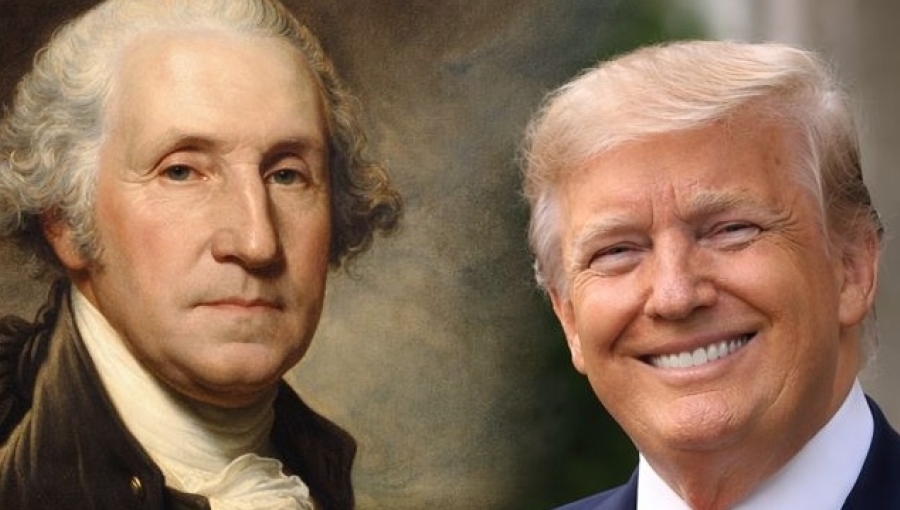
George and Donald / bno IntelliNews
By Mark Buckton - Taipei January 13, 2026

In the annals of American statecraft, the tension between ideals and realpolitik has repeatedly produced episodes of covert intervention, targeted abduction and, occasionally, outright regime decapitation. To this end – the January 3 abduction of Venezuelan President Nicolas Maduro, unbeknownst to many, was just the latest in a long line of similar actions that started way back under the leadership of the man held most holy in the US - George Washington.

From the fledgling republic’s dubious gambits at the end of the 18th century to a controversial expedition into Caracas in early 2026 that left 100 or so corpses behind, American presidents have at times stretched constitutional and international norms in pursuit of national objectives.

The Revolutionary plan to abduct a future English king

Long before the United States had fully formed the concept of executive foreign policy powers, General George Washington authorised an audacious plan to abduct Prince William Henry, a teenage son of King George III, then serving as a midshipman in the Royal Navy in British-occupied New York. The scheme was intended to secure the prince’s capture with the intention of using him to guarantee the release of American prisoners of war. Washington reportedly wrote at the time - 1781 – in a letter to the Marquis de Lafayette, who commanded American troops in Virginia, suggesting that if the opportunity arose, the prince might be seized during one of his many shore visits.

Although the plot never materialised as British intelligence heightened security around the royal figure, the episode reflects an early and ethically questionable willingness by American authority to use political abduction as a weapon.

In the following decades and centuries, the young republic did not institutionalise a formal abduction or assassination policy, but it engaged in interventions that stretched executive authority. The 19th century saw the US support filibusters and private military ventures close to home in Latin America and the Caribbean. While not always directly sanctioned as presidential “take-down” missions, these activities undercut sovereign leadership elsewhere and set a precedent for future interventions when the US saw fit.

In more recent times, the mid-20th century ushered in a distinctly different era. Under the pressures of Cold War geopolitics, successive US administrations authorised covert action programmes aimed at undermining or eliminating perceived communist threats.

Perhaps the most illustrative and well known in recent years was Operation 40, a CIA unit authorised under President Dwight Eisenhower’s administration to engage in sabotage and destabilisation against Fidel Castro’s Cuba, with assassination schemes listed in its portfolio.

The scope of such covert action was unveiled in the Church Committee reports of the 1970s, which documented multiple US assassination plots against foreign leaders, including Fidel Castro of Cuba, Patrice Lumumba in the Congo, and René Schneider in Chile.

The revelations, when made public, triggered widespread outrage and, in 1976, President Gerald Ford issued an executive order prohibiting political assassination by US operatives - a norm that would stand for decades before eventually falling flat on its face.

Late 20th Century interventions

While the Ford presidency executive order formally banned assassination, the US continued to engage in operations that toppled or captured foreign leaders, most notably Operation Just Cause in Panama, where US forces in December 1989 ousted General Manuel Noriega, a former CIA collaborator turned liability. Although Noriega was not assassinated, the invasion removed him from power and brought him to US trial on narcotics charges in an operation eerily similar to the more recent op in Venezuela.

Similarly, United States involvement in coups and civil wars across Latin America and elsewhere - from Chile in 1973 to Nicaragua in the 1980s - frequently resulted in political removal of unwanted regimes, albeit through local proxies rather than direct presidential 'decapitation' missions.

The 21st century then saw a semantic reshaping of US policy on targeting leaders and high-value individuals. The Bush and Obama administrations embraced drone strikes and special operations against non-state and quasi-state actors. The most notable example was the killing of Osama bin Laden by US Navy SEALs in Pakistan in 2011, authorised by Democratic President Barack Obama - a legal and moral precedent for executive-sanctioned targeted killing outside a formal war theatre forgotten by many anti-Trump protestors currently objecting to the Maduro abduction.

In early 2020, President Donald Trump himself, no doubt keen not to be outdone by Obama, ordered a drone strike that killed Qasem Soleimani, commander of the Iranian Revolutionary Guard Corps’ Quds Force, in Baghdad. That operation, six years to the day before the most recent US political abduction, underscored the contorted interplay between national self-defence claims by the US, and extraterritorial lethal force in a marked departure from earlier restrictions on targeting prominent individuals.

Operation Absolute Resolve: the abduction of President Nicolas Maduro

The most recent incarnation of this almost 250-year-old US political modus operandi came on January 3, 2026, when American forces reportedly conducted Operation Absolute Resolve, a large-scale military incursion into Venezuela to remove President Nicolas Maduro and his wife, Cilia Flores from the country, before transporting them to New York to face drug-trafficking and narco-terrorism charges.

The operation was publicly declared by President Donald Trump and justified under narcotics charging and law-enforcement rationales.

Unlike earlier episodes involving non-state figures, this mission involved the seizure of a sitting head of state of a sovereign nation with which the US was not at war, setting yet another distinct and dangerous precedent.

In the days since, critics have contended that the operation violated international law and the UN Charter, and may have breached constitutional limits on war powers by bypassing congressional authorisation. International reaction was swift and largely damning. Leaders from Brazil, Mexico and China denounced the raid as a flagrant violation of sovereignty, while the European Union meekly acknowledged Maduro’s contested legitimacy and emphasised adherence to international norms.

The progression from Washington’s tacit approval of a kidnapping plot centred on a future British monarch, to a modern military removal of a foreign leader underscores not only the expansion of US executive reach but also the increasingly blurred lines between counter-terrorism, law enforcement and regime change in the eyes of the Oval Office.

In Washington’s era, the norms of warfare were nascent and the American state was arguably fighting for survival. By contrast, the 2026 Venezuelan intervention occurred within an established international legal order that prohibits the use of force against another state unless in self-defence or as part of a UN mandate.

As such, be it a Revolutionary gambit to capture a British prince or the seizure of a contemporary Latin American president, American presidential authority is sinking to new lows.

The question that must be now asked of any future occupant of the White House come presidential debate time, is at what cost does the United States preserve its security, and to what extent does such intervention erode the legal and moral foundations on which its own democracy rests?

Fossil Fuel Subsidies Are Leading the US and EU Into Industrial Decline

We must reject the argument that climate protection is a burden on the economy, says energy expert Hans-Josef Fell.
PublishedJanuary 10, 2026

The Jim Bridger power plant in Rock Springs, Wyoming.Jim West / UCG / Universal Images Group via Getty Images

Since Donald Trump took office, the U.S. government has been more aggressively boosting fossil fuels to exert geopolitical dominance. President Donald Trump stated unequivocally that the military assault on Venezuela and the kidnapping of President Nicolás Maduro and his wife are aimed at gaining control of the country’s oil reserves. Meanwhile, oil company shares are soaring, a dividend on the investments of “Big Oil,” the major donor to Trump’s election campaign. It is also no coincidence that Nigeria (which the U.S. bombed over Christmas) and Iran and Greenland, which Trump repeatedly threatens, are oil-rich regions, too.

While the U.S. is focusing on fossil fuel extraction, a dramatic transformation is taking place worldwide. In China, CO2 emissions have been stagnating or declining for over a year and a half. The expansion of global renewable energy capacity reached an unprecedented 582 gigawatts (GW) last year. USD 2.4 trillion was invested in the energy transition, a third of which went into renewables. These are historic records, even if they are not enough to achieve the goal set at COP28 in Dubai: tripling the installed capacity of renewable energy worldwide by 2030.

Against this backdrop, climate and energy expert Hans-Josef Fell sees the world at a crossroads. Opting for fossil fuels not only leads to planetary catastrophe, but it is also economically misguided, he says.

Hans-Josef Fell was a member of the German Bundestag from 1998 to 2013. As a leading climate figure of the Green Party, Fell helped to advance the energy transition in Germany. He was a drafter of the Renewable Energy Sources Act (EEG), a law that came into force in Germany 25 years ago and has been copied by more than 60 countries. EEG promotes renewable energies (wind, solar, hydro, biomass) and guarantees their preferential feed-in to the power grid as well as fixed feed-in tariffs (which provide above-market prices) in order to drive forward expansion and shape the energy transition.

Today, Fell is president of the Energy Watch Group, an international network of scientists and parliamentarians researching fossil, nuclear and renewable energy resources, and, together with climate activists such as Bill McKibben, is an advocate for 100 percent renewable energy. In this interview, Fell discusses the widespread rollback of climate policies, how to transition to a zero-emission economy, and how investment in renewable energy is driving China’s economic boom.

This interview has been lightly edited for clarity.

David Goeßmann: While greenhouse gases continue to rise to record levels globally, the U.S. is still the second-largest emitter in absolute terms, but with much higher per capita consumption and historical emissions than China. President Donald Trump has reversed the steps toward energy transition initiated under the Biden administration, attacked all environmental protection measures, and issued thousands of new oil and gas drilling permits while U.S. greenhouse gas emissions are going up again. In Europe, we see a boom of fossil gas and gas-fired power plants while overall climate policy is in decline. For instance, the German government under Chancellor Friedrich Merz watered down the European Union’s (EU) climate targets and undermined the EU’s ban on combustion engines from 2035. The EU has also weakened the so-called Green New Deal. How do you assess climate protection in the industrialized world?

Hans-Josef Fell: There is no climate protection worthy of the name in the rich countries, nor globally. The Earth’s temperature is accelerating toward three degrees Celsius by 2050, as new calculations by the German Meteorological Society and the German Physical Society show. The Energy Watch Group has also clearly described this; one only has to extrapolate the current path of exponentially rising temperatures from the last 20 years.

This alarming result is also clear, because as early as 1990, the limit of 350 parts per million (ppm) of carbon dioxide in the atmosphere that is sustainable for human civilization was exceeded. Today, the atmosphere is already overloaded with almost 430 ppm. An effective climate protection target that could enable the planet, which is already overheated by more than 1.5 degrees Celsius in 2024, to cool down can therefore only be to reduce the concentration of greenhouse gases in the atmosphere (not to be confused with annual emissions!) to below 350 ppm. This can only be achieved if all emissions are stopped in about two decades and, at the same time, huge amounts of carbon are removed from the atmosphere. The anti-climate measures mentioned above and many others are irresponsibly counterproductive, as they even reward new increased emissions with tax breaks and, with tax subsidies, even promote the expansion of highly climate-damaging natural gas power plants and natural gas infrastructure. At the same time, these tax breaks for climate polluters place a further burden on the already highly indebted national budget, which could lead to crises that we remember all too well from Greece’s national bankruptcy crisis in 2010.

We see in different industrialized countries that emissions are going down; even in the U.S., the trend since 2005 shows a slight decrease. The EU has a climate goal to be climate neutral by 2050 while the Biden administration at least committed to net zero emissions by mid-century, though Trump revoked that. Will policies like these be enough?

Since we need to return to 350 ppm in a few decades, climate neutrality in 2045 is far too late and far too weak. In addition to achieving a zero-emission economy, we also need a strong carbon-reducing economy, which can be achieved through reforestation, regenerative agriculture, and marine algae farming.

A zero-emission economy with 100 percent renewable energies and an emission-free circular economy is possible — all the technologies are there. All that is needed is the declared political and social will and strong investment from the financial sector and private individuals. Building an emission-free industry would also boost the economy. However, only China is currently pursuing such a strategy aggressively. In the EU and the U.S., fossil fuel interests have regained the upper hand.

You’re often in China. How do you see developments there in terms of climate protection and the energy transition compared to Europe and the U.S.?

A zero-emission economy is based on an energy supply that is 100 percent renewable. If we had that globally, about 60 percent of all greenhouse gas emissions would be stopped. China alone — currently still the largest emitter of greenhouse gases — is on an industrial growth path toward this goal. Sixty-two percent of global photovoltaic growth, 71 percent of global wind energy, and about 60 percent of all batteries and electric vehicles were brought to market in China last year. In 2024, more than 90 percent of the solar cells installed worldwide and 70 percent of electric car batteries were produced in China. Investment in clean energy has been growing for years, while production capacities are being expanded. In 2023, investment increased by 40 percent compared to the previous year.

This is the key driver of China’s economic boom, which has been ongoing for years. Europe, with its half-hearted renewable energy policy, and the U.S. under Trump, with its anti-energy transition agenda, are threatening to go into industrial decline. The industry of the near future will be clean, renewable, and emission-free. Those who still insist on subsidizing natural gas, fossil fuel combustion engines, fossil fuel heating systems, and fossil fuel-based industrial production will ultimately lose entire industries to China and end up in the poorhouse.

At the moment, we are seeing a backlash against the green transformation in many societies, especially in the rich industrialized countries. Do you nevertheless see positive developments in the global energy transition?

Yes, renewable energies are advancing massively worldwide. However, this is being driven primarily by China and increasingly also by BRICS countries other than Russia [the BRICS group includes Brazil, Russia, India, China, and South Africa]. Those who, like the U.S. and the EU, want to protect their own dirty fossil fuel economy from Chinese dominance with tariffs on solar products or electric cars will only lose market share, as we are already seeing clearly today with the German car manufacturers VW, Daimler, and BMW, which are late to the game and still half-hearted in their commitment to e-mobility.

You say that an energy transition in most countries can be completed within 10 years. Explain how such a rapid transition could take place.

Until around 2012, we had in Germany about 30 percent annual growth in solar energy, and until 2017, similar growth in wind energy. Had these growth rates in solar expansion not been halted in 2012 in the wake of the devastating amendments to the Renewable Energy Sources Act (EEG) by Federal Environment Minister Peter Altmaier, and then in wind energy from 2017 onwards by Environment Minister Sigmar Gabriel, Germany could have achieved a full supply of 100 percent green electricity by around 2022 with the corresponding parallel expansion of storage facilities. The increases in natural gas prices as a result of Russian President Vladimir Putin’s war against Ukraine would have had little impact on our economy, energy security would have been very high, the average 81 billion euros in import costs for fossil fuels would have fallen dramatically, and emissions would have been significantly lower.

Today, we must build on the success story of the EEG from 2000 with its basic principles of fixed feed-in tariffs, whereby a modern EEG should also be geared toward system integration into the electricity grid. Then, with the simultaneous expansion of electric heating, e-vehicles, and industrial production, a full supply of 100 percent green electricity can be achieved by 2030. Such a market ramp-up would also give the domestic renewable energy industry a chance and reduce dependence on China.

If a rapid transition is possible and even economically advantageous, why is it not being implemented politically? Who is continuing to put the brakes on this?

The fossil fuel and nuclear industries have a firm grip on large parts of the media, both traditional and social, and thus also on the political debate. Fake news is constantly being produced, e.g., that renewable energies are driving up electricity prices or that there is a nuclear renaissance in the world. Bavarian Prime Minister Markus Söder recently claimed that Germany could support its economy by quickly building small nuclear power plants like those already in operation in Canada. A glance at Canada shows that there are no such small nuclear reactors there, not even under construction. There are only two in the planning stage, and their completion is still up in the air. So even a high-ranking politician can lie to the public with impunity.

In the broader debate, climate protection is often portrayed as a burden. In your opinion, what is wrong with the way the energy, transport, and agricultural transitions to protect the environment are discussed in the media?

From the outset, the fossil fuel industry has managed to defame climate protection as a burden on the economy. However, this only applies to the fossil fuel industry, which will of course have to completely cease its business activities involving oil, gas, and coal. But climate protection is a booster for the clean, emission-free economy, as China is now making abundantly clear.

But even many climate activists have adopted the fossil fuel industry’s framing and talked about burden-sharing in climate protection. Spending on renewable energies is not a cost burden, but rather an investment that creates jobs and tax revenue while reducing the costs of damage to health care due to poor air quality or environmental and climate damage. Climate protection is therefore not a burden, but an improvement in prosperity for everyone, except for businesses in the fossil fuel-polluting economy.

In recent years, environmental movements and climate activists have developed various strategies to promote more climate protection in countries. At the moment, it has become difficult to put the issue on the agenda. The pandemic, the wars in Ukraine and the Middle East, and the rise of right-wing authoritarian parties have dominated the headlines. In your opinion, what strategies make sense to get governments to take climate action?

Climate activists must finally free themselves from the narratives of fossil fuel industry representatives and demonstrate that climate protection is an essential contribution to the economy, creates new jobs and industries, reduces the costs of disease and environmental damage, relieves private households of high energy costs, and ultimately slows down the galloping national debt. Furthermore, the lack of climate protection is one of the causes of the major problems that are weighing so heavily on us: increasing refugee movements, famines as a result of crop failures, wars over oil or natural gas, fossil fuels as a means of political blackmail, and much more.

Let us finally stop leaving the debate to the fossil fuel and nuclear climate destroyers, of which the oil and gas industry alone has been making around $2.8 billion in net profits every day for 50 years, ultimately leaving behind more and more poverty, suffering, disease, and a destroyed planet.

This piece was reprinted by Truthout with permission or license. It may not be reproduced in any form without permission or license from the source.


David Goeßmann
David Goeßmann is a journalist and author based in Berlin, Germany. He has worked for several media outlets including Spiegel Online, ARD, and ZDF. His articles appeared on Truthout, Common Dreams, CounterPunch, ZNetwork, The Progressive, and Progressive International. In his books he analyzes climate policies, international affairs, global justice, and media bias.


This Tribal News Agency Shows How to Defend a Free Press at the Grassroots

As Trump erodes press freedoms, the resurgence of Mvskoke Media offers lessons on how to protect independent media.
January 10, 2026

Angel Ellis speaking at the Millennium Docs Against Gravity Film Festival in Poland, 2023, where the documentary Bad Press was screened. Millennium Docs Against Gravity

To say press freedoms in the U.S. have taken a knock during the first year of Donald Trump’s second term would be a gross understatement.

Perhaps the most glaring example is the Department of Defense’s new policy requiring journalists covering the Pentagon to sign a pledge promising not to use any information that hasn’t been explicitly authorized. But the Trump administration’s attacks on a free press have also included other tactics, like the effort to dismantle Freedom of Information Act processes across federal departments.

The administration’s explicit attempts at censorship work alongside the more insidious ways in which press freedoms are eroded, like the right-wing capture of legacy media institutions and social media platforms by ideologues and billionaires.

“To be clear, all presidents and all elected officials have always objected to their coverage,” David Loy, legal director with the First Amendment Coalition, a nonpartisan nonprofit that seeks to promote and protect press freedoms, told Truthout. “But the Trump administration has mounted unprecedented attacks on freedom of the press.”

These attacks on press freedoms don’t stop at the federal level, however; they are also being inflicted by local governments seeking to undermine already-embattled local media. In Northern California’s Shasta County, for example, the region’s registrar of voters, Clint Curtis, singled out a local media outlet for exclusion on a press release distribution list after the publication had reported on serious questions about his proposed changes to the electoral process.

It hasn’t been all bad news, with the courts remaining a vital bulwark against such attacks.

In November, Marion County in Kansas agreed to offer an apology and pay a $3 million settlement to end a lawsuit stemming from police raids on the small Marion County Record newsroom and two homes in August of 2023, including that of Record vice president and associate publisher, 98-year-old Joan Meyer, who died of a heart attack the following day. The raids were precipitated by a news tip the Record had received about the driving record of a local restaurant owner who was applying for a liquor license. The police chief alleged incorrectly that the paper had illegally accessed these records.

In October, a California district court judge sided with the Los Angeles Press Club in striking down an attempt by the Los Angeles Police Department to lessen use-of-force restrictions against journalists covering protests across the city.

Against this backdrop, the small and scrappy news outlet that serves the Muscogee (Creek) Nation of Oklahoma — the fourth-largest federally recognized tribal nation in the U.S. — offers a stark lesson of what happens when cherished press freedoms are lost altogether, as well as a blueprint for how to restore and protect these important civic checks and balances.

The Fight for a Free Press

Just over four years ago, Muscogee voters approved a constitutional amendment guaranteeing the nation’s free and independent press, along with a stable funding source for Mvskoke Media, a tribal news agency. It’s the first tribal nation to tweak their constitution to cement and secure an independent press in this manner.

The road to that moment was a long and rocky one, characterized by corruption in high office, a small newsroom hamstrung by government censorship, and a community forced to reckon with the potential loss of a key mechanism for holding their leaders accountable. The story is documented in the roller-coaster 2023 documentary Bad Press by filmmakers Joe Peeler and Rebecca Landsberry-Baker, the latter a member of the Muscogee Nation and a former editor of Mvskoke Media.

“Part of being a good journalism outlet is always advocating for press freedom and the First Amendment rights of our citizens,” said current Mvskoke Media Director Angel Ellis. “And now, we are in better shape to do that advocacy work and deliver the news as we should.”

The nation has been served by a monthly newspaper since 1970, The Mvskoke News, which is now housed at Mvskoke Media, an editorial and creative outlet. The nation’s journalists had already built a reputation for holding its leaders’ feet to the fire. But not everyone appreciated this public accounting, especially those in charge.

Ellis broke a major government corruption story in 2011 about the misuse of tribal gaming funds. It won her an award from the Native American Journalists Association, but Ellis’s department manager fired her for insubordination shortly after this coverage went to print.

A few years later, in 2015, the Muscogee Creek Nation passed a law codifying its free press, in the process protecting the work of the journalists Ellis had left behind. At the time, it was one of just a handful of tribal nations to have enacted such a law. Even today, only about 11 of the 574 federally recognized Native American tribes are protected by some sort of press freedom, either by a law written into their books or by a court ruling defending that nation’s independent news coverage, said Ellis.

As easily as a law can get passed, however, it can just as easily be rolled back.

In 2017, Mvskoke Media investigated the tribal council speaker, Lucian Tiger III, for sexual misconduct, in an explosive story that rattled the tribal nation. The newsroom received warnings from within the government that council members wanted to nuke the nation’s free press law to gag reporters. The following year, they did. The council voted 7-6 to repeal the law. Tiger was the decisive tie-breaker.

The vote dissolved the paper’s editorial board and gave council members the ability to edit and approve stories. Many of Mvskoke Media’s reporters — whose digital communications were suddenly open for scrutiny by government leadership — resigned, appalled at being professionally handcuffed. Ellis, who had been rehired in 2018, just before the repeal of the law, was one of the few who stayed on.

In 2019, the tribal council passed another bill somewhat restoring the Mvskoke Media’s press independence. But it was far from perfect. And the newsroom’s ability to check power remained limited under a law that could once again be revoked.

In a democracy where governmental authority isn’t properly held accountable, elections are among its most corruptible parts. After the tribal attorney general called the elections later that year “fatally flawed,” the Muscogee Creek Nation Supreme Court nullified the results and called for a redo, finding the election board’s handling of ballots opened the door to tampering.

If the wheels of democracy were to spin unimpeded, an independent free press was vital. A constitutional amendment would cement it in stone. Come the elections of 2021, Muscogee citizens got their chance to weigh in.

In the lead up to the vote, the Mvskoke Media championed the amendment, with Ellis, a heavy-smoking, straight-talking force of nature, its loudest bullhorn. Part of that role required convincing community members of its necessity, some of whom believed Mvskoke Media’s journalists were just scared of losing their livelihoods.

“I didn’t argue with them. I’m like, ‘Yeah, we’re a news organization. And news organizations are run by people who do the job and people need to be paid,’” said Ellis, describing “hundreds and hundreds of hours of outreach speaking candidly one-on-one” with the community.

“We got really transparent with the public and showed them how we operated and what those funding revenue streams looked like and how they were being administered by our department. It felt risky to expose all of our funding streams and our financials,” said Ellis. “We did that so that they understood exactly how those public funds were being spent.”

Her work paid off in September 2021, when the Muscogee Creek Nation voted for the free press constitutional amendment by a whopping 76 percent. Its passage came with immediate tangible effects, for both Mvskoke Media and the Muscogee Creek Nation as a whole. Since then, “democracy has been carried out in a very cohesive and boring manner,” said Ellis.
Since the Constitutional Amendment

The constitutional amendment built a firewall between Mvskoke Media and government officials. So far, it’s held firm. “There’s nothing threatening coming down the pipeline, but we don’t want to rest on our laurels,” said Ellis.

As part of that proactive approach, Ellis has found the publication independent legal counsel. They’ve also moved the newsroom’s headquarters from one owned by the Creek Nation to an independent location in Tulsa.

“If they ever wanted to come and shut our doors, they could have,” said Ellis, about the impetus behind the location change.

Another vulnerability came from the fact the newsroom’s IT services ran through the tribe. “Are they reading our emails? Were they able to shut us down in terms of our digital electronic functions?” said Ellis, replaying some of her fears. In response, the organization has adopted its own independent IT system.

All of this has cost money, which brings up another remarkable evolution of Mvskoke Media: funding.

Although the newsroom still receives statutory funding, about 60 percent of its money now comes from merchandizing: think sweatshirts, hoodies, and t-shirts. Mvskoke Media operates two brick-and-mortar gift shops, and while it doesn’t have a commercial printing press, it has printers perfectly suited for commercial business cards, flyers, and brochures.

“In the midst of all of the upheaval we were experiencing, a lot of the citizens were really behind us and we started selling t-shirts that were culturally branded,” said Ellis, explaining the genesis of the idea. “We started out with about $10,000 worth of just t-shirts. We sold them. And everything we sold, we put right back into it. And now, we’ve grown that into over half a million dollars of revenue.”

It hasn’t all been smooth sailing. Before the free press law was repealed in 2018, the Mvskoke Media newsroom employed 12 people. “As we sit today, I only have five,” said Ellis. “I’m desperately trying to rebuild capacity. When you lose 90 years-worth of experience in a newsroom, it’s damn near impossible to replace that.”

Ellis has taken her story to newsrooms large and small around the U.S. imparting words of hard-earned wisdom. One of her pieces of advice is to embrace public criticism. For the Mvskoke Media, a frequent critique, Ellis explained, surrounds the sort of coverage the community can feel paints the tribe in a negative light.

Another is to eschew the old profit-driven funding model built around advertising. “I’ve trained some very prestigious newsrooms and my message is always this: ‘Indigenize your process and get away from the capitalism,’” said Ellis, who explained that while the Mvskoke Media still accepts advertising dollars, it’s far from a central focus of their revenue-building efforts. “Your bottom line will improve if you live in service to your community.”

“It’s always in the nature of power to resist accountability,” said Loy, offering a reminder that press freedoms need eternal vigilance. “Free speech begins at home. It’s just as vitally important that free speech and a free press be defended at the grassroots.”

Ellis, meanwhile, can now start to look back on years of frustration, fear, and no small amount of hard work with the sense of a job well done. “To see progress and to be able to provide an example of a success story for our industry that doesn’t have a ton of reasons to celebrate right now, it feels very, very good,” she said. “It’s very gratifying work.”

This article is licensed under Creative Commons (CC BY-NC-ND 4.0), and you are free to share and republish under the terms of the license.

Dan Ross
Dan Ross is a journalist whose work has appeared in Truthout, The Guardian, FairWarning, Newsweek, YES! Magazine, Salon, AlterNet, Vice and a number of other publications. He is based in Los Angeles. Follow him on Twitter: @1danross.


Mental health in a broken world
Published January 12, 2026
DAWN

The writer is a consultant psychiatrist.


“The stark reality for the vast majority of people in the non-Western world, transcending everything, is poverty. Currently one quarter of the global population lives in near destitution and 3.5 million children die of starvation annually. What is ‘mental health’ in this broken social world?” (Summerfield, 2012)


IN recent years, mental health has been attracting a lot of attention — globally as well as in Pakis­tan. Terms like ‘anxiety’, ‘depression’, ‘trauma’, ‘neurodivergence’ and ‘well-being’ frequently come up for discussion on public forums and social me­­dia.

In Pakistan “increasing awareness and decr­e­­asing stigma” about mental health has become quite fashionable. Telepsychiatry, helplines, on­­line platforms for connecting with psychologists and counsellors are making mental healthcare much more accessible to people.

On the surface, all this seems promising, but it begs a deeper que­stion: are we medicalising human suffering and distress in ways that obscure its social origins? A new book, provocatively titled Searching for Normal by Dr Sami Timimi, a child and adolescent psychiatrist and psychotherapist in UK’s National Health Service invites us to consider precisely this: how we understand and conceptualise distress, what are its root causes and how we respond to it.

Timimi describes a global mental health system in which distress and behavioural differences are increasingly framed as medical disorders requiring diagnosis and treatment.

Rather than viewing emotional suffering as a natural response to adverse social and economic conditions, we are encouraged to see it as a pathology — something inside the individual that needs fixing. Timimi calls this a “mental health industrial complex” (much like the military-industrial complex) and highlights how diagnoses, therapies, medications and self-help markets form a complex network of interests that benefit from ever-expanding definitions of illness.

Over the last few decades, the number of psychiatric diagnostic labels has multiplied exponentially — from attention-deficit hyperactivity disorder (ADHD) to autism spectrum disorders to new stress and trauma classifications. While some help guide support for genuinely disabling experiences, they are also cultural constructions rather than discrete biological entities with clear tests, like diabetes or tuberculosis. Timimi points out that psychiatric diagnoses are not grounded in objective biomarkers but in symptom clusters that vary across cultures. What counts as a ‘disorder’ is shaped by cultural and economic forces, not just science.

The dramatic rise in the diagnosis of ADHD and autism in recent years, Timimi observes, is linked to incentives and structures of profit-making, wherein market forces, pharmaceutical interests, and diagnostic expansion intersect. We are already seeing a similar trend in Pakistan as people are increasingly self-diagnosing based on checklists freely available on the internet and asking to be put on medication. This is not only pathologising, but is reducing complex social realities into ‘conditions’ to be treated.


The medical model of mental health thrives on individualisation of systemic problems.

This is not to deny the reality of suffering or a criticism of therapy or to be psychiatric care per se. Distress is real and suicide, self-harm, anxiety and depression affect individuals and families deeply; some individuals benefit from clinical support, and severe psychiatric conditions exist and deserve compassionate, evidence-based care. But when ordinary distress — sadness after loss, anxiety during economic struggle, restlessness in adolescence — begins to be treated as a diagnosable disorder, we must ask how we understand and respond to that suffering. Should mental healthcare be primarily about diagnosing and treating individuals or also about reshaping the social world in which they live?

A mental health strategy that focuses on treating symptoms with medication and therapy, that ignores the conditions that produce those symptoms, also ignores prevention. It forces mental health professionals to treat symptoms without improving the lives of people in meaningful ways. Societies facing economic hardship do not need more medicalisation; they need jobs, food, housing, safety and security.

The medical model of mental health thrives on individualisation of systemic problems. Focusing on individual self-management, self-care, or ‘fixing the chemical imbalance’ in the brain deflects attention from collective and structural solutions, including human rights, economic reforms, and social and economic justice.

Timimi’s book urges us to view people not through the lens of pathology with the goal of returning them to a vague ‘normal’, but to ask what is “normal in a broken social world?” It means taking an approach that goes beyond “raising awareness, decreasing stigma or including mental health in primary care” and to also focus on social welfare, education and economic opportunity. It suggests that schools, workplaces, mosques and neighbourhoods should be part of a collective mental well-being ecosystem, not just referral points to clinicians.

For Pakistan, this has important implications, as social determinants — poverty, unemployment, violence, widespread disparity, social and economic injustice, institutional corruption and lack of social protections — are powerful drivers of distress. Research shows that inequality and insecurity are strongly linked to poor mental health outcomes. In communities affected by conflict, natural disasters or chronic poverty, emotional suffering is often a response to external conditions, not an internal defect. Framing this distress as a mental abnormality diverts attention from policies that should address their root social causes.

Importantly, it forces us to question how we conceptualise distress in countries like Pakistan and whether we are conflating distress with clinical states of depression and anxiety. If distress is framed primarily in clinical terms, then we seek a medical solution — medications or counselling/ therapy (or both) — while people continue to battle the same social conditions that caused their distress in the first place.

A humane, contextual approach to mental health acknowledges that suffering is often a response to lived conditions — poverty, violence, marginalisation — much more than some chemical imbalance in the brain. It calls for policies that address these conditions upstream, while also providing care that is compassionate, culturally grounded, and socially informed.

There is need for broadening our vision — thinking of mental well-being not as a product of individual pathology, but a reflection of societal conditions. Only then can we move towards creating a society where healing is shaped by justice, solidarity and care.

The writer is a consultant psychiatrist.

mmkarticle@gmail.com

Published in Dawn, January 12th, 2026
Eric von Daeniken, Swiss author who popularised ancient alien theories, dies at 90


Legions of fans snapped up his more than 40 books and watched his television specials and documentary films despite academics refuting his theories.


Reuters
12 Jan, 2026


Best-selling Swiss author Erich von Daeniken, who built a lucrative career on his argument, rubbished by scientists and archaeologists, that humanity owes much of its development to the intervention of extraterrestrials, has died aged 90.

Chariots of the Gods?, published in 1968, sold millions of copies with its thesis that advanced aliens had repeatedly visited Earth, leaving their mark in the form of Inca and Egyptian ruins, cave drawings and other physical monuments.

“It took courage to write this book, and it will take courage to read it,” the work begins. It acknowledged that scholars would dismiss it as nonsense, but insisted that “the past teemed with unknown gods who visited the primaeval earth in manned spaceships”.

‘Pseudoscience’ theories


Academics wrote books refuting his theories, criticising him as a purveyor of some of the more fantastical notions of pseudoscience. German news magazine Der Spiegel even had a 1973 cover story titled ‘The Daeniken Hoax’.

Nevertheless, legions of fans snapped up his more than 40 books and watched his television specials and documentary films. The over 70 million books that he sold were translated into more than 30 languages.

Von Daeniken spent the early part of his working life managing a hotel in eastern Switzerland, where a fraud conviction landed him in jail for 18 months. But as his book took off, he emerged from prison as a best-selling author.

Still, he never presented the smoking gun to fulfil astronomer Carl Sagan’s famous adage that “extraordinary claims require extraordinary evidence”. “He … says that the astonishing astronomical information ancient civilisations, such as the Mayan, had is proof that there were some space travelers around to teach it to them. This fits in with his general questioning of the ability of the Egyptians to build the pyramids, or the Easter Islanders to erect those massive stone heads,” the New York Times wrote in 1974.

“His method is to use a negative — ancient peoples couldn’t have done or thought all the things they did — to prove a positive — that the ancient people were the beneficiaries of some kind of cosmological Point 4 (development assistance) programme.” Such criticism never knocked von Daeniken off his stride.

“We owe it to our self-respect to be rational and objective,” he wrote. “At some time or other, every daring theory seemed to be a Utopia. How many Utopias have long since become everyday realities!” Television specials about his books made him a well-known figure in Europe and the United States. In 2003, he opened a Mysteries of the World theme park in Interlaken — although it went bust after three years.

Return of the Aliens

In a treatise on his website, von Daeniken said he was not an esoteric, and that his work served to debunk “a world of religious and unfortunately often scientific humbugs”. “From countless old written records, I know that these ‘gods’ promised to return. Then we will experience the god shock, a total catastrophe in religion and science. And everything would have been so easy to understand — without this god shock. The evidence speaks a clear language. That is what drives me.” The release in July 2021 of a watershed US government UFO report that did not rule out extraterrestrial origins gave him hope.

“In future, anyone who talks about UFOs and extraterrestrials can no longer simply be ridiculed. People will slowly realise that many things are possible that they previously considered impossible,” he told the Neue Zürcher Zeitung newspaper.

“As soon as we are prepared and get used to the idea that we are not alone in the universe, the extraterrestrials will come to us. I expect that to be the case within the next 10 years.”

Originally published in Dawn, January 12th, 2026
Why Is the U.S. Department of Labor Posting White Nationalist Propaganda?

This weekend, the agency posted a phrase similar to one that appeared on Hitler propaganda posters.
January 12, 2026

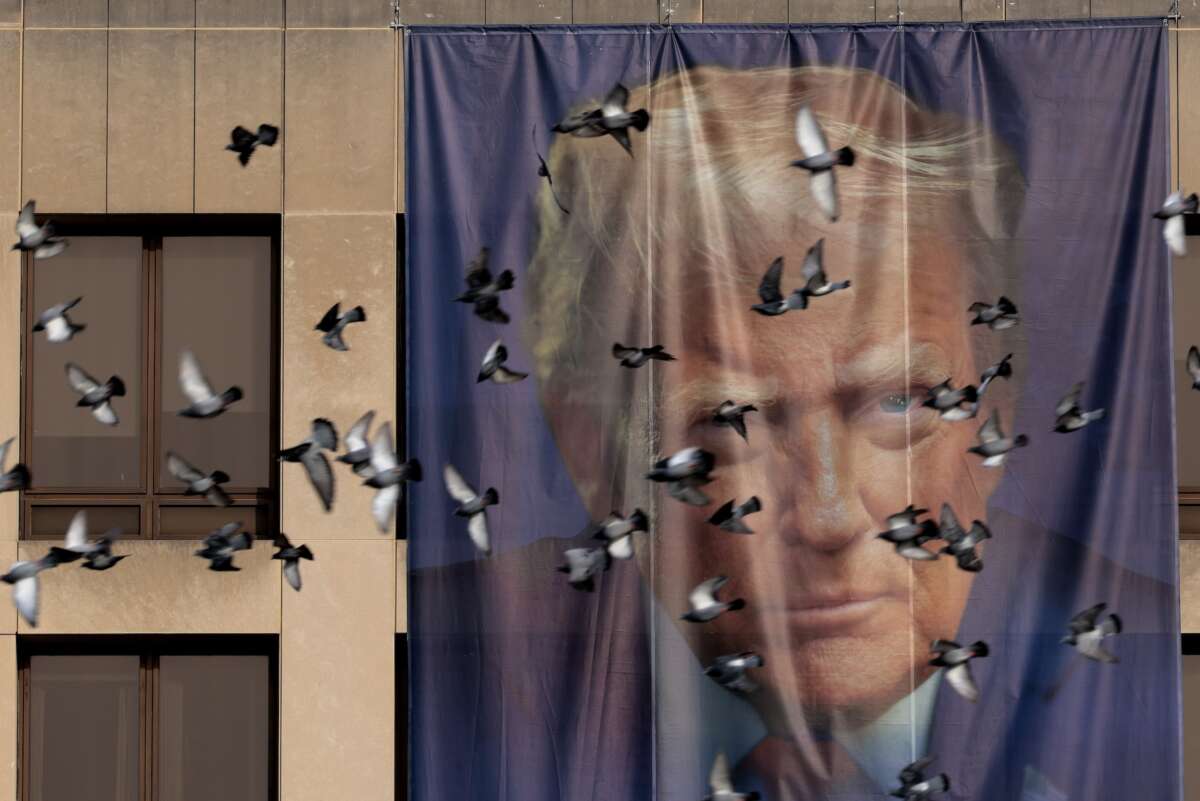
Birds fly past a giant banner with the image of President Donald Trump hanging on the outside of the U.S. Department of Labor on January 5, 2026 in Washington, D.C.Chip Somodevilla / Getty Images

The Trump administration’s Department of Labor sparked outcry this weekend after using language on social media that many observers pointed out echoes a phrase commonly used in Nazi propaganda — following months of post after post from the agency espousing white nationalist sentiments.

On Saturday, the Labor Department wrote on social media: “One Homeland. One People. One Heritage. Remember who you are, American.” Accompanying the text was a short video showing what appears to be a statue of President George Washington overlaid on a series of war-themed historic American paintings and propaganda posters.

Other accounts were quick to point out the strong similarity to Nazi propaganda that proclaimed “Ein Volk, ein Reich, ein Führer,” translating roughly to “One People, One Nation, One Leader.” One historic poster shows a portrait of Adolf Hitler standing proudly with a Nazi armband, and that phrase underneath.

“We are governed by proud Neo-Nazis,” said Zeteo editor-in-chief Mehdi Hasan in response to the post.

The post is one of many recent posts by accounts within the administration that nod to neo-Nazis or outright white nationalist messaging, serving the administration’s goal for an all-of-government approach to its fascist immigration crackdown.

The Department of Labor has posted repeatedly about supporting Americans — specifically U.S.-born Americans.

In December, the account posted numerous times touting a claim that 100 percent of net job growth in the U.S. during the first year of Trump’s second term went to American-born citizens. At one point, it posted a screenshot of a headline from Breitbart that boasted: “ALL NET JOB GROWTH GOING TO AMERICANS AS FOREIGN-BORN EMPLOYMENT KEEPS DECLINING”, implying, among other things, that immigrants who weren’t born in the U.S. aren’t American.

The jobs claim — which is at best misleading — reflects an alarming priority for immigrants to be pushed out of employment by the agency that’s supposed to help manage and protect the American workforce.

Other posts have also reflected a commitment to white and Christian nationalism, with the department posting a Bible verse on Christmas Eve, and repeatedly calling for patriotism over globalism.

The administration has used the Department of Labor in its anti-immigrant crackdown, using the agency for a campaign to restrict H-1B visas last year. H1-B visas allow job-seekers from other countries to work in specialty occupations in the U.S.

These restrictions have been touted by the administration as a way to protect American workers, but H-1B visas are already only granted to workers representing specialties not typically present in the U.S. workforce.

The Department of Homeland Security has also been posting white nationalist propaganda on social media. The Southern Poverty Law Center found in an analysis that it “utilizes white nationalist and anti-immigrant images and slogans in recruitment materials.” The agency’s recruitment materials “feature white people almost exclusively,” while it also “disproportionately posts images of Black and Brown people accused of violating federal immigration laws” on social media.

“In some cases, the images and language appear to come directly from antisemitic and neo-Nazi publications and a white Christian nationalist website,” the group found.


Trump's foreign and domestic policies are merging — and their purpose isn't complicated


Robert Reich
January 12, 2026

At the same time agents from Immigration and Customs Enforcement and Customs and Border Patrol are swarming into Minnesota and other states and cities, Trump is planning bombing raids on other countries.

Domestically and internationally, he is putting America on a war footing.

ICE is reportedly investing $100 million on what it calls “wartime recruitment” of 10,000 new agents, in addition to the 20,000 already employed. Its recruitment is targeting gun and military enthusiasts, people who listen to right-wing radio, who have gone to Ultimate Fighting Championship fights or shopped for guns and tactical gear, live near military bases, and attend NASCAR races. It’s calling for recruits willing to perform their “sacred duty” and “defend the homeland” by repelling “foreign invaders.”

Meanwhile, Trump has announced that he’ll ask Congress for a $1.5 trillion defense budget for the next fiscal year — a 66 percent increase over the 2026 defense budget Congress just authorized.

There’s coming to be no difference between Trump’s foreign and domestic policies.

Both are based on the same eight maniacal ideas: (1) Might makes right. (2) Law is irrelevant. (3) America is at war with the world’s “radical left,” who are defined chiefly by their opposition to Trump. (4) Fear and force are better weapons in this war than hope and compromise. (5) The U.S. stock market is the best measure of Trump’s success. (6) Personal enrichment by Trump and other officials is justified in pursuit of victory. (7) So are lies, cover-ups, and the illegal use of force. (8) Trump is invincible and omnipotent.

These ideas are at such fundamental odds with the norms most of us share about what America is all about and how a president should think and behave that it’s difficult to accept that Trump believes them or that his White House thugs eagerly endorse them. But he does, and they do.

Rather than some “doctrine” or set of principles, they’re more like guttural discharges. Trump is not rational, and the people around him trying to give him a patina of rationality — his White House assistants and spokespeople — surely know it.

The media tries to confer on Trump a coherence that evaporates almost as soon as it’s stated. The New York Times’s breathless coverage of its recent Oval Office interview with Trump — describing his “many faces” — is a model of such a vapidity.

According to the Times, Trump “took unpredictable turns” during the interview. But instead of seeing this unpredictability as a symptom of Trump’s diminishing capacities and ever-shorter attention span, the Times reported it as “a tactic he embraces as president, particularly on the world stage. If no one knows what you might do, they often do what you want them to do.”

Attempts to show inconsistencies or hypocrisies in Trump’s domestic or foreign policies are fruitless because they have no consistency or truthfulness to begin with.

Nor is it possible for the media to describe a “big picture” of America and the world under Trump because there is nothing to picture other than his malignant, impulsive, unbridled grandiosity all the way up and all the way down.

Trump has unleashed violence on America’s streets for much the same reason he has unleashed violence on Latin America and is planning to unleash it elsewhere: to display his own strength. His motive is to gain more power and, along the way, more wealth. (On Sunday, he even posted an image referring to himself as the “Acting President of Venezuela.”)

“Policy” implies thought. But under Trump, there is no domestic or foreign policy because it is all thoughtless. It is not even improvised. It is just Trump’s ego — as interpreted by the toadies around him (Miller, Vought, Vance, Kennedy, Rubio, Noem) trying to guess what his ego craves or detests, or fulfilling their own fanatical goals by manipulating it.

We must stop trying to make rational sense out of what Trump is doing. He is a ruthless dictator, plan and simple.

All analyses of what is happening — all reporting, all efforts to understand, all attempts at strategizing — are doomed. The only reality is that an increasingly dangerous and irrational sociopath is now exercising brutal and unconstrained power over America and, hence, the world.

Trump is putting America on a war footing because war is good for him as it is for all dictators. War confers emergency powers. It justifies ignoring the niceties of elections. It allows dictators to imprison and intimidate opponents and enemies. It enables them to create their own personal slush funds. It distracts the public from other things (remember Jeffrey Epstein?).

War gives dictators like Trump more power and more wealth. Period.

Robert Reich is a professor of public policy at Berkeley and former secretary of labor. His writings can be found at https://robertreich.substack.com/.
5 reasons to impeach 'degenerate criminal' Trump: analysis


U.S. President Donald Trump attends a cabinet meeting at the White House in Washington, D.C., U.S., August 26, 2025. REUTERS/Jonathan Ernst
January 10, 2026
ALTERNET

Any effort to impeach President Donald Trump while Republicans control Congress is unlikely to succeed. But one columnist is arguing that Democrats should "do it anyway."

In a Saturday article for The New Republic, the outlet's Jason Linkins laid out why Democrats stand to benefit significantly by aggressively pursuing a third impeachment of Trump, who endured two impeachment trials during his first term. First, Linkins asserted that Trump had committed numerous "impeachable offenses" that would have subjected any other president to the process.

"Trumpism isn’t working, ordinary people are being crushed under the wheels of elite impunity, the cost of everything is going up, the administration either has no answers for it or doesn’t care and the president is deteriorating before our eyes, dogged by obvious health concerns and the slow-rolling Jeffrey Epstein affair," he wrote. "And as the year drew to a close, it looked for all the world that the president—an inveterate telegrapher of his own punches — was about to launch a regime-change war in Venezuela."

Second, Linkins pointed out that the recent fatal shooting of U.S. citizen Renee Good in Minneapolis, Minnesota was part and parcel of the president's pattern of "tearing a hole in the heart of the American civic fabric while funneling wealth to his plutocratic masters." He referred to Trump's style of leadership as a "vertically integrated autocracy."

"The context of this crime cannot be shorn from all the other aforementioned ones," he wrote. "Everything is connected: Trump’s war machine is seizing territory for his mass deportation scheme (that was another goal in Venezuela); his goons plunder the country’s mineral resources with one hand while abducting our friends and neighbors off the streets with the other (some of them to be sent to Venezuela, presumably)."

Linkins then posited that pursuing a third impeachment of Trump was necessary to uphold the rule of law in the United States. He argued that "doing the right thing isn’t to merely experience the catharsis of success" but to "acknowledge the existence of moral authority and answer its call for redress courageously."

"This being an election year, Democrats are in need of some simple ideas on which to anchor a national campaign," the New Republic editor wrote. “'The president is a degenerate criminal, and if you send enough of us to Washington we will bring the madness to an end' is a message Democrats should be sending."

Fourth, Linkins noted that Democrats are in a "content-creation war with the Trump regime" and that impeachment proceedings would satiate the media's "thirst for conflict and controversy." He predicted a "feeding frenzy" from reporters that would provide a huge electoral boon for the anti-Trump opposition in this fall's midterm elections.

"Frankly, the fact that this is never getting to the Senate for a trial should free Democrats from having to strictly tether a case to statutory realities or tailor it to the austere sensibilities of doddering senators," he wrote. "There’s no reason an impeachment effort can’t be a kaleidoscopic panoply of Trumpian misdeeds presented with an eye toward capturing tabloid headlines."

Finally, Linkins concluded that impeaching Trump could serve as "a thorough indictment of the president, the dismantling of his credibility and the exposure of his every misdeed" that could pay actual dividends should Democrats retake at least one chamber of Congress in the midterms. He opined: "Criminality is the Rosetta Stone that translates the Trump presidency."

"So let the prosecution of the president begin today," he wrote. "And if the Democrats, bolstered by that message, win back the House in the November midterms, then they can impeach him in earnest next year. Even Trump himself wouldn’t expect anything less."

Click here to read Linkins' full article in the New Republic (subscription required).
UN Security council fills 'leadership vacuum' after Laura Loomer sidelined Trump pick


Laura Loomer in Des Moines, Iowa on January 10, 2024 (Gage Skidmore/Flickr)

January 12, 2026 | ALTERNET

The National Security Agency (NSA) has ended "months of ongoing leadership vacuums" with the appointment of a new deputy director after Laura Loomer, a far-right activist seen by many as a "Trump whisperer," managed to get a previous nominee thrown out.

Government Executive reported that Tom Kosiba, who has prior experience with both the NSA and the FBI, had been named deputy director at the NSA, filling the agency's second-highest-ranked leadership position. As the outlet noted, he "will likely have to contend with declining morale inside the spy agency, as well as significant workforce cuts that were influenced by Trump 2.0 efforts to reduce government bloat and spending waste."

Kosiba's appointment also comes after significant interference in filling the position from Loomer. Joe Francescon, who was on the National Security Council during Donald Trump’s first term as president, was previously set to be nominated to the position, but Loomer voiced opposition to his appointment due to past donations to a Democratic candidate who was involved in one of Trump's impeachment trials. She also alleged that Francescon's wife had ties to China.

"FEC records reveal that Francescon donated to an anti-Trump Democrat Congressman named [Jason Crow of Wisconsin]," Loomer posted to X in August. "During his first term in Congress, Crow was an impeachment manager for President Donald Trump's first impeachment trial. Concerning."

Loomer has been widely noted for her close access to the president and influence over his decision-making, especially as it concerns appointments. Following her criticisms of National Security Adviser Mike Waltz and his deputies, he was gone from the office. Government Executive also previously reported that she was believed to have been involved in the firing of former NSA and Cyber Command leader Gen. Timothy Haugh, taking a meeting with Trump at the White House shortly before he was fired. An anonymous source told the outlet that the timing "couldn’t be coincidental."

Sources inside the Trump administration have expressed frustration over her continued influence over Trump, with some alleging that she has become motivated by outside interests as opposed to MAGA loyalty.

"She used to pretty much just amplify the MAGA line, but now it’s pretty clear that she has her own agenda," one source told the Free Press.

“There is widespread understanding here that she’s not guided entirely by loyalties to the president, but external business interests," another source added.