Drinks giant Diageo unveils $1bn in cost cuts to tackle slowing growth
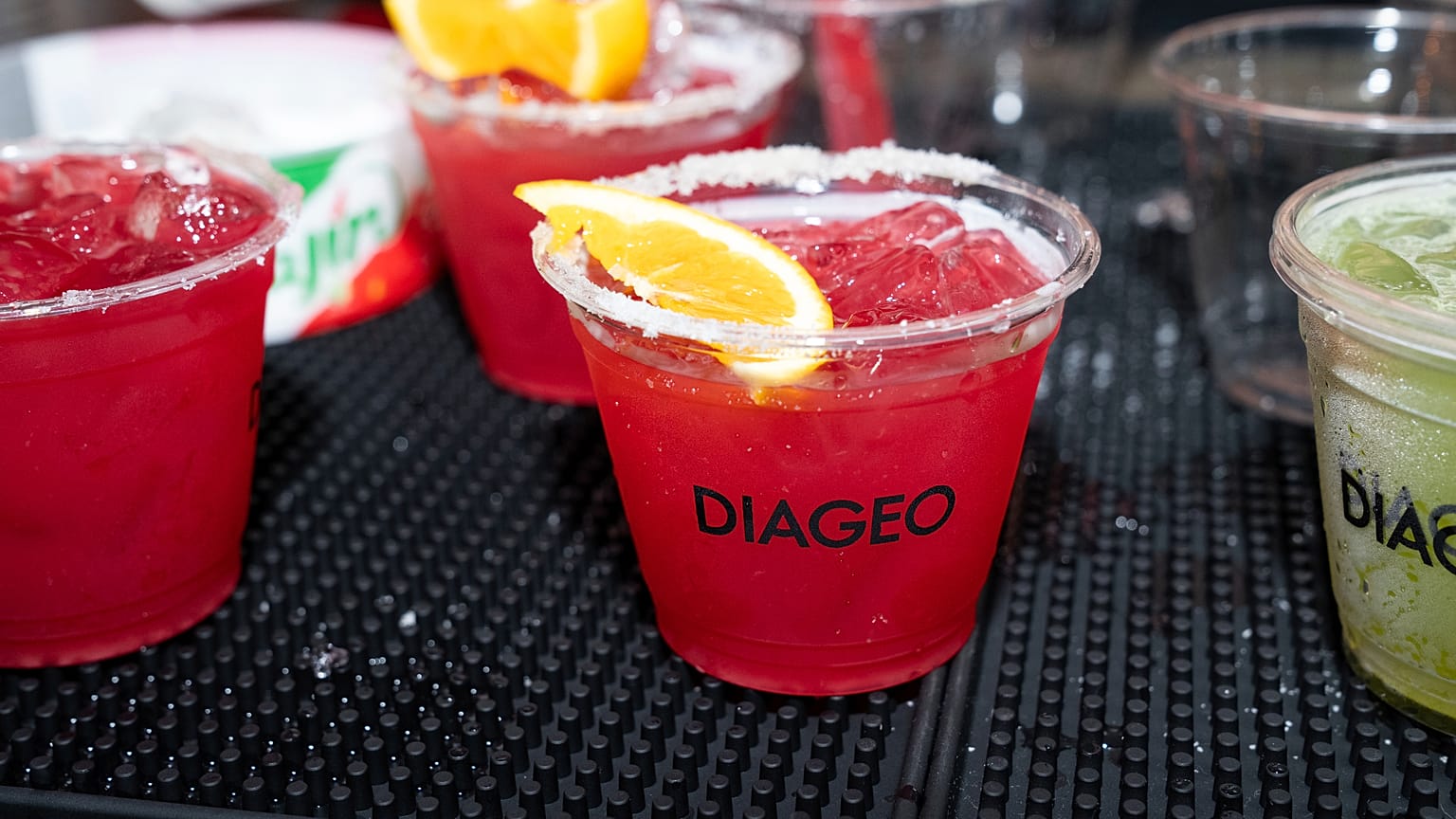
The world's largest spirits maker has scrapped its medium-term growth target as new CEO Dave Lewis moves to reset performance after years of stagnant sales.
Dave Lewis, Diageo's new chief executive, announced a $1 billion (€870m) cost-cutting and restructuring plan on Thursday, turning to aggressive cuts to address lagging growth as the drinks giant braces for slower demand in the years ahead.
The company now expects low-single-digit organic net sales growth until the 2029 financial year, down from a previous medium-term target of 5% to 7% growth.
Investors welcomed the plan as a sign that Lewis was taking concrete, proactive steps to address years of stagnant or declining sales. Diageo owns a number of brands, including Johnnie Walker, Guinness and Smirnoff.
Lewis earned the nickname "Drastic Dave" for previous cost-cutting during spells at Tesco and Unilever.
It is currently unknown how many jobs will be affected by the plan, especially as consultations are still under way in some regions.
However, Lewis said a restructuring plan of this scale, which is likely to fundamentally change the business's cost structure, is expected to have a significant impact on colleagues.
Considerable changes are likely to be made to back-office functions across global operations, as well as in areas currently seeing significant duplication in processes for country-wide, regional and global functions.
The new plan will also generate savings by cutting spending on capacity built up in anticipation of growth that ultimately failed to materialise.
Savings from the programme will be generated over three years, with 70% of the initiative's total cost of $1.2 billion (€1bn) already having been incurred.
Global beverages industry continues to struggle
The global drinks industry has continued to see slowing demand in recent years, as drinking habits, including the type of drink consumed, where and how much, have changed considerably since the pandemic.
Rising inflation and the cost-of-living crisis still affecting several parts of the world have also contributed to this, along with a shift towards low- and zero-alcohol beverages among health-conscious, younger drinkers.
This makes Diageo's move unsurprising, especially as other major players in the industry, such as Heineken and Pernod Ricard, have also launched similar cost-cutting and staff reduction measures recently.
Volkswagen’s top stakeholders call for immediate steps to boost competitiveness
As Volkswagen continues to deal with tariff impact and rising competition from Chinese carmakers, taking drastic cost-cutting and strategy steps have become all the more crucial to maintain its market position.
Volkswagen’s biggest shareholder, Porsche SE, has called for the German car company to take immediate steps to fight off rising competition from Chinese auto brands. This could be the biggest overhaul in the company’s 89-year history.
The Porsche and Piëch families together control Volkswagen through their holding company, Porsche SE, which owns around 31.9% of Volkswagen’s equity.
“The Volkswagen Group is at a historic crossroads. The decisions that Volkswagen makes now will determine its future. For the sake of the company and its sustainable competitiveness, everyone must now step up and take responsibility,” Hans Dieter Pötsch, chairman of the board of management of Porsche SE, said in a press release.
Pötsch also emphasised that it is imperative for crucial decisions to be taken as fast as possible, stating that the longer they are delayed, the bigger these issues would become.
He added: “The focus must now be solely on what is necessary from a business and economic perspective. All other considerations must be secondary.”
This includes slashing excess capacity, significantly bolstering the Group’s decision-making and execution, along with considerably reducing costs.
This stance could also mean that Volkswagen may focus less on factors such as labour rights and environmental considerations in the coming months, while it makes profit and restructuring its key focus for now to deal with the current major competition crisis facing its long-term operations.
“Competitiveness is the goal. Every option must be considered in pursuing it. Otherwise Volkswagen risks permanently losing ground to its international competitors,” Dr. Johannes Lattwein, member of the board of management responsible for finance and IT, also said in the press release.
Volkswagen’s shares were up 0.6% on Friday afternoon, but have fallen more than 27% so far this year.
Volkswagen on the brink of major restructuring
The company has already confirmed that it is considering slashing up to 100,000 jobs, in order to deal with lagging profit. This is twice as many as previously communicated.
The move comes amid intense tariff pressure, amounting to billions of euros along with soaring competition from Chinese carmakers, especially electric vehicle brands like BYD, Geely and SAIC.
This is both in the domestic Chinese market, where legacy models have lost ground to fast-moving Chinese EVs, as well as in the European, Latin American and African markets too, where affordable Chinese models continue to see considerable growth.
In another attempt to diversify and build resilience, Volkswagen is also looking into various options to better increase productivity and boost its plants’ capacity utilisation.


No comments:
Post a Comment