UK
Labour’s worst year yet, continued
JANUARY 1, 2026
Mike Phipps concludes his look at a disastrous year for the Party.
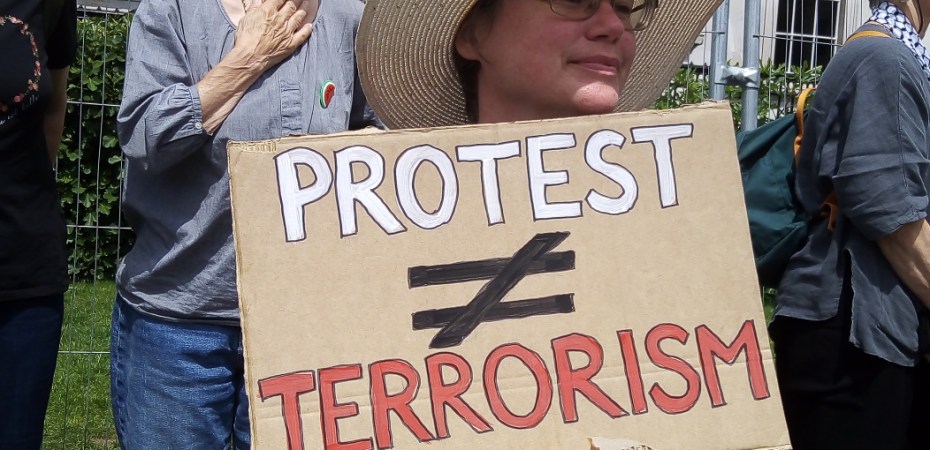
In July, Parliament votes to classify direct action group Palestine Action as “terrorist”, with very few Labour rebels voting against. Over the rest of the year, hundreds of peaceful protesters will be arrested for expressing support for Palestine Action, including two days before Christmas, Greta Thunberg. Members of the group, held on remand with no bail ahead of distant trial dates, start a hunger strike that reaches life-threatening stages.
Following the vote, Zarah Sultana MP, already suspended from the Paty, resigns from Labour to build a new party with Jeremy Corbyn. The Labour apparatus responds with authoritarian measures, withdrawing the whip from four MPs after they voted against disability benefit cuts and removing the ‘trade envoy’ roles of three more. A day later Diane Abbott is suspended for elaborating on her earlier comments about racism that saw her suspended and then reinstated ahead of the 2024 general election.
August 11th
On one day in August, 522 are arrested for peacefully protesting in support of Palestine Action, half of those over 60. Labour peer Lord Hain describes the ban as intellectually bankrupt, politically unprincipled and morally wrong.
September opens with left winger Zack Polanski winning the Green Party leadership by a landslide, leading to a rapid spurt in membership, including many disillusioned former Labour members.
Deputy leader Angela Rayner is forced to resign after breaking the ministerial code over non-payment of stamp duty on the purchase of a house. Starmer carries out a major reshuffle and is also forced to sack Peter Mandelson as the UK’s ambassador to the US, after he faced mounting scrutiny over his relationship with Jeffrey Epstein – this, after having defended him in Parliament 24 hours on from being informed that Mandelson had continued to express support for Epstein even after his first conviction. Backbench MPs, notably Clive Lewis, openly question Starmer’s fitness for office and ability to survive.
In a further scandal affecting close allies of the Prime Minister, Paul Ovenden resigns as Director of Strategy at Number 10 over revelations, first published by the Mail, that in 2017 he made derogatory, sexually explicit comments about Diane Abbott in a private email.
At the end of the month, Labour’s Conference votes to call Israel’s bombardment of Palestine a genocide and calls for an arms embargo. It also supports for a wealth tax.
In October, Lucy Powell, sacked earlier in the year from Keir Starmer’s Cabinet, wins Labour’s Deputy leadership against the establishment candidate Bridget Philippson. Due to a combination of national policy failings and the local Party bureaucracy imposing their own candidate, Labour lose the Caerphilly byelection to Plaid Cymru. Labour Hub comments: “Caerphilly showed that voters were able to find a way forward to advance progressive, anti-austerity policies and to oppose Reform without settling for a Labour leadership which borrows their rhetoric and accepts many of their premises.”
Starmer in serious trouble
The contest for the next Leader of the Labour Party effectively opens in November when supporters of Keir Starmer clumsily brief the media that he will fight a challenge to his leadership. Health Secretary Wes Streeting takes to the airways to deny an interest and condemns briefings from Number Ten. Energy Secretary Ed Miliband says whoever did it should be sacked, while Starmer says he is satisfied it was nobody in Number Ten and that his divisive and much disliked Chief of Staff Morgan McSweeney is safe in his job.
To the shock of many Labour MPs and the glee of the far right Nigel Farage and Tommy Robinson, the Government announces a new clampdown on asylum seekers. Lord Alf Dubs describes the proposals as “shabby” and Bell Ribeiro-Addy agrees: “The government’s latest asylum proposals seem calculated to do nothing but inflict more misery and uncertainty on people seeking safety in this country. This is not opposing the politics of hatred and division, this is holding the door open for them.”
The four Labour MPs who had the Party whip withdrawn in July for being “persistent rebels” have it restored.
Labour’s Budget finally abolishes the two-child benefit cap and includes a few other things welcomed by the left, such as freezing rail fares and reducing energy bills. But a new round of private finance initiatives for the NHS, the freezing of housing benefit, the absence of a wealth tax and the subsequent retreat on workers’ rights indicate that the Budget is more about shoring up the Government’s dwindling authority than a radical shift in direction.
In yet another unpopular erosion of basic civil liberties, Labour announces a reduction in trial by jury in December. But in perhaps the best news for the left all year, Andrea Egan beats the incumbent to become the new General Secretary of Unison, Britain’s largest trade union. The win is likely to have profound implications for the union’s loyalty to the Starmer leadership.
Labour rounds off the year with a record month of adverse by-election results. One commentator says: “Never before has Labour done as bad as this. Not even during the bleakest moments of the Corbyn years when the party was assailed by the media, and its coalition split by Brexit… Can their support drop even further?” It is also Labour’s worst ever quarter for by-election results. Small wonder that when asked in a poll if they would have a better chance of winning the next election if Keir Starmer is replaced, Labour voters say yes, by an overwhelming three to one margin.
It’s clear that much of the public has had enough of the Government’s authoritarianism and its failure to deal with the cost of living crisis, a failure Starmer himself alluded to in his Christmas message.
Party members are fed up with the factional stitching up of selection processes, which has unseated scores of decent councillors. And backbench MPs are increasingly fearful that sticking with the current leadership could cost them their seats at the next general election. As we enter a new year that will take us to the midway point of Labour’s five year term, two questions arise: is it too late for the Government change course? And can Keir Starmer survive?
Mike Phipps’ book Don’t Stop Thinking About Tomorrow: The Labour Party after Jeremy Corbyn (OR Books, 2022) can be ordered here.
Image: c/o Labour Hub.

No comments:
Post a Comment