Tuesday, November 09, 2021


The Scariest Things in the Universe Are Black Holes – Here’s Why

Supermassive Black Hole Pulls a Stream of Gas off Star

Falling into a black hole is easily the worst way to die.

Halloween is a time to be haunted by ghosts, goblins, and ghouls, but nothing in the universe is scarier than a black hole.

Black holes – regions in space where gravity is so strong that nothing can escape – are a hot topic in the news these days. Half of the 2020 Nobel Prize in Physics was awarded to Roger Penrose for his mathematical work showing that black holes are an inescapable consequence of Einstein’s theory of gravity. Andrea Ghez and Reinhard Genzel shared the other half for showing that a massive black hole sits at the center of our galaxy.

Black holes are scary for three reasons. If you fell into a black hole left over when a star died, you would be shredded. Also, the massive black holes seen at the center of all galaxies have insatiable appetites. And black holes are places where the laws of physics are obliterated.

I’ve been studying black holes for over 30 years. In particular, I’ve focused on the supermassive black holes that lurk at the center of galaxies. Most of the time they are inactive, but when they are active and eat stars and gas, the region close to the black hole can outshine the entire galaxy that hosts them. Galaxies where the black holes are active are called quasars. With all we’ve learned about black holes over the past few decades, there are still many mysteries to solve.

Disc of Material Circling a Supermassive Black Hole

Artist’s impression of a disc of material circling a supermassive black hole. Credit: ESA/Hubble, M. Kornmesser

Death by black hole

Black holes are expected to form when a massive star dies. After the star’s nuclear fuel is exhausted, its core collapses to the densest state of matter imaginable, a hundred times denser than an atomic nucleus. That’s so dense that protons, neutrons and electrons are no longer discrete particles. Since black holes are dark, they are found when they orbit a normal star. The properties of the normal star allow astronomers to infer the properties of its dark companion, a black hole.

The first black hole to be confirmed was Cygnus X-1, the brightest X-ray source in the Cygnus constellation. Since then, about 50 black holes have been discovered in systems where a normal star orbits a black hole. They are the nearest examples of about 10 million that are expected to be scattered through the Milky Way.

Black holes are tombs of matter; nothing can escape them, not even light. The fate of anyone falling into a black hole would be a painful “spaghettification,” an idea popularized by Stephen Hawking in his book “A Brief History of Time.” In spaghettification, the intense gravity of the black hole would pull you apart, separating your bones, muscles, sinews and even molecules. As the poet Dante described the words over the gates of hell in his poem Divine Comedy: Abandon hope, all ye who enter here.
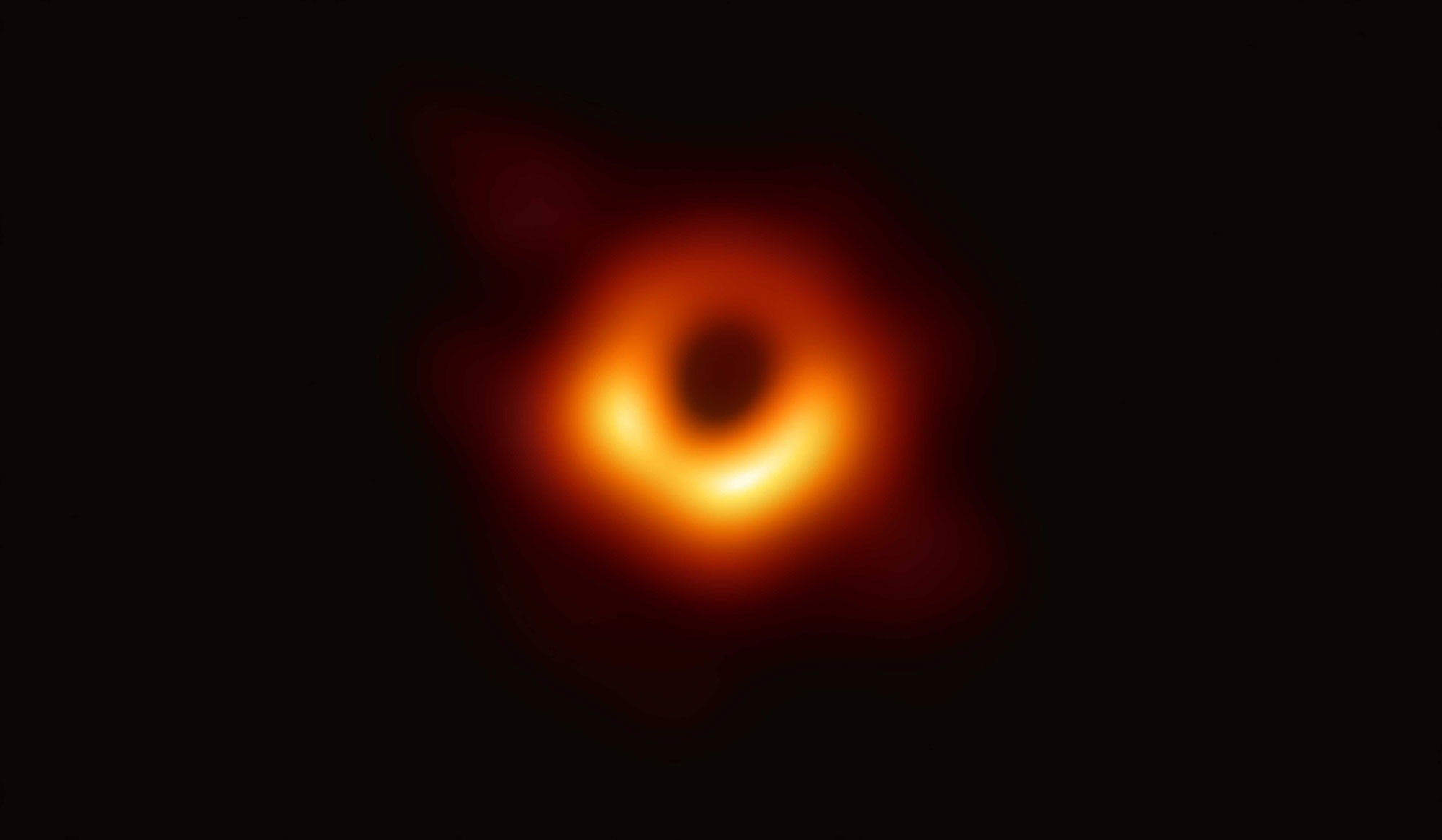
First Image of a Black Hole

A photograph of a black hole at the center of galaxy M87. The black hole is outlined by emission from hot gas swirling around it under the influence of strong gravity near its event horizon. Credit: EHT

A hungry beast in every galaxy

Over the past 30 years, observations with the Hubble Space Telescope have shown that all galaxies have black holes at their centers. Bigger galaxies have bigger black holes.

Nature knows how to make black holes over a staggering range of masses, from star corpses a few times the mass of the Sun to monsters tens of billions of times more massive. That’s like the difference between an apple and the Great Pyramid of Giza.

Just last year, astronomers published the first-ever picture of a black hole and its event horizon, a 7-billion-solar-mass beast at the center of the M87 elliptical galaxy.

It’s over a thousand times bigger than the black hole in our galaxy, whose discoverers snagged this year’s Nobel Prize. These black holes are dark most of the time, but when their gravity pulls in nearby stars and gas, they flare into intense activity and pump out a huge amount of radiation. Massive black holes are dangerous in two ways. If you get too close, the enormous gravity will suck you in. And if they are in their active quasar phase, you’ll be blasted by high-energy radiation.

How bright is a quasar? Imagine hovering over a large city like Los Angeles at night. The roughly 100 million lights from cars, houses and streets in the city correspond to the stars in a galaxy. In this analogy, the black hole in its active state is like a light source 1 inch in diameter in downtown LA that outshines the city by a factor of hundreds or thousands. Quasars are the brightest objects in the universe.

Supermassive black holes are strange

The biggest black hole discovered so far weighs in at 40 billion times the mass of the Sun, or 20 times the size of the solar system. Whereas the outer planets in our solar system orbit once in 250 years, this much more massive object spins once every three months. Its outer edge moves at half the speed of light. Like all black holes, the huge ones are shielded from view by an event horizon. At their centers is a singularity, a point in space where the density is infinite. We can’t understand the interior of a black hole because the laws of physics break down. Time freezes at the event horizon and gravity becomes infinite at the singularity.

The good news about massive black holes is that you could survive falling into one. Although their gravity is stronger, the stretching force is weaker than it would be with a small black hole and it would not kill you. The bad news is that the event horizon marks the edge of the abyss. Nothing can escape from inside the event horizon, so you could not escape or report on your experience.

According to Stephen Hawking, black holes are slowly evaporating. In the far future of the universe, long after all stars have died and galaxies have been wrenched from view by the accelerating cosmic expansion, black holes will be the last surviving objects.

The most massive black holes will take an unimaginable number of years to evaporate, estimated at 10 to the 100th power, or 10 with 100 zeroes after it. The scariest objects in the universe are almost eternal.

Written by Chris Impey, University Distinguished Professor of Astronomy, University of Arizona

Originally published on The Conversation.The Conversation


Hubble Spots a Cosmological Curiosity

Spiral Galaxy Mrk 1337

Hubble Space Telescope image of the spiral galaxy Mrk 1337. Credit: ESA/Hubble & NASA, A. Riess et al.

This image from the NASA/ESA Hubble Space Telescope features the spiral galaxy Mrk 1337, which is roughly 120 million light-years away from Earth in the constellation Virgo. Hubble’s Wide Field Camera 3 snapped Mrk 1337 at a wide range of ultraviolet, visible and infrared wavelengths, producing this richly detailed image. Mrk 1337 is a weakly barred spiral galaxy, which as the name suggests means that the spiral arms radiate from a central bar of gas and stars. Bars occur in roughly half of spiral galaxies, including our own galaxy the Milky Way.

These observations are part of a campaign to improve our knowledge of how fast the universe is expanding. They were proposed by Adam Riess, who was awarded a Nobel Laureate in physics 2011 for his contributions to the discovery of the accelerating expansion of the Universe, alongside Saul Perlmutter and Brian Schmidt.


Climatic Drivers of Honey Bee Disease Revealed in New Study

Honey Bee on Flower

Honey bee colonies worldwide have suffered from a range of damaging diseases. A new study has provided clues on how changing weather patterns might be driving disease in UK colonies.

Publishing their findings in the journal Scientific Reports, the team led by Newcastle University found that the most severe disease of honey bees, caused by the Varroa mite, increased as climate temperatures increased but were reduced during heavy rainfall and wind.

Data collected from visits to over 300,000 honey bee colonies highlighted how the prevalence of six important honey bee diseases interacted in different ways with rainfall, temperature, and wind.

Study lead, PhD student Ben Rowland, from Newcastle University’s School of Natural and Environmental Sciences, said: “Our analysis clearly shows that the risk of a colony contracting one of the diseases we examined is influenced by the weather conditions experienced by that colony. Our work highlights some interesting contrasts; for example, rainfall can drive one disease to become more common whilst another will become rarer.”

Professor Giles Budge, who leads the Modelling Evidence and Policy Group at Newcastle University and was a senior author on the paper, said: “We have long known that weather can influence the ability of honey bees to leave the hive and forage for food, but to better understand how our climate can influence honey bee disease is fascinating! This new knowledge will help us predict how honey bee disease might be influenced by future climate change.”

The study also investigated the effect of weather on disease hotspots. The South West of England was at increased risk of disease caused by Varroa mites. In addition, the team highlighted a hot spot for risk for the notifiable and damaging disease European foulbrood in an area comprising Powys, Shropshire, Herefordshire and Worcestershire.

Reference: “Identifying the climatic drivers of honey bee (Apis mellifera) disease in England and Wales” by Ben Rowland, Steve P. Rushton, Mark D.F. Shirley, Mike A. Brown and Giles E. Budge, 9 November 2021, Scientific Reports.
DOI: 10.1038/s41598-021-01495-w

This work is being completed with funding from Bee Disease Insurance Ltd and the BBSRC.


“Virus-Killing” Air Filtration System Unveiled – Innovative Nanomaterial Destroys Viruses, Including Coronaviruses

Carbon-Based Air Filtration Nanomaterial

Credit: University of Cambridge

A new carbon-based air filtration nanomaterial capable of capturing and destroying various viruses, including animal coronavirus, a close relative of SARS-CoV-2 – the virus that causes COVID-19 – has been developed by Cambridge scientists and engineers. 

The prototype, worked on and tested by a multidisciplinary team of researchers from the Boies Group, in the Department of Engineering, and with colleagues from the Department of Materials Science & Metallurgy and Department of Pathology, is equipped with ultra-thin carbon nanotube electrically conductive membranes. This new conductive filtration membrane enables simultaneous virus filtration and sanitization by thermal flashes via resistive heating to temperatures above 100°C, deactivating viruses, including betacoronavirus, in seconds. 

The researchers say the multifunctional filter is especially useful at fighting the viral spread of airborne diseases in confined environments such as emergency vehicles, hospitals, leisure, and education centers, whether it is used as a standalone unit or in conjunction with heating, ventilation, and air conditioning (HVAC) filtration systems. The results, including findings taken during virus infectivity trials backed by theoretical modeling, are reported in the journal Carbon.

The filter represents a new class of conductive filtration mediums enabling electrical functionality with the capability to be mass-produced, and possessing filtration efficiency and air permeability that matches that of commercial HEPA (high-efficiency particulate air) filters. It effectively captures respiratory liquid droplets – a carrier of many viruses, including coronaviruses – that are produced through coughing, speaking and breathing and which remain suspended in the air for hours, migrating over tens of meters in confined environments. It is these respiratory particles that contribute to high infection rates in enclosed and crowded spaces. 

Produced by a unique process invented at the University, the innovative carbon nanotube material is also the pillar of the ANAM Initiative, funded by the EPSRC, which seeks to unlock the commercial potential offered by carbon nanotubes. 

PhD student Liron Issman said: “Based on the knowledge acquired by this project (the result of an Innovate UK-funded grant), several working prototypes have been developed showing the ability of the filter to achieve air purification of 99% of a small room or an ambulance within 10-20 minutes. Several industrial collaboration projects have been initiated with world-leading air filtration companies to introduce this carbon nanotube material into state-of-the-art applications to help combat COVID-19 and other airborne-based pathogens.

“To meet the market demands, our unique process is being scaled commercially by Q-Flo Limited, a University of Cambridge spin-out, to initially produce over 100,000 m2/yr of membrane material. The benefits of these conductive filtration materials are that they provide low flow resistance with high capture efficiency and capabilities for additional heating and sensing.”

Reference: “Filtration of viral aerosols via a hybrid carbon nanotube active filter” by Liron Issman, Brian Graves, Jeronimo Terrones, Myra Hosmillo, Rulan Qiao, Michael Glerum, Shuki Yeshurun, Martin Pick, Ian Goodfellow, James Elliott and Adam Boies, 6 July 2021, Carbon.
DOI: 10.1016/j.carbon.2021.07.004


Archaeologists Discover Almost 500 Ancient Ceremonial Sites in Southern Mexico

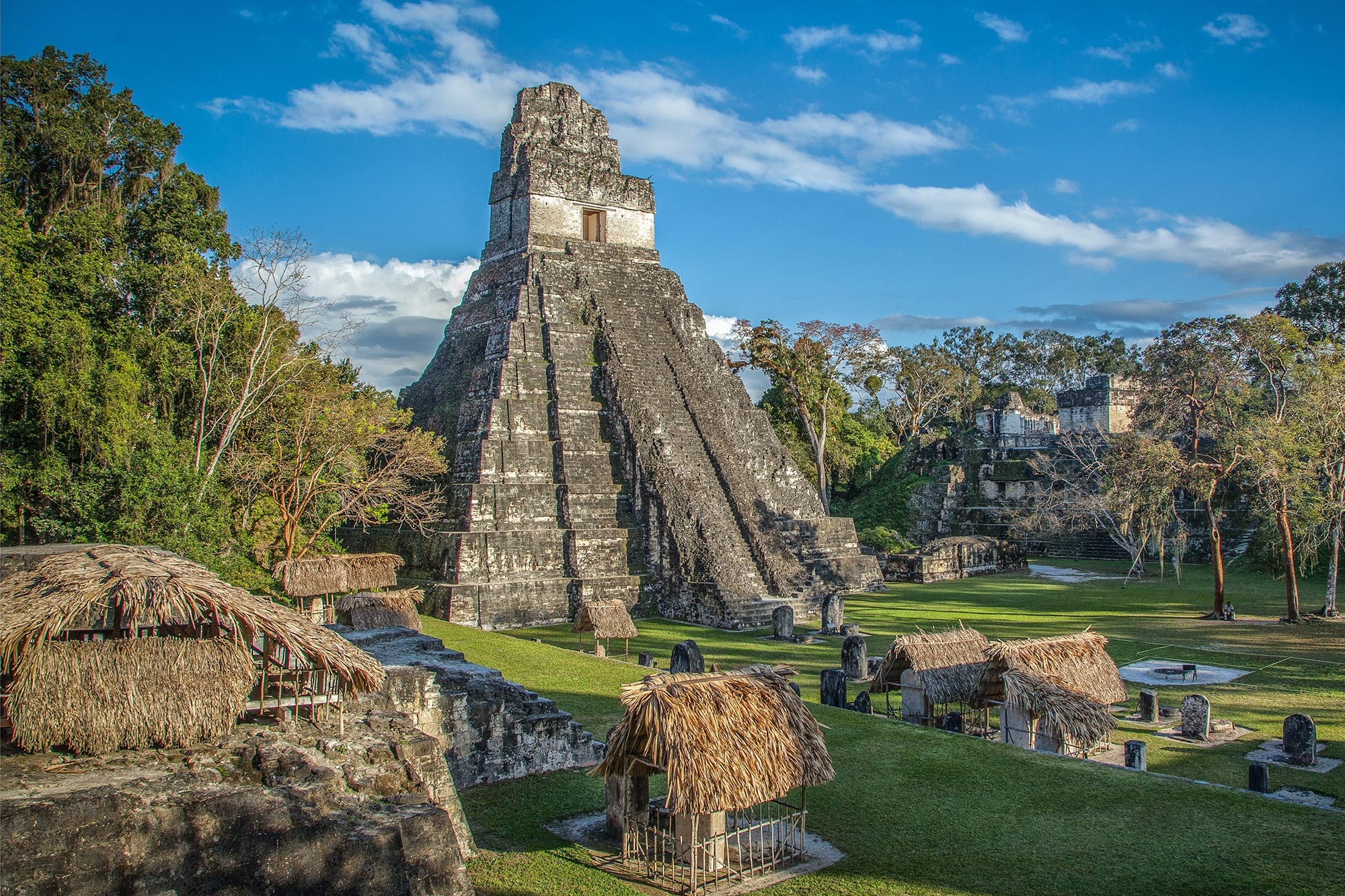
Tikal Maya Ruins

Tikal, the ruins of an ancient city, is one of the most famous archeological sites of Maya civilization.

The discovery shifts researchers’ understanding of the relationship between the Olmec civilization and the subsequent Maya civilization.

A team of international researchers led by the University of Arizona reported last year that they had uncovered the largest and oldest Maya monument – Aguada Fénix. That same team has now uncovered nearly 500 smaller ceremonial complexes that are similar in shape and features to Aguada Fénix. The find transforms previous understanding of Mesoamerican civilization origins and the relationship between the Olmec and the Maya people.

The team’s findings are detailed in a new paper published in the journal Nature Human Behaviour. University of Arizona anthropology professor Takeshi Inomata is the paper’s first author. His UArizona coauthors include anthropology professor Daniela Triadan and Accelerator Mass Spectrometry Lab director Greg Hodgins.

Melina García Aguada Fenix

Melina García (front) excavates the central part of Aguada Fenix, the largest and oldest Maya monument ever uncovered. A team of UArizona researchers reported on the discovery in 2020. The team has since uncovered nearly 500 smaller ceremonial complexes that are similar in shape and features to Aguada Fénix. Credit: Takeshi Inomata

Using data gathered through an airborne laser mapping technique called lidar, the researchers identified 478 complexes in the Mexican states of Tabasco and Veracruz. Lidar penetrates the tree canopy and reflects three-dimensional forms of archaeological features hidden under vegetation. The lidar data was collected by the Mexican governmental organization Instituto Nacional de Estadística y Geografía and covered a 32,800-square-mile area, which is about the same size as the island of Ireland.

Publicly available lidar data allows researchers to study huge areas before they follow up with high-resolution lidar to study sites of interest in greater detail.

“It was unthinkable to study an area this large until a few years ago,” Inomata said. “Publicly available lidar is transforming archaeology.”

Missing Links?

There’s a longstanding debate over whether the Olmec civilization led to the development of the Maya civilization or if the Maya developed independently.

The newly uncovered sites are located in a broad area encompassing the Olmec region and the western Maya lowlands. The complexes were likely constructed between 1100 B.C. and 400 B.C. and were built by diverse groups nearly a millennium before the heyday of the Maya civilization between A.D. 250 and 950.

Nearly 500 Ceremonial Sites

Nearly 500 ceremonial sites were uncovered using lidar and have been mapped across the study site. Credit: Inomata et al.

The researchers found that the complexes share similar features with the earliest center in the Olmec area, San Lorenzo, which peaked between 1400 and 1100 BC. Aguada Fenix in the Maya area and other related sites began to adopt San Lorenzo’s form and formalize it around 1100 BC.

At San Lorenzo, the team also found a previously unrecognized rectangular space.

“The sites are big horizontally but not vertically,” Inomata said. “People will be walking on one and won’t notice its rectangular space, but we can see it with lidar really nicely.”

The researchers’ work suggests that San Lorenzo served as a template for later constructions, including Aguada Fénix.

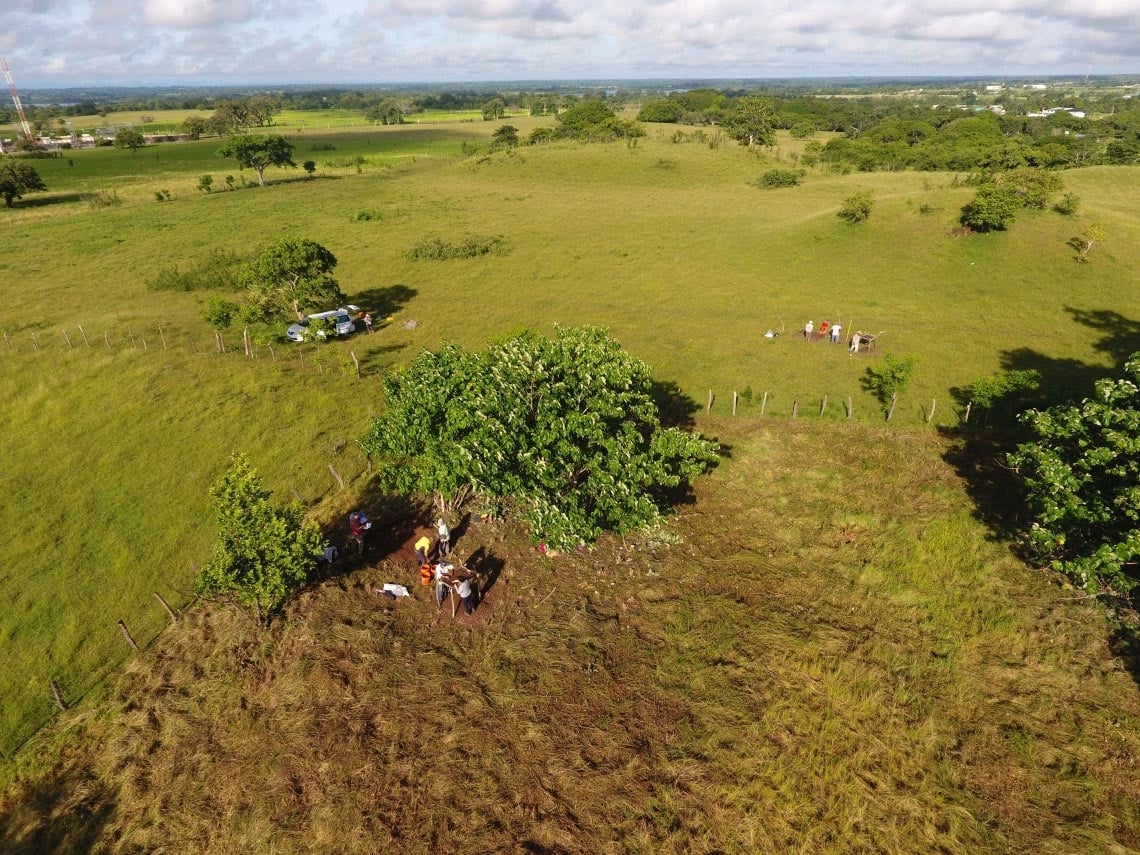
La Carmelita Excavation

Excavation efforts at one of the nearly 500 uncovered sites, La Carmelita. Credit: Takeshi Inomata

“People always thought San Lorenzo was very unique and different from what came later in terms of site arrangement,” Inomata said. “But now we show that San Lorenzo is very similar to Aguada Fénix – it has a rectangular plaza flanked by edge platforms. Those features become very clear in lidar and are also found at Aguada Fénix, which was built a little bit later. This tells us that San Lorenzo is very important for the beginning of some of these ideas that were later used by the Maya.”

Sites Were Likely Ritual Spaces

The sites uncovered by Inomata and his collaborators were likely used as ritual gathering sites, according to the paper. They include large central open spaces where lots of people could gather and participate in rituals.

The researchers also analyzed each site’s orientation and found that the sites seem to be aligned to the sunrise of a certain date, when possible.

“There are lots of exceptions; for example, not every site has enough space to place the rectangular form in a desired direction, but when they can, they seem to have chosen certain dates,” Inomata said.

While it’s not clear why the specific dates were chosen, one possibility is that they may be tied to Zenith passage day, which is when the sun passes directly overhead. This occurs on May 10 in the region where the sites were found. This day marks the beginning of the rainy season and the planting of maize. Some groups chose to orient their sites to the directions of the sunrise on days 40, 60, 80 or 100 days before the zenith passage day. This is significant because the later Mesoamerican calendars are based on the number 20.

San Lorenzo, Aguada Fénix, and some other sites have 20 edge platforms along the eastern and western sides of the rectangular plaza. Edge platforms are mounds placed along the edges of the large rectangular plazas. They define the shape of the plazas, and each are usually no taller than about 3 feet.

“This means that they were representing cosmological ideas through these ceremonial spaces,” Inomata said. “In this space, people gathered according to this ceremonial calendar.”

Inomata stressed that this is just the beginning of the team’s work.

“There are still lots of unanswered questions,” he said.

Researchers wonder what the social organization of the people who built the complexes looked like. San Lorenzo possibly had rulers, which is suggested by sculptures.

“But Aguada Fénix doesn’t have those things,” Inomata said. “We think that people were still somehow mobile, because they had just begun to use ceramics and lived in ephemeral structures on the ground level. People were in transition to more settled lifeways, and many of those areas probably didn’t have much hierarchical organization. But still, they could make this kind of very well-organized center.”

Inomata’s team and others are still searching for more evidence to explain these differences in social organization.

“Continuing to excavate the sites to find these answers will take much longer,” Inomata said, “and will involve many other scholars.”

Reference: “Origins and spread of formal ceremonial complexes in the Olmec and Maya regions revealed by airborne lidar” by Takeshi Inomata, Juan Carlos Fernandez-Diaz, Daniela Triadan, Miguel García Mollinedo, Flory Pinzón, Melina García Hernández, Atasta Flores, Ashley Sharpe, Timothy Beach, Gregory W. L. Hodgins, Juan Javier Durón Díaz, Antonio Guerra Luna, Luis Guerrero Chávez, María de Lourdes Hernández Jiménez and Manuel Moreno Díaz, 25 October 2021, Nature Human Behaviour.
DOI: 10.1038/s41562-021-01218-1

Is It Possible to Explain How Consciousness Works

Credit...Evan M. Cohen
  • Nov. 2, 2021, 11:23 a.m. ET

FEELING & KNOWING
Making Minds Conscious
By Antonio Damasio

We all know what it means to be conscious. Consciousness is what distinguishes being awake from being in a coma or a state of dreamless sleep. I am now conscious, and so (presumably) are you. Many animals — probably all mammals — have conscious minds, but plants and bacteria do not. Nor do computers (so far). Nor do stars, or rocks.

Why is consciousness important? Well, in a way, it’s the basis of everything that’s important. Without consciousness, there would be no pleasure or pain; no good or evil; no experiences of beauty, or of love. In a universe that never evolved conscious minds, nothing would matter.

Intimately familiar though we are with it, consciousness confronts us with a mystery. It doesn’t readily fit into our scientific conception of the world. Consciousness seems to be caused by neural firings in our brains. But how can these objective electrochemical events give rise to ineffable qualitative experiences, like the smell of a rose, the stab of a pain or the transport of joy? Why, when a physical system attains a certain degree of complexity, is it “like something” to be that system?

This is the “hard problem” of consciousness: the problem of how subjective mind arises from brute matter. (There is also an “easy problem,” that of determining what role consciousness plays in the information-processing economy of the mind. But one thing at a time.)

In the last few decades, the mystery of consciousness has exercised thinkers of all stripes, sometimes driving them to rather desperate-sounding devices. Philosophers (Thomas Nagel, David Chalmers) have flirted with “panpsychism,” the idea that consciousness might be a fundamental ingredient of all matter, right down to the atomic level. The Nobel-laureate physicist Roger Penrose has speculated that some kind of quantum magic might be behind it. In his mega-best-selling “Gödel, Escher, Bach,” the computer scientist Douglas Hofstadter argued that consciousness arises when the brain becomes intricate enough to form self-referential “strange loops” — neural equivalents of Gödel’s notorious formula that says, “I am not provable.”

Meanwhile, neuroscientists have tried to understand consciousness as a biological phenomenon — like, say, digestion. Using brain-imaging and other empirical techniques, they have sought out the neural signatures of conscious thought within the gray spongy matter in our skulls. Among them have been the Nobel laureates Francis Crick and Gerald Edelman, each of whom produced a book outlining his own favored take on consciousness. Today, one of the most distinguished researchers working along these lines is Antonio Damasio, a Portuguese American who holds a chair in neuroscience at the University of Southern California.

“Feeling & Knowing” represents a distillation of themes Damasio has explored in earlier books, which include “Descartes’ Error” (1994) and “Self Comes to Mind” (2010). The most prominent of his preoccupations is the importance of feeling. It is feeling, he thinks, that can bridge the conceptual abyss between the physical body and the conscious mind.

Before getting down to substance, a word about style. In a prologue, Damasio tells us that readers of his earlier books often missed the key ideas amid all the scientific details. So he set out to write “a focused and very brief book on consciousness.” Brief the new book is: It consists of 40-odd sections, some less than a page long, surrounded by ample white space. Each of these mini-chapters reads rather like a prose poem — often soaring to lyrical heights, though sometimes weighted down by bits of neuroscientific argot. “Focused,” though, is not the mot juste for it: Despite its brevity, it can be meandering and repetitious (“Feelings again, must we? We must indeed”). Crucial ideas often lie enshrouded in an elegant mist of metaphor. Still, the quality of the author’s mind, the boldness of his aims and the suspense of his argument propelled me through the book.

Put with brutal succinctness, Damasio’s brief goes like this: Mental activity consists of a stream of “images” that map aspects of the world around us. But these images, by themselves, cannot be conscious. For that, they must be related to a perspective, an “owner,” a self — this, after all, is what subjectivity means. And here is where feeling comes in. As Damasio uses the term, “feelings” are “the hybrid, interactive processes of the interior, at once mental and physical.” They register how well or badly its various subsystems are doing at maintaining homeostasis, at keeping the organism alive and flourishing. So feelings point within, to the interior; images point without, to the world. And when feelings and images come together in the brain, the result is conscious thought. To adapt a simile of Damasio’s, feelings are like a musical score that, when added to the silent reel of images in the mind, produces cinematic consciousness.

This is Damasio’s solution to the mystery of consciousness. What’s not to like? Plenty!

First, Damasio has adroitly dodged the “hard problem.” An image of (say) a bear is, in his account, a pattern of neural firing in the brain. A feeling of (say) fear is another such pattern. Put them together and you’ve just got a bigger and more complicated pattern of neural firing. Why should it be accompanied by qualitative consciousness? For Damasio to use the terms “images” and “feelings” to refer to these electrochemical events is to make them sound already conscious — which might be called the fallacy of tendentious nomenclature.

Second, for Damasio consciousness requires possessing a sense of self, an ability to entertain “me-ish” thoughts. But most mammals seem to have no such sense of self. They are incapable of recognizing themselves in a mirror. This is also true of human children in the first months of life — are we to suppose that they are not conscious? This might be called the “Unfair to babies!” objection.

Third, Damasio’s category of “feeling” is too capacious. It encompasses not only emotions, but also desires, and states of pleasure and pain. Is all of this really necessary for consciousness? Might not rational thought plus value-based goals be enough? Call this the “Unfair to Mr. Spock!” objection.

I could go on.

But if Damasio’s account of consciousness is not an unqualified success, that merely puts him in the company of all the other distinguished scientists and philosophers who have tried to crack this conundrum. And happily, “Feeling & Knowing” has supplementary virtues that make it well worth reading.

Chief among these is how beautifully Damasio expatiates on the theme of feeling — on how feelings “arise in the interior of organisms, in the depth of viscera and fluids where the chemistry responsible for life in all its aspects reigns supreme.” Here the master scientist unites with the silken prose-stylist to produce one thrilling insight after another. For instance: The neural channels that convey feeling, in contrast to those tasked with other mental functions, are uninsulated from the cells that environ them, and from the blood itself. This biochemical nakedness permits “intimate cross talk between body structures and nervous system.” (D. H. Lawrence’s “thinking with the blood” is not, alas, a pure metaphor.)

Damasio may not have dispelled the mystery of consciousness in this book. But he has succeeded brilliantly in narrowing the gap between body and mind.


To Understand Human Cognition Scientists Look Beyond the Individual Brain To Study the Collective Mind

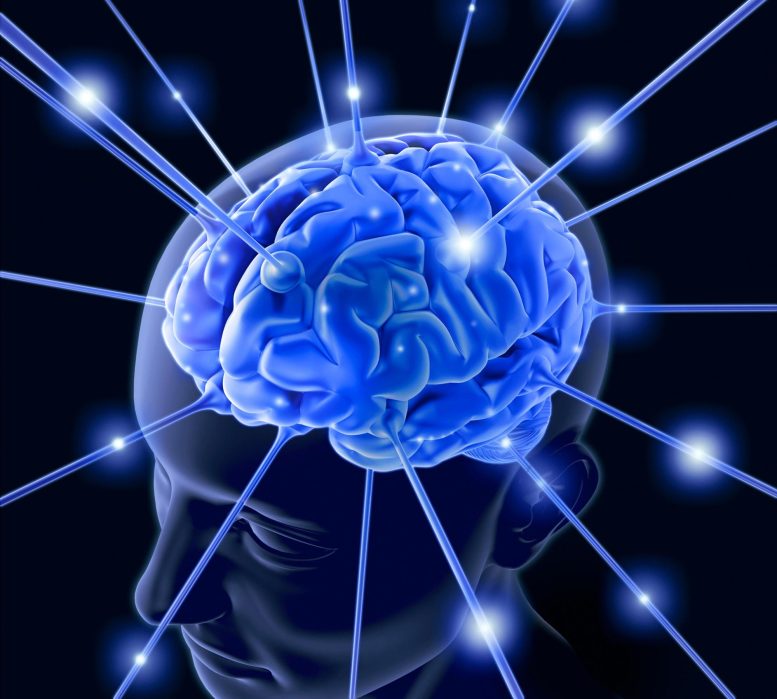
Collective Mind Consciousness

In a new paper, scientists suggest that efforts to understand human cognition should expand beyond the study of individual brains. They call on neuroscientists to incorporate evidence from social science disciplines to better understand how people think.

“Accumulating evidence indicates that memory, reasoning, decision-making and other higher-level functions take place across people,” the researchers wrote in a review in the journal Frontiers in Systems Neuroscience. “Cognition extends into the physical world and the brains of others.”

The co-authors – neuroscientist Aron Barbey, a professor of psychology at the University of Illinois Urbana-Champaign; Richard Patterson, a professor emeritus of philosophy at Emory University; and Steven Sloman, a professor of cognitive, linguistic and psychological sciences at Brown University – wanted to address the limitations of studying brains in isolation, out of the context in which they operate and stripped of the resources they rely on for optimal function.

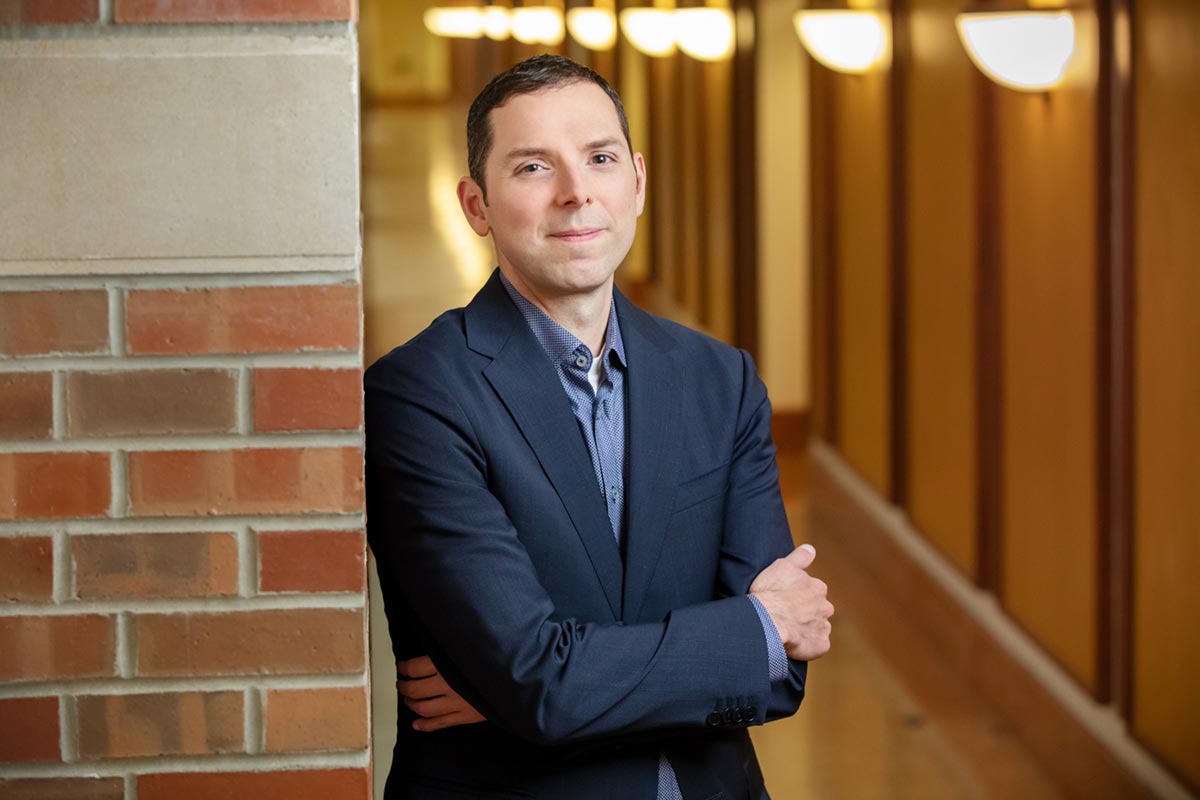
Aron Barbey

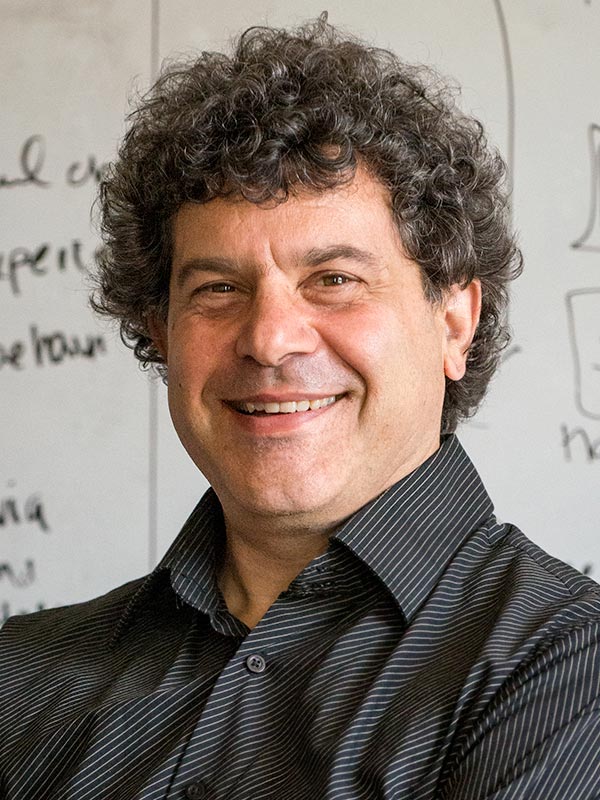
U. of I. psychology professor Aron Barbey and his colleagues maintain that human cognition is a collective endeavor. Credit: Photo by L. Brian Stauffer

“In cognitive neuroscience, the standard approach is essentially to assume that knowledge is represented in the individual brain and transferred between individuals,” Barbey said. “But there are, we think, important cases where those assumptions begin to break down.”

Take, for instance, the fact that people often “outsource” the task of understanding or coming to conclusions about complex subject matter, using other people’s expertise to guide their own decision-making.

“Most people will agree that smoking contributes to the incidence of lung cancer – without necessarily understanding precisely how that occurs,” Barbey said. “And when doctors diagnose and treat disease, they don’t transfer all of their knowledge to their patients. Instead, patients rely on doctors to help them decide the best course of action.

Richard Patterson

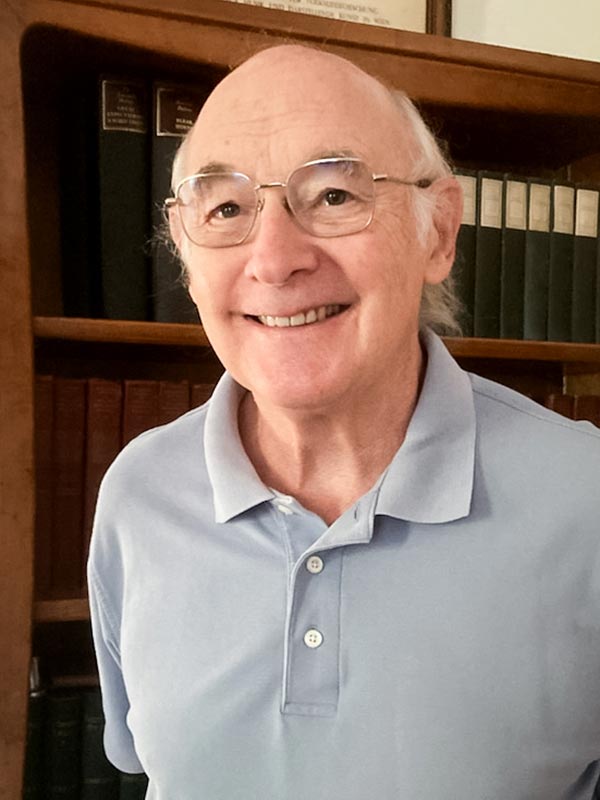
Richard Patterson is a professor emeritus of philosophy at Emory University. Credit: Photo by Cynthia Patterson

“Without relying on experts in our community, our beliefs would become untethered from the social conventions and scientific evidence that are necessary to support them,” he said. “It would become unclear, for example, whether ‘smoking causes lung cancer,’ bringing into question the truth of our beliefs, the motivation for our actions.”

To understand the role that knowledge serves in human intelligence, the researchers wrote that it is necessary to look beyond the individual and to study the community.

“Cognition is, to a large extent, a group activity, not an individual one,” Sloman said. “People depend on others for their reasoning, judgment and decision-making. Cognitive neuroscience is not able to shed light on this aspect of cognitive processing.”

The limitations of individual knowledge and human dependence on others for understanding are the themes of “The Knowledge Illusion: Why We Never Think Alone,” a book Sloman wrote with Phil Fernbach, a cognitive scientist and professor of marketing at the University of Colorado.

“The challenge for cognitive neuroscience becomes how to capture knowledge that does not reside in the individual brain but is outsourced to the community,” Barbey said.

Neuroscientific methods such as functional MRI were designed to track activity in one brain at a time and have limited capacity for capturing the dynamics that occur when individuals interact in large communities, he said.

Steven Sloman

Steven A. Sloman is a co-author of “The Knowledge Illusion: Why We Never Think Alone.” Credit: Photo by Thad Russell

Some neuroscientists are trying to overcome this limitation. In a recent study, researchers placed two people face-to-face in a scanner and tracked their brain activity and eye movements while they interacted. Other teams use a technique called “hyperscanning,” which allows the simultaneous recording of brain activity in people who are physically distant from each another but interacting online.

Such efforts have found evidence suggesting that the same brain regions are activated in people who are effectively communicating with one another or cooperating on a task, Barbey said. These studies are also showing how brains operate differently from one another, depending on the type of interaction and the context.

Several fields of research are ahead of neuroscience in understanding and embracing the collective, collaborative nature of knowledge, Patterson said. For example, “social epistemology” recognizes that knowledge is a social phenomenon that depends on community norms, a shared language and a reliable method for testing the trustworthiness of potential sources.

“Philosophers studying natural language also illustrate how knowledge relies on the community,” Patterson said. “For example, according to ‘externalism,’ the meaning of words depends on how they are used and represented within a social context. Thus, the meaning of the word and its correct use depends on collective knowledge that extends beyond the individual.”

To address these shortfalls, neuroscientists can look to other social science fields, Barbey said.

“We need to incorporate not only neuroscience evidence, but also evidence from social psychology, social anthropology and other disciplines that are better positioned to study the community of knowledge,” he said.

Reference: “Cognitive Neuroscience Meets the Community of Knowledge” by Steven A. Sloman, Richard Patterson and Aron K. Barbey, 21 October 2021, Frontiers in Systems Neuroscience.
DOI: 10.3389/fnsys.2021.675127

Aron Barbey is professor of psychology, neuroscience, and bioengineering at the University of Illinois Urbana-Champaign and an affiliate of the Beckman Institute for Advanced Science and Technology.