Friday, April 15, 2022

Scientists Ran an Experiment to Identify the Personality Profile of an A-Hole


PETER DOCKRILL
14 APRIL 2022

There is a word reserved for a particular kind of person. That word is 'asshole'.

'Asshole' in its most literal sense means anus, but in slang usage, when spoken as an insult, the term generally denotes a person considered to be annoying, foolish, unkind, or even detestable.

Of course, you already know this. You may have even on occasion used the vulgarity yourself. (That's okay, we're not here to judge.)

What's less clear, however, is how the term 'asshole' overlaps with the kinds of personality traits recognized in psychological theory, such as the 'Big Five' categorization of openness, conscientiousness, neuroticism, agreeableness, and extraversion.

To explore this, scientists conducted an experiment, seeking to find out what the term 'asshole' communicates about an individual's perceived personality, and to identify the kinds of behaviors people associate with the insult.

A research team, led by first author and clinical psychology researcher Brinkley Sharpe from the University of Georgia, surveyed almost 400 people, with participants being asked to describe the "biggest asshole" they personally knew, and to rate their perception of the individual's personality, beliefs, and behaviors.

According to the results, participants found it relatively easy to identify the 'biggest asshole' in their personal experience, and generally considered that person to be well-described by the term.

"People didn't really have very much trouble figuring out who the 'biggest asshole' in their life was," says Sharpe.

What's interesting is how basically anybody and everybody has the apparent potential to be an 'asshole', and if you aren't one now, you might well become one later.

"Approximately one-third of [insult] targets (35.26 percent) were identified as romantic partners, co-workers, bosses, family members, or friends of participants while half (50.13 percent) formerly held such a role (e.g., ex-partners, estranged family members)," the researchers explain in their study.

While the field was broad, though, the 'assholes' identified in the study were mostly male, and typically middle-aged.

People perceived as 'assholes' were associated with 315 categories of offensive behavior across the participants' responses, which the researchers categorized into 14 broad themes: aggression, anger, arrogance, bigotry, callousness, combativeness, domineering behavior, externalization of blame, immaturity, inconsiderateness, irresponsibility, manipulativeness, rudeness, and other (including hypocrisy and playing favorites).

"The behaviors people were keying in on sort of run the gamut," Sharpe says.

"When we talk about behaviors, the asshole was not necessarily being antagonistic toward people, but they just didn't really care about what others were thinking or how they were perceived by others."

In terms of the Big Five personality traits, 'asshole' behaviors correspond the most with low agreeableness, low conscientiousness, high neuroticism, and low openness, the results suggest.

"Overall, the perceived Five-Factor Model profile for 'asshole' in the present study was similar to prototypes of psychopathic, antisocial, and narcissistic personality disorders," the researchers write.

Which is not to say the people that the people we identify as 'assholes' when we use the insult are actually people with personality disorders.

Rather, the negative 'asshole' behaviors described in the study – ranging from trivial acts to some conduct that was violent and criminal – often have a perceived overlap with those attributes.

"There's clearly a lot of variation in how people use this word," Sharpe says.

"I think the implication of the study is that insults matter. We do mean certain things by using them or we associate them with certain characteristics."

The findings are reported in Collabra: Psychology.
DROWNED IN SNAIL SNOT
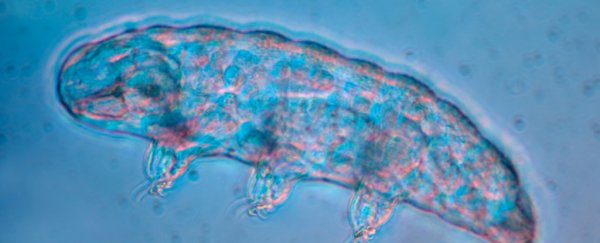
Tardigrades May Ride Snails to Get to a Destination, Even if It Means Death


(Robert Pickett/Corbis Documentary/Getty Images)

MINDY WEISBERGER, LIVE SCIENCE
14 APRIL 2022

Traveling by snail may not sound like the quickest way to get around, but it's faster than walking ... if you're a tardigrade.

Eight-legged, endearingly tubby tardigrades – near-microscopic organisms that are also known as water bears or moss piglets – can hitch rides on land snails to journey farther than they could under their own power, new research finds.

But while snail-surfing helped tardigrades disperse into new locations, a coating of the snails' slimy mucus often proved fatal to tardigrade riders.

Tardigrades measure from 0.002 to 0.05 inches (0.05 to 1.2 millimeters) long and can live nearly anyplace on Earth where there's liquid water: in oceans, in rivers and lakes, and in soggy clumps of lichen and mosses that grow on rocks and trees.

Wee water bears can also endure circumstances that would be fatal to most forms of life, such as extreme temperatures, crushing pressure, ultraviolet (UV) radiation, the vacuum of space and even being shot out of a high-speed gun, by exercising a superpower known as anhydrobiosis – expelling nearly all the water in their bodies.

In this desiccated and scrunched-up form, called a tun state, tardigrades can survive punishing conditions and can persist for years; some tardigrade tuns that were frozen for 30 years were successfully resuscitated in 2016 and immediately began reproducing, Live Science previously reported.

And researchers recently found that active and tun-state tardigrades alike could be picked up and carried by land snails that share their habitats.

Related: 8 reasons why we love tardigrades

Though tardigrades can swim and walk, their tiny legs don't carry them very far. A tardigrade in search of a new neighborhood therefore needs outside assistance, such as wind, flowing water or an obliging host animal that's damp enough to keep the traveler alive.

Little is known about how tardigrades interact with snails in their natural habitats, but because water bears often live side by side with land snails (which are famously moist), the researchers suspected that snails could potentially be "perfect vehicles for tardigrades" to travel from place to place, according to a study published April 14 in the journal Scientific Reports.

"Checking available literature, we found out that this topic was almost unexplored," said lead study author Zofia Książkiewicz-Parulska, an assistant professor in the Institute of Environmental Biology at Adam Mickiewicz University (UAM) in Poland, and co-author Milena Roszkowska, a UAM doctoral candidate in the Department of Bioenergetics.

The only prior research on the subject – dating to more than 55 years ago – described observations of tardigrades that traveled by riding inside snails' guts after being eaten, then exiting in the mollusks' feces, the researchers told Live Science in an email.

To test their hitchhiking tardigrade hypothesis, the study authors collected grove snails (Cepaea nemoralis) and Milnesium inceptum tardigrades; the two species coexist in terrestrial ecosystems across Western Europe, and both are at their most active under humid conditions. Grove snails' shells measure up to 0.9 inches (22 mm) in diameter, making the mollusks good candidates for carrying tardigrades, the researchers reported.

In their experiments, the scientists sent snails crawling through drops of water and over pieces of moss containing tardigrades, to see how many "piglets" the snails would pick up.

Active and tun-state tardigrades readily adhered to the snails' slime-covered bodies for short rides; the snails transported 38 tardigrade hitchhikers from water droplets, and they gathered 12 tardigrade riders from moss.

In some of the experiments, the researchers surrounded the tardigrades' watery pool with a physical barrier; in those settings, the only tardigrades that crossed that border did so with help from a snail "vehicle," according to the study.

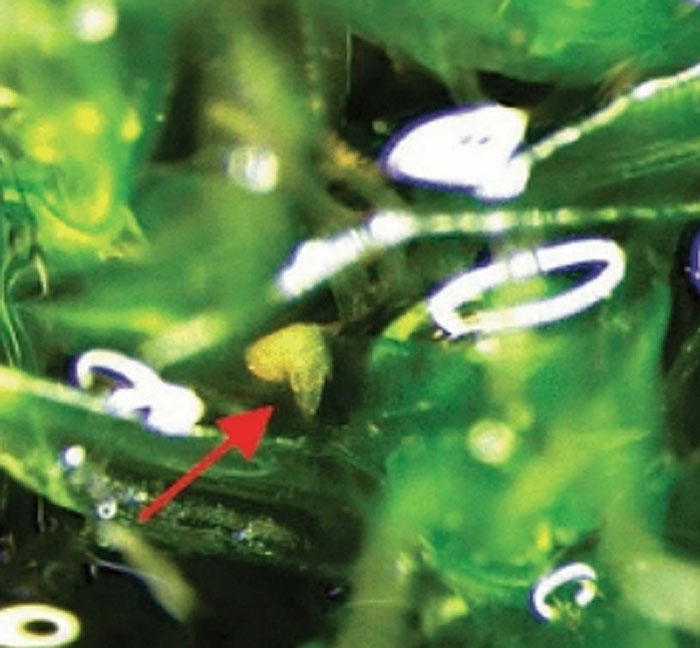
A tardigrade in a rehydrated moss cushion. (Książkiewicz & Roszkowska, Sci. Rep., 2022)

But there was also a deadly downside to the snails' sticky mucus coating, once it dried on the tardigrades' tiny bodies.

Only a fraction of tuns that were coated in dried snail mucus – about 34 percent – could be revived after 24 hours. By comparison, 98 percent of control group tuns that hadn't been slimed became fully active again once they were rehydrated.

Snail mucus is mostly water but it dries quickly, and mucus-coated tuns that were briefly revived by the water in snail slime may not have been able to re-enter a tun state swiftly enough as the slimy envelope around them hardened, and they froze in "very weird poses" that were not fully-formed tuns, the scientists said in the email.

Other forces can transport tardigrades much farther than snails can; prior studies have shown that wind gusts on glaciers can carry tardigrades over distances greater than 620 miles (1,000 kilometers), the study authors wrote.

However, a tardigrade that rides the wind may end up someplace that isn't very hospitable to water bears. A journey by snail is more likely to deposit its rider in an environment that's similar to the one where it started – one where tardigrades (and snails) are likely to thrive.

Further experiments could confirm if tardigrade eggs can hitchhike on snails too, and could test how far a tardigrade might travel by snail, the researchers said.

But even if the traveling tardigrade's new home is just a few centimeters away, that's still far enough to improve genetic diversity among different populations of water bears, according to the study.

That is, as long as the tardigrade hitchhiker avoids being smothered by snail slime before its trip is over.

Related content:

The best gifts for tardigrade lovers

This article was originally published by Live Science
Study shows: Fish can calculate


Summary:   Cichlids and stingrays can perform simple addition and subtraction in the number range of one to five, according to new research. It is not known what the animals need their mathematical abilities for.

Cichlids and stingrays can perform simple addition and subtraction in the number range of one to five. This has been shown in a recent study by the University of Bonn, which has now been published in the journal Scientific Reports. It is not known what the animals need their mathematical abilities for.

Suppose there are some coins on the table in front of you. If the number is small, you can tell right away exactly how many there are. You don't even have to count them -- a single glance is enough. Cichlids and stingrays are astonishingly similar to us in this respect: they can detect small quantities precisely -- and presumably without counting. For example, they can be trained to reliably distinguish quantities of three from quantities of four.

This fact has been known for some time. However, the research group led by Prof. Dr. Vera Schluessel from the Institute of Zoology at the University of Bonn has now shown that both species can even calculate. "We trained the animals to perform simple additions and subtractions," Schluessel explains. "In doing so, they had to increase or decrease an initial value by one."

Blue means "add one," yellow means "subtract one"

But how do you ask a cichlid for the result of "2+1" or "5-1"? The researchers used a method that other research groups had already successfully used to test the mathematical abilities of bees: They showed the fish a collection of geometric shapes -- for example, four squares. If these objects were colored blue, this meant "add one" for the following discrimination. Yellow, on the other hand, meant "subtract one."

After showing the original stimulus (e.g. four squares), the animals were shown two new pictures -- one with five and one with three squares. If they swam to the correct picture (i.e. to the five squares in the "blue" arithmetic task), they were rewarded with food. If they gave the wrong answer, they went away empty-handed. Over time, they learned to associate the blue color with an increase of one in the amount shown at the beginning, and the yellow number with a decrease.

But can the fish apply this knowledge to new tasks? Had they actually internalized the mathematical rule behind the colors? "To check this, we deliberately omitted some calculations during training," Schluessel explains. "Namely, 3+1 and 3-1. After the learning phase, the animals got to see these two tasks for the first time. But even in those tests, they significantly often chose the correct answer." This was true even when they had to decide between choosing four or five objects after being shown a blue 3 -- that is, two outcomes that were both greater than the initial value. In this case, the fish chose four over five, indicating they had not learned the rule 'chose the largest (or smallest) amount presented' but the rule 'always add or subtract one'.

Computing without a cerebral cortex


This achievement surprised the researchers themselves -- especially since the tasks were even more difficult in reality than just described. The fish were not shown objects of the same shape (e.g. four squares), but a combination of different shapes. A "four," for example, could be represented by a small and a larger circle, a square and a triangle, whereas in another calculation it could be represented by three triangles of different sizes and a square.

"So the animals had to recognize the number of objects depicted and at the same time infer the calculation rule from their color," Schluessel says. "They had to keep both in working memory when the original picture was exchanged for the two result pictures. And they had to decide on the correct result afterwards. Overall, it's a feat that requires complex thinking skills."

To some it may be surprising because fish don't have a neocortex -- the part of the brain also known as the "cerebral cortex" that's responsible for complex cognitive tasks in mammals. Moreover, neither species of fish is known to require particularly good numerical abilities in the wild. Other species might pay attention to the strip count of their sexual partners or the amount of eggs in their clutches. "However, this is not known from stingrays and cichlids," emphasizes the zoology professor at the University of Bonn.

She also sees the result of the experiments as confirmation that humans tend to underestimate other species -- especially those that do not belong to our immediate family or mammals in general. Moreover, fish are not particularly cute and do not have cuddly fur or plumage. "Accordingly, they are quite far down in our favor -- and of little concern when dying in the brutal practices of the commercial fishing industry," says Vera Schluessel.

Date: April 1, 2022
Source: University of Bonn

Related Multimedia:
Experimental set-up

Journal Reference:
V. Schluessel, N. Kreuter, I. M. Gosemann, E. Schmidt. Cichlids and stingrays can add and subtract ‘one’ in the number space from one to five. Scientific Reports, 2022; 12 (1) DOI: 10.1038/s41598-022-07552-2
Ozone may be heating the planet more than we realize
Ozone in the atmosphere found to have weakened one of Earth's main cooling mechanisms


Date: March 31, 2022
Source: University of Reading

Summary: New research reveals ozone in the lower atmosphere in particular contributed to warming in the Southern Ocean - which absorbs much of the planet's excess heat - more than previously realized. The study shows that ozone is more than just a pollutant, but also may be playing a significant role in climate change.

Ozone may be weakening one of the Earth's most important cooling mechanisms, making it a more significant greenhouse gas than previously thought, research has found.

A new study has revealed that changes to ozone levels in the upper and lower atmosphere were responsible for almost a third of the warming seen in ocean waters bordering Antarctica in the second half of the 20th century.

The deep and rapid warming in the Southern Ocean affects its role as one of the main regions for soaking up excess heat as the planet warms.

The majority of this warming was the result of ozone increases in the lower atmosphere. Ozone -- one of the main components of smog -- is already hazardous as a pollutant, but the research shows it may also play a significant role in driving climate change in the coming years.

Dr Michaela Hegglin, an Associate Professor in atmospheric chemistry and one of the study's authors, said: "Ozone close to Earth's surface is harmful to people and the environment, but this study reveals it also has a big impact on the ocean's ability to absorb excess heat from the atmosphere.

"These findings are an eye-opener and hammer home the importance of regulating air pollution to prevent increased ozone levels and global temperatures rising further still."

The new research by an international team of scientists, and led by the University of California Riverside, is published in Nature Climate Change.

The team used models to simulate changes in ozone levels in the upper and lower atmosphere between 1955 and 2000, to isolate them from other influences and increase the currently poor understanding of their impact on the Southern Ocean heat uptake.

These simulations showed that a decrease in ozone in the upper atmosphere and increase in the lower atmosphere both contributed to warming seen in the upper 2km of the ocean waters in the high latitudes by overall greenhouse gas increases.

They revealed that the increased ozone in the lower atmosphere caused 60% of the overall ozone-induced warming seen in the Southern Ocean over the period studied -- far more than previously thought. This was surprising because tropospheric ozone increases are mainly thought of as a climate forcing in the Northern hemisphere since that is where the main pollution occurs.

Ozone hit the headlines in the 1980s when a hole was discovered in the ozone layer high in the atmosphere over the South Pole, due to damage caused by chlorofluorocarbons (CFCs), a gas used in industry and consumer products.

The ozone layer is vital as it filters dangerous ultraviolet radiation from reaching Earth's surface. This discovery led to the Montreal Protocol, an international agreement to halt the production of CFCs.

Dr Hegglin said: "We have known for a while that ozone depletion high in the atmosphere has affected surface climate in the Southern Hemisphere. Our research has shown that ozone increases in the lower atmosphere due to air pollution, which occurs primarily in the Northern Hemisphere and 'leaks' into the Southern Hemisphere, is a serious problem as well.

"There is hope to find solutions, and the success of the Montreal Protocol at cutting CFC use shows that international action is possible to prevent damage to the planet."

Ozone is created in the upper atmosphere by interaction between oxygen molecules and UV radiation from the sun. In the lower atmosphere, it forms due to chemical reactions between pollutants like vehicle exhaust fumes and other emissions.

Changes in ozone concentrations in the atmosphere affect westerly winds in the Southern Hemisphere as well as causing contrasting levels of salt and temperature close to the surface in the Southern Ocean. Both affect ocean currents in distinct ways, thereby affecting ocean heat uptake.


Journal Reference:
Wei Liu, Michaela I. Hegglin, Ramiro Checa-Garcia, Shouwei Li, Nathan P. Gillett, Kewei Lyu, Xuebin Zhang, Neil C. Swart. Stratospheric ozone depletion and tropospheric ozone increases drive Southern Ocean interior warming. Nature Climate Change, 2022; DOI: 10.1038/s41558-022-01320-w


Smoke from Australia’s intense fires in 2019 and 2020 damaged the ozone layer

Increasingly large blazes threaten to undo decades of work to help Earth’s protective layer


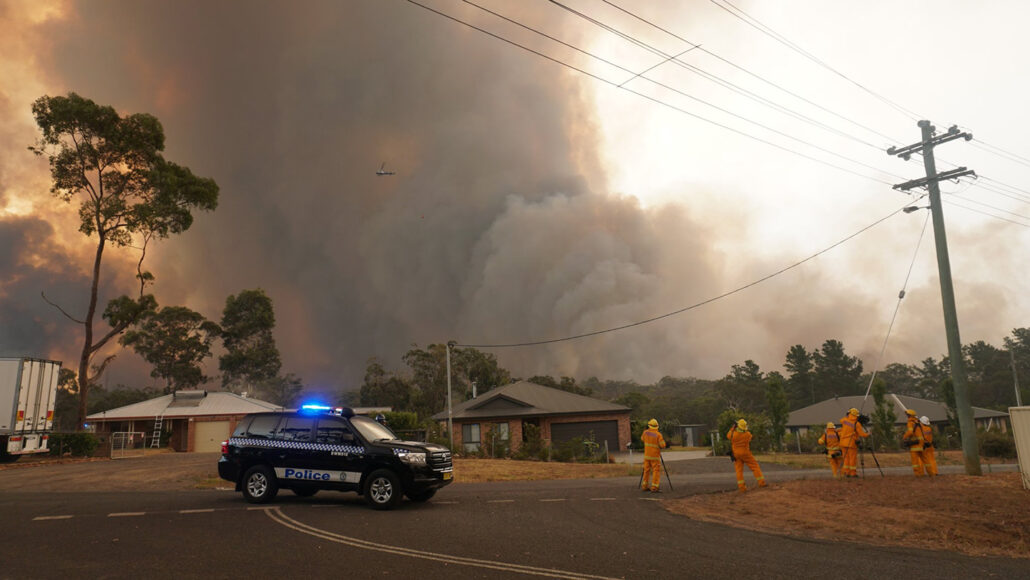
A towering cloud of smoke rises over the Green Wattle Creek bushfire on December 21, 2019, near the township of Yanderra in New South Wales, Australia.

By Carolyn Gramling
MARCH 17, 2022 

Towers of smoke that rose high into the stratosphere during Australia’s “black summer” fires in 2019 and 2020 destroyed some of Earth’s protective ozone layer, researchers report in the March 18 Science.

Chemist Peter Bernath of Old Dominion University in Norfolk, Va., and his colleagues analyzed data collected in the lower stratosphere during 2020 by a satellite instrument called the Atmospheric Chemistry Experiment. It measures how different particles in the atmosphere absorb light at different wavelengths. Such absorption patterns are like fingerprints, identifying what molecules are present in the particles.

The team’s analyses revealed that the particles of smoke, shot into the stratosphere by fire-fueled thunderstorms called pyrocumulonimbus clouds, contained a variety of mischief-making organic molecules (SN: 12/15/20). The molecules, the team reports, kicked off a series of chemical reactions that altered the balances of gases in Earth’s stratosphere to a degree never before observed in 15 years of satellite measurements. That shuffle included boosting levels of chlorine-containing molecules that ultimately ate away at the ozone.

Ozone concentrations in the stratosphere initially increased from January to March 2020, due to similar chemical reactions — sometimes with the contribution of wildfire smoke — that produce ozone pollution at ground level (SN: 12/8/21). But from April to December 2020, the ozone levels not only fell, but sank below the average ozone concentration from 2005 to 2019.

Earth’s ozone layer shields the planet from much of the sun’s ultraviolet radiation. Once depleted by human emissions of chlorofluorocarbons and other ozone-damaging substances, the layer has been showing signs of recovery thanks to the Montreal Protocol, an international agreement to reduce the atmospheric concentrations of those substances (SN: 2/10/21).

But the increasing frequency of large wildfires due to climate change — and their ozone-destroying potential — could become a setback for that rare climate success story, the researchers say (SN: 3/4/20).

CITATIONS

P. Bernath, C. Boone and J. Crouse. Wildfire smoke destroys stratospheric ozone. Science. Vol. 375, March 18, 2022, p. 1,292. doi: 10.1126/science.abm5611

.

These little robots could help find old explosives at sea

How new autonomous underwater vehicles can assist the UK in searching for deadly mines lurking in the oceans.

BY KELSEY D. ATHERTON |
 PUBLISHED APR 15, 2022 
POP SCI

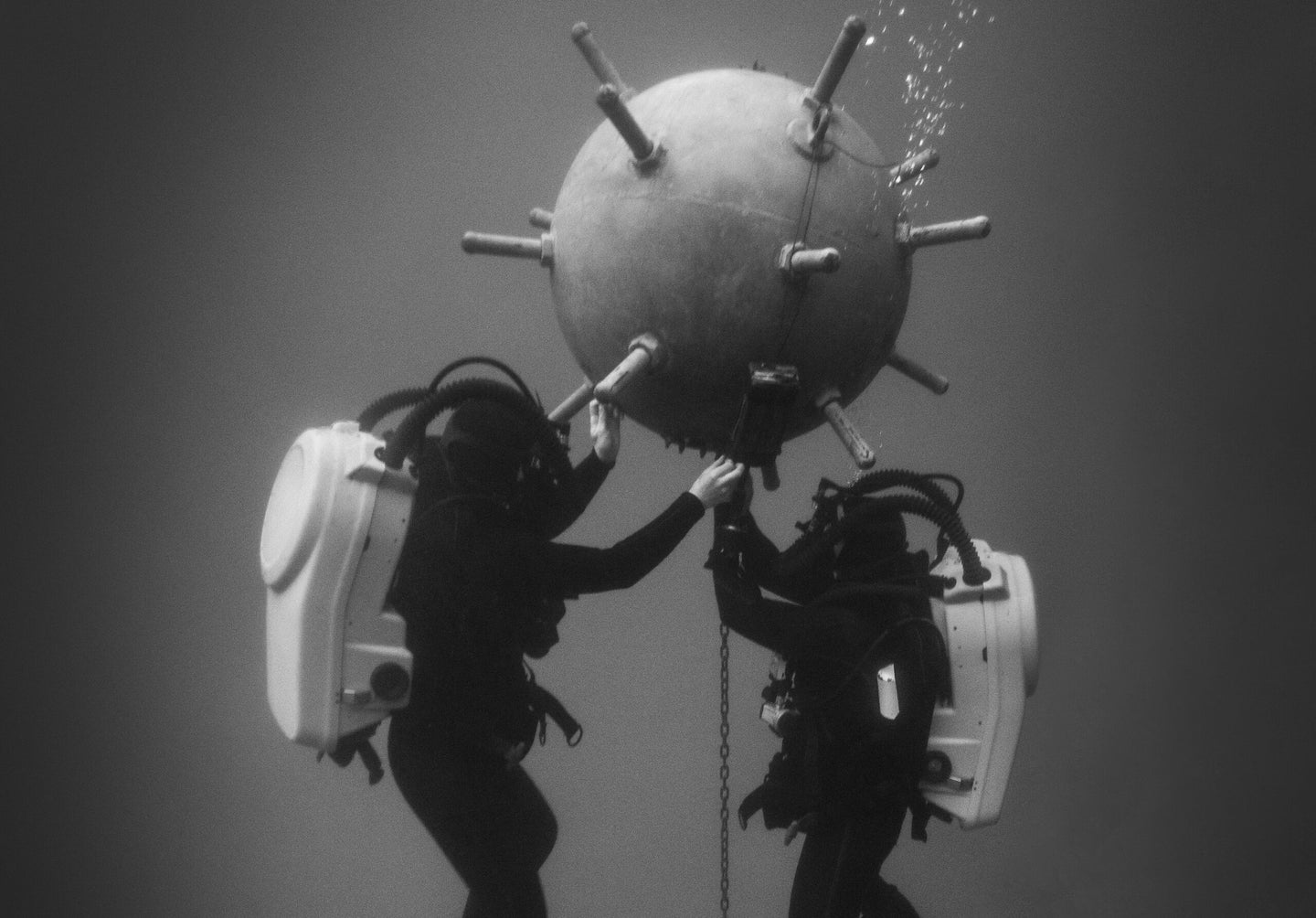
This image depicts a simulated scenario in a special pool in San Diego, California, in 2017. Robotics can help make dangerous jobs like this one safer. US Navy / Charles E. White
SHARE

When it comes to clearing the ocean of explosives, the British Royal Navy is turning to robots. Announced April 12, the Ministry of Defense is awarding £32 million (about $42 million) to Dorset-based company Atlas Elektronik to give the fleet an “autonomous mine-hunting capability.” Employing robots to hunt and clear the sea of naval mines should make waterways useful for military missions and safe for commercial and civilian use afterwards.

“The threat posed by sea mines is constantly evolving,” said Simon Bollom, CEO of the UK’s Defence Equipment and Support Board, in a statement.

To meet this changing threat, the Royal Navy is acquiring a total of nine robotic vehicles, equipped with synthetic aperture sonar and advanced software. The robots, known as Medium Autonomous Underwater Vessels once in service, are based on Atlas Elektronik’s SeaCat, a modular robot with a torpedo-shaped body and a range of sensors and systems it can mount.

The SeaCat can operate in shallow waters, less than 7 feet deep, by moving along the surface, and it can reach depths of up to 1,970 feet under the surface, traveling as far as 23 miles autonomously. The base model of the SeaCat can operate for up to 10 hours under water, traveling as fast as 3.5 mph. Synthetic aperture sonar offers higher resolution images of objects underwater, making it useful for both geographic surveying and mine detection.

The threat of mines is not theoretical. In late March, Turkish military divers defused a naval mine that had drifted towards its Black Sea coast. A Russian intelligence agency accused the mine of being Ukrainian, while Ukraine’s government called the claim misinformation. The explosive was identified only as an old type of mine, which means it could be from a prior conflict, or an old weapon pressed into service in the recent war.

The SeaCat. Atlas Elektronik


A terrible thing that waits

Like landmines, sea mines are an explosive paired with a trigger, allowing the weapons to wait until a certain condition is met before detonating. In war, sea mines are placed, like landmines, to obstruct passage through a crucial area, making any attempt to escape a mined harbor or cross a mined strait an exercise in explosive hazard.

Modern sea mines date back to the 1870s, when engineers figured out how to keep a trigger intact without the sea eroding it. These mines—explosive spheres with protruding rods—would trigger when a ship collided with the rod, breaking a vial inside and setting off an electrical charge. The mines would wait until a ship collided with the trigger rod, floating on or below the surface of the water and often anchored in place to prevent drift.

Once engineers solved the problem of creating an explosive that could wait at sea, navies had to figure out how to clear those explosives from the water safely. Over 100 years ago, in “The Making of a Submarine Mine” in the January 1916 Popular Science, the magazine discussed methods of making short-duration mines, as well as defusing already-placed mines with electrical fuses.

Before mines can be defused, they must be found. This was initially the work of small motorboats, though the work is dangerous and risks the lives of human crew. Mines also become more sophisticated over time. Before World War I concluded, sea mines could trigger on sound, magnetism, or changes in water flow. Because mines from all eras can persist in the ocean, modern mine clearing has to accommodate for old and modern triggers.

Remote workers


Like with the mine in Turkey, underwater explosives are often defused by teams of human divers. This work combines the hazards of on-ground explosive disposal with the additional difficulty of being underwater, with visibility limited depending on the depth and condition of the sea. It’s a job people have outsourced to robots as much as they possibly can, trusting remotely operated machines to take on the risk at distance from human operators.

The United Kingdom, together with France, has already invested in multiple robots that can defuse mines once located. Once found and tracked, a specific mine-defusing robot can be launched to place an explosive on the surface of the mine, before retreating so the new explosive can detonate the found mine.

What the Royal Navy’s new robots will do is improve the process of finding and neutralizing mines, scanning and patrolling the sea on their own autonomous navigation. This saves the human labor for operating remote robots and managing detonations, as the new craft scan the ocean to find any explosives still in the water.

As sea mines continue to find utility in war, and even more as mines continue to persist long after wars end, navies being able to clear the oceans of explosive detritus will prevent tragedy at sea.


Kelsey D. Atherton is a military technology journalist who has contributed to Popular Science since 2013. He covers uncrewed robotics and other drones, communications systems, the nuclear enterprise, and the technologies that go into planning, waging, and mitigating war.

Security Alert – Drifting Mines in the Black Sea


Location: Turkey, Romania, Bulgaria, Ukraine, Black Sea, Azov Sea

Event: Drifting Mines in the Black Sea

There are confirmed reports of an undetermined number of drifting mines in the western Black Sea, at least four of which Turkish and Romanian authorities have intercepted. Drifting mines pose a hazard to commercial and passenger vessels.

The State Department recommends U.S. citizens traveling by sea review the advisories from the NATO Shipping Centre and the U.S. Maritime Advisory System regarding the risk of collateral damage in the northwestern, western, and southwest Black Sea and the Sea of Azov.

Actions to Take:  
Exercise caution when considering travel by ship in the Black Sea region.
If you have questions or concerns about an upcoming trip, check with your cruise/ferry line, tour group, or travel provider for updates.
Be aware of your surroundings and monitor navigational alert sources (NAVTEX or SafetyNET) for the most up-to-date information.
Mariners planning travel to the region should also check S. maritime advisories and alerts. Information may also be posted to the U.S. Coast Guard homeport website, and the NGA broadcast warnings website – select “broadcast warnings.”
For emergency response in Romania, call 112.

AMAZON SIGNS CONTRACTS FOR 83 ROCKET LAUNCHES

THERESA CROSS
APRIL 12TH, 2022

Amazon signed contracts for 83 rocket launches to build its “Project Kuiper” internet constellation, which is expected to include more than 3,000 satellites.
Credit: Amazon

Last week, Amazon announced one of the most significant rocket deals within the commercial space market in order to build its Kuiper internet constellation.

On April 5, the company announced it signed with three launch service providers — Blue Origin, Arianespace and United Launch Alliance — for 83 missions to space for its highly-anticipated high-speed internet constellation, providing worldwide coverage with a network of 3,236 satellites in low Earth orbit.

The breakdown of the contracts distributed for the tech giant for what is being called the biggest rocket deal in commercial space, and its more than $10 billion investment, are as follows: 38 launches with United Launch Alliance — a joint venture with Boeing and Lockheed Martin, 18 launches with Arianespace — a European launch service provider, and 12 launches with Blue Origin with an option for 15 more with the private space company owned by Jeff Bezos.

This is in addition to nine Atlas V rockets purchased by Amazon about a year ago.

Project Kuiper, Amazon’s satellite program for its internet constellation, plans to test a prototype pair — KuiperSat-1 and KuiperSat-2 — launching in late 2022 with ABL Space Systems on that company’s RS1 vehicle before flying operational satellites, totaling billions of dollars, according to Amazon.

“KuiperSat-1 and KuiperSat-2 will include much of technology and sub-systems that power the production version of our satellite design — phased array and parabolic antennas, power and propulsion systems, custom-designed modems and more,” Amazon said in a blog post.

Amazon plans to team up with Verizon to implement its high-speed internet as the Project Kuiper team — 750 employees and growing according to CNBC in November 2021 — plans to add hundreds more working out of the company’s 219,000 square foot facility in Redmond, Washington.

Amazon has plans to add another 20,000 to the facility where it’ll test and manufacture the satellites.

Video courtesy of Amazon


THERESA CROSS  grew up on the Space Coast. It’s only natural that she would develop a passion for anything “Space” and its exploration. During these formative years, she also discovered that she possessed a talent and love for defining the unique quirks and intricacies that exist in mankind, nature, and machines. Hailing from a family of photographers—including her father and her son, Theresa herself started documenting her world through pictures at a very early age. As an adult, she now exhibits an innate photographic ability to combine what appeals to her heart and her love of technology to deliver a diversified approach to her work and artistic presentations. Theresa has a background in water chemistry, fluid dynamics, and industrial utility.
CERES MAY HAVE FORMED IN THE OUTER SOLAR SYSTEM

LAUREL KORNFELD
APRIL 3RD, 2022

A map of Ceres’ northern hemisphere by the Dawn spacecraft’s Gamma Ray and Neutron Detector, GRaND. Credit: NASA/JPL-Caltech/UCLA/ASI/INAF

Dwarf planet Ceres may be located in the asteroid belt between Mars and Jupiter, but its composition and large water content suggest it formed in the outer solar system where other dwarf planets orbit.

Visited by NASA’s Dawn spacecraft in 2015, Ceres differs from all other objects in the asteroid belt in several ways. It has a diameter of 588 miles (946 kilometers) and is spherical due to being rounded by its own gravity. Only two other objects in the belt, Vesta and Pallas, even come close to being round.


While asteroids are mostly collections of rock held together loosely by chemical bonds, Ceres has the shape and complexity of a planet, and its mass equals one third of the total mass of the asteroid belt.

Like the terrestrial planets, Ceres is differentiated into core, mantle, and crust. Its crust, or surface, which Dawn mapped, is a mix of water along with clay and carbonates. Its mantle is composed of water ice while its core is made up of rock.

Beneath its surface, Ceres may harbor remnants of an underground ocean, much like those that exist on Pluto and on icy moons such as Europa and Enceladus.

Ceres’ surface also contains high levels of ammonia, a substance not found on other objects in the asteroid belt but far more common in the outer solar system. Heat from the Sun typically evaporates ammonia in the region between Mars and Jupiter. More distant regions like the Kuiper Belt are colder, so volatiles like ammonia are much more common.

With a low density of 2.2 grams per cubic centimeter and low reflectivity, Ceres somewhat resembles carbonaceous chondrites, also known as C-type asteroids. These are the most common asteroids in the belt, and many are located relatively close to Ceres.

However, C-type asteroids have nowhere near the amount of water Ceres has and do not contain ammonia.

Noting these differences, a team of scientists led by Rafael Ribeiro de Sousa of the University of Sao Paulo in Brazil propose Ceres originated somewhere beyond the orbit of Saturn in a paper recently published in the journal Icarus.

According to one model of solar system evolution, the gas giant and ice giant planets formed closer to the Sun and migrated outward during the solar system’s early, chaotic years. This movement displaced smaller, distant objects like Ceres, some of which migrated inward while others were destroyed in violent impacts and still others were completely ejected from the solar system.

This same outward migration of the gas and ice giants could have led to Neptune’s capture of Triton, its largest moon, which is thought to have once orbited the Sun on its own.

“The results of our numerical simulations support the idea that some Ceres-sized planetestimals might have been implanted from the trans-Saturnian region into the asteroid belt by a combination of close encounters with giant planets, with other protoplanets, gas drag, chaotic diffusion, and mean motion resonances with Jupiter,” the researchers note in the paper.

According to computer simulations run by the researchers, as many as 3,500 small planets of Ceres’ size had to exist in the outer solar system in order for even one to survive the many collisions of the solar system’s earliest years and end up in Ceres’ location.


LAUREL KORNFELD is an amateur astronomer and freelance writer from Highland Park, NJ, who enjoys writing about astronomy and planetary science. She studied journalism at Douglass College, Rutgers University, and earned a Graduate Certificate of Science from Swinburne University’s Astronomy Online program. Her writings have been published online in The Atlantic, Astronomy magazine’s guest blog section, the UK Space Conference, the 2009 IAU General Assembly newspaper, The Space Reporter, and newsletters of various astronomy clubs. She is a member of the Cranford, NJ-based Amateur Astronomers, Inc. Especially interested in the outer solar system, Laurel gave a brief presentation at the 2008 Great Planet Debate held at the Johns Hopkins University Applied Physics Lab in Laurel, MD.
‘Paradise Falls’ thrusts readers into the Love Canal disaster

The book centers on the women who fought for their community


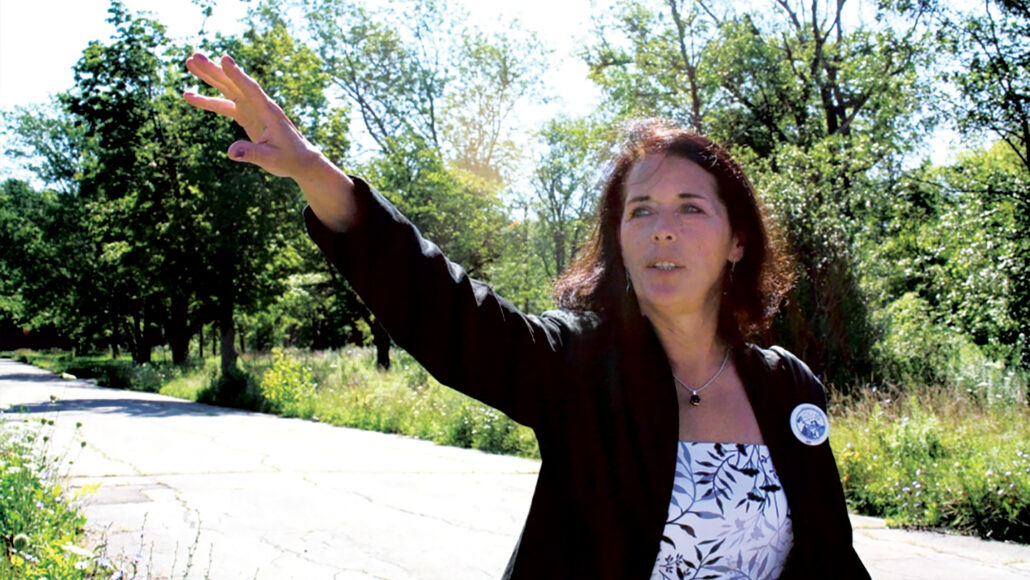
Lois Gibbs and other activists brought attention to the environmental disaster that unfolded at Love Canal in Niagara Falls, N.Y., in the late 1970s. Here, Gibbs leads a tour of the former dump site in 2008.


By Erika Engelhaupt

APRIL 12, 2022 AT 9:00 AM


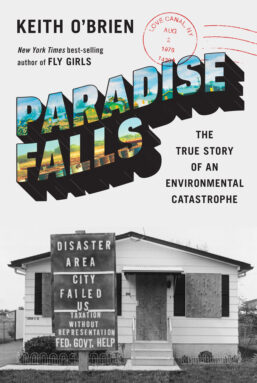
Paradise Falls
Keith O’Brien
Pantheon, $30

In December 1987, my family moved from sweltering Florida to a snow-crusted island in the Niagara River just north of Buffalo, N.Y. There on Grand Island, I heard for the first time about a place called Love Canal. Right across the river, not a mile away, lay an entire neighborhood that had been emptied out less than a decade before by one of the worst environmental disasters in American history.

In the 1940s and ’50s, Hooker Chemical dumped about 20,000 tons of toxic waste into the canal, eventually covering it with soil and selling the land to the city of Niagara Falls for a dollar. The city built a school on it, and houses sprang up around it. For years, residents would smell strange odors in their homes, and kids would see chemicals bubbling up on the playground, but it wasn’t until the late 1970s that local officials began to take notice. Eventually, testing revealed dangerous levels of toxic chemicals along with increased rates of certain cancers in adults, as well as seizures, learning disabilities and kidney problems in children.

To me as a kid, the area surrounding Love Canal was an eerie abandoned neighborhood where teenagers would drive around at night to get creeped out. The place is truly haunting. The stories I heard of toxic chemicals gurgling up in people’s backyards stayed with me, and in 2008, I returned as an environmental reporter to write about Love Canal’s legacy. Only then did I understand the magnitude of the crisis.

And only now, with the publication of Paradise Falls, do I fully comprehend the human tragedy of Love Canal and the neighborhood called LaSalle that straddled it. Journalist Keith O’Brien chronicles events primarily through the lens of the people who lived there. He focuses on the period from Christmas 1976 to May 1980, when President Jimmy Carter signed a federal emergency order that evacuated more than 700 families.

Having covered the story myself, I was puzzled at first to see that O’Brien covered such a tight time frame in a story that developed over decades. He skims quickly through the history of chemical dumping and touches only briefly on follow-up studies of residents in the 1980s. But he fills more than 350 pages with a narrative of the main crisis period so gripping it could almost be a thriller. As the disaster unfolds, there are horrific discoveries, medical mysteries and plenty of screaming neighbors. The whole narrative is pulled directly from O’Brien’s extensive research, including interviews and documents that had been stored for decades.

Chapters hop between the perspectives of key residents and the scientists and officials dealing with the crisis, but the story is told chronologically and in great detail. In fact, there’s so much detail that we even learn the type of cookies (oatmeal) served to the officials from the U.S. Environmental Protection Agency who housewife-turned-activist Lois Gibbs famously took hostage in a publicity stunt.

O’Brien’s previous book, Fly Girls, was about pioneering female aviators of the 1920s and ’30s. So perhaps it’s no surprise that he has again focused on heroines. Gibbs was the public face of Love Canal, but many of the other women who took action got far less attention. O’Brien brings their stories to light. There was Elene Thornton, a Black resident of public housing who fought for her neighbors; Bonnie Casper, a young congressional aide who rallied government action; and Beverly Paigen, a scientist who risked her job studying a problem her superiors wanted to drop.

But perhaps the most poignant story, told in heartbreaking detail, is that of Luella Kenny. She was a cancer researcher living with her family in a house that backed up to a creek near Love Canal when her 6-year-old son Jon Allen fell ill with mysterious symptoms. Doctors ignored her at first, but eventually the child grew so sick he was hospitalized with a kidney disease called nephrotic syndrome.

O’Brien narrates the family’s days with stunning clarity, capturing small but moving moments like Jon Allen gathering fallen chestnuts in the hospital parking lot and rolling them between his small, swollen fingers. By the time I read of Jon Allen’s death, even though I already knew the outcome, I cried. I felt as if I knew these people personally by the end of the book, and any misgivings I had initially about O’Brien’s approach disappeared. There are many ways to tell a story, but sometimes the simplest way — the perspective of those who lived it — is best.


The True Reason For So Much Hunger in The World Is Probably Not What You Think


(artur carvalho/Getty Images)


GISèLE YASMEEN, THE CONVERSATION
13 APRIL 2022

Nearly one in three people in the world did not have access to enough food in 2020. That's an increase of almost 320 million people in one year and it's expected to get worse with rising food prices and the war trapping wheat, barley and corn in Ukraine and Russia.

Climate change related floods, fires and extreme weather, combined with armed conflict and a worldwide pandemic have magnified this crisis by affecting the right to food.

Many assume world hunger is due to "too many people, not enough food." This trope has persisted since the 18th century when economist Thomas Malthus postulated that the human population would eventually exceed the planet's carrying capacity. This belief moves us away from addressing the root causes of hunger and malnutrition.

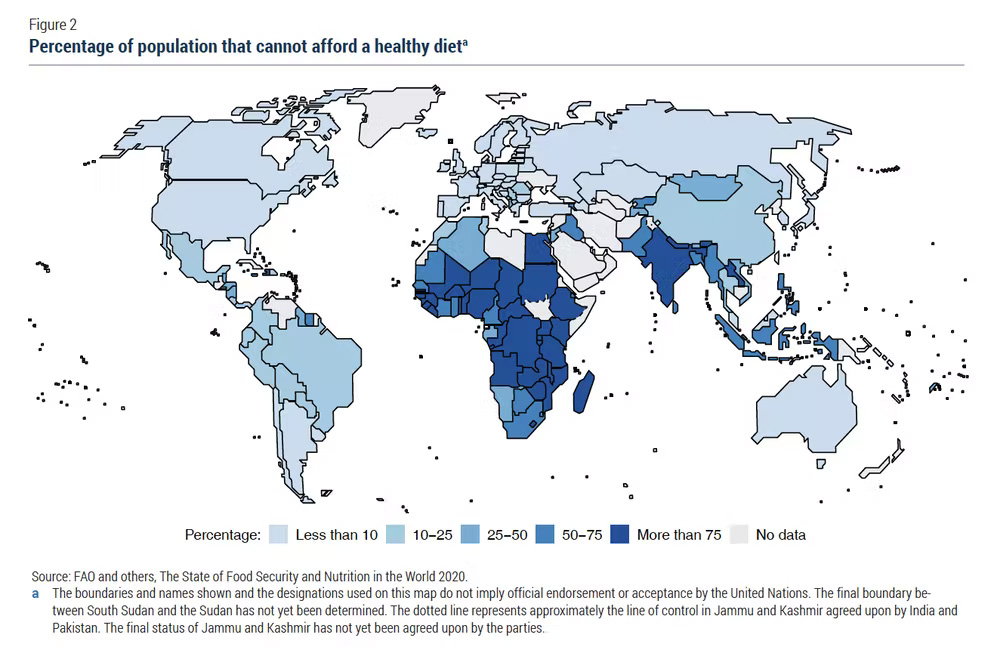
In fact, inequity and armed conflict play a larger role. The world's hungry are disproportionately located in Africa and Asia, in conflict-ridden zones.

As a researcher who has been working on food systems since 1991, I believe that addressing root causes is the only way to tackle hunger and malnutrition. For this, we need more equitable distribution of land, water and income, as well as investments in sustainable diets and peace-building.
But how will we feed the world?

The world produces enough food to provide every man, woman and child with more than 2,300 kilocalories per day, which is more than sufficient. However, poverty and inequality – structured by class, gender, race and the impact of colonialism – have resulted in an unequal access to Earth's bounty.

Despite adequate food production globally, poverty and inequality restrict many people's access to healthy food. (FAO, The State of Food Security and Nutrition in the World 2020, CC-BY)Y

Half of global crop production consists of sugar cane, maize, wheat and rice – a great deal of which is used for sweeteners and other high-calorie, low-nutrient products, as feed for industrially produced meat, biofuels and vegetable oil.

The global food system is controlled by a handful of transnational corporations that produce highly processed foods, containing sugar, salt, fat and artificial colors or preservatives. Overconsumption of these foods is killing people around the world and taxing healthcare costs.


Nutrition experts say that we should limit sugars, saturated and trans fats, oils and simple carbohydrates and eat an abundance of fruits and vegetables with only a quarter of our plates consisting of protein and dairy. The Intergovernmental Panel on Climate Change also recommends a move toward sustainable healthy diets.

A recent study showed that overconsumption of highly processed foods – soft drinks, snacks, breakfast cereals, packaged soups and confectionery items – can lead to negative environmental and health impacts, such as Type 2 diabetes and cardiovascular disorders.

Steering the world away from highly processed foods will also lessen their negative impacts on land, water and reduce energy consumption.
We live in a world of plenty

Since the 1960s, global agricultural production has outpaced population growth. Yet the Malthusian theory continues to focus on the risk of population increases outstripping the Earth's carrying capacity, even though global population is peaking.

Nobel Laureate Amartya Sen's study of the Great Bengal Famine of 1943 challenged Malthus by demonstrating that millions died of hunger because they didn't have the money to buy food, not due to food shortages.


In 1970, Danish economist Ester Boserup also questioned Malthus's assumptions. She argued that rising incomes, women's equality and urbanization would ultimately stem the tide of population growth, with the birthrate, even in poor countries, dropping to at or below replacement levels.

Food – like water – is an entitlement, and public policy should stem from this. Unfortunately, land and income remain highly unevenly distributed, resulting in food insecurity, even in wealthy countries. While land redistribution is notoriously difficult, some land reform initiatives – like the one in Madagascar – have been successful.
The role of war in hunger

Hunger is aggravated by armed conflict. The countries with the highest rates of food insecurity have been ravaged by war, such as Somalia. More than half of the people who are undernourished and almost 80 percent of children with stunted growth live in countries struggling with some form of conflict, violence or fragility.

UN Secretary General António Guterres has warned that the war in Ukraine puts 45 African and least developed countries at risk of a "hurricane of hunger," as they import at least a third of their wheat from Ukraine or Russia. According to the New York Times, the World Food Program has been forced to cut rations to nearly four million people due to higher food prices.


What works, ultimately, are adequate social protection floors (basic social security guarantees) and rights based "food sovereignty" approaches that put communities in control of their own local food systems. For example, the Deccan Development Society in India assists rural women by providing access to nutritious food and other community supports.

To address food insecurity, we must invest in diplomacy by coordinating humanitarian, development and peacekeeping activities to avoid and curtail armed conflicts. Poverty reduction is part of peace building as rampant inequalities serve as tinderboxes for aggression.
Protecting our ability to produce food

Climate change and poor environmental management have put collective food production assets including soil, water and pollinators in peril.

Several studies over the past 30 years have warned that soil and water contamination from high concentrations of toxins such as pesticides, dwindling biodiversity and disappearing pollinators could further affect the quality and quantity of food production.

Livestock, crop production, agricultural expansion and food processing account for a quarter of all greenhouse gas emissions. In addition, one-third of all food produced is lost or goes to waste, so tackling this travesty is also paramount.

Reducing food loss and waste will help reduce environmental impacts of the food system, as will transitioning to healthier, sustainably produced diets.
Food, health and environmental sustainability

Food is an entitlement and should be viewed as such, not framed as an issue of population growth or inadequate food production. Poverty and systemic inequalities are the root causes of food insecurity as is armed conflict. Keeping this idea central in discussions about feeding the world is essential.

We need policies that support healthy and sustainably produced, balanced diets to address chronic diet-related disease, environmental issues and climate change.

We need more initiatives that enable equitable distribution of land, water and income globally.

We need policies that address food insecurity through initiatives like rights-based food sovereignty systems.

In areas affected by conflict and war, we need policies that invest in diplomacy by coordinating humanitarian, development and peacekeeping activities.

These are the key pathways to recognize that "food is the single strongest lever to optimize human health and environmental sustainability on Earth."

Gisèle Yasmeen, Senior Fellow, School of Public Policy and Global Affairs, University of British Columbia.

This article is republished from The Conversation under a Creative Commons license. Read the original article.
How ancient, recurring climate changes may have shaped human evolution

Shifting habitats implicate a disputed ancestor in the rise of Homo sapiens and Neandertals


The climate change–induced travels of a disputed hominid species called Homo heidelbergensis, represented here by a roughly 600,000-year-old East African skull, led to the evolution of H. sapiens in southern Africa and Neandertals in Europe, a new study claims.

RYAN SOMMA/FLICKR (CC BY-SA 2.0)

By Bruce Bower
APRIL 13, 2022 

Recurring climate changes may have orchestrated where Homo species lived over the last 2 million years and how humankind evolved.

Ups and downs in temperature, rainfall and plant growth promoted ancient hominid migrations within and out of Africa that fostered an ability to survive in unfamiliar environments, say climate physicist and oceanographer Axel Timmermann and colleagues. Based on how the timing of ancient climate variations matched up with the comings and goings of different fossil Homo species, the researchers generated a novel — and controversial — outline of human evolution. Timmermann, of Pusan National University in Busan, South Korea, and his team present that scenario April 13 in Nature.

Here’s how these scientists tell the story of humankind, starting roughly 2 million years ago. By that time, Homo erectus had already begun to roam outside Africa, while an East African species called H. ergaster stuck close to its home region. H. ergaster probably evolved into a disputed East African species called H. heidelbergensis, which split into southern and northern branches between 850,000 and 600,000 years ago. These migrations coincided with warmer, survival-enhancing climate shifts that occur every 20,000 to 100,000 years due to variations in Earth’s orbit and tilt that modify how much sunlight reaches the planet.

Then, after traveling north to Eurasia, H. heidelbergensis possibly gave rise to Denisovans around 430,000 years ago, the researchers say. And in central Europe, harsh habitats created by recurring ice ages spurred the evolution of H. heidelbergensis into Neandertals between 400,000 and 300,000 years ago. Finally, in southern Africa between 310,000 and 200,000 years ago, increasingly harsh environmental conditions accompanied a transition from H. heidelbergensis to H. sapiens, who later moved out of Africa.

But some researchers contend that H. heidelbergensis, as defined by its advocates, contains too many hard-to-categorize fossils to qualify as a species.

An alternative view to the newly proposed scenario suggests that, during the time that H. heidelbergensis allegedly lived, closely related Homo populations periodically split up, reorganized and bred with outsiders, without necessarily operating as distinct biological species (SN: 12/13/21). In this view, mating among H. sapiens groups across Africa starting as early as 500,000 years ago eventually produced a physical makeup typical of people today. If so, that would undermine the validity of a neatly branching evolutionary tree of Homo species leading up to H. sapiens, as proposed by Timmermann’s group.

The new scenario derives from a computer simulation of the probable climate over the last 2 million years, in 1,000-year intervals, across Africa, Asia and Europe. The researchers then examined the relationship between simulated predictions of what ancient habitats were like in those regions and the dates of known hominid fossil and archaeological sites. Those sites range in age from around 2 million to 30,000 years old.

Previous fossil evidence indicates that H. erectus spread as far as East Asia and Java (SN: 12/18/19). Timmermann’s climate simulations suggest that H. erectus, as well as H. heidelbergensis and H. sapiens, adapted to increasingly diverse habitats during extended travels. Those migrations stimulated brain growth and cultural innovations that “may have made [all three species] the global wanderers that they were,” Timmermann says.

The new habitat simulations also indicate that H. sapiens was particularly good at adjusting to hot, dry regions, such as northeastern Africa and the Arabian Peninsula.

Climate, habitat and fossil data weren’t sufficient to include additional proposed Homo species in the new evolutionary model, including H. floresiensis in Indonesia (SN: 3/30/16) and H. naledi in South Africa (SN: 5/9/17).

It has proven difficult to show more definitively that ancient environmental changes caused transitions in hominid evolution. For instance, a previous proposal that abrupt climate shifts resulted in rainy, resource-rich stretches of southern Africa’s coast, creating conditions where H. sapiens then evolved (SN: 3/31/21), still lacks sufficient climate, fossil and other archaeological evidence.

Paleoanthropologist Rick Potts of the Smithsonian Institution in Washington, D.C., has developed another influential theory about how climate fluctuations influenced human evolution that’s still open to debate. A series of climate-driven booms and busts in resource availability, starting around 400,000 years ago in East Africa, resulted in H. sapiens evolving as a species with a keen ability to survive in unpredictably shifting environments, Potts argues (SN: 10/21/20). But the new model indicates that ancient H. sapiens often migrated into novel but relatively stable environments, Timmermann says, undermining support for Potts’ hypothesis, known as variability selection.

The new findings need to be compared with long-term environmental records at several well-studied fossil sites in Africa and East Asia before rendering a verdict on variability selection, Potts says.

The new model “provides a great framework” to evaluate ideas such as variability selection, says paleoclimatologist Rachel Lupien of Lamont-Doherty Earth Observatory in Palisades, N.Y. That’s especially true, Lupien says, if researchers can specify whether climate and ecosystem changes that played out over tens or hundreds of years were closely linked to ancient Homo migrations.

For now, much remains obscured on the ancient landscape of human evolution.

Questions or comments on this article? E-mail us at feedback@sciencenews.org

CITATIONS

A. Timmermann et al. Climate effects on archaic human habitats and species successions. Nature. Published online April 13, 2022. doi: 10.1038/s41586-022-04600-9.