It’s possible that I shall make an ass of myself. But in that case one can always get out of it with a little dialectic. I have, of course, so worded my proposition as to be right either way (K.Marx, Letter to F.Engels on the Indian Mutiny)
Saturday, July 08, 2023
Deadly attack at Colombia coal facility sparks industry plea to protect miners
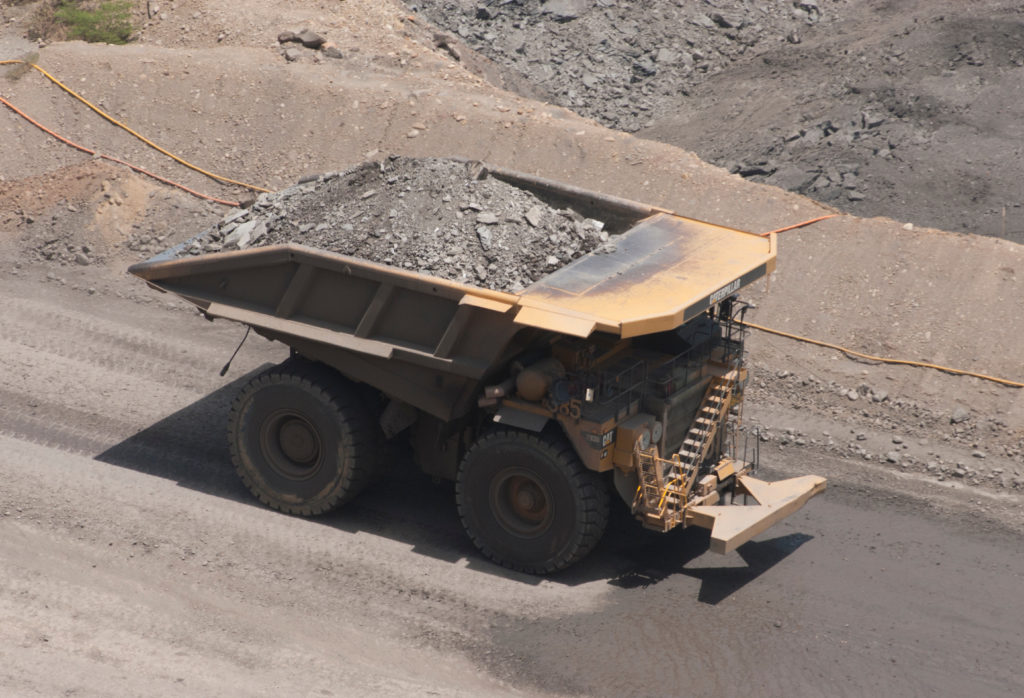
Bloomberg News | July 6, 2023 Mina de Carbon El Cerrejon, Guajira, Colombia. Stock image.
A Colombian mining group is urging the South American government to protect workers from ongoing violence against the industry following a deadly July 4 attack on a coal producer.
Tuesday’s incident happened at a Minex facility near the eastern Colombian city of Cucuta on the border with Venezuela. An explosive was detonated as 16 workers were passing by, leaving one dead and several injured, according to the Asociacion Colombiana de Mineria, or ACM.
Illegal armed groups have increased attacks on the population this year as the government holds talks with drug cartels and guerrilla groups to end decades of internal conflict. Mining and oil companies have also been the target of repeated attacks, including those against China’s Zijin Mining Group in May.
“This type of violent act against collaborators of the mining industry cannot continue to happen,” the association said in a Thursday statement. “We make an urgent call to the national and local government so that human rights and security are protected and guaranteed.”
Four oil and copper companies are leaving the Andean country in part due to safety concerns, ACM head Juan Camilo Narino told reporters last month, without providing names. There have been 21 attacks on oil pipelines in the country between January and May, up from 17 incidents in the same period last year, according to information from Colombia’s defense ministry.
(By Andrea Jaramillo, with assistance from Oscar Medina)
Site visit: Unearthing the lithium ‘gold rush’ in Nevada
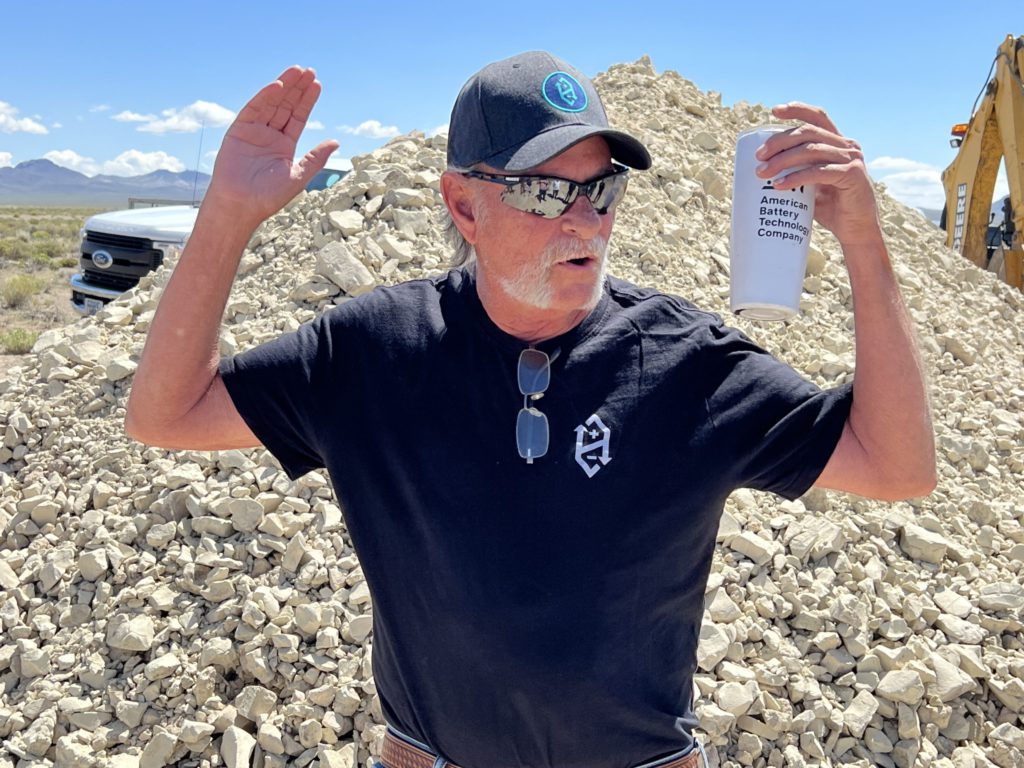
PHOTOS: Henry Lazenby Ross Leisinger head of resources at American Battery Technology Company, stand at the company’s Tonopah Flats project with a stockpile of lithium clay ore ready for processing.
While precious metals-focused juniors are working to revive Nevada’s tired Tonopah Silver District, lithium discoveries to the north, west and south of the desert town’s doorstep could again kick the boom-bust local economy into high gear.
Among a handful of prospectors jumping to capitalize on the battery metal’s EV potential are American Lithium (TSXV: LI), Tearlach Lithium (TSXV: TEA), American Battery Technology Company (OTC: ABML) and Century Lithium (TSXV: LCE), all emerging as critical players in the region’s nascent lithium mining industry. They want to exploit lithium’s potential while emphasizing sustainability and community engagement, The Northern Miner learnt on a recent tour of the district’s lithium exploration plays.
Industry experts agree that in the next five years, there will be a structural lithium deficit, and one of the contributing factors is the lack of technical know-how in the industry while it attempts to scale up and become more global.
Suppose the Comstock Lode is credited for funding the war that created Nevada, and the Tonopah Silver District is credited for paying to keep Nevada an independent state. In that case, undoubtedly, lithium stands to chart a new course for the historical mining town a three-hour drive north of Las Vegas.
“The Heller Tuff is mainly a geological formation located in the southern caldera of the Tonopah District, but the Oddie rhyolite, which is where it says ‘Tonopah Mining Park,’ that’s the rhyolite and the Siebert Tuff; that’s what everybody’s excited about because it’s full of lithium. So much lithium people don’t know what to do with it all,” said Blackrock Silver CEO Bill Howard, orienting the tour group while pointing his finger to a prominent feature on a hillside overlooking Tonopah under the searing desert sun.
Lithium fever is running high in Nye and Esmerelda Counties, Nevada.
Credit: Tearlach Resources
While Albemarle (NYSE: ALB) has been producing lithium at the Silver Peak lithium brines mine in the nearby Clayton Valley, discovering high-grade lithium clays in neighbouring basins opens opportunities for new players.
The first stop on the whirlwind tour is American Lithium’s TLC project. Under the leadership of executive vice president Ted O’Connor, American Lithium has made noteworthy progress in its lithium endeavours.
The TLC project boasts a distinct freshwater lithium system and easily extractable lithium deposits between Tonopah and a solar power plant. “Our system is an incredibly low energy system. The lithium is more weakly bound in our magnesium smectite,” O’Conner says.
He explains that through extensive drilling and exploration, American Lithium aims to mine for 20 years, process and stockpile lithium for another 20 years, and gradually rehabilitate the pit. The TLC project is forecast to yield 24,000 tons of lithium carbonate yearly, with plans to double production to 48,000 tons within four years.
On Dec. 1, 2022, the company announced an updated resource estimate that increased the contained lithium resources for the TLC project. This estimate was completed in early December as part of compiling the initial preliminary economic assessment (PEA). It was incorporated into the mine plan within the first PEA , released on Feb. 1.
TLC currently hosts 8.8 million tonnes of lithium carbonate equivalent (LCE) grading 809 parts per million (ppm) lithium in two million tonnes measured and indicated resources and 1.9 million tonnes LCE at 713 ppm lithium in 486 million tonnes inferred.
The PEA calculated a net present value of $3.3 billion, using an 8% discount rate with an internal rate of return of 27.5%, giving a 3.5-year capital payback period.
The company has prioritized positive community relationships, engaging with local tribes and fostering a balance between development and preservation. O’Conner says the near-surface deposit is above the water table, and there are no threatened or protected plants or wildlife on the 50-sq.-km property. Following the example
Next door and just to the west of Tonopah, Blackrock Silver (TSXV: BRC) and Tearlach Lithium’s 30-70%-owned Gabriel project partnership follows in American Lithium’s footsteps. They are also working to explore claystone lithium mineralization.
Led by CEO Chuck Ross, Tearlach brings its expertise in lithium exploration and development, while Blackrock contributes valuable insights and assets gained from previous lithium exploration efforts.
Tearlach Lithium’s geological team, headed by Dr. Julie Selway, oversees multiple projects in Ontario and has now set its focus on Nevada exploration. The partnership’s exploration program has yielded promising results, with significant mineralization intersected in drill holes on the 16-sq.-km property.
The team has drilled over 1,200 metres across 11 holes, returning grades as high as 550 ppm lithium to 1,460 ppm. Ross also points out some wide intercepts of up to 44 metres.
Blackrock Silver’s initial discovery of lithium during their search for high-grade silver veins has paved the way for their partnership with Tearlach.
American Lithium technical advisor and director Ted O’Connor at the TLC project, host to the states biggest lithium resource.
Ross explains the Blackrock Silver historic drilling intersected claystone intervals within the Miocene Siebert Formation that are lithium-mineralized, most likely in the form of lithium-bearing clays similar to other lithium deposits in the district. The Siebert Formation comprises mostly tuffaceous, pelitic, calcareous, and locally dolomitic lacustrine sediments. The bulk of the lithium mineralization is flat-lying in nature and is initially interpreted to be present in two separate claystone layers.
The partnership aims to gain deeper insights into lithium mineralization patterns and accurately estimate resource variability.
“We appreciate hearing where American lithium is; we can see where we need to go,” Ross said.
A little further west towards the centre of the basin, American Battery Technology Company head of resources Ross Leisinger says the discovery of significant lithium deposits on the Tonopah Flats of Nevada has garnered attention from the Department of Energy (DOE) and the Biden administration. “The Biden administration and DOE have selected us… to build the first of its kind lithium extraction plant in the state of Nevada,” Leisinger says.
The company plans to build a pilot plant in Fernley, Nev., with a nearly 30,000-sq.-metre lithium-ion battery recycling facility.
Leisinger stood in front of a large stockpile of lithium claystone above the projected economic grade for production, earmarked to be fed through the pilot plant once it’s ready.
Salt crystalizes under the Nevada desert sun at Albemarle’s Silver Peak lithium mine in the Clayton Valley.
“The real icing on the cake is for people that haven’t seen what lithium claystone looks like. This is what it looks like… worth more than gold right now in Nevada,” he said, holding a piece of rock that resembles brittle dried mud, with the attending geologists — curious folks that they are – giving the rocks the old lick test for the presence of salinity.
Through strategic exploration efforts on the 42-sq.-km property, the team has identified a measured and indicated resource of 15.6 million tonnes of LCE grading 300 ppm in 5.3 million inferred tons.
The geologist says the team has demonstrated its determination to expedite the permitting process and move toward full-scale production. “We’re moving rapidly on permitting… let’s get this into production.”
Leisinger advocates for collaboration among the region’s lithium explorers, aiming to reduce costs and maximize efficiency.
In the shadow of a giant
Meanwhile, the Century Lithium Angel Island project in the Clayton Valley will also make its mark when in production. Around 2017, a company called Cyprus Development Corp consolidated some groups of lithium claims in the valley.
The company’s Angel Island project sits next to Albemarle’s Silver Peak brine evaporation mine, essentially one valley over from California’s Death Valley, where the world’s hottest temperature of 56.7 degrees Celsius was recorded in 1913.
The project encompasses about 2,185 sq. km of claims, mainly claystone, hosting impressive lithium grades ranging from 500 ppm to 3,500 ppm.
“So far, we’ve drilled 42 holes in our model. That doesn’t sound like a lot, but given the low spatial variability in the drill holes regarding grade, the geostatistics say that 42 holes are enough to constrain a resource.”
A 2021 resource update disclosed probable reserves of 213 million tonnes grading 1,129 ppm lithium for 1.28 million tonnes LCE. The reserve sits in a larger indicated resource of 1.3 billion tonnes grading 905 ppm lithium for 6.3 million tonnes LCE.
Century Lithium’s Angel Island project in Nevada.
The project benefits from a rare 170-acre foot water right, enabling eco-friendly operations utilizing hydrochloric acid as the leaching reagent. “Most of the operators don’t have that kind of access to water rights,” project manager Adam Knight says.
The company is launching a pilot plant in the Amargosa Valley to the south to validate the new extraction process, ensuring continuous operation and refinement for optimized lithium extraction.
“We’ve been running tests for over a year. The total recovery right now is about 80%, but we believe it has the potential to go higher,” Knight said. He added that the planned feed rate right now is 15,000 tons a day, which should reach 27,000-28,000 tonnes per year production of lithium hydroxide.
A modest drilling program will define the starting area and help develop an ore control model this fall.
In the background further south is visible progress on construction of Pure Energy Minerals’ (TSXV: PE) direct lithium extraction (DLE) pilot plant at its Clayton Valley lithium brine project in Esmeralda County.
The final permit required to operate the DLE pilot plant became effective on Mar. 17, the company said, adding the pilot plant’s construction and operation at the Clayton Valley site are both now permitted.
The Vancouver-based miner is exploring and developing the 94.5-sq.-km Clayton Valley project, the largest mineral land holdings in the area, which adjoins and surrounds on three sides the Silver Peak lithium brine mine operated by Albemarle.
Pure Energy’s partner, SLB (formerly Schlumberger), through its New Energy business, is responsible for the design, construction and operation of the pilot plant to produce lithium compounds.
Chile’s lithium model gets conditional nod of approval from UN commission
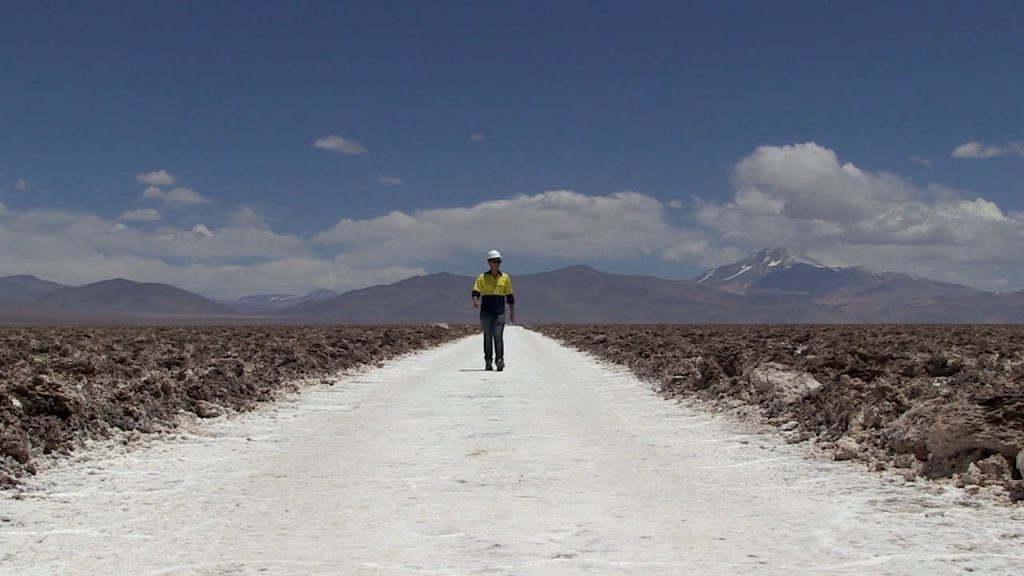
Bloomberg News | July 6, 2023 | The Maricunga salt flat is located in northern Chile, home to the largest and highest quality lithium brine deposits.
Chile’s new public-private participation model for lithium received a conditional endorsement from the United Nations.
“There is an integral nature in this strategy that allows trust, transparency and certainty,” said Jose Manuel Salazar-Xirinachs, executive secretary of the UN’s Economic Commission for Latin America and the Caribbean. Still, it’s success will depend on “the quality of management.”
The government of left-leaning President Gabriel Boric is introducing a model that will see the state take a controlling stake in operations considered strategically significant, while awarding contracts for non-strategic areas in which private firms would control operations. While one model “isn’t intrinsically superior to another,” Chile’s strategy has been well received by some private players including the two incumbents SQM and Albemarle Corp., Salazar-Xirinachs said at an event in Santiago held to unveil an ECLAC report on lithium mining and industrialization.
“There is enormous national and foreign interest in investing more given Chile is the great power in terms of deposits worldwide,” he said. The extraction and industrialization “promises enormous use and benefits for this country.”
(By James Attwood)
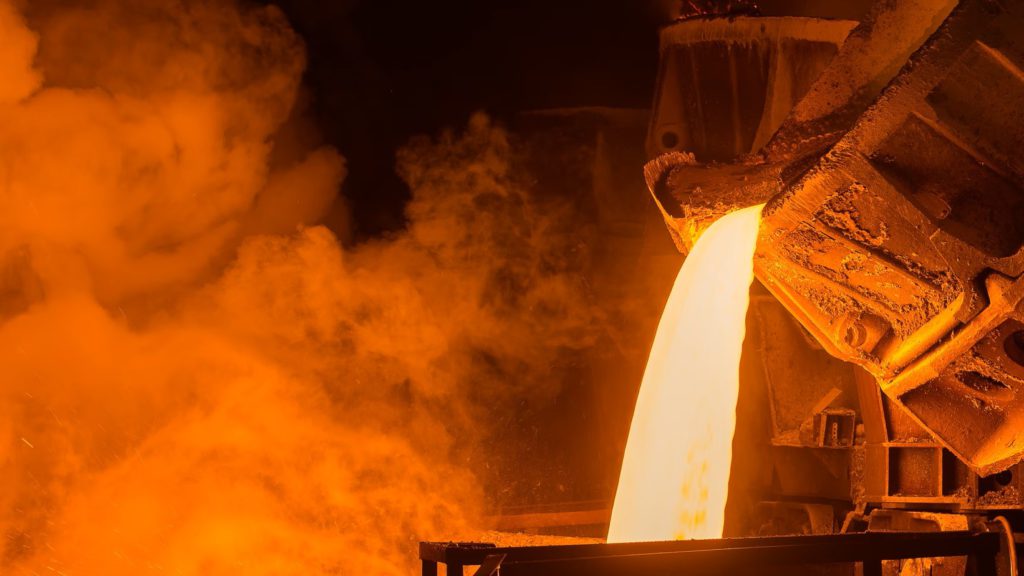
BHP looks to tiny microbes to cut stubborn steel emissions Bloomberg News | July 7, 2023 | Image: BHP
The world’s biggest miner is trying to figure out if tiny rock-eating microbes can help it solve a notoriously difficult climate puzzle — how to cut emissions from steelmaking.
Most steel today is made in blast furnaces powered by coal, the dirtiest fossil fuel, but there’s a way to refine the metal using less polluting natural gas or hydrogen in a process called the “direct reduced iron” (DRI) method, that reduces iron ore to iron without melting it.
The problem is that the greener process only works on high-quality iron ore, and most of BHP Group Ltd.’s iron ore comes from the Pilbara region in Western Australia, where the raw material contains too much phosphorus, alumina and other impurities to be refined using anything but coal.
That’s why BHP has enlisted the help of Boston-based Allonnia, a biotech startup backed by, among others, Bill Gates.
Allonnia discovered that BHP’s iron ore contained phosphorus-consuming organisms that could kickstart the refining process naturally, said Paul Perry, vice president of innovation at BHP. “All living things eat phosphorus,” he said, but this particular microbe also shakes loose alumina from the ore.
If these critters’ services could somehow be harnessed and scaled up, they could be let loose on giant mounds of iron ore, where they would proceed to eat the unwanted gunk — known as “gangue” — and create a product good enough for most of the hydrogen-powered steel mills being developed. Most hydrogen is produced using fossil fuels today, but if it’s manufactured using 100% clean energy, then the steelmaking process could eventually be entirely carbon-free.
Reducing the phosphorus and alumina content could bump up the purity of the iron ore from 62% to at least 65%, bringing it much closer to the grade needed for less carbon-intensive DRI refining processes, according to Perry. Still, he stressed that it’s “way too early” to celebrate, saying the move from laboratory testing to large-scale operations would be a major leap.
Allonnia has other specially crafted microbes in trials to clean up dangerous chemicals that can linger forever in wastewater and soil. The startup’s chief commercial officer Chuck Price said it plans to start a small-scale trial of the new technology with BHP in 2024. “Depending on its success and the lessons we learn, we aim for development of a full-scale plant from there,” he said.
BHP isn’t the only miner exploring ways to reduce emissions generated from making steel. Rio Tinto is exploring the use of biomass and microwave energy to create a less carbon-intensive process capable of handling lower-grade ore. Fortescue Metals Group Ltd. is working with Japan’s Mitsubishi Corp. and European steelmaker Voestalpine AG on a hydrogen-based pilot plant in Austria, where it will test refining different grades of ore. Both Rio and BHP are also experimenting with a three-step process that uses an “electric smelting furnace” to improve the quality of iron that comes out of a DRI plant.
Steel is needed to make everything from bridges to electric vehicles. Producing it is responsible for an estimated 8% of global greenhouse gas emissions a year, and finding ways to cut those emissions is crucial if the world is to avoid catastrophic global warming. BHP aspires to reduce its Scope 3 emissions — that is, the emissions of customers when they use its products — to net zero by 2050. It’s a huge task, given its current Scope 3 emissions are equivalent to an eyewatering 365 million tons of CO2 a year, or almost as much as the entire UK emits in a year. Reaching net zero would require most of the steel made by its customers to be green by that date.
Developing greener production methods is especially important for Australian miners like BHP, whose lower-grade iron ore risks becoming obsolete in a world dominated by green steelmaking techniques. They “need to either find a way to improve the quality of that Pilbara ore or look at technologies that allow the use of lower grade iron ore,” said Simon Nicholas, a Sydney-based steel sector analyst at the Institute of Energy Economics and Financial Analysis. DRI is by far the most advanced green steel technology, he said, but it relies on a grade of iron ore that makes up less than 5% of today’s global supply of the steelmaking material.
Still, which green steel method could dominate remains an open question. Miners and steelmakers have to choose their technology pathways based on the resources at hand, and most of these innovations may not be mature until the 2030s. Last month, Tata Steel Ltd. said it won’t be able to reach its 2030 emissions intensity reduction targets unless development of new technologies accelerates.
“There are so many unknowns,” said Simon Farry, Rio Tinto’s head of steel decarbonization. “This is an absolute revolution for the industry, but it’s not going to happen at the speed of a revolution. It’s going to be an evolution over two to four decades.”
(By James Fernyhough)
Greenland Resources Announces Equity Investment From Danish Investment Funds Advised by Maj Invest
July 07, 2023
TORONTO--(BUSINESS WIRE)--Greenland Resources Inc. (“Greenland Resources” or the “Company”; NEO: MOLY | FSE: M0LY) is pleased to announce that it has entered into a subscription agreement for a private placement financing (the “Private Placement”) with investment funds advised by Maj Invest. Under the terms of the private placement, Greenland Resources will issue 4,225,352 common shares (“Common Shares”) in the capital of the Company at a price of C$0.71 per Common Share for gross proceeds of C$3 million. The Company intends to use the net proceeds from the Private Placement to advance capex and permitting of its Malmbjerg Molybdenum project in Greenland (the “Project”) and for general corporate and working capital purposes. The Company welcomes Maj Invest as a partner with a long-term focus and strategic support for the development of the Project.
Closing of the Private Placement is anticipated to occur on or around July 12, 2023, and is subject to certain customary conditions including, but not limited to, the receipt of all necessary regulatory approvals including the approval of the NEO Exchange. The Common Shares issued pursuant to the Private Placement will be subject to a hold period of four (4) months and one (1) day from the date of issuance in accordance with applicable securities laws. No finders’ fees or commissions are payable on the Private Placement. About Maj Invest
Maj Invest is one of Denmark’s leading asset management companies, managing assets for primarily institutional clients. The Maj Invest group was established in 2005 and is today owned by management and employees. The Maj Invest group engages in two main business activities, Asset Management and Private Equity which both primarily provide services to institutional investors and major clients in Denmark and abroad. The Maj Invest group has USD $18 billion in assets under management and more than 100 employees. To learn more visit www.majinvest.com.
About Greenland Resources Inc.
Greenland Resources is a Canadian public company with the Ontario Securities Commission as its principal regulator and is focused on the development of its 100% owned world-class Climax type pure molybdenum deposit located in central east Greenland. The Malmbjerg molybdenum project is an open pit operation with an environmentally friendly mine design focused on reduced water usage, low aquatic disturbance and low footprint due to modularized infrastructure. The Malmbjerg project benefits from a NI 43-101 Definitive Feasibility Study completed by Tetra Tech in 2022, with Proven and Probable Reserves of 245 million tonnes at 0.176% MoS2, for 571 million pounds of contained molybdenum metal. As the high-grade molybdenum is mined for the first half of the mine life, the average annual production for years one to ten is 32.8 million pounds per year of contained molybdenum metal at an average grade of 0.23% MoS2. The project had a previous exploitation license granted in 2009. With offices in Toronto, the Company is led by a management team with an extensive track record in the mining industry and capital markets. For further details, please refer to our web site (www.greenlandresources.ca) and our Canadian regulatory filings on Greenland Resources’ profile at www.sedar.com. The Project is supported by the European Raw Materials Alliance (ERMA) as stated in their press release EIT/ERMA_June 13, 2022 Press Release, a Knowledge and Innovation Community of the European Institute of Innovation and Technology (EIT), a body of the European Union. About Molybdenum and the European Union
Molybdenum is a critical metal used mainly in steel and chemicals that is needed in all technologies in the upcoming green energy transition (World Bank, 2020; IEA, 2021). When added to steel and cast iron, it enhances strength, hardenability, weldability, toughness, temperature strength, and corrosion resistance. Based on data from the International Molybdenum Association and the European Commission Steel Report, the world produced around 576 million pounds of molybdenum in 2021 where the European Union (“EU”) as the second largest steel producer in the world used approximately 25% of global molybdenum supply and has no domestic molybdenum production. To a greater degree, the EU steel dependent industries like the automotive, construction, and engineering, represent around 18% of the EU’s ≈ US$16 trillion GDP. Greenland Resources strategically located Malmbjerg molybdenum project has the potential to supply in and for the EU approximately 24 million pounds per year, of environmentally friendly molybdenum from a responsible EU Associate country, for decades to come. The high quality of the Malmbjerg ore, having low impurity content in phosphorus, tin, antimony, and arsenic, makes it an ideal source of molybdenum for the high-performance steel industry lead worldwide by Europe, specifically the Scandinavian countries and Germany.
CRIMINAL CAPITALI$M AS PUBLIC SERVICE
BBC admits to publishing ‘fake news’ on Scotgold that led to share spike
Staff Writer | July 6, 2023 | Scotgold Resources’ Cononish project in Scotland in 2020. Credit: Scotgold Resources
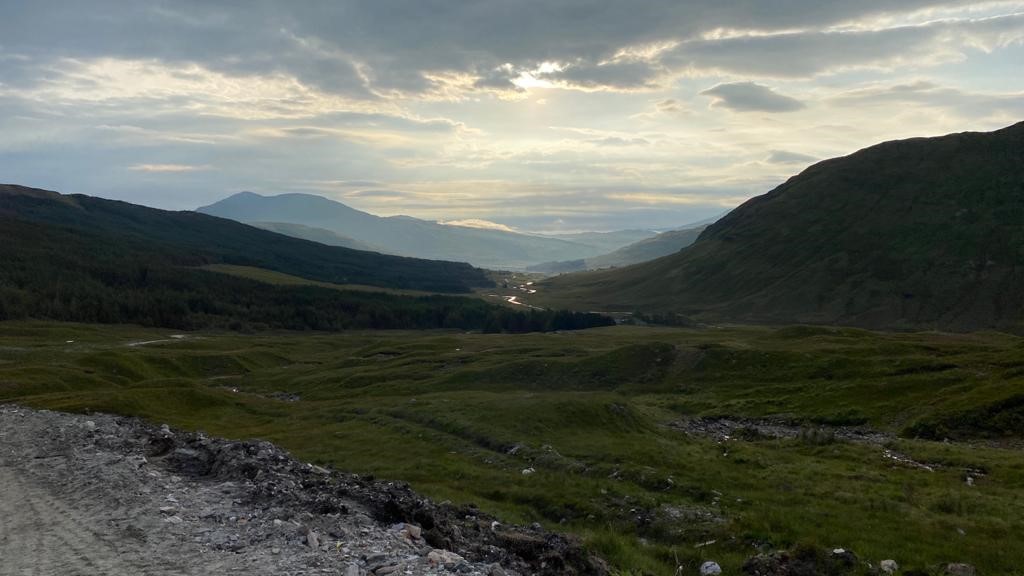
The BBC Executive Complaints Unit (ECU) has upheld a viewer’s complaint that it had broadcast “fake news” about to a non-existent gold discovery made by Scotgold Resources which caused the company’s share price to subsequently soar.
In the verdict published on Thursday, July 6, 2023, Fraser Steele, head of the ECU, admitted that news reports on BBC Radio 4 Today , BBC Radio 2 and BBC1 Scotland that the miner had found another vein of gold at its Cononish mine located in the Scottish Highlands “were incorrect and would have misled their audiences.”
The source of the story was BBC Scotland reporter, David Henderson, who first included the misinformation in the report of his mine visit and interview with Scotgold’s then CEO Phil Day published on the BBC News (Scotland Business) website on January 30, 2023.
In the interview, Day told the BBC his company had carried out some testing and believed it was likely there was a second vein containing gold running parallel to the vein it was already mining, which could extend the working life of the mine and potentially increase profits.
However, there were some brief news reports on BBC bulletins on the morning of January 30 which reported Scotgold as having said it had “found another vein of gold at its Cononish mine” (or very similar wording).
In the ECU’s judgement, that was more definitive than the hope or expectation expressed by the company’s former executive and would have left the audience with a misleading impression.
As such, the viewer’s complaint was upheld in relation to those reports, the ECU said in a statement. Stock spike
When news of this alleged “discovery” broke, investors rushed to buy Scotgold shares. This caused the stock to soar 54% – adding around £15 million to its valuation – only to fall rapidly in the following days as the company admitted that it has not even drill-tested the said gold vein.
A week later, the company announced a £3 million equity placement priced at 40p a share to follow through with its 2023 mine plan and support an exploratory drilling program at the Cononish mine.
On March 27, Scotgold shocked shareholders by announcing that its gold grades, revenues and working capital had suddenly deteriorated, to a point where its ability to keep operations going was in question.
It cited failed efforts to optimize production using what it considered a more cost-effective method of mining called long hole stoping. Any delays in switching to the new process, the miner warned, will inevitably put a strain on its finances.
On April 26, the company launched yet another fundraising scheme, pricing its new shares at just 15p – revealing that it had only £8,000 cash left at the end of March.
Year-to-date, Scotgold’s stock has plummeted over 70%, sitting at a market value of about £14 million.
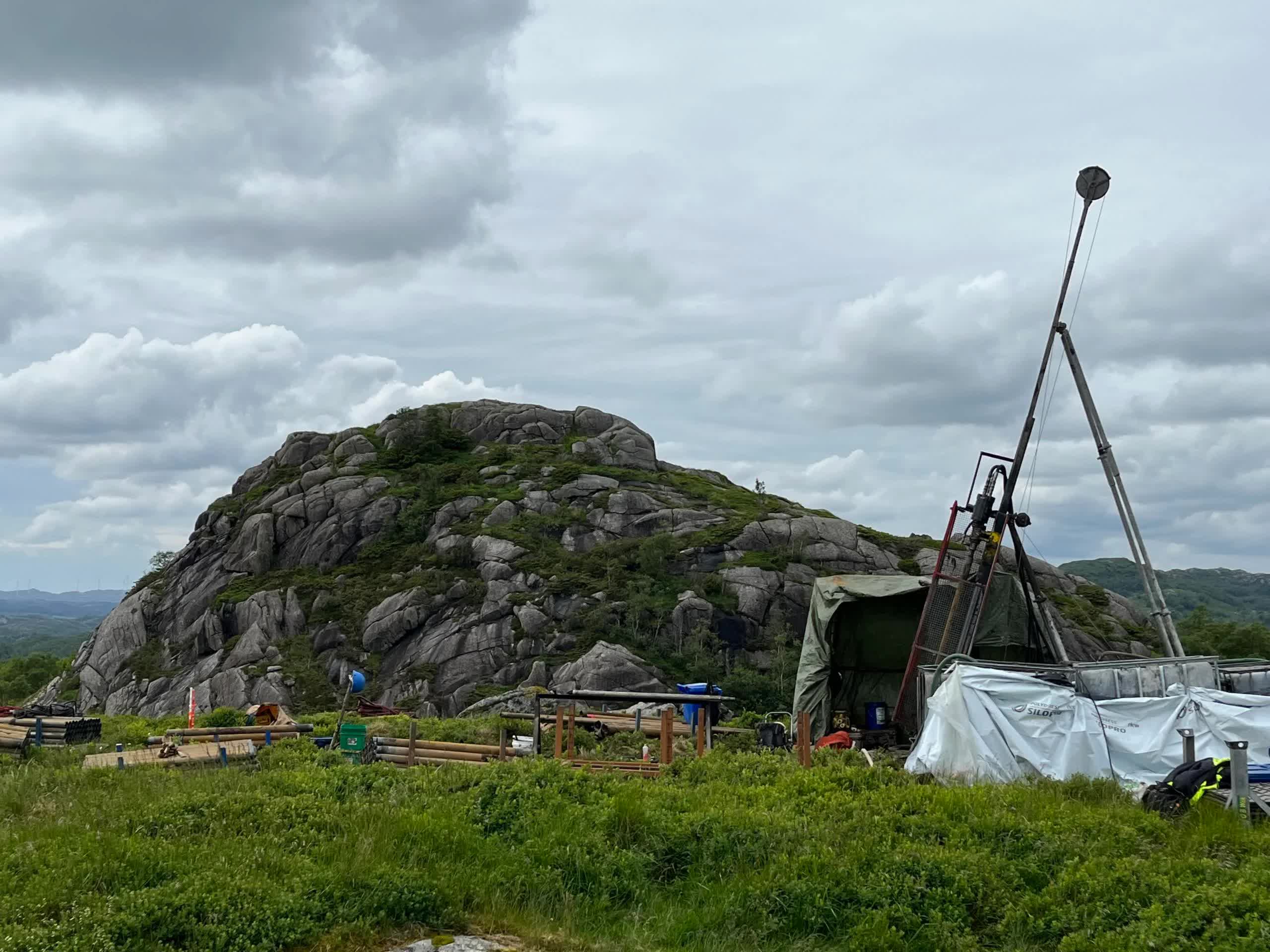
What just happened? Good news for fertilizer, solar panel, and electric vehicle battery companies: a massive underground deposit of high-grade phosphate rock has been discovered in Norway, containing enough minerals to meet global demand for those products for the next 50 years.
Norwegian mining company Norge Mining said the 70 billion tonnes of phosphate rock was uncovered in the southwest of Norway, where it sits alongside other minerals such as titanium and vanadium that are used in the aerospace and defense industries. Update (July 7): Norge Mining in an email let us know they have revised their estimate for how long the deposit allows for a supply of phosphate rock from 100 years to 50 years.
Phosphate rock is used in the production of phosphorus, an essential component in the fertilizer industry – 90% of the world's mined phosphate rock goes toward agriculture. It's also used in the production of lithium-iron-phosphate batteries for electric vehicles, solar panels, and in small quantities in semiconductors and chips. All these products have been designated by the European Commission as "of strategic importance" in the production of key technologies for the green and digital transition.
The 70 billion tonne phosphate deposit is just under the proven world reserves of 71 billion tonnes, writes Euractiv.
A report from The Hague Centre for Strategic Studies states that the European Union is almost entirely dependent on imports of phosphate rock from other countries around the world and that the bloc should be concerned about shortages.
A Nature article warns that Russia's invasion of Ukraine and the resulting economic sanctions could result in a disruption to the supply of phosphorus, further illustrating the importance of the new discovery. With the global economy using up to 50 million tonnes of phosphorus annually, it's prompted concerns about shortages of this important mineral as reserves are slowly depleting and held by just 4 or 5 big suppliers.
The Nature article also writes that phosphorus producing countries like China and the USA may seek to protect their domestic supplies by restricting exports, and that further disruptions to secure access to phosphorus are likely to be geopolitical and economic in nature, long before global reserves are exhausted. Phosphorous refining is a highly carbon-intensive process, which is why most of the industry is located in China, Vietnam, and Kazakhstan. But Norway will apply carbon capture and storage technology to the process to make it greener. Norway's minister of trade and industry, Jan Christian Vestre, said it was the country's "obligation" to develop "the world's most sustainable mineral industry."
The ore body runs 4,500 meters (2.7 miles) in the ground. It's impossible to drill at these depths, so geologists evaluated only a third of the volume, reaching down 1,500 meters from the surface, where at least 70 billion tonnes of mineralized phosphate rock is located.
Freeport-McMoran faces potential halt of activities in Indonesia
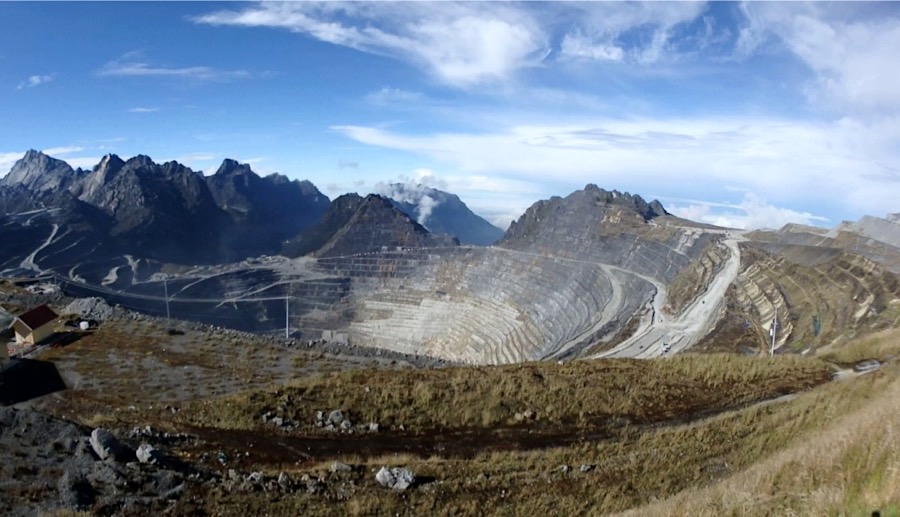
Staff Writer | July 6, 2023 Grasberg (pictured) is the world’s second-largest copper mine, as well as being one of the five-biggest gold mines. (Screenshot from Time-lapse video | YouTube)
PT Freeport Indonesia, a copper miner and subsidiary of Freeport-McMoran (NYSE: FCX), said on Thursday it has not yet received a long-awaited government permit to continue exporting its materials.
The waiting game poses a major risk of overcapacity at the company’s storage facilities in the eastern region of Papua.
Indonesia banned in June exports of raw minerals in an effort to boost its metals processing industry, but vowed to allow several companies including Freeport and Amman Mineral International to continue exporting until mid-2024.
“If these two big companies complete their smelters, that means we will no longer export raw copper because it will be processed domestically to become copper cathodes,” President Joko Widodo said at the time.
Freeport’s export permit expired on June 10, when Indonesia began its raw mineral export ban, and the company said it has not made any shipments since.
Spokesperson, Katri Krisnati, confirmed to Reuters the company is still awaiting the issuance of the export permit.
Without it, she said Freeport’s operational activities would be suspended, resulting in significant implications for overall operations and sales of mining products.
Freeport Indonesia produced 3 million tonnes of copper concentrate in 2022, an annual record. The company has in recent years transitioned into underground mining at its flagship Grasberg mine, the world’s second-largest copper operation.
With files from Reuters
Gap between high and low income Canadian households widening at record pace: StatCan
Amid the increased cost of living and declining real estate market, Statistics Canada is reporting a rapid widening gap between high and low income households.
A rapid widening gap between high and low income households has increased at an all-time record since 2010, according to new data from Statistics Canada.
In the first quarter of 2023, StatCan reported the gap in net worth between the poorest and richest households grew by 1.1 percentage points, the fastest increase since 2010. For comparison, the wealth gap declined by 1.6 percentage points between the first quarter of 2020 and first quarter of 2022.
However, the first quarter of 2020 still reported a higher overall wealth gap increase with 65.6 percentage points, in comparison to 2023's 65.1 percentage points.
The report also found Canadians aged 45 or younger tend to live in lower income households despite this group only representing 36.2 per cent of all households. Younger households make up 55.2 per cent of the lowest two wealth quintiles, according to the report.
With the rising cost of living, the least wealthy had their net worth decrease by 13.8 per cent, similar to losses reported in the same period last year.
The biggest driver of the reduction in net worth of all households, making up 92.1 per cent, was real estate.
According to findings from this first quarter, the average value of real estate owned by households decreased by 8.6 per cent. Additionally, the national average price for a residential home went up to $686,000, roughly 13.7 per cent from the first quarter of 2022.
Lower income households had their net worth reduced because an increase in mortgage debt exceeded the average value of their home. A net worth that likely also took a hit from increased non-mortgage debt that rose by 4.6 per cent, the report said.
Younger Canadians aged 35 or less had their net worth decrease by 8.7 per cent in relation to their home while Canadians between the ages of 55 and 64 saw a decrease of 1.8 per cent,
As for older Canadians in a low income household, most of their earnings were reported from their retirement benefits instead of employment and investments as high income households did.
CRIMINAL CAPITALI$M
B.C. banks and credit unions fined for mortgage documentation failures
Consumer watchdog says it found systemic failures by financial institutions not complying with mortgage discharge rules in the wake of a major fraud case in B.C.
By Graeme Wood, Glacier Media | July 7, 2023, The TD Bank was fined $5.3 million by Consumer Protection BC for mortgage discharge delays
| Jason G. Antonio
B.C.’s consumer protection agency has levied fines against eight banks and credit unions in the province after finding they were not complying with mortgage discharge regulations aimed at preventing fraud and making transactions more seamless.
For failing to discharge mortgages within 30 days of a mortgage loan being paid in full, Consumer Protection BC announced Thursday it levied fines against three big banks and five other financial institutions, including a $5.3-million fine against Toronto Dominion Bank (TD) — the largest, to date.
Joining TD on the roster of institutions that must pay a fine and sign an undertaking that includes quarterly reports on its discharges until July 2024 are: Scotiabank ($387,150); Bank of Montreal ($132,700); First National Financial GP Corporation ($29,200); Coast Capital Savings ($47,900); Vancouver City Savings Credit Union ($86,300); First West Credit Union ($14,000) and Prospera Credit Union ($8,800).
“Consumer Protection BC’s recent assessment of the financial sector’s compliance with provincial consumer protection laws showed that there is broad non-compliance when it comes to the requirement to provide a consumer with a discharge document within 30 days of a mortgage loan being paid in full,” the agency stated, adding investigations were conducted after hearing concerns from the Law Society of BC, Society of Notaries Public of BC and Land Title and Survey Authority of British Columbia.
The agency said it continues to investigate other institutions but did not disclose which ones.
Royal Bank of Canada and Canadian Imperial Bank of Commerce are not named among the country’s big five banks.
What is a mortgage discharge?
A mortgage lender is required to provide the borrower with a discharge document so the Land Title and Survey Authority of British Columbia can clear the property title. In B.C., the maximum fee a lender may charge for this document is $75.
In the event a homeowner sells their home with money owing on the mortgage, a lawyer or notary is typically the key to achieving a discharge as they take the money from the buyer and pay off the lender (with any leftover money going to the seller). At this point, the bank is to provide the discharge document to the borrower and land title office, thus providing the seller and buyer peace of mind of a clean transaction and property title.
Massive fraud underscored discharge documents
Mortgage discharge requirements were strengthened in B.C. following the fraud of lawyer Martin Wirick and alleged fraud of Wirick’s alleged associate and developer Tarsem Gill, whose case remains before the courts after Gill reportedly reversed a guilty plea from May 2013.
Wirick admitted to failing to discharge mortgages when he received money from homebuyers. Instead, Wirick stated he funnelled the sales proceeds to Gill to fund Gill’s development projects.
Wirick was sentenced to seven years in prison and lost his licence to practice law.
The pyramid scheme totalled $40 million, resulting in a payout from the law society’s indemnity fund, which is an insurance fund for clients when faced with a lawyer’s misappropriation of money.
The judge in Wirick’s sentencing noted the scheme “resulted in a number of new reporting requirements being imposed on lawyers with respect to both mortgage discharges and trust accounts. It has also involved changes in provincial legislation with respect to the provision of discharges by mortgage lenders.”
Ron Usher, lead counsel for the Society of Notaries Public of BC, said the Wirick and Gill case caused significant stress on the regular people who were caught up in the scheme.
Usher said one of the excuses Wirick used was to tell victims the banks were delayed in discharging the mortgage. (Wirick also falsified discharges.)
Since Wirick’s 2009 ruling, Usher says he’s observed a deterioration of discharge compliance at banks in B.C. and the COVID-19 pandemic “really jammed” the system causing “extraordinary work” for everyone involved in transactions.
Usher said the undertakings are a welcomed sign moving forward.
“What we had is financial institutions not complying with the law of the land,” said Usher.
“But at least now these institutions have said, ‘OK, we get it, we’ll comply.’”