Wednesday, February 12, 2025


International Shark Attack File Report: 

US unprovoked shark bites plummeted in 2024


Florida Museum of Natural History
Image 1 

image: 

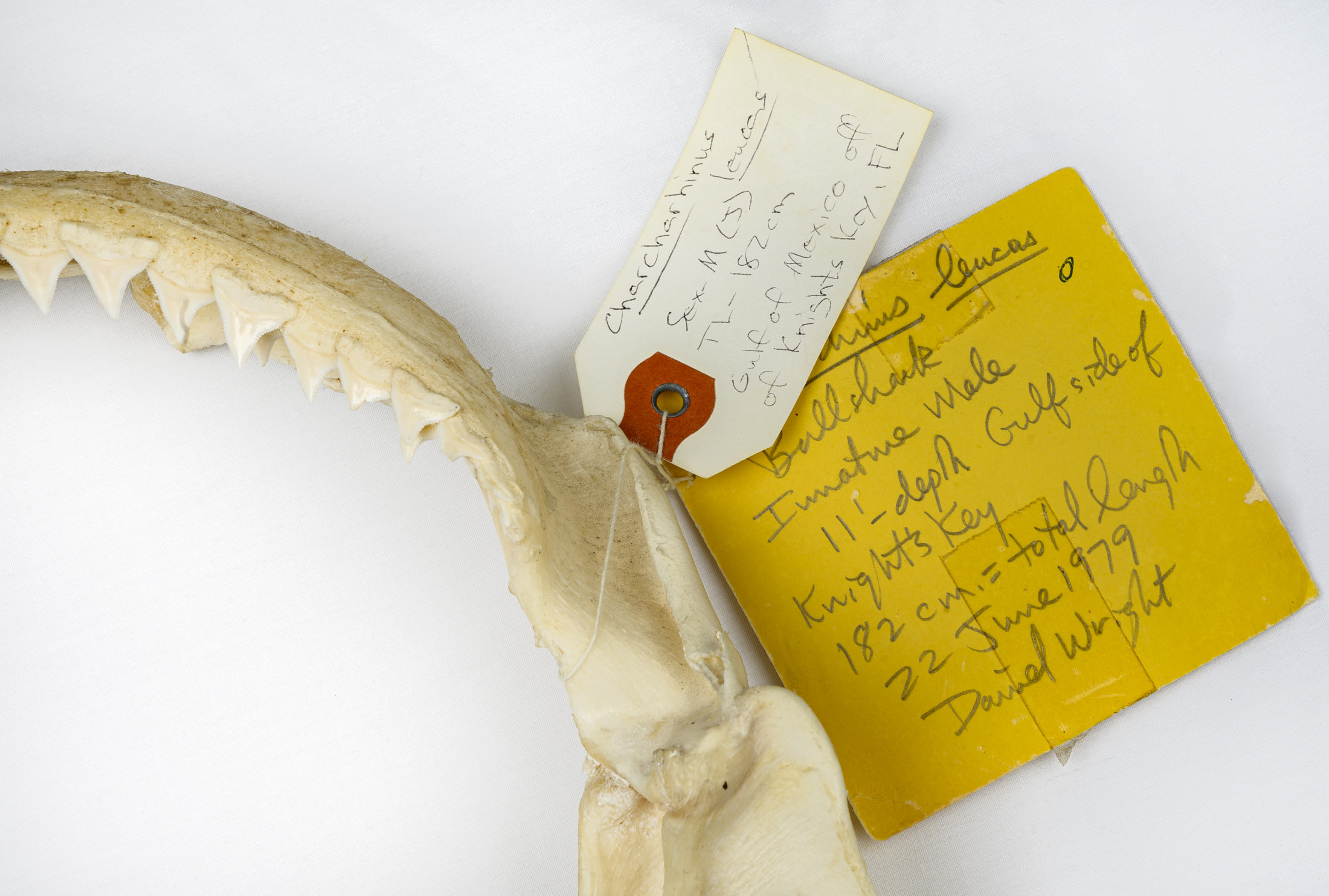
Bull shark jaw.

view more 

Credit: Florida Museum photo by Kristen Grace


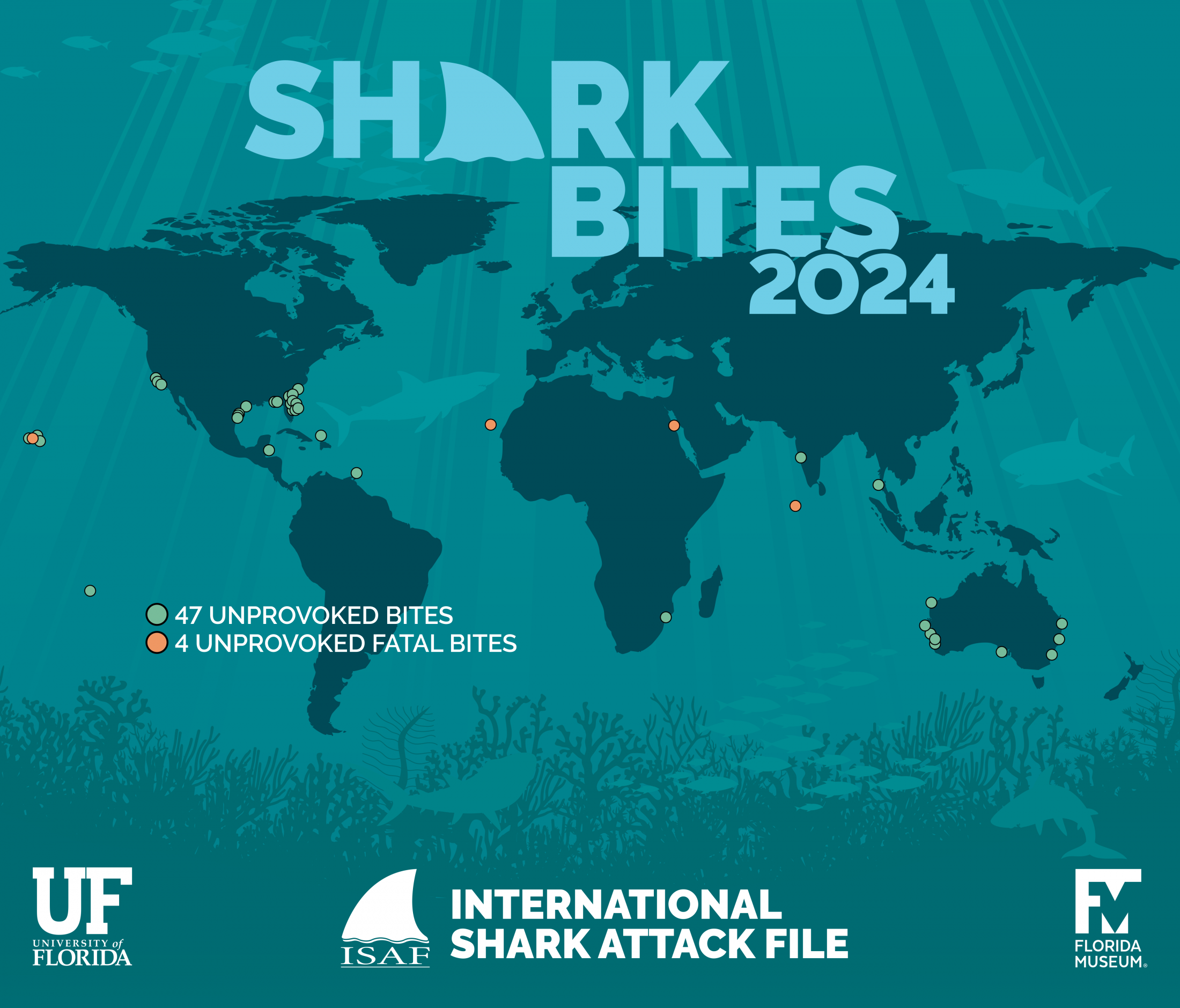
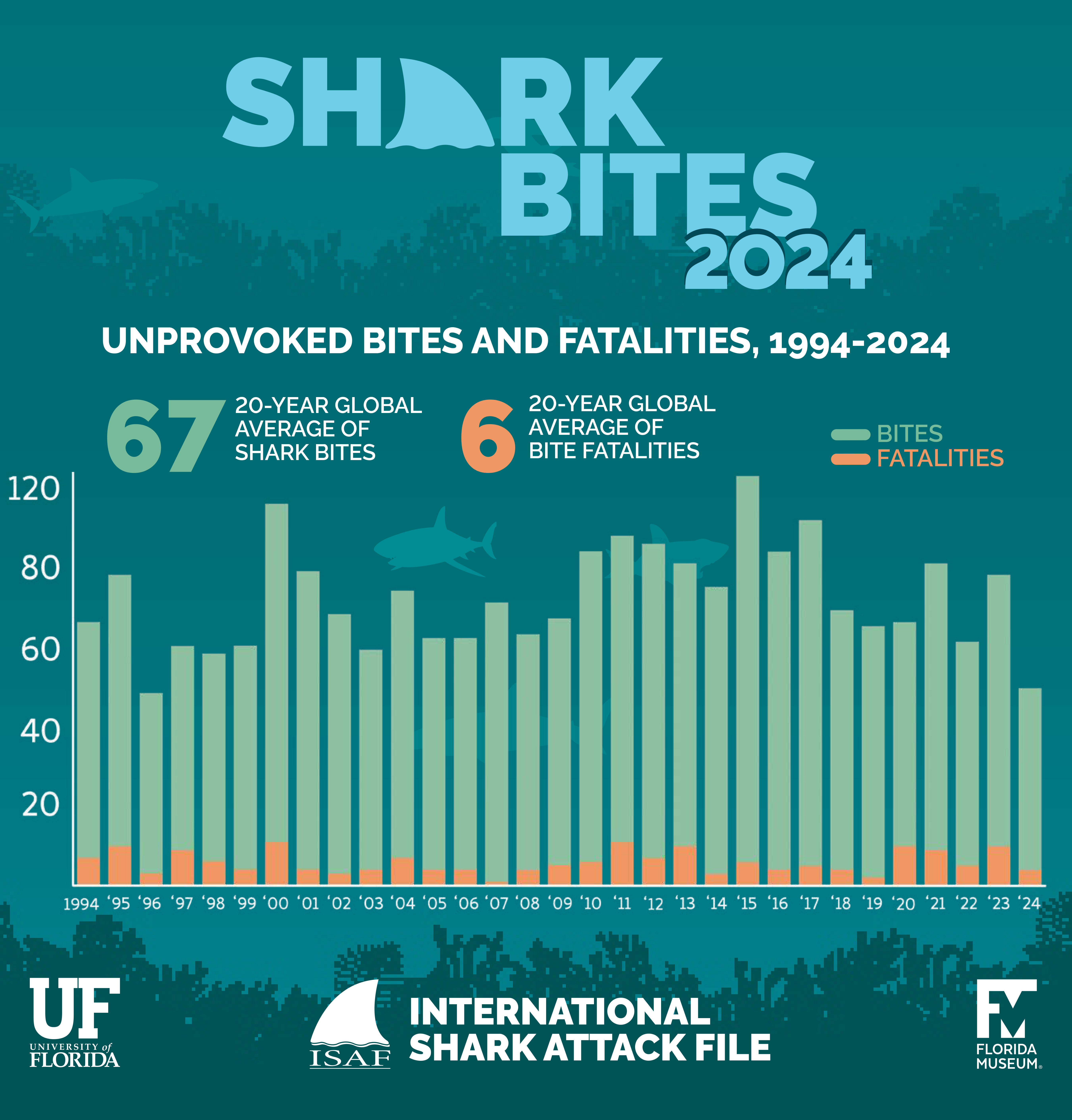
2024 was an exceptionally calm year for shark bites. Worldwide, there were only 47 unprovoked attacks, down 22 from the previous year and well below the 10-year average of 70. Four of last year’s attacks resulted in fatalities, also a significant reduction from recent years.

The International Shark Attack File, maintained by the Florida Museum of Natural History, provides data on what are considered unprovoked bites, defined as incidents in which a person does not initiate contact with a shark. Instances in which a person intentionally or unintentionally initiates contact, including spearfishing and releasing sharks from nets or hooks, are not included in the report.

“We’re interested in the natural patterns of shark behavior so that we can understand why people occasionally get bitten by these animals. Any cue or attribute that modifies an animal’s natural behavior is something that, we as scientists, want to exclude,” said Gavin Naylor, director of the Florida Program for Shark Research.

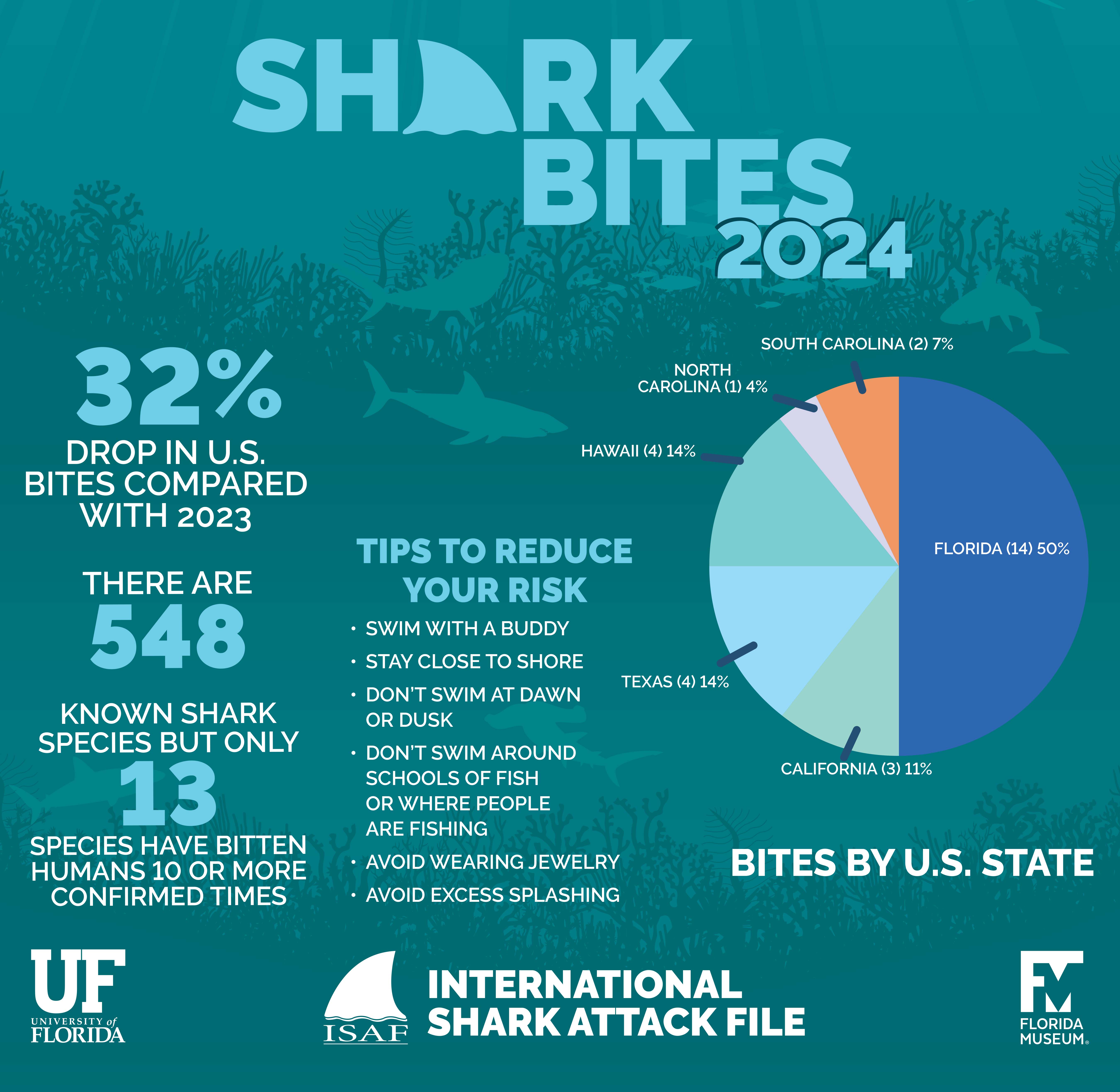
The United States consistently has the highest number of unprovoked bites, a trend that continued last year with a total of 28 reported incidents. An attack by an unknown shark species off the northwest coast of Oahu, Hawaii resulted in the only unprovoked fatality in the U.S.

With warm waters and ample shoreline, Florida had a total of 14 bites, more than any other state. Of these, eight occurred in Volusia County, which bears the unofficial title of shark bite capital of the world. Though unconfirmed, many of these bites were likely from blacktip sharks, whose breeding grounds stretch along the northeast Florida coastline. Many of the sharks in this area are juveniles and haven’t yet fully developed the ability to distinguish between humans and their natural prey, which includes fish, stingrays and other sharks.

In June, a spate of attacks in the Florida Panhandle took place within four miles of each other, injuring three people. A trio of healthcare professionals — two nurses and one paramedic — were vacationing along Watersound Beach in South Walton, FL, where a woman bitten by a bull shark was carried ashore. They and other bystanders provided lifesaving medical attention while first responders were en route to the scene. Less than two hours later, a shark bit two teenagers wading in the shallows of nearby Seacrest Beach.

Bull sharks and tiger sharks are common along Florida’s northern coast, but they rarely venture into recreational areas.

“You’ll see 20 to 30 of them patrolling the coast about 500 feet offshore, where they mind their own business,” Naylor said. Nearby dune lakes that regularly dump freshwater into the sea were reportedly blocked when the attacks occurred. This may have allowed schools of fish, which are invariably followed by sharks, to swim closer to shore than they otherwise would have.

As residents and tourists converge on the coastlines for summer holidays, the likelihood of a shark encounter increases. This was evident over the July 4 weekend when six people were injured by sharks in Texas and Florida. Five of these qualify as unprovoked bites.

“The South Padre Island bites were significant, with several incidents on the same day in the same vicinity,” said International Shark Attack File manager Joe Miguez. 

Padre Island, a thin sliver of sand dunes, tidal flats and coastal prairie that begins near the U.S. Mexico border and curves north to Corpus Christi, is the largest barrier island in the world, and its southern terminus is a major tourist attraction. A woman swimming in murky water near one of the island’s sandbars was bitten on her calf, and her husband sustained mild injuries while fending off the shark. Another man was bitten nearby, and a teenager received a small wound when a shark ran into her and grazed her leg, either with its teeth or its rough skin (shark skin is composed of small, flattened teeth called denticles).

Initial reports of the Padre Island attacks speculated that a single shark may have been responsible for the attacks, and the same idea was used to explain the consecutive attacks that took place a month earlier in the Florida panhandle. While it’s possible for a single shark to bite multiple people in an area, there’s little evidence to suggest this actually takes place.

“We can’t preclude that it was the same animal, but what’s often overlooked is that the same climatic conditions that bring people into the water are the same conditions that bring sharks closer to shore,” Naylor said, meaning if there’s one shark nearby, there are likely others as well.

“This naturally increases the likelihood of human-shark encounters,” Miguez said. “In the case of the Padre Island incidents, it is much more plausible that multiple sharks were present in the area, responding to the same environmental cues.”

There were three unprovoked attacks in California, including one in which a surfboard was punctured. Globally, surfers accounted for 33% of all attacks last year.

“People surf where there are good waves, and where there are good waves, there’s turbidity, and where there’s turbidity, there are often bait fish that attract sharks. The turbidity also reduces visibility in the water, making it harder for sharks to see. Some of them make mistakes,” Naylor said.

The three remaining shark bites in the U.S. occurred in North and South Carolina.

Australia typically averages the second-highest number of reported bites and fatalities. Of the 13 shark species that have been known to bite humans, all of them have distributions in Australia’s waters. White sharks and bull sharks are particularly common. White sharks form two overlapping populations along the southwest and southeast spurs of the continent, each with a few hundred adults, down significantly from their estimated historical size.

Even relatively minor bites from a white or a bull shark can be life-threatening, contributing to the country’s high fatality rate. This number oscillates from year to year, however, and in 2019, 2022 and 2024, there were no reported fatalities from unprovoked encounters.

Ten other countries all had single bites, including one in the Red Sea off Egypt’s coast in which a man reportedly swimming outside a designated safety area was killed. Other countries include Belize, Trinidad and Tobago, The Bahamas, the Maldives, Mozambique, French Polynesia, Thailand and the Turks and Caicos.

An unusual incident off the coast of Western Sahara marked the first reported shark attack for the region. A German tourist sailing on a British catamaran traveling from the Canary Islands was attacked while swimming alongside the boat. The incident occurred in remote international waters, and it took several hours for an emergency crew to reach the scene by helicopter. The woman died from her injuries on the return trip.

A man wading through waters of the Vaitarna River in western India was bitten last year by a medium-sized bull shark. Of the species that could be identified from witness accounts, video footage of the attacks and/or the pattern of lacerations left by their teeth, bull sharks were the main culprit of last year’s bites. Unlike most other shark species, bull sharks are tolerant of freshwater environments and have been found in rivers hundreds of miles from the sea. Pregnant females often navigate upstream, where there are fewer predators that pose a danger to their young.

The chances of being bitten by a shark remain incredibly low. According to the World Health Organization, drowning is the third leading cause of accidental death worldwide, and coastal features like rip tides and strong currents pose a greater risk to beachgoers than sharks.

The International Shark Attack File provides a curated list of recommendations for further reducing your risk of a shark bite, such as removing reflective jewelry before entering the water and avoiding areas where people are fishing. For more resources, including the full 2022 report (available 9 a.m., ET, Feb. 6), you can visit the International Shark Attack File’s website.  The full infographic with summary statistics and safety tips is also available for download. An individual global bite map, and graph of 20-year bite and fatality numbers and visualization of bites by U.S. state are also available. 

Shark jaw photograph.

Study takes a ‘bite’ out of shark depredation using citizen science


Researchers identify Florida’s ocean ‘bandits’ and most common depredated species


Florida Atlantic University

Shark Depredation 

image: 

Researchers use a sterile swab on bite wounds from a depredated fish carcass to collect genetic samples to capture transfer DNA.

view more 

Credit: Florida Atlantic Harbor Branch


Shark depredation is a hot-button issue in recreational fishing, as anglers face off against these stealthy ocean bandits. These underwater thieves snatch fish straight off the line, often leaving nothing but scraps – or a broken leader – as evidence of their heist.

The Southeast, a major hub for saltwater fishing, is a depredation “hot spot” due to high fishing activity. While fisheries managers in the United States monitor shark depredation in commercial fisheries, efforts to evaluate these interactions in recreational fishing have been limited.

With Florida’s recreational fishing being economically vital and concerns about rising shark depredation, understanding its extent is crucial. A major research gap is identifying depredating shark species, as most events occur at depth and are rarely observed, making accurate identification difficult.

Florida Atlantic University Harbor Branch Oceanographic Institute researchers and collaborators have addressed these challenges by involving the public in citizen-science research. Using multiple methodologies that included social media, online angler surveys, cooperative fishery-dependent charters, and genetic analysis, the study uncovers the scope and impact of shark depredation in Florida’s recreational fisheries.

Results of the study, published in the International Council for the Exploration of the Sea (ICES) Journal of Marine Science, reveal that across methodologies, snapper-grouper species were the most frequently depredated target species group, and bull sharks and sandbar sharks were the most commonly identified depredating species. Findings show 43% of anglers experienced depredation and the probability of experiencing depredation ranged from 10% to 60% and varied both regionally and seasonally. 

“Our research provides crucial insights into the growing challenge of shark depredation, helping to build a comprehensive understanding of this human-wildlife conflict and how different fishery sectors are being affected by it,” said Matt Ajemian, Ph.D., senior author, an associate research professor and director of the Fisheries Ecology and Conservation Lab (FEC) at FAU Harbor Branch.

For the project, Ajemian and his team collaborated with the University of Massachusetts Dartmouth, Cramer Fish Sciences, Mississippi State University, Mississippi-Alabama Sea Grant Consortium, and the Office of Sustainable Fisheries, National Marine Fisheries Service, from June 2020 to September 2023 to quantify frequency and impact and to analyze spatial and temporal trends.

Researchers analyzed the contents of the Facebook group, Sportsmen Fighting for Marine Balance, weekly to capture their perspectives. More than 6,500 members shared their depredation reports from Florida and elsewhere. Additionally, a quarterly online survey was distributed over a year to 4,000 randomly selected Florida saltwater fishing license holders to assess depredation trends and its impact on the fishery.

The researchers also partnered with local fishing charters to collect genetic samples from depredated fish carcasses. Sterile swabs were used on bite wounds to capture transfer DNA, but many depredation events resulted in “bite-offs,” leaving no carcass to sample.

“We quickly realized that getting those perfectly bitten carcasses that fishermen posted on social media was more the exception than the rule on the fishing charters,” said Michael P. McCallister, lead author of the study, a Ph.D. student, and research coordinator, FEC program at FAU Harbor Branch. “So, we had to quickly adapt in order to salvage those sampling events.”

To overcome this obstacle, researchers swabbed the ends of the monofilament fishing line as an alternative DNA source. It was the first time this technique was used and was successful on nearly half the time, showing promise for improving depredator species identification in both recreational and commercial fisheries.

Mutton snapper, red snapper and greater amberjack were three of the five most frequently depredated species in both the content analysis and depredation swab sampling submitted by participating charters. As the stock status of some of these species is concerning, information the researchers have provided on depredation rates of these species can help manage their recovery.  

The frequency of depredation varied by season and region, with the highest occurrences in the spring and in the Florida Keys, as well as the southeast and southwest regions of the state. However, while season and region significantly influenced how often depredation occurred, they did not have a significant effect on depredation rates (the percentage of total catch lost to depredation).

“This finding suggests that other factors such as water depth, habitat type, fishing pressure, specific fishing locations, and fishing techniques may play a more direct role in determining depredation rates, influencing patterns on a finer scale beyond broader seasonal or regional trends,” said McCallister.

Shark depredation is a growing concern in recreational fishing worldwide, particularly in regions with high shark populations, such as Australia, the U.S. (Florida), the Caribbean, and parts of the Pacific.

“Our findings could help fishery managers in developing informed, science-based strategies to address shark depredation while balancing conservation and recreational fishing interests,” said Ajemian. “Additionally, this study underscores the power of citizen science. By engaging anglers directly, we can gather valuable data that might otherwise be difficult to obtain, ultimately leading to more effective and inclusive fisheries management.”

Study co-authors are Lauran Brewster, Ph.D., an assistant professor, School for Marine Science & Technology, University of Massachusetts, Dartmouth; Cheryl Dean, senior laboratory manager, Cramer Fish Sciences; J. Marcus Drymon, Ph.D., associate extension professor at Mississippi State University and marine fisheries specialist with Mississippi-Alabama Sea Grant; Clifford Hutt, Ph.D., fisheries management specialist, Atlantic HMS, NOAA Fisheries; and Thomas J. Ostendorf, a research technician, FEC program at FAU Harbor Branch.   

The project was supported by the National Oceanographic Atmospheric Administration National Marine Fisheries Service through a grant from the Southeast Cooperative Research Program, awarded to Ajemian.

- FAU -

About Harbor Branch Oceanographic Institute:
Founded in 1971, Harbor Branch Oceanographic Institute at Florida Atlantic University is a research community of marine scientists, engineers, educators, and other professionals focused on Ocean Science for a Better World. The institute drives innovation in ocean engineering, at-sea operations, drug discovery and biotechnology from the oceans, coastal ecology and conservation, marine mammal research and conservation, aquaculture, ocean observing systems and marine education. For more information, visit www.fau.edu/hboi.


About Florida Atlantic University:
Florida Atlantic University, established in 1961, officially opened its doors in 1964 as the fifth public university in Florida. Today, the University serves more than 30,000 undergraduate and graduate students across six campuses located along the southeast Florida coast. In recent years, the University has doubled its research expenditures and outpaced its peers in student achievement rates. Through the coexistence of access and excellence, FAU embodies an innovative model where traditional achievement gaps vanish. FAU is designated a Hispanic-serving institution, ranked as a top public university by U.S. News & World Report and a High Research Activity institution by the Carnegie Foundation for the Advancement of Teaching. For more information, visit www.fau.edu.


Shark Depredation Recreational [VIDEO] | 

Sharks steal fish straight off anglers’ lines, making Florida a hotspot for depredation—an escalating challenge in recreational fishing and other fishery sectors.


Scientists harness AI to help protect whales, advancing ocean conservation and planning


Using machine learning, researchers develop a “probability map” from databases that combines whale monitoring and environmental data


Rutgers University


Researchers at Rutgers University-New Brunswick have developed an artificial intelligence (AI) tool that will help predict endangered whale habitat, guiding ships along the Atlantic coast to avoid them. The tool is designed to prevent deadly accidents and inform conservation strategies and responsible ocean development. 

Using an AI-powered computer program that learns from patterns detected between two vast databases, the researchers said their method improved upon present abilities to monitor the ocean for the distribution of important marine species, such as the critically endangered North Atlantic right whale. North Atlantic right whales have been listed as endangered under the Endangered Species Act since 1970. There are approximately 370 individuals remaining, including about 70 reproductively active females, according to the U.S. National Oceanic and Atmospheric Administration.

The researchers’ report was published in Nature Scientific Reports.

The effort was led by Ahmed Aziz Ezzat, an assistant professor in the Department of Industrial and Systems Engineering at the School of Engineering, and Josh Kohut, a professor in marine sciences who in January became dean of research at the School of Environmental and Biological Sciences. Ezzat leads a research group on applied machine learning for engineering and physical sciences. Jiaxiang Ji, the paper’s first author and a doctoral student in the School of Engineering, contributed significantly to the project.

Kohut likened the output of the program to what might be learned by tracking the movements of people in a house as well as determining whether there is food in the kitchen and a television set on in the den. Such factors might determine why people are where they are at certain times of the day. Detecting certain patterns, he said, conveys predictive power.

“With this program, we’re correlating the position of a whale in the ocean with environmental conditions,” Kohut said. “This allows us to become much more informed on decision making about where the whales might be. We can predict the time and location that represents a higher probability for whales to be around. This will enable us to implement different mitigation strategies to protect them.”

Initially, the researchers sought to develop high-resolution models of the North Atlantic right whale presence to support responsible offshore wind farm development and operation. But they said the results have far broader implications and have made the details public as an addendum to their research paper. 

“These tools are valuable and would solidly benefit anyone engaged in the blue economy – including fishing, shipping and developing alternative forms of energy sustainably,” Ezzat said. “This approach can support a wise and environmentally responsible use of these waters so that we achieve our economic objectives, and at the same time make sure that we cause minimal to no harm to the environmental habitat of these creatures.”

Unlike typical computer programs, where instructions are explicitly written out, the machine-learning program employed by the researchers analyzed large data sets to discover patterns and relationships. As the AI program encountered more data, it adjusted its internal model to make better predictions or classifications.

“The outcome of the machine-learning model is basically a prediction of where and when you will have a higher likelihood of encountering a marine mammal,” Ezzat said, describing what he characterized as a “probability map.”

The information analyzed by the computer model includes all the underwater glider and satellite-based data collected by scientists at the Rutgers University Center for Ocean Observing Leadership dating back to 1992, when it was established by then assistant professor Scott Glenn, now a distinguished professor in the Department of Marine and Coastal Sciences. The analysis also included satellite data products made publicly available by the University of Delaware.

The underwater gliders are autonomous, torpedo-shaped vessels that zip along under the ocean surface of the mid-Atlantic coast. They are designed to measure many different aspects of seawater, including temperature, salinity, current strength and chlorophyll levels. The gliders also bounce sound waves off schools of fish to gauge their size and record the underwater calls of whales and other marine mammals, locating them in time and space. Satellite data includes measurements of sea surface temperature, water color, and fronts, among others.

 “We’ve had the data but, until now, we’ve not been able to put the two sets – those detections of where the whales are, and what the environment is like at those places – together,” Kohut said. “This is a demonstration of the power of employing AI methodologies to advance our ability to predict or estimate where these whales are.”

Other Rutgers scientists on the study included: Laura Nazzaro, a lab manager in the Department of Marine and Coastal Sciences; and Jeeva Ramasamy, an undergraduate majoring in computer science.


The 3,000-year coral reef shutdown: a mysterious pause and a remarkable recovery


The Hebrew University of Jerusalem


New study reveals that coral reefs in the Gulf of Eilat experienced a surprising 3,000-year "shutdown" in growth, from about 4,400 to 1,000 years ago, likely due to a temporary drop in sea level that could have been caused by global cooling. This phenomenon, which aligns with similar reef interruptions in Mexico, Brazil, and Australia, suggests a widespread environmental shift during that period. Despite the long pause, the reef eventually recovered, with coral species reappearing from deeper waters, demonstrating their natural resilience. However, researchers warn that today's climate change, pollution, and ocean acidification pose far greater challenges, making conservation efforts more critical than ever to protect these vital marine ecosystems.

A new study led by Prof. Adi Torfstein from the Hebrew University and Prof. Oren Levy from Bar-Ilan University, in collaboration with an international team of researchers, has uncovered a significant pause in coral reef growth in the Gulf of Eilat/Aqaba, northern Red Sea, during the late Holocene period. The findings, published in Global Change Biology, provide crucial insights into the historical resilience of coral reef ecosystems and their response to environmental shifts.

Coral reefs are vital for marine biodiversity, playing a critical role in the oceanic carbon cycle and serving as natural barriers against coastal erosion and storm surges. However, their long-term sensitivity to temperature fluctuations, sea-level shifts, and anthropogenic influences remains poorly understood.

Key Findings:
A noticeable hiatus in reef growth between 4,400 and 1,000 years Before Present (BP) was observed, coinciding with similar events recorded in Mexico, Brazil, and Australia.

Coral diversity and abundance displayed remarkable consistency before and after the hiatus, suggesting that the reef ecosystem recovered by recolonizing from deeper coral communities.

The study attributes this temporary "shutdown" to a combination of tectonic activity and glacio-eustatic sea-level changes. A temporary sea-level drop, possibly caused by a cooling event, exposed the reef and halted its growth.

Additional analyses of coral skeletons in the modern era revealed a significant shift in the carbon isotopic composition, reflecting the increasing influence of human activity on the global carbon balance.

Innovative Research Methods:
The research team included Dr. Bar Feldman from Bar-Ilan University, Prof. Aldo Shemesh from the Weizmann Institute, Dr. Yonathan Shaked from the Inter-University Institute of Marine Sciences (IUI), Prof. Mick O’Leary from the University of Western Australia and Prof. Huang Dunwei from the National University of Singapore, conducted extensive sampling of coral cores up to three meters long. These samples provided an unprecedented window into the growth history of the reef over the past 10,000 years.

Implications for Future Coral Conservation:
Despite the historical "switch-off," the findings highlight the resilience of coral reef ecosystems in the face of environmental challenges. However, they also underscore the pressing need for conservation efforts to address the modern threats posed by climate change, ocean acidification, and human-induced disturbances.

"Understanding how reefs have responded to past sea-level changes helps us predict their future resilience and informs conservation strategies," said Dr. Torfstein. "While our research shows that coral communities can recover after major disruptions, today’s climate crisis presents unprecedented challenges that demand urgent action."

Supported by the Israel Nature and Parks Authority, this study enhances our understanding of coral reef dynamics and contributes to global efforts to protect these fragile marine ecosystems.


Can artificial intelligence save the Great Barrier Reef?


University of South Australia


Australian researchers are designing a global real-time monitoring system to help save the world’s coral reefs from further decline, primarily due to bleaching caused by global warming.

Coral reefs worldwide are dying at an alarming rate, with 75% of reefs experiencing bleaching-level heat stress in the past two years.

The World Heritage-listed Great Barrier Reef (GBR), considered the jewel in the crown of coral reefs worldwide and one of Australia’s most significant ecological and tourism assets, has been decimated by severe bleaching events since 2016, exacerbated by ongoing crown-of-thorns starfish outbreaks and coastal development.

A collaborative project led by the University of South Australia (UniSA), with input from Queensland and Victorian researchers, is integrating remote sensing technologies with machine learning, artificial intelligence and Geographic Information Systems (GIS) to monitor and hopefully stall the damage to the world’s most fragile marine ecosystems.

A multimodal platform will distil all research data relating to coral reefs, including underwater videos and photographs, satellite images, text files and time-sensor readings, onto a central dashboard for real-time global monitoring.

UniSA data analyst and lead researcher Dr Abdullahi Chowdhury says that a single centralised model will integrate all factors affecting coral reefs and provide environmental scientists with real-time predictions.

“At the moment we have separate models that analyse substantial data on reef health – including bleaching levels, disease incidence, juvenile coral density and reef fish abundance – but these data sets are not integrated, and they exist in silos,” Dr Chowdhury says.

“Consequently, it is challenging to see the ‘big picture’ of reef health or to conduct large scale, real-time analyses.”

The researchers say an integrated system will track bleaching severity and trends over time; monitor crown-of-thorns starfish populations and predation risks; detect disease outbreaks and juvenile coral levels; and assess reef fish abundance, diversity, length, and biomass.

“By centralising all this data in real time, we can generate predictive models that will help conservation efforts, enabling earlier intervention,” according to Central Queensland University PhD candidate Musfera Jahan, a GIS data expert.

“Our coral reefs are dying very fast due to climate change – not just in Australia but across the world – so we need to take serious action pretty quickly,” Ms Jahan says.

Coral reefs are often referred to as the “rainforests of the sea”. They make up just 1% of the world’s ocean area but they host 25% of all marine life.

The technology will bring together datasets from organisations like the National Oceanic and Atmospheric Administration (NOAA), the Monterey Bay Aquarium Research Institute (MBARI), the Hawaii Undersea Research Laboratory (HURL) and Australia’s CSIRO.

“The future of coral reef conservation lies at the intersection of technology and collaboration. This research provides a roadmap for harnessing these technologies to ensure the survival of coral reefs for generations to come,” the researchers say.

The study has been published in the journal Electronics.

 A video accompanying this release is available: Can we save the Great Barrier Reef?


Economically, culturally important marine species vulnerable to changing climate, new study shows


New paper clearly classifies most at-risk species to help California fisheries managers prioritize efforts


University of California - Santa Cruz

Dungeness crab 

image: 

A Dungeness crab (Metacarcinus magister) rests in the shadows near a rocky reef.

view more 

Credit: Credit: Pat Webster @underwaterpat


Dungeness crab, Pacific herring, and red abalone are among the marine species most vulnerable to the changing climate's effect on California's coastal waters, a new study led by UC Santa Cruz researchers finds. In a paper published on February 12 in the journal PLOS Climate, the team seeks to help the California Department of Fish and Wildlife (CDFW) in its efforts to develop and implement climate-ready fisheries management strategies that adapt to challenges such as rising ocean temperatures, acidification, and deoxygenation.

The study, "A Collaborative Climate Vulnerability Assessment of California Marine Fishery Species," was led by Timothy Frawley, an assistant project scientist at UC Santa Cruz's Institute of Marine Sciences, and Mikaela Provost, an assistant professor in UC Davis's Department of Wildlife, Fish, and Conservation Biology. The study was done in close collaboration with CDFW, fisheries scientists with the National Oceanic and Atmospheric Administration (NOAA), and individuals from the Nature Conservancy and California Ocean Protection Council.

"The results are striking," said Frawley, who's based in Monterey with the ecosystem-science division of NOAA's Southwest Fisheries Science Center. "Some of California's most economically and culturally important fisheries are assessed as being among the most vulnerable to projected future environmental changes."

Prior to earning his Ph.D. in marine biology, Frawley spent five years as a commercial fisherman in California, Alaska, and Maine. So the potential threat is palpable for him, and he knows all too well how serious the impact of dispersed or greatly diminished fisheries would have on local economies and communities.

Annually, regional fishing fleets land over 8,200 tons of Dungeness crab, contributing an average over $45 million dollars to local and regional coffers each year. While this crab fishery remains one of California’s top commercial harvests, other fisheries ranked as highly vulnerable have already experienced significant declines. The recreational fishery for red abalone, which at one time was estimated to provide $24 to $44 million in annual value, has been closed since 2018; while the biomass supporting the San Francisco Bay Pacific herring fishery—which once attracted more than 400 boats—has declined by more than 75% as commercial operations have largely ceased.

"While overall across the Northeast Pacific, a species like Pacific Herring may do OK, try telling that to a herring fisherman based out of San Francisco Bay. If their resource moves hundreds of miles away, it's a big deal to them," Frawley said. "It's important to do these assessments at a scale that provides results that will be practical at the local level. So in that respect, this represents a step forward."

Species sensitivity to climate changes

In their study, the researchers evaluated the sensitivity and exposure of 34 fish and invertebrate species to projected changes in ocean conditions in California waters over two time periods to assess climate vulnerabilities: in the near future (2030-2060) and further out (2070-2100). By identifying relative vulnerabilities across this set of diverse species, the team sought to provide a foundation for integrating climate change into CDFW management and research priorities.

The study assessed vulnerability based on two key components:

  • Sensitivity based on species-specific biological traits like reproductive rate, habitat range, and susceptibility to ocean acidification.

  • Exposure to projected oceanographic changes, including sea surface temperature, salinity, acidification, upwelling, subsurface oxygen levels, and sea-level rise.

Vulnerability varied by species. Similar to the scenario regarding Pacific herring, market squid may shift north to colder waters off Oregon or Washington state, threatening significant disruption to local California fisheries. Other species, like Pacific bonito, may actually benefit from warming waters, expanding their range into the California Current.

Identifying the Most Vulnerable Species

The study categorizes species into four vulnerability levels: blue (least vulnerable), yellow, orange, and red (most vulnerable). Because red abalone are benthic (i.e., bottom-dwelling) species with limited mobility and are acutely susceptible to extreme events like marine heatwaves, these prized mollusks are classified as highly vulnerable. Over the longer time horizons—as the impacts of ocean acidification, sea level rise, and other stressors are expected to intensify—additional species such as Pacific herring, Dungeness crab, Pismo clam, and pink shrimp also fall into the red category.

Other species of concern include market squid and the California spiny lobster which, respectively, generate about $43.9 million and $10.7 million annually for the state's economy. The classification system provides a clear, intuitive framework for fisheries managers, enabling them to prioritize conservation and adaptation efforts.

"My experience working as a fisherman has inspired me to focus my work as a marine scientist on supporting coastal communities by providing them with information required to better navigate risk and uncertainty," Frawley said. "My time at sea impressed upon me the links and feedbacks between environmental variability and change and marine-resource-dependent industries and communities, as well as an appreciation for fisheries as a team sport."

Fishermen are often thought of as fiercely independent individuals. But Frawley said that's not entirely true. "To make the gears turn, it requires a team of individuals working together on deck, groups of boats sharing information; dock workers and truck drivers to unload and transport the product; buyers and processors to package and market it; and managers and scientists to set the harvest levels and ensure that operations are sustainable," he said.

The research team also included Stephanie Brodie and Mercedes Pozo Buil from UC Santa Cruz. They were joined by Lyall Bellquist, from the Nature Conservancy and Scripps Institution of Oceanography; Noah Ben-Aderet from the California Ocean Protection Council; Michael Jacox, Steven Bograd, and Elliott Hazen, all from NOAA's Southwest Fisheries Science Center; Huff McGonigal from Fathom Consulting, and CDFW's Kirsten Ramey.

This work was funded by a grant from the Resource Legacy Fund.