DW with Reuters, AFP
02/01/2026
The Southern Transitional Council said independence would be "immediate" if attacks against them continue.

UAE-backed separatists in Yemen announced on Friday a two-year transition to independence following a lightning grab of land in the war-torn country.
The Southern Transitional Council (STC) said it plans to hold a referendum on an independent state that could see Yemen once again split between the north and south, as was the case between 1967 and 1990.
The announcement comes following deadly airstrikes carried out by the Saudi-led coalition that backs the Yemeni government as it sought to recapture land lost to the STC.
What are the Yemeni separatists' plans for independence?
STC President Aidaros Alzubidi said the transition would include dialogue with Iran-backed Houthi rebels in Yemen's north.
However, he warned that independence would be declared "immediately" if dialogue was refused or if STC forces again came under attack.
An attack by the Saudi-led coalition earlier on Friday targeted STC military bases and an airport, killing seven and wounding 20, the AFP news agency reported.
"We announce the commencement of a transitional phase lasting two years, and the Council calls on the international community to sponsor dialogue between the concerned parties in the South and the North," Alzubidi said in a televised address.
"This constitutional declaration shall be considered immediately and directly effective before that date if the call is not heeded or if the people of the South, their land, or their forces are subjected to any military attacks," he added.
The separatists plan to call the new country South Arabia.
Who are the key players in the war in Yemen?
The UAE and Saudi Arabia had previously sided together against the Houthis, but following years of bitter war, the Iran-backed rebels remain in place.
The two regional powers subsequently saw their interests diverge, with the UAE backing the separatists and Saudi Arabia backing the government in Aden, of which the STC is nominally also a part.
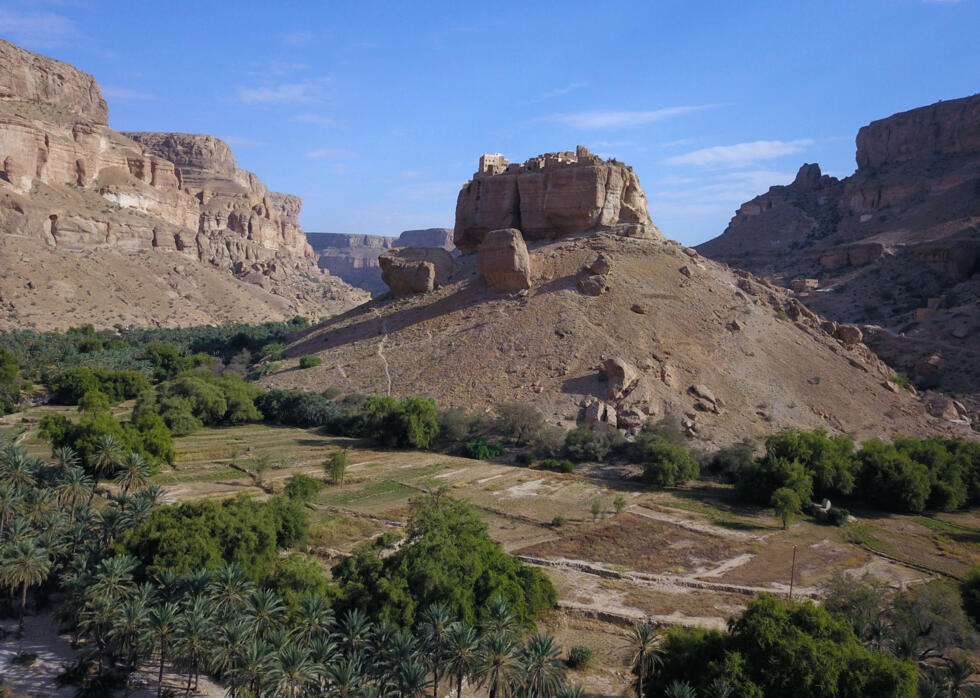
The separatists took control of resource-rich Hadramawt province along the border with Saudi Arabia, which has its eyes on the region as a potential corridor for rerouting oil exports away from the Hormuz Strait and the threat of Iranian blockades.
The UAE said on Friday it had withdrawn all of its forces from Yemen following a pledge to do so that came after a coalition strike on Tuesday hit a UAE shipment at Mukalla port.
The UAE government also said it "remains committed to dialogue, de-escalation, and internationally supported processes as the only sustainable path to peace."
Edited by: Kieran Burke

Alex Berry Writer and Editor in DW's online newsroom.
The Southern Transitional Council said independence would be "immediate" if attacks against them continue.

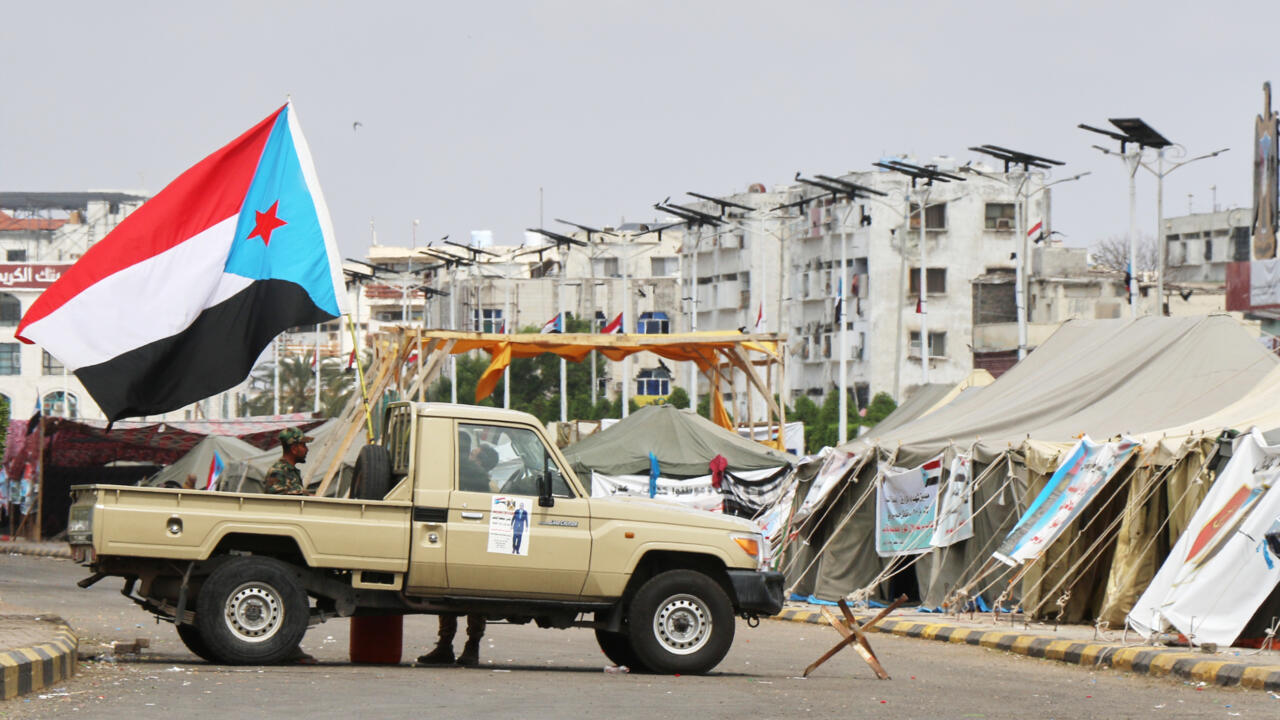
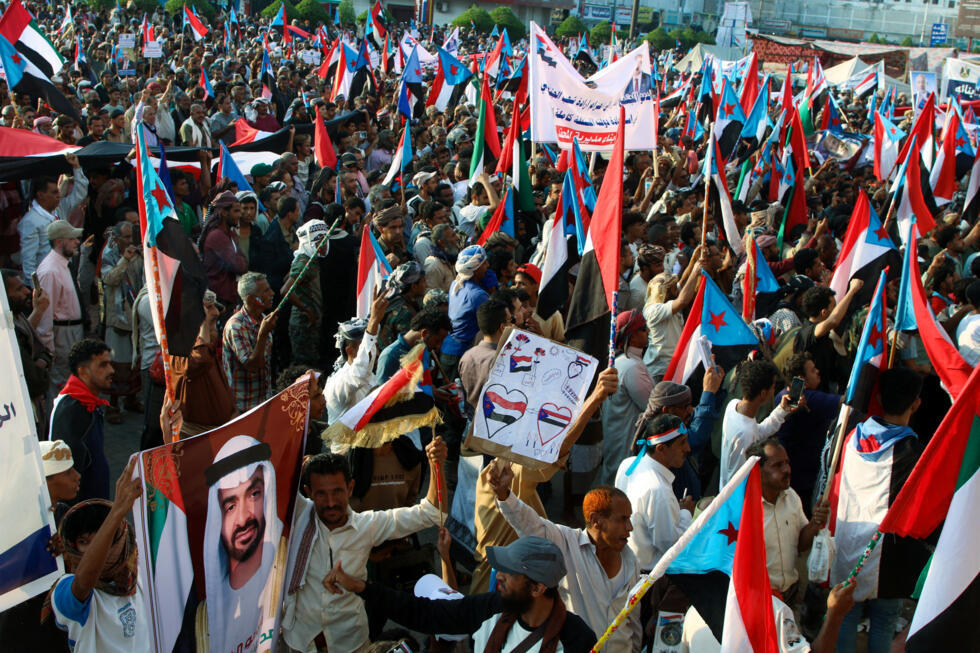
The STC separatists were able to make sweeping, largely unopposed gains last month Image: AP Photo/picture alliance
UAE-backed separatists in Yemen announced on Friday a two-year transition to independence following a lightning grab of land in the war-torn country.
The Southern Transitional Council (STC) said it plans to hold a referendum on an independent state that could see Yemen once again split between the north and south, as was the case between 1967 and 1990.
The announcement comes following deadly airstrikes carried out by the Saudi-led coalition that backs the Yemeni government as it sought to recapture land lost to the STC.
What are the Yemeni separatists' plans for independence?
STC President Aidaros Alzubidi said the transition would include dialogue with Iran-backed Houthi rebels in Yemen's north.
However, he warned that independence would be declared "immediately" if dialogue was refused or if STC forces again came under attack.
An attack by the Saudi-led coalition earlier on Friday targeted STC military bases and an airport, killing seven and wounding 20, the AFP news agency reported.
"We announce the commencement of a transitional phase lasting two years, and the Council calls on the international community to sponsor dialogue between the concerned parties in the South and the North," Alzubidi said in a televised address.
"This constitutional declaration shall be considered immediately and directly effective before that date if the call is not heeded or if the people of the South, their land, or their forces are subjected to any military attacks," he added.
The separatists plan to call the new country South Arabia.
Who are the key players in the war in Yemen?
The UAE and Saudi Arabia had previously sided together against the Houthis, but following years of bitter war, the Iran-backed rebels remain in place.
The two regional powers subsequently saw their interests diverge, with the UAE backing the separatists and Saudi Arabia backing the government in Aden, of which the STC is nominally also a part.
The separatists took control of resource-rich Hadramawt province along the border with Saudi Arabia, which has its eyes on the region as a potential corridor for rerouting oil exports away from the Hormuz Strait and the threat of Iranian blockades.
The UAE said on Friday it had withdrawn all of its forces from Yemen following a pledge to do so that came after a coalition strike on Tuesday hit a UAE shipment at Mukalla port.
The UAE government also said it "remains committed to dialogue, de-escalation, and internationally supported processes as the only sustainable path to peace."
Edited by: Kieran Burke
Alex Berry Writer and Editor in DW's online newsroom.


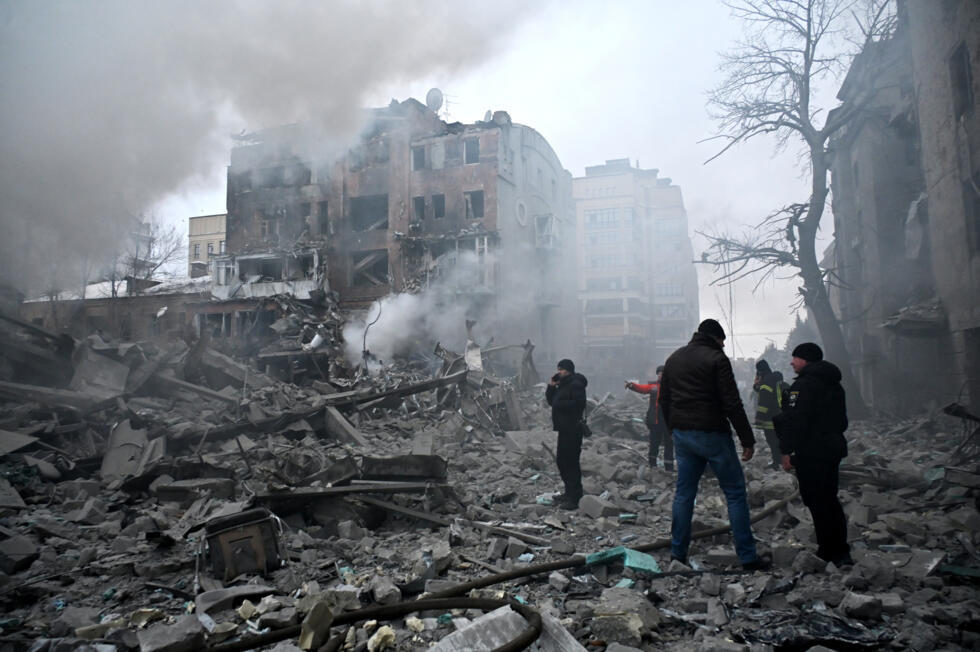
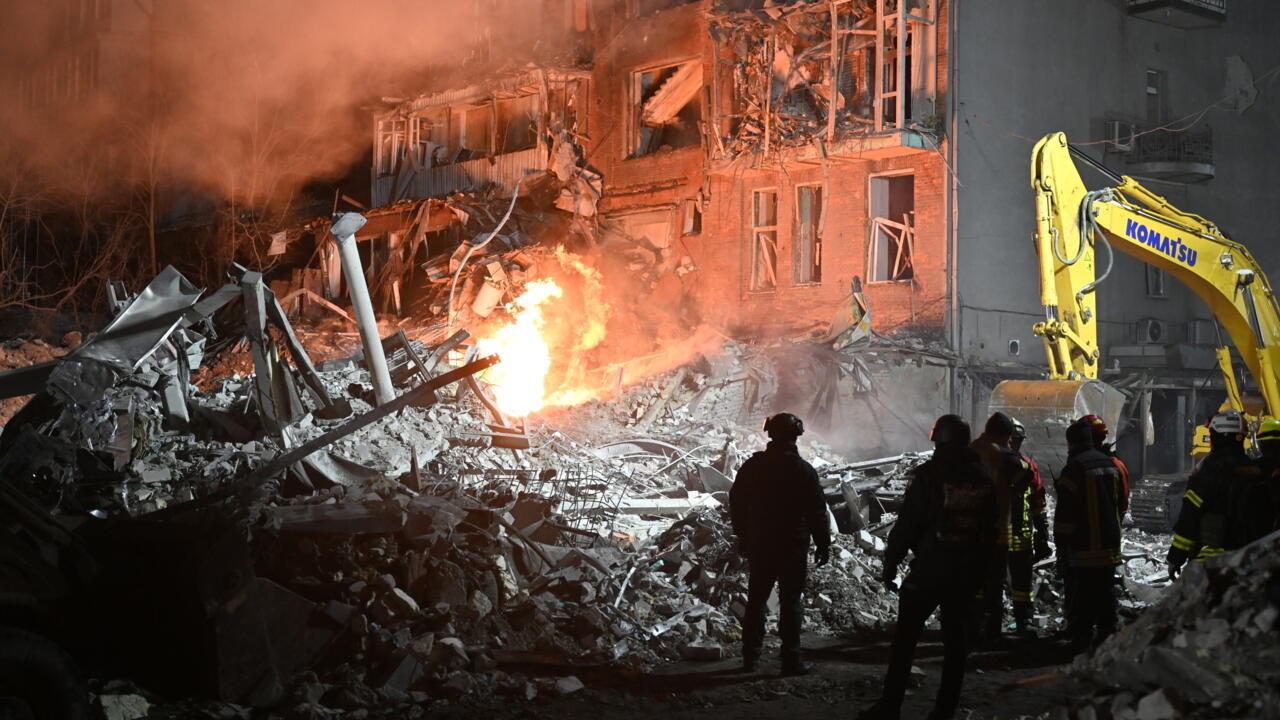 Firefighters and emergency workers look towards a damaged residential building following an air strike in Kharkiv on January 2, 2026. © Sergey Bobok, AFP