Unstable hours, unequal health: The hidden health cost of unpredictable work
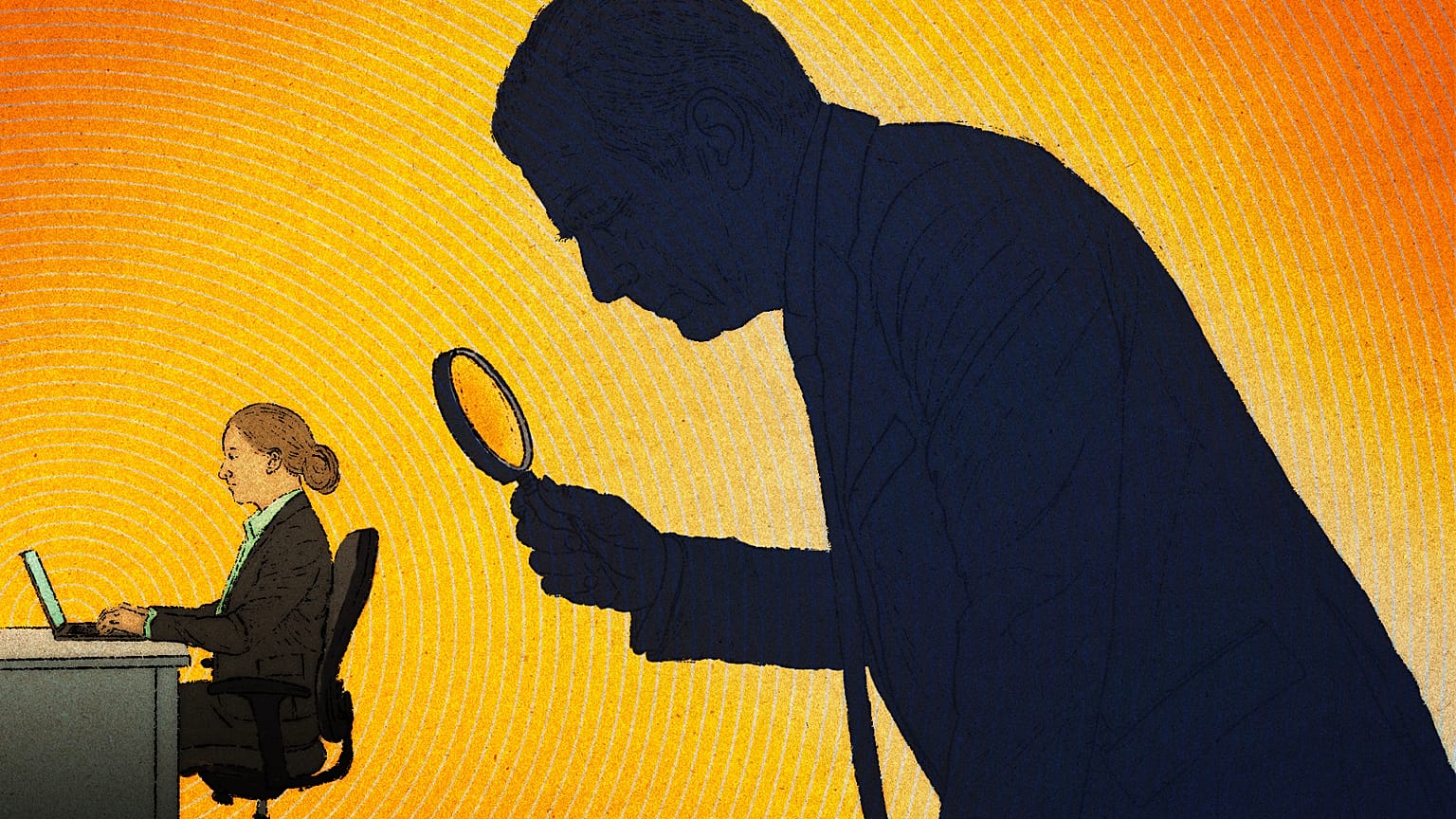
For workers, unpredictable schedules may be more than an inconvenience. New research suggests that large swings in working hours are associated with poorer health — but the effects differ sharply between men and women.
A new study adds a new dimension to the debate over precarious employment: it may not only be how much people work, but how unpredictably those hours change, that affects he
The study, published in SSM – Population Health, examined over 61,000 working-age Americans using linked data from the US Current Population Survey. It finds that volatile working hours are associated with a greater likelihood of health deterioration among men who remain employed. For women, the health cost is more likely to appear through reduced work, absence or leaving employment for health reasons.
“Job quality matters and involves not only pay, benefits or total hours, but also the work schedule stability and resulting health outcomes — an area that has been underexplored in much of the prior research,” said the study author Sinyee Qianyi Lu.
The study included data on workers who decreased their work hours, interrupted or terminated employment due to health strains — a group that prior studies often excluded.
“Expanding the sample beyond the continuously employed ‘survivors’ brings into focus the broader population that is also at risk,” Lu said.
Participants’ self-rated health status and their month-to-month work hours. Stable workers had relatively consistent schedules, while those whose hours shifted sharply were considered highly volatile.
One example involved a worker whose hours changed from 20 in one month to 60 in the next, stayed at 60 for another month and then fell back to 20.
Differences between men and women
Among men, such a level of volatility was associated with a predicted probability of health deterioration of 38%, compared with 28% for a worker maintaining a stable 40-hour week.
Likewise, the probability of stable health declined steadily, from about 46% to 38%, while the predicted probability of improved health changed little.
“It’s quite loud and clear that it’s not about the absolute amount of work hours,” Liao said. “The problem is more with the proportional change — one week up, next week down.”
“Perhaps people can adjust to the total amount of change, but not to the sudden ups and downs. That’s a different story.”
For women, however, the pattern was different.
Among women who remained employed, researchers found no statistically clear link between volatile hours and worsening self-rated health. But when the analysis included workers who reduced, suspended or left work because of health problems, a different relationship appeared.
The predicted probability of a health-related work limitation increased from about 2.5% to nearly 8% as work-hour volatility rose from its lowest to highest observed levels.
That distinction matters because studies focusing only on people who remain employed can overlook workers whose health has deteriorated enough to affect their employment.
This is known as the “healthy worker survivor effect.” Workers who become too sick to continue working may leave the workforce, leaving behind a healthier group and making workplace risks appear smaller than they actually are.
“The gender-stratified modeling we created in this study confirms sharp differences in the health pathways for men and women: Volatility in employees’ work hours is reflected in on-the-job health deterioration among men — especially at higher weekly work hours — and in health-related work limitations or withdrawal from active employment by women,” Lu said.
“Instability in work hours is not merely a scheduling inconvenience but a gendered, population-level health risk, and that’s why we should care about it.”

No comments:
Post a Comment