U.S. tariffs and impending bans loom over Ontario and Canadian wine. One expert sees it as opportunity to grow at home
Published: er 22, 2026
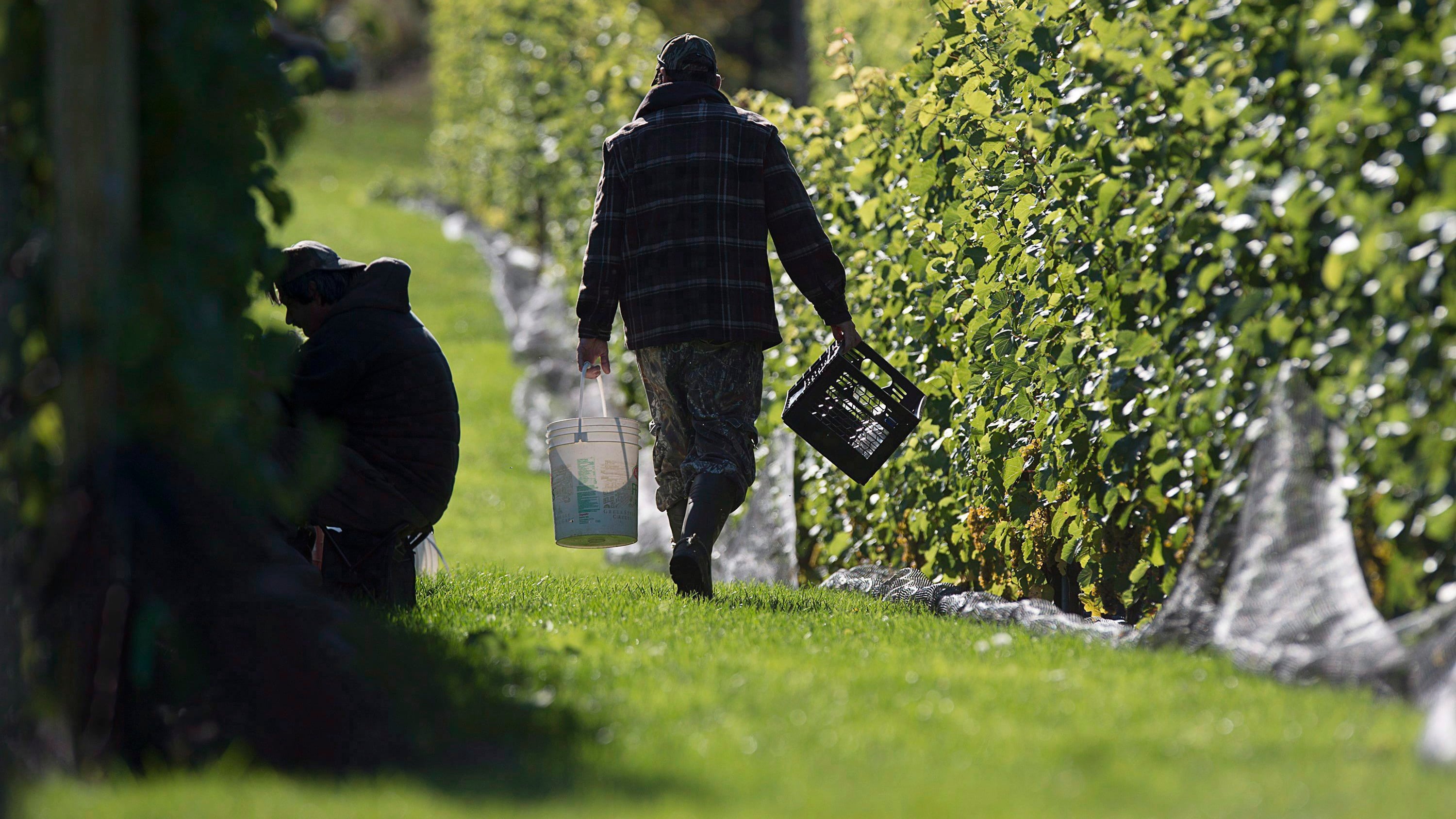
As Canada’s wine industry is facing mounting pressure from U.S. trade restrictions, one industry leader says the turmoil could create an opportunity to expand the domestic market for Ontario - and Canadian-made wines.
“We can’t control what Washington does, but we can control our own choices, and we can control how we grow the industry in Canada,” said Dan Paszkowski, president and CEO of Wine Growers Canada.
Wine Growers Canada is a non-profit trade organization that represents Canadian wineries and acts as an industry liaison to federal and provincial governments. It represents 90 per cent of vineyards coast to coast.
According to Paszkowski, a total of 90 per cent of Canadian wine shipped to the United States is produced in Ontario, leaving the province’s wineries particularly exposed to the latest restrictions.
The ongoing trade dispute escalated in March 2025, when the U.S. imposed tariffs on a wide range of Canadian goods, including alcohol. In response, Ontario and other provinces removed U.S. alcohol from store shelves.
In July, the Trump administration imposed a 50 per cent tariff on numerous goods, including Canadian spirits, wines, and more.
On Sept. 8, Trump signed executive orders that will effectively ban imports of a number of Canadian products, including alcoholic beverages, beginning Sept. 29.
The orders came hours after Ottawa announced counter-tariffs on roughly 700 American products. The new U.S. restrictions, imposed under Section 338 of the Tariff Act of 1930, also cover certain dairy and agricultural products and motor vehicle equipment.
“The threat of tariffs, and then 50 per cent tariffs put in place in August creates a significant blow to be able to sell wine in the United States,” Paszkowski said.
Ontario vineyards, icewine sector hit particularly hard
Paszkowski said the tariffs are creating “a lot of uncertainty for the industry” and that large and small wineries across the country have been hit hard.
The restrictions could also have an impact beyond exports, particularly in Ontario’s wine regions, where wineries rely on visitors from across the border. Paszkowski said Americans who travel to Canada to visit wineries may no longer be able to bring Canadian wine home with them.
Icewine is a sweeter blend that is often compared to dessert food and is made from grapes that are left on the vine to freeze naturally in winter.
“Sixty per cent of all exports to the U.S. are icewine, so it is a very important market. If you think of, let’s say, a $40 bottle of wine entering the U.S., it automatically picks up a $20 tariff, turning it into a $60 bottle. Then you’ve got to take into account the margins the importer, distributor, and retailer want to make, so it makes the wine extremely expensive for consumers,” said Paszkowski.
Other impacted regions include the Okanagan Valley and parts of eastern Quebec.
“It’s a market that we’ve built over the years, and the loss of that, even for a short period of time, could be devastating because it could take us years to build back the consumer base and the loyal importers, distributors and retailers that we’ve also built, ” said Paszkowski.
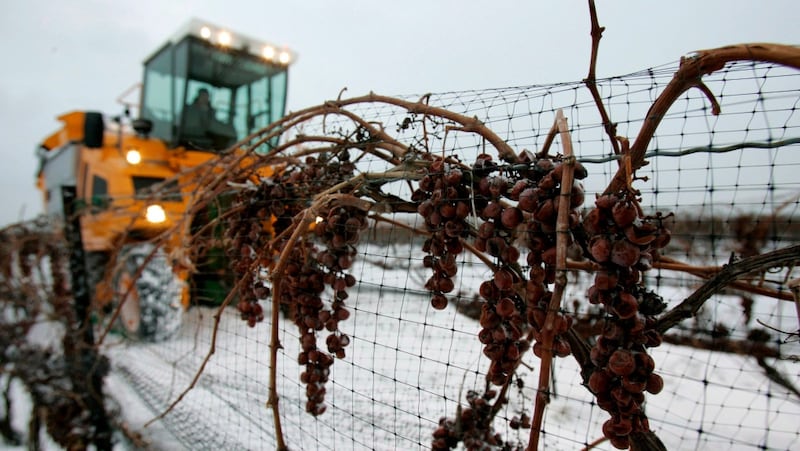
“It isn’t simply the bottled wines that will be banned from being sold to U.S. consumers. The importation ban also impacts the ability for U.S. consumers who quite often come to Canada to visit our wineries. They will no longer be able to bring that wine back home with them.”
Sector looking for increased relief from governments
Since tariffs came into effect 18 months ago, Paszkowski said wineries have seen a 45 per cent increase in domestic sales compared with before the tariffs came into effect.
“That shows that Canadians have an affinity for buying Canadian, and if that product is visible and available to the consumer, they will choose Canadian over other products,” according to Paszkowski.
“Currently we only have a 30 per cent market share in this country of Canadian wine. The other 70 per cent is all imports. If we can take a little bit of those import sales, it creates a huge economic dividend for Canada.”
Vineyards across Canada currently receive grant funding through the Wine Sector Support Program, a $343-million non-repayable grant program that is set to expire in 2027. Paszkowski hopes the program will be extended.
Wine Growers Canada is also calling for more action within the industry to promote Canadian wines, including reforming federal excise taxes, removing provincial trade barriers, and ensuring Canadian wine receives more shelf space compared with international producers.
On Friday, the LCBO announced plans to increase its marketing campaign dubbed “We’re all in on Ontario.”
Previously, the LCBO said Ontario-made spirit sales increased by more than $500 million between April 1, 2025, and June 2026. Ontario wine sales also grew by 44 per cent over the same period.
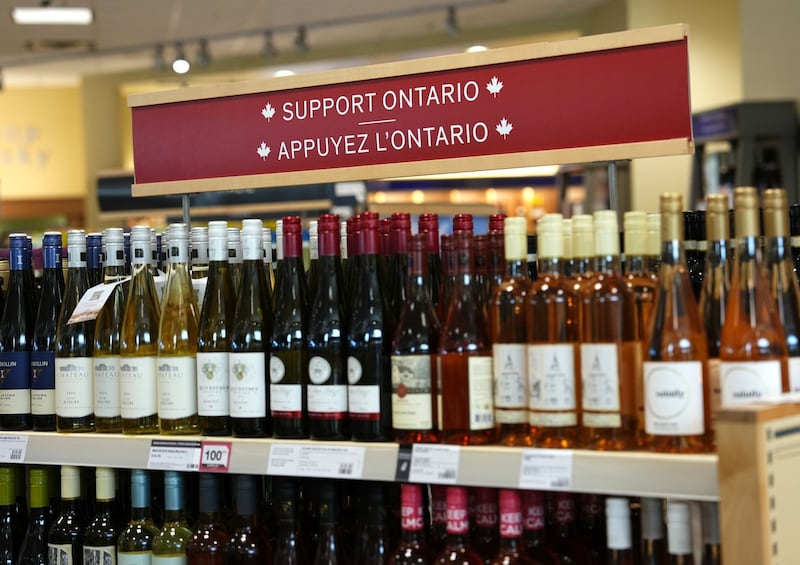
“Right now a winery cannot ship directly to a bar or restaurant in another province, and if that wine isn’t carried in that province, that restricts the ability for us to sell our product,” Paszkowski said.
“We’re an industry that’s not going anywhere. When we plant our vines, we’re sticking around forever.”
California farmers are struggling to sell grapes as demand for wine drops
Published:
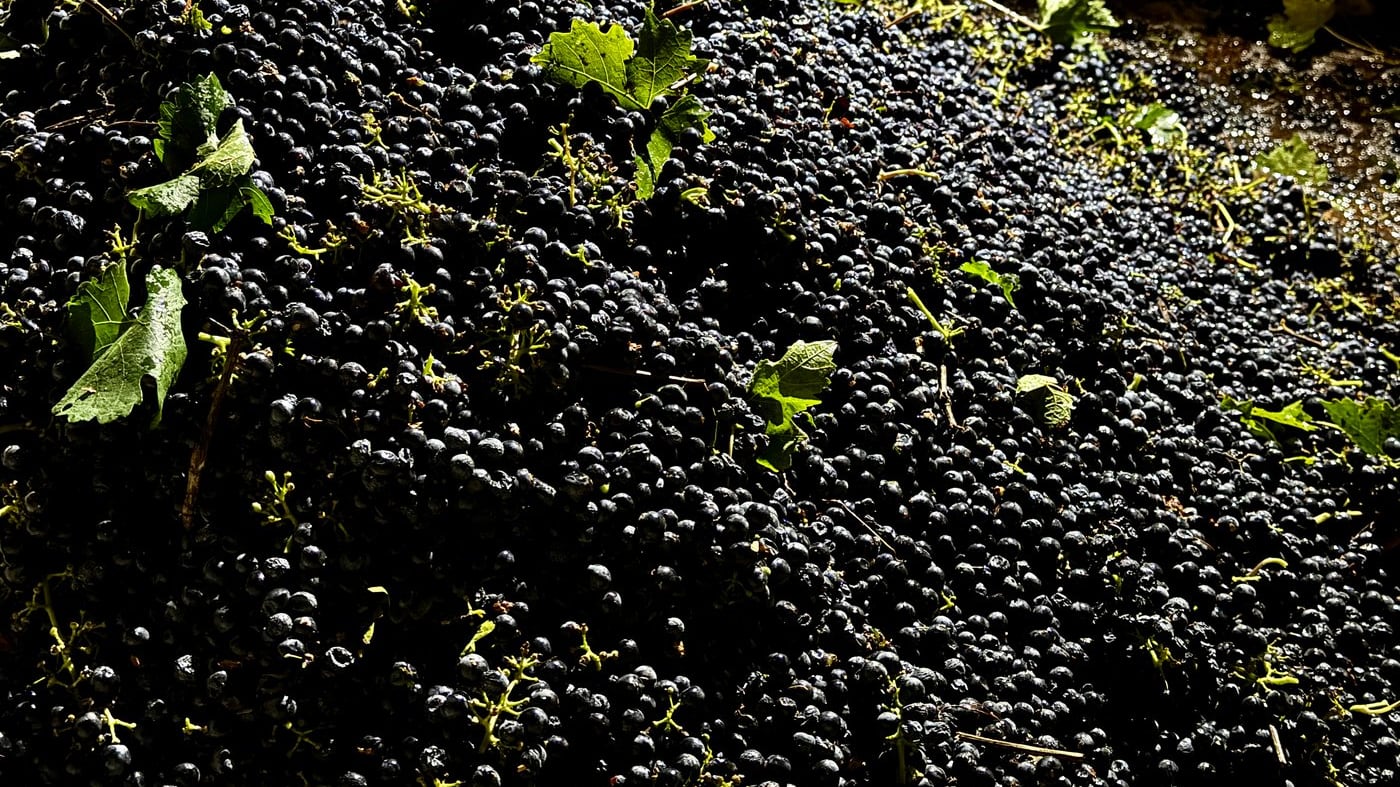
LODI, Calif. — It’s harvest time in California wine country, but many growers are struggling to sell their grapes as changing drinking habits have caused demand to plunge. The decline is forcing some growers to tear out vineyards that their families have grown for generations.
Wine sales have decreased by more than 20 per cent over a five-year period, causing prices paid for grapes to drop and prompting California growers to take roughly a quarter of the state’s vineyards out of production. Many growers are having to decide whether to harvest at a loss, leave grapes on the vine or replace vineyards with crops more in demand such as almonds, walnuts, pistachios and olives.
Third-generation grower Bill Berryhill said it means another year of losing money and wasting hundreds of tons of healthy grapes.
“It’s just sickening,” said Berryhill, standing in a vineyard of unsold merlot grapes. “You raise a beautiful crop, and it’s really a nice vintage this year, and you drop it on the ground. It’s sad. All your work is just down the toilet.”
Berryhill, who owns Berryhill Family Vineyards near Lodi in the San Joaquin Valley, said he can’t find buyers for grapes grown on 200 of his 500 acres (202 hectares). He plans to remove 50 acres (20 hectares) of vineyards when the harvest season is over.
“I will lose money for sure. It’s just a matter of how much,” Berryhill, 68, said. “This has been a big loser for three years now.”
Grape growers take vineyards out of production
At its peak during the pandemic, California had almost 600,000 acres (242,811 hectares) of vineyards, but farmers have removed or stopped actively growing wine grapes on roughly 25 per cent of that land, said Jeff Bitter, president of Allied Grape Growers, which represents about 500 farmers statewide.
This year, about half of California’s wine grape crop entered the harvest season without contracts with buyers, compared with 70 to 80 per cent with contracts in a typical year, Bitter said.
If they’re lucky, growers can sell their uncontracted grapes at a loss to buyers making concentrated syrup.
Even as growers have abandoned or removed tens of thousands of acres of vineyards in California in recent years, too many grapes are still being produced, Bitter said.
“The market is just so depressed that it’s difficult to grow them profitably,” he said. “Demand is not going up. It’s still continuing to decline.”
Kyle Collins, a Lodi-based operations manager with Allied Grape Growers, recently examined ripe grapes in a petite verdot vineyard in Lodi, one of California’s most productive wine regions.
“Unfortunately, we do not have a buyer for these grapes,” Collins said. “That’s unfortunately a reality for not just this vineyard but a lot of us around here.”
Besides hurting vineyards, the drop in sales has hit local businesses and workers, he said.
“That’s not getting into the pockets of the people doing the field labor, the farmworkers,” Collins said. “It does have a trickle effect in the economy.”
Wine sales fall after years of growth
The downturn is a dramatic shift for the wine industry in California, which produces more than 80 per cent of U.S. wine due to its unique geography and Mediterranean climate. For decades, California’s wine industry grew steadily as Americans, particularly baby boomers, developed a taste for cabernet, zinfandel, chardonnay and other varietals.
The most famous wine regions such as Napa and Sonoma Valley produced premium vintages while the Central Valley grew grapes for less expensive labels.
Wine sales peaked during the pandemic in 2021 when restaurants were closed and social gatherings restricted. People stocked up on wine and drank more at home.
But over the past five years, wine sales have declined sharply, and they’re expected to fall further this year.
In the U.S., sales of wine cases declined 23 per cent from 427 million in 2020 to 329 million in 2025, while total wine spending fell 22 per cent from $94 billion to $74 billion, according to First Citizens Bank, formerly Silicon Valley Bank, which produces an annual State of the Wine Industry Report.
Wine industry faces more competition, tariffs and changing tastes
California can’t export its excess inventory because wine consumption is down globally and it’s more expensive to produce in the U.S. than countries such as Argentina and Australia, Bitter said. In 2025, global wine consumption declined 2.7 per cent from 2024 and 14 per cent from 2018, with sharp declines in Europe and China, according to the International Organization of Vine and Wine.
There are a variety of forces driving the decline in wine sales. Baby boomers are aging out of the market while young people are drinking less alcohol due to health and financial concerns. Wine faces competition from craft beer, liquor and canned cocktails as well as cannabis.
“The kids just aren’t drinking as much,” Berryhill said. “And it’s not just wine, it’s whiskey and beer and everything. And then you’ve also got the competition with all the seltzers.”
Tariffs have reduced exports, particularly to Canada, which was the largest foreign buyer of American wine.
“The next step in the healing process is not only balancing supply and demand, but now actually figuring out what it is that the other consumers want,” said Rob McMillan, chief wine strategist at First Citizens Bank.
The industry hopes the market will bottom out soon. Meanwhile, growers are absorbing heavy losses trying to hang on.
Berryhill, whose grandfather started growing grapes nearly 100 years ago, doesn’t plan to give up on wine even though it’s costing him.
“I love growing grapes. It’s in the blood,” Berryhill said. “Because I love them, I can weather this and I’ll fight through it.”
Terry Chea, The Associated Press

No comments:
Post a Comment