Exclusive: Poland was shooting a cannon at a fly, General Gromadziński tells Euronews
Copyright Rafal Niedzielski/Copyright 2025 The AP. All rights reserved
By Aleksandra Galka Reczko
Published on 11/09/2025
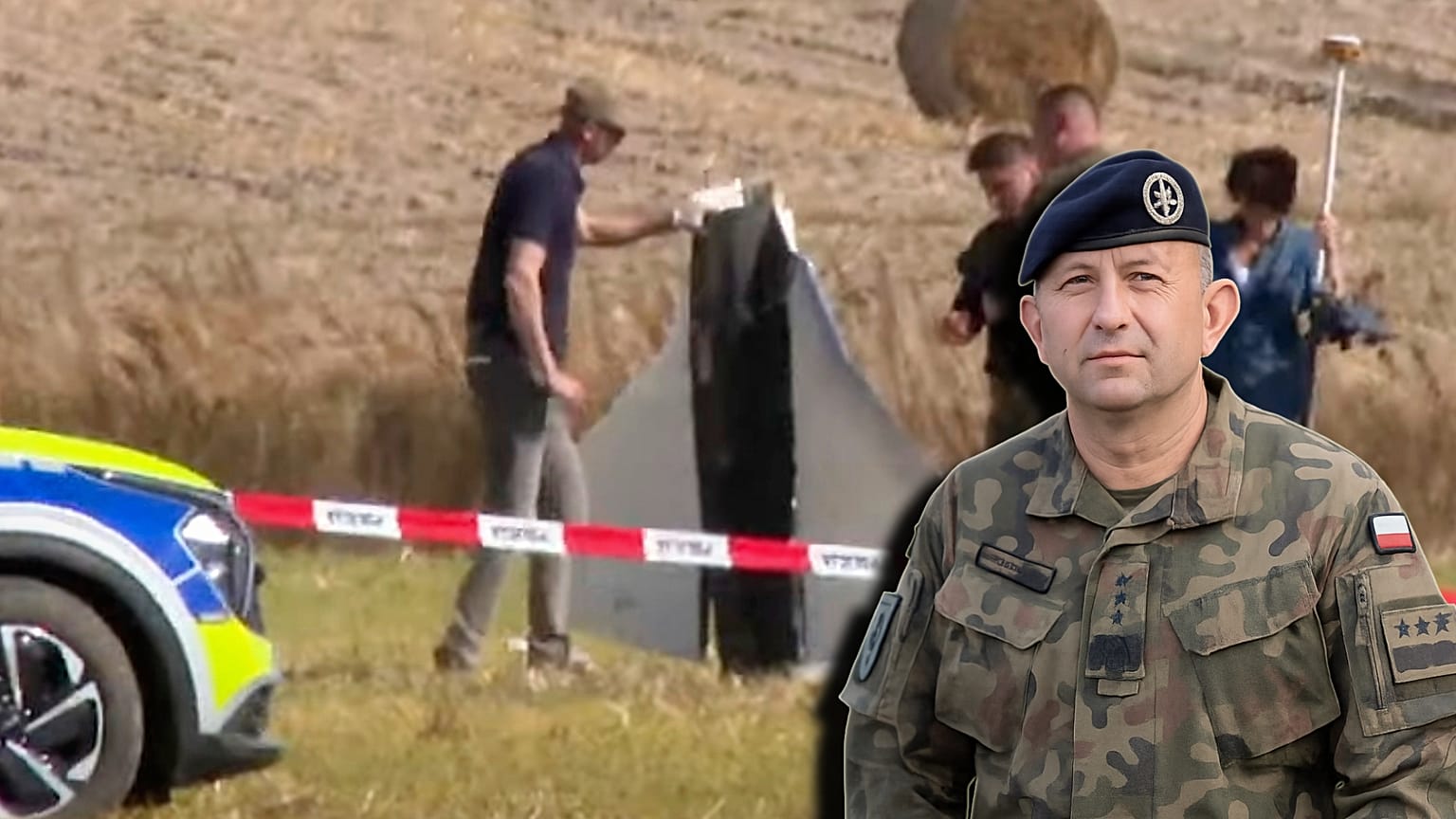
The use of F-35 aircraft to shoot down drones shows that Poland is not yet ready for mass drone warfare, according to Lieutenant General Jarosław Gromadziński in an interview with Euronews.
Poland came closer to open conflict than at any time since World War II as Russian drones repeatedly violated its airspace overnight, forcing the deployment of advanced NATO fighter jets in what a top Polish general called "shooting a cannon at a fly."
The coordinated assault exposed critical gaps in NATO's lower-altitude air defence systems, forcing the alliance to use expensive advanced aircraft against relatively cheap unmanned targets.
Prime Minister Donald Tusk confirmed at least 19 Shahed-type drone incursions near the Polish border, the first massive test of Polish air defences since Russia's full-scale invasion of Ukraine began in early 2022.
The incident combined physical attacks with sophisticated disinformation campaigns, which Lieutenant General Jarosław Gromadziński said involved high-intensity spreading of false claims about drone locations near Warsaw.
'Combined hybrid action'
"I was up all night. From 2 am there was a high intensity of disinformation from various trolls spreading information that the drones had allegedly already reached Ciechanów (97 km from Warsaw)," Gromadziński told Euronews.
"It was clearly a combined hybrid action: the Shahed strike and the media activity," the former Eurocorps commander said.
In his view, this proves that the action was clearly provocative: the Russians were testing Polish reaction capabilities and response times.
"This was extinguished in the morning, which means that our services started to counteract it. It was a big test of our capabilities," he added.
On the whole, the general was positive about the Polish response, especially the courageous decision to close the airspace to civilian traffic and use NATO forces.
"I support wholeheartedly the decision to allow military aircraft in, which eliminated the threat," Gromadziński emphasised.
"The most important thing is that these were not just our planes, but allied planes based in Poland as part of their duty station. This showed the strength of NATO."
'Make a statement with one voice'
While US Ambassador to NATO Matthew Whitaker has asserted a readiness to defend "every inch of NATO territory", the White House, US State Department and Pentagon are silent on the violations.
Former Polish Ambassador to the US Marek Magierowski, in an opinion piece for Wirtualna Polska outlet, called it "ear-irritating silence".
General Gromadziński expects a coordinated response. "The allies must agree on everything behind the scenes and then make a statement with one voice," he said.
"This is where the strength of our diplomacy lies - will we convince everyone, especially the US, to give a radical response," he asked.
The issue is not so much just about military action, but "increasing sanctions, blockades, maybe closing the airspace over Kaliningrad or consequences for countries cooperating with Russia. This is where the whole package of actions is made," said Gromadziński.
'Shooting a cannon at a fly'
A critical assessment of the use of state-of-the-art fighter jets for drone warfare was expressed by the former commander of US ground forces in Europe, General Ben Hodges.
"NATO/USEUCOM needs to conduct long-needed air defence exercises across the theatre of operations. Using F-35s and F-22s against drones shows that we are not yet prepared," he wrote in a post on X.
General Gromadzinski entirely agreed. "This is shooting a cannon at a fly. We should build a multi-layered air defence system that at the lowest altitude takes into account both kinetic and jamming systems," he explained.
Knowing the characteristics of drones is essential, and therefore, analysing speed, flight trajectory, range and manoeuvrability is crucial for effective defence. "Drones cannot only be drowned out, kinetic elimination is also essential," Gromadziński explained.
A gap in defence
The problem with defending against drones became apparent two years ago, when they began being used en masse in Ukraine.
"All countries discovered that they had a gap in this lower layer of defence. That's why today aircraft were used, although we had no choice," admits Gen Gromadzinski.
"Ideally, we should have reconnaissance elements at all levels deployed along the border. The high missile ceiling is what we plan, the medium one we have, but we have lost the lowest one," the expert said.
In his opinion, systems integration will be key.
"This higher missile ceiling is more complicated and we planned it right away in the construction of our multilayer system, but we lost this lowest level," Gromadziński explained.
"Today, an anti-drone warfare reconnaissance system has to be built on this lowest level on short notice. It must, however, be integrated with the main system, so that we can identify the target and the so-called targeting and indicate which target we are destroying with which means."
Related
Should NATO’s eastern bloc expect more drone attacks as Russia and Belarus start Zapad-2025?
General Gromadziński urged that in this tension and fear, experts, not internet influencers, should be trusted. He also exposed another issue in the country's defence structure: information chaos during a crisis.
"We don't have something like STRATCOM, which is strategic communication at the government level. Today, a local police station was giving information about a drone being found. There should not be such things," he said.
"There should be centralised information to avoid fake news. The citizen should be aware that they are only receiving information from this source. This is an information war that Russia is really good at," Gromadziński concluded.
Copyright Rafal Niedzielski/Copyright 2025 The AP. All rights reserved
By Aleksandra Galka Reczko
Published on 11/09/2025
The use of F-35 aircraft to shoot down drones shows that Poland is not yet ready for mass drone warfare, according to Lieutenant General Jarosław Gromadziński in an interview with Euronews.
Poland came closer to open conflict than at any time since World War II as Russian drones repeatedly violated its airspace overnight, forcing the deployment of advanced NATO fighter jets in what a top Polish general called "shooting a cannon at a fly."
The coordinated assault exposed critical gaps in NATO's lower-altitude air defence systems, forcing the alliance to use expensive advanced aircraft against relatively cheap unmanned targets.
Prime Minister Donald Tusk confirmed at least 19 Shahed-type drone incursions near the Polish border, the first massive test of Polish air defences since Russia's full-scale invasion of Ukraine began in early 2022.
The incident combined physical attacks with sophisticated disinformation campaigns, which Lieutenant General Jarosław Gromadziński said involved high-intensity spreading of false claims about drone locations near Warsaw.
'Combined hybrid action'
"I was up all night. From 2 am there was a high intensity of disinformation from various trolls spreading information that the drones had allegedly already reached Ciechanów (97 km from Warsaw)," Gromadziński told Euronews.
"It was clearly a combined hybrid action: the Shahed strike and the media activity," the former Eurocorps commander said.
In his view, this proves that the action was clearly provocative: the Russians were testing Polish reaction capabilities and response times.
"This was extinguished in the morning, which means that our services started to counteract it. It was a big test of our capabilities," he added.
On the whole, the general was positive about the Polish response, especially the courageous decision to close the airspace to civilian traffic and use NATO forces.
"I support wholeheartedly the decision to allow military aircraft in, which eliminated the threat," Gromadziński emphasised.
"The most important thing is that these were not just our planes, but allied planes based in Poland as part of their duty station. This showed the strength of NATO."
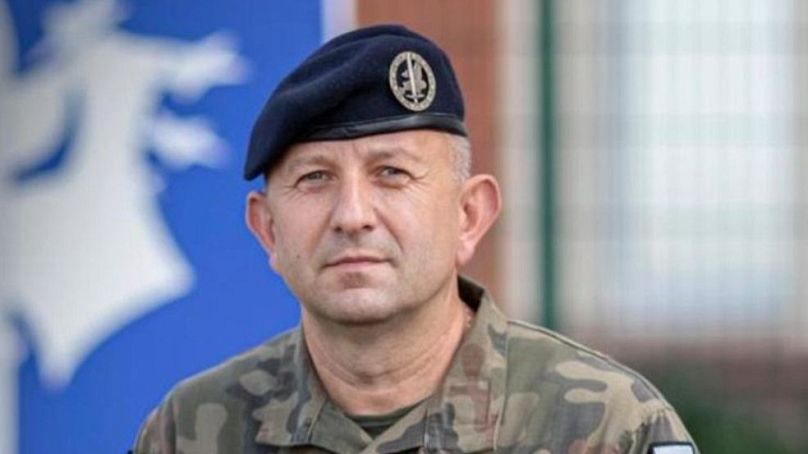
Polish Army Lieutenant General Jaroslaw Gromadzinski
Archiwum prywatne
This, according to the general, is not what matters most at the moment.
"For me, it's not important that we destroyed those drones, that's what we should do unquestionably. Surely. But the most important thing now is what Polish diplomacy and the allies will do," Gromadziński said.
Without a firm response from the whole NATO alliance, he added, "this will embolden the Russian side and we will have drones more often and deeper in our country."
This, according to the general, is not what matters most at the moment.
"For me, it's not important that we destroyed those drones, that's what we should do unquestionably. Surely. But the most important thing now is what Polish diplomacy and the allies will do," Gromadziński said.
Without a firm response from the whole NATO alliance, he added, "this will embolden the Russian side and we will have drones more often and deeper in our country."
'Make a statement with one voice'
While US Ambassador to NATO Matthew Whitaker has asserted a readiness to defend "every inch of NATO territory", the White House, US State Department and Pentagon are silent on the violations.
Former Polish Ambassador to the US Marek Magierowski, in an opinion piece for Wirtualna Polska outlet, called it "ear-irritating silence".
General Gromadziński expects a coordinated response. "The allies must agree on everything behind the scenes and then make a statement with one voice," he said.
"This is where the strength of our diplomacy lies - will we convince everyone, especially the US, to give a radical response," he asked.
The issue is not so much just about military action, but "increasing sanctions, blockades, maybe closing the airspace over Kaliningrad or consequences for countries cooperating with Russia. This is where the whole package of actions is made," said Gromadziński.
'Shooting a cannon at a fly'
A critical assessment of the use of state-of-the-art fighter jets for drone warfare was expressed by the former commander of US ground forces in Europe, General Ben Hodges.
"NATO/USEUCOM needs to conduct long-needed air defence exercises across the theatre of operations. Using F-35s and F-22s against drones shows that we are not yet prepared," he wrote in a post on X.
General Gromadzinski entirely agreed. "This is shooting a cannon at a fly. We should build a multi-layered air defence system that at the lowest altitude takes into account both kinetic and jamming systems," he explained.
Knowing the characteristics of drones is essential, and therefore, analysing speed, flight trajectory, range and manoeuvrability is crucial for effective defence. "Drones cannot only be drowned out, kinetic elimination is also essential," Gromadziński explained.
A gap in defence
The problem with defending against drones became apparent two years ago, when they began being used en masse in Ukraine.
"All countries discovered that they had a gap in this lower layer of defence. That's why today aircraft were used, although we had no choice," admits Gen Gromadzinski.
"Ideally, we should have reconnaissance elements at all levels deployed along the border. The high missile ceiling is what we plan, the medium one we have, but we have lost the lowest one," the expert said.
In his opinion, systems integration will be key.
"This higher missile ceiling is more complicated and we planned it right away in the construction of our multilayer system, but we lost this lowest level," Gromadziński explained.
"Today, an anti-drone warfare reconnaissance system has to be built on this lowest level on short notice. It must, however, be integrated with the main system, so that we can identify the target and the so-called targeting and indicate which target we are destroying with which means."
Related
Should NATO’s eastern bloc expect more drone attacks as Russia and Belarus start Zapad-2025?
General Gromadziński urged that in this tension and fear, experts, not internet influencers, should be trusted. He also exposed another issue in the country's defence structure: information chaos during a crisis.
"We don't have something like STRATCOM, which is strategic communication at the government level. Today, a local police station was giving information about a drone being found. There should not be such things," he said.
"There should be centralised information to avoid fake news. The citizen should be aware that they are only receiving information from this source. This is an information war that Russia is really good at," Gromadziński concluded.
Poland calls emergency UN meeting over drone raid blamed on Russia
Warsaw (AFP) – Poland said Thursday it had called an emergency meeting of the UN Security Council to discuss violations of its airspace, a day after it accused Russia of carrying out a drone raid on its territory.
Issued on: 11/09/2025 - RFI
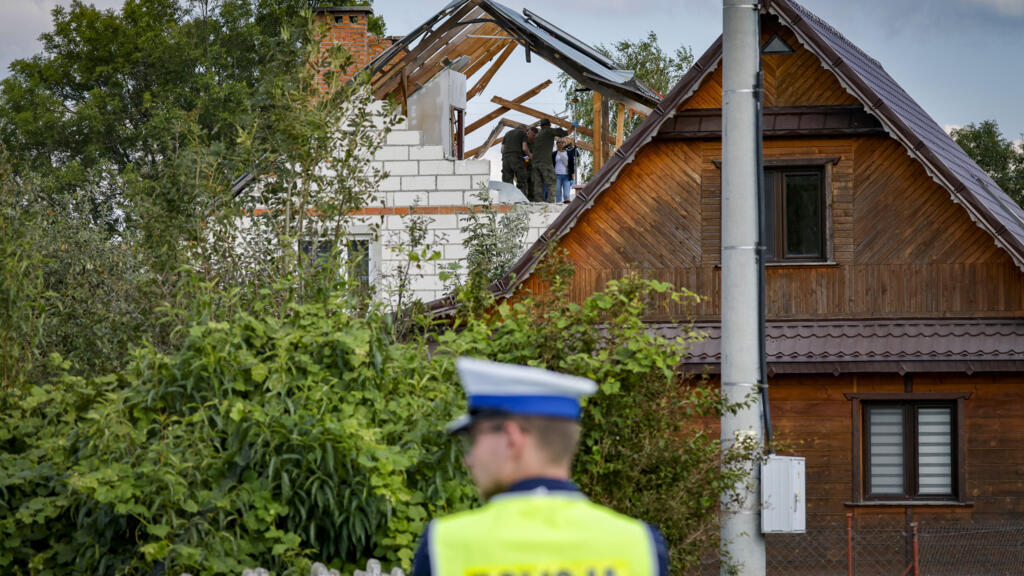
Officials said drones violated Polish airspace 19 times, but there were no casualties and the damage was limited. © Wojtek RADWANSKI / AFP
By:RFIFollow
Advertising
Poland said the incident was not accidental and branded it an "unprecedented" attack on Poland, NATO and the European Union, but Moscow denied targeting the country and said there was no evidence the drones were Russian.
Stray Russian drones and missiles have entered the airspace of NATO members including Poland several times since Moscow launched its invasion of Ukraine in 2022, but no NATO country has ever attempted to shoot them down.

By:RFIFollow
Advertising
Poland said the incident was not accidental and branded it an "unprecedented" attack on Poland, NATO and the European Union, but Moscow denied targeting the country and said there was no evidence the drones were Russian.
Stray Russian drones and missiles have entered the airspace of NATO members including Poland several times since Moscow launched its invasion of Ukraine in 2022, but no NATO country has ever attempted to shoot them down.
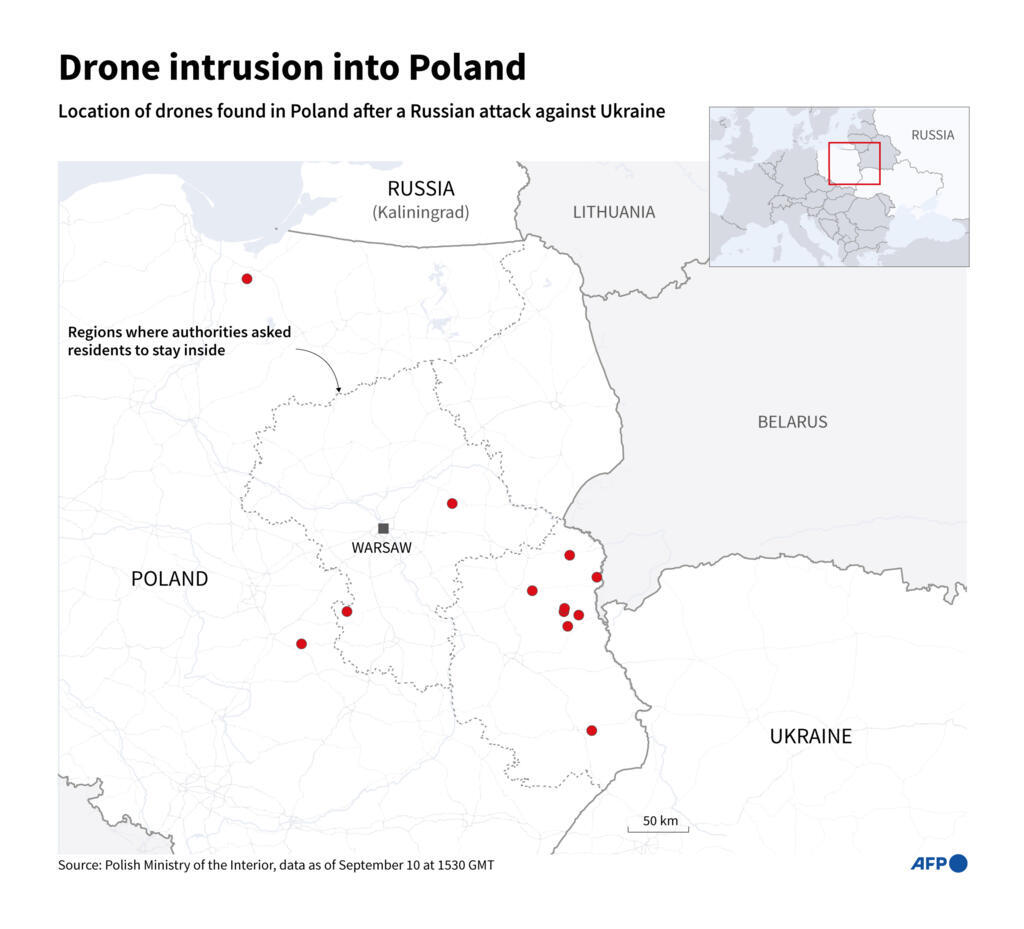
Drone intrusion into Poland © Sylvie HUSSON, Jean-Michel CORNU / AFP
The incident was "an attempt to test the mechanism of action within NATO and our readiness to respond", Polish President Karol Nawrocki said Thursday during a visit to an airbase in western Poland.
The UN Security Council will hold an emergency meeting to discuss "the violation of Polish airspace by Russia", the Polish foreign ministry said without specifying a date.
Poland's National Security Council will also meet later on Thursday and the defence minister is set to brief parliament on the latest findings.
Officials said drones violated Polish airspace 19 times, but there were no casualties and the damage was limited – a house and a car were destroyed.
Poland boosted security on Thursday, closing air traffic along its eastern borders with Belarus and Ukraine to civilian flights up to an altitude of three kilometres (1.9 miles) until December 9.
The PAZP air traffic control agency said in a statement drones would also be banned.
The incident was "an attempt to test the mechanism of action within NATO and our readiness to respond", Polish President Karol Nawrocki said Thursday during a visit to an airbase in western Poland.
The UN Security Council will hold an emergency meeting to discuss "the violation of Polish airspace by Russia", the Polish foreign ministry said without specifying a date.
Poland's National Security Council will also meet later on Thursday and the defence minister is set to brief parliament on the latest findings.
Officials said drones violated Polish airspace 19 times, but there were no casualties and the damage was limited – a house and a car were destroyed.
Poland boosted security on Thursday, closing air traffic along its eastern borders with Belarus and Ukraine to civilian flights up to an altitude of three kilometres (1.9 miles) until December 9.
The PAZP air traffic control agency said in a statement drones would also be banned.
Air passengers endured severe delays on Wednesday as the airport was closed after the drone raid © Wojtek RADWANSKI / AFP
The country had already announced ramped-up measures on the Belarus border to cope with military drills the country is carrying out with its ally Russia between September 12 and 16.
The few open border crossings with Belarus would be closed starting on Friday over the Zapad ("West") drills.
Polish Prime Minister Donald Tusk warned on Wednesday that the drone raid marked an unprecedented escalation of tension with Russia.
"This situation... brings us closer than ever to open conflict since World War II," he said as he briefed the lawmakers.
Tusk called a NATO meeting on Wednesday, invoking Article 4 under which a member can call urgent talks when it feels its "territorial integrity, political independence or security" are at risk – only the eighth time the measure has been used.
A cornerstone of NATO is the principle that an attack on any member is deemed an attack on all.
NATO chief Mark Rutte denounced Moscow's "reckless behaviour" and hailed his organisation's "very successful reaction", telling journalists the alliance's air defences had done their job
The country had already announced ramped-up measures on the Belarus border to cope with military drills the country is carrying out with its ally Russia between September 12 and 16.
The few open border crossings with Belarus would be closed starting on Friday over the Zapad ("West") drills.
Polish Prime Minister Donald Tusk warned on Wednesday that the drone raid marked an unprecedented escalation of tension with Russia.
"This situation... brings us closer than ever to open conflict since World War II," he said as he briefed the lawmakers.
Tusk called a NATO meeting on Wednesday, invoking Article 4 under which a member can call urgent talks when it feels its "territorial integrity, political independence or security" are at risk – only the eighth time the measure has been used.
A cornerstone of NATO is the principle that an attack on any member is deemed an attack on all.
NATO chief Mark Rutte denounced Moscow's "reckless behaviour" and hailed his organisation's "very successful reaction", telling journalists the alliance's air defences had done their job
Unity 'reaffirmed'
The raid was condemned by Poland's allies around the world, with the European Union and Ukraine calling it a test of the alliance's resolve.
Nawrocki said late on Wednesday he had spoken by phone to US counterpart Donald Trump as "part of a series of consultations" with allies.
"Today's talks reaffirmed our unity," he said.
"The Chinese side hopes that all parties concerned will properly resolve their disputes through dialogue and consultation," foreign ministry spokesman Lin Jian told a regular news briefing.
Poland is a major supporter of Ukraine and hosts more than one million Ukrainian refugees. It is also a key transit point for Western humanitarian and military aid to the country.
The raid was condemned by Poland's allies around the world, with the European Union and Ukraine calling it a test of the alliance's resolve.
Nawrocki said late on Wednesday he had spoken by phone to US counterpart Donald Trump as "part of a series of consultations" with allies.
"Today's talks reaffirmed our unity," he said.
"The Chinese side hopes that all parties concerned will properly resolve their disputes through dialogue and consultation," foreign ministry spokesman Lin Jian told a regular news briefing.
Poland is a major supporter of Ukraine and hosts more than one million Ukrainian refugees. It is also a key transit point for Western humanitarian and military aid to the country.
Polish military to take part in a drone combat training in Ukraine after airspace violations
Copyright AP Photo
Copyright AP Photo
By Katarzyna-Maria Skiba
Published on 11/09/2025 -
Published on 11/09/2025 -
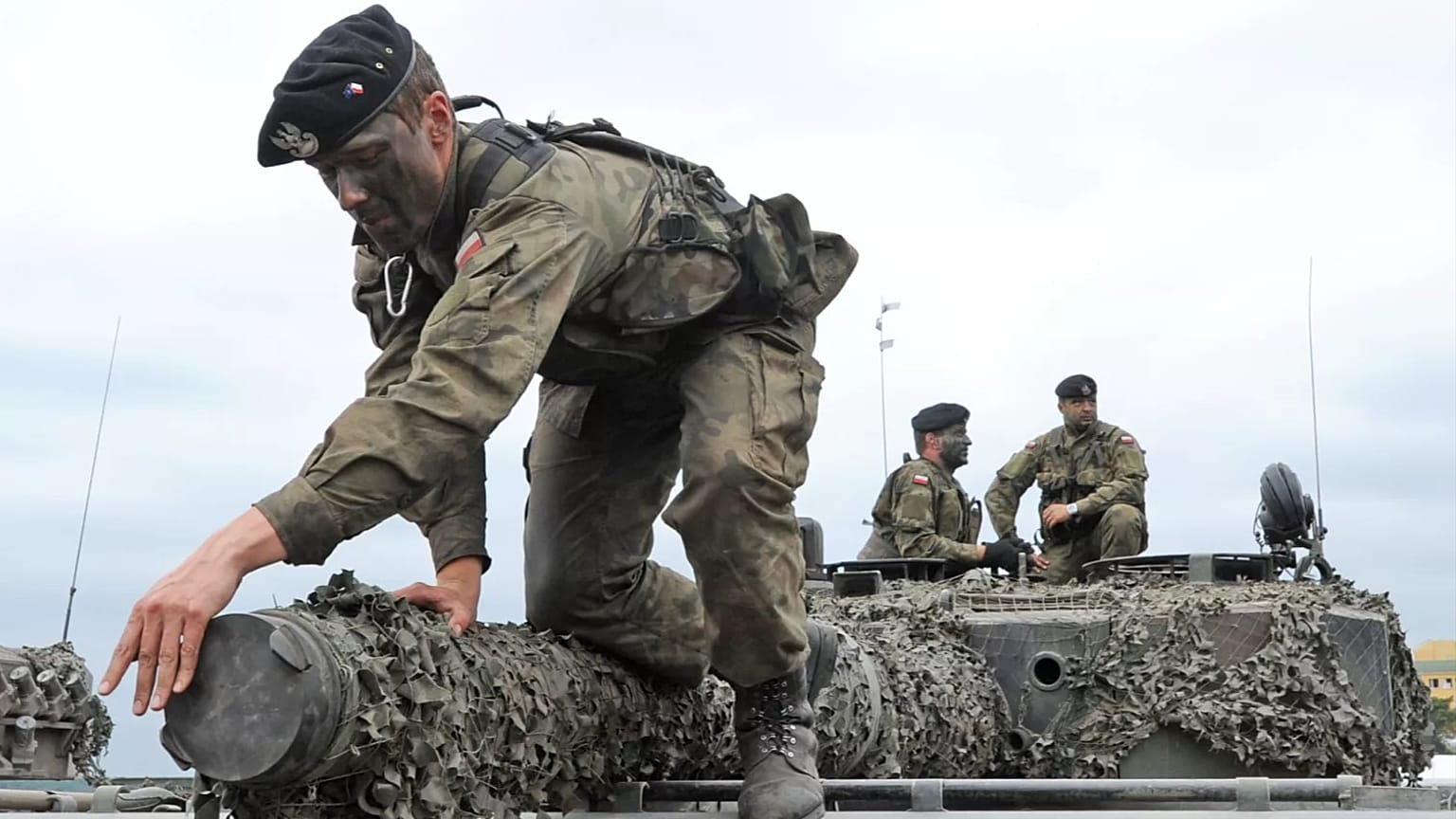
Following the violation of Polish airspace by 19 Russian drones, Poland and Ukraine are stepping up military cooperation.
Following the violation of Polish airspace by at least 19 Russian drones earlier this week, representatives of the Polish Army will travel to Ukraine to take part in anti-drone training.
Of the at least 19 drones that flew into Polish territory, four were shot down by Polish and NATO aircraft.
Following the incident, Ukrainian President Volodymyr Zelenskyy proposed training to strengthen Poland's defences against drones.
On Wednesday, Zelenskyy spoke by phone with Polish President Karol Nawrocki about the airspace violations with both leaders acknowleding the incident had been on a bigger scale than previous incidents.
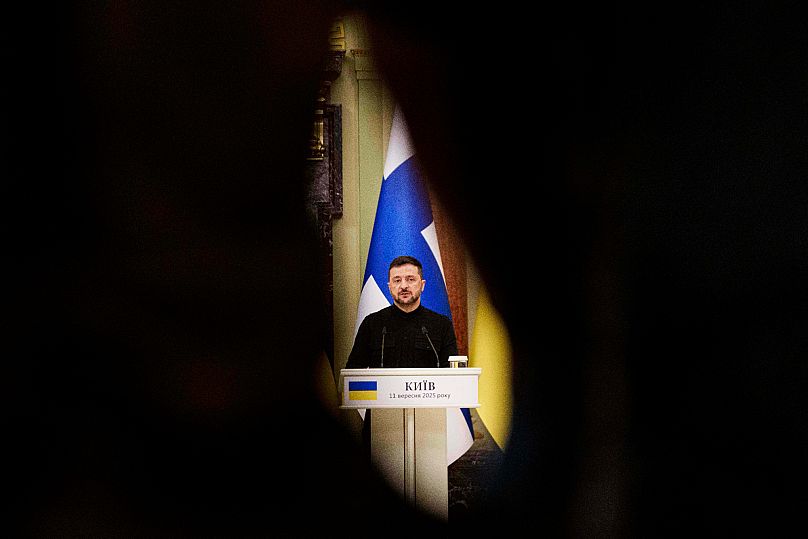
Ukraine's President Volodymyr Zelenskyy speaks during a press conference in Kyiv, 11 September, 2025 AP Photo
"This is a different level of escalation on Russia's part and must be met with an appropriate response," Zelenskyy said.
He announced that Ukraine would offer Poland training on how to combat Russian drones, especially Iran-made Shaheds, which the Ukrainian army already has extensive experience of dealing with.
"We have agreed with Donald (Tusk) on appropriate cooperation at the military level. We will also coordinate with all NATO member states," Zelenskyy said in a post on X.
Following the violation of Polish airspace by at least 19 Russian drones earlier this week, representatives of the Polish Army will travel to Ukraine to take part in anti-drone training.
Of the at least 19 drones that flew into Polish territory, four were shot down by Polish and NATO aircraft.
Following the incident, Ukrainian President Volodymyr Zelenskyy proposed training to strengthen Poland's defences against drones.
On Wednesday, Zelenskyy spoke by phone with Polish President Karol Nawrocki about the airspace violations with both leaders acknowleding the incident had been on a bigger scale than previous incidents.
Ukraine's President Volodymyr Zelenskyy speaks during a press conference in Kyiv, 11 September, 2025 AP Photo
"This is a different level of escalation on Russia's part and must be met with an appropriate response," Zelenskyy said.
He announced that Ukraine would offer Poland training on how to combat Russian drones, especially Iran-made Shaheds, which the Ukrainian army already has extensive experience of dealing with.
"We have agreed with Donald (Tusk) on appropriate cooperation at the military level. We will also coordinate with all NATO member states," Zelenskyy said in a post on X.

No comments:
Post a Comment