Zambia backs Chinese mine’s assessment in acid spill disaster
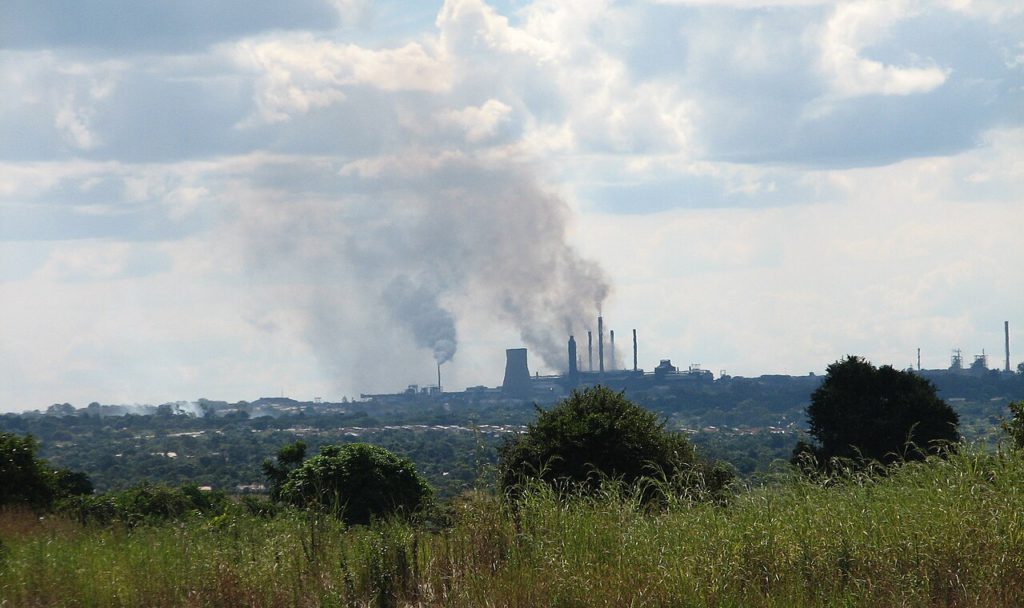
The Zambian government refuted an independent estimate of how much toxic acid spilled from a Chinese state-owned copper mine in the southern African nation in February, and said a cleanup had begun.

Responding to allegations that the disaster may have been 30-times worse than earlier reported, acting Minister of Green Economy and Environment Collins Nzovu backed Sino Metals Leach Zambia Ltd.’s estimate of the spillage volume. He said the government wasn’t trying to cover up the issue and the company has started operations to clean up the waste.
“Based on the records that we have, the estimated amount of the acid waste that was released in the open environment was 51,800 cubic meters (13.7 million gallons),” Nzovu said in a statement on Wednesday. That’s a fraction of what Drizit Zambia had estimated after it was contracted to conduct an environmental assessment. He added that the tailings — or waste — dams “are physical features which no one can hide.”
The disaster has raised concerns among residents in the affected area near Kitwe, Zambia’s second-biggest city, and triggered health warnings from embassies including the US and Finland. While the government has maintained that drinking water is safe for humans, it said last month it found dangerous levels of heavy metals in some samples from natural water bodies.
Sino Metals, in a statement last week, also refuted Drizit’s assessment that as much as 1.5 million tons of toxic material escaped, saying the estimate was “misleading and devoid of factual, scientific and technical basis.”
Sino Metals has begun removing visible pollution, and residue from an area stretching 8 kilometers (5 miles) from “ground zero,” or the point where the waste dam burst, Nzovu said.
Drizit Zambia, which Sino Metals hired to conduct the environmental assessment before terminating its contract, had warned that the communities living nearby faced daily exposure to hazardous materials, including arsenic, cyanide and uranium. Drizit said on Wednesday that it stands by its assessment.
Zambia will select a new environmental impact assessor by Sept. 15, and the company should start work by the third week of the month, Nzovu said.
“Sino Metals has been making all-out efforts to cooperate with the Zambian government in dealing with the tailings dam breach,” the Chinese embassy in Lusaka said in reply to questions. “We oppose any irresponsible and exaggerated narratives based on fabricated figures or ill-intended smear campaigns for geopolitical gains.”
(By Matthew Hill and Taonga Mitimingi)

No comments:
Post a Comment