Researchers discover 5,000-year-old bacteria resistant to modern antibiotics
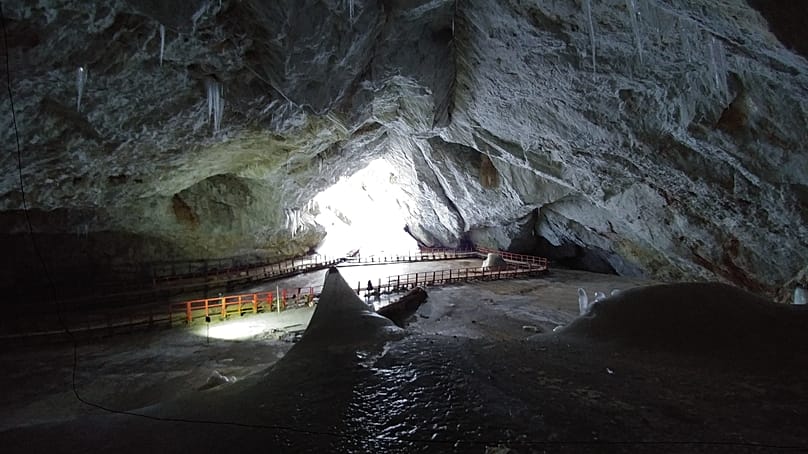
A strain of bacteria found in a Romanian ice cave is resistant to ten modern antibiotics, according to a new study.
Frozen bacteria kept for 5,000 years in an underground cave have been found to be resistant to modern antibiotics, researchers say. In the depths of Scărișoara Cave, one of Romania’s largest ice caves, preserved under a 5,000-year-old layer of ice, scientists discovered a strain of Psychrobacter SC65A.3 – bacteria resistant to modern antibiotics.
Bacteria can survive for thousands of years under extreme conditions: under ancient layers of ice, in permafrost, under the sea, or in glacial lakes.
These bacteria play by their own rules, having adapted for survival and persistence over time.
Now, Romanian researchers have found that the SC65A.3 strains of Psychrobacter – bacteria adapted to cold environments – are resistant to 10 modern antibiotics from 8 different classes.
“The Psychrobacter SC65A.3 bacterial strain isolated from Scărișoara Ice Cave, despite its ancient origin, shows resistance to multiple modern antibiotics and carries over 100 resistance-related genes,” said Cristina Purcarea, author of the study and scientist at the Institute of Biology Bucharest of the Romanian Academy.
The Cave’s ice block measures 100,000 cubic meters and is approximately 13,000 years old – making it the largest and oldest underground ice block.
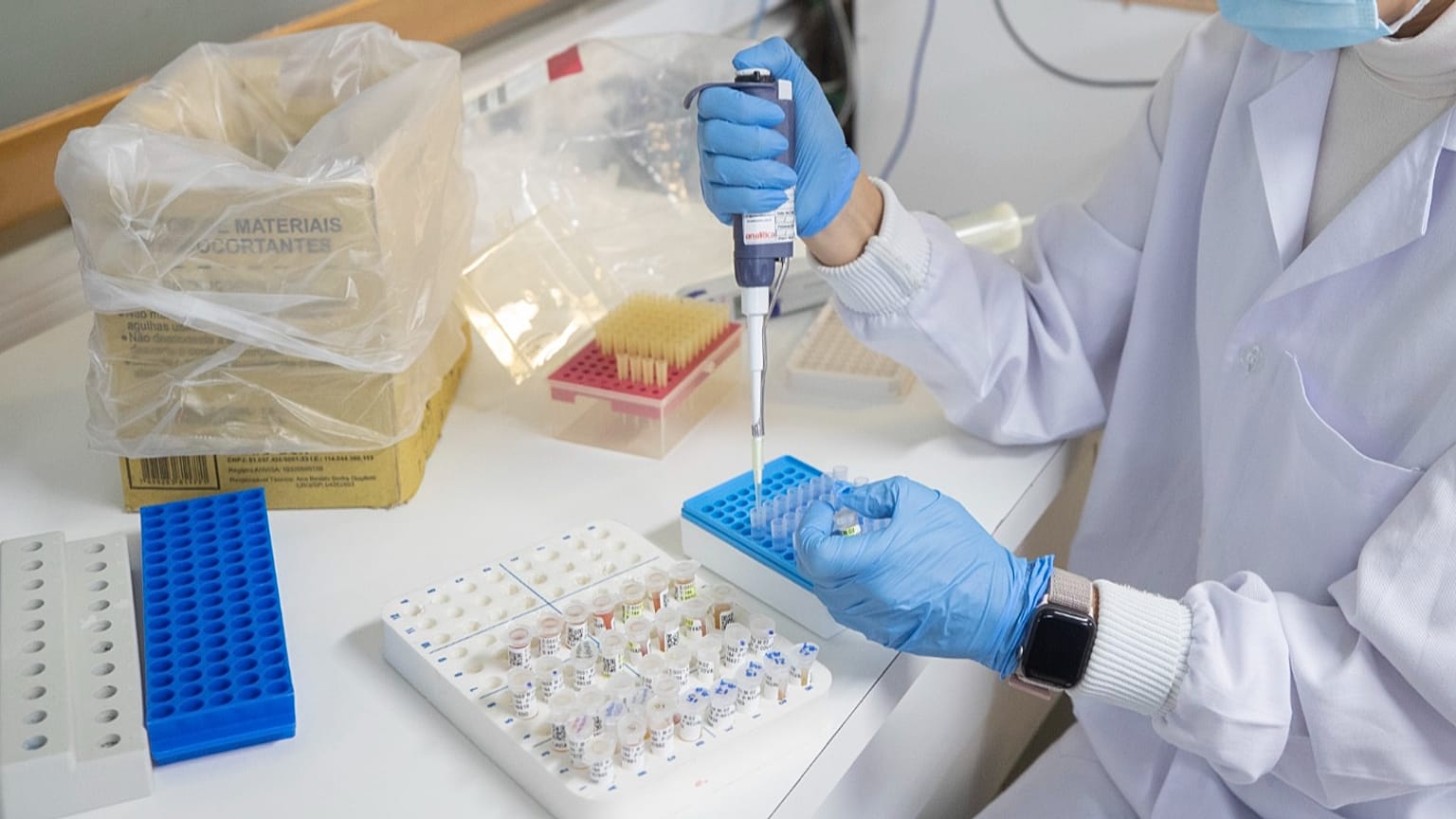
The research team drilled a 25-meter ice core from the area of the cave known as the Great Hall. By analysing ice fragments from this part of the cave, they isolated various bacterial strains and sequenced their genomes to determine which genes allow the strains to survive in low temperatures, and which confer antimicrobial resistance.
Purcarea added that the antibiotics they found resistance to are widely used in oral and injectable therapies used to treat multiple serious bacterial infections in clinical practice, such as tuberculosis, colitis, and urinary tract infections (UTIs).
Previous studies have analysed other strains of Psychrobacter bacteria, mainly for their biotechnological potential, but the antibiotic resistance profiles of these bacteria are largely unknown, the study noted.
“Studying microbes such as Psychrobacter SC65A.3 retrieved from millennia-old cave ice deposits reveals how antibiotic resistance evolved naturally in the environment, long before modern antibiotics were ever used,” said Purcarea.
While antimicrobial resistance is a natural phenomenon, it has been accelerated by chronic antibiotic use, promoting the diversification and spreading of antibiotic resistance genes, the researchers noted.
The results, published in Frontiers in Microbiology, found that, with 20 percent of Earth’s surface comprising frozen habitats and low temperatures characterising much of the biosphere, understanding cold-adapted microbes is increasingly critical amid rapid climate change.
Antimicrobial resistance, a growing concern
Antimicrobial resistance (AMR) causes millions of deaths every year worldwide. In Europe, it is estimated to be the cause of over 35,000 yearly deaths – a number expected to rise in the coming years.
A handful of factors have created the perfect environment for AMR across the region, the European Centre for Disease Prevention and Control (ECDC) said last year.
Europe’s ageing population is more vulnerable to infections, drug-resistant pathogens are spreading across borders, doctors and patients are overusing antibiotic medicines, and there are critical gaps in infection prevention and control efforts.
One in six bacterial infections worldwide is now resistant to standard treatments, according to the World Health Organization (WHO).

No comments:
Post a Comment