Sunday, June 26, 2022

USPSTF statement on use of vitamin, mineral, multivitamin supplements to prevent cardiovascular disease, cancer

JAMA

Peer-Reviewed Publication

JAMA NETWORK

Bottom Line: The U.S. Preventive Services Task Force (USPSTF) recommends against the use of beta carotene or vitamin E supplements for the prevention of cardiovascular disease (CVD) or cancer and concludes that the current evidence is insufficient to make a recommendation about the use of multivitamin and single- or paired-nutrient supplements (other than beta carotene and vitamin E) for the prevention of CVD or cancer. According to National Health and Nutrition Examination Survey data, 52% of surveyed adults reported using at least one dietary supplement in the prior 30 days and 31% reported using a multivitamin-mineral supplement. Inflammation and oxidative stress have been shown to have a role in both CVD and cancer, and dietary supplements may have anti-inflammatory and antioxidative effects. This has served as a rationale for proposing dietary supplements as a means to prevent both CVD and cancer. The USPSTF routinely makes recommendations about the effectiveness of preventive care services, and this recommendation replaces and is consistent with its 2014 statement.

To access the embargoed study: Visit our For The Media website at this link https://media.jamanetwork.com/

(doi:10.1001/jama.2022.8970)

Editor’s Note: Please see the article for additional information, including other authors, author contributions and affiliations, financial disclosures, funding and support, etc.

Note: More information about the U.S. Preventive Services Task Force, its process, and its recommendations can be found on the newsroom page of its website.

#  #  #

Media advisory: To contact the U.S. Preventive Services Task Force, email the Media Coordinator at Newsroom@USPSTF.net or call 301-951-9203. 

Embed this link to provide your readers free access to the full-text article This link will be live at the embargo time and all USPSTF articles remain free indefinitely https://jamanetwork.com/journals/jama/fullarticle/10.1001/jama.2022.8970?guestAccessKey=2a436fd3-f03d-453b-a0e9-a29595310e8e&utm_source=For_The_Media&utm_medium=referral&utm_campaign=ftm_links&utm_content=tfl&utm_term=062122


Dartmouth’s Geisel School of Medicine team finds increased rate of TB infection among adolescents in Tanzania


Peer-Reviewed Publication

THE GEISEL SCHOOL OF MEDICINE AT DARTMOUTH

Published today in PLOS ONE, “Serial T-SPOT.TB responses in Tanzanian adolescents: transient, persistent and irregular conversions” [https://doi.org/10.1371/journal.pone.0268685], investigators from the Geisel School of Medicine and Muhimibili University of Health and Allied Sciences (MUHAS) report high rates of new tuberculosis (TB) infection among adolescents in Tanzania. Multiple blood tests for TB infection were conducted over three years in 650 schoolchildren age 13-15 and showed that the risk of acquiring new TB infection was 3 percent per year. In addition, by performing six or more blood tests on each volunteer with an interferon gamma release assay (IGRAs) the study team identified new patterns of transition between positive and negative IGRA tests for TB infection.


The data were obtained during the DAR-901 TB vaccine trial supported by the Global Health Innovative Technology Fund (GHIT, Tokyo), with additional support from Oxford Immunotec (Oxford, UK), and the Jack and Dorothy Byrne Foundation (New Hampshire).


“Although not all TB infections lead to TB disease, at a population level this annual rate of infection is expected to lead to significant future rates of morbidity and mortality,” says lead author Maryam Amour, MD, MPH ’15, a lecturer in the Department of Community Health at MUHAS. “This highlights the importance of developing TB control measures for this high-risk age group.” 


Christiaan Rees MED ’20, Guarini ’18, co-lead author and an internal medicine resident at Brigham and Women’s Hospital in Boston, MA, who analyzed the trial data during his Geisel elective in Tanzania, says of the study, “One of our novel findings was that conversion of IGRA results to positive was usually not sustained—in fact, some participants converted to negative and then back to positive again. This raises the possibility that we may have been seeing TB infections that were cleared.” 


The findings demonstrate the feasibility of using the T-SPOT.TB (Oxford Immunotec, UK) IGRA test for serial testing of adolescents in a school setting. 


Principal Investigator for the DAR-901 vaccine trial, Ford von Reyn, PhD, a professor of medicine and director of the DarDar International Programs at Geisel, indicates the results suggest a new possible approach to TB case finding. “Early TB infection is not associated with symptoms and is not usually detected until a skin test or IGRA blood test is performed years later,” he says. “If you can test schoolchildren in a TB endemic region every 3-6 months and identify newly acquired infection, you have an opportunity to find and treat the person with symptomatic TB disease who infected the adolescent and thereby reduce further transmission.”      


The longtime DarDar research and training partnership between Geisel School of Medicine and MUHAS, established in 2001, has given rise to numerous clinical trials and sponsored extensive academic exchanges between the two institutions. More than 15 Tanzanian scientists have received advanced degrees at Geisel as part of the NIH-sponsored Dartmouth-Boston University MUHAS NIH Fogarty Training Grant. In addition, through Geisel’s Center for Health Equity, MUHAS students have participated in electives at Geisel, and numerous Geisel students and Dartmouth undergraduates have participated in medical and healthcare electives in Tanzania.   


# # #

Investigating the dynamics that reshape permafrost environments

Monitoring data find that small spatial differences in snow cover, vegetation, and other factors shape how permafrost thaws.


DOE/US DEPARTMENT OF ENERGY
24-JUN-2022

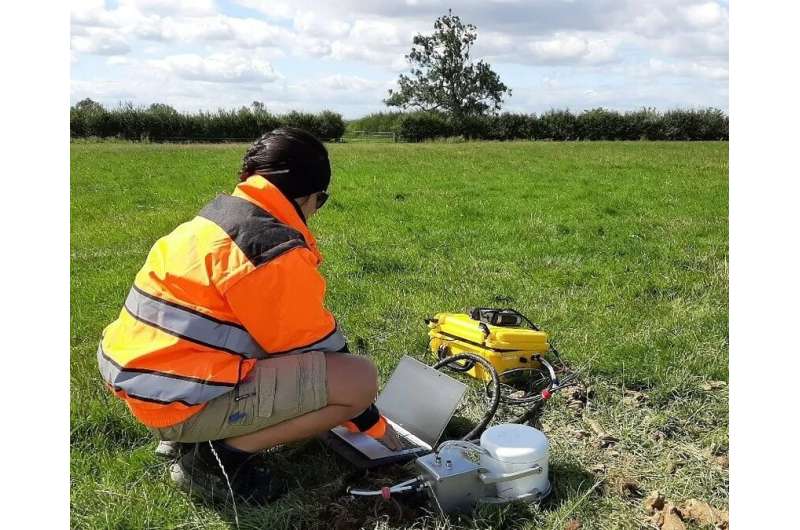
image: Taking measurements at the Barrow Environmental Observatory, 330 miles north of the Arctic Circle for the Next-Generation Ecosystem Experiment (NGEE-Arctic). The project seeks to improve climate model predictions by studying Arctic terrestrial ecosystems. view more


Credit: Image courtesy of Roy Kaltschmidt, Lawrence Berkeley National Laboratory

The Science

When permafrost thaws, water can flow more quickly through the ground, creating a complex subsurface flow system. Researchers at the Barrow Environmental Observatory in Alaska gained insight into this process by taking daily measurements of the electrical resistivity of the ground. The results show that vegetation and the snowpack that accumulates on the vegetation in winter control the temperatures of the ground and the flow of water in the ground. Where snow accumulates, ground temperatures stay warmer and water and energy from snowmelt and rain can flow through the ground quickly. Where the snowpack is thin, ground temperatures are colder, preventing the flow of water.

The Impact


Highlighting the link between above- and belowground properties and processes in the Arctic will help improve scientists’ predictions of how the Arctic relates to broader climate change. The results also show that Arctic systems are changing rapidly, and that permafrost at the research team’s study site could disappear within the next decade. Changes in snowpack distribution and rainfall patterns could accelerate this process.
Summary

Climate change is causing rapid changes in Arctic ecosystems, but scientists have not collected enough data needed to unravel complex subsurface processes associated with these changes. Using geophysical and in situ sensing, researchers closed an observational gap associated with thermohydrological dynamics in discontinuous permafrost systems. Researchers collected data over more than two years of monitoring and were able to uncover the effects of vegetation, topography, and snow thickness distribution on subsurface thermohydrological properties and processes. Large snow accumulation near tall shrubs insulates the ground and allows for rapid and downward heat flow, whereas thinner snowpack above low graminoid grasses and sedges results in surficial freezing and prevents water from infiltrating the subsurface. Analyzing short-term disturbances such as snowmelt or heavy rainfall, the research team found that lateral flow could be a driving factor in the formation of a talik, a subsurface layer in permafrost that remains unfrozen year-round. Interannual measurements indicate that deep permafrost temperatures increased by about 0.2 degrees centigrade over two years. The results of this study, which suggest that snow-vegetation-subsurface processes are tightly coupled, will improve predictions of Arctic feedback to climate change, including how subsurface thermohydrology influences carbon dioxide and methane fluxes.

Funding

This research was supported by the Department of Energy Office of Science, Office of Biological and Environmental Research.

Biofinder advances detection of extraterrestrial life

Peer-Reviewed Publication

UNIVERSITY OF HAWAII AT MANOA

Biofinder images 

IMAGE: BIOFINDER DETECTION OF BIOLOGICAL RESIDES IN FISH FOSSIL. (A) WHITE LIGHT IMAGE OF A GREEN RIVER FORMATION FISH FOSSIL (B) FLUORESCENCE IMAGE OF THE FISH FOSSIL OBTAINED BY THE BIOFINDER (C) CLOSE-UP WHITE LIGHT IMAGE OF THE FISH FOSSIL CROSS-SECTION (D) FLUORESCENCE IMAGE SHOWING STRONG BIO-FLUORESCENCE FROM THE FISH REMAINS. view more 

CREDIT: MISRA, ET AL., 2022

An innovative scientific instrument, the Compact Color Biofinder, developed by a team of University of Hawai‘i at Mānoa researchers, may change the game in the search for signs of extraterrestrial life.

Most biological materials, for example, amino acids, fossils, sedimentary rocks, plants, microbes, proteins and lipids, have strong organic fluorescence signals that can be detected by specialized scanning cameras. In a study published in Nature Scientific Reports recently, the research team reported that the Biofinder is so sensitive that it can accurately detect the bio-residue in fish fossils from the 34-56 million year-old Green River formation.

“The Biofinder is the first system of its kind,” said Anupam Misra, lead instrument developer and researcher at the Hawai‘i Institute of Geophysics and Planetology at the UH Mānoa School of Ocean and Earth Science and Technology (SOEST). “At present, there is no other equipment that can detect minute amounts of bio-residue on a rock during the daytime. Additional strengths of the Biofinder are that it works from a distance of several meters, takes video and can quickly scan a large area.”

Though the Biofinder was first developed in 2012 by Misra, advances supported by the NASA PICASSO program culminated in the latest color version of the compact Biofinder.

Finding evidence of biological residue in a vast planetary landscape is an enormous challenge. So, the team tested the Biofinder’s detection abilities on the ancient Green River fish fossils and corroborated the results through laboratory spectroscopy analysis, scanning electron microscopy and fluorescence lifetime imaging microscopy.

“There are some unknowns regarding how quickly bio-residues are replaced by minerals in the fossilization process,” said Misra. “However, our findings confirm once more that biological residues can survive millions of years, and that using biofluorescence imaging effectively detects these trace residues in real time.”

The search for life—which may be existing or extinct—on planetary bodies is one of the major goals of planetary exploration missions conducted by NASA and other international space agencies.

“If the Biofinder were mounted on a rover on Mars or another planet, we would be able to rapidly scan large areas quickly to detect evidence of past life, even if the organism was small, not easy to see with our eyes, and dead for many millions of years,” said Misra. “We anticipate that fluorescence imaging will be critical in future NASA missions to detect organics and the existence of life on other planetary bodies.”

“The Biofinder’s capabilities would be critical for NASA’s Planetary Protection program, for the accurate and no-invasive detection of contaminants such as microbes or extraterrestrial biohazards to or from planet Earth,” said Sonia J. Rowley, the team biologist and co-author on the study.

Misra and colleagues are applying to have the opportunity to send the Biofinder on a future NASA mission.

“The detection of such biomarkers would constitute groundbreaking evidence for life outside of planet Earth,” said Misra.

CAPTION

Battery operated Biofinder looking at fossil sample from 50 cm distance.

CREDIT

Anupam Misra, UH SOEST.


Campaign to end human trafficking introduces more challenges for migrating Nigerian women, author says

Book Announcement

UNIVERSITY OF KANSAS

Human anti-trafficking campaigns rely on the “three p’s” of prevention, protection and prosecution.

But a fourth one – preemption – has now resulted in a thorny controversy.

A new book titled “Unmaking Migrants: Nigeria's Campaign to End Human Trafficking” reveals how government agents have stopped thousands of women during the past 20 years from traveling out of the country and instead sent them to the federal counter-trafficking agency for “protection and rehabilitation.” Nigerian officials defend this tactic as preemptive intervention. Yet many of the women protest their detention, insist they are not being trafficked and demand to be released. It’s published by Cornell University Press.

“I’ve spent years in Nigeria learning how some women there think about risk and migrating into sex work in Europe, and how governments view those risks, too,” said Stacey Vanderhurst, assistant professor of women, gender & sexuality studies at the University of Kansas.

“Instead of helping women migrate and work safely, anti-trafficking programs like these just try to stop them. They stop them physically at border checkpoints, and they detain them for counseling intended to stop them from trying again.”

Vanderhurst believes the use of the word “trafficking” introduces a scenario in which policy often takes a backseat to reality.

“When people think of trafficking, they visualize abject suffering that’s almost beyond politics. It’s so abhorrent that no one could possibly support it, and anything done in the name of stopping trafficking is going to be helping women. My book presents a view that is more common amongst people who support sex workers,” she said.

Some feminists and other human rights groups consider all kinds of sex work as a form of violence and therefore as a form of trafficking.

“But if you believe sex work can be work — albeit high-risk work that’s not very respected — then we need more nuance to understand what constitutes exploitation in that industry. What we see is governments take advantage of a more simplistic idea of what trafficking is and what would be justified to stop it. They promote policies or interventions that on the surface seem like they must be helping women, but when you look closer, they have very little to do with what the women want for themselves or their lives.”

Vanderhurst first spent a year in Nigeria (a former British colony that gained independence in 1960) more than a decade ago when she was working on her dissertation. Since then she has returned most summers.

“Lagos is extraordinary. It is New York City with a half-functioning electrical grid,” she said.

“People will go to Lagos for opportunity, and that means it’s the hub of Nollywood movie production and stand-up comedy and hip hop. It’s a place where people are dreaming really big and working really hard. And I find that energy contagious.”

Yet economic opportunity is not necessarily plentiful, especially for young, poor women.

“My book is about ambitious women who are deeply aware of the risks of migrating across the desert, across the Mediterranean and into an illicit market for sex,” Vanderhurst said. “They’re not naive. They’re not gullible or drawn by the dazzle of a European destination, but rather they recognize the limited opportunities they have at home.”

This type of migration is well established in specific parts of Nigeria, Vanderhurst said. Many of these women have relatives or friends who have gone abroad to pursue such work.

“Not everyone’s open about it because there is still shame and stigma around this. But those women send back money to support their families in ways that no one else can for the community,” she said.

On a percentage basis, how many Nigerian women placed in detention are actually being trafficked?

“I really don’t find it a useful term because it’s so loaded with like, ‘Well, what do we mean by trafficking?’ What’s interesting is most of these women were detained at the Nigerian border or the airport. They haven’t even gotten to Europe. Whether or not they would be exploited in the journey or at their final destination is really disputed,” said Vanderhurst, who defines what these individuals experience as “preemptive rescue” or “preemptive detention.”

The California native came to KU in 2015, where she focuses on researching trafficking, migration and sex work. Last month she received a Fulbright U.S. Scholar Award for her project “Free Women,” which investigates how Nigerian activists draw from other global campaigns to help combat harassment of single women. She heads back to Nigeria next year.

“I hope people can see in these stories the nuance that women bring to hard decisions in their lives,” Vanderhurst said.

“The structures of privilege and inequality in our world make it hard for, say, an American college student, to relate to being a poor woman in Benin City. A woman there doesn’t have a lot of options. But it’s still patronizing to assume that because she doesn’t have a lot of options, we don’t need to listen to what she wants. Instead, our government and her government have collectively decided what’s best.”

Observational and modeling data help to better understand the Third Pole

by Li Yuan, Chinese Academy of Sciences
Credit: Springer

The Tibetan Plateau, known as the "Third Pole" of the world, is not only the highest plateau on the Earth, but it is also considered the "Asian Water Tower." Its watershed nourishes more than ten major rivers in Asia.


Like the North and South Poles, the Tibetan Plateau is also extremely vulnerable to climate change. Glaciers on it have been retreating extensively in recent decades. Atmospheric warming, circulation changes associated with increasing concentrations of greenhouse gases, aerosols in the atmosphere, and light-absorbing particles, such as black carbon and dust on snow are all contributing to glacial retreat.

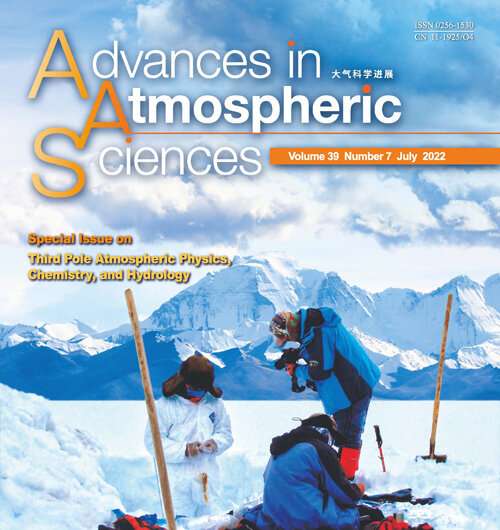
Recently, researchers from China, the U.S. and the Netherlands have curated their "Third Pole" climate studies into a special issue of Advances in Atmospheric Sciences. The journal is hosted by the Institute of Atmospheric Physics, Chinese Academy of Sciences.

"This special issue focuses on the analysis of observational and modeling data to better understand the roles that the Tibetan Plateau plays in Asia's climate and even the global climate," said Prof. Zhao Chun from the University of Science and Technology of China, and one of the guest editors of the special issue.

Regarding the Tibetan Plateau's future climatology as indicated in the preface of the special issue, so far, scientists have not reached a consensus on a robust method of obtaining reliable climate projections. A complete physical attribution of climate change over the Tibetan Plateau needs further analysis.

The studies published in the special issue also suggest that the regional feedbacks from topography, snow cover, and the chemical-radiative-dynamical coupling processes are critical processes in climate systems. Future research should aim to better resolve these parameters to improve simulations of regional climate and air quality over the Tibetan plateau. 


More information: Yun Qian et al, Understanding Third Pole Atmospheric Dynamics and Land Surface Processes and Their Associations with the Cryosphere, Air Quality, and Climate Change, Advances in Atmospheric Sciences (2022). DOI: 10.1007/s00376-022-2004-7


New study debunks theory that England's decommissioned wells are leaking methane

New study debunks theory that decommissioned wells are leaking methane
PhD student Paula Gonzalez testing soil for traces of gas leakage near a decommissioned
 well in England. Credit: Heriot-Watt University

There is no evidence to suggest that England's decommissioned oil and gas wells are leaking methane into the environment, according to a new study by Heriot-Watt University.

Dr. Aaron Cahill from Heriot-Watt's Lyell Center, a  between Heriot-Watt and the British Geological Survey, says his findings, published in the International Journal of Greenhouse Gas Control, should be "reassuring" to the public and regulators.

There are more than 2,000 onshore oil and gas wells in England, about 1,700 of which have been decommissioned.

When decommissioned, the wells are plugged with cement, then cut and capped two meters below the ground and buried. The land is returned to use for grazing or farming. They are not typically checked afterwards for leakage.

A 2016 study by another university visited over 100 decommissioned wells in England. It suggested that 30 percent were leaking , a , into their surrounding environment.

Cahill says his research brings these results into question. None of the wells he examined in more detail was leaking methane.

He also found the soil the wells were buried in would typically stop gas from escaping and potentially make it almost undetectable at the surface in any case.

Cahill said: "We revisited four of the wells that a previous study suggested were leaking, including those suggested as releasing the most methane.

"We drilled 1–2m holes to get closer to the wellhead, and used soil gas samples and a flux chamber to detect any methane and how much might be flowing into the soils and air. The previous study took measurements only at the surface.

"Our evaluation was much more intrusive and we got much closer to the wellhead, but found no evidence of methane leakage from the decommissioned wells.

"We also characterized the soil these wells are buried in. It's mostly clay, which is prevalent across England.

"Gas and liquid don't flow freely through clay-rich soils. So even if there were leaks, the clay forms a pretty effective barrier to stop methane escaping into the surrounding environment.

Cahill said just because there aren't leaks now doesn't mean there won't be in the future.

"Decommissioned wells will be below our landscape for centuries to come. They might not be leaking now, but they could in future. In the U.S. and Canada, some wells have been found to be leaking.

"We need a standardized method of checking these wells for  and a plan for stewardship of this legacy infrastructure from our net positive past.

"Our more detailed approach would be a good starting point."

"Methane is a powerful greenhouse gas and there are more than six million oil and  worldwide. We need to understand what happens to them in the long term, including how many might leak, how much and why. At the minute we simply don't know and will need to figure this out if we are to reach net zero."

Inactive oil wells could be big source of methane emissions

More information: Paula Sofia Gonzalez Samano et al, Constraining well integrity and propensity for fugitive gas migration in surficial soils at onshore decommissioned oil and gas well sites in England, International Journal of Greenhouse Gas Control (2022). DOI: 10.1016/j.ijggc.2022.103712

Provided by Heriot-Watt University 

Australia's African youth are using social media to find racial dignity

Australia’s African youth are using social media to find racial dignity
Credit: Merakist on Unsplash

Social media offers Black African young people in Australia safe spaces to engage in positive expressions of their Afro-blackness, according to a new study led by Southern Cross University and published in the Australian Journal of Social Issues.

Dr. Kathomi Gatwiri of Southern Cross University and Ph.D. researcher Claire Moran of Monash University theorized how young Black Africans used social media to spotlight and challenge anti-Black violence or racism in ways that are safer than physical, offline settings in white contexts.

"Anti-Black racism is a unique form of racism particularly perpetrated towards Black people," said Dr. Gatwiri, a senior lecturer in Social Work and Community Welfare.

"Anti-Blackness can also be perpetrated by other people of color, including  who seek to assimilate in white culture, so as to minimize their experiences of racialization.

"As a theoretical perspective, Anti-blackness recognizes that while different racial groups in Australia have been subjected to various racial indignities, there is something particular and specific about the visibility of Black bodies that triggers the imagination of white Australia to mean they are too un-assimilable, too different, too foreign, too dangerous, too visible, too everything."

Dr. Gatwiri said young Black Africans often report that because of constant and relentless antiblackness, they experience a fractured sense of racial dignity.

"This results in them feeling unworthy of being included in mainstream Australia and powerless against the powerful media, which constantly fuels the deficit narrative against them. Racial dignity is a crucial aspect in how we experience ourselves as racial beings.

From this study, the researchers found that despite the constant chipping of their racial dignity, the resilience of the young people was unyielding.

"I have written elsewhere that racial dignity should be conceptualized both in an individual and relational sense, where  are afforded unconditional worth of as human beings. To be racially dignified is to be seen through a humanized lens, and to be afforded basic respect in private and public relationships, especially within a complex society that largely misreads, mistreats and misuses the Black body," she added.

The African Australians used  to find communities of support and healing, educate themselves, and counter the narratives of anti-blackness.

"Using different digital platform affordances, such as 'block,' 'delete,' 'mute' and 'private stories features' to effectively bypass  online, many were able to engage in the kind of self-representation they chose including posting pictures of themselves or discussing their lived experiences, within a 'safe digital space,'" Dr. Gatwiri said.

"While many still feared the 'digital white gaze' where they were terrified of being trolled for posting about racial experiences, through these digital features that afforded them some sense of online boundaries, Black African youth were able to 'filter out' abuse and successfully engage in positive expressions of Afro-blackness in ways that are safer to them than in physical, offline settings."Denial of structural racism linked to anti-Black prejudice

More information: Kathomi Gatwiri et al, Reclaiming racial dignity: An ethnographic study of how African youth in Australia use social media to visibilise anti‐Black racism, Australian Journal of Social Issues (2022). DOI: 10.1002/ajs4.224

Provided by Southern Cross University

Tortoise and her egg found in new Pompeii excavations

By NICOLE WINFIELD
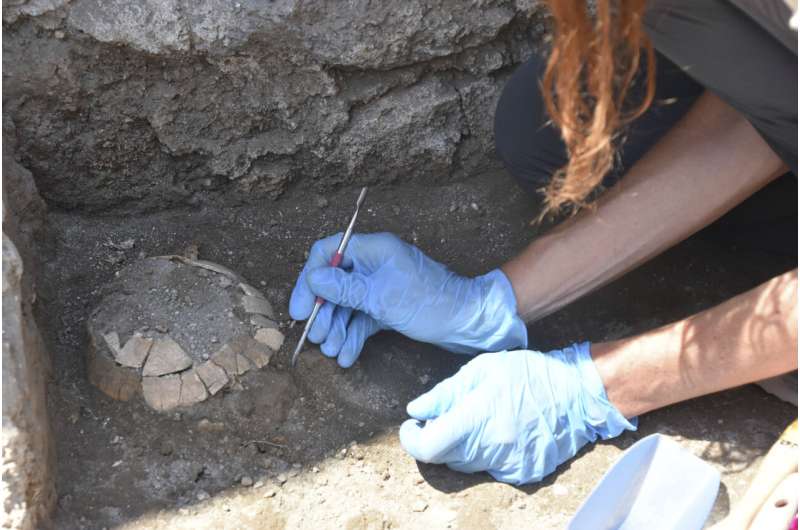
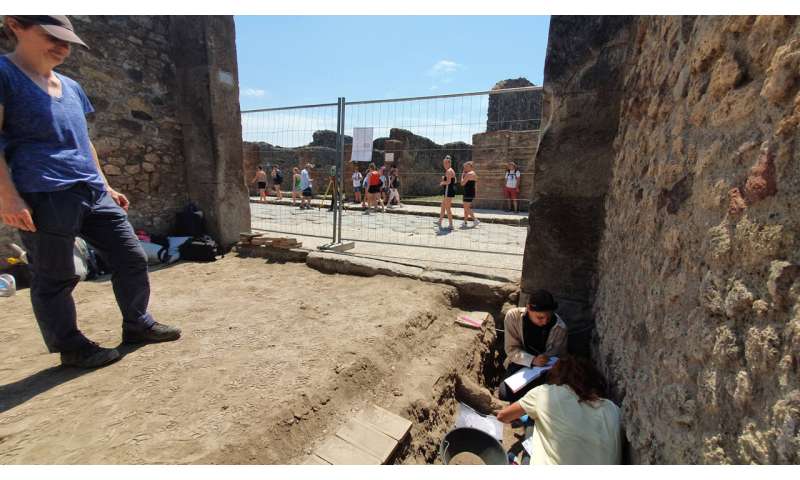
In this undated photo provided by Pompeii Archaeological Park on Friday, June 24, 2022, archaeologists work in the area of the Terme Stabiane inside the park near Naples, southern Italy, where the remains of a land tortoise dating back to some 2000 years ago were found.
 Credit: Pompeii Archaeological Park via AP

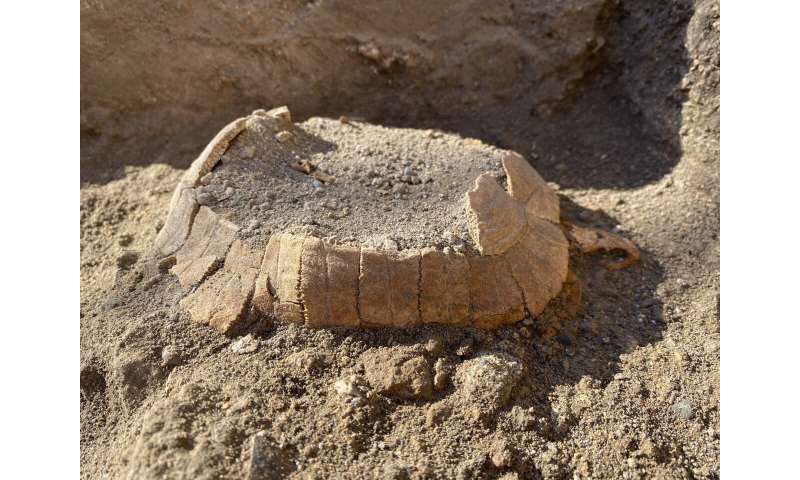
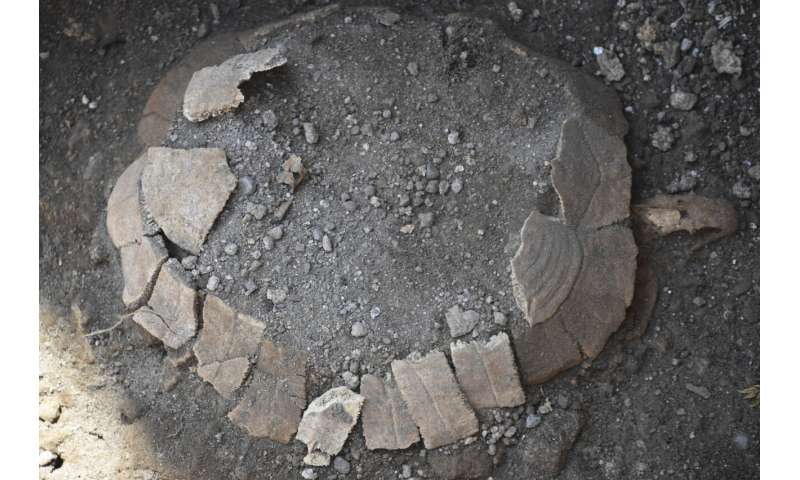
Archaeologists in Pompeii have discovered the remains of a pregnant tortoise that had sought refuge in the ruins of a home destroyed by an earthquake in 62 AD, only to be covered by volcanic ash and rock when Mount Vesuvius erupted 17 years later.


The 14-centimeter long (5.5-inch long) Hermann's tortoise and her egg were discovered during excavations of an area of the ancient city that, after the earthquake leveled Pompeii, was being rebuilt for the construction of public baths, officials said Friday.

Pompeii was then destroyed for good after the volcanic eruption in AD 79.

Archaeologists suspect the tortoise, a species that is common in southern Europe, had sought refuge in the rubble of a home that was too badly damaged from the quake to be rebuilt.

Pompeii's director general, Gabriel Zuchtriegel, said the fact that she still had her egg suggested she died before finding a safe, hospitable place to lay it.

"This lets us reflect on Pompeii in this phase after the earthquake but before the eruption, when many homes were being rebuilt, the whole city was a construction site, and evidently some spaces were so unused that wild animals could roam, enter and try to lay their eggs," he said.

It's not the first tortoise to be found in Pompeii, and Zuchtriegel said an important focus of current excavations and research concerns the organic and agricultural materials found outside Pompeii's urban center.

The remains of a land tortoise with an egg inside and dating back to some 2000 years ago are seen in the area of the Terme Stabiane inside the Pompeii Archaeological Park near Naples, southern Italy, where they were found, in this undated photo provided by the Pompeii Park on Friday, June 24, 2022. Credit: Pompeii Archaeological Park via AP
In this undated photo provided by Pompeii Archaeological Park on Friday, June 24, 2022, archaeologists work in the area of the Terme Stabiane inside the park near Naples, southern Italy, where the remains of a land tortoise dating back to some 2000 years ago were found. Credit: Pompeii Archaeological Park via AP

The discovery of the tortoise, he said, adds to "this mosaic of relations between culture and nature, community and environment that represents the history of ancient Pompeii."

The excavations in the Stabiane baths section of Pompeii are being carried out by the Free University of Berlin, the University of Napoli's L'Orientale and Oxford University, alongside the Pompeii archeological site.

Explore further Archaeologists find skeleton, evidence of Greek in Pompeii

© 2022 The Associated Press. All rights reserved. This material may not be published, broadcast, rewritten or redistributed without permission.

Environmental factors predict risk of death: study

air pollution
Credit: Pixabay/CC0 Public Domain

Along with high blood pressure, diabetes, and smoking, environmental factors such as air pollution are highly predictive of people's chances of dying, especially from heart attack and stroke, a new study shows.

Led by researchers at NYU Grossman School of Medicine and the Icahn School of Medicine at Mount Sinai, the study showed that exposure to above average levels of outdoor air pollution increased risk of death by 20%, and risk of death from  by 17%.

Using wood- or kerosene-burning stoves, not properly ventilated through a chimney, to cook food or heat the home also increasd overall risk of death (by 23% and 9%) and cardiovascular death risk (by 36% and 19%). Living far from specialty  and near busy roads also increased risk of death.

Publishing in the journal PLOS ONE online June 24, the findings come from personal and environmental health data collected from 50,045 mostly poor, rural villagers living in the northeast Golestan region of Iran. All study participants were over age 40 and agreed to have their health monitored during annual visits with researchers dating as far back as 2004.

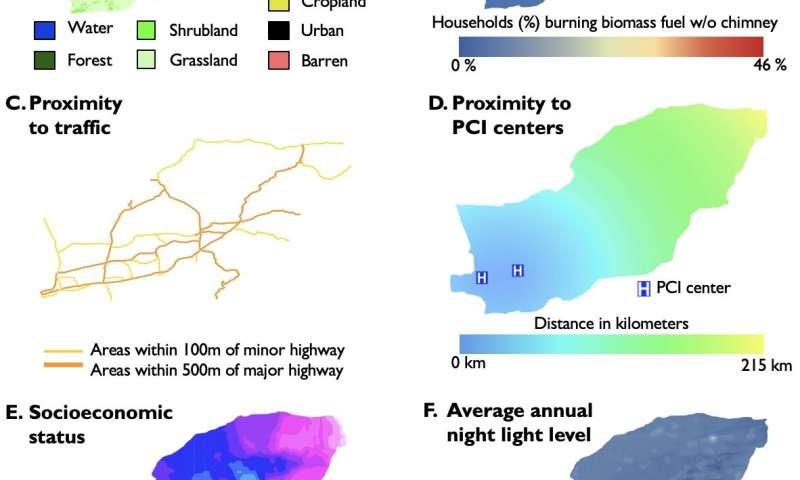
Specific environmental exposures may help predict increased risk of death from cardiovascular disease
Spatial models for six spatial environmental factors across Golestan Province, Iran.
 These models were used to assign environmental exposures to individuals based on their 
location of residence. Credit: Plos One / Mount Sinai Health System

Researchers say their latest investigation not only identifies environmental factors that pose the greatest risk to heart and overall health, but also adds much-needed scientific evidence from people in low- and . Traditional research on environmental risk factors, the researchers note, has favored  in high-income countries with much greater access to modern health care services.

Compared with those who have easier access to specialized , those living farther away from clinics with catheterization labs able to unblock clogged arteries, for example, were at increased risk of death by 1% for every 10 kilometers (6.2 miles) of distance. In Golestan, most people live more than 50 miles (80 kilometers) away from such modern facilities.

Study results also showed that the one-third of study participants who lived within 500 meters (1,640 feet) of a major roadway had a 13% increased risk of death.

"Our study highlights the role that key environmental factors of indoor/outdoor air pollution, access to modern health services, and proximity to noisy, polluted roadways play in all causes of death and deaths from cardiovascular disease in particular," says study senior author and cardiologist Rajesh Vedanthan, MD, MPH.

"Our findings help broaden the disease-risk profile beyond age and traditional personal risk factors," says Vedanthan, an associate professor in the Department of Population Health and the Department of Medicine at NYU Langone Health.

"These results illustrate a new opportunity for health policymakers to reduce the burden of disease in their communities by mitigating the impact of environmental risk factors like  on cardiovascular health," says study lead author Michael Hadley, MD, a fellow in cardiology and incoming assistant professor of medicine at Mount Sinai.

By contrast, the study showed that other environmental factors included in the analysis—low neighborhood income levels, increased population density, and too much nighttime light exposure—were not independent predictors of risk of death, despite previous research in mostly urban settings suggesting otherwise.

For the investigation, researchers analyzed data gathered through December 2018. They then created a predictive model on overall death risk and  risk from cardiovascular disease.

The research team plans to continue its analysis and hopes to apply the predictive model to other countries with the aim of fine-tuning its predictive capacity. They say their new tool could serve as a guide for evaluating the effectiveness of environmental, lifestyle, and personal health changes in reducing mortality rates worldwide.

According to the World Health Organization, one-quarter of all deaths worldwide are now attributable to , including poor air and water quality, lack of sanitation, and exposure to toxic chemicals. Household air pollution linked to higher risk of heart attacks, death

More information: Spatial environmental factors predict cardiovascular and all-cause mortality: Results of the SPACE Study, PLoS ONE (2022).

Journal information: PLoS ONE 

Provided by NYU Langone Health