Sunday, December 11, 2022

Phantoms return from beyond the Moon with valuable data on cosmic radiation doses

Business Announcement

THE HENRYK NIEWODNICZANSKI INSTITUTE OF NUCLEAR PHYSICS POLISH ACADEMY OF SCIENCES

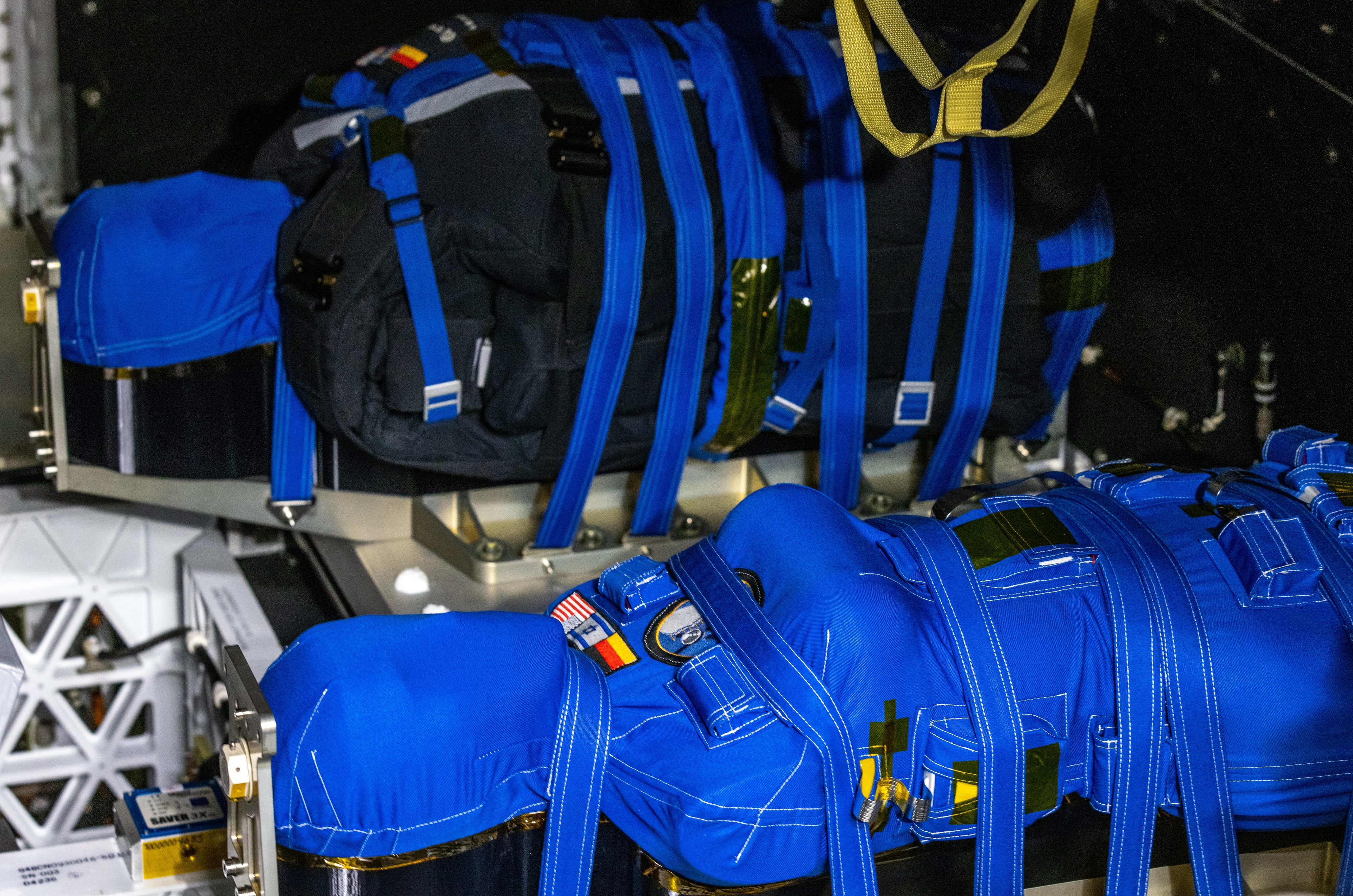
ZOHAR & HELGA phantoms inside the Orion spacecraft 

IMAGE: ZOHAR (IN PROTECTIVE VEST) AND HELGA PHANTOMS INSIDE THE ORION SPACECRAFT. view more 

CREDIT: SOURCE: NASA / FRANK MICHAUX

Together with the Orion spacecraft of the Artemis I mission, as part of the MARE experiment, two human phantoms equipped with numerous cosmic rays detectors are to land on Earth. The information gathered by the detectors will for the first time verify the knowledge, crucial for the presence of humans in deep space, of the effects of cosmic rays on the health of the astronauts who are to live and work in an environment devoid of the protective effects of our planet's magnetosphere.

Of the numerous dangers lurking for astronauts undertaking long-distance space travel, among the most serious and at the same time the most difficult to eliminate, is exposure to harmful doses of cosmic radiation. Data collected during the MARE experiment (MATROSHKA AstroRad Radiation Experiment) will help ensure the safety of future deep space pioneers. As part of it, two human phantoms equipped with numerous cosmic radiation detectors were placed aboard the Orion spacecraft of the Artemis I mission. At the invitation of the German Space Centre (DLR) in Cologne, the coordinator of the MARE project, the Institute of Nuclear Physics of the Polish Academy of Sciences (IFJ PAN) in Cracow is participating in the experiment.

“MARE is a continuation of a series of experiments carried out on the International Space Station between 2004 and 2009 as part of the MATROSHKA project, in which we also participated. Back then, radiation dose data were necessarily collected in low Earth orbit. Now, thanks to the NASA Artemis I mission, human phantoms stuffed full of radiation detectors have for the first time gone beyond the protective range of not only the Earth's atmosphere, but also the magnetosphere,” says Prof. Pawel Bilski (IFJ PAN).

Cosmic radiation, to which astronauts journeying at great distances from Earth are to be exposed, is extremely complex in nature. Its galactic component comes from deep space and contains all sorts of naturally occurring particles and atomic nuclei, with a very wide range of energies, often far beyond the values encountered under Earthly conditions. Another source of high-energy particles, this time within our planetary system, are eruptions on the Sun, infrequent, but involving serious risk to the health and even the lives of astronauts. In addition, solar wind particles are continuously accumulating around the Earth within two doughnut-shaped areas of the magnetosphere called the Van Allen belts. Although these belts are located at altitudes of only a few thousand kilometres, they have to be traversed twice during any long-distance crewed expedition.

NASA's main goal during the Artemis I mission was to test the Orion crewed spacecraft in an uncrewed circumlunar flight. The lack of passengers was decided to be exploited to verify current knowledge about the effects of cosmic radiation on the human body. As a result, two female phantoms named HELGA and ZOHAR, each weighing 39 kg, were placed inside Orion. The ZOHAR phantom was dressed in AstroRad protective vest, manufactured by the Israeli company StemRad.

In order to gain information about the doses of cosmic radiation absorbed by various parts of the human body, sets of small, passive lithium fluoride radiation detectors were placed every three centimetres throughout the phantoms. In addition, active silicon detectors were installed at key organ sites. In total, more than ten thousand passive detectors and 34 active detectors were installed in both phantoms.

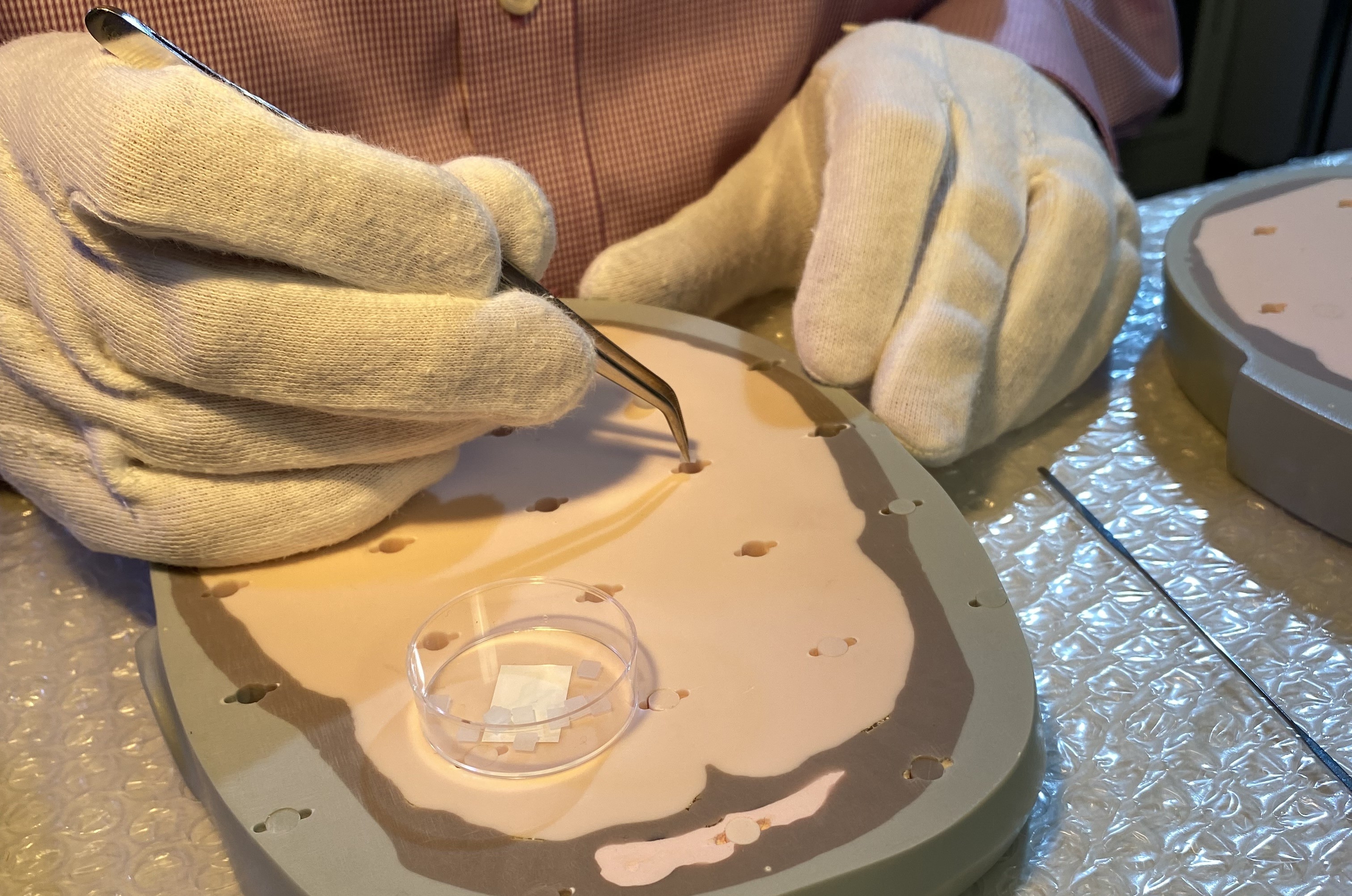
“Our Institute's contribution to the MARE experiment is primarily 276 passive thermoluminescent detectors in the ZOHAR phantom and further 288 detectors in 12 measurement packages on the surface of both phantoms. These detectors are in the form of thin white pellets a few millimetres in diameter,” says Prof. Bilski.

The main material used for the production of the detectors from IFJ PAN is lithium fluoride enriched with carefully selected admixtures. These cause additional metastable energy levels to appear in the material. When cosmic ray particles pass through material composed in such a manner, ionization of atoms occurs. Some of the electrons that are knocked out then end up in the metastable levels where they can stay for months, as if in a trap. What is of key significance is that the more cosmic ray particles pass through the detector, the more electrons are trapped.

The radiation dose recorded by the lithium fluoride detector can be read thanks to the phenomenon of thermoluminescence. In the laboratory, individual detectors are gradually heated to temperatures of several hundred degrees Celsius. The energy supplied causes electrons to start jumping out of successive metastable energy traps. Some of them quickly recombine, accompanied by the emission of photons. The result is a glow, known by physicists as thermoluminescence.

“Our lithium fluoride detectors work in such a way that the amount of light emitted when they are heated is proportional to the dose deposited by cosmic ray particles that have interacted with the material. The reading of the data is therefore reliable and relatively simple, albeit non-trivial. This is because different traps in the material have different properties and empty at different temperatures,” explains Prof. Bilski.

Measurements within the MARE experiment are primarily intended to verify existing knowledge about the effects of cosmic radiation on the human body. The priority is to reduce the risk to astronauts to a minimum, but the research also has a purely practical dimension. This is because the point is to ensure that overly restrictive safety standards do not limit human activity in deep space.

If the return of the Orion spacecraft of the Artemis I mission is successful, the detectors from the ZOHAR and HELGA phantoms will soon return to IFJ PAN for data reading. Preliminary results on the cosmic radiation doses they recorded will be presented by the international MARE experiment team in the first months of next year.

The Henryk Niewodniczański Institute of Nuclear Physics (IFJ PAN) is currently one of the largest research institutes of the Polish Academy of Sciences. A wide range of research carried out at IFJ PAN covers basic and applied studies, from particle physics and astrophysics, through hadron physics, high-, medium-, and low-energy nuclear physics, condensed matter physics (including materials engineering), to various applications of nuclear physics in interdisciplinary research, covering medical physics, dosimetry, radiation and environmental biology, environmental protection, and other related disciplines. The average yearly publication output of IFJ PAN includes over 600 scientific papers in high-impact international journals. Each year the Institute hosts about 20 international and national scientific conferences. One of the most important facilities of the Institute is the Cyclotron Centre Bronowice (CCB), which is an infrastructure unique in Central Europe, serving as a clinical and research centre in the field of medical and nuclear physics. In addition, IFJ PAN runs four accredited research and measurement laboratories. IFJ PAN is a member of the Marian Smoluchowski Kraków Research Consortium: "Matter-Energy-Future", which in the years 2012-2017 enjoyed the status of the Leading National Research Centre (KNOW) in physics. In 2017, the European Commission granted the Institute the HR Excellence in Research award. As a result of the categorization of the Ministry of Education and Science, the Institute has been classified into the A+ category (the highest scientific category in Poland) in the field of physical sciences.

LINKS:


http://www.ifj.edu.pl/

The website of the Institute of Nuclear Physics, Polish Academy of Sciences.


http://press.ifj.edu.pl/

Press releases of the Institute of Nuclear Physics, Polish Academy of Sciences.


IMAGES:


IFJ221208b_fot01s.jpg

HR: http://press.ifj.edu.pl/news/2022/12/08/IFJ221208b_fot01.jpg

ZOHAR (in protective vest) and HELGA phantoms inside the Orion spacecraft. (Source: NASA / Frank Michaux)


IFJ221208b_fot02s.jpg

HR: http://press.ifj.edu.pl/news/2022/12/08/IFJ221208b_fot02.jpg

Installation of passive thermoluminescent detectors in the phantom. (Source: DLR)


IFJ221208b_fot03s.jpg

HR: http://press.ifj.edu.pl/news/2022/12/08/IFJ221208b_fot03.jpg

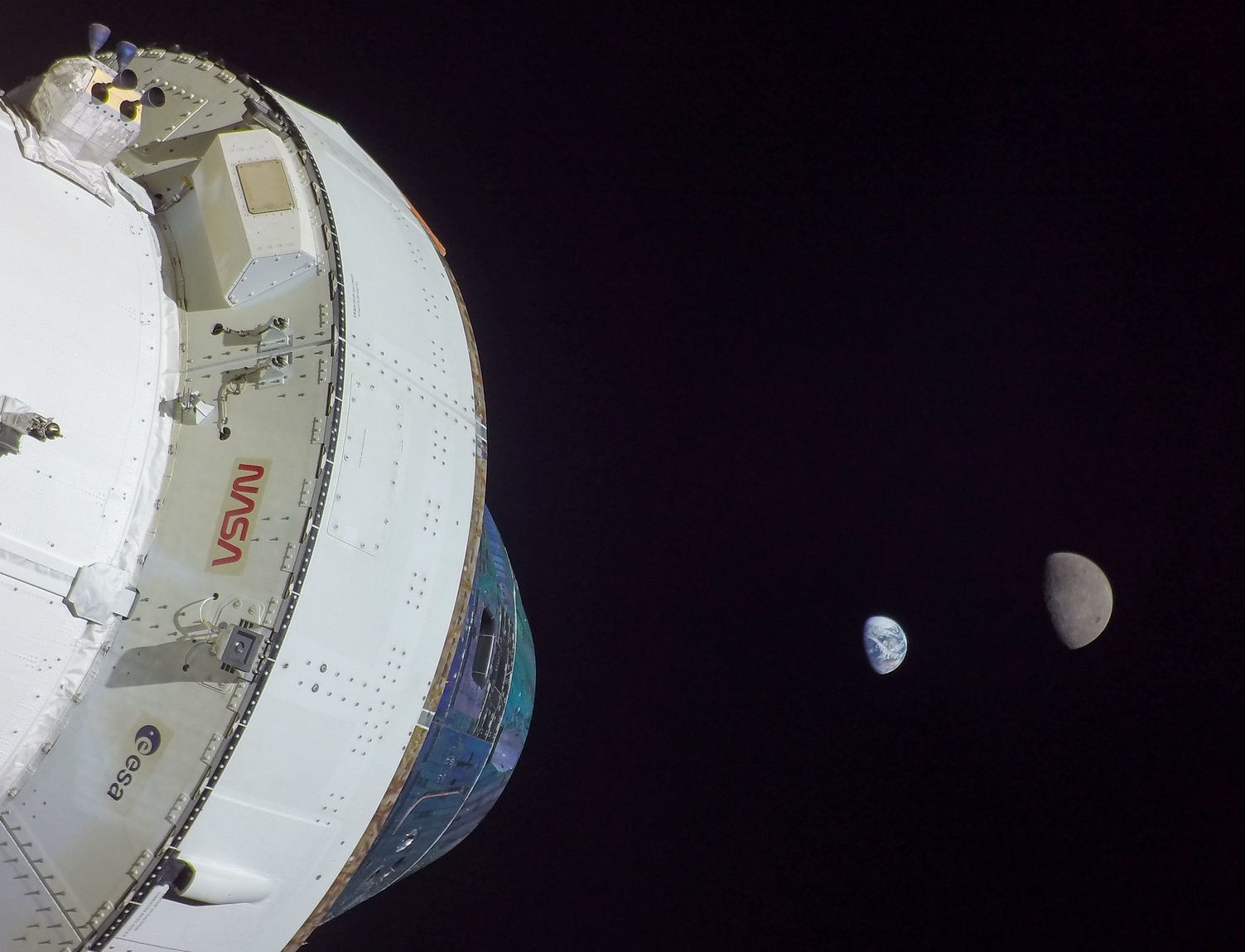
The Artemis I mission was used to collect data on the interaction of cosmic rays with the human body outside the protective shield of the Earth's magnetosphere. (Source: NASA)

Economical eco-friendly fabrication of high efficiency chalcopyrite solar cells

Researchers in Korea achieve high power conversion efficiency using aqueous spray deposition in air environment

Peer-Reviewed Publication

INCHEON NATIONAL UNIVERSITY

Economical Eco-friendly Fabrication of High Efficiency Chalcopyrite Solar Cells 

IMAGE: INCHEON NATIONAL UNIVERSITY RESEARCHERS REPORT AN ECO-FRIENDLY, COST-EFFECTIVE, SCALABLE FABRICATION TECHNIQUE FOR HIGH-EFFICIENCY COPPER INDIUM GALLIUM SULFUR DISELENIDE SOLAR CELLS, WHICH USES AQUEOUS SPRAY DEPOSITION IN AIR ENVIRONMENT AND AVOIDS EXPENSIVE VACUUM CONDITIONS view more 

CREDIT: JUNHO KIM, INCHEON NATIONAL UNIVERSITY

Clean, sustainable energy solutions are essential to meet the ever-increasing energy demands of the human population. High efficiency solar cells are promising candidates to reduce carbon emissions and achieve carbon neutrality. In this regard, solution-processed copper indium gallium sulfur diselenide solar cells (CIGSSe) solar cells have generated significant interest owing to their excellent photovoltaic properties, such as high absorption of visible light, stability, and tunable bandgap. However, large scale, practical applications are limited by a two-fold challenge. Firstly, solution-based CIGSSe fabrication yields very low power conversion efficiency and often uses solvents that are not environment-friendly. Secondly, to achieve higher power conversion efficiency, fabrication methods rely on expensive vacuum environment that leads to substantial material loss. To this end, a team of researchers led by Professor JunHo Kim from Global Energy Research Center for Carbon Neutrality, Incheon National University, Korea have developed a low-cost and eco-friendly fabrication method of high efficiency CIGSSe solar cells.


In a study made available online on 4 September 2022 and subsequently published in volume 32 Issue 46 of Advanced Functional Materials on 10 November 2022, the researchers used aqueous spray deposition in an air environment and developed a CIGSSe solar cell with power conversion efficiency (PCE) larger than 17 %. “For spray solution, we used deionized water, which is eco-friendly and cheapest solvent till date,” explains Prof. Kim. Moreover, conventional solution-based fabrication processes rely on environmentally hazardous, cadmium-based buffers for the optimization of thin-film solar cells. In this novel technique, the researchers used indium sulfide-based buffer that is a cadmium free, eco-friendly alternative.


The researchers further investigated the alloying effects of zirconium on indium sulfide buffers. Remarkably, the team found that zirconium alloying increases the electron concentration in the buffer. Moreover, this method “passivates” or reduces defect states in the CIGSSe absorber, optimizing the charge transfer between various interfaces, leading to enhanced PCE. Further, the researchers achieved even more defect passivation and higher PCE, of more than 17%, by alloying the CIGSSe absorber with potassium. The fabricated cell has an optimum bandgap for high efficiency applications such as a bottom cell or a tandem cell.


This novel technique is cost-effective and easily scalable as it does not require a vacuum environment. As Prof. Kim observes, “We carried out spray deposition in an air environment without using any high vacuum facility, which significantly reduces fabrication cost and thus makes the fabrication technique more practical and competitive in the industry sector.


This development simultaneously improves the performance and fabrication of CIGSSe solar cells. This will revolutionize the application of these cells in integrated photovoltaic devices and vehicle integrated photovoltaic devices, and as energy sources for internet of things devices. 


***

Reference

DOI: https://doi.org/10.1002/adfm.202206561

Authors: Md Salahuddin Mina1, SeongYeon Kim2, Temujin Enkhbat 1, Enkhjargal Enkhbayar 1, and JunHo Kim1,3

Affiliations:

1Nano Photoelectronic Device Lab, Department of Physics, Incheon National University 119 Academy-ro, Yeonsu-gu, Incheon 22012, Republic of Korea

2Research Center for Thin Film Solar Cells, Daegu-Gyeongbuk Institute of Science and Technology (DGIST) Daegu 42988, Republic of Korea

3Global Energy Research Center for Carbon Neutrality, Incheon National University, 119 Academy-ro, Yeonsu-gu, Incheon 22012, Republic of Korea


About Incheon National University

Incheon National University (INU) is a comprehensive, student-focused university. It was founded in 1979 and given university status in 1988. One of the largest universities in South Korea, it houses nearly 14,000 students and 500 faculty members. In 2010, INU merged with Incheon City College to expand capacity and open more curricula. With its commitment to academic excellence and an unrelenting devotion to innovative research, INU offers its students real-world internship experiences. INU not only focuses on studying and learning but also strives to provide a supportive environment for students to follow their passion, grow, and, as their slogan says, be INspired.

Website: http://www.inu.ac.kr/mbshome/mbs/inuengl/index.html

About the author

Dr. JunHo Kim, the corresponding author of the study, is a Professor of Physics at Korea’s Incheon National University. His research group is developing high-efficiency thin-film solar cells with eco-friendly materials such as chalcopyrite, kesterite, and perovskite. He completed his PhD in Physics in 1998 at the Korea Advanced Institute of Science and Technology. Before coming to Incheon National University, he worked as a post-doctoral researcher at University of California, San Diego (1998-2000) and a research staff at the Electronics and Telecommunications Research Institute of South Korea (2000-2004).

Finding faults deeply stressful


First investigation of stress state below plate boundary fault of Tohoku earthquake


Peer-Reviewed Publication

KYOTO UNIVERSITY

Drilling for clues about Tohoku 2011 earthquake 

IMAGE: JAPAN TRENCH FAST DRILLING PROJECT (JFAST) DRILLING THROUGH THE PLATE BOUNDARY FAULT THAT RUPTURED; THE RESEARCH TEAM COLLECTED CORE SAMPLES TO ANALYZE POST-EARTHQUAKE STRESS. view more 

CREDIT: KYOTOU GLOBAL COMMS / JAKE G TOBIYAMA

Kyoto, Japan -- The great 2011 earthquake that caused the tsunami in northeastern Japan is still remembered for its destructive power. 

Also known as the Mw 9.0 Tohoku earthquake, the seismic nature of this calamity was not initially entirely clear. While earthquakes resulting from built-up tectonic stress in reverse faulting had only been partially released. In previous studies where complete releases have been posited, the hypothesis was based on seismicity observation and simulation, or on direct stress measurement data above the fault only by using log data.   

Now, a team of researchers at Kyoto University has found evidence that a complete stress release may have contributed to the record-breaking event.

"The minor differences between maximum and minimum post-earthquake horizontal stresses near the fault suggest that the Tohoku earthquake occurred upon a complete stress release," explains lead author Weiren Lin.

The team found that both sedimentary formations above and below the plate boundary fault lie in the stress state of normal faults in which vertical stress is greater than maximum horizontal stress.

"Knowledge about stress changes before and after this earthquake, both above and below a gently dipping fault, can provide us insights into how fault slipping caused the ensuing tsunami," the author reflects. 

Lin's team was able to collect data for the stress state above the source fault of the Tohoku earthquake, at the boundary between the North American plate and the subducting Pacific plate. However, geophysical data for the stress state below this zone was unreliable. 

To address this problem, the team studied one of four drill core samples collected by the Japan Trench Fast -- or JFAST -- Drilling Project from below the source fault and was the first to successfully reveal the stress state at that depth.

"Our new data show good consistency with previous results above the fault, suggesting that combining geophysical data and core samples to comprehensively investigate stress states is effective." 

###

The paper "Three-dimensional stress state above and below the plate boundary fault after the 2011 Mw 9.0 Tohoku earthquake" appeared on 9 November 2022 in Earth and Planetary Science Letters, with doi: 10.1016/j.epsl.2022.117888 

About Kyoto University

Kyoto University is one of Japan and Asia's premier research institutions, founded in 1897 and responsible for producing numerous Nobel laureates and winners of other prestigious international prizes. A broad curriculum across the arts and sciences at both undergraduate and graduate levels is complemented by numerous research centers, facilities, and offices around Japan and the world. For more information, please see: http://www.kyoto-u.ac.jp/en

Predicting future landscape of a river

A eco-morphodynamic modelling was performed to predict the future landscape evolution of an actual sandy, monsoon-driven river

Reports and Proceedings

NATIONAL RESEARCH COUNCIL OF SCIENCE & TECHNOLOGY

Vegetation dynamics in 2016 

IMAGE: VEGETATION DYNAMICS IN 2016 view more 

CREDIT: KOREA INSTITUTE OF CIVIL ENGINEERING AND BUILDING TECHNOLOGY

Climate change is changing the environmental condition of rivers; hence, it is no longer possible to manage modern rivers with methods that have been practiced under the past environmental conditions.

A joint research team, Korea Institute of Civil Engineering and Building Technology(KICT) and Deltares of the Netherlands, conducted a research on prediction of the future changes in river landscapes using an eco-morphodynamic model applied to an actual river. According to the study result, the vegetation cover increases continuously until 2031, and the area covered by willow trees occupies up to 20% of the river area. Using this modeling, efficiency in river management can be achieved by planning management practices in advance.

Eco-morphodynamic model developed by Deltares is a model that combines a vegetation model with Delft3D software, which is widely used in the field of river hydraulics. The Delft3D computes flow velocity, water depth and elevation of a riverbed. Then the vegetation model simulate the germination, settlement, growth and mortality of vegetation based on the Delft3D computation. Simultaneously, vegetation properties are converted to flow resistance and fed back into Delft3D.

KICT and Deltares applied the eco-morphodynamic model to Naeseongcheon Stream in Korea which belongs to a temperate monsoon climate region with large seasonal hydrological fluctuations. Most of the Naeseongcheon Stream has characteristics as a natural river. As its riverbed is mainly composed of sand, the movement due to hydrological fluctuations and consequently, the vegetation dynamics are active.

KICT has been conducting long-term monitoring including LiDAR and hydrological surveys and vegetation map production since 2012, before significant vegetation establishment in Naeseongcheon Stream began. These monitoring data were used to build and verify the eco-morphodynamic modelling. The modelling area is approximately 5 km long curved reach, located in the middle-lower section of the Naeseongcheon Stream. The width is approximately 300 m, and the grid of the model was constructed considering the actual vegetation distribution which had occurred narrowly along the shoreline.

After conducting a modelling for the past data(2012-2019 period), the results were compared with the observed data. Compared with the ratio of coverage of tree species in the land cover map made with aerial photos, the area fraction of willow trees in the model result had similar coverage ratio (In 2014, actual : 2.02%, model : 2.21%). In 2016, the model adequately reproduced the actual situation by simulating the survival and growth of vegetation in the spring and the mortality of vegetation after the flood.

Considering climate change scenario, the joint research team has performed a long-term modelling from 2012 to 2031. The vegetation cover continued to increase until 2031, and the area of trees reached 20% in 2031.

This eco-morphodynamic model, jointly performed by KICT and Deltares, is a fully coupled model that links the hydrology-vegetation-morphololgy and able to reproduce the actual phenomenon better than other models. It has the advantage of increasing the model's reliability through application and verification in the actual river with abundant observed data. With this model, we can predict future changes in river landscape as well as ecosystem diversity and potential flood risks due to vegetation development.

Dr. Lee said “This eco-morphodynamic model is able to aid decision making for implementing appropriate river and vegetation management by simulating the landscape of future rivers according to climate change, though it needs continuous improvement to reflect the complexity of real rivers.”


###


The Korea Institute of Civil Engineering and Building Technology (KICT) is a government sponsored research institute established to contribute to the development of Korea’s construction industry and national economic growth by developing source and practical technology in the fields of construction and national land management.

Low nutritional quality in vegetarian meat substitutes

Peer-Reviewed Publication

CHALMERS UNIVERSITY OF TECHNOLOGY

Dr Cecilia Mayer Labba 

IMAGE: CAPTIONS: DR CECILIA MAYER LABBA, THE DEPARTMENT OF BIOLOGY AND BIOLOGICAL ENGINEERING, CHALMERS UNIVERSITY OF TECHNOLOGY. view more 

CREDIT: CREDIT: MARTINA BUTORAC/CHALMERS

The availability of foods based on plant proteins to substitute for meat has increased dramatically as more people choose a plant-based diet. At the same time, there are many challenges regarding the nutritional value of these products. A study from Chalmers University of Technology in Sweden now shows that many of the meat substitutes sold in Sweden claim a high content of iron – but in a form that cannot be absorbed by the body.

A diet largely made up of plant-based foods such as root vegetables, pulses, fruit and vegetables generally has a low climate impact and is also associated with health benefits such as a reduced risk of age-related diabetes and cardiovascular disease, as has been shown in several large studies. But there have been far fewer studies of how people’s health is affected by eating products based on what are known as textured* plant proteins.

In the new study from Chalmers, a research team in the Division of Food and Nutrition Science analysed 44 different meat substitutes sold in Sweden. The products are mainly manufactured from soy and pea protein, but also include the fermented soy product tempeh and mycoproteins, that is, proteins from fungi.

Among these products, we saw a wide variation in nutritional content and how sustainable they can be from a health perspective. In general, the estimated absorption of iron and zinc from the products was extremely low. This is because these meat substitutes contained high levels of phytates, antinutrients that inhibit the absorption of minerals in the body,’ says Cecilia Mayer Labba, the study’s lead author, who recently defended her thesis on the nutritional limitations of switching from animal protein to plant-based protein.

The body misses out on necessary minerals

Phytates are found naturally in beans and cereals – they accumulate when proteins are extracted for use in meat substitutes. In the gastrointestinal tract, where mineral absorption takes place, phytates form insoluble compounds with essential dietary minerals, especially non-heme iron (iron found in plant foods) and zinc, which means that they cannot be absorbed in the intestine.

‘Both iron and zinc also accumulate in protein extraction. This is why high levels are listed among the product’s ingredients, but the minerals are bound to phytates and cannot be absorbed and used by the body,’ says Cecilia Mayer Labba.

Iron deficiency among women is a widespread, global problem. In Europe, 10 to 32 per cent of women of childbearing age are affected** and almost one in three teenage girls at secondary school in Sweden***. Women are also the group in society most likely to have switched to a plant-based diet and to eat the least amount of red meat, which is the main source of iron that can be easily absorbed in the digestive tract.

‘It is clear that when it comes to minerals in meat substitutes, the amount that is available for absorption by the body is a very important consideration. You cannot just look at the list of ingredients. Some of the products we studied are fortified with iron but it is still inhibited by phytates. We believe that making nutrition claims on only those nutrients that can be absorbed by the body could create incentives for the industry to improve those products,’ says Ann-Sofie Sandberg, Professor of Food and Nutrition Science at Chalmers and co-author of the study.

The food industry needs new methods

Tempeh, made from fermented soybeans, differed from the other meat substitutes in the amount of iron available for absorption by the body. This was expected, as the fermentation of tempeh uses microorganisms that break down phytates. Mycoproteins stood out for their high zinc content, without containing any known absorption inhibitors. However, according to the researchers, it is still unclear how well our intestines can break down the cell walls of mycoprotein and how this in turn affects the absorption of nutrients.

‘Plant-based food is important for the transition to sustainable food production, and there is huge development potential for plant-based meat substitutes. The industry needs to think about the nutritional value of these products and to utilise and optimise known process techniques such as fermentation, but also develop new methods to increase the absorption of various important nutrients,’ says Cecilia Mayer Labba.


Production of plant proteins

  • Most existing plant-based protein products on the market are based on protein extracted from a cultivated plant, such as soybeans, and separated from the plant’s other components.
  • The protein is then subjected to high pressure and temperature, which restructures the proteins, known as *texturization, so that a product can be achieved that is meatier and chewier in combination with other ingredients.
  • Chalmers’ study shows that the nutritional value of meat substitutes available today is often deficient depending on the choice of raw material (often imported soy) and processing conditions (content of anti-nutrients), and on additives (fat quality and salt).
  • A meal containing 150 grams of meat substitutes contributes up to 60 per cent of the maximum recommended daily intake of salt, which according to the Nordic Nutrition Recommendations is 6 grams. 


* The protein is restructured by high pressure and temperature.

** Milman, Taylor, Merkel and Brannon: Iron status in pregnant women and women of reproductive age in Europe. Am J Clin Nutr 2017; 106 (Suppl): 1655S-62S.

*** Riksmaten Adolescents Survey 2016-2017, Swedish National Food Agency (Livsmedelsverket) report series no. 23, 2018. Swedish National Food Agency (Livsmedelsverket) 2018.


Read the full article in Nutrients:

Nutritional Composition and Estimated Iron and Zinc Bioavailability of Meat Substitutes Available on the Swedish Market


The authors of the study are Cecilia Mayer Labba, Hannah Steinhausen, Linnéa Almius, Knud Erik Bach Knudsen and Ann-Sofie Sandberg. The researchers are active at Chalmers University of Technology and Aarhus University.

The study was funded by the Bertebos Foundation, the Swedish Research Council Formas and the region of Västra Götaland.


For more information, contact:

Dr Cecilia Mayer Labba, The Department of Biology and Biological Engineering, Chalmers University of Technology, cecilia.mayer.labba@chalmers.se  +46 (0)31 772 38 11

Professor Ann-Sofie Sandberg, The Department of Biology and Biological Engineering, Chalmers University of Technology, ann-sofie.sandberg@chalmers.se +46 (0)31 772 38 26 


Professor Ann-Sofie Sandberg, The Department of Biology and Biological Engineering, Chalmers University of Technology.

CREDIT

Credit: Chalmers

Captions: Dr Cecilia Mayer Labba, The Department of Biology and Biological Engineering, Chalmers University of Technology. Credit: Martina Butorac/Chalmers

Professor Ann-Sofie Sandberg, The Department of Biology and Biological Engineering, Chalmers University of Technology. Credit: Chalmers

Photo of vegetarian meat. Credit: Unsplash


Quantum clocks in the real world - AQuRA-consortium brings together European universities, industry partners and EU metrology institutes

Grant and Award Announcement

UNIVERSITEIT VAN AMSTERDAM

Modern atomic quantum clocks are the most precise and accurate scientific instruments ever created. Currently, these so-called optical atomic clocks are mostly found in physics laboratories, often filling an entire laboratory. The AQuRA-consortium brings together European universities, industry partners and EU metrology institutes in an effort to make quantum clocks more robust and compact. This will allow real-world applications like significantly improved and faster telecommunication networks, or underground exploration using fluctuations in gravity. The consortium led by the University of Amsterdam received a €7.5 million European Commission Horizon grant to achieve their goals over the next three and a half years.

Ready for technology

All of these applications would benefit from even more precise timekeeping. Devices for this do exist: modern optical atomic clocks are the successors of the ‘regular’ atomic clocks that have been used for all sorts of applications for decades. Unfortunately, these optical atomic clocks – the name comes from the fact that the atoms in the atomic clock emit light in the optical spectrum – use advanced quantum technology and currently mainly exist as huge and complex installations in physics laboratories.

Florian Schreck, who leads the new consortium, explains: “The European Union measures the state of development of technological applications in terms of the so-called technological readiness level, or TRL. For example, TRL-1 means that basic principles that might lead to an application have been observed, while the highest level, TRL-9, means that products are built and work in a real-world environment. With AQuRA, we aim to bring optical atomic clocks to the TRL-7 level: the level where the first prototype clocks work in a real-world environment.’

This would be a major improvement over the current state of the art. The iqClock consortium, AQuRA’s predecessor, managed to bring optical atomic clocks to level TRL-5, where the technology mostly still works in a controlled laboratory environment. Schreck: “In practice, our goal is to build a clock that would only go wrong by about five seconds over the entire age of the universe – but in such a way that you can take this clock for a bumpy ride aboard a truck, after which it still works perfectly.”

From the lab to the real world

Such an endeavour requires a collaboration between physicists, industry partners and experts in metrology – the science of measurement. Schreck, from the University of Amsterdam, and his collaborators found eight more partners from six different European countries who now together form AQuRA, short for Advanced Quantum Clock for Real-World Application. Together, the partners will build new clocks, test them in the field, strengthen supply chains for the different components – briefly: make the technologies that now exist in the lab ready for production and applications.

Schreck: “Atoms are the best time-keeping devices that we have. Every atom of a certain type is exactly the same, and as a result, time measurements using light emitted by atoms can be made extremely precise. The funny thing is that to control the smallest things we know of – atoms – we need the biggest machines that one can still build in a university physics lab. Hopefully four years from now, this contrast will be smaller. You won’t be able to buy an optical atomic pocket watch yet, but you may encounter extremely precise quantum clocks the size of a small cupboard out there in the real world.”

The AQuRA-consortium consists of the University of Amsterdam (the Netherlands), Menlo Systems GmbH (Germany), NKT Photonics A/S (Denmark), iXblue (France), Centre National de la Recherche Scientifique (France), Uniwersytet Mikolaja Kopernika w Toruniu (Poland), QuiX Quantum BV (the Netherlands), Vexlum Oy (Finland) and Physikalisch-Technische Bundesanstalt (Germany). The consortium is funded by a HORIZON Innovation Action grant from the European Commision.

More information is available on the AQuRA website: www.aquraclock.eu.

Animal herbivores hamper nitrogen fixation in tropical forests

Peer-Reviewed Publication

UNIVERSITY OF LEEDS

Reforestation projects could be made more effective with the findings of new research into the constraints on nitrogen fixation among plants.  

Some trees, such as those from the Fabaceae or legume family, form a symbiotic relationship with bacteria, enabling them to them take in nitrogen from the air. For most plants, nitrogen comes from the soil but some soils, particularly those in newly reforested or disturbed tropical forests, can be low on nitrogen - and this limits tree growth.   

Nitrogen is a key nutrient needed for photosynthesis.  

Using a process known as nitrogen fixation, some plants have adapted to take-up nitrogen from the air using the services of friendly bacteria. This enables trees to grow in habitats where nitrogen levels are low. And there are other benefits.   

Higher levels of nitrogen can result in higher levels of photosynthesis and removal of carbon dioxide, a potent greenhouse gas, from the atmosphere, helping to offset some of the carbon emissions from human activity.   

Nitrogen fixation also raises the nitrogen levels in the soil, encouraging non-fixing species to survive. But this apparent win-win situation has drawbacks.  

An international team of scientists, led by Will Barker, a doctoral researcher from the School of Geography at the University of Leeds in the UK, found that trees with the ability to fix nitrogen attracted insects and other animals that would eat their leaves, a process known as herbivory.   

In a scientific paper published in the journal Nature, the researchers report that in a tropical forest in Panama, the nitrogen-fixing trees experienced 26% more herbivory than non-fixing trees.  

They found that by being consumed, the nitrogen-fixing trees experienced lower growth and lower rates of survival when compared to non-fixing trees. This would have an impact on the amount of new nitrogen getting into the forest soils and would constrain the role that trees were able to play in taking carbon dioxide out of the environment.  

Mr Barker said: “These findings give us new insights into the function of different types of trees in tropical forests and could help inform efforts to reforest tropical regions that have been degraded for logging and agriculture.   

“For example, people reforesting sites may consider including a diverse mix of nitrogen-fixing and non-fixing trees so that they have enough to ensure nitrogen fixers can bring in new nitrogen, even when there will be constraints by herbivory.   

“They also would not want to plant all nitrogen-fixing trees, however, because then those regenerating forests may disproportionately attract animal pests that could wipe out the nitrogen-fixing trees.” 

Dr Sarah Batterman, Associate Professor in the School of Geography at Leeds, who supervised the research, said: “These findings are significant because for decades people have been interested in how abiotic factors like the availability of soil nitrogen or phosphorus or temperature constrain symbiotic nitrogen fixation.   

“We’ve found that interactions with animals through herbivory on leaf tissue may be critical for determining how fertile tropical forest soils are in terms of nitrogen.   

“We expect the patterns that we found in Panama will hold across a wide variety of ecosystems. We look forward to exploring that further in the future.”  

The paper – Widespread herbivory cost in tropical nitrogen-fixing tree species – is published in Nature (https://www.nature.com/articles/s41586-022-05502-6)   

Other institutions taking part in the research were: Yale School of the Environment; Smithsonian Tropical Research Institute, Panama; Department of Integrative Biology, University of Texas; Cary Institute of Ecosystem Studies, New York.  

Funders included the Natural Environment Research Council and the Leverhulme Trust, both in the UK.

END