Wednesday, October 11, 2023

Tacora, owners of Wabush mine, seek creditor protection

CBC
Tue, October 10, 2023 

The owners of the Scully Mine in Wabush, Tacora Resources, have obtained creditor protection from the Ontario Superior Court. (Darryl Dinn/CBC)

The owners of the Scully Mine in Wabush, Tacora Resources, have obtained creditor protection from the Ontario Superior Court.

The protection was announced on Tuesday evening in a news release.

"Our financial condition has been negatively impacted by several factors and we now find ourselves facing financial obligations which we simply cannot meet," a statement to employees of the mine obtained by CBC News reads.

There are 280 unionized workers at the mine, according to United Steelworkers Union Local 6285 President Joshua Joy. Operations at the mine will continue as normal, according to the release, with no layoffs or impacts to payment, benefits or pensions.


Joy said the move comes after an investor fell through.

The $75 million agreement should cover costs for the next 20 weeks — or until nearly the end of February — a projection filed as part of the court submitted proposal reads.

Tacora, based in Minnesota, have operated the mine since 2019. The mine produces iron ore, and received federal funding in January to help the mine process manganese.

The mine had closed in 2014 before Tacora took over operations, which saw the loss of hundreds of jobs along with lost benefits for workers.
Worker crushed at Saint John metal scrapyard delivering one of his final loads, inquest hears

CBC
Tue, October 10, 2023

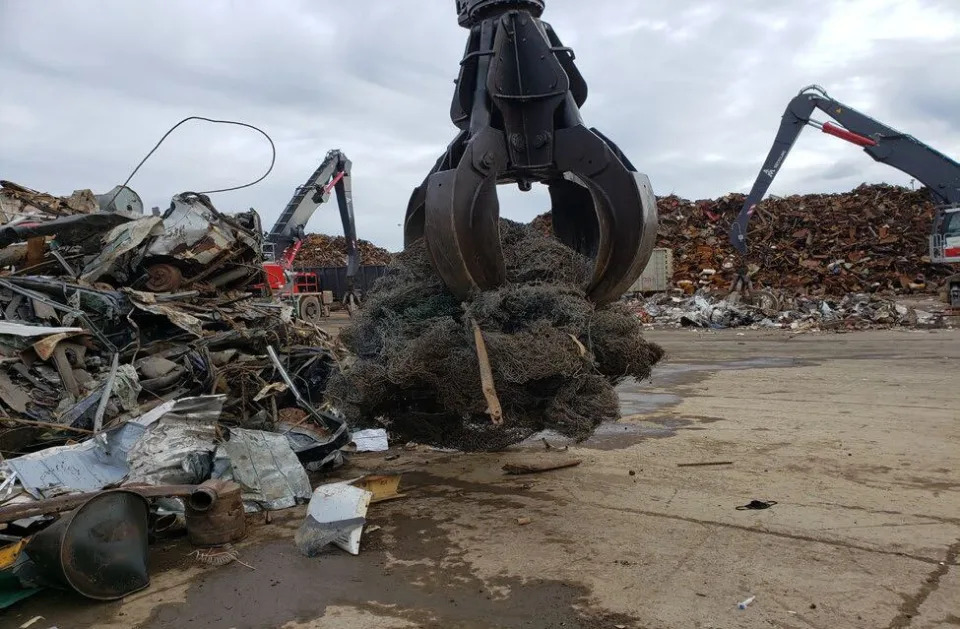
The ball of fencing AIM crane operators use to sweep out trailers weighs hundreds of pounds, estimated WorkSafeNB manager of investigations Michel Cyr. (WorkSafeNB/Submitted - image credit)

A truck driver who was killed at a metal recycling plant in Saint John nearly two years ago was delivering one of his final loads when he was crushed, a coroner's inquest heard Tuesday.

Bruce Legace, an employee of Deschenes Drilling, died at American Iron and Metal (AIM) on the city's west side on Nov. 24, 2021.

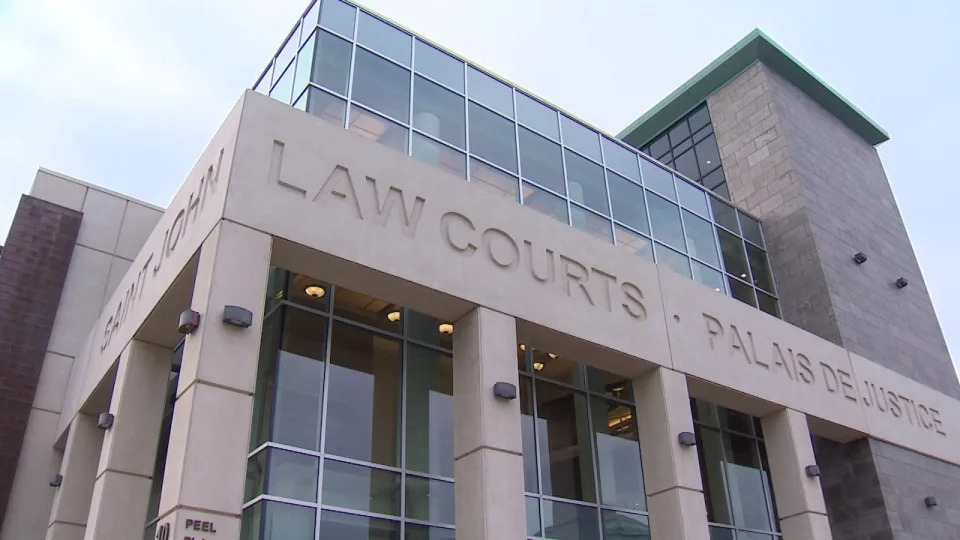
The inquest into his death got underway at Saint John Law Courts Tuesday morning with jury selection.

The three women and two men, along with presiding coroner Michael Johnston, will hear evidence from witnesses, to determine the facts surrounding his death.

The court heard from nine witnesses, including Justin Richards, the AIM crane operator who unloaded Legace's trailer around 9 a.m. on the day in question.

Richards, who had been working for AIM for about eight months at that point, said he used the grapple to scoop the scrap metal out and dump it onto the ground to be screened by an inspector for hazardous materials, such as propane tanks.

Once the trailer was almost empty, he scooped up a large ball of chain-link fencing used to sweep out any leftover pieces or debris. The ball of metal fencing is estimated to weigh several hundred pounds, the court heard.

Richards, who was initially hired as a loader operator, said he swept the trailer "10 or more times," then asked an inspector to confirm the trailer was empty. The trailers are more than 10-feet deep, so operators have a very limited view of the inside from their cab, he explained.

The inspector Greg Godin "told me I had to work on the inside wall," said Richards, who completed a heavy equipment operator's course and previously worked in construction for about 10 years.

"I proceeded to raise my cab and turned towards the trailer. And that's when I seen the person," he said, fighting back tears, referring to Legace lying on the ground, behind the trailer.

'No clear procedure' for location of drivers

A WorkSafeNB investigation found there was "no clear procedure" on where drivers should be during offloading, said Michael Cyr, manager of investigations. Some stayed with the inspector, but there wasn't always an inspector, he said. Some stayed in their cab, but their trucks move around quite a bit while being offloaded, and they feared injury. Others stood outside. "There wasn't a consistent practice."

The investigation determined Legace had entered the trailer to shovel it out while it was still being unloaded, said Cyr. Drivers were supposed to sweep their trucks at another location, away from the heavy equipment, he said.

Just five days earlier, Legace had signed new site safety rules put in place by AIM, which included wearing a high-visibility vest, hard hat and boots, and never walking or standing under equipment, such as an articulating boom, loader or forklift.


Operations at American Iron and Metal in west Saint John, the site of two workplace fatalities seven months apart, are now suspended pending an investigation into a massive fire at the plant on Sept. 14. (Julia Wright/CBC )

The paperwork was found in his truck; he hadn't returned it yet, but he had been to AIM more than 100 times since 2017, Cyr said.

Legace was getting ready to retire, according to AIM scale clerk Ali McGrath. "I think that was one of his few last loads," she said.

"He just kind of seemed like he was just excited, ready to go. Not rushing, but just ready to leave."

AIM inspector Mike Lacelle, who had checked Legace into the plant that day before leaving him with Godin for a few minutes, said Lagace told him he was "getting ready to park the truck for the winter. This was his last trip."

Video shows Legace enter trailer during offloading

A security video played in court showed Legace enter a door to his trailer around 9:05 a.m. About seven minutes lapsed before he was discovered under the pile of debris, "crushed," said the WorkSafe NB official.

Only one leg was visible, Cyr said.

Inspector Lacelle said he returned to the scene to find Richards "in distress." He was running, saying, "I buried him. I buried him. I think I killed him," he said.

Lacelle, who had only worked at AIM for about eight weeks at that point, immediately tried to dig Legace out and others soon arrived to deliver first aid.


The inquest is scheduled to continue until Thursday. (Roger Cosman/CBC)

Primary care paramedic Chris Oakley said he and his partner arrived within six minutes of being called. Firefighters were already on scene and performing CPR, he said.

Legace suffered head trauma, including a severe laceration to his scalp, multiple crush injuries to his chest, a left arm fracture, bruising from his abdomen almost to his knees, and cardiac arrest caused by trauma, said Oakley.

He was transported to the ambulance, where they continued to perform CPR and he regained a pulse.

"We were pretty excited about that," said Oakley.

But his heart stopped again within moments. Legace was pronounced dead at the Saint John Regional Hospital at 10:07 a.m.

Enhanced safety now

AIM production supervisor Wesley Pratt said site safety has "buckled down quite a bit" since 2021.

All contractors are required to go through an orientation before they can proceed to the scales or unload, he said.

Drivers must also remain in their truck during unloading.

The coroner asked what the consequences are if a driver doesn't. Pratt said he's not sure. "I don't think we've had any get out of their truck."

WorkSafeNB recommended charges

WorkSafeNB had recommended the Crown lay charges against AIM. The workplace safety organization alleged the company failed to ensure the health and safety of truck drivers and failed to have a safe procedure for drivers to enter trailers after they were unloaded.

But the Crown's office did not accept the charges because it found there was no reasonable chance of conviction.

A trial in the death of another AIM worker is slated for March 2024. AIM has pleaded not guilty to four workplace safety charges in connection with the death of Darrell Richards, 60, in June 2022.

Richards was injured while cutting into a calender roll with a saw in order to prepare it for recycling. A calender roll is a large cylinder, typically made of steel and sometimes covered in fibre, used to press paper and plastic.

When Richards cut into it, it decompressed, lacerating his leg and causing bleeding, his daughter-in-law said at an AIM-organized news conference.

Operations at AIM remain suspended pending an investigation into the massive Sept. 14 fire that prompted a shelter in place order due to the hazardous smoke.

A coroner's inquest is not a criminal procedure and does not involve a finding of guilt or responsibility, but the jury will have the opportunity to make recommendations to prevent deaths under similar circumstances in the future.

Johnston told the jury the purpose of the inquest is to determine who the deceased was; and how, when, where and by what means he came to his death. They should disregard anything they may have heard or read prior to the inquest, he said, and any findings or recommendations should be based solely on the evidence presented in court.

The inquest resumes Wednesday at 9 a.m. Three days have been set aside.


Sask. Party ignored parents calling for repair to hole in school roof, NDP says

CBC
Tue, October 10, 2023 

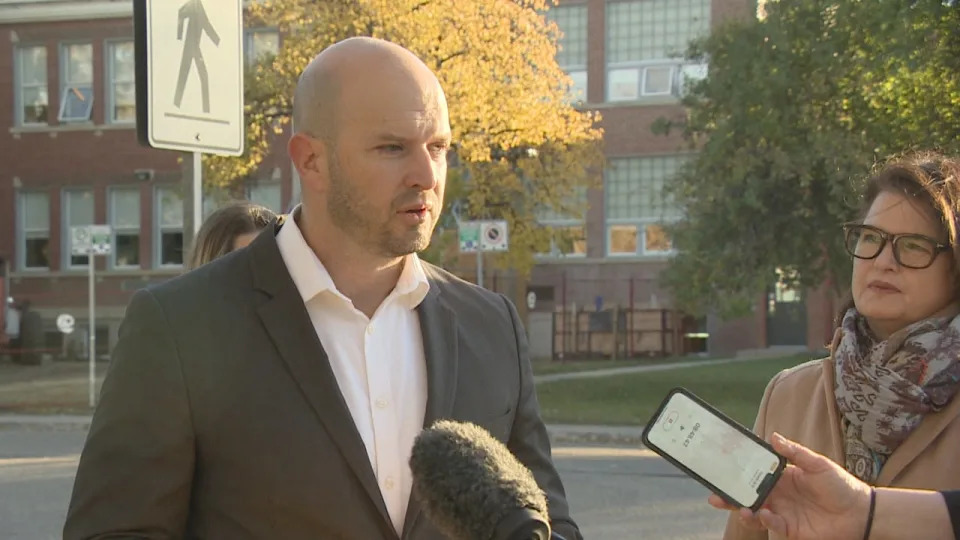
Official opposition critic for education Matt Love stands next to leader Carla Beck at a news conference for the roof hole at Monique-Rousseau elementary school on Tuesday. (Albert Couillard/CBC - image credit)

For months, a gaping hole in the roof of Pavillon Monique-Rousseau — an elementary school in Saskatoon — has caused problems.

The hole has existed since the 2022-2023 school year, official opposition leader Carla Beck said at a news conference Tuesday morning.

On June 6, two Saskatchewan Party MLAs were given a tour from parents and teachers to show them the hole.

Then in September, about 200 parents signed and sent a petition to the province. According to the NDP, the letter asked for assistance in fixing the hole in the roof. No repairs were done at the time of this request.

Classes were cancelled last week because of flooding, which left two classrooms and the library unusable.


Saskatchewan Party MLA Gordon Wyant is pictured standing below a hole in the ceiling of Monique-Rousseau elementary school. (Submitted by NDP)

Repairs are now underway at the school, but Matt Love, the official opposition critic for education who joined Beck outside Monique-Rousseau, said the Saskatchewan Party shouldn't get to "pick and choose" which parents to listen to — speaking in reference to the recent pronoun policy controversy.

"This government says that they care about parental engagement, but they have been ignoring the hundreds of parents here at this school and they've been ignoring that gaping hole in the wall since June," said Love.

Previously, Premier Scott Moe stated that the government's pronoun policy came after consulting "multiple" parents, teachers and organizations. Ultimately a Regina Court of King's Bench Justice disagreed with that, saying there was no indication of the described consultation.

Moe has since said he intends to invoke the notwithstanding clause to push the policy through.

Cathlia Ward is a parent to two children who attend Monique-Rousseau, and she said the flooding also affects the parents because they have to make daycare arrangements, which she says are hard to get. She said parents also need to take time off of work.

"In our family we don't have terribly flexible jobs, so we don't really have that work from home option," said Ward.


Cathlia Ward is a parent to two children who attend Monique-Rousseau and spoke at the news conference on Tuesday morning. (Albert Couillard/CBC)

Ward said she's asking the government to listen to parents' "real" concerns.

"You just look around and you're so confused by this government, they want to listen to parents, we're telling you what we need, we need the gaping hole in our roof fixed."

Chelsey Balaski, the director of correspondence for the ministry of education, said the Conseil des écoles fransaskoises has the authority to allocate and prioritize where money is spent, such as the hole at Monique-Rousseau.

"The Conseil des écoles fransaskoises (CÉF) has access to annual funding from the Ministry of Education through the Preventative Maintenance and Renewal Program (PMR) to address planned infrastructure maintenance renewal projects and costs for all schools," Balaski said in an email statement.

CÉF was not immediately able to provide a comment on this.
ONTARIO
Ford's Greenbelt flip-flop could spell legal trouble for taxpayers, lawyers say

CBC
Wed, October 11, 2023 

Ontario Premier Doug Ford announces that he will be reversing his government’s decision to open the Greenbelt to developers during a press conference in Niagara Falls, Ont., Thursday, Sept. 21, 2023. (Tara Walton/The Canadian Press - image credit)

The Ontario government's sudden reversal on opening up parts of the Greenbelt for development could now put it and taxpayers in legal jeopardy for potential damages, some legal experts say.

Last month, Premier Doug Ford apologized to Ontarians and walked back the government's decision to remove 2,995 hectares of protected land from the Greenbelt to pave the way for housing development. The stunning flip-flop came after public outcry and separate inquiries from both the province's integrity commissioner and auditor general revealed major flaws with the process.

While critics of the plan cheered the reversal, lawyer Tim Gilbert said it's unlikely developers will forgive so easily.

"I don't think apologies go far enough. I think developers are interested in making money and building homes. That's what they're there to do," said Gilbert, managing partner at Gilbert's Law.

CBC Toronto spoke to several legal experts about the potential for civil liability, which comes as the RCMP launches a criminal probe into the matter.

In general, legal experts say governments are not held liable for decisions they make about land use. But some say developers that own the lands being put back under protection could sue the province to attempt to recoup money spent developing plans and investing in the required infrastructure. Others say those who bought land at a premium could also seek damages.

Aerial (drone) images 10235 Highway 48 Site 10 of the Greenbelt area was slated to be removed for development. Following Ford's Greenbelt land swap reversal, this parcel of land has regained its protected status. (Patrick Morrell/CBC News)

Value will likely drop for reclaimed lands

The protected agricultural land soared in value to about $8.3 billion after last November's initial Greenbelt opening announcement, Ontario's auditor general found in his report.

For instance, in 2017, Flato Developments spent $15 million on just over 41 hectares of farmland outside of Markham, Ont. Property. Corporate records show the company then sold about 29.5 hectares of that land to yet another development company, Torca UMV Inc., in April 2022 for $62 million.

About 4.5 hectares of that land was removed from the Greenbelt. Once the Ford government formalizes its reversal in legislation, nearly 15 per cent of the land will become once more undevelopable — and much less valuable.

"I think the real compensation, the real dollars, are in the change of value of the land. That number is eye-popping, it's many billions of dollars," Gilbert said.

Sarah Turney, Partner at Fasken Martineau DuMoulin LLP, said developers affected by the Greenbelt flip-flop could make an argument for negligent misrepresentation. (Sarah Turney/LinkedIn)

Ford sidestepped questions last month about what the legal ramifications of the reversal might be, but Gilbert said he can see the government justify not paying anything by leaning into the fact that not much development has happened yet.

Still, Trevor Farrow, dean of York University's Osgoode Hall Law School, said developers could try to hold the provincial government liable for money spent on architects, designers and other experts hired to map out prospective builds.

"There's nothing normal about this situation at all."

Province plans to bar developers from taking legal action

Housing Minister Paul Calandra has stated that forthcoming legislation will include a provision to codify the boundaries of the Greenbelt and a provision to prevent developers from seeking compensation.

He argued despite the land being removed from the Greenbelt, no zoning had been changed and therefore the circumstances surrounding development never changed.

But developers could argue the Greenbelt land swap and building expectations were misrepresented by the provincial government, said Sarah Turney, an expert in property and development litigation and partner at Fasken Martineau DuMoulin LLP.

"They spent money based on those representations, they incurred costs, and on that basis they should be compensated," Turney said.

In Ontario, there is a tort of negligent misrepresentation, but in order for the developers to make that argument, they will have to prove that there was, what Turney called, a "special relationship" between them and the government. Promises from the podium don't qualify as a special relationship, Turney said.

The integrity commissioner says there were eight draft agreements outlining development expectations with developers as of Aug. 8, 2023. Those agreements not been made public.

Developers may argue changes done in bad faith

Annik Forristal, a partner at McMillan LLP said governments, municipalities and the province have generally have not been held liable for decisions on land use.

"But that's not to say that under the specific facts and circumstances, for some of these developers and landowners, that might not be an option," she said.

If the reversal was done in bad faith, Forristal says that could be a way for developers to claim the losses that have resulted, such as land value.

"An example of bad faith is where the decision isn't being made on the basis of public interest, public policy or good land use planning," she said.

In his investigation earlier this year, the Auditor General raised concerns that some lands being opened for development were purchased after Ford was elected — some in the weeks leading up to the government's decision to open them to development.

Even if developers feel confident they can make a case for bad faith, Forristal says the Greenbelt Act itself will be tricky to navigate as the it has not allowed for any claims, compensations or damages to date.

"The basis that any of these land owners or developers would have for a claim will be very fact-specific, very specific to their circumstances, and the nature of any conversations or agreements they might have had."
Windsor Craft Beer Festival cancelled amid changing tastes

CBC
Wed, October 11, 2023 

 The Windsor Craft Beer Festival set for Oct. 14, 2023, has been cancelled - but a smaller event is being held that day at WindsorEats. (Dalson Chen/CBC - image credit)

At its height, the Windsor Craft Beer Festival attracted thousands of thirsty brew enthusiasts, beckoned by the promise of hoppy IPAs and other artisanal suds.

But the 2023 edition of the festival — which was set to happen this coming Saturday — has been cancelled with short notice.

Adriano Ciotoli of WindsorEats raises a mug at 400 Erie St. East in Windsor. (Dalson Chen/CBC)

Instead of holding a major festival at Willistead Park, event organizers Windsor Eats are planning a much smaller scale event on their property at 400 Erie St. East.

"I don't think (craft beer) has necessarily lost its hip-ness or its cache. It's just that there's a lot more being offered in the market right now for people to enjoy," said WindsorEats co-owner Adriano Ciotoli.

Ciotoli said the Fall Beer & Cider Festival taking place Oct. 14 will have a capacity of around 400 people — compared to the sell-out crowds of more than 4,000 that the Windsor Craft Beer Festival commanded in its early years, 2013 to 2016.

"We wanted to offer something a little more intimate," Ciotoli explained

WindsorEats announced the cancellation of the larger event at the start of the month, and refunded all advance ticket sales.


Jordan Goure of BREW Microbrewery and VIN Winery shows off the independent company's new Rosito canned sparkling wine beverage on their property in Essex on Oct. 6, 2023. (Dalson Chen/CBC)

Ciotoli said the change of plans was partly motivated by rising costs: He estimates the festival's expenses would have reached $80,000 this year.

But another factor in the decision was recognition of changing public tastes — reflected by lower ticket sales.

Ciotoli pointed out that the Windsor Craft Beer Festival isn't the only beer celebration that pulled the plug this year. There have been similar stories across North America.

Two craft beer festivals in Colorado — the Big Beers Festival in Breckenbridge and the WeldWerks Invitational in Greeley — didn't have 2023 editions.

The Washington Summer Brewers Festival, a tradition since the 1990s and considered the largest craft beer event in Washington state, was also cancelled.

Even the hipsters in Portland, Ore., have lost interest in craft beer: The Oregon Brewers Festival, one of the longest-running craft beer events in the United States, was among this year's cancellations.


Products of BREW Microbrewery in Essex. (Dalson Chen/CBC)

"Beer festivals have really been going through a transformation," Ciotoli said. "You're seeing lower attendance across the board at multiple beer-focused festivals."

But if people aren't interested in craft beer anymore — what beverages are they excited about?

"We've seen a big shift toward non-alcohol cocktails, at least at our establishment," Ciotoli said. "We're definitely seeing an uptick in ciders."

Ciotoli said the Fall Beer & Cider Festival on Oct. 14 will have 10 vendors, and four of them will be cideries.


An illustration of beer mugs that's part of a promotional image for the Fall Beer & Cider Festival happening Oct. 14, organized by WindsorEats. (Dalson Chen/CBC)

WindsorEats aren't alone in changing to meet the preferences of the market.

BREW Microbrewery in Windsor-Essex has been a participant and vendor at the Windsor Craft Beer Festival since 2014.

This year's cancellation feels "a bit like the end of an era," BREW co-founder and co-owner Jordan Goure said. "it's a little sad, for sure."

But Goure is excited about his latest non-beer product: Rosito, a sparkling wine beverage in a can, offered through BREW's sister company, VIN Winery.

"The flavour is a little minty, a little sweet," Goure said. "We carbonate it and get it down to 5.5 per cent alcohol. It's more of a wine cooler.. We just launched it this summer. We plan on scaling this up and hopefully getting it into stores over the next few years."

Along with expanding to wine, Goure is pursuing other business interests such as hosting wedding events on the BREW property in Essex County.

"We get to see some of the LCBO stats and some of the internal numbers. Really, the sales trends have been down for craft beer," Goure said. "That's why, as a company, we decided to get into a growth beverage category, which is wine coolers and wine beverages."

Beer sales declining, stats show

Indeed, craft beer festivals being put on pause are only a symptom of a larger consumer trend.

Data from Statistics Canada released in February found that the volume of beer sold per person in Canada reached an "all-time low" from 2021 to 2022.


Total Canadian beer sales during that period dropped to about 2 million litres — the equivalent of 3.7 standard bottles of beer per week for every person in the country who is old enough to legally drink alcohol.

According to Statistics Canada, that's the lowest the figure has been since they began tracking alcohol sales in 1949.

In fact, Canadian beer sales have been trending downward since the 1970s.

Meanwhile, Canadian sales of ciders and wine coolers increased by 13.5 per cent from 2021 to 2022, and by 40.2 per cent from 2020 to 2021.


Despite such data, Ciotoli still believes there's always going to a segment of drinkers who are passionate about beer — especially craft beer.

"Craft beer is definitely still cool," he insisted. "If you love it, then it's cool to you."


LabourStart.

Thank you.  But ...

Last week, I wrote to you asking for your support to keep LabourStart going.  Many of you made generous donations, which we really appreciate.  But over 99% of you did not.  

Please read the message below and share it widely in your union.  

And please click here to donate today:

Donate now - click here.

Earlier this year, I was approached by the Polish trade union Solidarnosc.  The leader of their union at IKEA, Dariusz Kawka, was dismissed from his job — in violation of the labour law.  Solidarnosc believed that the sacking was the company’s way of dealing with an effective, dedicated trade unionist.  

We launched a LabourStart campaign for Dariusz in February.  It was translated into 15 languages by our volunteers and shared widely across the net.  Over 7,500 trade unionists sent off protest messages to the company.

On 18 September, Dariusz got his job back.  He thanked his comrades at Solidarnosc, his legal advisers and the international trade union movement for our support.  “I am committed to continue to protect workers’ rights and improve their working conditions,” he said.

This is what LabourStart was created to do — to raise awareness of workers’ struggles around the world, to fight for workers’ rights everywhere and to build networks of support across borders and languages.

We do this through our campaigns, through our news service, and through our conferences.  As you may know, we just held a very successful Global Solidarity Conference in Tbilisi, Georgia.  Next year, we are hoping to hold the next one — for the first time — in Latin America.  

All this is made possible by our volunteer correspondents, our translators, and you.

Without your support, LabourStart would not have survived these last 25 years since we were founded in 1998.  With your support, we can look forward with confidence toward the next 25 years of struggles and victories.

Please click here to donate generously, and please encourage your union to make a substantial donation as well.  We receive no money from corporations (as you’d imagine) and are completely dependent on voluntary contributions by working people and our unions.

I know that I can count on you. 

Thank you!

Eric Lee


NO LOWBALL BIDDING
An urgent care clinic in St. John's has hit a stumble, because every bid was too high


CBC
Wed, October 11, 2023

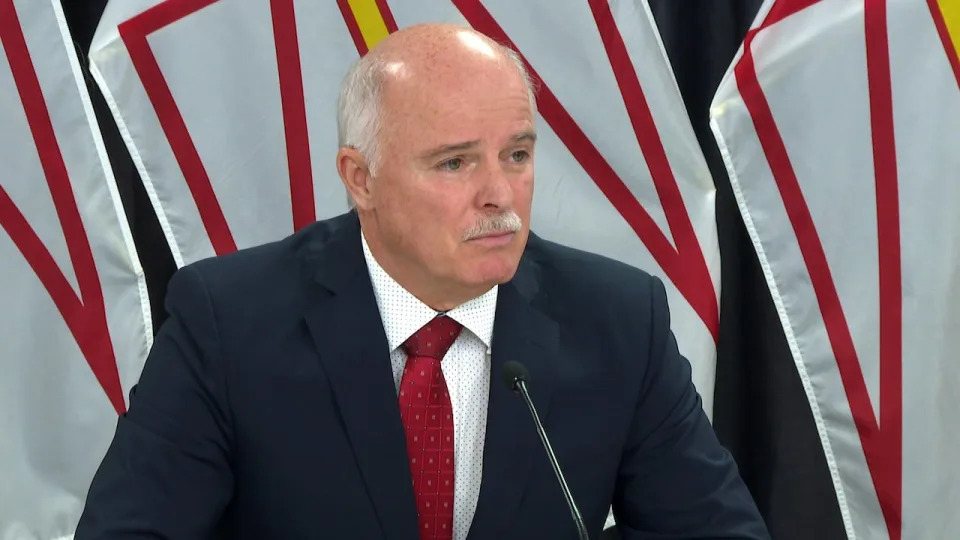
Newfoundland and Labrador Health Minister Tom Osborne told reporters at a news conference on Tuesday that Newfoundland and Labrador Health Services cancelled the Request for Proposals (RFP) process for a new urgent-care clinic in St. John’s because all bids were significantly over budget (10/10/2023) (Peter Cowan/CBC - image credit)

Health Minister Tom Osborne told reporters Tuesday that Newfoundland and Labrador Health Services cancelled the Request for Proposals (RFP) process for a new urgent-care clinic in St. John’s because all bids were significantly over budget. (Peter Cowan/CBC)

Newfoundland and Labrador Health Services has cancelled its request for proposals (RFP) process for a new urgent-care clinic in St. John's because all bids were significantly over budget, said Health Minister Tom Osborne.

The provincial government issued the RFP in mid-March, with the goal of opening a new clinic by May 2024 that would provide care to patients with "unexpected, non-life threatening concerns," Osborne said in March.

The goal of the clinic is to alleviate pressure on the city's emergency rooms, where many patients go for primary care.

At a news conference Tuesday, Osborne said the province's health authority has "gone back to the drawing board" and will be re-issuing a tender for an urgent-care clinic.

He said the government still aims to open a clinic by next spring.

"The RFP was considerably higher than the budget allotted," Osborne told reporters Tuesday.

"It'll certainly be established in 2024 and the aim is to maintain the timelines that we've set out to establish the urgent care."

Seven groups submit proposals

Seven groups submitted proposals, including Marco Group, the Newfoundland & Labrador Health Alliance and Bristol Development Inc.

When asked what changes would be made to the new RFP process to lower costs, Osborne told reporters Tuesday that "I think we have to wait," and that he's not involved in the RFP process.

An urgent-care clinic would offer a middle ground between the hospital ERs and primary care providers, Osborne announced in March.

It's a place where patients can receive treatment for medical issues that aren't emergencies, but that still require immediate attention.

The goal, said Osborne, is for the St. John's urgent-care clinic to operate 12 hours a day, seven days a week, serving about 36,500 people per year.

At a technical briefing in March, officials said the facility will cost $900,000 to open and that the provincial government is looking to rent an existing building for the 20,000-square-foot facility.


Paul Dinn is the health critic for the Newfoundland and Labrador government. He said there should be an investigation into the baby switch at the Springdale Cottage Hospital in 1969.

Progressive Conservative health critic Paul Dinn said it's unlikely an urgent-care clinic will open in St. John's by early 2024. (Luke Carroll/CBC)

Progressive Conservative critic Paul Dinn said it's unlikely the project will be completed by early 2024.

He said while the concept of an urgent-care clinic seems great in theory, it may not be as successful in practice.

He referred to the province's first urgent-care clinic in Whitbourne, which is only open three days a week, and which replaced the town's 24/7 emergency department.

He says the first question that came to mind was why the RFP was cancelled and whether there was a lack of foresight that led to such a decision.

"You start to wonder, OK, what was missed in it or what should've been in it, and we don't know that," said Dinn.

"And to be honest with you at the end of the day, those who are suffering are still those individuals who are sitting in the hallways of the emergency centres still waiting to get care. So they're delayed again."
Saint John inside workers' strike ends, all parties ratify working agreement


CBC
Wed, October 11, 2023 
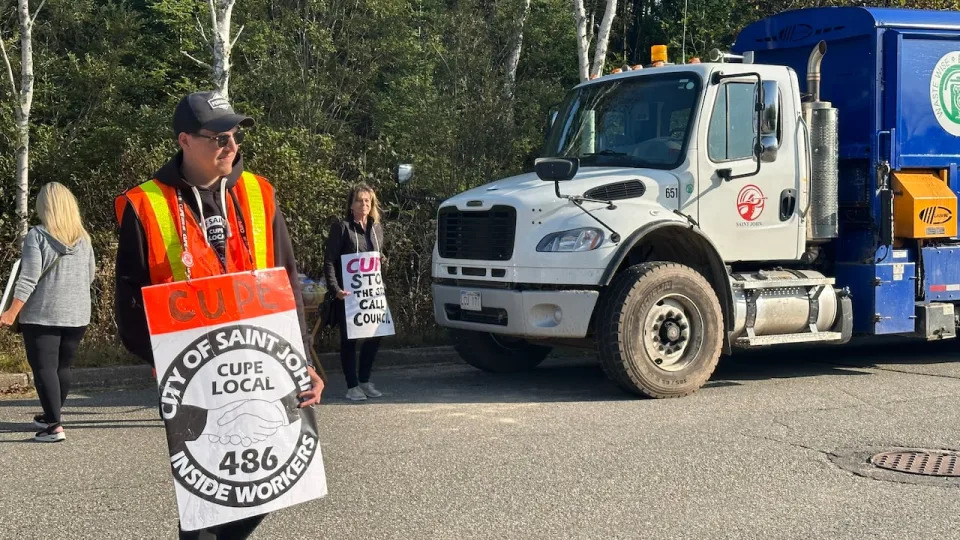
The CUPE Local 486 inside workers strike has effectively come to an end after all parties ratified an agreement as of Tuesday. 

The City of Saint John, the Saint John Board Of Police Commissioners and CUPE Local 486, the union representing the city's inside workers, have all ratified a working agreement, immediately ending the strike, which has been ongoing since Sept. 12.

A tentative agreement was reached on Friday between negotiators. The union local ratified the agreement Monday, while common council and the board of police commissioners voted on Tuesday.

The striking workers included clerical, administrative and support staff as well as workers in the city's 911 operations centre.

The previous contract, which had been on the bargaining table since July 2022, had average wages between $65,000 and $75,000, and a full pension, according to the city.
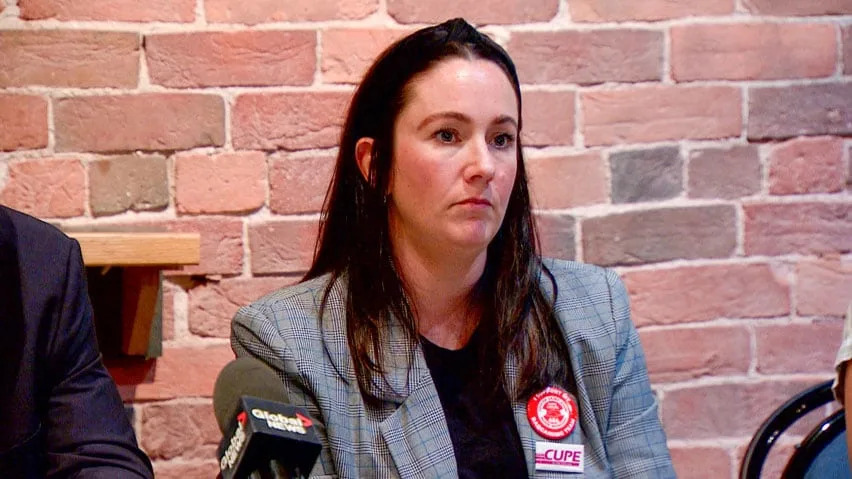

CUPE Local 486 president Brittany Doyle said the striking inside workers are seeking wages that are 'fair and reasonable.

CUPE Local 486 president Brittany Doyle said in a Tuesday news release that the city's 'actions and aggressive communications have left many with a bitter taste.' 

On Tuesday, city commissioner of human resources Stephanie Hossack gave councillors an overview of the terms of the agreement, which includes wage provisions and other benefits.

The wage increase is as follows:

A one-time payment of $750 made to eligible employees this week.


A two per cent increase effective Jan. 1, 2022.


A two per cent increase effective July 1, 2022.


A two per cent increase effective Jan. 1, 2023.


A two per cent increase effective July 1, 2023.


A 1.6 per cent increase effective Jan. 1, 2024.


A 1.6 per cent increase effective July 1, 2024.


A payment of $1,500 effective Jan. 1, 2024.


A 2.25 per cent increase effective Jan. 1, 2025.


A 2.4 per cent increase effective Jan. 1, 2026.

At Tuesday night's council meeting, the agreement was unanimously approved.

Tense relations remain

The bargaining process has not been without its challenges.
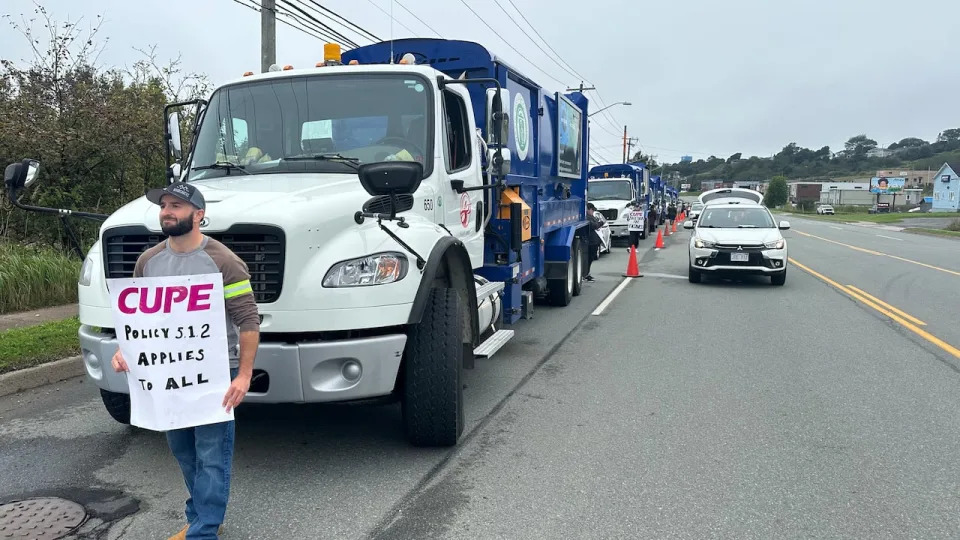

CUPE inside workers are on strike, and are picketing around garbage-pickup equipment. Some garbage collection workers, while not on strike, are not crossing the picket lines.


CUPE Local 486 was accused by the city multiple times of blocking garbage trucks, an accusation the union denied, and the City of Saint John even obtained a temporary injunction against the striking workers. 

CUPE Local 486 was accused by the city multiple times of blocking garbage trucks, an accusation the union denied, and the City of Saint John even obtained a temporary injunction against the striking workers.

The city also temporarily paused garbage collection for a period of time during the strike because of what it alleged to be "illegal actions" by CUPE Local 486 pickets.

The strike action also caused turmoil among city councillors.

Councillors Joanna Killen and Brent Harris were stripped of their council committee duties at last week's meeting, pending an investigation by an independent law firm into their conduct.

Mayor Donna Reardon alleged the two councillors went against the city's Code of Conduct by posting on social media showing them meeting with striking workers and holding up picket signs.


Saint John councillors Joanna Killen and Brent Harris have been suspended for a number of council duties pending the outcome of an investigation under the Code of Conduct bylaw. 

Councillors Joanna Killen and Brent Harris were stripped of their council committee duties at last week’s meeting, pending an investigation by an independent law firm into their conduct. 

This action does not bar them from common council meetings and the two were in attendance and voted at Tuesday's meeting.

In a Tuesday morning news release from the union announcing the ratification of the agreement, the local called on the reinstatement of Killen and Harris with full rights and privileges.

The release also said during the strike, "the City's actions and behaviour have often been at odds with fair labour practices and respect for those involved."

"The City will have to mend fences with its staff. Their actions and aggressive communications have left many with a bitter taste," said Brittany Doyle, CUPE Local 486 president, in the news release.
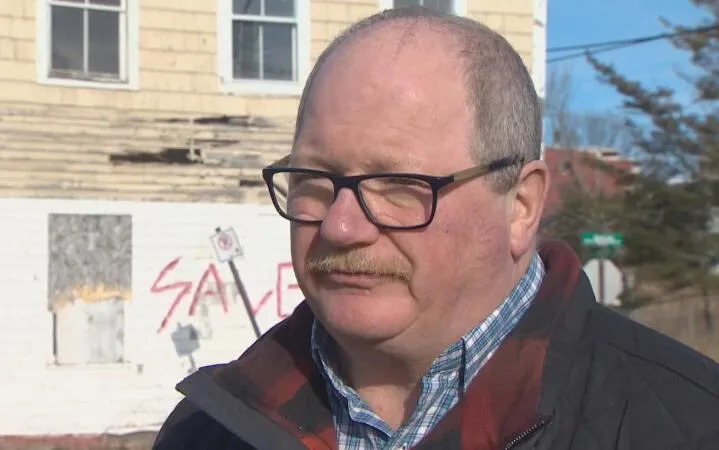
Saint John city councillor John MacKenzie. 'I'm really concerned with what's going on here.'

Saint John Deputy Mayor John MacKenzie said Tuesday evening that he thinks the senior leadership team have a good plan in place to make things right with the city's inside workers. 

At Tuesday's council meeting, Deputy Mayor John MacKenzie, who was filling in for Reardon, acknowledged the difficulty of strikes and said "going back is certainly uncomfortable for everybody."

"But I think that our senior leadership team has put in a plan to try to make it as good as we can," he said.

"We certainly are very thankful that this is over and that our employees will come back and we'll start mending all the fences."

(Roger Cosman/CBC - image credit)
This central Newfoundland beekeeper wants to tap into honey's healing properties


CBC
Wed, October 11, 2023 

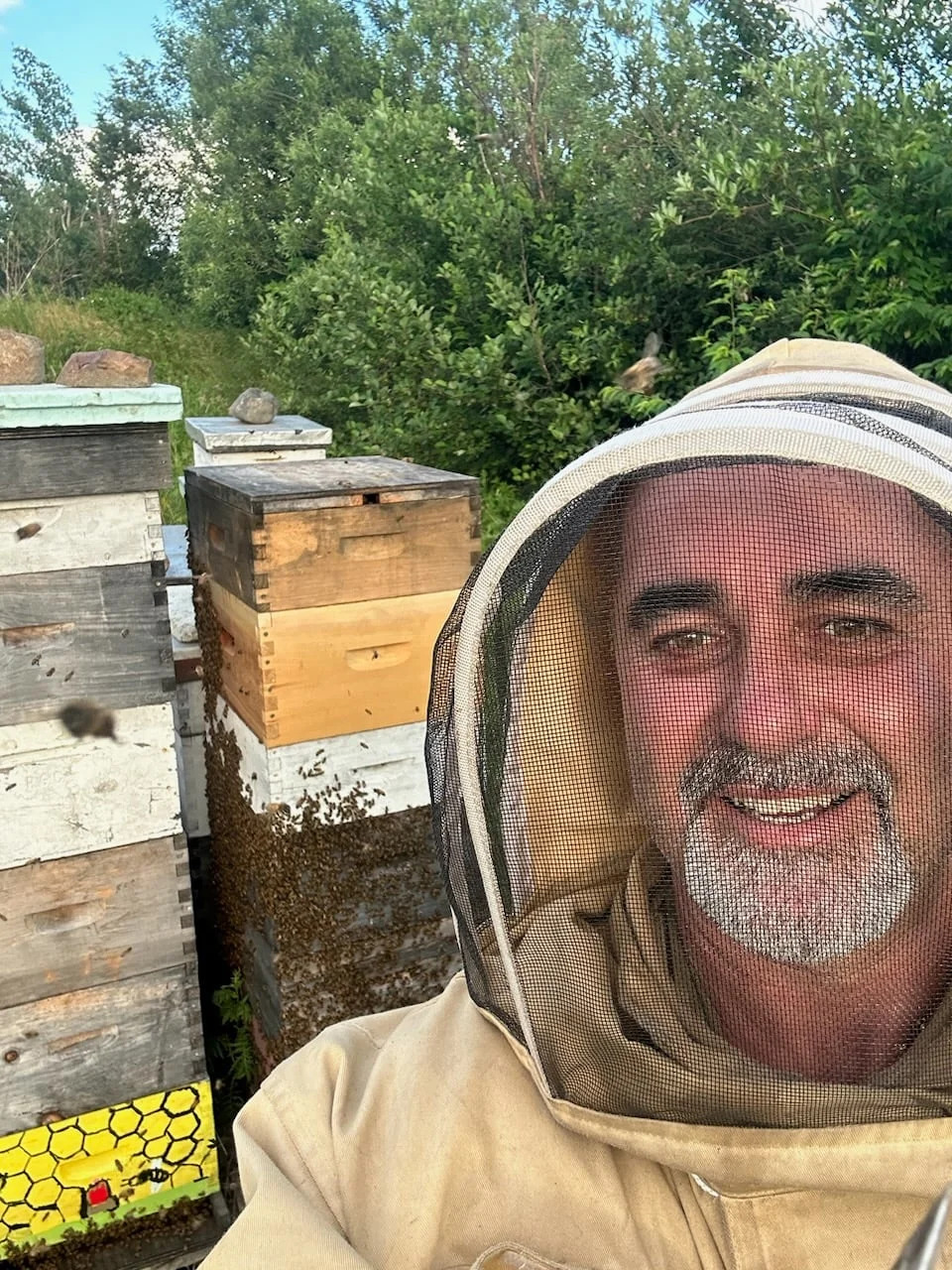
Trevor Tuck has travelled to places like Tasmania to learn how the island has kept out parasites like the varroa mite. (Submitted by Trevor Tuck - image credit)

Trevor Tuck has travelled to places like Tasmania and Cuba to learn about medicinal uses for honey. 

For the last six years, beekeeper Trevor Tuck has been diving into the world of medicinal honey, and he says Newfoundland and Labrador is well positioned to produce this prized sticky substance.

Tuck, the operator of Tuck's Bee Better Farm in Grand Falls-Windsor, recently applied for a Crown land lease for two parcels of land near Cannings Lake.

One plot will be for his beehives, and the other will be a 2,042-hectare forage area. He said he intends to make sure the area isn't touched by potential pollutants.

"The key thing being, is that they are in an area that they are not exposed to pesticides, herbicides, fungicides, miticides, industrial toxins or anything like that," Tuck told CBC News in a recent interview.

That means making sure the land he wants to lease isn't sprayed with anything that could compromise the medicinal honey he hopes to produce at his facility, he said.

Healing properties


Honey "is the bomb," said biotechnology Cheryl Ketola, Toronto's Fanshawe College's former program co-ordinator.

Ketola, who has studied the subject for several years, said one of the factors that make honey a great healer is its peroxide levels. Honey's a bit acidic, which is also a benefit. Honey can also penetrate the biofilm produced by bacteria while it incubates, she said.

"Honey is pretty complicated, you know, considering it's, like, just mostly a couple of sugars," said Ketola, who has visited Tuck's farm.


It can work on a variety of wounds, such as infected surgical wounds that are not responsive to antibiotics as well as diabetic ulcers, she said.


Trevor Tuck is aiming to become the first local producer of medicinal honey besides the honey he already sells.

Made right here

Medicinal honey can be applied through a sheet soaked in honey or as gel and lube. Tuck said he hasn't worked out what form his medical honey will be sold in yet.

He became interested in medicinal honey about six years ago while attending an agriculture conference at Guelph University, where he saw a presentation.

Since then, Tuck has made several trips abroad to see how other areas are making medicinal honey and using it, including Tasmania and Cuba.

Tuck is looking to expand his beekeeping operation in Grand Falls-Windsor with a Crown land lease to make medicinal honey. (Submitted by Trevor Tuck)

Non-profit organization Empower Global has flown him to Haiti, he said, where he taught people to keep bees so they could make medicinal honey.

Tasmania, he noted, is an island like Newfoundland, which has kept the bee population safe from the varroa mite, a parasite decimating bee populations in other areas of the world.

"I went to Tasmania and learned from the biosecurity team down there and travelled all over the island, seeing what they do to keep their island safe."

While in Cuba in April, he said, he met with various medical professionals, including a plastic surgeon and a director of a hospital's burn unit. There, he said he learned how they use honey in treatment for burns and to reduce scarring.

If he gets the Crown land lease and starts producing medical honey, he said, it will also have to pass through government regulations and it will be thoroughly tested.
Charlottetown experiments with mini forests to speed up growth


CBC
Wed, October 11, 2023

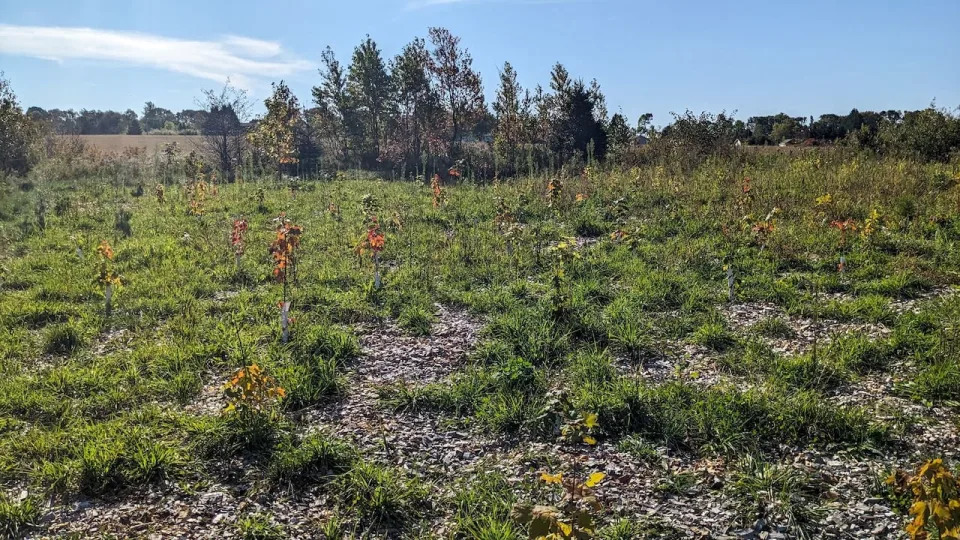
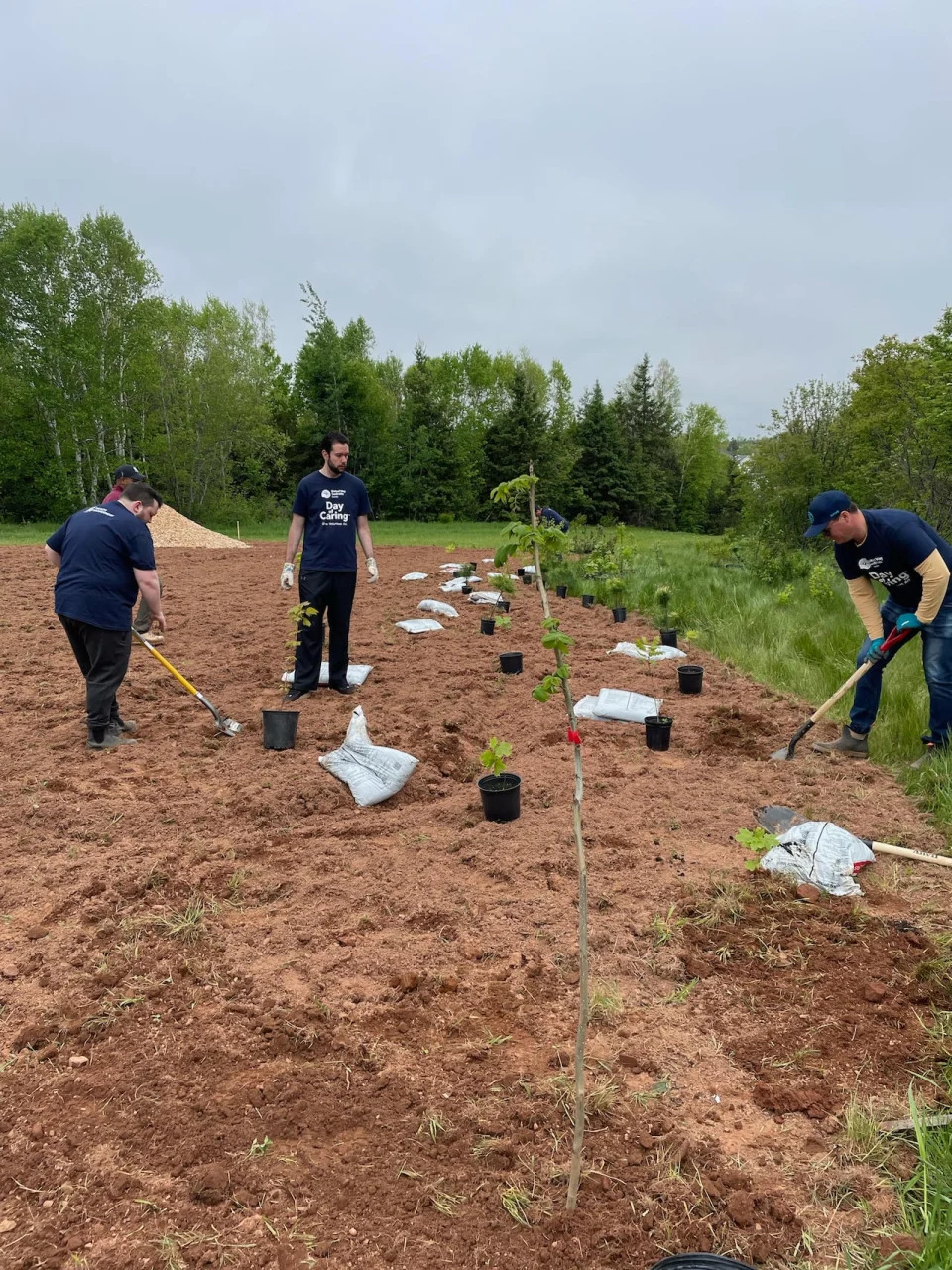
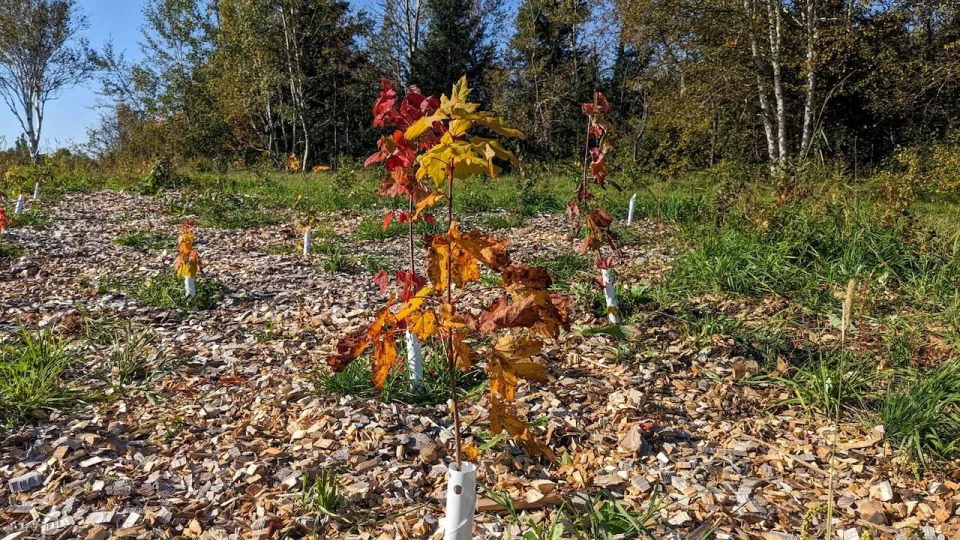
The Wright's Creek mini forest has 200 native trees and shrubs, including 15 different species. (Shane Hennessey/CBC - image credit)

The City of Charlottetown is experimenting with a new way of growing forests, using native species and denser planting to encourage faster growth.

It's called the Miyawaki method, named for the Japanese ecologist and botanist who developed the idea of mini forests, and how to grow them, in the 1970s.

The technique is now being used in urban areas across Canada and around the world.

"When we think about a forest, we're thinking about trees over four metres high, so hopefully within the decade we'll be at that point for a majority of this area," said Simon Wilmot, program co-ordinator for environment and sustainability team for Charlottetown.

"We're talking about creating forests in an urban or suburban area that can grow faster."

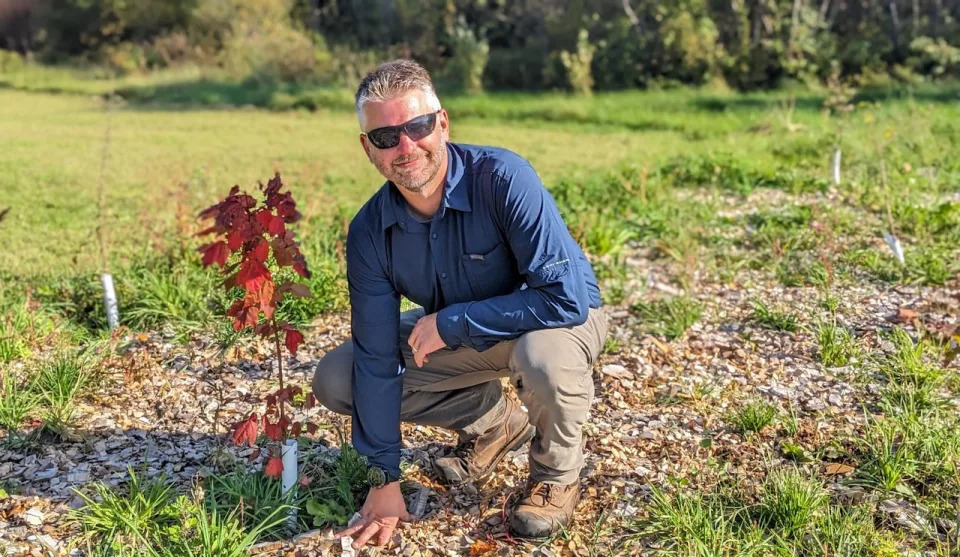
Simon Wilmot, program co-ordinator for the environment and sustainability for Charlottetown, says the goal is to grow forests within decades rather than centuries. (Shane Hennessey/CBC)

Wilmot said the first step is to amend the soil, to simulate the kind of organic matter that would be found in a mature forest. That involves adding a lot of compost and mulch.

"In this case, we added 12 cubic yards of wood chips to the site, and really tried to make sure the site was as healthy as possible in terms of the soil before we started planting," he said.

High-density planting

It's not just a matter of richer soil. The trees in the mini forest are also planted closer together, a metre apart versus the three metres you'd observe in a more traditional planting, said Wilmot.

"That high density does a number of different things. Number one, there's the competition. The competition between the trees will force them to grow faster, quicker," he said.

"Secondly, they will squeeze out space for invasive species. Most of the urban watersheds, we have problems with invasive species, so it really doesn't allow them any room."


The competition between the trees will force them to grow faster, quicker.
— Simon Wilmot, City of Charlottetown

Wilmot said the method "allows nature to take its course with the trees," with the strongest thriving.

"Those trees that don't make it, or die, will just feed the soil and provide organic material for the next generation."

Wilmot says the first step was to amend the soil, to simulate the organic matter that would be found in a mature forest, by adding a lot of compost and mulch. (Submitted by Emma Doucette)

Wilmot said his crew planted two mini forests in June, a larger one in Wright's Creek with 200 native trees and shrubs and a smaller one in the Ellen's Creek watershed.

"The downside to this method is, it is costly. It does cost a lot to take the time to amend the soil," he said.

"So you are working on a smaller area that does cost more in the initial stages, but hopefully the long-term benefits outweigh any short-term inefficiencies from the cost."

Crews added 12 cubic yards of wood chips to the site, to make sure that the site was as healthy as possible in terms of the soil before they started planting. (Shane Hennessey/CBC)

Wilmot said the mini forest method wouldn't work in downtown Charlottetown's Victoria Park, which post-tropical storm Fiona left needing reforestation, but is more suited for areas that are currently grass.

He said he hopes to add more micro forests soon.

"My aspirations always exceed my budget, so I always hope to be planting these things," Wilmot said.

"When we look to Europe, where this has been a common practice for a while, thousands have been planted. So hopefully across P.E.I. and our urban and suburban areas, this is the methodology that can really get going. Certainly it's been picked up in Ontario and Quebec a lot recently."

Simon Wilmot says the goal is to have a forest, with trees more than four metres tall, in a decade. (Shane Hennessey/CBC)

Some skepticism

The watershed co-ordinator for the Ellen's Creek Watershed Group said she was initially leery of the new planting technique.

"It just sounded too good to be true, in a way. You know, 'We're going to pack a bunch of trees in one area and they're going to hopefully turn into a more mature forest faster,'" said Emma Doucette.

"That's the part that made me skeptical. But working on the site, I realized this is a great approach and I learned a lot as well."


Emma Doucette, watershed co-ordinator for Ellen's Creek Watershed Group, was initially skeptical about the planting method. (Shane Hennessey/CBC)

Doucette said the added expense in preparing the soil could be a challenge for associations like hers.

"Watershed groups work with quite a limited budget sometimes. So I think it all just comes down to planning, and doing what we can according to what our resources are," she said.

"The upfront work was a lot, but I think if we're going to come out here and plant all these trees, we have to do it right."

The Ellen's Creek mini forest is smaller but uses the same planting methods as the larger one. (Submitted by Emma Doucette)

Doucette too would like to see more mini forests being planted.

"Any spaces that maybe are being underutilized in the city, I'd love to see this technique used there," she said.

"My advice would be absolutely go for it, and if you're skeptical, maybe start small and see where it takes you."