Wednesday, December 04, 2024

ALT. FUELS

France's First Hydrogen-Powered Inland Cargo Vessel Enters Service
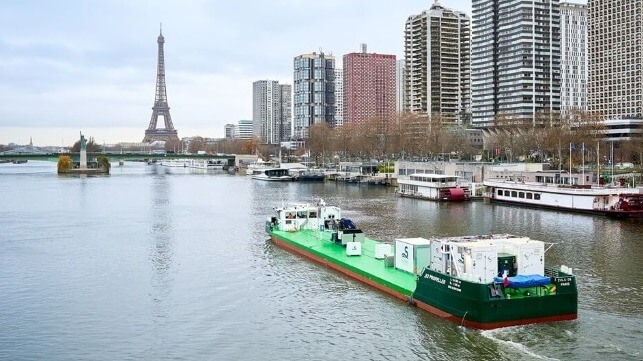
Zulu 06
Image courtesy Sogestran

Published Dec 3, 2024 9:19 PM by The Maritime Executive


The Sogestran Group has commissioned France's first-ever hydrogen-powered river vessel, the Zulu 06. 

The 55-meter vessel, formally christened on the Seine in Paris on Tuesday, has a cargo capacity of 400 tons. It is designed to deliver small deck cargoes for customers in the urban environment of Paris. It was designed by LMG Marin with a power system supplied by ABB Marine & Ports, with two 200 kW hydrogen fuel cells delivered by Ballard. It carries 300 kilos of compressed hydrogen, which is enough for seven days of operation between refills. The system is the first of its kind in France, and the operator hopes to demonstrate a new, clean business model for transporting goods by water in a large city. 

"With the launch of the Zulu 06, we witness a major breakthrough for river transport and the energy transition in France," said François Durovray, the French Minister of Transport, who attended the vessel's inauguration. "This project is a prime example of European cooperation and synergy between public and private stakeholders for green mobility."

The project came from the EU-funded FLAGSHIPS initiative, a six-year program dedicated to advancing zero-emission waterborne transport. Construction was carried out in Romania, followed by propulsion system outfitting in France. 

"While the hydrogen industry is still maturing, every innovation like the Zulu 06 accelerates its democratization, ultimately building a robust value chain," said Pascal Girardet, Chairman and CEO of the Sogestran Group.

The next vessel in the FLAGSHIPS program is the FPS Waal, operated by Future Proof Shipping. The Waal is a conversion project to turn a conventional inland container feeder into a zero-emissions vessel for operations on the Rhine. 


Two Startups Plan to Run an Offshore Ammonia Plant on Wave Power
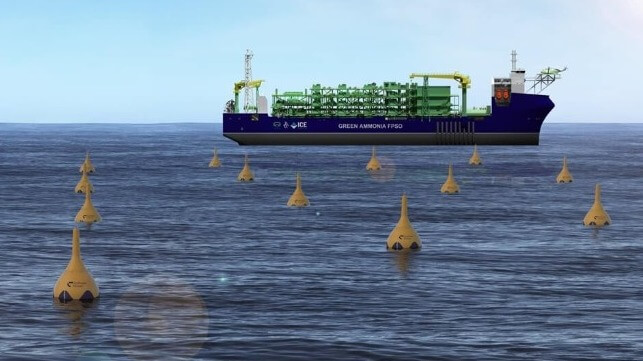
Offshore power

Published Dec 2, 2024 8:44 PM by The Maritime Executive


Ocean energy startups SwitcH2 and CorPower Ocean are developing an industrial-scale floating green ammonia production facility that will use wave energy to generate clean power. 

The project, supported by Norway-based BW Offshore and Dutch Oceans Capital, will be based on a newly constructed vessel comparable in size to a VLCC or an FPSO. The facility will house a 300MW electrolysis plant and is expected to produce about 300,000 tonnes of green ammonia per year, reaching full output by 2029. The product will be stowed on board, then transported to shore by shuttle tanker. 

Backed by grant funding from the Dutch Government's GroenvermogenNL TSE (Top Sector Energie) scheme, the project will be located in northern Portugal and will use CorPower Ocean's wave energy technology. The collaboration aims to demonstrate wave energy's capability to provide continuous industrial-scale power, and CorPower says that its system is ready. Its fourth-generation device survived four major Atlantic storms in 2023, setting a new survivability record in 60-foot swells during Storm Domingos off Portugal. 

Green ammonia is a key future fuel for shipping, and hydrogen-based green fuels will be in short supply in the early years of the green transition. An offshore wave-powered ammonia plant would tap an unused energy resource, producing fuel without competing with shoreside industries for market supplies of clean electricity. 

SwitcH2 is backed by BW Offshore, an FPSO market leader. Director and co-founder Saskia Kunst said that in addition to the project off Portugal, the company is exploring other opportunities in West Africa and the Dutch sector of the North Sea.

The partnership comes on the heels of CorPower Ocean's recent successful Series B1 funding round, which secured $34 million - a significant investment in wave energy technology.


Construction Study Starts for Larger, Elevated Pressure LCO2 Carrier
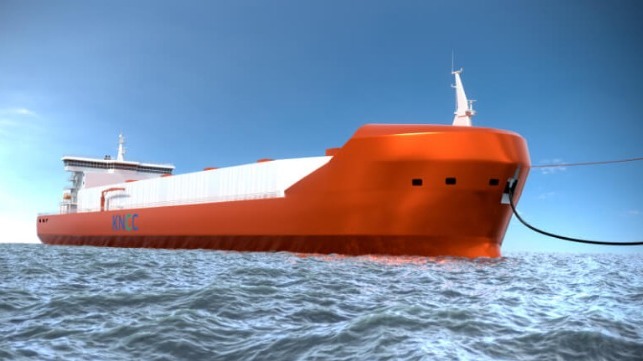
LOC2 carrier
Knutsen NYK Carbon Carriers is working on a more efficient, larger capacity LCO2 carrier concept (KNCC)

Published Dec 2, 2024 7:44 PM by The Maritime Executive


As efforts continue to develop the anticipated carbon capture and transport market for storage, a new project continues to advance a promising technology called Elevated Pressure which could be more efficient and less costly for LCO2 transport. Japan’s NYK Group and its partnership Knutsen NYK Carbon Carriers reported they will conduct a joint “constructionability study” toward the goal of developing the new carrier.

“While CCS is still in its developmental stage in terms of technology and market structure, the joint study of the LCO2-EP terminal-to-terminal vessel with KNCC and NYK is an important step for us to bring one of the viable options to the market,” said Tomoaki Takahira, Director, Chief of Design Division for Nihon Shipyard, a joint venture for ship design and sales between Imabari Shipbuilding Co., Ltd. and Japan Marine United Corporation. “In addition to medium-pressure and low-pressure vessels, we will continue to study the construction of LCO2-EP vessels to contribute to the establishment of the CCS value chain.”

NYK and Knutsen Group of Norway launched a joint venture company at the beginning of 2022 for the commercial development of liquified CO2 marine transport and storage. Knutsen has developed innovative technologies that would allow the transport of LCO2 at ambient temperatures.

Earlier this year, Knutsen NYK Carbon Carriers working with NYK and JX Nippon Oil & Gas demonstrated a technology based on the isenthalpic expansion cooling and liquefaction process which utilizes the characteristics of the elevated pressure method that stores and transports liquefied CO2 at ambient temperature. They emphasize the technology has the potential to be more efficient than conventional liquefaction conditions and methods and requires up to 20 percent less energy. They point out the technology would be more compact.
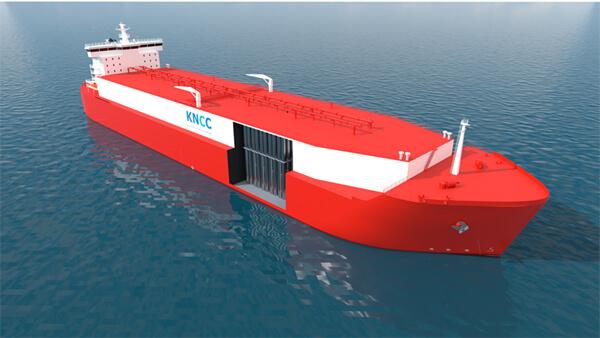
 

Cutaway shows the innovative storage which would make the vessel easier to build and more efficient (KNCC)


Among the benefits they highlight of the EP technology is that it provides a greater temperature safety margin than either medium or low pressure from corrosive liquids. They also report it would require 50 percent less energy than medium-pressure shipping and 70 percent less than low-pressure while delivering LCO2 much closer to injection conditions.

The study is exploring a 40,000 cbm terminal-to-terminal LCO2 vessel using EP technology. 

“The innovative design of the LCO2-EP Cargo Tanks features vertical cylinders that can be mass-produced through automated processes using standard materials. This may optimize and reduce the construction time,” explains Oliver Hagen-Smith, CEO of Knutsen NYK Carbon Carriers. “The modular design potentially allows more shipyards to participate, utilizing existing facilities and infrastructure, which broadens industry engagement and enhances efficiency. We are confident that this study will bring significant benefits in cost-effectiveness, quality, and scalability to the maritime construction sector.”
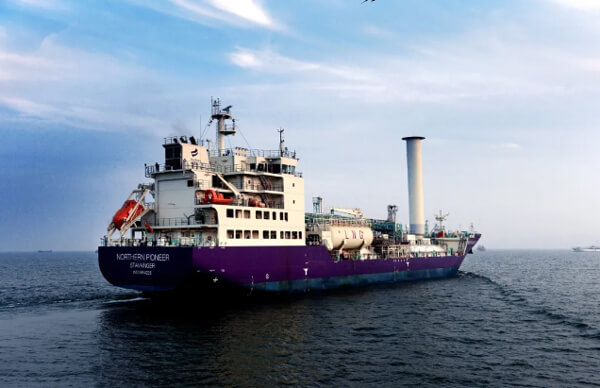
 

The first dedicated LCO2 carrier Northern Pioneer is smaller in capacity and uses a low temperature tank (DSIC)


Currently, there is only one dedicated LCO2 carrier completed, the Northern Pioneer, which was delivered last week for Norway’s Northern Lights project. Built in China, the vessel is the first of four and each will have a capacity of 7,500 cbm. Each is equipped with two full-pressure C-type liquid cargo tanks made of special materials for transporting carbon dioxide, with a maximum bearing pressure of 19barg and can withstand low temperatures of -35 ?. They are designed to transport captured CO2 from Northern Europe to the holding and processing plant in Norway before being pumped through pipes to storage under the North Sea. 

The industry continues to look for larger-volume vessels that could be used over longer distances. It is anticipated to be a new large segment of the shipping industry that will be developed over the remainder of this decade as storage is the solution for hard-to-abate industries. 


Trial Agreement with MSC and Cargill
Quadrise Plc

Published Dec 2, 2024 12:25 PM by The Maritime Executive


[By: Quadrise]

Quadrise Plc (AIM: QED), the supplier of innovative energy solutions for a cleaner planet, is delighted to announce the signature of a Collaboration and Operational Trial Agreement (the "Project Agreement") with MSC Shipmanagement Ltd ("MSC") and Cargill NV ("Cargill"), paving the way for the long-awaited vessel trials on board the MSC Leandra (the "Trials").

Further to the Company's announcement of 10 July 2024, and under the Project Agreement, Quadrise, MSC and Cargill have agreed their respective obligations under which the Company's fuels, bioMSAR™ and MSAR®, will be produced at the MAC2 facility in Antwerp, Belgium using feedstocks supplied by Cargill and then sold by Cargill to MSC for the Trials.

The parties to the Project Agreement will use their reasonable endeavours to contribute towards the successful Trials and to receipt of a final Letter of No Objection from Wärtsilä following 4,000 hours of bioMSAR™ testing, with:

  • Quadrise providing equipment, additives and technical expertise; and
  • MSC providing the trial vessel, MSC Leandra, necessary flag state approvals for the Trials and procuring professional monitoring services for the Trials; and
  • Cargill providing the necessary feedstocks, transportation of fuels and operational and logistical support.

MAC2 have already received the required operating permits for installation of Quadrise equipment and have prepared the site. Following signature of the Project Agreement, final work to enable Quadrise equipment to be delivered to the MAC2 site can now be completed, enabling the Trials to commence before end Q1 2025.

In parallel, bilateral agreements, including a toll manufacturing agreement between Cargill and Quadrise in respect of fuel manufacture, can be finalised now that the outline commercial terms have been agreed in the Project Agreement.

Upon successful conclusion of the Trials, MSC, Cargill and Quadrise will negotiate and enter into a definitive long-term Commercial Agreement.

The Project Agreement will expire on the sooner of: (1) One year following completion of the Trials; (2) Commencement of a Commercial Agreement.

Commenting on this agreement Jason Miles, CEO of Quadrise, said: "Quadrise is delighted to have signed this pivotal agreement with MSC and Cargill, which triggers the process for the trials to get underway. We are hugely excited to be partnering with world-leading Companies to demonstrate the commercial viability and environmental benefits of our technology and the contribution it can make to decarbonisation of the shipping sector. Having already successfully demonstrated MSAR® on the trial vessel, we are highly confident of a successful trial result on bioMSAR™ and the substantial commercial opportunities that this will lead to."

About the MSC Vessel Trials
The Trials will be carried out on the MSC Leandra, previously used for prior successful MSAR® demonstrations, following the installation and commissioning of Quadrise equipment at the MAC2 facility in Antwerp, Belgium and are expected to commence before end Q1 2025.

The Trials will commence with Proof of Concept ('POC') tests using MSAR® and bioMSAR™. Each POC Trial is estimated to require around 1,000 metric tons ("MT") of fuel to confirm engine performance on the vessel.

Subject to positive results from the POC Trials, the fuels will undergo subsequent trials to provide commercial operating experience with a view to obtaining Letters of No Objection ("LONOs") from the engine manufacturer after confirming the operational viability of bioMSAR™ and MSAR® at both an interim (midway) and final stage (after circa 4,000 operating hours). During the LONOs it is planned that barge deliveries of up to 1,500MT of Quadrise fuels will be supplied to the MSC vessel every 4-6 weeks for the Trials, over a period of 6-8 months.

Upon completion of the Trials and receipt of the LONO, or when sufficient progress has been demonstrated to the satisfaction of MSC, Cargill and Quadrise (the "Parties"), the Parties plan to conclude long-term commercial agreements within three months of achieving this milestone. 

Additionally, MSC and Quadrise will continue discussions with other marine engine suppliers to investigate testing bioMSAR™ and MSAR® on their engines and will also explore opportunities to test the Quadrise Blend-on-Board solution which will open up new possibilities for tramping vessels and provide additional flexibility on bioMSAR™ supply.

The products and services herein described in this press release are not endorsed by The Maritime Executive.


India Adopts UK Electric-Propulsion Tech for Next Series of Amphibs
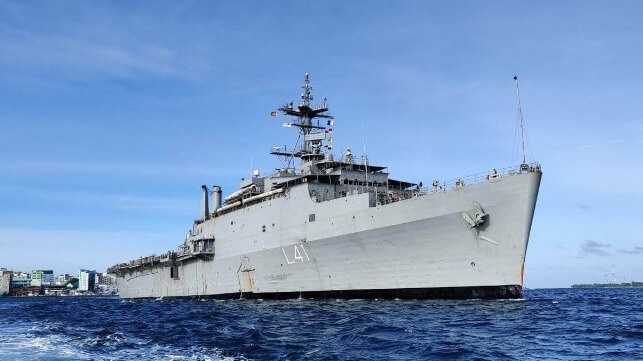
INS Jalashwa, a repurposed U.S. Navy amphib, is the Indian Navy's sole LPD at present (Indian Navy file image)
INS Jalashwa, a repurposed U.S. Navy amphib with a steam plant, is the Indian Navy's sole LPD at present (Indian Navy file image)

Published Dec 1, 2024 6:46 PM by The Maritime Executive


India is tapping the UK’s expertise in design and development of electric propulsion systems for its planned new fleet of Landing Platform Docks (LPDs). Last week in Portsmouth, the Ministries of Defense of India and UK signed a cooperation agreement that will see the two countries partner in production of integrated electric propulsion systems for warships, a niche shipbuilding technology.

“The cooperation enables co-design, co-creation and co-production of cutting-edge technology for future naval ships, including the planned LPDs,” said India’s Ministry of Defense. 

In 2021, the Indian Navy issued a request for information (RFI) regarding its plans to procure four LPDs. The tender was limited to Indian shipyards as the vessels are to be built locally under the Make-in-India program. However, a distinct feature of the vessels is the Integrated Electric Propulsion (IEP) system, which is currently not built in India. Since 2019, the UK has been discussing sharing technical expertise and experience with India on IEP systems.

India has signaled it favors using IEP in its future vessels, as the focus on cleaner and efficient propulsion systems gains traction. India’s home-built aircraft carrier INS Vikrant uses an IEP system for propulsion, but at the time of construction, the system was imported.

The UK-based Rolls-Royce has previously expressed interest in partnering with the Indian Navy in electrification of future warships.

“As India envisions the fleet of the future, our commitment to support the country’s defense modernization remains strong as ever. We believe we can bring immense experience and value to any future program envisioned by the Indian Navy for developing electric warships,” said Kishore Jayaraman, President of India and South Asia, Rolls-Royce. Kishore was speaking in 2021 during the UK’s Carrier Strike Group tour to India.

 

U.S. Sanctions Mexico's Gulf Cartel for Illegal Fishing off Texas

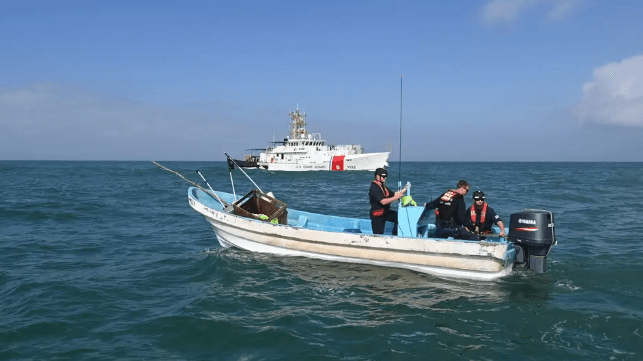
A U.S. Coast Guard crew inspects a lancha seized in the U.S. Gulf of Mexico for illegal fishing (USCG file image)

Published Dec 3, 2024 8:49 PM by The Maritime Executive


Last week, the U.S. Treasury imposed sanctions on five Mexican cartel members who help run a large-scale illegal fishing and trafficking operation in the U.S. Gulf of Mexico.

U.S. Coast Guard boat crews based in Texas spend considerable effort catching Mexican high-speed fishing boats (lanchas) in U.S. waters. In FY2021, coastguardsmen seized 78 lanchas and 15,000 pounds of fish - mainly red snapper, the primary target species for Mexican illegal fishing operators. The fishermen are attracted by the comparatively healthy fishery in the U.S. exclusive economic zone, but when they encounter the Coast Guard, their boats and catch get confiscated. 

The Treasury says that these fishermen are backed by the Gulf Cartel, one of Mexico’s most dangerous criminal organizations. The Gulf Cartel operates primarily in Mexico's Tamaulipas State, Mexico, and makes money moving drugs and migrants into the United States.

According to the Treasury, the cartel also runs a fishing camp for lancha fishermen out of Playa Bagdad, just south of the Texas border. The fishing crews bring their illicit catch back to the camp, where it is resold and (often) exported back into the United States under a false label. 

This is a multimillion-dollar activity for the cartel, and it underpins other revenue opportunities. In addition to the illegal fishing operation, the cartel uses the same lanchas for human smuggling and narcotics trafficking in the Gulf of Mexico.

Treasury has identified two Mexican nationals - Raul Decuir Garcia and Ildelfonso Carrillo Sapien - as the owners of the lancha camp. In addition, the agency named Ismael Guerra Salinas and his brother Omar Guerra Salinas as the Gulf Cartel members with territorial responsibility for Playa Bagdad. They allegedly oversee the illegal fishing operation, along with drug trafficking and human smuggling. 

The agency also named Francisco Javier Sierra Angulo as the current chief of the Gulf Cartel in Matamoros, Tamaulipas. 

"[This] action highlights how transnational criminal organizations like the Gulf Cartel rely on a variety of illicit schemes like IUU fishing to fund their operations," said Acting Under Secretary for Terrorism and Financial Intelligence Bradley T. Smith. 

The U.S. Coast Guard, Homeland Security Investigations, the Drug Enforcement Administration and the Mexican financial intelligence agency UIF all contributed to the sanctions designations.  

US Increases Sanctions on Iran’s Oil Exports Listing 35 Tankers/Managers

Iranian oil tankers
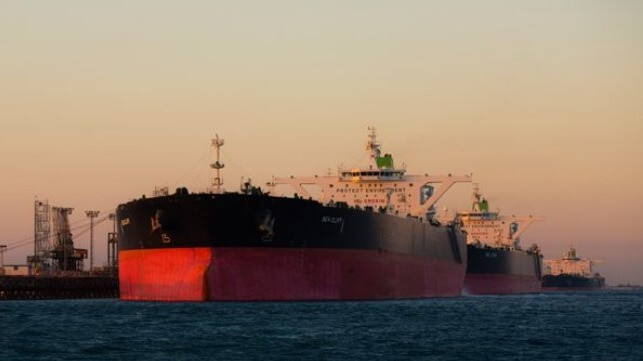
US targeted Iran's oil exports with a new round of tanker and manager sanctions (file photo)

Published Dec 3, 2024 2:24 PM by The Maritime Executive


The Biden administration launched a new wave of sanctions targeting Iran’s oil and chemical industry citing its continued use to fund nuclear activity, development of weaponry, and financial support to regional terrorist activities by the Houthis and others. It followed an action seven weeks ago targeting Iran’s petroleum and petrochemical sectors with the U.S. saying the efforts will increase Iran’s cost for transporting petroleum products to foreign markets.

“Iran continues to funnel revenues from its petroleum trade toward the development of its nuclear program, proliferation of its ballistic missile and unmanned aerial vehicle technology, and sponsorship of its regional terrorist proxies, risking further destabilizing the region,” said Acting Under Secretary for Terrorism and Financial Intelligence Bradley T. Smith. “The United States remains committed to disrupting the shadow fleet of vessels and operators that facilitate these illicit activities, using the full range of our tools and authorities.”

The focus of the action is on large crude tankers with a total of nine tankers each around 300,000 dwt, as well as five smaller crude oil tankers and three product tankers. The U.S. contends that collectively the tankers have shipped tens of millions of barrels of oil for Iran.

The tankers represent a broad range of flags all linked to the shadow fleet operations. Four of the tankers show registry in the Cook Islands, while the others are divided between the Marshall Islands, Guyana, São Tomé and Príncipe, San Marino, Belize, and Honduras. One tanker is registered in Liberia and one in Iran.  Five of the listed tankers are showing a registry in Panama, which last week reported it was expediting revoking its registry against six other tankers that were sanctioned by the UK in its efforts to enforce the G7 price cap on Russian oil.

The U.S. cites examples of the cargoes moved by the vessels many of which operate at the periphery of the industry. Among the vessels listed is the Ceres I, which the U.S. cites for a ship-to-ship transfer of Iranian oil. They also point out that the same vessel was presenting inconsistent tracking signals in July 2024 when it and a Hafnia tanker collided in Malaysian waters. Malaysia initially accused the vessel of leaving the scene of the incident and has repeatedly said it has been unable to locate the responsible owners of the vessel.

“Iran relies upon a sprawling network of tankers and ship management firms in multiple jurisdictions to transport its petroleum to overseas customers — using tactics such as false documentation, manipulation of vessel tracking systems, and constant changes to the names and flags of vessels,” the U.S. Department of the Treasury said launching the new sanctions.

It also targeted a wide group of management companies that they report are facilitating the transport of crude and oil products.  The companies range from bases in the UAE, Seychelles, Cayman Islands, Marshall Islands, and Pakistan to China, Hong Kong, Panama, Liberia, and India. The U.S. links them to oil deliveries and transactions with Chinese oil companies.

The latest sanctions are one of the broadest efforts launched by the administration. They said it was in response to the October 1 attack on Israel as well as continued escalation by Iran in its efforts and support of regional groups.

U.S. Treasury Reduces Fine for "Egregious" Iran Sanctions Violator

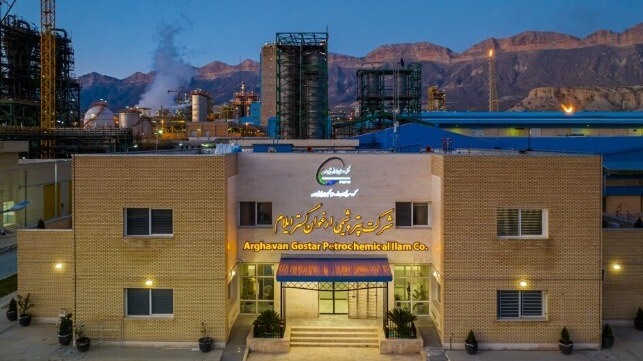
The Iranian operating company for the former Australian polypropylene plant (Courtesy Arghavan Gostar)
The former Australian polypropylene plant is now installed at the Ilam site outside Chovar, Iran, above (Courtesy Arghavan Gostar)

Published Dec 3, 2024 4:53 PM by The Maritime Executive


Berlin-based industrial equipment firm Aiotec has been hit with a multimillion-dollar sanctions penalty for an elaborate scheme to buy and ship an entire polypropylene plant to Iran, in violation of U.S. sanctions. The penalty is for repeated, "egregious" and "willful" sanctions violations, but the U.S. Treasury decided to suspend $9.5 million of the $14.5 million fine in exchange for Aiotec's promise to comply in the future - thereby allowing the small German company to remain in business. 

Aiotec GmbH, an industrial equipment sourcing company, got in touch with an American equipment brokerage in 2015 about the possibility of buying a polypropylene manufacturing plant located in Australia. The broker was handling the sale on behalf of the plant's Australian owners, and since the broker was located in the United States, U.S. sanctions on Iran applied. 

Aiotec agreed to buy the plant and told the U.S. broker that it would be dismantled and shipped to Turkey, where it would be reassembled and put into use. The firm made repeated statements that it would remain in compliance with all U.S. sanctions measures: its executives signed documents stating that it had no other destinations in mind for the equipment, had no other foreign partners, and would not ship the goods to any sanctioned country or entity. Based on these assurances, the U.S. broker concluded the deal with Aiotec and allowed the German firm to begin removing equipment from the site. 

In reality, Aiotec had reached a secret resale and transfer agreement with an Iranian petchem operator, Petro-Iranian Downstream Industries Development Co. (PIDID). In 2016, Aiotec began to dismantle the plant, and equipment exports began in 2017 from the Australian port of Newcastle. The company hired two freight forwarders to handle the shipments, and it instructed both of the forwarders to falsify the destination on Australian customs documents as either the UAE or Turkey. However, each time a ship was loaded out with the plant's gear, the ultimate destination was actually Port Bandar Imam Khomeini, Iran - a clear violation of U.S. sanctions on the Iranian energy industry. 

Aiotec repeatedly sent the U.S. broker reassurances and documents purporting to show that the shipments complied with all U.S. sanctions measures, including the protective agreement that the equipment would only be delivered to Istanbul and reassembled in the city of Van, Turkey. This was false, and could have been discovered using AIS data to monitor the movements of the vessels involved (or to detect a suspicious absence of AIS transmissions). Despite apparent misgivings and multiple requests for clarification, the U.S. broker accepted Aiotec's assurances and allowed it continued site access at the plant in Australia.

In August 2018, an anonymous source sent the U.S. broker a copy of Aiotec's resale agreement with Iranian firm PIDID. The broker immediately suspended site access at the plant, stranding some of the last components in Australia. When the U.S. broker demanded clarification, Aiotec denied the PIDID document's authenticity; provided falsified bills of lading that purported to show that the shipments had gone to the UAE, then on to Turkey; sent a copy of a forged "agreement" with a Turkish company regarding the sale; and sent a fake threat from the Turkish "buyer" that promised to scuttle the deal if the last equipment shipments weren't delivered.

In November 2018, the U.S. broker and the Australian owner of the plant agreed to believe Aiotec, and they restored site access. Aiotec promptly proceeded to ship the last of the gear to Iran; the last chartered ship departed Australia in April 2019, and Aiotec delivered its final falsified shipping documents to the U.S. broker in June 2019. The U.S. broker was properly paid for the transaction, receiving a total of $9.5 million in 11 installments.  

The plant's potential strategic value was significant. Treasury noted that the facility could provide a new revenue stream to Iranian petrochemical industries, which have long been a target of U.S. economic restrictions.

Treasury noted that Aiotec is a small company with few employees, and agreed not to impose the burden of the full statutory maximum fine of $19.5 million - or even the assessed fine of $14.5 million. So long as Aiotec hires a compliance officer and undergoes annual audits, it will only pay $5 million. 

Iran is still working on bringing a plant online to make polypropylene using Australian equipment.


US Makes Arrest for Smuggling Weapons Via Port of Long Beach to North Korea

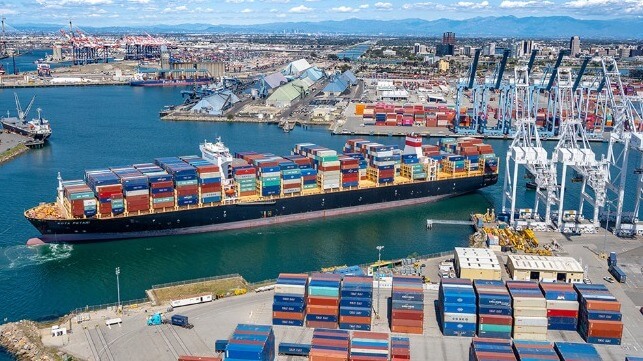
Port of Long Beach
U.S. charges that weapons were being smuggled in containers through Long Beach to North Korea (file photo)

Published Dec 3, 2024 5:15 PM by The Maritime Executive


The U.S. Attorney's Office, Central District of California, and the Federal Bureau of Investigations announced that they have arrested a Chinese national residing in California and charged him with smuggling weapons through containers in the Port of Long Beach to North Korea. The firearms, ammunition, and other military items were being concealed in containers outbound for Long Beach for Hong Kong and ultimately North Korea.

“We have arrested a defendant who allegedly acted at the direction of the North Korean government by conspiring to illegally ship firearms, ammunition, and other military equipment to North Korea,” announced United States Attorney Martin Estrada.

Shenghua Wen, age 41 and a Chinese national, was living in Ontario, California after overstaying his student visa. 

According to an affidavit filed with the complaint, Wen obtained firearms, ammunition, and export-controlled technology intending to ship them to North Korea. Wen and his co-conspirators allegedly exported shipments of firearms and ammunition to North Korea by concealing the items inside shipping containers that were shipped from Long Beach through Hong Kong to North Korea.

“The significance of this arrest and discovery of this scheme cannot be overstated,” said FBI Los Angeles Assistant Director in Charge Akil Davis. “Not only did the investigative team prevent additional restricted items going to the North Korean regime, but they gathered valuable intelligence for the United States and our allies.”

Law enforcement reports in August it seized at Wen’s home two devices that he intended to send to North Korea for military use. This included a chemical threat identification device and a hand-held broadband receiver that detects eavesdropping devices. Law enforcement also seized in September approximately 50,000 rounds of 9mm ammunition that Wen allegedly obtained to send to North Korea.

A review of Wen’s iPhone revealed to law enforcement that in December 2023, Wen smuggled items from Long Beach to Hong Kong with their destination being North Korea. Messages retrieved from Wen’s cell phones revealed discussions he had with co-conspirators about shipping military-grade equipment to North Korea. Some of these messages include photographs that Wen sent of the items.

In addition, they stated that from January to April 2024, Wen sent emails and text messages to a U.S.-based broker about obtaining a civilian plane engine. There also were several text messages on Wen’s iPhone concerning price negotiation for the plane and its engine.

“The results of today’s arrest and search warrants are a testament to HSI and our partner agencies' commitment to national security and protecting our sensitive technology,” said Homeland Security Investigations (HSI) San Diego Special Agent in Charge Shawn Gibson. “It is a federal crime to illegally obtain and export certain US technologies by foreign countries and those who seek to circumvent the law will be thoroughly investigated.”

Wen is being charged with a felony that carries a statutory maximum of 20 years in federal prison. U.S. authorities said his arraignment is expected to occur in the coming weeks.
 

Greenpeace Protests Arrival of Vessel in Germany with U.S. LNG

LNG protestors
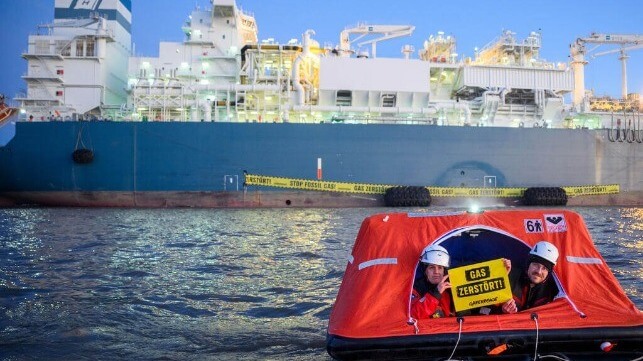
Greenpeace protested Germany's importing of LNG from the U.S. (Greenpeace)

Published Dec 2, 2024 2:23 PM by The Maritime Executive


The international environmental group Greenpeace renewed its campaign against the use of LNG targeting the arrival of a new large gas carrier coming from the U.S. to offload at one of Germany’s floating LNG import terminals. They renewed their calls for the end of the gas extraction method known as fracking and for Germany and other European countries to end their investments in LNG imports.

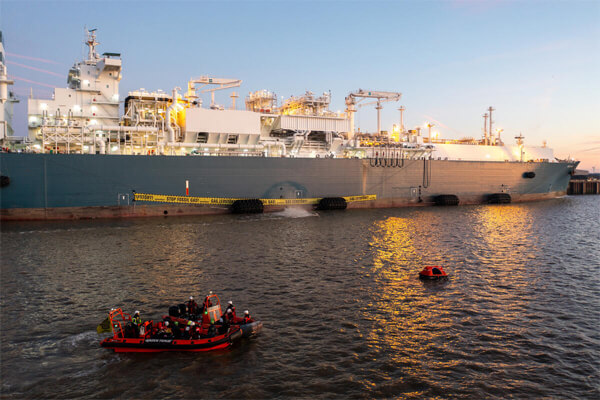
A group of approximately 22 Greenpeace protestors from Germany, Belgium, and Poland took to a flotilla of kayaks, small boats, and other floats to call attention to their cause as the Celsius Gandhinagar (92,385 dwt) was scheduled to arrive from the U.S. on November 30. The vessel, which entered service this year for Denmark’s Celsius Shipping, had loaded a cargo of LNG at the U.S.’s Calcasieu Pass terminal operated by Venture Global.

The protestors took to the water before daylight on Saturday. Among their efforts they got alongside the floating terminal at Brunsbüttel, Germany provided by Hoegh and hung a more than 300-foot-long banner on the hull of the vessel reading “Gas destroyed – Stop Fossil Gas.” Other small boats dotted the harbor displaying their protest signs.


Greenpeace hung a banner on the hull of the Hoegh LNG vessel operating as the terminal in Brunsbüttle, Germany (Greenpeace)


They were not able to stop the arrival of the gas shipment. The vessel unloaded and departed on December 2 for its return trip to the United States. However, Greenpeace highlights that around 84 percent of the LNG now being imported into Germany is coming from the United States after it ended its ties to Russia.

“In order to replace Russian gas with other sources, the expansion of infrastructure for LNG imports has been booming across Europe since 2022,” said Mira Jäger, energy expert at Greenpeace. “But although many of the planned construction projects have not yet been implemented, the existing facilities in Europe are already only operating at about half capacity.”

Greenpeace cited data from the Institute for Energy Economics and Financial Analysis (IEEFA) that predicts that up to three-quarters of European LNG terminals could remain unused by 2030. The group is calling on European countries to “push ahead with the phase-out of fossil fuels instead of increasing demand for dirty fracking gas.”

Germany established three floating LNG import terminals after the start of the war in Ukraine with Brunsbüttel being one of the locals where Germany plans to establish a permanent import terminal that is under construction for LNG. The group says Germany's investment in LNG terminals “does not correspond” to the plans for climate neutrality by 2045 and is instead “driving Germany into new fossil dependencies.” They cite data that says the U.S. remains responsible for a third of new oil and gas extraction planned by 2050.

The U.S. arm of Greenpeace also issued a statement calling on the Biden administration to reject six pending LNG export projects planned for the U.S. Gulf Coast including Calcasieu Pass 2. They expect Donald Trump once he is sworn in to quickly move to increase U.S. LNG exports and they highlight that EU Commission President Ursula von der Leyen proposed a deal with Trump to expand U.S. LNG exports in order to head off potential tariffs on EU goods exported to the U.S. 

The protest was also timed to the World LNG Summit starting on December 9 in Berlin. Greenpeace reports it is calling for another demonstration on December 10 tied to the conference.

RIP

Alaskan Fishing Vessel Capsizes in Icy Strait, Five Missing

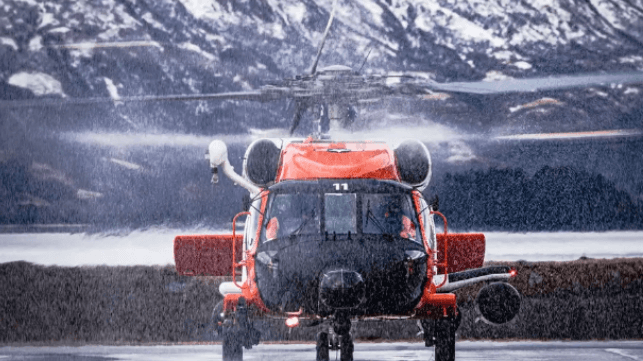
Jayhawk in snow
USCG file image

Published Dec 1, 2024 4:00 PM by The Maritime Executive


A search is under way for the crew of a commercial fishing vessel that capsized in frigid waters and severe weather off the coast of Couverden Island, Alaska.

At about 0010 hours on Sunday morning, Coast Guard Sector Southeast Alaska received a VHF mayday call from the crew of the fishing vessel Wind Walker. The crew reported that they were capsizing off Couverden Point, about 60 nautical miles south of Haines. The crew dropped out of contact, and no further responses were heard over VHF. Shortly after, the Coast Guard received an alert from the Wind Walker's EPIRB at a position in Icy Strait.

The Coast Guard did not get a definite count on the number of crewmembers aboard, but people who knew the vessel reported that there should have been five fisherman working on Wind Walker at the time. The count has not been confirmed.

Sector Southeast Alaska issued an urgent broadcast and dispatched a helicopter aircrew from Coast Guard Air Station Sitka, along with a response boat from Station Juneau to search the area. 

The Alaska Marine Highway ferry Hubbard overheard the broadcast and diverted to assist, and she was the first on scene. In heavy snow and winds of up to 50 knots, the ferry and the Coast Guard responders began a search. Seven cold-water immersion suits and two strobe lights were located in the water in the search area, but no crewmembers. 

Hubbard departed the search area midmorning and continued on her commercial voyage, according to AIS data provided by Pole Star. Coast Guard Cutter Healy arrived in the search area at about the same time, replacing Hubbard


Search Called Off for Lost Seiner's Crew in Icy Strait

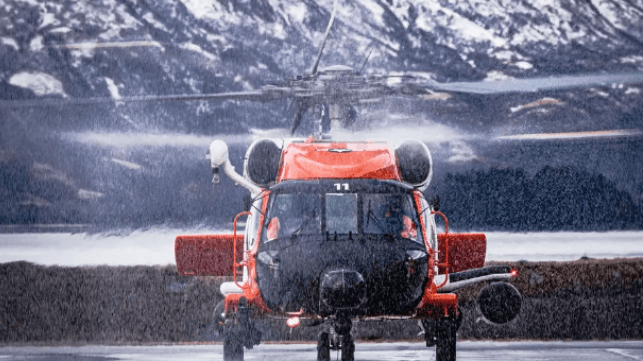
Jayhawk in snow
File image courtesy USCG`

Published Dec 2, 2024 6:46 PM by The Maritime Executive


On Monday morning, the U.S. Coast Guard suspended its search for five missing crewmembers from the fishing vessel Wind Walker, which capsized south of Haines, Alaska in the early hours of Sunday morning. U.S. Coast Guard crews and good Samaritan vessels searched for nearly 24 hours in heavy snow and wind, and covered a search area of more than 100 square nautical miles without success.

"I am deeply grateful for the swiftness of our crews and other search assets who came together to amplify our efforts and completely saturate our search areas," said Chief Warrant Officer James Koon, a search and rescue mission coordinator at Coast Guard Sector Southeast Alaska. "Our collective hearts are with the friends and families who are experiencing the effects from this loss." 

At 0007 hours on Sunday morning, Coast Guard Sector Southeast Alaska received a VHF mayday call from the crew of the 50-foot seiner Wind Walker. The crew reported that they were capsizing off Couverden Point, about 60 nautical miles south of Haines. The crew dropped out of contact, and no further responses were heard over VHF. Shortly after, the Coast Guard received an alert from the Wind Walker's EPIRB at a position in Icy Strait.

The Alaska Marine Highway ferry Hubbard overheard the mayday and was the first responder on scene, followed by the icebreaker USCGC Healy and the cutter USCGC Douglas Denman. They found seven survival suits - all empty - along with two strobe lights, but no signs of the missing crew. Weather on scene included 50-knot northerly winds and driving snow, presenting an extremely difficult situation for cold-water survival and for search operations. 

The Coast Guard did not speculate on the cause of the casualty. The captain of the Hubbard reported freezing spray, and photos taken by the ferry's passengers suggest icing conditions in the area at the time of the casualty. Topside ice accumulation has claimed many Alaskan fishing vessels over the decades, most recently including the Scandies Rose and the F/V Destination.


Brazil Unveils Investment Plan for Port Privatization

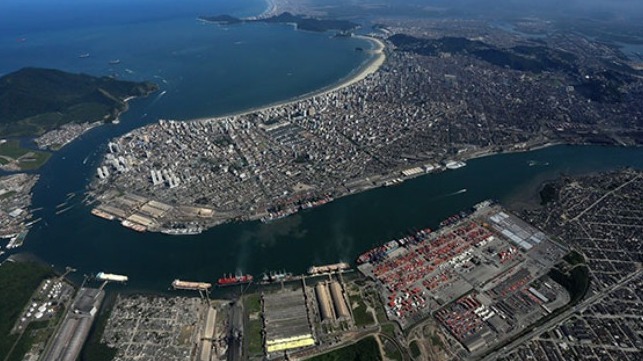
Santos
Courtesy Port of Santos

Published Dec 1, 2024 2:58 PM by The Maritime Executive


Last week, the Brazilian Ministry of Ports and Airports unveiled an investment plan for the upcoming privatization of the country’s major terminals. The plan targets over 50 projects, including port leases and concessions slated for the next two years. The privatization plan is expected to attract investment worth over $3 billion in the Brazilian port sector.

At least five leases are planned at the Port of Santos, including concessions for three terminals and the navigation channel. One of the most notable projects is the auction of the STS10 Terminal, scheduled in the last quarter of 2025. The terminal will increase the container capacity of the Port of Santos by 2 million TEUs. The government will lease the terminal for 25 years for an investment of $580 million. The other auctions will be held across 12 states that host ports critical to Brazil’s foreign trade. Other port areas planned for auction next year include Paranaguá (PR) and Rio de Janeiro.

“The Ministry is closely working with the National Waterway Transport Agency (Antaq) to ensure that these projects are expedited. During President Lula’s four-year term, we aim to hold 55 port sector auctions. To put this into perspective, approximately 45 auctions were conducted between 2013 and 2022. This will secure increased investments and promote modernization and efficiency across our ports,” said Silvio Costa Filho, the Minister of Ports and Airports.

Meanwhile, the government also announced competitive credit lines and tax incentives to attract investors. Specifically, the Merchant Marine Fund(MMF) will allocate 30 percent of its budget to the port sector. The Ministry of Ports added that the port regulatory environment has been streamlined, reducing authorization process by three months.

Separately, a recent analysis by APM Terminals and Brazilian firms A&M Infra and Navarro Prado Advogados, opines that improved efficiency in Brazil’s port sector would help attract the ultra-large containerships, with significant savings on maritime transport costs.

“Historically speaking, new classes of ships generally begin to scale the Brazilian coast 8 to 15 years after they begin operating in European ports. For 366-meter-long ships, which have been operating in Rotterdam since 2006, have not been accommodated in Brazil mainly due to lack of infrastructure. If the appropriate infrastructure were available, these ships could theoretically have been calling at Brazilian ports since 2018,” the study found.

In addition, the use of mega ships linking the East Coast of South America (ECSA) to Asia would help develop the hub-and-spoke system in Brazilian port sector. This model could bring significant operational gains, allowing for reduced layover times (the connection times of a container between the long haul ship and the cabotage ship), which today are 5 to 7 days in Brazilian ports.

“The consolidation of one or more hub ports in Brazil would mean a potential increase of up to 4.6 million TEUs of transshipment (in 2023 volumes). In comparison, the total transshipment movements carried out in Brazil were approximately 2.4 million TEUs in 2023. That is to say, in a more ambitious scenario for the implementation of the hub ports dynamic, the transshipment volume in Brazil could triple,” observed Leonardo Levy, Investment Director of APM Terminals for the Americas.

Port of Darwin's Chinese Operator Comes Under Financial Scrutiny

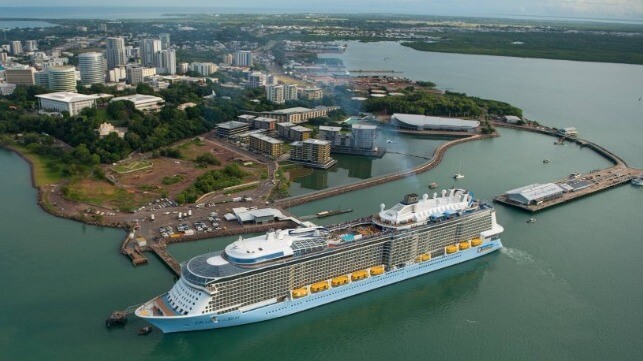
Courtesy Port of Darwin

Published Dec 1, 2024 10:42 PM by The Maritime Executive


Australia Begins Financial Scrutiny of the Chinese Operator of Darwin Port

The Australian Northern Territory government has revived scrutiny of the lease of Port of Darwin to the Chinese operator Landbridge. In a statement on Wednesday, the state government said that it is reviewing its rights on the Port of Darwin, and is concerned about the financial status of the lessee. The recently released 2023-24 annual report for Landbridge revealed that the company made a loss of more than $22 million.

“There is a material uncertainty that may cast significant doubt on the Landbridge Group’s ability to continue as a going concern,” said a PwC audit. Northern Territories Treasurer Bill Yan said that he has written to Landbridge seeking further information about its financial situation, and ability to meet its payment obligations. In addition, the province will work with the Federal Government to assess further steps regarding operations at the port.

“Our immediate focus is to ensure the port remains operational while its longer term future is confirmed,” added Yan.

However, Landbridge Australia said that Port of Darwin operational performance remains strong. The loss incurred in the FY2024 is as a result of a long-standing debt by the parent company, which is due to be refinanced.

“Darwin Port’s [parent company] is in the process of refinancing an overdue corporate bond amounting to $70 million, which we expect will be settled by Q2 in 2025. The Group is considering specific asset sales in China through 2025, but not Darwin for avoidance of doubt,” said Non-Executive Director Terry O’Connor.

Port of Darwin has been at the center of controversy since 2015, when the Australian government leased to China’s Landbridge for 99 years. At the time, the transaction was even criticized by the U.S government. The port’s strategic location serves as an important naval base in the Indo-Pacific region, which includes hosting U.S. Marines.

As part of his campaign in 2022, Australian Prime Minister Anthony Albanese had promised to review Darwin Port’s lease. Last year, the Prime Minister’s Office and the Cabinet completed the review but found it unnecessary to cancel the lease contract.

“There is a robust regulatory system in place to manage risks to critical infrastructure including the Port of Darwin,” concluded the review.


Network for Seafarer Medical Exams Post-COVID

iStock / Sarinya Pinngam

Published Dec 3, 2024 10:05 AM by Dr. Arthur L. Diskin


The maritime industry operates on a unique foundation where crew health and well-being are critical for safe and effective operations. The COVID-19 pandemic has redefined the requirements for health and safety at sea, leading to new challenges in ensuring that seafarers undergo thorough and consistent preemployment medical exams (PEME) and reemployment medical exams (REME) before embarking on their work deployments. Establishing a comprehensive global network of medical facilities to perform these exams has become a critical task for the maritime sector.

Importance of Standardized Medical Exams for Seafarers

Quality medical exams for seafarers are not just about compliance; they are crucial for the safety of both crew (and in the case of cruise ships – passengers), operational efficiency, and the reputation of maritime companies. Here’s why:

  1. Operational Safety: Seafarers operate in physically demanding and often high-risk environments. A rigorous PEME ensures that crew members are physically and mentally fit to handle the strenuous nature of their roles and the potential hazards at sea. With conditions such as cardiovascular disease or uncontrolled diabetes posing significant risks in isolated environments, PEMEs and REMEs help mitigate these dangers.
  2. Legal and Regulatory Compliance: The International Maritime Organization (IMO) and the International Labor Organization (ILO) set stringent medical standards for seafarers. Post-COVID, there’s an increased focus on contagious disease screening, mental health evaluations, and overall fitness for duty. A standardized network of medical facilities helps ensure that exams comply with these regulations, reducing the risk of legal liabilities for shipping companies.
  3. Pandemic Preparedness: The pandemic highlighted the ease with which communicable diseases can spread in confined environments. Comprehensive medical exams, including detailed health histories and infectious disease screenings, are now essential to prevent onboard outbreaks and safeguard public health.
  4. Crew Welfare and Retention: Seafarer health is directly tied to job satisfaction and retention. Offering quality medical care, which includes thorough health screenings, promotes crew confidence in the company’s commitment to their well-being, thereby supporting crew retention and morale.
  5. Mental Health:  The pandemic highlighted the psychological challenges of shipboard life and work, especially for crew with pre-existing mental health issues.  Screening for mental health issues is difficult and requires providers trained and experienced in proper screening and well aware that this screening is part of the PEME/REME and part of their responsibilities and accountability.

Challenges in Building a Global Medical Network

Creating a worldwide network of high-quality medical facilities for PEME and reemployment exams is a complex undertaking, fraught with logistical, regulatory, and operational challenges:

  1. Geographical Diversity: Seafarers are recruited globally, from regions as varied as the Philippines, India, Mozambique, Eastern Europe, and Southeast Asia. Establishing a consistent standard of medical exams across countries with differing healthcare systems, resources, and regulations is challenging. There can be significant variations in medical training, facilities, and diagnostic capabilities between locations, leading to inconsistencies in exam quality.
  2. Regulatory Variability: Different countries and regions have their own medical standards and regulatory frameworks. Aligning these disparate regulations with the uniform standards set by the IMO and ILO requires a nuanced understanding of local laws and ongoing cooperation with regulatory bodies.
  3. Cost and Resource Allocation: Establishing a global network involves considerable time and research, making sure the culture and quality of the clinics are aligned with the standards of the maritime company.  Eliminating clinics found to be capitalizing on the crew, billing for service they do not provide, ordering unnecessary tests to qualify crew, approving crew who should not be cleared, etc., is a constant and difficult responsibility     The right providers and clinics need to be selected as they have significant costs in developing and maintaining their facilities as well as ensuring that they are staffed with qualified personnel and equipped with the necessary technology to conduct comprehensive exams.  Consolidating and directing business to those clinics felt to be fair, ethical, reliable and of the highest quality in each geographical location is mutually beneficial and I have always attempted to execute this consolidation to quality.
  4. Logistics and Accessibility: Seafarers often come from remote areas with limited access to specialized medical facilities. Setting up clinics in such regions or arranging for seafarers to travel to larger medical centers, adds a layer of logistical complexity.
  5. Standardization of Care: Ensuring that all medical facilities follow the same protocols and offer consistent care is a daunting task. This is especially true when it comes to subjective assessments like mental health screenings, where cultural differences may influence diagnosis and reporting.

The Path Forward: Building a Global Network

Developing a comprehensive network of medical facilities for seafarer PEMEs and REMEs  requires a multi-faceted approach:

  1. Partnerships with Global Medical Providers: Collaborating with established global healthcare networks can help ensure consistency and quality across different regions. This approach allows maritime companies to leverage existing infrastructure and expertise while ensuring that local nuances are respected.
  2. Standardized Training and Protocols: All affiliated medical facilities should follow the same protocols, which include both physical and mental health assessments tailored to the maritime environment. Regular training for healthcare providers on maritime-specific health issues, mental health screening, and cultural competency should be a mandatory component.
  3. Technology Integration: Digital health platforms can help bridge gaps in care, offering telehealth consultations, digital record-keeping, and standardized reporting across facilities. This ensures that a seafarer’s health history is accessible globally, reducing the risk of oversight or error.
  4. Focus on Mental Health Support: Maritime companies should go beyond compliance and actively promote mental health support through employee assistance programs, telepsychiatry, and peer support networks. This support should be accessible not just at the time of medical exams but throughout a seafarer’s career.
  5. Continuous Monitoring and Quality Assurance: Regular audits, feedback mechanisms, and continuous monitoring are essential to maintaining the quality and consistency of care. Establishing a centralized oversight body within the company can help ensure that all facilities adhere to established standards.

AP Companies plays a vital role in supporting maritime clients by providing access to a unique global network of PEME-audited facilities. These facilities are rigorously vetted to meet the highest medical standards, ensuring that seafarers receive consistent, high-quality medical examinations, no matter where they are in the world. Even though the facilities are audited, AP Companies' dedicated medical team goes a step further by thoroughly reviewing all supporting documents. This additional layer of scrutiny ensures the reliability and accuracy of every medical certificate, providing clients with confidence in the quality of care their crew receives.

Conclusion

Post-COVID, the maritime industry’s focus on health and safety has intensified, with PEMEs and REMEs playing a critical role. Building a robust global network of medical facilities to provide these exams is a complex endeavor, but one that is essential for safeguarding the well-being of seafarers and ensuring operational safety. By addressing the logistical, regulatory, and cultural challenges and incorporating comprehensive mental health support, the industry can create a healthier, safer, and more resilient workforce for the future.

AP Companies remains committed to playing an important role in this evolution, ensuring that maritime clients not only access high-quality medical networks but also receive the tailored expertise and ongoing support needed to maintain the health and safety of their crew. With our extensive experience and unique global reach, we continue to lead the way in providing world-class medical assistance services for the maritime industry.

Dr. Arthur L. Diskin is a graduate of the University of Miami School of Medicine with specialty training in Emergency Medicine and an interest in critical care. He is certified by the American Board of Emergency Medicine and is a Fellow of the American College of Emergency Physicians. He has held leadership roles such as the Past President of the Florida College of Emergency Physicians and is the former Chief of the Department of Emergency Medicine at Jackson Memorial Hospital in Miami, Florida, and Mount Sinai Medical Center in Miami Beach, Florida.

This article is sponsored by AP Companies. For more information, visit http://www.ap-companies.com.

The opinions expressed herein are the author's and not necessarily those of The Maritime Executive.