Elon Musk told to stick to US politics after latest UK blast
Health Minister Andrew Gwynne says X owner should prioritize “issues on the other side of the Atlantic.”

Elon Musk is deep in an ongoing feud with the U.K.'s governing Labour Party. | Anna Moneymaker/Getty Images
January 3, 2025
By Noah Keate
Health Minister Andrew Gwynne says X owner should prioritize “issues on the other side of the Atlantic.”
Elon Musk is deep in an ongoing feud with the U.K.'s governing Labour Party. | Anna Moneymaker/Getty Images
January 3, 2025
By Noah Keate
POLITICO UK
LONDON — A British minister said Friday that Elon Musk should focus on American politics rather than repeatedly criticizing the Labour government.
The X owner and key Donald Trump ally is deep in an ongoing feud with the U.K.’s governing Labour Party, tweeting his extensive disagreements with Prime Minister Keir Starmer over law and order, economic policy and free speech.
It’s prompted angry pushback from Labour MPs, particularly after Musk on Thursday demanded the release from jail of a controversial far-right activist, Tommy Robinson.
“Elon Musk is an American citizen and perhaps ought to focus on issues on the other side of the Atlantic,” Health Minister Andrew Gwynne told LBC radio Friday.
Gwynne was responding to Musk’s strident criticism of the way British authorities have responded to child sexual exploitation.
Musk slammed Labour for rejecting a national inquiry into child abuse in the north of England and launched a full-frontal attack on Prime Minister Keir Starmer over his record as the country’s top prosecutor.
Musk wrote on X, the social media site he owns: “In the U.K., serious crimes such as rape require the Crown Prosecution Service’s approval for the police to charge suspects. Who was the head of the CPS when rape gangs were allowed to exploit young girls without facing justice? Keir Starmer, 2008-2013.”
Demands for an inquiry into so-called “rape gangs” were picked up Thursday by Britain’s main opposition party, the Conservatives, which was voted out of office after a fourteen-year stint in July and similarly rejected demands for a national inquiry.
Speaking Friday, Gwynne pushed back at Musk’s characterization of the issue. He highlighted a string of local inquiries into child sexual exploitation alongside a wide-ranging national probe which reported in 2022.
“There comes a point where we don’t need more inquiries,” Wynne argued. “Had Elon Musk really paid attention to what’s been going on in this country, he might have recognized that there’ve already been inquiries.”
Musk on Thursday night again approvingly shared posts by Robinson, the far-right ringleader who was jailed in October for breaching a court order relating to libelous claims he made about a Syrian refugee schoolboy.
Musk accused media outlets who reported on his backing for Robinson, including POLITICO, of having “hid” that schoolgirls were being “systematically raped” by “migrant gangs,” and branded them “despicable human beings.”
LONDON — A British minister said Friday that Elon Musk should focus on American politics rather than repeatedly criticizing the Labour government.
The X owner and key Donald Trump ally is deep in an ongoing feud with the U.K.’s governing Labour Party, tweeting his extensive disagreements with Prime Minister Keir Starmer over law and order, economic policy and free speech.
It’s prompted angry pushback from Labour MPs, particularly after Musk on Thursday demanded the release from jail of a controversial far-right activist, Tommy Robinson.
“Elon Musk is an American citizen and perhaps ought to focus on issues on the other side of the Atlantic,” Health Minister Andrew Gwynne told LBC radio Friday.
Gwynne was responding to Musk’s strident criticism of the way British authorities have responded to child sexual exploitation.
Musk slammed Labour for rejecting a national inquiry into child abuse in the north of England and launched a full-frontal attack on Prime Minister Keir Starmer over his record as the country’s top prosecutor.
Musk wrote on X, the social media site he owns: “In the U.K., serious crimes such as rape require the Crown Prosecution Service’s approval for the police to charge suspects. Who was the head of the CPS when rape gangs were allowed to exploit young girls without facing justice? Keir Starmer, 2008-2013.”
Demands for an inquiry into so-called “rape gangs” were picked up Thursday by Britain’s main opposition party, the Conservatives, which was voted out of office after a fourteen-year stint in July and similarly rejected demands for a national inquiry.
Speaking Friday, Gwynne pushed back at Musk’s characterization of the issue. He highlighted a string of local inquiries into child sexual exploitation alongside a wide-ranging national probe which reported in 2022.
“There comes a point where we don’t need more inquiries,” Wynne argued. “Had Elon Musk really paid attention to what’s been going on in this country, he might have recognized that there’ve already been inquiries.”
Musk on Thursday night again approvingly shared posts by Robinson, the far-right ringleader who was jailed in October for breaching a court order relating to libelous claims he made about a Syrian refugee schoolboy.
Musk accused media outlets who reported on his backing for Robinson, including POLITICO, of having “hid” that schoolgirls were being “systematically raped” by “migrant gangs,” and branded them “despicable human beings.”
Elon Musk calls for King Charles to dissolve parliament over ‘grooming gangs’
PA_Media |
Jan 03, 2025
Tesla CEO Elon Musk has continued his social media criticism of UK PM Keir Starmer for the government’s handling of a ‘child grooming’ scandal in the country
Elon Musk has continued his criticism of the Government, calling on the King to step in and dissolve Parliament.

MUSK NEVER TOOK A CIVICS COURSE
PA_Media |
Jan 03, 2025
Tesla CEO Elon Musk has continued his social media criticism of UK PM Keir Starmer for the government’s handling of a ‘child grooming’ scandal in the country
Elon Musk has continued his criticism of the Government, calling on the King to step in and dissolve Parliament.
Tesla CEO Elon Musk asked King Charles to step in and dissolve parliament(REUTERS)
The world’s richest man, who purchased the social media site Twitter and renamed it X in 2022, has shared and reacted to tweets critical of the Government and the Prime Minister after Labour rejected a call for an inquiry into child grooming.
Also Read: Elon Musk shares post blasting New Orleans FBI for sporting Taylor Swift bracelets amid ‘terror’ attack
In his latest attacks on Sir Keir Starmer, Mr Musk shared a post asking whether Charles “should dissolve parliament and order a General Election… for the sake and security” of Britain. Mr Musk retweeted the X thread with a one-word comment: “Yes.”
Also Read: Elon Musk backs Cybertruck after explosion: 'Picked the wrong vehicle for terrorist attack'
The 53-year-old Starlink boss continued to wade into the debate overnight, hours after he posted that safeguarding minister Jess Phillips “deserves to be in prison” after she denied requests for the Home Office to lead a public inquiry into child sexual exploitation in Oldham on Thursday.
Also Read: Elon Musk changes his name on X again after Kekius Maximus. This time it's…
He also suggested the Prime Minister had failed to bring “rape gangs” to justice when he was director of public prosecutions. Mr Musk reposted an article in The Daily Telegraph by shadow justice secretary Robert Jenrick in which he says the “grooming gangs” should be renamed “torture rape gangs”.
He wrote that Mr Musk’s comments had shamed “the establishment by taking more interest in bringing these rape gangs to justice in one evening than most of the British establishment has for decades”.
Mr Musk continued his criticism in a post alongside footage of The Times’ chief investigative reporter Andrew Norfolk as he detailed the scope of the case and police mishandling, calling it “State-sponsored evil.” Mr Norfolk exposed the Rotherham child sexual exploitation ring in the UK press in 2011.
In another comment on the same post, Mr Musk branded the scandal and the child rapists involved as “utterly shameful”. The Tesla owner also called a post asking why people were angrier at his comments than they were about “mass rape” of children as the “perfect question”.
Meanwhile, Tory leader Kemi Badenoch said a full national inquiry into organised grooming gangs is “long overdue”. Ms Phillips said she recognised the “strength of feeling” for a Home Office-led inquiry into Oldham, but she told the local council the Government will not “intervene”.
“I believe it is for Oldham Council alone to decide to commission an inquiry into child sexual exploitation locally, rather than for the Government to intervene,” she said.
In response, Mr Musk, a key member of US President-elect Donald Trump’s inner circle, said: “She deserves to be in prison.”
He also appeared to place blame at the Prime Minister’s door. Mr Musk said: “In the UK, serious crimes such as rape require the Crown Prosecution Service’s approval for the police to charge suspects. Who was the head of the CPS when rape gangs were allowed to exploit young girls without facing justice? Keir Starmer, 2008-2013.”
In a series of posts on his social media site, Mr Musk described the Prime Minister as “two-tier Keir”, claiming there was “no justice for severe, violent crimes but prison for social media posts”.
Mr Musk also expressed his support for activist Tommy Robinson – real name Stephen Yaxley-Lennon – who was jailed for 18 months for contempt of court in October. Senior Tories also sought to put pressure on the Government over grooming gangs.
Mrs Badenoch said: “The time is long overdue for a full national inquiry into the rape gangs scandal. Trials have taken place all over the country in recent years but no one in authority has joined the dots. 2025 must be the year that the victims start to get justice.”
Shadow home secretary Chris Philp and shadow safeguarding minister Alicia Kearns pressed for a statutory inquiry in Oldham. They said that only a public inquiry “can adequately encompass the national nature of these crimes and issues” and consider whether reports were ignored by the police, CPS and local council “or even covered up”.
In 2022, the then-Conservative government also refused a request for a public inquiry into events in Oldham.
An Oldham Council spokesman said: “Survivors sit at the heart of our work to end child sexual exploitation. Whatever happens in terms of future inquiries, we have promised them that their wishes will be paramount, and we will not renege on that pledge.”
Responding to Mrs Badenoch’s post, Reform UK leader Nigel Farage said: “Talk is cheap. The Conservatives had 14 years in government to launch an inquiry. The establishment has failed the victims of grooming gangs on every level.”
Mr Musk, who is rumoured to be considering a major donation to Mr Farage’s party, responded: “Exactly. Time for Reform.”
The Independent Inquiry into Child Sex Abuse, which published its final report in 2022, described the sexual abuse of children as an “epidemic that leaves tens of thousands of victims in its poisonous wake”.
Led by Professor Alexis Jay, the inquiry looked into abuse by organised groups following multiple convictions of sexual offences against children across the UK between 2010-2014, including in Rotherham, Cornwall, Derbyshire, Rochdale and Bristol. In November last year, Professor Jay said she felt “frustrated” that none of the probe’s 20 recommendations had been implemented more than two years after its conclusion.
A Labour spokesman said the Government is “working at pace to implement the recommendations” in Professor Jay’s report. The spokesman added: “We have supported both the national overarching inquiry into child abuse which reported in 2022, and local independent inquiries and reviews including in Telford, Rotherham and Greater Manchester."
“This Government is working urgently to strengthen the law so that these crimes are properly reported and investigated. In Oldham the crimes committed by grooming gangs were horrific. Young girls were abused in the most cruel and sadistic way."
“Victims and the community need to know that all steps are taken to deliver justice and protect children properly in the future. We will welcome and support an independent investigation commissioned by Oldham Council which puts victims’ voices at its heart, following the examples of Telford and Rotherham.”
"We also continue to support wider work commissioned by mayor Andy Burnham into child protection issues across Greater Manchester, following the review into historic safeguarding issues in Oldham which was published in 2022.”
The world’s richest man, who purchased the social media site Twitter and renamed it X in 2022, has shared and reacted to tweets critical of the Government and the Prime Minister after Labour rejected a call for an inquiry into child grooming.
Also Read: Elon Musk shares post blasting New Orleans FBI for sporting Taylor Swift bracelets amid ‘terror’ attack
In his latest attacks on Sir Keir Starmer, Mr Musk shared a post asking whether Charles “should dissolve parliament and order a General Election… for the sake and security” of Britain. Mr Musk retweeted the X thread with a one-word comment: “Yes.”
Also Read: Elon Musk backs Cybertruck after explosion: 'Picked the wrong vehicle for terrorist attack'
The 53-year-old Starlink boss continued to wade into the debate overnight, hours after he posted that safeguarding minister Jess Phillips “deserves to be in prison” after she denied requests for the Home Office to lead a public inquiry into child sexual exploitation in Oldham on Thursday.
Also Read: Elon Musk changes his name on X again after Kekius Maximus. This time it's…
He also suggested the Prime Minister had failed to bring “rape gangs” to justice when he was director of public prosecutions. Mr Musk reposted an article in The Daily Telegraph by shadow justice secretary Robert Jenrick in which he says the “grooming gangs” should be renamed “torture rape gangs”.
He wrote that Mr Musk’s comments had shamed “the establishment by taking more interest in bringing these rape gangs to justice in one evening than most of the British establishment has for decades”.
Mr Musk continued his criticism in a post alongside footage of The Times’ chief investigative reporter Andrew Norfolk as he detailed the scope of the case and police mishandling, calling it “State-sponsored evil.” Mr Norfolk exposed the Rotherham child sexual exploitation ring in the UK press in 2011.
In another comment on the same post, Mr Musk branded the scandal and the child rapists involved as “utterly shameful”. The Tesla owner also called a post asking why people were angrier at his comments than they were about “mass rape” of children as the “perfect question”.
Meanwhile, Tory leader Kemi Badenoch said a full national inquiry into organised grooming gangs is “long overdue”. Ms Phillips said she recognised the “strength of feeling” for a Home Office-led inquiry into Oldham, but she told the local council the Government will not “intervene”.
“I believe it is for Oldham Council alone to decide to commission an inquiry into child sexual exploitation locally, rather than for the Government to intervene,” she said.
In response, Mr Musk, a key member of US President-elect Donald Trump’s inner circle, said: “She deserves to be in prison.”
He also appeared to place blame at the Prime Minister’s door. Mr Musk said: “In the UK, serious crimes such as rape require the Crown Prosecution Service’s approval for the police to charge suspects. Who was the head of the CPS when rape gangs were allowed to exploit young girls without facing justice? Keir Starmer, 2008-2013.”
In a series of posts on his social media site, Mr Musk described the Prime Minister as “two-tier Keir”, claiming there was “no justice for severe, violent crimes but prison for social media posts”.
Mr Musk also expressed his support for activist Tommy Robinson – real name Stephen Yaxley-Lennon – who was jailed for 18 months for contempt of court in October. Senior Tories also sought to put pressure on the Government over grooming gangs.
Mrs Badenoch said: “The time is long overdue for a full national inquiry into the rape gangs scandal. Trials have taken place all over the country in recent years but no one in authority has joined the dots. 2025 must be the year that the victims start to get justice.”
Shadow home secretary Chris Philp and shadow safeguarding minister Alicia Kearns pressed for a statutory inquiry in Oldham. They said that only a public inquiry “can adequately encompass the national nature of these crimes and issues” and consider whether reports were ignored by the police, CPS and local council “or even covered up”.
In 2022, the then-Conservative government also refused a request for a public inquiry into events in Oldham.
An Oldham Council spokesman said: “Survivors sit at the heart of our work to end child sexual exploitation. Whatever happens in terms of future inquiries, we have promised them that their wishes will be paramount, and we will not renege on that pledge.”
Responding to Mrs Badenoch’s post, Reform UK leader Nigel Farage said: “Talk is cheap. The Conservatives had 14 years in government to launch an inquiry. The establishment has failed the victims of grooming gangs on every level.”
Mr Musk, who is rumoured to be considering a major donation to Mr Farage’s party, responded: “Exactly. Time for Reform.”
The Independent Inquiry into Child Sex Abuse, which published its final report in 2022, described the sexual abuse of children as an “epidemic that leaves tens of thousands of victims in its poisonous wake”.
Led by Professor Alexis Jay, the inquiry looked into abuse by organised groups following multiple convictions of sexual offences against children across the UK between 2010-2014, including in Rotherham, Cornwall, Derbyshire, Rochdale and Bristol. In November last year, Professor Jay said she felt “frustrated” that none of the probe’s 20 recommendations had been implemented more than two years after its conclusion.
A Labour spokesman said the Government is “working at pace to implement the recommendations” in Professor Jay’s report. The spokesman added: “We have supported both the national overarching inquiry into child abuse which reported in 2022, and local independent inquiries and reviews including in Telford, Rotherham and Greater Manchester."
“This Government is working urgently to strengthen the law so that these crimes are properly reported and investigated. In Oldham the crimes committed by grooming gangs were horrific. Young girls were abused in the most cruel and sadistic way."
“Victims and the community need to know that all steps are taken to deliver justice and protect children properly in the future. We will welcome and support an independent investigation commissioned by Oldham Council which puts victims’ voices at its heart, following the examples of Telford and Rotherham.”
"We also continue to support wider work commissioned by mayor Andy Burnham into child protection issues across Greater Manchester, following the review into historic safeguarding issues in Oldham which was published in 2022.”
Elon Musk and the Helplessness of German Liberal Democratic Elites
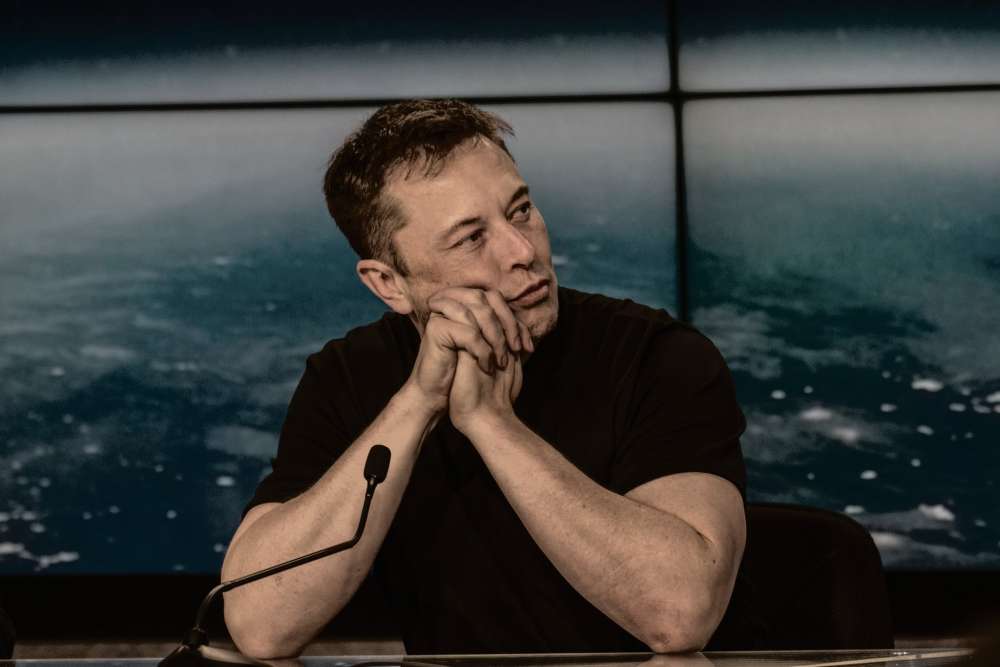
Elon Musk, CEO of SpaceX, Tesla and X. |
Photo: Daniel Oberhaus (2018) / Flickr (CC BY 2.0)
By Thorsten Benner
03 Jan 2025,
published in Agenda Pública
“Only the AfD can save Germany”, Elon Musk wrote in a post on his social media platform X just before Christmas. A good week later, German newspaper DIE WELT ran an op-ed by the billionaire explaining his endorsement of the extreme-right Alternative for Germany barely two months ahead of crucial national elections. The piece in German publishing house Axel Springer’s flagship publication triggered a remarkably helpless reaction by liberal democratic elites.
Let us start with the good news. Musk’s intervention is a clarifying moment for the German center-right. Some of the leading lights in the CDU and FDP had tried to suck up to the world’s richest man. Leading CDU politician and former health minister Jens Spahn had lionized Musk as “champion for a whole generation of courageous entrepreneurs and scientists. For people who believe in the power of ideas and that progress is possible”. FDP leader and former finance minister Christian Lindner had argued that Germany needs to dare to be more inspired by “Milei or Musk”. Even when Musk voiced his support for the AfD on X, Lindner’s reaction was sycophantic. “Elon, I’ve initiated a policy debate inspired by ideas from you and Milei”, he tweeted. “Don’t rush to conclusions from afar. Let’s meet, and I’ll show you what the FDP stands for“. Musk was not too impressed with the plea of his self-appointed German disciple. He simply went on to share a post by AfD leader Alice Weidel and doubled down on his support for the AfD in his op-ed. That led CDU chairman Friedrich Merz who is the clear favorite to succeed Scholz as chancellor to issue a sharp rebuke: “Elon Musk’s election appeal is intrusive and presumptuous”. All the while the AfD is using Musk’s endorsement to take its case to German voters. The frontlines are now clear. Musk is the AfD’s new patron saint. Fewer center-right politicians are likely to invoke the billionaire as a source of inspiration in the near future.
For the rest, the whole affair leaves neither Musk, Axel Springer nor German liberal democratic elites looking particularly good. Musk’s lightweight treatise reads like it was AI-generated, with a prompt such as “expand my tweet in support of the AfD into a flimsy op-ed”. It would have been easy for him to hire a scribe ghostwriting a somewhat substantive text. That he chose not to shows how little he ultimately cares about the details of the country in which Tesla has one of its biggest investments in Europe in the form of its gigafactory in Grünheide near Berlin. Musk does not betray any deeper familiarity with the fault lines of German politics or the AfD. For him, AfD co-leader Weidel being a lesbian with a partner born in Sri Lanka is enough to paper over the Nazi language pushed by Björn Höcke, the AfD’s leader in its stronghold Thuringia. Musk claims the “political realism” of the AfD makes it the only force that can push for deregulation, curtailing illegal migration and changing Germany’s energy policy. Musk overlooks that to achieve these goals he might as well turn to the CDU/CSU or the FDP. He seems blissfully unaware that the AfD’s push for a German exit from the Eurozone and the EU would spell economic disaster – or that it was the AfD that opposed Musk’s gigafactory in Grünheide.
That Germany’s leading publishing house Axel Springer and its CEO Mathias Döpfner decided to run an endorsement of the AfD is a significant step for the extreme right party on its path to normalization. Now the big question is whether Springer CEO Mathias Döpfner will continue to push in this direction. Hardly any German will vote for the AfD just because Musk provided an endorsement. However, should Springer’s main media outlets decide to pursue a full-fledged normalization of the AfD that would be an important breakthrough for the party. Right now, the scenario of Döpfner going full Hugenberg is not very likely. In fact, Döpfner’s decision to offer Musk a platform to run his op-ed may have had little to do with German politics and everything with Springer’s business interests in the US. Döpfner sees the US as its main market for growth having acquired Politico. Being on the good side of Musk can’t hurt for your big business dreams in the Musk-Trump era. For Springer, the political damage in Germany from pushing Musk’s AfD endorsement might be a price worth paying to pursue the more important goals in the US. The fact that Springer decided to accompany Musk’s piece with a rebuttal by WELT’s editor-in-chief demonstrates a certain willingness to limit that damage.
German liberal democratic elites are right to be concerned by Musk’s activism in favor of the AfD. After all, Musk has formidable resources via his financial clout, control of X, closeness to US president-elect Donald Trump and his formal role in the coming Trump administration. There is a danger of the Trumpist-tech billionaire US right orchestrating a far-right international to take power in key European countries. Musk’s support for Nigel Farage is a case in point. But self-righteous outrage at Musk because of external interference into German politics is a not an effective answer. If you want to go after Musk then target his business interests: pursue effective regulation of X, organize a consumer boycott against Tesla and pursue massive investments to decrease the European dependence on Starlink. For the rest, collective outrage at Musk might increase the coziness factor around the liberal democratic campfire. But it does nothing to decrease the appeal of the AfD with voters. Liberal democratic elites have every reason to panic about the AfD’s rise for which there doesn’t seem to be any effective antidote. The “firewall” agreement among all democratic parties vowing not to pursue any cooperation with the AfD only seems to increase the appeal of the AfD as the only alternative. At the same time, there is no agreement among liberal democratic forces on whether to pursue a formal request to ban the AfD (or at least deprive it of public funding) with the constitutional court. And simply governing better to win back voters is much harder with ever messier coalition governments making for odd bedfellows in an ever more fragmenting party system. But one thing is certain: finger-pointing at Musk or Springer is hardly a winning strategy with voters looking for real solutions to the malaise of the German model and the country’s economic, social and security challenges. Rather, it’s a feel-good distraction.
This commentary was originally published by Agenda Pública on January 3, 2025.
About - GPPi
03 Jan 2025,
published in Agenda Pública
“Only the AfD can save Germany”, Elon Musk wrote in a post on his social media platform X just before Christmas. A good week later, German newspaper DIE WELT ran an op-ed by the billionaire explaining his endorsement of the extreme-right Alternative for Germany barely two months ahead of crucial national elections. The piece in German publishing house Axel Springer’s flagship publication triggered a remarkably helpless reaction by liberal democratic elites.
Let us start with the good news. Musk’s intervention is a clarifying moment for the German center-right. Some of the leading lights in the CDU and FDP had tried to suck up to the world’s richest man. Leading CDU politician and former health minister Jens Spahn had lionized Musk as “champion for a whole generation of courageous entrepreneurs and scientists. For people who believe in the power of ideas and that progress is possible”. FDP leader and former finance minister Christian Lindner had argued that Germany needs to dare to be more inspired by “Milei or Musk”. Even when Musk voiced his support for the AfD on X, Lindner’s reaction was sycophantic. “Elon, I’ve initiated a policy debate inspired by ideas from you and Milei”, he tweeted. “Don’t rush to conclusions from afar. Let’s meet, and I’ll show you what the FDP stands for“. Musk was not too impressed with the plea of his self-appointed German disciple. He simply went on to share a post by AfD leader Alice Weidel and doubled down on his support for the AfD in his op-ed. That led CDU chairman Friedrich Merz who is the clear favorite to succeed Scholz as chancellor to issue a sharp rebuke: “Elon Musk’s election appeal is intrusive and presumptuous”. All the while the AfD is using Musk’s endorsement to take its case to German voters. The frontlines are now clear. Musk is the AfD’s new patron saint. Fewer center-right politicians are likely to invoke the billionaire as a source of inspiration in the near future.
For the rest, the whole affair leaves neither Musk, Axel Springer nor German liberal democratic elites looking particularly good. Musk’s lightweight treatise reads like it was AI-generated, with a prompt such as “expand my tweet in support of the AfD into a flimsy op-ed”. It would have been easy for him to hire a scribe ghostwriting a somewhat substantive text. That he chose not to shows how little he ultimately cares about the details of the country in which Tesla has one of its biggest investments in Europe in the form of its gigafactory in Grünheide near Berlin. Musk does not betray any deeper familiarity with the fault lines of German politics or the AfD. For him, AfD co-leader Weidel being a lesbian with a partner born in Sri Lanka is enough to paper over the Nazi language pushed by Björn Höcke, the AfD’s leader in its stronghold Thuringia. Musk claims the “political realism” of the AfD makes it the only force that can push for deregulation, curtailing illegal migration and changing Germany’s energy policy. Musk overlooks that to achieve these goals he might as well turn to the CDU/CSU or the FDP. He seems blissfully unaware that the AfD’s push for a German exit from the Eurozone and the EU would spell economic disaster – or that it was the AfD that opposed Musk’s gigafactory in Grünheide.
That Germany’s leading publishing house Axel Springer and its CEO Mathias Döpfner decided to run an endorsement of the AfD is a significant step for the extreme right party on its path to normalization. Now the big question is whether Springer CEO Mathias Döpfner will continue to push in this direction. Hardly any German will vote for the AfD just because Musk provided an endorsement. However, should Springer’s main media outlets decide to pursue a full-fledged normalization of the AfD that would be an important breakthrough for the party. Right now, the scenario of Döpfner going full Hugenberg is not very likely. In fact, Döpfner’s decision to offer Musk a platform to run his op-ed may have had little to do with German politics and everything with Springer’s business interests in the US. Döpfner sees the US as its main market for growth having acquired Politico. Being on the good side of Musk can’t hurt for your big business dreams in the Musk-Trump era. For Springer, the political damage in Germany from pushing Musk’s AfD endorsement might be a price worth paying to pursue the more important goals in the US. The fact that Springer decided to accompany Musk’s piece with a rebuttal by WELT’s editor-in-chief demonstrates a certain willingness to limit that damage.
German liberal democratic elites are right to be concerned by Musk’s activism in favor of the AfD. After all, Musk has formidable resources via his financial clout, control of X, closeness to US president-elect Donald Trump and his formal role in the coming Trump administration. There is a danger of the Trumpist-tech billionaire US right orchestrating a far-right international to take power in key European countries. Musk’s support for Nigel Farage is a case in point. But self-righteous outrage at Musk because of external interference into German politics is a not an effective answer. If you want to go after Musk then target his business interests: pursue effective regulation of X, organize a consumer boycott against Tesla and pursue massive investments to decrease the European dependence on Starlink. For the rest, collective outrage at Musk might increase the coziness factor around the liberal democratic campfire. But it does nothing to decrease the appeal of the AfD with voters. Liberal democratic elites have every reason to panic about the AfD’s rise for which there doesn’t seem to be any effective antidote. The “firewall” agreement among all democratic parties vowing not to pursue any cooperation with the AfD only seems to increase the appeal of the AfD as the only alternative. At the same time, there is no agreement among liberal democratic forces on whether to pursue a formal request to ban the AfD (or at least deprive it of public funding) with the constitutional court. And simply governing better to win back voters is much harder with ever messier coalition governments making for odd bedfellows in an ever more fragmenting party system. But one thing is certain: finger-pointing at Musk or Springer is hardly a winning strategy with voters looking for real solutions to the malaise of the German model and the country’s economic, social and security challenges. Rather, it’s a feel-good distraction.
This commentary was originally published by Agenda Pública on January 3, 2025.
About - GPPi







 Sign up