Sunday, September 28, 2025


Young woman who rallied for liberties in Iran is now 'looking for freedom' from ICE detention

Long read


Melika Mohammadi Gazvar Olya fled Tehran after participating in the “Woman, Life, Freedom” protests following the September 2022 death of Mahsa Amini in custody. After a dangerous journey across Central America, she was detained upon arrival in the US. The young Iranian asylum-seeker has been incarcerated for nearly three years in an ICE detention center near the Mexican border.


Issued on: 28/09/2025 - 
FRANCE24
By: Mehdi BOUZOUINA
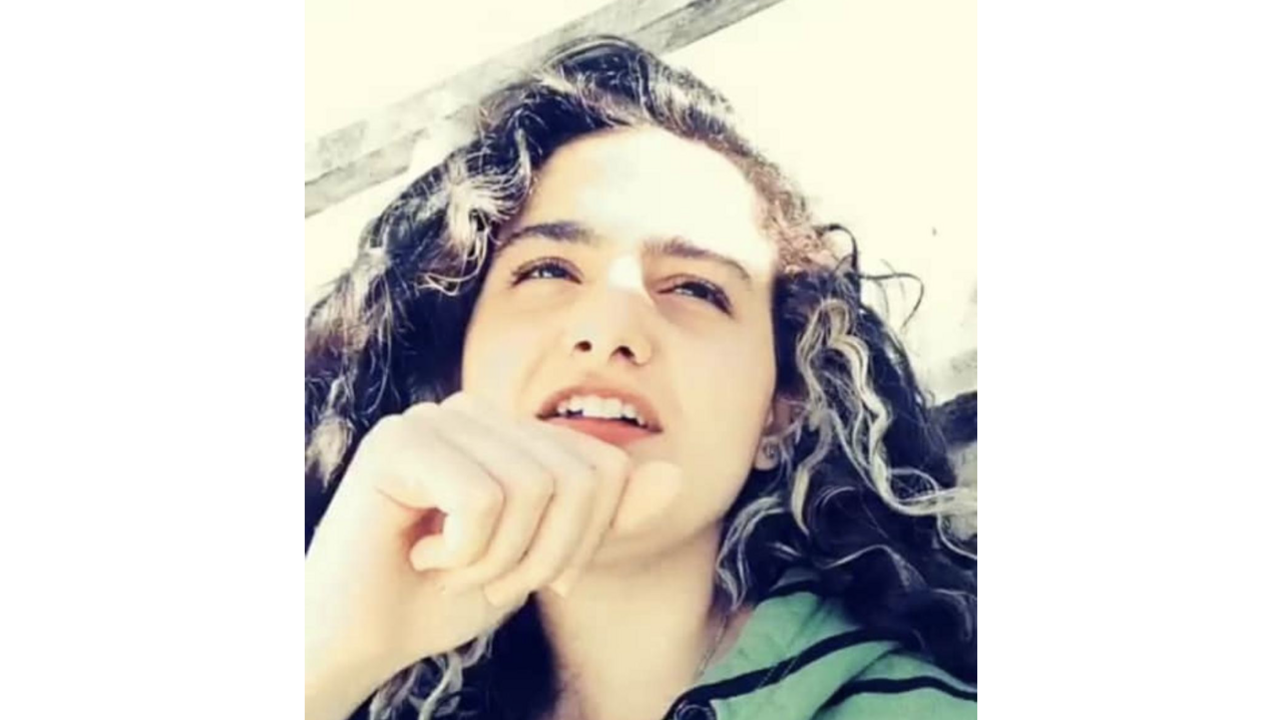

Melika Mohammadi Gazvar Olya before her arrest in the US. © Handout

In the fall of 2022, Melika Mohammadi Gazvar Olya, like hundreds of young Iranian women, took to the streets of Tehran to protest against the Islamic regime’s mandatory hijab laws.

The September 16, 2022, death in custody of Mahsa Amini, a student who was arrested for “inappropriate clothing”, had sparked the “Woman, Life, Freedom” protests across the country that were rattling the regime.

Melika, like many of the young women protesters, marched bareheaded and posted images of her defiance on social media. It was her way of demonstrating her dissent.


When the crackdown came, it was sweeping and brutal. Fearing for the safety of her mother and two younger sisters, Melika, then just 20, and her father made the difficult decision to flee. They left Iran for Turkey, took a flight to Nicaragua and then made their way to the United States.

‘I felt like my world was falling apart’

For Melika and her father, it meant weeks of walking and taking bus rides through Central America, an arduous trek made hazardous by extortionate smugglers, criminal gangs and corrupt local officials that has led Amnesty International to call the migrant route “the Most Dangerous Journey”.

On the road, Melika witnessed physical and sexual abuse. Far from the comfort of home, the young Iranian woman lived with the constant fear of danger while grappling with the unfamiliarity of a different culture, language and landscapes of the places she passed. “It’s hard when you are on the road – you don’t have your place, your bed, your food – everything was different,” she told FRANCE 24.

At the end of January 2023, Melika and her father finally reached Ciudad Juarez, a teeming Mexican city on the US-Mexico border considered the last stop on the migrant route to the USA. Like many refugees crossing the Rio Grande River separating Mexico and the US state of Texas, she surrendered to US border guards, hoping to quickly obtain asylum.

But it was the start of another ordeal, one she hadn’t expected. Immediately after her arrest, Melika exchanged her civilian clothes for a prison uniform.

The young woman, who wants to study medicine, saw her dreams shattered as soon as she realised she was being transferred to the custody of US Immigration and Customs Enforcement (ICE) at the infamous El Paso Service Processing Center (EPSPC), where a recent Amnesty International report documented “serious human rights violations”. It was a rude welcome to the land of free. “I felt like my world was falling apart,” she recalled.
Cell mates come and go

Melika had made it from Iran to the US, but her legal ordeal on American soil had just begun. At a Texas district court, an immigration judge ordered her deportation to Iran, even though her life was in danger in her homeland.

One day, after nearly 10 months in detention, Melika was escorted by ICE agents into a van with tinted windows and driven away. It was only when she stepped out onto the tarmac of El Paso airport that she realised what was happening. Nearly two years later, Melika remembers that fateful day with clarity. “In October 2023, ICE drove me away in a van – without telling me where we were going. Then I realised we were on an airport tarmac – and I started crying. An officer kindly told me I had the right to refuse the flight, and so I did," she recalled in an interview from detention with FRANCE 24.

Saved from boarding that flight out of the US, Melika has since been supported by the Las Americas Immigrant Advocacy Center association, an El Paso-based NGO providing legal services to immigrants and advocating for their human rights.

Earlier this year, there was a second attempt to deport her. In March, Las Americas, the Center for Constitutional Rights, and Texas A&M School of Law Civil Rights Clinic submitted a petition for a writ of habeas corpus, allowing detainees to challenge the legality of their confinement, to a Texas court.

As her case grinds through the courts, and advocacy groups exhaust every legal means at their disposal, Melika has been sharing a dormitory with around 70 fellow inmates. After more than two years and eight months, she has seen cell mates, mostly from Latin America, come and go, with many of them deported to their countries of origin within a few weeks.

Along the way, the now 23-year-old Iranian woman picked up Spanish, improved her English and is now fluent in both languages. “I make new friends all the time, I watch them leave as new ones arrive. And those ones end up leaving as well. I am wondering if I will ever find my freedom again,” she said.

Despite the legal, bureaucratic and political obstacles, Zoe Bowman, supervising attorney at Las Americas, is working doggedly to try to secure parole for Melika. "We are challenging her prolonged detention at a federal court level," said Bowman, noting the 2001 landmark Supreme Court ruling in the Zadvydas v. Davis case set the maximum “presumptively reasonable” period of detention after a deportation order at six months. It’s a threshold that has long been exceeded in Melika’s case.

US strikes Iran – and Iranians seeking asylum

Donald Trump's return to the White House has virtually closed America’s doors to asylum seekers. During his 2024 campaign, Trump repeatedly slammed the Biden administration’s use of “catch and release”, which refers to the practice of releasing migrants and asylum seekers to the community while they await immigration hearings.

The subsequent build-up of detainees since “catch and release” was scrapped has sparked a rapid expansion of temporary migrant detention centers, including the new “Alligator Alcatraz” in Florida, which Trump inaugurated in July. Granting asylum, an already difficult process under the Biden administration, has become virtually non-existent under the second Trump presidency.

Melika’s unwavering optimism took another blow after the 12-day US-Israel war on Iran. For several days, as fighter jets rained down munitions on Iran, Melika had no news from her family back home. She quickly realised that Iranian refugees were now being targeted by US authorities. Tom Homan, the White House “border czar” appointed by Trump to head ICE, has publicly expressed concern about potential Iranian “sleeper cells", fueling the paranoia of the MAGA base.

“My father, who had been granted parole a few months ago, was picked up by ICE right after the strikes. He is now in another detention center in Arizona and I am having a very hard time getting news from him,” lamented Melika, who communicates with the outside world via messaging apps on her mobile, when it works in the detention center.

Shadows on the wall

Life at the El Paso processing center is tough with 5.30am military-like wakeup calls, rationed toilet paper, deplorable hygiene and limited medical care. In its May 14 report, Amnesty International expressed particular concern about the quality of the food, which is poorly balanced and sometimes even spoiled. “They always feed us some bread with peanut butter and chips,” said Melika.

After more than two years behind bars, the young Iranian woman has become a point of reference for new arrivals, guiding and supporting them in an oppressive environment.

Former inmates who shared Melika’s detention cell remember the young Iranian woman as a beacon of hope, providing some humanity as she maintained a semblance of dignity in an inhospitable space where overcrowding, lack of privacy, deprivations and constant noise are part of everyday life.

“Some days we would cast our shadows against the wall, posing as if we were doing a photo shoot. Without a phone, we pretended to take pictures. It was our way of passing the time. We danced and drew a lot,” recalled her former cellmate Edgarlys Castaneda-Rodriguez. A Venezuelan asylum seeker, Castaneda-Rodriguez spent several “traumatic” weeks in the same dormitory as Melika before being granted conditional release. She now lives in New York and has to wear an electronic ankle bracelet.

Castaneda-Rodriguez reveals that a fellow inmate even attempted to take her own life a few weeks ago in the cell she shared with her Iranian friend.

Three years after Amini's death, Melika remains stuck in El Paso with no certainty about the outcome of her asylum application. She tries to remain hopeful: “I took a road I didn't know, and went to a place I never had any plans to go to,” she said. “I am still here, all this time, and I’m still looking for freedom.”

This article has been translated from the original in French.


This Spanish woman lived to 117. Scientists may have discovered why

Scientists have long been intrigued by the world's oldest citizens.
Copyright Canva

By Gabriela Galvin
Published on 

Researchers said the supercentenarian’s longevity shows how old age and disease can ‘become decoupled’ at times.

Maria Branyas was the oldest person in the world when she died at 117 in Spain last year – but a look at her genome suggests that her biological age may have been much younger.

Health experts and the public alike have long been fascinated with supercentenarians – those who live to at least 110 – and what their longevity reveals about the keys to ageing well.

Before she died in August 2024, Branyas agreed to help a group of Spanish scientists find out.

When she was 116, they collected samples of her blood, saliva, urine, and stool to analyse her genetics and microbiome and compare the results with bigger groups of similarly aged people.

Branyas had biomarkers of very old age, including shortened telomeres – which indicate cellular ageing – as well as a type of B cell known to accumulate with age and clonal hematopoiesis, another age-related condition.

However, she also had low inflammation levels, “rejuvenated” gut health, and a youthful epigenome, or changes to how genes are expressed without affecting our actual DNA.

Branyas, who the researchers called “one exceptional individual,” also had unusual variations in her genetic code that appeared to protect against common health problems, including heart disease, diabetes, and neurodegeneration, which is linked to Alzheimer’s and Parkinson’s diseases.

The findings offer “a fresh look at human ageing biology, suggesting biomarkers for healthy ageing, and potential strategies to increase life expectancy,” according to the researchers, who published their findings in the journal Cell Reports Medicine.

While Branyas’s genetics seem to have played a major role in her longevity, the researchers also tried to identify which of her lifestyle habits may have helped.

The supercentenarian ate about three yoghurts per day, they said, which they said may have contributed to her gut health and body weight. She mainly stuck to a Mediterranean diet, kept good sleep habits, stayed physically active, and had good mental health overall.

Branyas also had an active social life and had regular hobbies such as reading, playing the piano, and tending her garden – in other words, a well-rounded life.

“All these findings illustrate how ageing and disease can, under certain conditions, become decoupled,” the researchers said, “challenging the common perception that they are inextricably linked”.


'The Mona Lisa of Pop': David Bowie’s ‘Aladdin Sane’ artwork set to break auction record


Copyright Duffy Archive & the David Bowie Archive/Bonhams - Canva

By David Mouriquand
Published on 23/09/2025 - EURONEWS


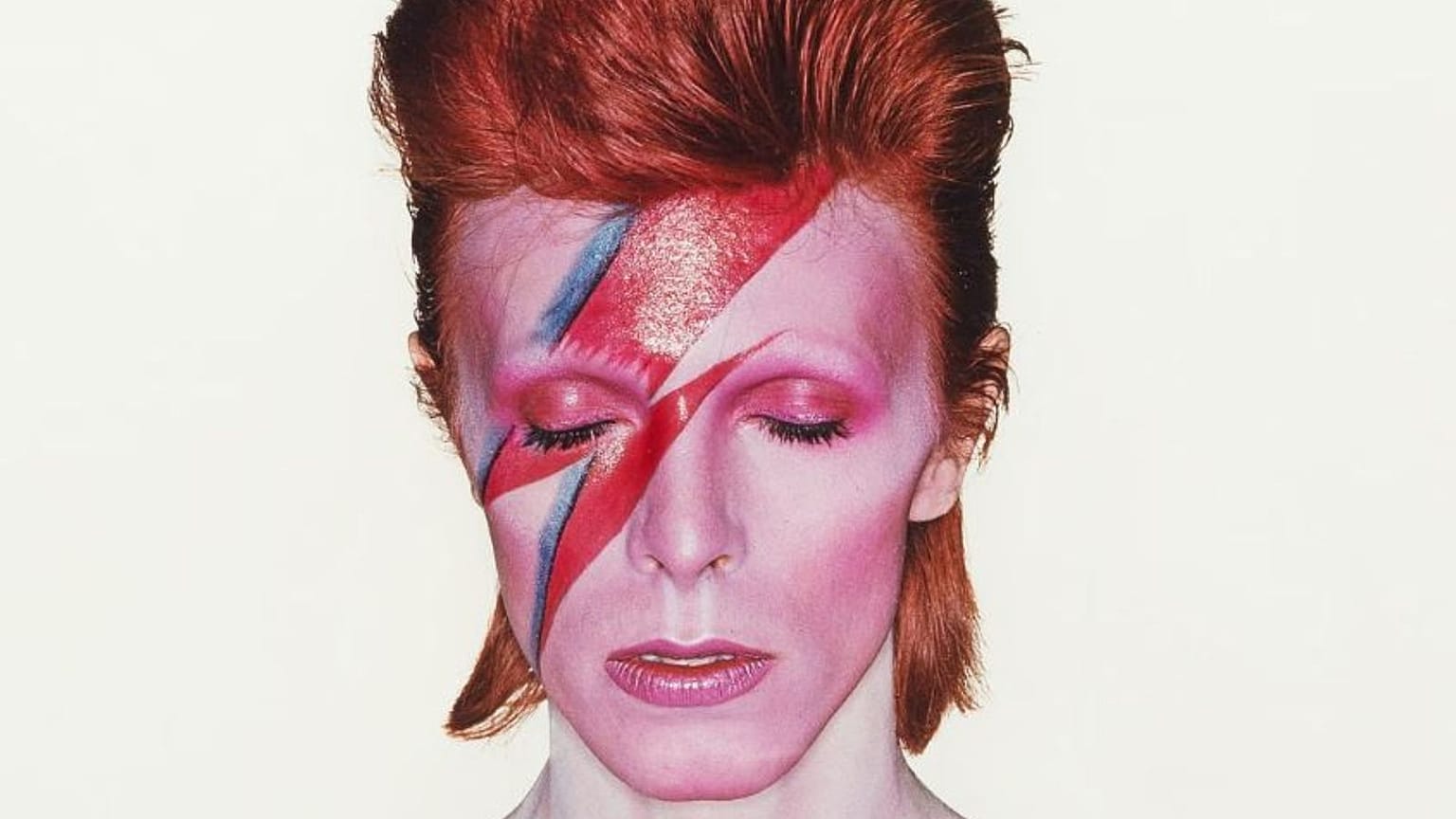
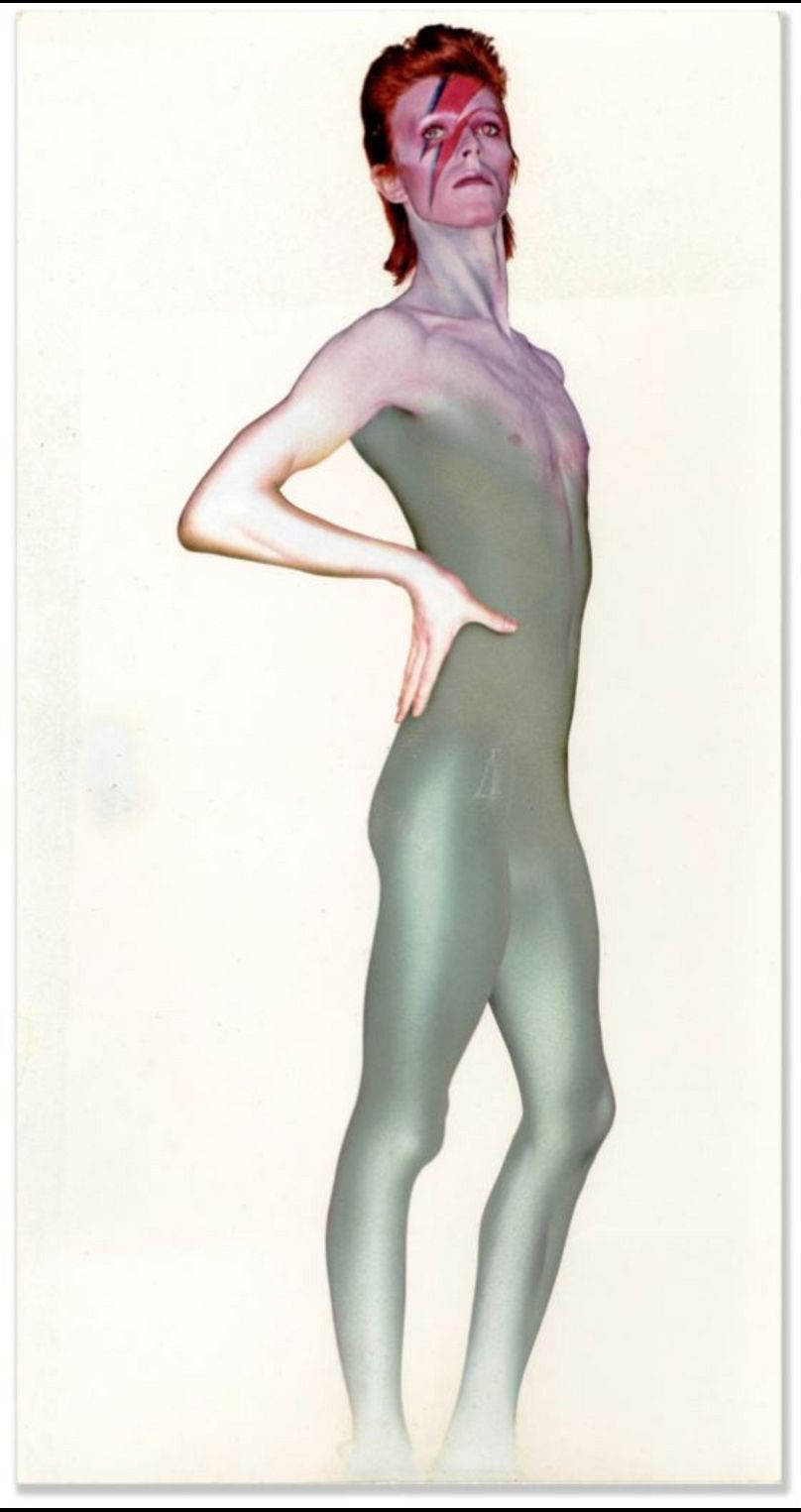
The original artwork for David Bowie’s 'Aladdin Sane' could become most expensive album art ever sold at auction. The image shot by photographer Brian Duffy is estimated to fetch up to €344,000 when it goes under the hammer next month.

When you think of the late David Bowie, what image pops up into your head?

Chances are you’re thinking about the ethereal portrait of the singer with a red bush of hair, eyes closed, and sporting the red-and-blue lightning bolt across his face – and no one would blame you.

This photo, taken by Brian Duffy, was on the front of Bowie’s sixth album, 1973’s 'Aladdin Sane'. It remains one of the most enduring images of the singer's career and possibly the most famous album photo in music history - also making makeup artist Pierre Laroche’s lightning bolt the most recognizable symbol in rock.
The original dye transfer print artwork for the 'Aladdin Sane' album cover
 Duffy Archive & the David Bowie Archive/Bonhams


Bowie’s manager Tony Defries wanted the label RCA to spend huge amounts on the cover - especially after the worldwide success of Bowie's previous album, 1972's 'The Rise and Fall of Ziggy Stardust and the Spiders from Mars'. He insisted on a seven-colour printing system over the traditional four, leading to the album cover’s unique visual brilliance. At the time, it was the most expensive cover art ever made.

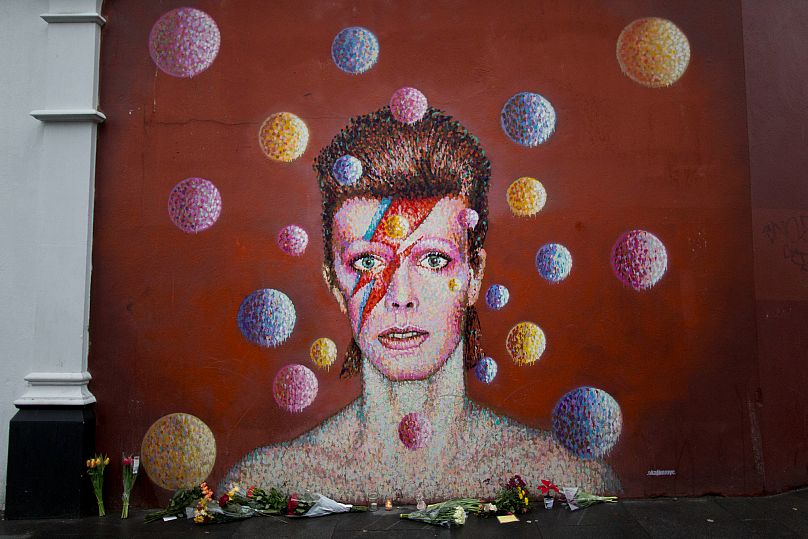
The image has endured for decades, and when Bowie died in 2016, the majority of the murals popping up around the world were of the ‘Aladdin Sane’ cover.


Mural of David Bowie by artist Jimmy C in Brixton, south London - Monday 11 January 2016 AP Photo

“My father’s image of Bowie is often called the Mona Lisa of Pop,” said Chris Duffy, son of Brian Duffy and the Founder and Managing Director of the Duffy Archive.

“It’s important to remember it was the result of a short studio shoot using film, which then had to be sent out for commercial processing. There were no instant digital images or photoshop then. It’s extraordinary how it’s lasted and been endlessly reworked. Wherever I go in the world, it’s always somewhere on a t-shirt.”


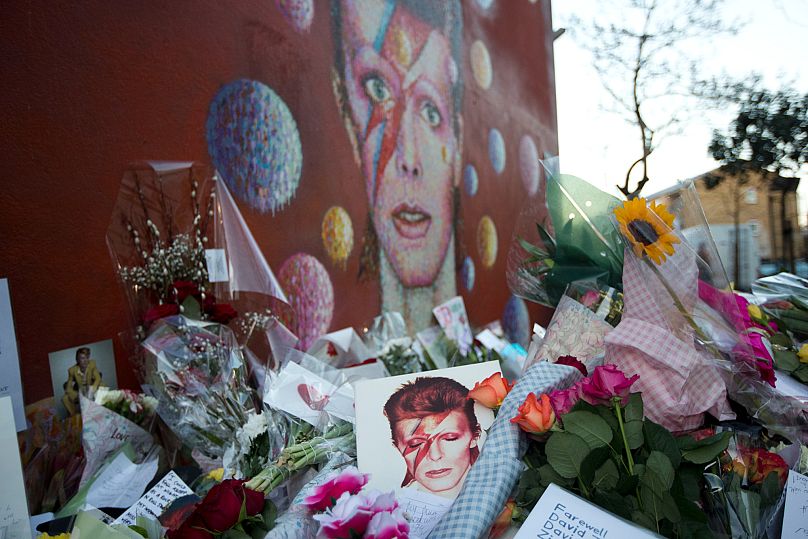
Tributes lie beside a mural of David Bowie - London, 12 January 2016 
AP Photo

Now, a look back at Brian Duffy’s work, titled "The Mona Lisa of Pop: The Duffy Archive", will put the famous image on display, alongside 34 other items from the Duffy archive.

The exhibition opens on 22 October in Bonhams auction house in London, UK, and will lead to the items - including the iconic ‘Aladdin Sane’ artwork - going up for sale.

The original album artwork is estimated at £250,000 to £300,000 (approx. €286,000-€344,000) which means it could become the most expensive album artwork ever sold – on track to beat the record set by Led Zeppelin’s debut album artwork, which sold for $325,000 (€275,400) in 2020, and definitely overlapping Elton John’s ‘Captain Fantastic and the Brown Dirt Cowboy’ original artwork, which made $212,500 (€180,000) last year.

For reference, it may have a harder time beating the record for the most expensive album ever sold – Beatle Ringo Starr's serial numbered No.0000001 copy of 'The White Album', which sold for a record-breaking $790,000 (€729,000) in 2015.

Still, we’re talking artwork rather than albums, so the 'Aladdin Sane' image could still set its very own benchmark.


The original 'Aladdin Sane' dye transfer for the 1973 album’s inside cover 
Duffy Archive & the David Bowie Archive/Bonhams

The lot heading to Bonhams also includes the stool Bowie sat on for the Aladdin Sane shoot, as well as the full-length centrefold image of Bowie as Aladdin Sane that is also on the auction block with an estimate of £150,000 to £200,000 (€172,000 - €229,000).

The Duffy archive previously loaned 'Aladdin Sane' artwork to the V&A for the world-touring "David Bowie Is" exhibition, which opened in 2013 and ended in 2018.

Over its five-year run, it stopped at 12 museums around the world and became the V&A’s most visited international touring show in its 165-year history, attracting more than two million visitors.

Earlier this month, the V&A East Storehouse in London opened a new Bowie archive.

The David Bowie Centre opened to the public on 13 September. "The Mona Lisa of Pop: The Duffy Archive" will be on view in a free exhibition at Bonhams New Bond Street running from 22 October – 5 November.


OCT 1

How Alberta went from the highest to the lowest minimum wage in Canada


Nepal's Gen Z protesters look to the future


Adil Bhat in Kathmandu
DW
 28/09/2025 

A young Nepali man, who lost his brother during recent demonstrations, told DW that the Gen Z fight "has only begun" after their movement ousted the government.


Mausam Kulung lost his older brother during the deadly unrest in Kathmandu
Image: Richard Kujur

Growing up in a remote Nepalese village, brothers Mausam Kulung and Praveen Kulung shared a dream to build a better life for themselves and their family.

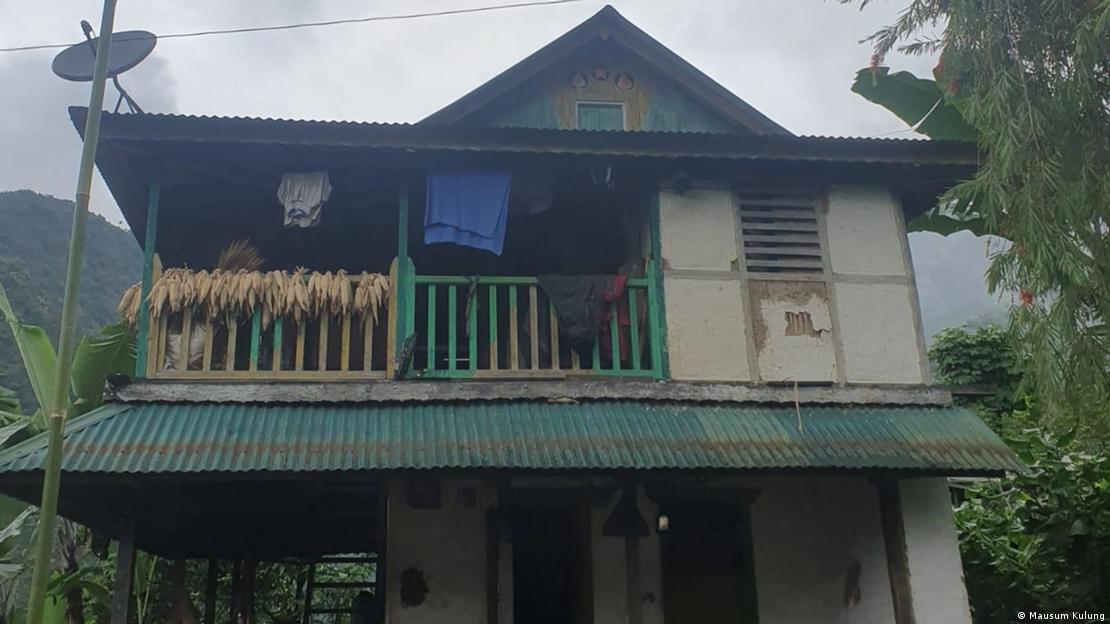
Sons of a farmer, the brothers grew up in poverty. Jobs were almost non-existent, and for generations, villagers had little choice but to migrate abroad in search of work.

Their village had no proper schools while they were growing up, and no reliable public infrastructure. The brothers were forced to leave their home to pursue an education in the capital, Kathmandu.

From a dimly lit room he is renting, Mausam Kulung said Nepal's political leadership has demonstrated complete apathy towards young people in the country.

"They betrayed the youth of this country and never cared about our future," he told DW.


The house where the two Kulung brother grew up is located in a remote area
Image: Mausum Kulung

Kulung said this simmering feeling of betrayal finally bubbled over during recent anti-government protests.

Both of the brothers decided to join the protests, which were fueled in part by social media posts showing the children of Nepal's wealthy class, or "nepo kids," living in luxury.

"Those videos changed something inside us," Kulung said. "It was a moment of awakening. We were angry at the system that encouraged inequality for decades."

'He died in my lap'

Thousands of young Nepalis shared the same frustration. With nearly half the country's population under 30 years old, their anger at decades of what they described as corruption and political stagnation had become impossible to ignore.

When the government abruptly shut down all major social media platforms on September 4, claiming the companies had failed to properly register with authorities, that frustration erupted onto the streets of the capital. Both Mausam and Praveen Kulung joined the swelling crowds of young demonstrators demanding change.

However, what began as chanting and raising placards, turned into violence and chaos several days later after police opened fire on protesters, killing 19, including Praveen Kulung.

Mausam Kulung held his older brother while he drew his last breath.

"He died in my lap. I couldn't save him," he said.


Yet grief has hardened into resolve. "Our fight hasn't ended," Mausam says. "It has only begun. We will not allow these corrupt political parties to rule us again."

Nepal, a Himalayan nation of 30 million, is no stranger to political upheaval. Since the abolition of its 239-year-old monarchy in 2008, following a decade-long civil war, the country has cycled through more than a dozen governments.T

Protests 'infiltrated' by violent outsiders

The days of violent protests in Nepal ended up leaving at least 72 dead and hundreds injured, according to Nepal's Health Ministry.

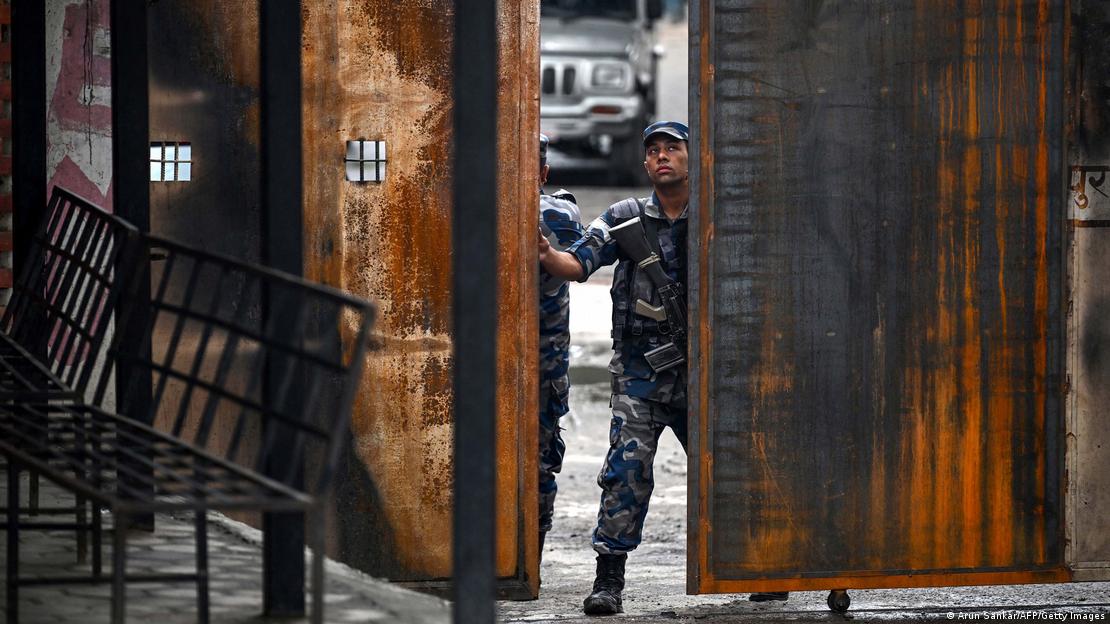
During the unrest, mobs torched parliament, the Supreme Court, political offices, luxury hotels, media houses and thousands of other buildings, including ministries and homes of politicians and business leaders.

But student groups who took the lead during the demonstrations claim the violence was perpetrated by outsiders. Among those leading the Gen Z protests is Kamal Subedi, who said his job was to mobilize and unify different student groups for the common cause of bringing down corrupt leadership.

"The vandalism that happened on the day of the protest was not by us," Subedi told DW. "They were trying to malign our movement."

"Most of them were older men who pushed their way into the crows," he added, calling them "infiltrators."

On the streets of Kathmandu, this sentiment echoes with many others, who said they believe their movement was hijacked and went out of control.

The protests in Kathmandu were accompanied by acts of arson
Image: Arun Sankar/AFP/Getty Images


A political vacuum in Nepal

The protests led to the resignation of Prime Minister K.P. Sharma Oli, who was then replaced by former chief justice Sushila Karki as interim prime minister. Addressing the Gen Z protest movement, Karki vowed to "end corruption."

Karki was sworn in after days of uncertainty and intense negotiations on filling the power vacuum. New elections are slated for March 2026.

During negotiations on forming an interim government, some political groups called to restore Nepal's monarchy, which was abolished in favor of a republic in 2008 following decades of unrest and political upheaval.

Protest leader Subedi, who was one of the negotiators with the army chief while the decision was being made on the interim prime minister, said that many supporters of the pro-monarchy Rastriya Prajatantra Party (RPP) also approached negotiators and demanded that the army consider bringing back the king.

"We made it clear to the army that we do not want the king back," Subedi said.

Gyanendra Shahi, speaker of RPP, told DW that the party supports the monarch as a "symbol of authority and unity" that will be "more respected" around the world.


But Prakash Rimal, former editor of Himalayan Times in Kathmandu, told DW that monarchist sentiment represents a "very small" segment of Nepal's politics. He added Nepal is "long past" the stage where monarchist parties would have a serious shot at taking power.

Rimal, who has been observing the Gen Z protests closely, said the protesters' fight "was with a political system which for them was corrupt."


Nepal's Gen Z looks to the future

On the streets of Kathmandu, that sentiment resonates. For Gen Z protesters like Mausam and Subedi, the struggle is far from over. They speak of continuing their fight not just against the old political order but for an entirely new future.

With elections due in March next year, Nepal's politically active youth are meeting to discuss the possibility of forming a new political party, in which Gen Z will play a central role.

"We don't want any old corrupt parties or old guards. We need a democratic overhaul and new leaders," Subedi told DW.

For Mausam, who buried his brother after the protests, the fight has turned personal. "I won't let his sacrifice be in vain," he says. "We are ready to build a new future for Nepal."

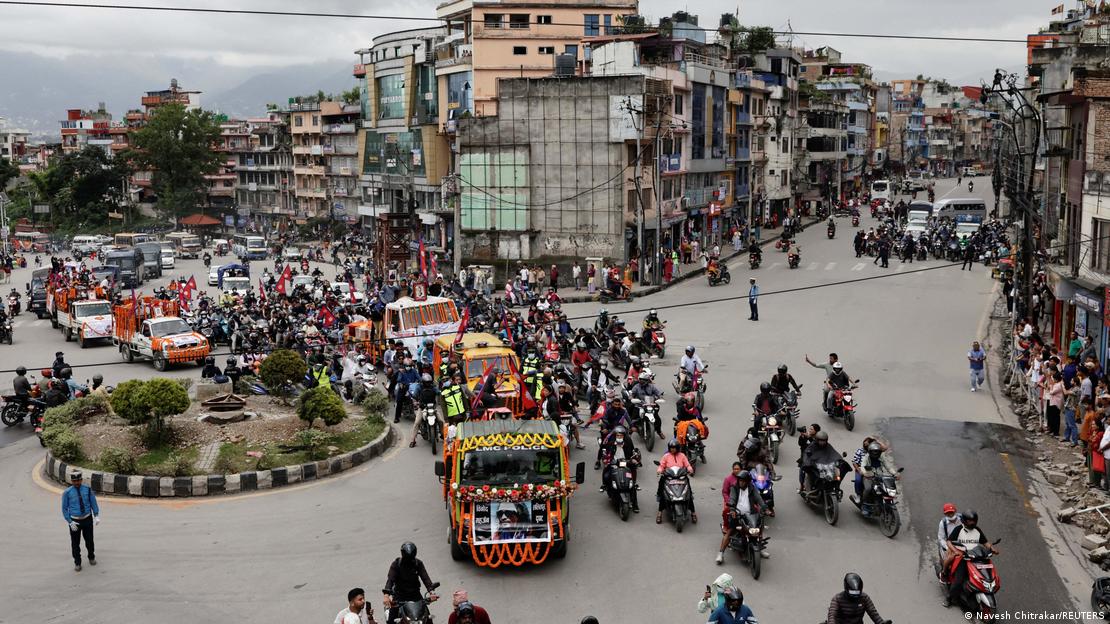
A rally in Kathmandu with the coffins carrying the bodies of people killed anti-corruption protests
Image: Navesh Chitrakar/REUTERS

Edited by: Wesley Rahn

Adil Bhat India correspondent with a special focus on politics, conflict and human-interest stories.
Argentina: Thousands march for women murdered on livestream

DW with AFP, EFE

The murder of three young women who were tortured live on social media has shocked Argentina. Five suspects have been detained but the alleged mastermind behind the killings is still at large.

https://p.dw.com/p/51BAu


Thousands of Argentinians demonstrated against femicide in Buenos Aires
Image: Luis Robayo/AFP


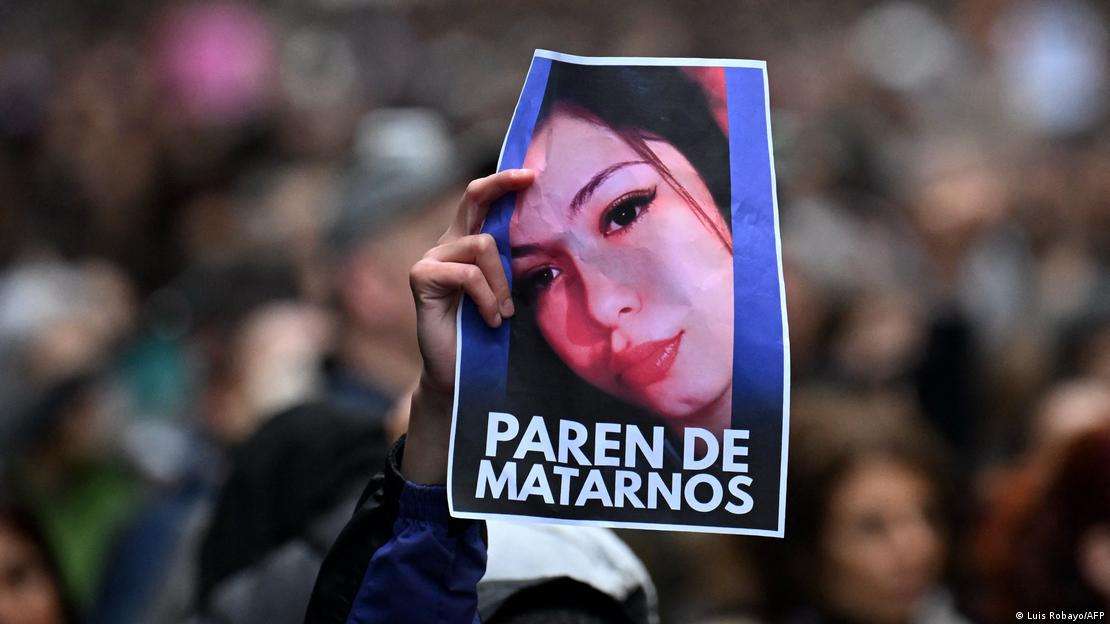
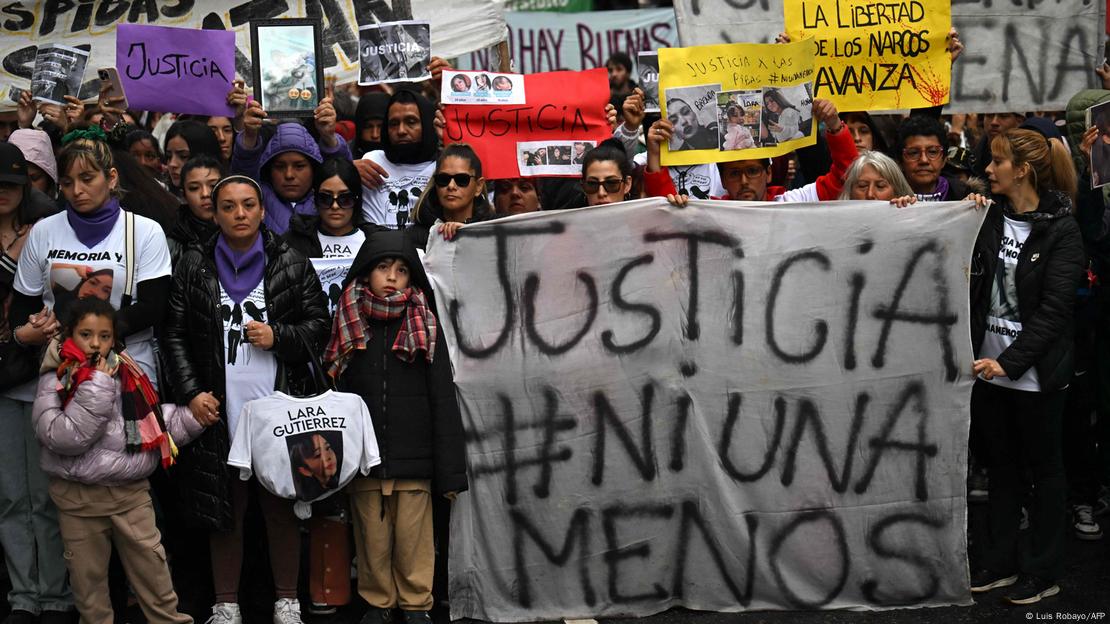
Thousands of protesters gathered in Argentina's capital, Buenos Aires, on Saturday to call for justice for three young women whose torture and murders were broadcast live on social media.

Some demonstrators held placards with the names and pictures of the victims — Morena Verdi and Brenda Del Castillo, cousins aged 20, and 15-year-old Lara Gutierrez. One sign read "It was a narco-feminicide!"

"Women must be protected more than ever," said Del Castillo's father, Leonel, at the protest.

Morena Verdi was one of the three women who was murdered in a case that has rocked Argentina
Image: Luis Robayo/AFP

He had earlier shared that he had not been able to identify his daughter's body due to the extent of the abuse.

Antonio del Castillo, grandfather of the murdered cousins, called the perpetrators "bloodthirsty," adding that "you wouldn't do what they did to them to an animal."
What do we know about the victims of livestreamed femicide?

On Wednesday, the bodies of the three women were found buried in the yard of a house in a southern suburb of Buenos Aires, five days after they had disappeared.

The women got on a van on September 19, believing they were heading to an event, according to investigators.

Officials said that the triple femicide, which investigators tied to drug gangs, was broadcast live on a private account and watched by 45 members.


The Ni Una Menos (Not One Less) organization had called for the demonstration under the slogan 'There are no good or bad victims, only femicides'
Image: Luis Robayo/AFP

It was meant to "punish" them for breaking gang rules and send a "warning" message to the rest of the gang.

During the livestream, a gang leader is heard saying: "This is what happens to those who steal my drugs."

Police detain 5 suspects

A fifth suspect was arrested on Friday in the Bolivian border city of Villazon following joint efforts by the police forces of both countries, bringing the total to three men and two women.

The alleged mastermind, a 20-year-old Peruvian, remains at large.

Meanwhile, Instagram's parent company Meta disputed that the murders were livestreamed on its platform.

"We have not found any evidence of the livestream taking place on Instagram. Our team continues to cooperate with law enforcement as they investigate this horrific crime," a spokesperson told the AFP news agency.

Edited by: Zac Crellin


Emmy Sasipornkarn Multimedia journalist with a focus on Asia

Lavrov pushes Russian agenda, networks with the Global South at UNGA

Lavrov pushes Russian agenda, networks with the Global South at UNGA
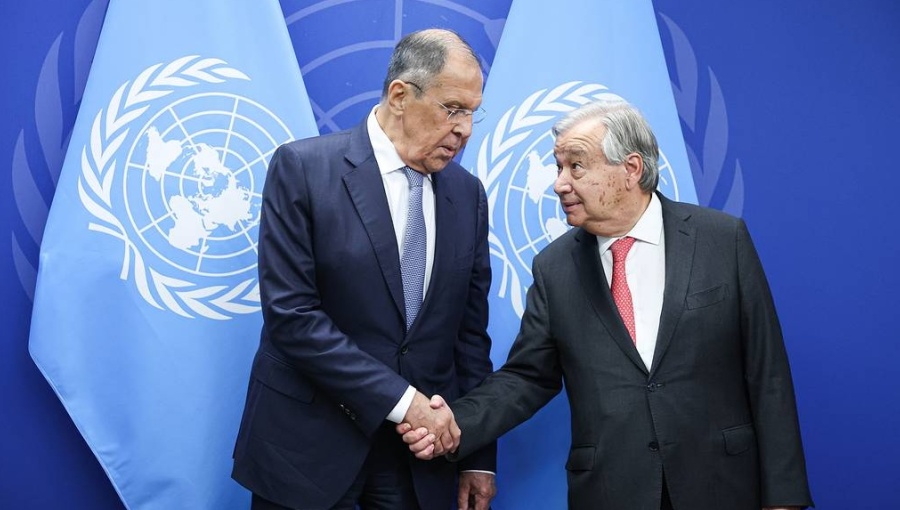
Russian Foreign Minister Sergei Lavrov used the United Nations General Assembly (UNGA) meeting in New York to lambaste the West and push the Russian agenda. / bne IntelliNews
By Ben Aris in Berlin September 29, 2025

Russian Foreign Minister Sergei Lavrov used the United Nations General Assembly (UNGA) meeting in New York to lambaste the West and continue building up the growing Global South community that is aligning with the BRICS-leg alternative geopolitical pole in international politics.

Heading the Russian delegation, the veteran foreign minister held more than 35 meetings over three days while participating in the high-level week of the 80th session of the UN General Assembly, where he gave a wide-ranging speech.

Lavrov was speaking on behalf of Russian President Vladimir Putin who last attended the UN session in 2015. He is precluded from going now as he is under threat of an arrest warrant from the ICC on charges of kidnapping children, and would be arrested if he appeared in New York. US ally Israeli Prime Minister Benjamin Netanyahu is also facing an ICC arrest warrant on war crime charges, but attended the meeting anyway and addressed a largely empty hall after most delegates, with the majority from the Global South, walked out as he began to speak. Many countries also left the hall at the start of Lavrov’s speech.

Ukraine

Reacting to US President Donald Trump’s social media post last week, where he made a dramatic U-turn on Ukraine, the US president also suggested that Ukraine could return to its 2022 borders, expelling Russian occupiers.

"You know, as regards the 2022 borders, I think nobody counts on that because hoping for a return to those borders would be political blindness and a complete failure to understand what is going on," he said in response to a TASS reporter’s question at a press conference after his UN address.

Lavrov said that Russia has been protecting its own legitimate interests and the “legitimate interests of Russian-speaking people” in Ukraine following a “coup d'état” in 2014 – the Kremlin’s alternative description of the EuroMaidan revolution.

"If the agreement signed between the [Ukrainian] president and the opposition, with Germany, France, and Poland acting as guarantors, had been signed in February 2014, and if it had been implemented, Ukraine would have been in the 1991 borders now," he added.

Nato

Tension with Nato escalated rapidly in the last weeks after Russia began testing its eastern air defences with a drone incursion on into Polish airspace on September 10. That was followed the next day by a brief incursion into Romania’s airspace. Then three Russian fighter jets flew into Estonia’s air space for 12 minutes a few days later.

According to reports, leading EU diplomats met with Deputy Foreign Minister Sergey Ryabkov at the weekend and told him if any Russian drones or planes enter Nato airspace again they will be shot down, in a significant escalation.

Lavrov warned that shooting down Russian planes would have “serious consequences,” but referred only to Russian planes flying in Russian airspace.

During his speech he once again harped on about Nato’s eastern expansion, saying that it is not only threatening Russia and China but the alliance is also trying to put the military ring around Eurasia.

"Nato is already present in Europe and it has penetrated into the Pacific Ocean and the South China Sea, and the Taiwan Strait, undermining the universal mechanisms of ASEAN and posing threats not only to China and Russia but also to other regional players as well," Russia’s top diplomat said. "The Nato leadership has justified the latest stage of expansion with `the indivisibility of security in Euro-Atlantics and the Indo-Pacific’ as it is trying to tighten the military ring around the entire Eurasia," he added.

Lavrov told the 80th session of the UN General Assembly that Moscow “has never had, and does not have” intentions to attack Nato or the European Union, stressing that any aggression against Russia would be “decisively rebuffed.”

“We have repeatedly proposed to Nato capitals that they respect their commitments and agree on legally binding security guarantees. Our proposals have been ignored and continue to be ignored.

"Moreover, threats to use force against Russia, which is accused of practically planning to attack Nato and EU countries, are becoming increasingly common,” Lavrov said. Putin had “repeatedly debunked such provocations,” adding: “Russia has never had, and does not have, such intentions. However, any aggression against my country will be decisively rebuffed. There should be no doubt about this,” Lavrov said.

Lavrov complained that international security has deteriorated recently. "And I’ve already mentioned why. And the main reason why is the ambition to retain the hegemony based on military force. Increasingly more countries and regions are getting involved in confrontational schemes," he explained.

Iran sanctions 

Lavrov called the West’s rejection in the UN Security Council of the initiative by China and Russia on anti-Iran sanctions, sabotage on September 27. 

"Yesterday in the Security Council, the West rejected the rational proposal by China and Russia to extend the 2015 nuclear agreement with Iran to allow time for diplomacy. This fully revealed the West’s policy of sabotaging the search for constructive solutions in the UN Security Council and its pursuit of unilateral concessions from Tehran through blackmail and pressure," Russia's veteran foreign minister said. "We consider such a policy unacceptable, and all Western manipulations aimed at restoring UN anti-Iran sanctions, as well as the sanctions themselves, to be illegal," Lavrov stressed, reports TASS.

Earlier the same day, the UN Security Council rejected a draft resolution proposed by Russia and China that sought to extend for six months the validity of UNSC Resolution 2231, adopted in support of the Iran nuclear deal.

Palestine 

There is no justification for the collective punishment of Palestinians in the Gaza Strip or for plans to annex the West Bank, he said during the plenary session. 

He said there is “no justification” for Israel’s actions that have led to the deaths of Palestinian civilians, including children, and the destruction of hospitals and schools in Gaza.

"Russia condemned the attack by Hamas militants on peaceful Israeli civilians on October 7, 2023. However, there is no justification for the brutal killing of Palestinian civilians, just as there is none for terrorist acts," Lavrov said. "There is no justification for the collective punishment of Palestinians in the Gaza Strip, where Palestinian children are dying under bombings and from hunger, hospitals and schools are being destroyed, and hundreds of thousands of people are left homeless. There is no justification for plans to annex the West Bank."

He went on to add that the world is in fact "dealing with an attempt at a sort of coup d’etat aimed at burying UN decisions on the creation of a Palestinian state."

"The other day, a number of Western governments announced their recognition of the State of Palestine. Yet they had signaled their intention to do so several months ago. The question arises: why wait so long?" Lavrov asked. "Apparently, they were hoping that soon there would be nothing left to recognise."

Venezuela

As the fracturing of the world continues, the BRICS nations are increasingly banding together to confront what China and Russia have dubbed the unipolar world. Lavrov also threw Russia’s support behind Venezuela, which is facing a US military build-up, rocket attacks on its shipping and attempts to interfere in the country's internal affairs.

"Sergey V. Lavrov declared the categorical inadmissibility of using instruments of forceful pressure on sovereign states as an instrument of foreign policy. He expressed solidarity with the Venezuelan leadership in the face of growing external threats and attempts to interfere in internal affairs, and reaffirmed its full support for Caracas' efforts to defend national sovereignty," according to the statement following the minister’s meeting with his Venezuelan counterpart Yvan Gil Pinto.

The foreign ministers also outlined further steps to deepen foreign policy coordination at multilateral forums, particularly within the Group of Friends of the UN Charter.

As part of the multipolar world that Putin and Chinese President Xi Jinping are promoting, Russia would like to see the UN reformed to become more representative of the global community and expanding the Security Council to include permanent members from Asia, Africa, and Latin America, specifically naming Brazil and India, while correcting what he called “historical injustices” against Africa.

Lavrov also urged democratisation of the IMF, World Bank, and WTO in line with the rising influence of the Global South and warned against what he termed Western attempts to replace the UN Charter with a “rules-based order.”

“Equality is the foundation of an objectively emerging multipolarity. Russia is not advocating for revolution against anyone … We simply call on member states and the leadership of the Secretariat to strictly adhere to all the principles of the UN Charter without double standards,” Lavrov said.

India visit

Lavrov also confirmed that Putin will visit India in December. The BRICS group is becoming increasingly coordinated and Russo-Indian relations have only deepened after Trump doubled tariffs on India to 50% in August. Prime Minister Narendra Modi has been a frequent visitor to Moscow and appeared most recently at the SCO summit in China as a guest of honour along with Putin.

"We have full respect for India’s national interests and fully respect the foreign policy pursued by Prime Minister Narendra Modi to advance his country’s national priorities. We maintain regular high-level contacts. Just recently, Prime Minister Modi and President Putin met in Tianjin at the SCO summit in China. In December, a state visit of President Putin to New Delhi is being prepared," Lavrov said at the post speech  press conference.

Russia’s Current Demographic Crisis ‘Far More Dangerous’ Than One In 1990s – OpEd


Matryoshka Wooden The Culture Symbol Retro Toy Russian doll


By 

The demographic crisis Russia now faces is “far more dangerous” and will be far more difficult to solve than was the one in the 1990s many are inclined to compare it with and assume it will be solved in much the same way, according to Salavat Abylkalikov, a demographer who fled Moscow when Putin began his expanded war in Ukraine..


Now teaching in Great Britain, he argues that “the key difference” between the current crisis and the earlier one involves migration In the 1990s, many ethnic Russian returned from the newly independent former Soviet republics; but that resource has exhausted itself carnegieendowment.org/russia-eurasia/politika/2025/09/russia-new-demographic-crisis).

That resource is no longer available, Abylkalikov says. There are far fewer ethnic Russians living abroad and even fewer of them are prepared to move to Putin’s Russia. Moreover, and this adds to the problem the Kremlin faces, fertility rates have declined as well, reducing the chance that Russia can recover demographically in the way Putin promises.

The demographer’s point is critically important because Putin and most of those who write in Kremlin-controlled media argue that what Russia is facing now is a demographic downturn that will be replaced by an upsurge as Russia goes through the cycles of boom and bust demographics like the ones it has passed since World War II.

But in fact, the downturn of the 1990s was limited statistically by the return of ethnic Russians from abroad; and the current downturn hasn’t been and won’t be. Combined with the falling fertility rate, that means that the cyclical approach Putin suggests and many others accept about Russian demographic development will not lead to the amount of growth they suggest.

Putin’s Russia is no longer the attractive destination for some in the former Soviet republics who might want to leave their homelands. But even if the Kremlin leader were to improve things in Russia, those who are available to come would be predominantly non-Russians rather than the Slavs he wants.


The in-migration of non-Russians could reduce Russia’s demographic decline, but it would do so only by fundamentally changing the ethnic mix of the population, something that is already beginning because many non-Russians inside the Russian Federation have higher birthrates than ethnic Russians do (stav.aif.ru/society/po-dannym-za-2024-god-chechnya-stala-liderom-po-rozhdaemosti-v-rossiihttps://tass.ru/obschestvo/25165991).


Paul Goble

Paul Goble is a longtime specialist on ethnic and religious questions in Eurasia. Most recently, he was director of research and publications at the Azerbaijan Diplomatic Academy. Earlier, he served as vice dean for the social sciences and humanities at Audentes University in Tallinn and a senior research associate at the EuroCollege of the University of Tartu in Estonia. He has served in various capacities in the U.S. State Department, the Central Intelligence Agency and the International Broadcasting Bureau as well as at the Voice of America and Radio Free Europe/Radio Liberty and at the Carnegie Endowment for International Peace. Mr. Goble maintains the Window on Eurasia blog and can be contacted directly at paul.goble@gmail.com .
'Demographic conquest': Inside Russia’s campaign to indoctrinate kidnapped Ukrainian children

Analysis

Two recent studies show where thousands of Ukrainian children kidnapped by Russia are taken and the re-education they undergo. The reports are based on open-source intelligence and the accounts of those Ukrainian children who have returned home from Russia.

Issued on: 21/09/2025 - 
FRANCE24
By: Sébastian SEIBT


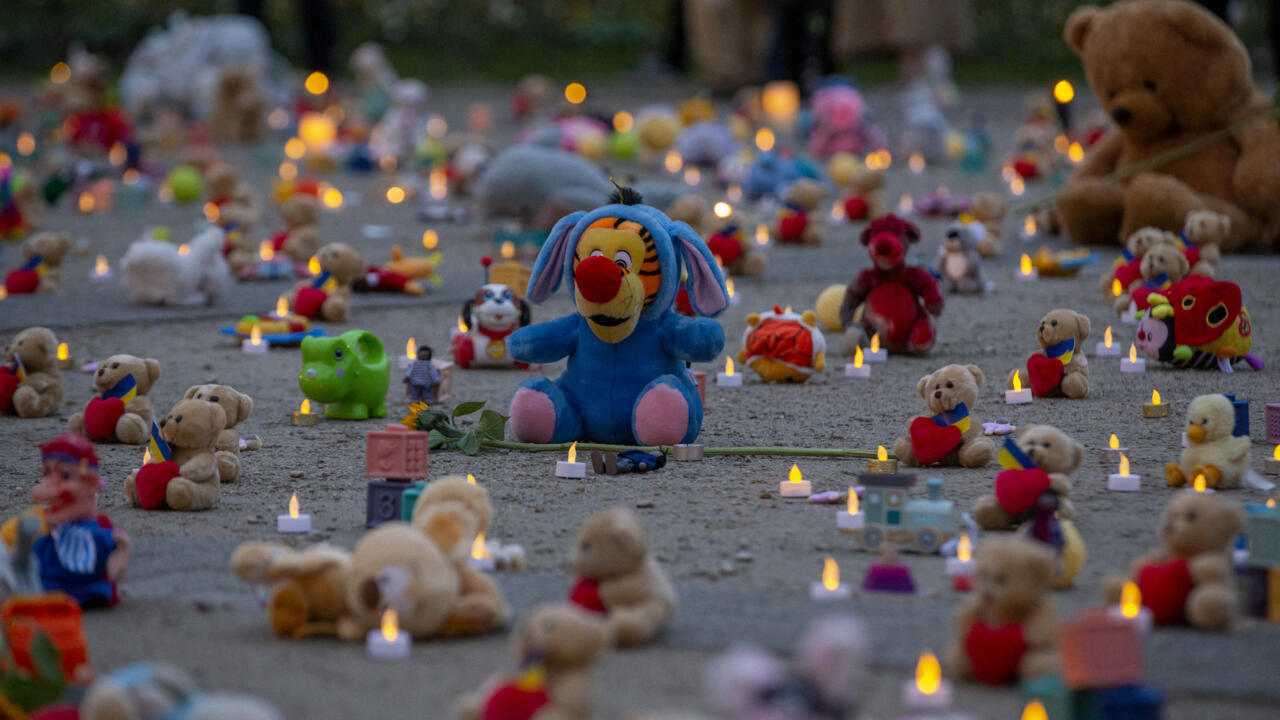
Teddy bears and toys representing children abducted during the war in Ukraine are seen on the ground during an event organised by Avaaz NGO and Ukranian refugees at the Rond-point Schuman in Brussels on February 23, 2023. © Nicolas Maeterlinck, AFP

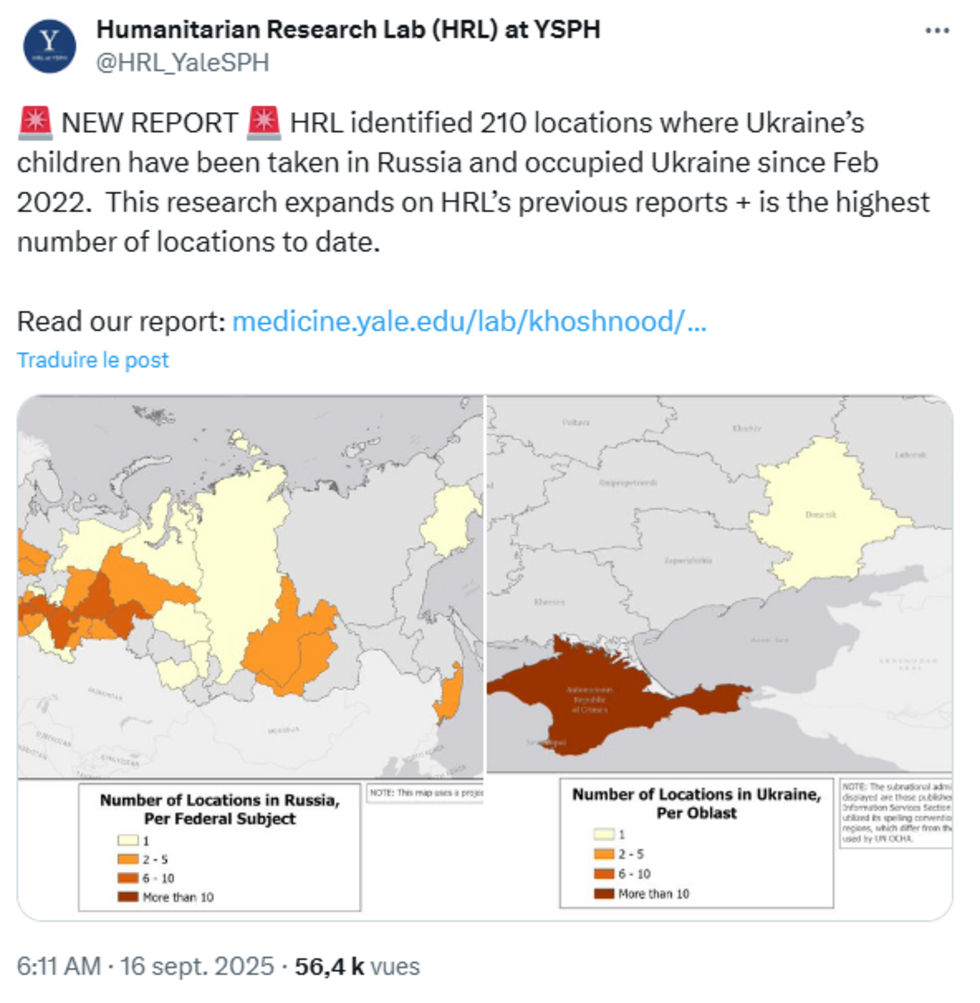
A hotel in Krasnodar, a monastery in southern Rostov, military schools in Ukraine's Russian-occupied Donetsk and near the city of Volgograd: these are just some of the 210 different facilities across Russia and in occupied territory that have been used to hold Ukrainian children deported or displaced since Russia's invasion, according to a report published on September 16 by the Yale School of Public Health's Humanitarian Research Lab (HRL).

The extensive network of facilities stretches across more than 5,630 kilometres, from the shores of the Black Sea in Crimea to Russia’s Pacific coast. This “unprecedented system of large-scale re-education” of Ukrainian children takes place across “59 regions of temporarily occupied Ukraine and the Russian Federation”, the HRL report reveals. The Yale laboratory has been trying since 2022 to establish the most comprehensive map possible of the sites used or constructed by Russia to hold children separated from their families or homes.

Thousands of children

Evidence has been collected since the start of the invasion of Ukraine about the unlawful transfer of Ukrainian children from occupied areas of Ukraine to Russia. While the full extent of the phenomenon is difficult to quantify, more than 19,000 children from Ukraine have been deported to Russia, according to the Ukrainian organisation Bring Kids Back. Maria Alekseyevna Lvova-Belova, Russia’s presidential commissioner for children's rights, has been accused by the International Criminal Court (ICC) of the “war crime” of “unlawful deportation of population”.


A screen capture of the Humanitarian Research Lab (HRL) at YSPH's post on X from September 16, 2025. © FRANCE 24

Russia has rejected these allegations, denying its involvement in the deportation of citizens of Ukraine. However, it confirms arranging what it describes as “placements for evacuated children” from combat zones in Ukraine.

While the abduction of children began in 2014 with the annexation of Crimea, its intensification since the full-scale invasion of 2022 has fuelled concern and prompted anxious questions about the whereabouts and treatment of kidnapped children. HRL’s study answers some of these questions.

By analysing open-source information such as satellite photos, social media posts and Russian media, experts established that the kidnapped children were taken to eight types of locations: cadet schools, military bases, medical facilities, religious institutions, secondary school and universities, hotels, orphanages and family support centres, and sanatoriums.

There were also places of transit, like orphanages for children who were later placed into adoption programmes, or places where they stayed for longer periods, like military schools.

Ukrainian children were mostly taken to pre-existing organisations which didn’t only hold kidnapped children. This is especially the case for schools. Yet Russia also constructed or expanded certain facilities to accommodate “larger cohorts of children”. This is the case of 23 percent of the facilities analysed, according to the researchers at HRL. They noted that in the Russian-controlled part of the Donbas, two schools for military cadets were built and later enlarged beginning in 2021, most likely to hold “more displaced children”.

Russia’s government directly manages 55 percent of the sites where re-education activities occurred. Private companies were also involved in the vast programme, like the petrol giant Bashneft, which manages a camp for children, and KamAZ, a major constructor of Russian trucks, which operates a large “leisure” camp for children in the Republic of Tatarstan.

Unpublished testimonies from Ukrainian children

Children who end up in these facilities are most often subjected to "re-education" activities. In at least 130 sites identified in the study, children were indoctrinated with Russian propaganda that emphasised patriotic values.


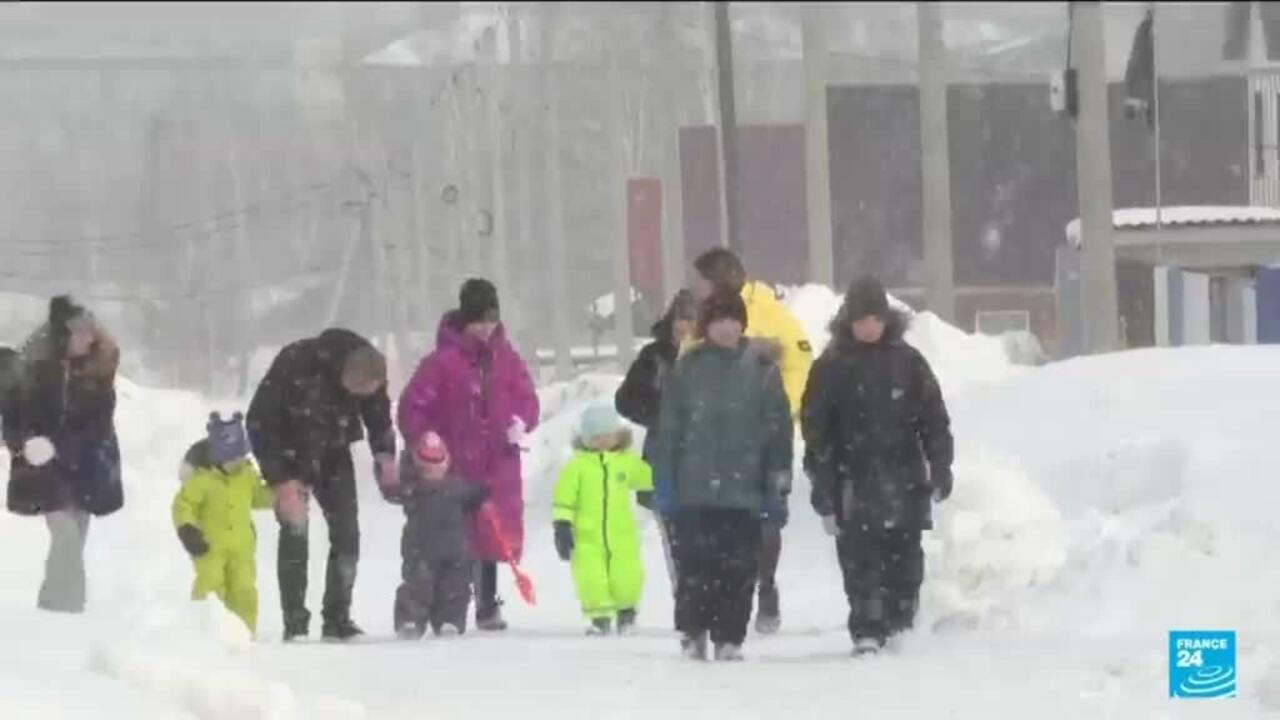
Ukraine-Russia talks overshadowed by child deportations and renewed strikes
© France 24
01:57


This indoctrination can go to extreme lengths, as illustrated by another report published by the British NGO War Child UK. The organisation gathered first-hand accounts from 200 Ukrainian children who have returned from Russia since 2022. Their statements paint a picture of "a systematic [Russian] program that risks creating a generation of [Ukrainian] children deprived of their identity", wrote the report.

What emerges from their accounts is “a clear pattern of indoctrination”, said Helen Pattinson, CEO of War Child UK. "The children are ripped from their homes, have their passport taken away, and are told they can’t speak their language. They are given new names and new identification documents. They are asked to sing the Russian national anthem and to recite Russian poetry. Everything is done in Russian, and they are required to wear Russian clothing. They may even be adopted into a Russian family," said Pattinson.

This indoctrination can be coupled with rapid militarisation. "Our chief concern is for the 41 percent of children who had been militarised," said Pattinson, adding that most of the young people who came back from Russia suffered from some form of post-traumatic stress disorder.

Children underwent military training in at least 39 of the sites identified by the HRL study. The young people learn how to handle various weapons and may receive very specific training, such as learning how to become a paratrooper. "They’ve been asked or forced to join paramilitary groups, shown how to throw a grenade, dig a trench, hold a gun or handle firearms, clear mines, and essentially trained to fight against their own country," Pattinson said.

Other children may be assigned the task of producing military equipment such as ammunition or drones, to be used by the Russian army on the front lines in Ukraine.

This massive program gives the impression of an almost industrial-scale Russification effort. It is accompanied by several decrees issued by the authorities to facilitate the adoption of these children by Russian families or their naturalisation as Russian citizens.
An example of 'demographic conquest'

“It's certainly a concerted, well-organised effort," said Andreas Umland, an analyst from the Swedish Institute of International Affairs and author of a 2024 report on Russian state-enforced displacement of Ukrainian children.


In Kherson, dozens of children deported to Russia
FOCUS © FRANCE 24
06:29


Umland spoke of a “demographic conquest unfolding alongside the geographic one”. The Kremlin doesn't simply want to occupy Ukraine, it also wants to transform Ukrainian children into Russians, he explained.

This is meant to “counteract the problem of demographic decline that Russia already had before the large-scale war, which is only partly solved by immigration from Central Asia and the Caucasus”, said Umland, adding that Ukrainians, who are White, and Slavs, are seen by the Russian authorities as easy to assimilate.

In Moscow's view, there is nothing illegal about this operation even though "there are undeniably serious crimes being committed against Ukrainian children”, said Pattinson. In Russia’s interpretation, “there's no Ukrainian nation, and therefore these children are not actually transferred from one ethnic group into another ethnic group”, added Umland. In other words, these children cannot be "Russified"... because they are already Russian.

Umland said the indoctrination of children was reminiscent of the Soviet era, when children were “seen as units to be made to function in a totalitarian society [. . .] and the fate of the individual child was unimportant”. This same logic persists today, he added: “The higher goal used to be communism, now it’s the Russian Empire. It’s therefore the same utilitarian approach toward children."

This article is a translation of the original in French by Sonya Ciesnik.