Tuesday, February 17, 2026


Indian Tanker Seizures Threaten Market Shift and Rift With Iran
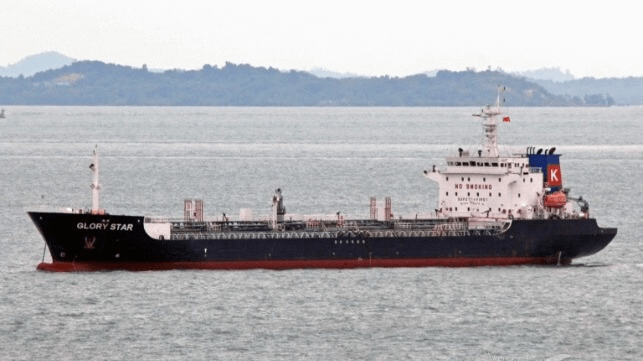
Asphalt Star, seen here in earlier service as the Glory Star, 2011 (mgklingsick@aol.com / VesselFinder)
The ICG-seized tanker Asphalt Star, seen here in earlier service as the Glory Star, 2011 (mgklingsick@aol.com / VesselFinder)

Published Feb 16, 2026 11:09 PM by The Maritime Executive


The Indian seizure of three dark fleet tankers associated with Iranian oil exports has been well-known within the industry for days, even though the Indian Coast Guard quickly withdrew a post describing their seizure. But now Reuters has confirmed that the seizures did indeed take place, and that the tankers are being held off the western Indian coast by the Indian Coast Guard.

On February 5, the ICG boarded three Iran-associated sanctions-busting tankers about 100 nautical miles to the west of Mumbai.  The tankers were then escorted to anchorages off Mumbai, their current locations being confirmed by multiple AIS aggregating sites.  The tankers concerned are the Al Jafzia (IMO 9171498), Asphalt Star (IMO 9463528) and the Iranian-flagged Stellar Ruby (IMO 9555199), all of which are US-sanctioned following multiple journeys in which Iranian oil has been loaded, transshipped and delivered.

Iran has issued a statement denying any connection to the tankers or their cargoes.

At the time of the seizure, the Maritime Executive noted that this Indian action may have been connected with the advertised participation of Iran’s 103rd Naval Flotilla in the International Fleet review, which India is about to host in Visakhapatnam, the headquarters of the Indian navy’s Eastern Command. It was suggested that the Indian move was a subtle way of suggesting to the Iranians that their invitation had been rescinded, and that they were no longer welcome, particularly as the Indian government intend to use the occasion of the fleet reviw to advertise the impending purchase of more Boeing Poseidon P-8I aircraft, a deal which could have been jeopardized by any Iranian presence. Now however, as the Indian Navy announces the arrival of foreign ships for the fleet review, Iranian participation is no longer being trumpeted.  

Iran is still expected to participate - however, not with the announced three ships of the 103rd Flotilla, but likely with a single Moudge-class frigate IRINS Dena (F75) instead.

Of more significance than the Iranian participation in the International Fleet Review, the Indian Coast Guard’s seizures will be of much greater potential impact on international oil flows. India has been importing large volumes of sanctioned oil for domestic use, both from Iran and Russia. But it has also been refining significant volumes of crude from these sources, and then re-exporting it to countries such as Australia, labeled as Indian rather than sanctioned oil. If the Indian Coast Guard seizures are maintained, then Indian refiners will need to switch the source of their feedstock – and what they will be able to purchase instead will not enjoy the discounts which could be asked for sanctioned oil.

Top image courtesy VesselFinder


Iran's IRGC Prompts False Alarm in Strait of Hormuz
Strait of Hormuz
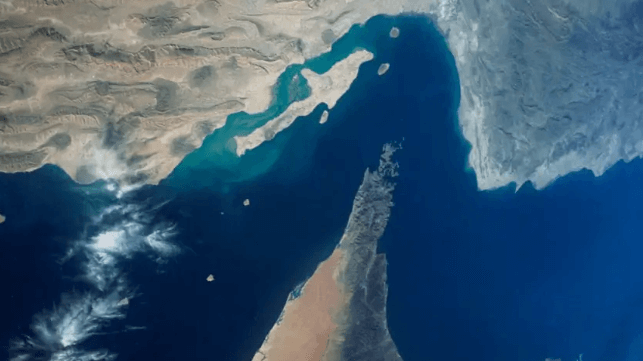
The Strait of Hormuz from space (NASA file image)

Published Feb 16, 2026 10:37 PM by The Maritime Executive


The IRGC Navy has made a number of half-hearted attempts to disrupt traffic in the Straits of Hormuz in recent weeks.

On January 29, the IRGC Navy warned that areas of the Straits of Hormuz would be closed for a live fire exercise. On the next day, CENTCOM warned ‘the IRGC to conduct the announced naval exercise in a manner that is safe, professional and avoids unnecessary risk to freedom of navigation for international maritime traffic’, and the Iranians then canceled the planned exercise.

Several days later on February 3, the United Kingdom Maritime Trade Operations (UKMTO) in Dubai advised that an unidentified ship was hailed on VHF by numerous small armed vessels early and had been requested to stop. This was a poor choice of target for the IRGC to make, as the ship in question was the US-flagged Crowley-managed Stena Imperative (IMO 9666077), chartered under the Department of Defense Tanker Security Program. The master of the ship ignored the request and the nearby USS McFaul (DDG-74) promptly saw off the threat.

The IRGC made a third disruptive attempt when warning that they would carry out a ‘smart exercise’ and live firing off Sirik on the eastern side of the Straits of Hormuz between 03.30 and 18.30 UTC on February 17. Some commentators suggested that this would entail closure of the northern and inbound leg of the Straits of Hormuz Traffic Separation Scheme. However, this lane lies within Omani territorial waters, and Oman would not countenance such a closure. 

Oman enforces a strict policy on maintaining unimpeded use of the Traffic Separation Scheme. Ships approaching the Straits are normally hailed separately and successively by the Iranian Navy (Nedaja), the IRGC Navy and the Iranian Coastguard. When vessels are in Iranian waters it is maritime custom and practice for vessels to reply. But if such Iranian calls are made when vessels are in Omani waters, vessels are not obliged to respond, and the Omani authorities will normally jam such calls when their radar systems indicate that the vessel being hailed is in Omani waters.

The Iranian warning of its impending exercise was accompanied by a video showing various IRGC speed boats, but this was historic footage of a previous exercise, and no ships or boats were identified as about to take part in the exercise. The allusion to a ‘smart’ exercise may imply that no actual vessels are involved. An unidentified IRGC Navy Shahid Soleimani Class missile corvette (but likely to be IRIS Shahid Soleimani (FS313-01)) was seen heading East off Kish Island on February 16, but such activity is not indicative of participation in the forthcoming exercise.

All these IRGC-initiated half-hearted events, or non-events, are indicative of Iran’s current state of nervousness and sense of vulnerability. It is significant that the regular Iranian navy (Nedsa) is not playing a part in these charades, and indeed is keeping itself invisible and well out of the way, for the most part by holding off in the northern Indian Ocean.
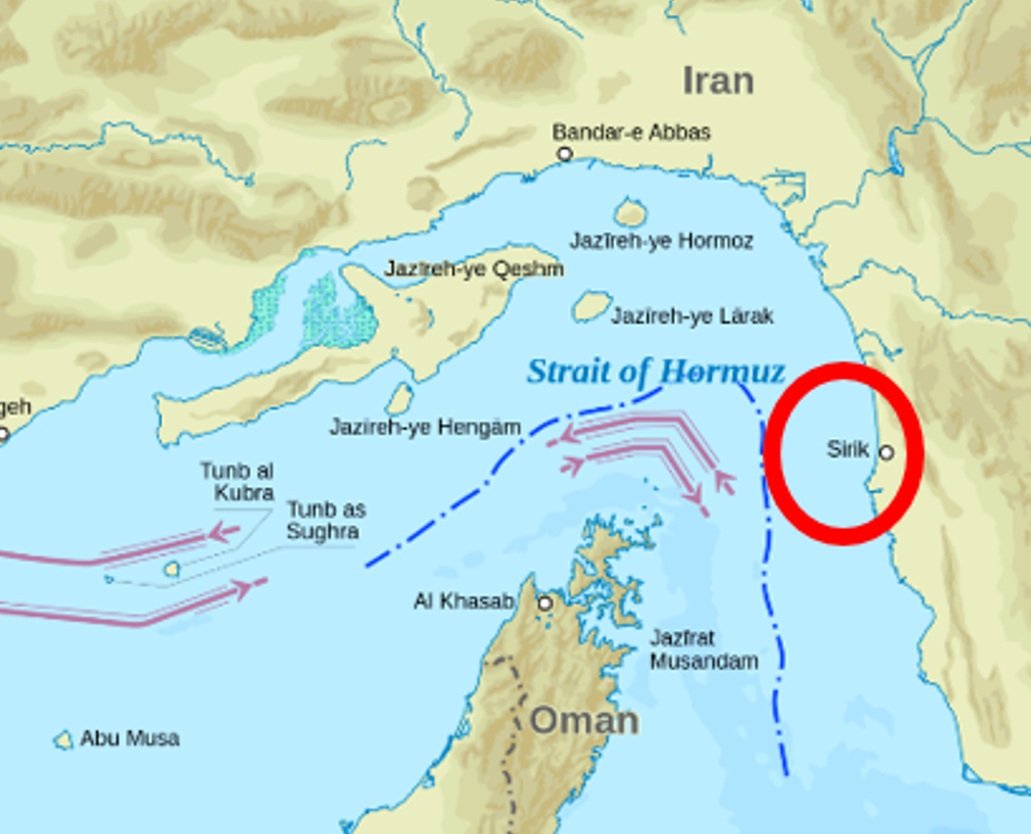

Strait of Hormuz Traffic Separation Scheme shipping channels (Goran Tek-en / CC BY), with the exercise area off Sirik indicated (CJRC).


Iran’s Water Crisis: A National Security Imperative – Analysis


February 17, 2026 

By Scott N. Romaniuk, Erzsébet N. Rózsa and László Csicsmann

Iran is confronting an unprecedented water crisis. Rivers that have sustained settlements and agriculture for centuries are drying, while groundwater reserves are being extracted far beyond natural replenishment—over 70% of major aquifers are considered overdrawn. According to Isa Bozorgzadeh, spokesperson for Iran’s water industry, many plains and reservoirs have reached critically low levels. Over the past two decades, the country’s renewable water resources have declined by more than a third, pushing Iran to the brink of absolute water scarcity.

Drought cycles are becoming more frequent and severe; this past autumn marked one of the driest periods in the last 20 years in contemporary Iranian history. For decades, national development policies assumed that engineering and extraction could overcome environmental limits. Today, those limits are reasserting themselves, and shortages are moving from rural peripheries into major cities, placing pressure on a political system already managing numerous economic, social, and national security challenges. Rising scarcity underscores the multifaceted ways in which water intersects with livelihoods, public trust, and national security, creating pressures that extend from rural communities to urban centers and shaping Iran’s domestic and regional policies.

These long-term pressures are not solely the product of climate variability. They reflect cumulative policy decisions, infrastructure choices, and social priorities that have consistently prioritized water-intensive agriculture, urban expansion, and industrial development. Iran’s national security is no longer defined solely by armies, weapons, or borders—it now hinges on something far more fundamental: water. Understanding these drivers is crucial to grasping how the country arrived at its current crisis, where domestic vulnerabilities intertwine with mounting regional tensions over shared water resources.

How Iran Got Here


While droughts have made Iran’s situation worse, various studies and official reports show that the main causes are mostly related to policies and infrastructure. The Islamic Republic’s long-standing commitment to agricultural self-sufficiency—complemented by necessity due to international sanctions—prioritized national food security over environmental sustainability. Crops such as rice, wheat, and sugar beet were promoted—even in areas unsuitable for high water consumption. Subsidized water pricing and low-cost energy encouraged excessive irrigation, depleting rivers and aquifers.

Urban and industrial expansion, with Iranian urbanization standing at approximately 77 percent, has further compounded pressures on water resources. The licensing of hundreds of thousands of wells, many lacking proper oversight, has accelerated groundwater extraction far beyond natural replenishment rates. In Tehran, ageing century-old water infrastructure, including the ancient underground qanat/kariz system, contributes to significant leakage, intensifying shortages even in years of normal rainfall.

In addition, Minister Ali Abadi has noted extraordinary factors—such as disruptions from regional conflicts, including the recent 12-day war with Israel—that have further exacerbated the capital’s water stress, prompting the introduction of a recently launched plan to move the capital closer to the more water-abundant Makran region along the Gulf of Oman. In some areas, aquifers have fallen so drastically that land subsidence has become irreversible, damaging roads, buildings, and farmland. Policies intended to secure economic and national resilience instead produced resource overreach, leaving Iran highly vulnerable to both climatic variability and systemic infrastructure failures.

Water Scarcity as a Driver of Unrest and Inequality

Water scarcity increasingly threatens Iran’s social cohesion and national stability. Rural communities dependent on irrigation have witnessed orchards wither and livestock decline, prompting waves of migration to already stressed urban areas. These environmental pressures erode traditional livelihoods and ignite political grievances, as seen in demonstrations in Isfahan, Khuzestan, and other provinces under the slogan ‘We are thirsty!’ (Ma teshne im!). Residents frequently accuse authorities of misallocating water to industrial users or favored regions, while government responses often prioritize containment over addressing the root causes.

Scarcity also exacerbates long-standing regional and ethnic disparities. Inter-provincial water transfers—from Khuzestan and Chaharmahal-va-Bakhtiari to central provinces such as Isfahan and Yazd—have deepened resentment in peripheral areas. Arab communities in Khuzestan, Bakhtiari, and Lor populations in the southwest view these projects as benefiting Persian-majority industrial centers, reinforcing perceptions of historical neglect and political marginalization. Various protests in these regions, notably the farmers’ protest in Isfahan in April 2025, have occasionally escalated into clashes with security forces, road blockages, and attacks on construction sites, highlighting how hydrological stress intersects with ethnic identity, structural inequalities, and contested state–society relations.

As environmental decline accelerates, water scarcity risks transforming from an episodic trigger of unrest into a sustained driver of domestic tension and center–periphery conflict, challenging both local livelihoods and national cohesion.

Urban and Rural Vulnerability


Once considered insulated from water stress, urban areas are increasingly facing challenges to this assumption. Major cities depend on interconnected reservoirs and pipelines vulnerable to both climatic fluctuations and disruptions over long distances. Tehran, home to some 9-10 million residents (but some 15 million if the metropolitan area is considered), relies heavily on mountain reservoirs threatened by declining snowpack and rising temperatures.

Similarly, Mashhad and Shiraz have faced rotational cutoffs that strain the public’s patience, while provincial centers in arid regions occasionally experience complete supply interruptions. Significantly, the Zayandeh-Rood—meaning “life-giving river”—which gave rise to Isfahan, the Safavid capital of the 16th century, and long stood as one of Iran’s most visited tourist sites, has remained dry for several years.

As this unfolds, rural decline accelerates as irrigation fails, leaving villages effectively depopulated once wells run dry. Younger generations move toward cities or abroad in search of work, weakening traditional agricultural knowledge and local governance networks that once managed shared water. These shifts complicate national planning: Iran’s water strategy has long relied on the idea that a large agricultural sector could support food sovereignty. However, as farms disappear, this idea becomes harder to hold on to, which could force a strategic shift towards relying more on imports.

Agricultural Self-Sufficiency Under Threat

Water scarcity has fundamentally constrained Iran’s longstanding goal of agricultural self-sufficiency. With rivers declining and groundwater aquifers overdrawn, the country can no longer reliably irrigate large areas of farmland. Water-intensive crops such as wheat, rice, and sugar beet now compete for dwindling supplies, and yields are increasingly unpredictable. As a result, Iran struggles to produce enough food to feed its population of some 92 million without turning to imports.

Policies that once prioritized domestic production for strategic and ideological reasons now create tension between national food security objectives and ecological realities. Growing dependence on imported grain and other staplesexposes Iran to global market volatility, amplified by international sanctions on the Iranian banking system, diplomatic pressure from trading partners, and sharply rising domestic prices driven by hyperinflation. These economic pressures further complicate agricultural planning, forcing policymakers to balance strategic self-sufficiency against both environmental limits and escalating costs.


Water as a Tool of Power


Water scarcity does not operate solely within Iran’s borders. Across the broader Middle East, Central Asia, and South Asia, water has become intertwined with geopolitics. In the absence of international treaties on rivers (as compared to the high seas, e.g., the 1982 Washington Treaty), water sharing is left to the riparian states to work out among themselves.

Yet, with the colonial past in most of these regions and the relatively new independent statehood of most, water sharing has entered the focus of regional intra-state attention relatively late. Climate change, however, has dramatically increased this necessity, especially as control over headwaters can translate into political bargaining power, and in some cases, states have deliberately used water to pressure neighbors, assert dominance, or influence downstream economic and security outcomes.

A New Geopolitics of Headwaters

Relations between Afghanistan and Iran illustrate how upstream development carries strategic consequences. Tehran views projects on the Helmand River, vital for Iran’s Sistan and Baluchestan province, not only as infrastructure but also as assertions of Afghan sovereignty. Each dam threatens reduced flow to Iranian territory, prompting diplomatic strain and, at times, heated rhetoric.

Tensions also surface between Afghanistan and Pakistan over the Kabul River, where future water demand may exceed supply. Beyond irrigation, upstream development has historically been leveraged as a political tool: restricting flow to downstream users can pressure concessions on trade, security, or border negotiations. In these situations, hydrology dictates bargaining power: those who control the flow shape politics. No wonder, under Iran’s new ‘neighborhood policy’, negotiations with both neighbors include water sharing as one of the main topics.

Iran’s Options Narrowing: External Dependence on the Horizon


Self-sufficiency has been an ideological and security principle since 1979, strengthened by the reality of Iran’s general isolation following the Islamic Revolution. Yet current trends indicate that Iran may no longer meet domestic demand without external support. Proposals to import water or expand desalination signal an uncomfortable recognition: sovereignty over food and water may be eroding.

Desalination is expanding along Iran’s southern coast, but infrastructure, energy costs, and environmental implications limit scalability. Meanwhile, importing water from neighboring states introduces geopolitical vulnerability, providing potential strategic advantage for foreign governments to influence Iranian policy. Reliance on external water or agricultural imports is rapidly becoming a strategic discussion point.

Information Gaps and Public Trust

Effective management depends on transparency, but water data in Iran is often treated as confidential. Environmental assessments are rarely shared fully with the public or independent researchers, creating uncertainty about actual conditions.

This opacity encourages speculation. Communities blame mismanagement or regional favoritism; rumors circulate about unauthorized industrial withdrawals or hidden infrastructure failures. Distrust grows faster than credible communication. Institutional capacity exists within Iran to improve water governance, including strong scientific expertise.

The barrier is political: acknowledging the full scale of decline would require renegotiating priorities long framed as essential to national strength. Yet, in response to a call from religious authorities, several organized prayers for water were held across the country.

Climate Change as a Force Multiplier


Climate pressures intensify Iran’s water challenges. Higher temperatures increase evaporation from reservoirs and soil, while reduced snowpack diminishes spring melt feeding rivers. Rainfall has declined by approximately 85% in critical areas, its increasing unpredictability posing serious challenges for both immediate and long-term water resource management. In response, Iran has turned to cloud seeding to induce rainfall, though results remain limited and inconsistent. Extreme weather events, including heatwaves and sudden, localized flooding, further strain rural and urban water infrastructure while also threatening agricultural productivity and food security.

Iran cannot control these climatic drivers, but policy choices determine how severely they affect livelihoods and national security. Failures in governance and resource management amplify these trends, transforming natural variability into full-scale crises. Without coordinated adaptation strategies—ranging from investment in resilient water infrastructure to sustainable agricultural practices—climate change acts as a multiplier for existing vulnerabilities, intensifying rural depopulation, urban water stress, and social unrest.

In this way, environmental shifts do not merely add pressure; they accelerate and exacerbate every underlying economic, political, and infrastructural challenge.

Hydro-Politics and Regional Realignments


Water scarcity is increasingly shaping Iran’s regional relationships, influencing both cooperation and competition. Shared rivers and aquifers create interdependencies that constrain national policy, while scarcity amplifies the stakes of diplomacy, trade, and security. Rather than merely presenting local disputes, these dynamics now shape broader strategic calculations, affecting alliances and regional influence.

Iran faces growing downstream vulnerability and upstream dependency. In the east, tensions over transboundary rivers underscore how upstream development in Afghanistan and Pakistan can affect water availability in Iran’s border provinces, requiring careful negotiation to prevent disruption. In the west, Türkiye’s control of shared water resources limits Tehran’s leverage in Iraq and Syria, forcing Iran to combine technical cooperation, diplomatic engagement, and economic initiatives to maintain influence.

At the same time, Gulf states’ investment in desalination, water recycling, and strategic food reserves introduces asymmetries in water security capabilities, creating new competitive pressures. Scarcity also encourages selective cooperation: multilateral frameworks, cross-border infrastructure projects, and joint drought management programs are increasingly explored, though historical mistrust and diverging national priorities complicate implementation.

These pressures are reshaping strategic flexibility. Where Iran once relied primarily on military, ideological, or economic tools to project influence, hydrological realities now define its options. Access to water flows, control over shared resources, and the capacity to adapt to scarcity have become core determinants of regional bargaining power. In effect, water scarcity functions as both a constraint and a tool, compelling Iran to recalibrate alliances, balance regional competition, and integrate environmental realities into its broader strategic planning.

Water as a Boundary of Strategy

Iran’s water security dilemma demonstrates how environmental realities reshape national priorities. What was once considered a manageable challenge has evolved into a structural constraint affecting agriculture, cities, and foreign policy simultaneously.

Scarcity alters internal migration patterns, raises the likelihood of unrest, and erodes the social contract between state and citizens. Environmental experts and activists, including Nikahang Kowsar—who has been sounding the alarm for nearly two decades—trace much of the crisis to longstanding policies dating back to the reformist era of President Mohammad Khatami, showing how governance decisions interact with natural limits to shape vulnerability.

These pressures demand difficult choices between self-sufficiency and sustainability—choices that carry political risks no matter the direction taken. Beyond Iran’s borders, water scarcity sharpens competition over shared rivers and introduces new factors into regional diplomacy. Access to reliable water flows may determine economic outcomes and future alignments.

The era in which Iran could independently secure its water and food needs is fading. National strategy must now be constructed around hydrological limits rather than in defiance of them. Water, once treated as an input to growth, has become a primary boundary of what Iran can achieve at home and how it can position itself abroad.

About the authors:

Scott N. Romaniuk: Senior Research Fellow, Centre for Contemporary Asia Studies, Corvinus Institute for Advanced Studies (CIAS); Department of International Relations, Institute of Global Studies, Corvinus University of Budapest, Hungary.

Erzsébet N. Rózsa: Professor at Ludovika University of Public Service; Senior Research Fellow at the Institute of World Economics, Hungary.

László Csicsmann: Full Professor and Head of the Centre for Contemporary Asia Studies, Corvinus Institute for Advanced Studies (CIAS), Corvinus University of Budapest, Hungary; Senior Research Fellow, Hungarian Institute of International Affairs (HIIA).

Source: This article also appeared at Geopolitical Monitor.com


Lost shipping containers: Onions, plastic pellets and phones wash ashore

Issued on: 13/02/2026 

02:07 min


Every year, 250 million containers travel across the oceans. But some never make it to port. Many are lost in storms, falling off cargo ships and polluting our shores. Just a few weeks ago, beaches in southern England were covered in thousands of onions and frozen French fries from cargo loads. Nearly 30 tons of plastic pellets also spilled onto Spanish beaches after six containers fell off a Norwegian ship. Our France 2 colleagues report.

BY: FRANCE 2
VIDEO BY:  Aurore Cloé DUPUIS


Turkey Dispatches New Drillship to Waters off the Coast of Somalia

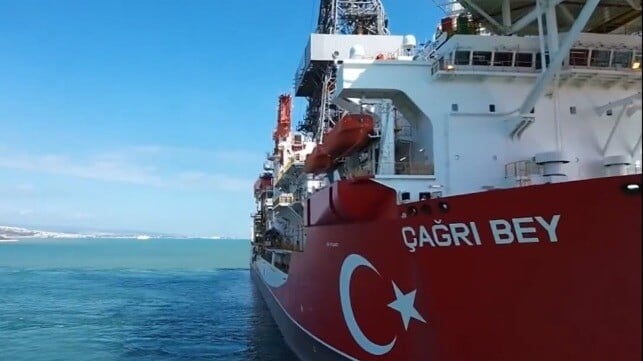
Drillship Cagri Bey (Aplarslan Bayraktar)

Published Feb 16, 2026 11:01 PM by The Maritime Executive


Turkey has announced plans to dispatch one of its drillships to waters off Somalia, the latest development in the two countries' strengthening ties. 

The drillship Cagri Bey (ex name West Draco), operated by state oil company Türkiye Petrolerii, is getting under way for an E&P project in the Arabian Sea. At a departure ceremony Monday, energy minister Alparslan Bayraktar said that the voyage plan calls for going the long way around, westbound through the Mediterranean and Strait of Gibraltar, south around the Cape of Good Hope, and back up the east coast of Africa to reach Somalia. Drilling should commence in April, he said.

Turkey's navy will provide security arrangements for the ship during its operations in the Horn of Africa area, where there are multiple threat actors and overlapping risks. The warships TCG Sancaktar, TCG Gökova and TCG Bafra will reportedly be assigned to the task force. 

The drillship's deployment fulfills the promise of a production sharing agreement between Ankara and Mogadishu in 2024. The arrangements are favorable for Turkey, which will get paid back first with most of the initial revenue from the project before substantial funds accrue to the Somali government.  

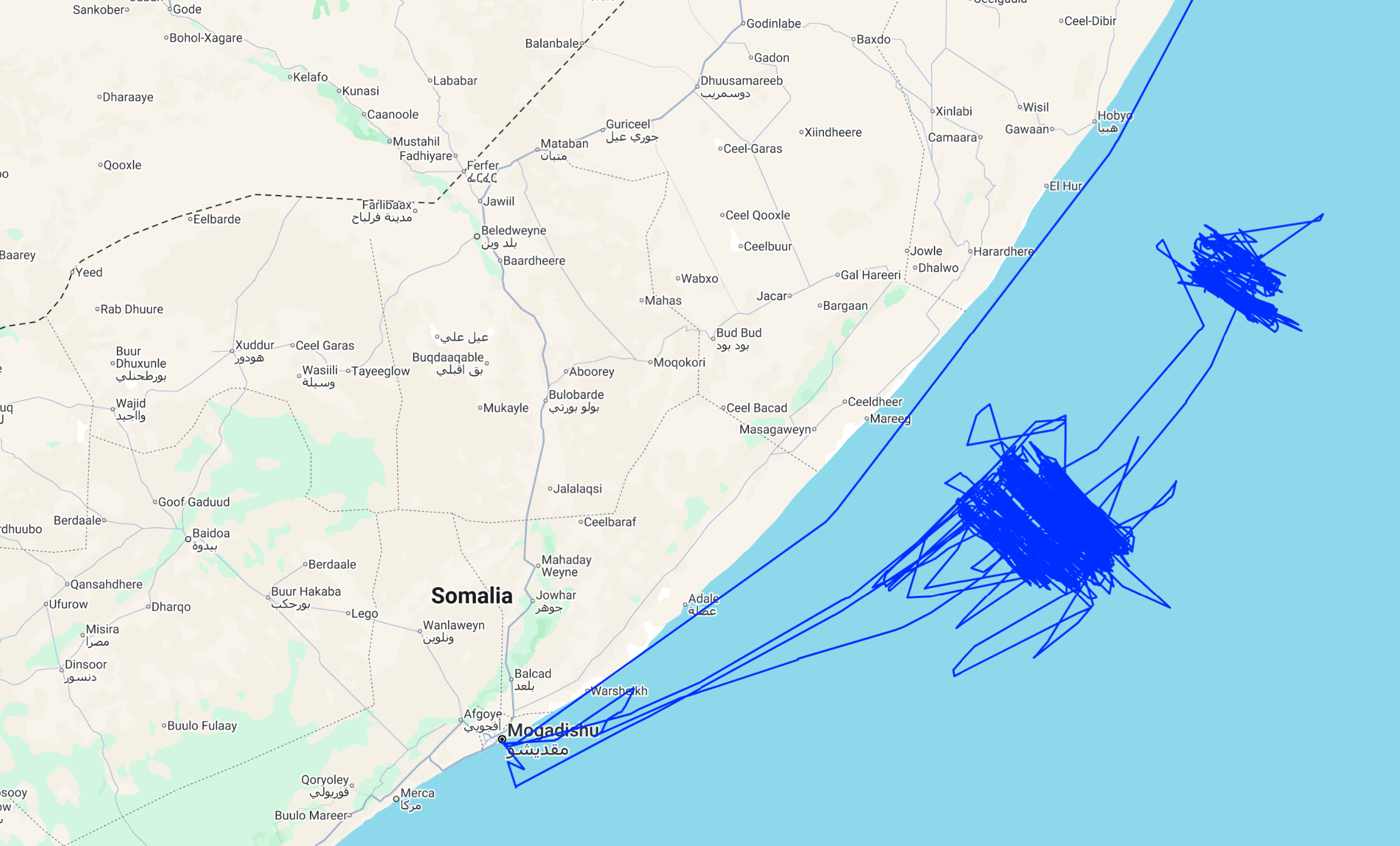
Turkey's seismic ship Oruc Reis visited the region in 2024 to acquire 3D seismic surveys of subsea formations, and spent nine months collecting data in the region. The campaign moved quickly into data analysis and plans for drilling. 

The general location of the target region was not disclosed, but AIS data provided by Pole Star Global shows that Oruc Reis concentrated its survey efforts in two spots off Central Somalia: one just off Hobyo, a notorious pirate hub during the heyday of Somali piracy; and a second just to the south, off the coast of Mareeg. The area is hundreds of miles from the Houthi-related risks in the Gulf of Aden. 

Courtesy Pole Star Global

The agreement is part of a push by Turkish President Recep Tayyip Erdogan to assert more sovereign control over Turkey's energy supply, which is heavily dependent upon imports from Russia. A large-scale drilling program in the Black Sea, within the Turkish EEZ, has yielded significant natural gas resources; the discoveries off Turkey's northern coast will help reduce the amount of energy that the nation has to buy from Russian state gas giant Gazprom. 

Regional tensions

The new activity off Somalia coincides with an increase in tension between Turkish and Israeli interests in the Horn of Africa. At the end of December, Israel formally recognized the breakaway region of Somaliland as an independent nation, much to the displeasure of the Somali federal government and its Turkish backers. In addition, the long-running al-Shabaab insurgency - an Islamist uprising that seeks to impose Sharia law - remains a persistent threat to Somali government stability, holds large swathes of the countryside, and has approached the capital. 

Last week, Turkey dispatched a squadron of F-16 fighters to the airport near Mogadishu, and a delivery of tanks was spotted arriving at the port as well. The voyage of drillship Cagri Bey and her escorts will bring a small task force of Turkish Navy ships into the theater to add to already-present Turkish land and air forces. 


Chevron Signs Deals for E&P Acreage off Greece

iStock
iStock / Leskas

Published Feb 16, 2026 9:16 PM by The Maritime Executive


On Monday, Chevron signed a large-scale deal for the rights to four E&P blocks off the coast of Greece, expanding the company's Mediterranean portfolio and Greece's prospects for energy independence.

The newly-awarded lease areas are in the southern Greek EEZ and cover a combined area of about 18,000 square miles, consisting of two south of the Pelopponese and two blocks south of Crete. The latter two areas are said to be the most promising candidates for gas exploration. Chevron holds a 70 percent operating interest alongside local partner Helleniq. The deal still has to be finalized by Greece's parliament; if approved, Chevron will have five years to conduct seismic work and find candidate fields for test wells. The timetable puts the prospect of  spinning bits out into the early 2030s.  

In addition to Chevron's deal, ExxonMobil holds E&P license for seabed in the Ionian Sea and others near Crete. Initial drilling for Exxon's first project in the Ionian Sea is set to begin next year, and is being watched closely for indications of the overall region's potential.

Any successful test well would be the first offshore development in Greece in more than 40 years. New gas production would help reduce the country's heavy dependence on foreign sources, notably imported American LNG.  


Report: USCG Cutter Blocks Tanker Bound for Cuba with Vital Fuel Supply

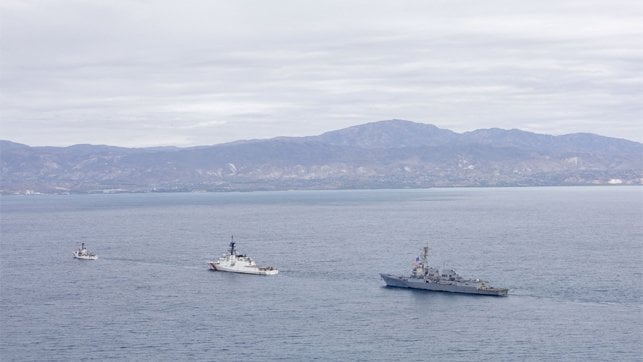
USCG and warship in Haitai
USCG and US Navy arriving in Haiti earlier this month (USN)

Published Feb 13, 2026 7:16 PM by The Maritime Executive


There is no official comment from the United States, but observers tracking Cuba believe a U.S. Coast Guard cutter intercepted a tanker bound for Cuba. It appears the presence of the USCG led the chemical/product tanker Ocean Mariner to alter course and sail away from Cuba.

The Trump administration quietly cut off all oil shipments to Cuba at the beginning of January after seizing Nicolás Maduro from Venezuela on January 5. Reports indicated that among the instructions the administration gave the new government of Venezuela was that it could no longer send oil products and aid to the Communist nation. The administration also threatened new tariffs on Mexico unless it suspended oil shipments to Cuba.

Media reports suggest the situation in Cuba has grown desperate, with prolonged blackouts over much of the country. Bloomberg reported today that the situation has worsened over the past month and said that some analysts believe Cuba has as little as 20 days’ supply left in its storage.

The last shipment to Cuba was aboard the Ocean Mariner, a 13,000 dwt product tanker owned by Greek interests. The vessel registered in Liberia made a delivery to Cuba from Mexico on January 9. Reports suggest it was carrying 86,000 barrels of fuel.

The same vessel departed Colombia on February 5. Its AIS signal was saying, “for orders.” The ship, however, proceeded north.

The tanker entered the Windward Passage between Cuba and Haiti, but its AIS signal shows a sudden U-turn. It went south of Haiti and along the coast toward the Dominican Republic.

The USCG reported on February 3 that the USS Stockdale (DDG 106), USCGC Stone (WMSL 758), and USCGC Diligence (WMEC 616) arrived in the Bay of Port-au-Prince. It said they were in Haiti as part of the U.S.’s commitment to security and stability. CiberCuba reports that USCG Stone departed Ponce, Puerto Rico, on February 10 and was believed to be patrolling the Windward Passage. 

The media reports suggest that the USCG intercepted the product tanker sailing nearby on February 13. There are no reports of a boarding, but the tanker has remained south of the island of Hispaniola and not approached Cuba.

There was a similar standoff with another tanker that was thought to be headed to Venezuela when the U.S. blockade began before the January seizure. A USCG cutter positioned itself between the tanker and Venezuela. The USCG may be doing something similar with this oil shipment.

Humanitarian aid, however, reached Cuba yesterday, according to a report from Reuters. Observers spotted two Mexican ships arriving in Havana. The report said they had liquid and powdered milk, meat products, cookies, beans, rice, tuna in water, sardines, and vegetable oil, as well as personal hygiene items, according to the Mexican government. 

The Mexican government has said it would make another delivery of humanitarian aid to Cuba in the coming days. It, however, seems to have heeded Trump’s threats and made no moves to send oil. Observers are watching the movement of the Ocean Mariner to see where the product tanker will go.


France Ends Weeks of Detention for Shadow Fleet Tanker with a Fine

shadow fleet tanker detained in France
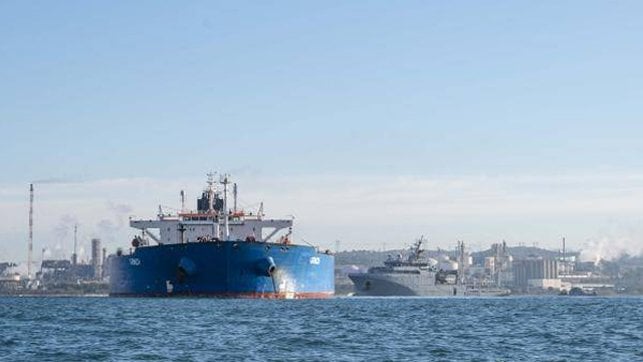
France held the fully laden tanker for nearly four weeks before releasing it with a fine and a promises to obtain a new registry (Préfet Maritime de la Méditerranée)

Published Feb 17, 2026 12:56 PM by The Maritime Executive


French authorities confirmed that the Marseille Judicial Court has ended the detention of the shadow fleet tanker Grinch, which had been held for nearly four weeks. The owners of the vessel filed an admission of guilt that the vessel was operating without a flag of registry and paid a fine.

The Foreign Minister of France, Jean-Noel Barrot, reported the fine would be “several million euros.” He also cited “three weeks of costly immobilization at Fos-sur-Mer,” which would have a significant financial impact on the vessel’s operations. 

Last fall, French President Emmanuel Macron had called for these types of detentions of the shadow fleet, saying that even a few days would prove costly to the vessel’s operations and upset the economics of the shadow fleet operation. He presented this approach to the European Union as one of the steps that would help to curtail the sanction violations from the Russian oil industry.

“Bypassing European sanctions comes at a price. Russia will no longer be able to fund its war with impunity through a ghost fleet off our coasts,” said Barrot, announcing the release of the tanker.

The Marseille Judicial Court sentenced the owners of the vessel on February 16 during an appearance on the admission of guilt. In exchange for the payment of the monetary fine, the court agreed to end the confiscation and return the seized and confiscated assets. The owner was reported to have failed to justify the nationality of the ship (i.e. confirm its flag of registry) and pledged to obtain a new registry “as soon as possible.”


The French Navy interdicted the Grinch on January 22 while it was in the Alboran Sea, coming from Murmansk, Russia. At the time, they reported there were doubts over the registry of the vessel, which were confirmed during an inspection. The matter was handed over to the court, and the tanker was directed to the anchorage in the Gulf of Fos Sur Mer near Marseille. The ship had been at anchor since January 24, with some reports that it briefly drifted and grounded in the bay.

The captain of the ship, a 58-year-old Indian national, was also arrested on charges including a lack of cooperation and operating the vessel without its registry. He is scheduled to go on trial later this month.

Databases show the Grinch (115,635 dwt) was built in 2004 and claimed a registry in Comoros, which is listed as false. The tanker is reported to be owned by a shell corporation registered in the Marshall Islands. No inspections have been reported since December 2023, and the Indian Registry of Shipping reports class was withdrawn, with renewal listed as overdue since October 2025.

The tanker was sanctioned by the United States in January 2025 for violations of the G7 price cap on Russian oil, and that was followed by the EU in February and the UK in July. Canada and Switzerland have also sanctioned the tanker.

The tanker’s AIS signal shows that as of Tuesday afternoon, February 17, it is still anchored in French waters. The court ordered that the vessel would remain under the supervision of the Maritime Prefect of the Mediterranean until it exited French territorial waters.

It is the second time that France has detained and released a shadow fleet tanker. In September 2025, it stopped the tanker Boracay, also on suspicion of operating under a false flag. The captain was ordered to appear before a French court, and the vessel was released after a few days of detention.


Madagascar and Landlocked Zimbabwe Warm IMO of False Flags

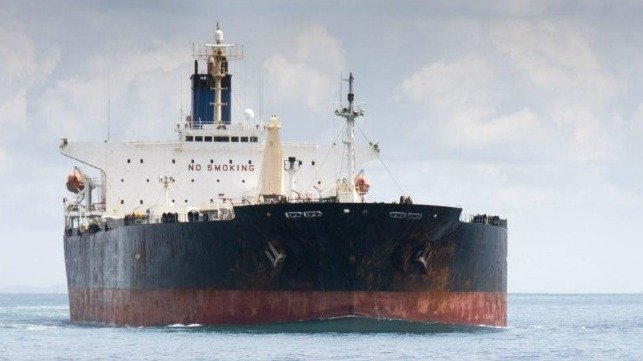
tanker
More countries are warning of false flag claims mostly by shadow fleet tankers (file photo)

Published Feb 17, 2026 3:13 PM by The Maritime Executive


The scourge of false flag operations continues to pop up, moving from country to country, with Madagascar and Zimbabwe being the latest to issue alerts to the International Maritime Organization and other regulatory bodies. They follow the African nation of Cameroon, which said it was suspending international registrations, and recent warnings from South Pacific nations, including Vanuatu, the Cook Islands, and Tonga. 

Madagascar, in its notice to the IMO dated February 9, highlights that the “common characteristics” of the effort, including fraudulent telephone numbers and email addresses, “suggested an organized operating method.” It notes that there are no links to any of the authorized organizations that Madagascar uses for statutory certificates.

Observers have recently noted shadow tankers displaying Madagascar as their registry, and the government reports it became aware of the situation at the end of 2025. It says organizations, including Starshell Marine, S&P Global, the Tokyo MOU, and the Turkish MRCC, had submitted documents for verification. Madagascar identified them as “forged certificates” and false registrations claiming the Malagasy flag. 

It notes the common identification of “International Maritime Registry,” while no such entity exists under Malagasy law. It warns that these documents have no legal basis. 

Reviewing the situation, it identified nine tankers that specifically have made the claim to its flag. It further warns that there could be additional vessels.

The government reports it is monitoring the registration fraud and lodged a complaint with its judicial authorities. It has also handed the matter over to its ministries of justice and foreign affairs.

The Equasis database currently lists 25 vessels, almost exclusively tankers, as claiming a false Malagasy flag. Madagascar has 136 ships that are legitimately registered, according to the database.

Zimbabwe, which is a landlocked nation in central Africa, has no legally registered ocean-going ships and does not have a Registrar of Ships or a Zimbabwe Maritime Authority. However, it received inquiries about a tanker named Range Vale claiming to be registered in the country. It declares to the IMO that there is no such organization as a “Maritime Authority” in Zimbabwe.

The Range Vale (111,775 dwt) tanker, built in 2005, is reported to be owned by a company in St. Kitts & Nevis. Equasis lists the vessel as flag-hopping through a series of false flags since last September, when it took on this identity. It reported Comoros, then Zimbabwe, and now Sierra Leone, all listed as false. The ship’s AIS signal shows that today (February 17), it is anchored off Port Said, Egypt, waiting for a Suez Canal transit, declaring it is heading to Singapore.

While Range Vale appears to have dropped its claim to the Zimbabwe flag, Equasis lists another tanker, Ruby Cross (110,500 dwt), currently falsely claiming Zimbabwe. Built in 2007, it is listed as owned by a company registered in the Marshall Islands, while it has had its classification withdrawn by the China Classification Society. Previously, it also falsely claimed the flag of Comoros, according to Equasis. Its AIS signal reports that this tanker is anchored off China.

Zimbabwe’s alert to the IMO, dated February 11, came less than a week after Cameroon’s Ministry of Transport issued an official communique dated February 6 saying that it was suspending registrations for vessels intended to navigate outside Cameroonian waters until further notice. It says the action was pending reforms aimed at strengthening the legal framework governing registrations after it became aware of fraud.


Salvors Finish Defueling Grounded Barge at San Juan's Harbor Entrance

Barge
Courtesy USCG

Published Feb 17, 2026 3:26 PM by The Maritime Executive


The U.S. Coast Guard and commercial salvors have completed the removal of the last bits of recoverable fuel from the grounded barge at the entrance to San Juan's harbor, the service confirmed Tuesday. 

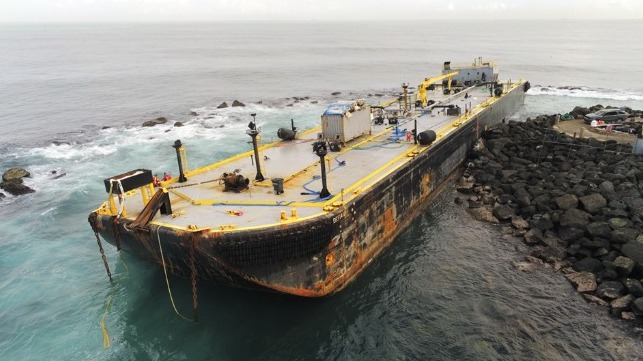
The barge Defiant broke away from its towing vessel on February 9 in foul weather. It ran aground that afternoon at a position next to San Juan's harbor entrance, right at the foot of the El Morro fortress. The barge landed between a manmade breakwater and a riprap revetment, and its hull was in contact with rocks on both ends. 

The brge was used to deliver fuel to the USVI, which is reliant on shipments of refined products for power generation. The power authority for the territory told local media that the transportation provider has secured a replacement barge and that the grounding is not expected to impact the local economy. 

Salvage efforts have been slowed by heavy seasonal swell affecting the north shore of Puerto Rico. The commercial salvor has submitted a plan for removing the tank barge, but it will not be easy; the location is difficult, and five out of the vessel's ten tanks have been breached, the Coast Guard told St. Thomas Source - adding complexity for any potential refloat attempt.

The barge had an estimated 1,000 gallons of leftover fuel in its tanks at the time of grounding, and while the amount of any release is unknown, it is expected to have minimal effects on the environment. 

The Coast Guard has formed a unified command with the barge operator and with local authorities to oversee the response operation. An investigation into the cause of the barge's breakaway and grounding is under way.

CRIME AGAINST HUMANITY

Video U.S. Strikes Three Boats in One of Deadliest Days of Drug Campaign

strike on alleged drug running boat
SOUTHCOM released video of three more boats being struck (SOUTHCOM)

Published Feb 17, 2026 4:18 PM by The Maritime Executive


In what is one of the deadliest days of the Trump administration’s campaign against drug runners, SOUTHCOM is reporting three strikes in one day, the first time the U.S. has targeted boats on both the Atlantic and Pacific on the same day. Observers also note that the pace of the strikes is accelerating.

Few details were provided with the posting of a new video on social media. The strikes reportedly took place late on February 16, and the announcement repeated the allegation that the boats were operated by designated terrorist organizations. “Intelligence confirmed the vessels were transiting along known narco-trafficking routes and were engaged in narco-trafficking operations,” wrote SOUTHCOM.

The first boat struck on the Pacific was reported to have had four people and was a typical fast-go boat with five outboard motors. However, it was not moving when the strike came. Only the second boat was underway, traveling at a high speed with what appears to be four outboard motors and an open area that appears to have bundles. Four people were also aboard the boat, according to the report, and it was also in the Eastern Pacific.

The third strike was reported in the Caribbean, but it is more difficult to discern because the image is higher and more distant. The boat, however, was clearly drifting and not underway. SOUTHCOM reports three people were aboard.


With the 11 people killed in these strikes, the media reports are calculating the death toll at 144 or 145 people since the campaign began in September. Two known survivors of the attacks were handed back to their countries. The Associated Press says there have been a total of 42 known strikes. 

The U.S. was also reported to have killed 11 people on December 30 when it struck three boats traveling together on the Pacific. However, in that instance, it was estimated that eight of the people aboard the second and third boats jumped into the ocean after the first boat was hit. None were recovered, despite a search by the Coast Guard, and all were presumed to have died.

The New York Times reports that the strikes are now coming at a pace of every three or four days. It points to the change in command, with SOUTHCOM now led by General Francis L. Donovan after Admiral Alvin Holsey retired. The paper writes that Admiral Holsey “had expressed concerns about the strikes.”

The Trump administration has vowed to keep up the strikes on the boats.

Opinion

Algorithms and AI have turned Gaza into a laboratory of death


February 17, 2026 


A view of makeshift tents amid the rubble left behind by Israeli attacks as Palestinians carry on with their daily lives under harsh conditions in Gaza Strip on February 16, 2026. [Saeed M. M. T. Jaras – Anadolu Agency]

by Sayid Marcos Tenorio
soupalestina
Middle East Monitor.


The revelations by +972 Magazine and Local Call have exposed the darkest core of the contemporary war in Gaza, in which genocide is carried out not only by bombs and missiles, but by data, algorithms and global digital platforms.

The Israeli artificial intelligence system known as Lavender has confirmed what the Palestinian resistance, Lebanon, and Iran have denounced for years: Technology as an organic part of the Zionist war machine, functioning as an instrument of surveillance, target selection, and mass extermination.

The liberal rhetoric of “digital privacy” collapses in the face of the facts. Applications such as WhatsApp insist on the promise of end-to-end encryption, but conceal what is essential, in which metadata are worth more than messages.

Location, contact networks, patterns of communication, and group affiliations make it possible to map the social life of an entire people. In Gaza, these data have been incorporated into military systems that turn human relationships into algorithmic criteria for death.

Lavender assessed virtually the entire population of the Gaza Strip, comprising more than 2.3 million people, assigning automated “risk scores”. Merely being in a WhatsApp group, maintaining frequent contact with someone already marked, or displaying digital patterns considered “suspicious” was enough to be placed on execution lists.

Human supervision was deliberately minimal, reduced to seconds, with conscious acceptance of high error rates. Entire families were killed in their homes, treated as “acceptable collateral damage” in an algorithmic equation that normalises massacre.

This is not a technical deviation. It is a policy of extermination. International Humanitarian Law explicitly prohibits indiscriminate attacks and requires distinction between civilians and combatants.

Systems that automate lethal decisions, pre-accepting the death of innocents, constitute crimes against humanity and reinforce the characterisation of genocide as a technologically organised and rationalised process.

The machinery that sustains this model is global. Twenty-first century espionage no longer depends on intercepting messages, but on controlling digital ecosystems.

Private platforms function as permanent sensors of planetary social life, feeding databases accessible to intelligence services such as the Mossad and the CIA, through formal cooperation, legal pressure or the exploitation of vulnerabilities. This represents a structural convergence between big tech companies, the military-industrial complex and the imperial security apparatus.

Palestine is the laboratory. In an official statement released during the war, Hamas stated on its Telegram channel that “the occupier has turned every modern tool into a weapon against the Palestinian people, using technology to justify the killing of civilians and to conceal genocide behind technical terms”

(free translation). The denunciation is clear: Israel is not waging a war against combatants, but against Palestinian existence itself, now mediated by algorithms.

Lebanese Hezbollah has warned that this model forms part of a regional hybrid war, combining digital surveillance, technological sabotage, and selective attacks.

After the attack that occurred in Lebanon in 2024, involving the coordinated explosion of pagers used by its members, Hezbollah declared through institutional channels that “the enemy has turned civilian devices into tools of assassination, proving that its war knows no ethical or human limits” (free translation). The episode revealed a new level in the weaponisation of everyday technology.

This pattern is not isolated. International investigations have already demonstrated the recurring use of military spyware against journalists, activists, and political leaders in various countries, often through smartphones widely available on the global market.

The message is unequivocal: every connected device is a potential instrument of surveillance, control, or death when inserted into the logic of imperial power.

Leaders of the Islamic Republic of Iran have been particularly outspoken. The Iranian Supreme Leader, Ayatollah Ali Khamenei, has stated in various speeches that “the Zionist regime is a cancerous tumour that uses the most modern tools to oppress and massacre peoples”.

Iranian authorities maintain that Gaza foreshadows the future of imperial domination, in a world governed by algorithmic surveillance, selective assassinations, and “clean” wars only in rhetoric.

The Lavender case thus exposes the consolidation of a digital necropolitics. Algorithms decide who lives and who dies; corporations provide the infrastructure; intelligence services operate in the shadows; and technocratic language seeks to normalise the unacceptable. Gaza bleeds so that this model may be tested, refined, and then exported.

Denouncing this machinery is a historic task. It is not merely a matter of solidarity with the Palestinian people, although that solidarity is urgent and non-negotiable.

It is about resisting a world in which data are worth more than lives, in which technology serves colonialism, and in which genocide is presented as an “algorithmic decision”. Today it is Gaza. Tomorrow, any people who dare to resist.

The views expressed in this article belong to the author and do not necessarily reflect the editorial policy of Middle East Monitor.


Researchers discover 5,000-year-old bacteria resistant to modern antibiotics

A Tropical Medicine University virology lab researcher works to develop a test.
Copyright  Copyright 2021 The Associated Press. All rights reserved.

By Marta Iraola Iribarren
Published on 

A strain of bacteria found in a Romanian ice cave is resistant to ten modern antibiotics, according to a new study.

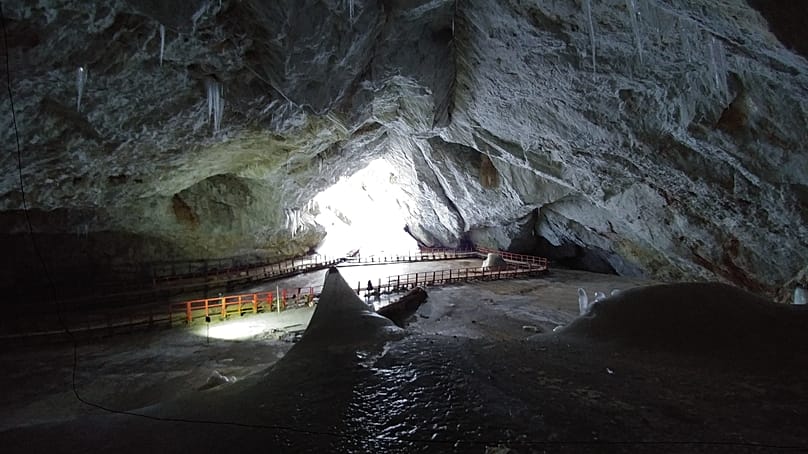
Frozen bacteria kept for 5,000 years in an underground cave have been found to be resistant to modern antibiotics, researchers say. In the depths of Scărișoara Cave, one of Romania’s largest ice caves, preserved under a 5,000-year-old layer of ice, scientists discovered a strain of Psychrobacter SC65A.3 – bacteria resistant to modern antibiotics.

Bacteria can survive for thousands of years under extreme conditions: under ancient layers of ice, in permafrost, under the sea, or in glacial lakes.

These bacteria play by their own rules, having adapted for survival and persistence over time.

Now, Romanian researchers have found that the SC65A.3 strains of Psychrobacter – bacteria adapted to cold environments – are resistant to 10 modern antibiotics from 8 different classes.

“The Psychrobacter SC65A.3 bacterial strain isolated from Scărișoara Ice Cave, despite its ancient origin, shows resistance to multiple modern antibiotics and carries over 100 resistance-related genes,” said Cristina Purcarea, author of the study and scientist at the Institute of Biology Bucharest of the Romanian Academy.

The Cave’s ice block measures 100,000 cubic meters and is approximately 13,000 years old – making it the largest and oldest underground ice block.

The research team drilled a 25-meter ice core from the area of the cave known as the Great Hall. By analysing ice fragments from this part of the cave, they isolated various bacterial strains and sequenced their genomes to determine which genes allow the strains to survive in low temperatures, and which confer antimicrobial resistance.

Scărișoara Ice Cave in Romania. Paun V.I.

Purcarea added that the antibiotics they found resistance to are widely used in oral and injectable therapies used to treat multiple serious bacterial infections in clinical practice, such as tuberculosis, colitis, and urinary tract infections (UTIs).

Previous studies have analysed other strains of Psychrobacter bacteria, mainly for their biotechnological potential, but the antibiotic resistance profiles of these bacteria are largely unknown, the study noted.

“Studying microbes such as Psychrobacter SC65A.3 retrieved from millennia-old cave ice deposits reveals how antibiotic resistance evolved naturally in the environment, long before modern antibiotics were ever used,” said Purcarea.

While antimicrobial resistance is a natural phenomenon, it has been accelerated by chronic antibiotic use, promoting the diversification and spreading of antibiotic resistance genes, the researchers noted.

The results, published in Frontiers in Microbiology, found that, with 20 percent of Earth’s surface comprising frozen habitats and low temperatures characterising much of the biosphere, understanding cold-adapted microbes is increasingly critical amid rapid climate change.

Antimicrobial resistance, a growing concern

Antimicrobial resistance (AMR) causes millions of deaths every year worldwide. In Europe, it is estimated to be the cause of over 35,000 yearly deaths – a number expected to rise in the coming years.

A handful of factors have created the perfect environment for AMR across the region, the European Centre for Disease Prevention and Control (ECDC) said last year.

Europe’s ageing population is more vulnerable to infections, drug-resistant pathogens are spreading across borders, doctors and patients are overusing antibiotic medicines, and there are critical gaps in infection prevention and control efforts.

One in six bacterial infections worldwide is now resistant to standard treatments, according to the World Health Organization (WHO).