Systemic Risk And Escalation Dynamics In Global Politics (2026–2027) – Analysis
.png)
January 11, 2026
By Scott N. Romaniuk
Key Takeaways
Erosion of Norms and Escalation Thresholds: Historical precedents—regime change interventions and high-intensity warfare—have normalised coercion, weakening deterrence and increasing the likelihood of misperception-driven escalation.
Domestic Pressures as Catalysts: Political polarisation, economic stress, and crises of legitimacy in key states amplify incentives for assertive foreign actions, linking internal fragilities to external instability.
Cascading and Coupled Dynamics: Events in one region increasingly influence strategic calculations elsewhere, raising the risk of spillovers and multi-theatre escalation, even without deliberate global conflict planning.
Humanitarian and Governance Vulnerabilities: The intertwined crises strain aid delivery, access, and institutional capacity, highlighting that systemic stability depends as much on managing domestic and operational capacity as on controlling adversaries.
A System Under Strain
The 2026–2027 period marks a critical phase in the international system, best described as a systemic crisis of governability. Across multiple regions, crises—both active and latent—are increasingly interconnected, creating conditions in which local tensions can quickly escalate into broader instability. Developments in Venezuela, potential Israeli operations against Iran, the ongoing war in Ukraine, and persistent pressures surrounding Taiwan are not isolated events. Rather, they act as indicators of structural stress within the global order. While these dynamics do not necessarily suggest a deliberately planned global conflict, they point to a system under strain, in which weakened norms, interdependent theatres, and domestic vulnerabilities could trigger escalation beyond political control.
Converging Regional Crises
The environment at the outset of this period is defined by the simultaneous unfolding of crises across multiple regions. In Venezuela, a direct coercive intervention resulted in a forced change of leadership, widely criticised as a breach of international law. This action provoked strong reactions not only from Russia and China but also from some traditional United States (US )allies, reopening fundamental questions regarding the legitimacy of using force to resolve political deadlock.
In the Middle East, Iran faces acute economic and social pressure, while Israel appears increasingly inclined to consider military options that could reignite direct or indirect confrontation on a significant scale. In Eastern Europe, the war in Ukraine, ongoing since 2022, remains a high-intensity conflict with no visible political settlement, continuing to reshape Europe’s security architecture. In East Asia, Taiwan remains a principal point of friction between the US and China, maintained within a framework of heavily militarised deterrence.
Considered collectively, these crises transcend discrete regional boundaries and constitute elements of an increasingly coupled system. Each theatre acts as a strategic cue to the others, shaping perceptions of resolve, credibility, and acceptable risk. As a result, decisions taken in one context increasingly influence strategic calculations elsewhere, raising the likelihood of cascading reactions across multiple regions.
The following table summarises the principal theatres, escalation mechanisms, and systemic implications discussed in this analysis.
Table 1. Systemic Risk and Escalation Dynamics Across Key Theatres (2026–2027)
Region / Theatre Key Dynamics & Drivers of Risk Escalation Mechanisms / Risks Systemic Implications / Spillovers Humanitarian Considerations
Venezuela Forced leadership change; direct coercive intervention; anti-US sentiment; renewed regional instability Normalisation of coercive intervention; heightened US assertiveness Reinforces precedent for fait accompli logic; risks spillover to regional political alignment Access challenges, political sensitivities, resource competition
Israel–Iran Internal Iranian economic/social stress; compressed military postures; Israeli domestic political pressures Misperception of deterrence signals; action–reaction spiral High risk of escalation affecting broader Middle East; impacts energy markets and alliances Operational hazards for humanitarian actors; constrained access
Ukraine Ongoing high-intensity conflict; North Atlantica Treaty Organization (NATO) militarisation; attrition logic Entrenchment of conflict; escalation in military posture Reshapes Europe’s security architecture; increases coupling of crises Displacement, urbanised conflict zones, humanitarian needs
Taiwan Fragile US–China deterrence; regional flashpoint Crisis misinterpreted as global credibility test Tests global alliances; amplifies tensions across Asia-Pacific Urbanised militarised areas; restricted humanitarian access
Domestic Pressures Inflation, cost-of-living crises, political polarisation, crises of consent in key states Governments adopt assertive external postures to maintain legitimacy Domestic fragilities exacerbate regional crises; limit flexibility in diplomacy and containment Political instability affects aid delivery; potential unrest
Source: Author.
Shifting Norms and Escalation Dynamics
Historical Evolution of Force
The current moment cannot be fully understood without recognising how thresholds for the use of force have evolved over time. The US-led intervention in Iraq in 2003 normalised regime change as an instrument of security policy, while NATO’s intervention in Libya in mid-March 2011 further weakened the principle of inviolable sovereignty. The escalation of the Ukraine conflict from 2014 onward—and particularly since February 2022—reintroduced high-intensity interstate warfare to Europe. More recent coercive actions in the Western Hemisphere suggest that measures once considered exceptional are now treated as politically and militarily viable options. In 2026–2027, the central concern is not any single precedent but the accumulation of multiple precedents, which collectively erode the deterrent power of international norms and reinforce a logic of fait accompli.
Israel–Iran: Escalation Risk
The Israel–Iran confrontation represents one of the most acute escalation risks of the period. Compressed military postures make it increasingly difficult to distinguish between deterrence signalling, military exercises, and preparations for attack. Internal Iranian vulnerabilities, rooted in economic, energy, and social pressures, reduce the system’s capacity to absorb external shocks, while strategic ambiguity means that demonstrates intended to reinforce deterrence can be misread as indications of imminent aggression. Domestic political pressures in Israel, including Prime Minister Netanyahu’s fragile governing coalition, ongoing judicial controversies, and potential legal exposure, heighten the salience of security policy as a source of political legitimacy. In this context, the primary danger arises not from a rational calculation to wage total war but from a self-reinforcing action–reaction spiral triggered by misperception, domestic pressures, or misreading of intentions.
Ukraine and Taiwan: Structural Background
The war in Ukraine and tensions surrounding Taiwan constitute the structural background of the 2026–2027 period. In Ukraine, the continuation of high-intensity conflict entrenches a logic of attrition and reinforces the militarisation of Europe and NATO. In Taiwan, deterrence between the US and China remains fragile, with any regional crisis likely to be interpreted as a test of global credibility. Together, these theatres intensify the coupling of crises, in which decisions in one region increasingly shape strategic calculations elsewhere.
Domestic Pressures and Systemic Vulnerability
A defining feature of this period is the growing influence of domestic political dynamics as co-drivers of external instability. Inflation, cost-of-living pressures, social unrest, and political polarisation are accompanied by crises of political consent in several key states, including Germany, France, the United Kingdom (UK), and Israel. These internal fragilities narrow the space for compromise and increase incentives for governments to demonstrate control and credibility, often through assertive external postures.
Several scenarios are plausible. In an environment of unstable containment, multiple crises persist but are managed through informal channels, tactical pauses, and ad hoc mediation. Economic, political, and humanitarian costs remain high, yet systemic rupture is avoided. In a scenario of regional escalation, one theatre crosses a critical threshold, producing cascading effects on energy markets, financial stability, and security. Major powers remain formally outside direct conflict but become deeply involved indirectly.
In the case of systemic escalation, a rapid concatenation of regional crises overwhelms existing de-confliction mechanisms, leading to the direct involvement of major powers. Such an outcome would not constitute a planned global conflict but would result from successive failures in escalation management.
Table 2. Escalation Scenarios in the 2026–2027 International Environment
Scenario Core Characteristics Escalation Dynamics Role of Major Powers Systemic
Unstable Containment Multiple crises persist simultaneously; no durable political settlements Managed through informal channels, tactical pauses, and ad hoc mediation Major powers seek to avoid direct confrontation while sustaining deterrence High economic, political, and humanitarian costs; systemic rupture avoided
Regional Escalation One theatre crosses a critical threshold (Middle East, Ukraine, East Asia, or Latin America) Cascading effects on energy markets, financial stability, and regional security Major powers remain formally outside direct war but become deeply involved indirectly Intensified global instability; increased coupling of regional crises
Systemic Escalation Breakdown of escalation management across multiple theatres Rapid concatenation of regional crises overwhelms de-confliction mechanisms Direct involvement of major powers driven by credibility, alliance, and deterrence pressures No planned global war, but widespread conflict resulting from successive escalation failures
Source: Author.
Humanitarian Implications
Humanitarian organisations face complex operational challenges. Simultaneous crises compete for resources, funding, and access, while the politicisation of aid and heightened suspicion towards international actors constrain their ability to respond effectively. Logistical disruptions driven by sanctions, regional insecurity, and energy shocks, combined with complex humanitarian needs in urbanised and militarised environments, demand strengthened contextual analysis, diversified supply chains, enhanced staff security, and a sustained reaffirmation of humanitarian principles.
Restoring Stability
The defining risk of the 2026–2027 period lies less in deliberate strategic choice than in institutional inertia under cumulative stress. As norms weaken, theatres interact, and domestic political constraints tighten, the international system becomes increasingly prone to outcomes that no major actor explicitly seeks, yet none could prevent under certain conditions. Escalation is more likely to emerge from delayed decisions, ambiguous communication, and the inability to step back from momentum-driven paths rather than from conscious plans for confrontation. Preserving stability will depend not only on managing adversaries but also on restoring political capacity—the ability to pause, recalibrate, and contain crises before momentum substitutes for strategy.

Scott N. Romaniuk
Dr. Scott N. Romaniuk is a Senior Research Fellow, Centre for Contemporary Asia Studies, Corvinus Institute for Advanced Studies (CIAS), Corvinus University of Budapest, Hungary.
.png)
January 11, 2026
By Scott N. Romaniuk
Key Takeaways
Systemic Strain Across Multiple Theatres: Crises in Venezuela, the Middle East, Ukraine, and Taiwan are increasingly interconnected, creating a globally coupled system where local tensions can cascade rapidly.
Erosion of Norms and Escalation Thresholds: Historical precedents—regime change interventions and high-intensity warfare—have normalised coercion, weakening deterrence and increasing the likelihood of misperception-driven escalation.
Domestic Pressures as Catalysts: Political polarisation, economic stress, and crises of legitimacy in key states amplify incentives for assertive foreign actions, linking internal fragilities to external instability.
Cascading and Coupled Dynamics: Events in one region increasingly influence strategic calculations elsewhere, raising the risk of spillovers and multi-theatre escalation, even without deliberate global conflict planning.
Humanitarian and Governance Vulnerabilities: The intertwined crises strain aid delivery, access, and institutional capacity, highlighting that systemic stability depends as much on managing domestic and operational capacity as on controlling adversaries.
A System Under Strain
The 2026–2027 period marks a critical phase in the international system, best described as a systemic crisis of governability. Across multiple regions, crises—both active and latent—are increasingly interconnected, creating conditions in which local tensions can quickly escalate into broader instability. Developments in Venezuela, potential Israeli operations against Iran, the ongoing war in Ukraine, and persistent pressures surrounding Taiwan are not isolated events. Rather, they act as indicators of structural stress within the global order. While these dynamics do not necessarily suggest a deliberately planned global conflict, they point to a system under strain, in which weakened norms, interdependent theatres, and domestic vulnerabilities could trigger escalation beyond political control.
Converging Regional Crises
The environment at the outset of this period is defined by the simultaneous unfolding of crises across multiple regions. In Venezuela, a direct coercive intervention resulted in a forced change of leadership, widely criticised as a breach of international law. This action provoked strong reactions not only from Russia and China but also from some traditional United States (US )allies, reopening fundamental questions regarding the legitimacy of using force to resolve political deadlock.
In the Middle East, Iran faces acute economic and social pressure, while Israel appears increasingly inclined to consider military options that could reignite direct or indirect confrontation on a significant scale. In Eastern Europe, the war in Ukraine, ongoing since 2022, remains a high-intensity conflict with no visible political settlement, continuing to reshape Europe’s security architecture. In East Asia, Taiwan remains a principal point of friction between the US and China, maintained within a framework of heavily militarised deterrence.
Considered collectively, these crises transcend discrete regional boundaries and constitute elements of an increasingly coupled system. Each theatre acts as a strategic cue to the others, shaping perceptions of resolve, credibility, and acceptable risk. As a result, decisions taken in one context increasingly influence strategic calculations elsewhere, raising the likelihood of cascading reactions across multiple regions.
The following table summarises the principal theatres, escalation mechanisms, and systemic implications discussed in this analysis.
Table 1. Systemic Risk and Escalation Dynamics Across Key Theatres (2026–2027)
Region / Theatre Key Dynamics & Drivers of Risk Escalation Mechanisms / Risks Systemic Implications / Spillovers Humanitarian Considerations
Venezuela Forced leadership change; direct coercive intervention; anti-US sentiment; renewed regional instability Normalisation of coercive intervention; heightened US assertiveness Reinforces precedent for fait accompli logic; risks spillover to regional political alignment Access challenges, political sensitivities, resource competition
Israel–Iran Internal Iranian economic/social stress; compressed military postures; Israeli domestic political pressures Misperception of deterrence signals; action–reaction spiral High risk of escalation affecting broader Middle East; impacts energy markets and alliances Operational hazards for humanitarian actors; constrained access
Ukraine Ongoing high-intensity conflict; North Atlantica Treaty Organization (NATO) militarisation; attrition logic Entrenchment of conflict; escalation in military posture Reshapes Europe’s security architecture; increases coupling of crises Displacement, urbanised conflict zones, humanitarian needs
Taiwan Fragile US–China deterrence; regional flashpoint Crisis misinterpreted as global credibility test Tests global alliances; amplifies tensions across Asia-Pacific Urbanised militarised areas; restricted humanitarian access
Domestic Pressures Inflation, cost-of-living crises, political polarisation, crises of consent in key states Governments adopt assertive external postures to maintain legitimacy Domestic fragilities exacerbate regional crises; limit flexibility in diplomacy and containment Political instability affects aid delivery; potential unrest
Source: Author.
Shifting Norms and Escalation Dynamics
Historical Evolution of Force
The current moment cannot be fully understood without recognising how thresholds for the use of force have evolved over time. The US-led intervention in Iraq in 2003 normalised regime change as an instrument of security policy, while NATO’s intervention in Libya in mid-March 2011 further weakened the principle of inviolable sovereignty. The escalation of the Ukraine conflict from 2014 onward—and particularly since February 2022—reintroduced high-intensity interstate warfare to Europe. More recent coercive actions in the Western Hemisphere suggest that measures once considered exceptional are now treated as politically and militarily viable options. In 2026–2027, the central concern is not any single precedent but the accumulation of multiple precedents, which collectively erode the deterrent power of international norms and reinforce a logic of fait accompli.
Venezuela as a Systemic Indicator
The Venezuelan case is especially significant, both regionally and globally. It contributes to the normalisation of direct coercive intervention as a means of resolving political crises, reinforces perceptions of renewed US assertiveness in the Western Hemisphere, and risks reigniting anti-US sentiment across Latin America, historically framed in terms of imperialism and ‘Gringo/Yankee go home’ narratives. This dynamic introduces an additional layer of regional instability, with potential spillover effects on political alignment, cooperation, and security throughout the continent.
The Venezuelan case is especially significant, both regionally and globally. It contributes to the normalisation of direct coercive intervention as a means of resolving political crises, reinforces perceptions of renewed US assertiveness in the Western Hemisphere, and risks reigniting anti-US sentiment across Latin America, historically framed in terms of imperialism and ‘Gringo/Yankee go home’ narratives. This dynamic introduces an additional layer of regional instability, with potential spillover effects on political alignment, cooperation, and security throughout the continent.
Israel–Iran: Escalation Risk
The Israel–Iran confrontation represents one of the most acute escalation risks of the period. Compressed military postures make it increasingly difficult to distinguish between deterrence signalling, military exercises, and preparations for attack. Internal Iranian vulnerabilities, rooted in economic, energy, and social pressures, reduce the system’s capacity to absorb external shocks, while strategic ambiguity means that demonstrates intended to reinforce deterrence can be misread as indications of imminent aggression. Domestic political pressures in Israel, including Prime Minister Netanyahu’s fragile governing coalition, ongoing judicial controversies, and potential legal exposure, heighten the salience of security policy as a source of political legitimacy. In this context, the primary danger arises not from a rational calculation to wage total war but from a self-reinforcing action–reaction spiral triggered by misperception, domestic pressures, or misreading of intentions.
Ukraine and Taiwan: Structural Background
The war in Ukraine and tensions surrounding Taiwan constitute the structural background of the 2026–2027 period. In Ukraine, the continuation of high-intensity conflict entrenches a logic of attrition and reinforces the militarisation of Europe and NATO. In Taiwan, deterrence between the US and China remains fragile, with any regional crisis likely to be interpreted as a test of global credibility. Together, these theatres intensify the coupling of crises, in which decisions in one region increasingly shape strategic calculations elsewhere.
Domestic Pressures and Systemic Vulnerability
A defining feature of this period is the growing influence of domestic political dynamics as co-drivers of external instability. Inflation, cost-of-living pressures, social unrest, and political polarisation are accompanied by crises of political consent in several key states, including Germany, France, the United Kingdom (UK), and Israel. These internal fragilities narrow the space for compromise and increase incentives for governments to demonstrate control and credibility, often through assertive external postures.
Several scenarios are plausible. In an environment of unstable containment, multiple crises persist but are managed through informal channels, tactical pauses, and ad hoc mediation. Economic, political, and humanitarian costs remain high, yet systemic rupture is avoided. In a scenario of regional escalation, one theatre crosses a critical threshold, producing cascading effects on energy markets, financial stability, and security. Major powers remain formally outside direct conflict but become deeply involved indirectly.
In the case of systemic escalation, a rapid concatenation of regional crises overwhelms existing de-confliction mechanisms, leading to the direct involvement of major powers. Such an outcome would not constitute a planned global conflict but would result from successive failures in escalation management.
Table 2. Escalation Scenarios in the 2026–2027 International Environment
Scenario Core Characteristics Escalation Dynamics Role of Major Powers Systemic
Outcomes
Unstable Containment Multiple crises persist simultaneously; no durable political settlements Managed through informal channels, tactical pauses, and ad hoc mediation Major powers seek to avoid direct confrontation while sustaining deterrence High economic, political, and humanitarian costs; systemic rupture avoided
Regional Escalation One theatre crosses a critical threshold (Middle East, Ukraine, East Asia, or Latin America) Cascading effects on energy markets, financial stability, and regional security Major powers remain formally outside direct war but become deeply involved indirectly Intensified global instability; increased coupling of regional crises
Systemic Escalation Breakdown of escalation management across multiple theatres Rapid concatenation of regional crises overwhelms de-confliction mechanisms Direct involvement of major powers driven by credibility, alliance, and deterrence pressures No planned global war, but widespread conflict resulting from successive escalation failures
Source: Author.
Humanitarian Implications
Humanitarian organisations face complex operational challenges. Simultaneous crises compete for resources, funding, and access, while the politicisation of aid and heightened suspicion towards international actors constrain their ability to respond effectively. Logistical disruptions driven by sanctions, regional insecurity, and energy shocks, combined with complex humanitarian needs in urbanised and militarised environments, demand strengthened contextual analysis, diversified supply chains, enhanced staff security, and a sustained reaffirmation of humanitarian principles.
Restoring Stability
The defining risk of the 2026–2027 period lies less in deliberate strategic choice than in institutional inertia under cumulative stress. As norms weaken, theatres interact, and domestic political constraints tighten, the international system becomes increasingly prone to outcomes that no major actor explicitly seeks, yet none could prevent under certain conditions. Escalation is more likely to emerge from delayed decisions, ambiguous communication, and the inability to step back from momentum-driven paths rather than from conscious plans for confrontation. Preserving stability will depend not only on managing adversaries but also on restoring political capacity—the ability to pause, recalibrate, and contain crises before momentum substitutes for strategy.
Scott N. Romaniuk
Dr. Scott N. Romaniuk is a Senior Research Fellow, Centre for Contemporary Asia Studies, Corvinus Institute for Advanced Studies (CIAS), Corvinus University of Budapest, Hungary.
January 11, 2026
By Mico A. Galang
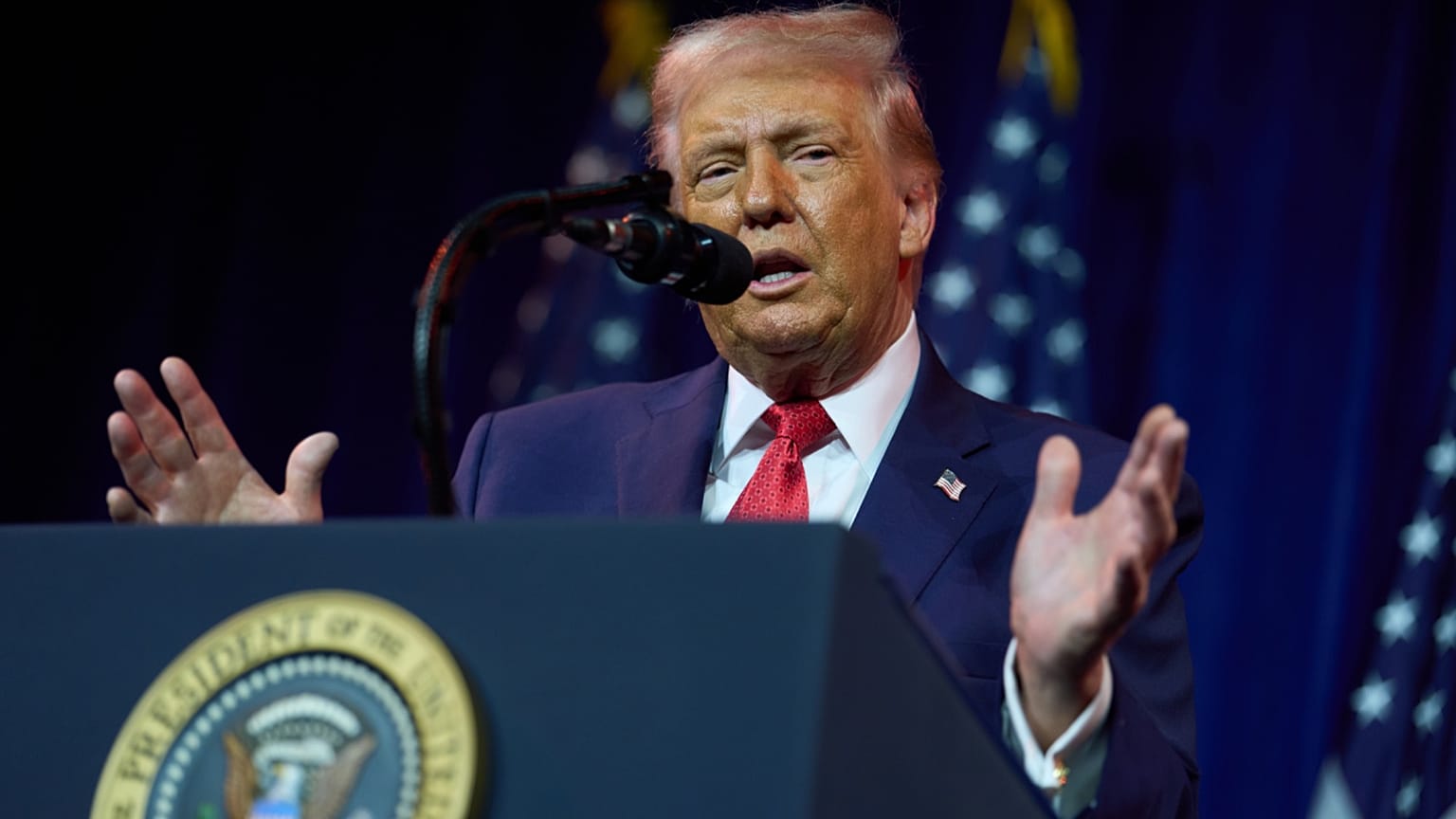
On January 3, 2026, U.S. President Donald J. Trump announced that the American Armed Forces had conducted an operation that led to the capture of Venezuelan President Nicolás Maduro and his wife, Cilia Flores. Taken into custody by U.S. authorities, the former Venezuelan president and first lady are to be tried in New York because, as Mr. Trump pointed out, of a “campaign of deadly narco-terrorism against the United States and its citizens.” The U.S. leader openly declared that the military action was conducted particularly because of oil. As such, the United States will “run the country until such time as [Washington] can do a safe, proper, and judicious transition.”
Notably, during the same press conference, President Trump explained another rationale for the military action against Venezuela: the Maduro administration had “increasingly [been] hosting foreign adversaries in our region and acquiring menacing offensive weapons that could threaten U.S. interests and lives…. All of these actions were in gross violation of the core principles of American foreign policy dating back more than two centuries—the Monroe Doctrine.” The U.S. leader added that “[u]nder [the] new national security strategy, American dominance in the Western Hemisphere will never be questioned again.”
Indeed, Washington’s overthrow of Maduro represents a major U.S. foreign policy initiative under the second Trump administration’s National Security Strategy (NSS), which was released in November 2025. This development raises two important and related questions: How does the 2025 U.S. NSS compare with the two immediate past iterations of the document? And how will the new U.S. NSS—as reflected in its implementation in Venezuela—affect the Philippines?
By Mico A. Galang
On January 3, 2026, U.S. President Donald J. Trump announced that the American Armed Forces had conducted an operation that led to the capture of Venezuelan President Nicolás Maduro and his wife, Cilia Flores. Taken into custody by U.S. authorities, the former Venezuelan president and first lady are to be tried in New York because, as Mr. Trump pointed out, of a “campaign of deadly narco-terrorism against the United States and its citizens.” The U.S. leader openly declared that the military action was conducted particularly because of oil. As such, the United States will “run the country until such time as [Washington] can do a safe, proper, and judicious transition.”
Notably, during the same press conference, President Trump explained another rationale for the military action against Venezuela: the Maduro administration had “increasingly [been] hosting foreign adversaries in our region and acquiring menacing offensive weapons that could threaten U.S. interests and lives…. All of these actions were in gross violation of the core principles of American foreign policy dating back more than two centuries—the Monroe Doctrine.” The U.S. leader added that “[u]nder [the] new national security strategy, American dominance in the Western Hemisphere will never be questioned again.”
Indeed, Washington’s overthrow of Maduro represents a major U.S. foreign policy initiative under the second Trump administration’s National Security Strategy (NSS), which was released in November 2025. This development raises two important and related questions: How does the 2025 U.S. NSS compare with the two immediate past iterations of the document? And how will the new U.S. NSS—as reflected in its implementation in Venezuela—affect the Philippines?
The Evolving U.S. National Security Strategy
The first Trump administration’s National Security Strategy, released in 2017, marked a significant shift in U.S. foreign policy. The document emphasized the need for the United States to respond to the “growing political, economic, and military competitions [that Washington faces] around the world.” Focusing on China, the 2017 NSS openly criticized the bipartisan engagement policy toward Beijing, noting that “policies based on the assumption that engagement with rivals and their inclusion in international institutions and global commerce would turn them into benign actors and trustworthy partners…for the most part, this premise turned out to be false.” Whereas previous U.S. administrations had called on Beijing to become a “responsible stakeholder,” the Trump administration labeled China a “revisionist power.” In the subsequent National Defense Strategy (NDS), the administration declared that “[i]nter-state strategic competition, not terrorism, is now the primary concern in U.S. national security.”
U.S. President Joseph R. Biden Jr., who served from 2021 to 2025, largely continued the shift toward strategic competition initiated by Mr. Trump. The Biden administration’s 2022 NSS underscored “that the post–Cold War era is definitively over and a competition is underway between the major powers to shape what comes next.” It further asserted that no nation is better positioned to succeed in this competition than the United States, provided that Washington works “in common cause with those who share our vision of a world that is free, open, secure, and prosperous.” The 2022 NSS identified China as “the only competitor with both the intent to reshape the international order and, increasingly, the economic, diplomatic, military, and technological power to do it.”
The NSS of the second Trump administration arguably departs from its two immediate predecessors in terms of style and issue prioritization. By focusing on migration, illegal drugs, and the perceived “censorship of free speech and suppression of political opposition” in Europe, the 2025 NSS reflects the tone of Mr. Trump’s America First/Make America Great Again (MAGA) campaign.
Notwithstanding this rhetoric, a close examination of the 2025 NSS suggests a degree of continuity in long-standing U.S. foreign policy and recent strategic shifts. The document states that the Trump administration would “reassert and enforce the Monroe Doctrine,” first declared in 1823 by then–U.S. President James Monroe, under which Washington warned external powers that “any attempt on their part to extend their system to any portion of this hemisphere [would be] dangerous to our peace and safety.” In 1904, as the United States emerged as a major international actor, President Theodore Roosevelt declared that adherence to the Monroe Doctrine might compel the United States, “however reluctantly,” to exercise “an international police power” in cases of wrongdoing or impotence. Subsequently known as the Roosevelt Corollary, this principle became the basis for American interventions in the region.
Although framed alongside efforts to discourage “mass migration” and combat “narco-terrorists, cartels, and other transnational criminal organizations,” the 2025 NSS specifies that the Trump administration seeks a “Hemisphere that remains free of hostile foreign incursion or ownership of key assets, and that supports critical supply chains…[and] ensures [America’s] continued access to key strategic locations.” Consistent with the president’s leadership style, the document introduces the “Trump Corollary to the Monroe Doctrine,” which aims “to restore American preeminence in the Western Hemisphere” and deny non-hemispheric competitors the ability to position forces or control strategically vital assets in the region.
The 2025 NSS notes that “[n]on-Hemispheric competitors have made major inroads [in the Western Hemisphere], both to disadvantage [the United States] economically in the present and in ways that may harm [America] strategically in the future.” Beijing’s influence in Latin America has indeed grown over the past decades, with China emerging as a major economic and security partner for several South American countries, including Brazil, Peru, and Venezuela. China’s Belt and Road Initiative (BRI)and Digital Silk Road (DSR) have also expanded in the region, raising concerns in Washington.
Accordingly, the NSS declares that the United States “must be preeminent in the Western Hemisphere as a condition of [America’s] security and prosperity.” A similar argument is made in international relations scholarship. In The Tragedy of Great Power Politics,John Mearsheimer argues that in an anarchic international system, states maximize power to ensure survival. Once a great power achieves regional hegemony, it seeks to prevent others from doing the same, lest rival powers gain the “freedom to roam” in its strategic backyard.
In the Indo-Pacific context, the 2025 NSS reaffirms the vision of a “free and open” region. It stresses that U.S. and allied economies must not become subordinate to any competing power and underscores the importance of maintaining a favorable conventional military balance. The document identifies preventing domination of the region by any single power as a core U.S. interest and highlights threats such as unfair trade practices, intellectual property theft, predatory economics, and influence operations.
The 2025 NSS reiterates the long-standing U.S. policy of opposing any unilateral change to the status quo in the Taiwan Strait, not only because of Taiwan’s semiconductor industry but also because it “provides direct access to the Second Island Chain and splits Northeast and Southeast Asia into two distinct theaters.” With respect to the South China Sea, the document also stressed the need to develop “[s]trong measures must be developed along with the deterrence necessary to keep those lanes open, free of ‘tolls,’ and not subject to arbitrary closure by one country.”
Overall, the 2025 NSS emphasizes deterrence as the primary means of preventing war in the Indo-Pacific. It urges Asian allies to increase defense spending and invest in capabilities necessary to protect the First Island Chain, consistent with the strategy’s emphasis on a “burden-sharing network.”
Implications for the Philippines
Although the Philippines is not explicitly mentioned in the 2025 NSS, it is America’s oldest treaty ally in East Asia, a key part of the First Island Chain, and a claimant state in the South China Sea with direct interests in Taiwan-related contingencies.
First, the strategy document reaffirms the harsh realities of geopolitics. The 2025 NSS makes it abundantly clear that the United States seeks to maintain its geopolitical preeminence in the Western Hemisphere, and that its initiative to topple Maduro in Venezuela is in line with that strategic objective. While there are important differences, there are also notable similarities between U.S. actions in Venezuela, Russia’s efforts to seize control of Ukraine, and China’s assertiveness in Taiwan and the East and South China Seas. There may be variations in operations and tactics—for example, China favors gradualism, as seen in its gray zone activities, foreign interference, and malign influence operations in the First and Second Island Chains—whereas the United States appears more inclined toward overt military action, as demonstrated in Venezuela.
However, whatever public justifications may be offered, the underlying strategic objective remains the same: the United States, Russia, and China all seek to dominate their respective regions, which they consider their spheres of influence. The manner in which such dominance is exercised may vary. In any case, even if it is not their initial intention, the structure of the international system—which is bereft of a Hobbesian Leviathan—compels great powers to strive for hegemony in order to ensure their own security.
When a great power successfully establishes hegemony in its own region, it is better positioned to influence affairs in other regions. Thus, an America that is more secure in the Western Hemisphere is not necessarily incompatible with Philippine interests, as this would enable the United States to devote greater attention and resources to the Indo-Pacific. Legal arguments have been made—and will continue to be made—against the January 2026 U.S. intervention in Venezuela, which was undertaken in accordance with the 2025 NSS. Some observers have pointed out that U.S. action against Maduro has undermined Washington’s criticism of China’s behavior in the South China Sea. While this argument may carry some weight in legal and public-relations terms, the reality is that the United States retains the political, economic, and military capacity to sustain a stable balance of power in the Indo-Pacific. Moreover, China’s decision to launch—or refrain from launching—an attack in the South China Sea or Taiwan would depend less on U.S. intervention in Venezuela and more on Beijing’s own strategic calculations regarding costs, benefits, and the likelihood of success.
Second, there is a need to strengthen bilateral alliances and partnerships, as well as their minilateral groupings. The collapse of the Soviet Union ushered in a unipolar moment for the United States, during which multilateralism became a much more prominent feature of international relations. However, as the world returns to the historical norm of great power competition, traditional elements of hard power have become more pronounced. Indeed, the 2025 NSS openly criticizes international organizations, stating that the Trump administration “stands for the sovereign rights of nations, against the sovereignty-sapping incursions of the most intrusive transnational organizations.”
For small powers and emerging middle powers in the Indo-Pacific, such as the Philippines, this suggests that multilateral institutions by themselves may play a very minimal role, if any, in overall strategic competition. Great powers may either pay little or no attention to international organizations or compete for influence within them to achieve favorable outcomes. In particular, ASEAN’s efforts to remain in the driver’s seat of multilateral diplomacy may be relegated to less consequential issues. With the admission of an eleventh member to the organization, achieving consensus—which in the ASEAN context means unanimity—would become even more difficult. If great powers place little value on multilateral institutions, ASEAN’s efforts to play a more effective role in international affairs would be seriously challenged.
Nevertheless, the 2025 NSS calls for working with bilateral allies and partners, as well as their minilateral groupings, to ensure a favorable balance of power. The strategy document explicitly identifies the Quadrilateral Security Dialogue (QSD, or the “Quad”), composed of Australia, India, Japan, and the United States. Beyond bilateral alliances, there have also been recent efforts to link the spokes of U.S.-led alliances and partnerships through minilateral platforms, such as the Australia–United Kingdom–United States (AUKUS), Japan–Philippines–United States (JAPHUS), and the Australia–Japan–Philippines–United States (the “SQUAD”), among others. These arrangements could form part of the “burden-sharing network” envisioned in the 2025 NSS.
Third, the strategy document opens opportunities for cooperation. Indeed, the NSS stresses that “America’s diplomatic efforts should focus on pressing our First Island Chain allies and partners to allow the U.S. military greater access to their ports and other facilities, to spend more on their own defense, and, most importantly, to invest in capabilities aimed at deterring aggression.” Accordingly, the expansion of the Philippines–U.S. Enhanced Defense Cooperation Agreement (EDCA) may be considered in the future. While the 2025 NSS discusses military threats emanating from China, it also identifies security challenges that fall below the threshold of armed conflict, such as predatory economic practices and influence operations.
The Philippines faces similar challenges from China. Examples include Philippine Offshore Gaming Operations (POGO), the election of Chinese national Guo Hua Ping as a local chief executive, sister-city agreements, and the purchase of real property near military facilities and EDCA sites, among others. Washington and Manila can therefore share intelligence and best practices to counter these security threats.
Lastly, much like Mr. Trump himself, a degree of uncertainty can be expected regarding the 2025 NSS and its implementation. As noted earlier, the current U.S. NSS departs from previous iterations in terms of tone and the prioritization of certain issues. While the strategy document underscores the need to prevent the emergence of other regional hegemons, it cannot be completely ruled out that the Trump administration may signal an openness to discussing a “grand bargain” with China and Russia,which could include a de facto recognition of each other’s spheres of influence. At least with Moscow, Mr. Trump has sent signals—albeit mixed—suggesting a willingness to make strategic accommodations for Russia at the expense of Kyiv.
In addition, shortly after the successful U.S. capture of Maduro, the Trump administration reiterated its desire to seize Greenland from Denmark, a NATO ally. The administration has raised serious concerns about potential Russian and Chinese influence in this strategically important area. However, Mr. Trump has not ruled out the use of force, which could be justified under the Trump Corollary to the Monroe Doctrine, as articulated in the 2025 NSS. Should Washington choose this course of action, it could potentially unravel the NATO alliance.
Given these uncertainties, the implications for the Philippines are clear: strengthen security partnerships with like-minded countries and sustain the Armed Forces of the Philippines modernization program. Even prior to the Ferdinand R. Marcos Jr. administration, Manila had begun diversifying its security relationships. As U.S. policy becomes more unpredictable, it is imperative for the Philippines to deepen ties with partners that share concerns over China’s increasingly assertive posture, while continuing to enhance its own defense capabilities.
Conclusion
In contrast to the more measured tone of previous strategy documents, the 2025 U.S. National Security Strategy, as illustrated by its implementation in Venezuela, reflects the America First/MAGA vision of national security. Nevertheless, elements of continuity remain in U.S. foreign policy. For the Philippines, the NSS reinforces enduring geopolitical realities, the importance of alliances and partnerships, and potential areas for cooperation. At the same time, uncertainty surrounding U.S. strategic choices necessitates prudent preparation should Washington eventually scale back its regional engagement.
Mico A. Galang is a member of the Young Leaders Program, Pacific Forum (Hawaii, United States) and was a researcher at the National Defense College of the Philippines (NDCP).