Malaysia Fast-Tracks Investment in its Shipbuilding Sector
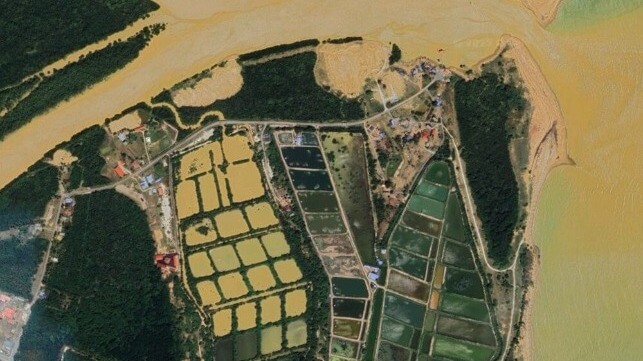
Malaysia is doubling down on shipbuilding with two key investment milestones achieved last week. At the forefront is Malaysia’s Pahang State, which is betting big on maritime development. Last week, Pahang signed a lease agreement with Teroka Majubina Holdings for the development of the Tanjung Agas Hybrid Shipyard Complex in Pekan, a small town on Peninsular Malaysia’s east coast.
The $18 billion project will be implemented in three phases in an area covering 1,000 acres. The construction of the project is expected to begin in eight months. The first phase will involve developing a green vessel recycling facility; the second component will include a shipbuilding center, providing ship construction and maintenance services; and lastly, the third phase includes building oil and gas storage facilities.
“With the establishment of the shipyard complex, Pahang will emerge as a regional maritime hub, providing competitive services in shipbuilding, green ship recycling and oil and gas hub,” said Wan Rosdy, Head of Pahang State.
The state is also implementing a similar project in the Gebeng industrial area, the Kuantan Maritime Hub (KMH), located about 35 miles to the north of Pekan. The $500 million project is being developed by Muhibbah Engineering and is scheduled for completion in 2034.
The KMH project covers a 500-acre site, with some parts reclaimed from the sea. The hub is expected to host industries ranging from commercial shipbuilding and ship repair to defense and technical training.
These flagship projects are important for Malaysia to retain a long-term standing in the global shipbuilding sector, according to the Malaysian Investment Development Authority’s CEO, Sikh Shamsul Ibrahim.
“Malaysia should always remain vigilant of rising competition from lower cost yards in neighboring economies such a Vietnam and Indonesia. We should start focusing on reducing reliance on foreign automation tools, by approaching local robotic manufacturing in Malaysia, which could build a whole new automated system integration to improve productivity in our shipbuilding landscape,” added Sikh Shamsul.
As of June, the authority said it has approved shipbuilding and ship repair sector investments worth over $230 million, showing sustained interest by the private sector to invest in the Malaysian shipyard sector.
To Take On a Bigger Role, Malaysia's MMEA Buys a Bigger Ship
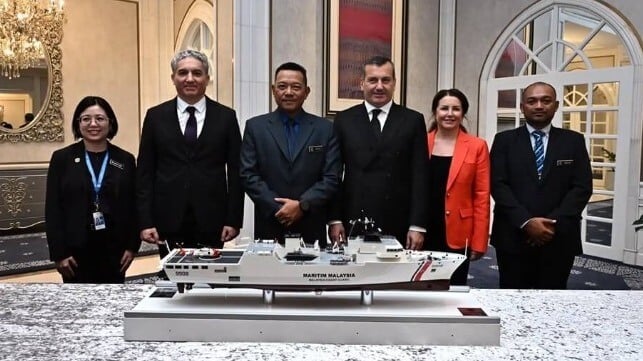
This month, the Malaysian Maritime Enforcement Agency (MMEA) held a keel laying ceremony for a new Multi-Purpose Mission Ship (MPMS) in Turkey. The event marked another milestone in the construction of MMEA’s largest vessel, with the steel-cutting ceremony held last month.
Construction is under way at Desan Shipyard after a memorandum of understanding with MMEA back in February. The signing of the construction contract followed in May, with the vessel scheduled for delivery in 2027. The construction project also involves cooperation with other Turkish defense industry companies such as Aselsan and Havelsan. The two companies will be involved in the installation of advanced weaponry, detection and communication systems.
The 99-meter-long vessel will serve deep sea operations lasting 28 days without resupply. It will have capacity for 70 crew members and additional room for 30 passengers. For surveillance and interdiction, it will be equipped with two unmanned aerial vehicles, four fast interceptor craft, a helicopter deck and detention compartments.
According to MMEA, the vessel will be deployed for surveillance in Malaysia’s Exclusive Economic Zone (EEZ), especially in the South China Sea. In the past few years, Malaysia’s EEZ has become a hotspot for illegal Ship-to-Ship (STS) oil transfers. This has mainly involved older ships carrying sanctioned Russian and Iranian oil, raising concerns about compliance, safety and pollution.
Recently, Malaysia has introduced new regulations with an aim to curb shadow fleet STS transfers. Some of the efforts include closing the notorious Tompok Utara anchorage and layup area near the Singapore Strait. However, MMEA emphasizes that it requires enhanced operational and patrolling capabilities to curb increased criminal activities in Malaysian waters.
Last year, the agency got a budgetary allocation of $159 million to procure new vessels and maintain existing ones. Almost half of this allocation - $82 million - went into the acquisition of the MPMS. Another $37 million went into the procurement of two New Generation Patrol Craft (NGPC).

No comments:
Post a Comment