Kenya in talks with BOE to store gold it seeks to purchase
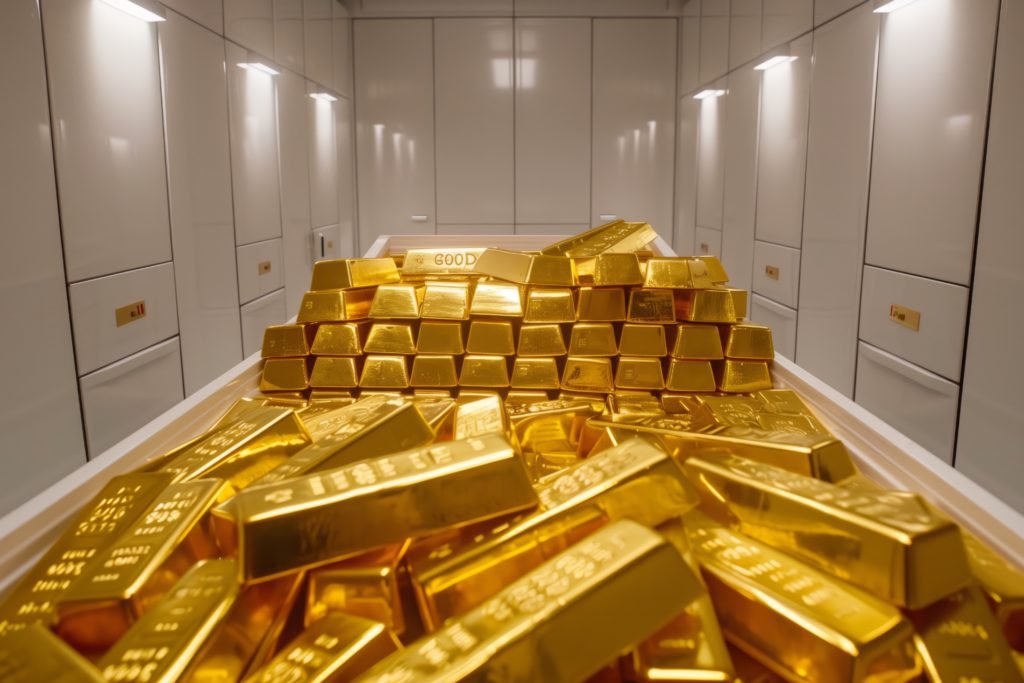
Kenya plans to buy gold to diversify its reserves and has held talks with the Bank of England on topics including bullion storage, the East African nation’s central bank governor said.

The country is among the latest looking to bulk up holdings of the precious metal that’s more than doubled in price over the past two years, with some investors viewing it as safer than the dollar. Others in the region including Zambia and Ghana are already building reserves, while Rwanda and Uganda plan to follow suit.
“We’ve talked to the Bank of England and other banks to see how we go about it — where it will be stored, those kind of things,” Central Bank of Kenya Governor Kamau Thugge said in an interview in Washington. “I’m hoping that we can do it as soon as is practical because we’re ready to move.”
Kenya’s plans to add gold “is not an intention to diversify away from dollars per se, but basically to diversify our foreign holdings,” he said.
Gold’s record run has benefitted from investors expecting further Federal Reserve interest-rate cuts, while rising debt levels in the developed world have also triggered concerns. The surging prices that have topped $4,200 an ounce prompted some caution from Thugge.
“Those who got in early have made a killing,” he said. “Those who get in late can also be killed. So it’s important that we hold a level where, should there be a reversal in the price of gold, it doesn’t really have a huge impact on our holdings.”
The central bank head declined to say how much of Kenya’s $11 billion foreign reserves it could convert to gold.
Yuan reserves
Kenya’s record reserves now also mean the country is “able to face any debt-service payments that may come our way,” Thugge said. The government is rearranging its liabilities to push out maturities of dollar bonds, albeit at higher interest rates.
Kenya has also swapped dollar-denominated loans from China into yuan, which it says will help lower the interest rate on the debt. The central bank already holds yuan reserves, and “there’s been no conversation of increasing yuan at the expense of dollar holdings,” Thugge said.
The nation’s economic stability has improved since last year, with inflation cooling and the shilling having stabilized in value since August 2024. The government aims to cement those gains with a new financed program with the International Monetary Fund, Thugge said.
Kenya could access a “normal” level of additional financing from the Washington-based lender, having already tapped about 536% of its quota, he said. It could still access about $472 million, according to calculations by Bloomberg.
Yet Thugge cautioned that a new deal must avoid aggressive reforms, taking lessons from a previous program that pushed fiscal consolidation but stoked deadly social unrest in 2024.
“Sometimes it’s better to be ambitious, but not overly ambitious so that an adjustment that you want can be done in two years instead of one,” he said. “If you miss the one year because of social unrest, then possibly you will not be able to achieve it in the second or third year, because nobody wants to go back to where there’s social unrest.”
(By Jennifer Zabasajja and Matthew Hill)
EU’s Ukraine funding plan could further boost central bank gold buying, analysts say
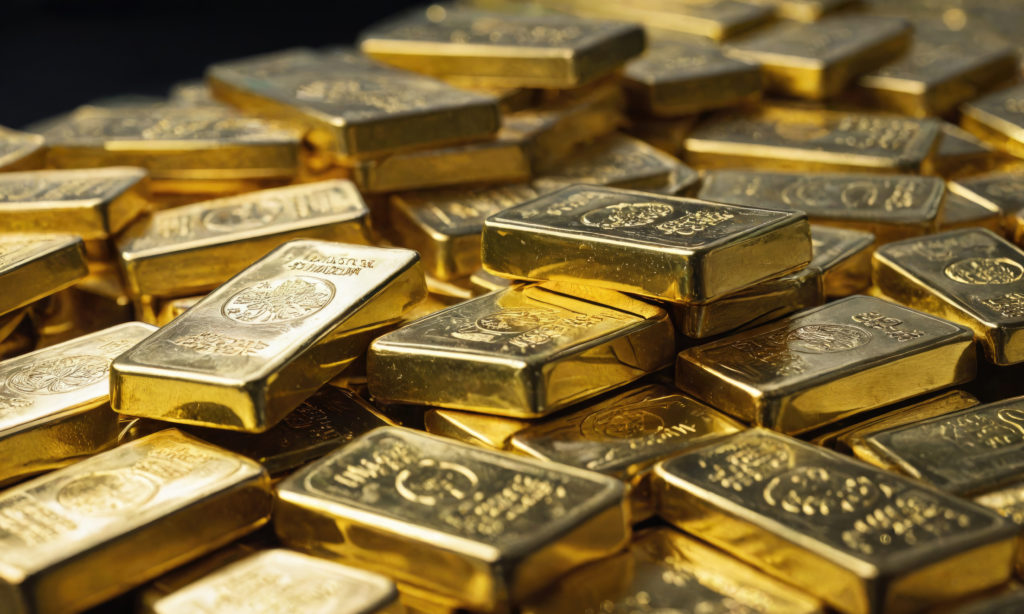
The European Commission’s proposal to tap frozen Russian state assets for financial aid to Ukraine is rattling some central banks, which could further accelerate gold purchases for storage outside Western jurisdictions, analysts say.
The Commission’s plan would allow EU governments to use up to 185 billion euros ($214 billion) of Russian sovereign assets currently frozen in Europe without confiscating them – a red line for many countries and the European Central Bank.
China and some developing countries have already been diversifying their reserves away from Western currencies and government debt into gold after sanctions linked to the Ukraine war froze $300 billion of Russia’s foreign currency reserves.
“The EU can mince words as much as they like, but it does not change the reality,” veteran gold industry analyst and former bullion dealer Ross Norman said.
“The effect is the same – Russia has been denied access to its own money. Central bankers around the world know this and they are acting accordingly. And that is acquiring more gold.”
Central banks keep buying
Central banks’ annual net gold purchases since 2022 have been more than double the average of the previous five years, consultancy Metals Focus says, topping 1,000 tons a year. That helped push prices to record highs above $4,000 an ounce this month.
Metals Focus forecasts further purchases of a net 900 tons this year.
With stronger buying and bullion’s price growth, gold overtook the euro as the second biggest reserve asset in 2024 after the US dollar, an ECB report showed in June. The value of central banks’ bullion holdings is now higher than that of US Treasury bonds.
China – which has never officially commented on its reasons for buying gold – has been adding gold to its reserves for 11 months. Poland has been buying gold as well, but for a different reason, with war in neighbouring Ukraine a risk to its economy.
“Because gold is no one’s liability and nobody’s debt, its appeal is shining for central banks worried about the political security of their reserves,” said Adrian Ash, head of research at online marketplace BullionVault.
If the EU does tap frozen Russian state assets to help provide financial aid to Ukraine, it is “very possible” central bank gold purchases will accelerate, he said.
Repatriating gold reserves
Measures taken against Russia also sparked an increase in the number of countries repatriating gold reserves away from Western hubs, with 68% of respondents in a 2023 Invesco survey keeping gold reserves at home compared to 50% in 2020.
“The EU can only use frozen Russian assets because it has access to them, i.e. they are booked/stored with banks outside of Russia,” said Julius Baer analyst Carsten Menke.
“Emerging market central banks could opt to store the assets at home,” Menke said.
In Germany, US President Donald Trump’s confrontations with allies over trade and his criticism of the Federal Reserve revived some calls for gold repatriation this year. The Bundesbank has said the New York Fed remains a trustworthy partner for its gold storage.
($1 = 0.8654 euros)
(By Polina Devitt and Ashitha Shivaprasad; Editing by Pratima Desai, Veronica Brown and Jan Harvey)

No comments:
Post a Comment