The Public Pays the Price for Big Data Centers
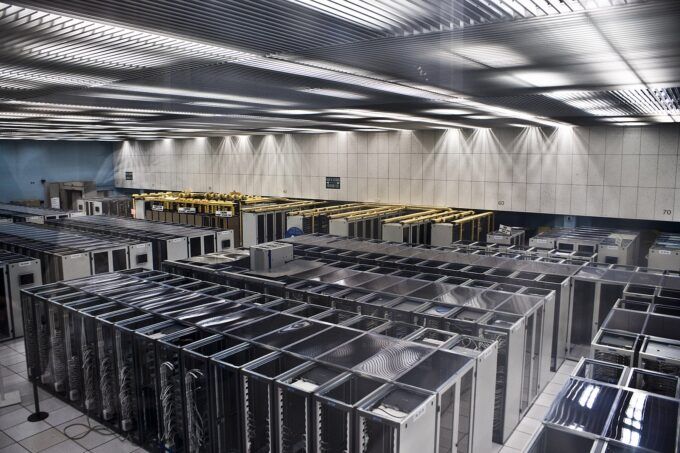
Photograph Source: Florian Hirzinger – www.fh-ap.com – CC BY-SA 3.0
Bill Gates recently made headlines by suggesting that climate change is no longer a priority, but the American public begs to differ.
In this last election, climate change was a defining issue in states like Virginia and Georgia, where voters grappled with rising energy costs. And no matter how much tech billionaires try to distract us, increasing power costs and our worsening climate are directly connected to corporations like Google, Meta, Microsoft, and Amazon racing to dominate the AI landscape.
According to the U.S. Energy Information Administration, the price of energy has risen at more than twice the rate of inflation since 2020, and Big Tech’s push for more power-hungry data centers is only making it worse.
The data centers proliferating across the country drive up energy costs by powering energy-ravenous generative AI, cloud storage, digital networks, and other energy intensive programs — much of it fueled by coal and natural gas that exacerbate climate change.
In some cases, data centers consume enough electricity to power the equivalent of a small city. The wholesale price of electricity in areas housing data centers is up a whopping 267 percent from five years ago — and everyday customers are eating those costs.
Americans are also shouldering increasing costs of an extreme climate.
The Joint Center for Housing Studies at Harvard noted that insurance prices rose 74 percent between 2008 and 2024 — and between 2018 and 2023, nearly 2 million people had their policies canceled by insurers because of climate risks.
Meanwhile, home prices have gone up 40 percent in the past two decades — meaning the cost of home repair and recovery from climate disasters has also grown, all while wages remain stagnant.
Data centers aren’t just putting our wallets at risk. Power grids across the country are already strained from aging infrastructure and repeated battering during extreme weather events.
The additional pressure to feed energy-intensive data centers only heightens the risk of power blackouts in emergencies like wildfires, deep freezes, and hurricanes. And in some communities, people’s taps have literally run dry because data centers used all the local groundwater.
Worse still, Big Tech’s AI energy demand has triggered a resurgence in dirty energy with the construction of new gas-powered energy plants and delayed shutdowns of fossil fuel-powered plants. The tech industry is even pushing for a revitalization of nuclear energy, including the planned 2028 reopening of Three Mile Island — site of the worst nuclear power plant disaster in U.S. history — to help power Microsoft’s data centers.
Everyday people bear the costs of Big Tech’s hunger for profits. We pay it in rising energy bills, our worsening climate, our lack of access to safe water, increased noise pollution, and risks to our health and safety.
It doesn’t have to be this way. Instead of raising our bills, draining our local resources, and destabilizing our climate, Big Tech could create more energy jobs, lessen our power bills, and sustain communities.
We can demand that tech giants like Microsoft, Meta, Google, and Amazon uphold their commitments to use 100 percent renewable energy and not rely on fossil fuels and nuclear energy to power data centers. We can insist that data centers only go where they’re wanted by ensuring communities are given full transparency and protection in how they’re affected by power usage, water access, and noise pollution.
The current administration is ignoring its obligations to the American public by refusing to rein in Big Tech. But tech billionaires still have a responsibility to the very public they depend on for their existence.

No comments:
Post a Comment