Tuesday, January 05, 2021

SOVIET SCIENCE

Bacteriophage has important role in agriculture and aquaculture

MARY ANN LIEBERT, INC./GENETIC ENGINEERING NEWS

Research News

IMAGE

IMAGE: DEDICATED TO FUNDAMENTAL BACTERIOPHAGE RESEARCH AND ITS APPLICATIONS IN MEDICINE, AGRICULTURE, AQUACULTURE, VETERINARY APPLICATIONS, ANIMAL PRODUCTION, FOOD SAFETY, AND FOOD PRODUCTION. view more 

CREDIT: MARY ANN LIEBERT, INC., PUBLICATIONS

New Rochelle, NY, January 4, 2021--Crop plants and animals can be infected by bacterial pathogens that reduce yield, cause food wastage, and carry human pathogens that spread disease on consumption. Bacteriophage can play an important role in microbial control, according to a new Special Issue on Agriculture and Aquaculture published in the peer-reviewed journal PHAGE: Therapy, Applications, and Research. Click here to read the issue.

"Although the number of problems associated with bacterial diseases in agriculture and aquiculture has increased, food producers are under pressure to reduce their reliance on antibiotics. There is therefore a clear need for effective antimicrobials to prevent and treat infections in food animals, to both reduce food waste, and prevent human infection. Clearly if developed properly, phages can at least in part, help to solve this need," says Martha Clokie, PhD, Editor-in-Chief of PHAGE and Professor of Microbiology, University of Leicester.

The Special Issue features valuable articles on a broad range of topics. These include the following:

  • inPhocus: A Local Perspective on Phage-Based Biocontrol in Agriculture and Aquaculture in India
  • The Application of Bacteriophage Diagnostics for Bacterial Pathogens in the Agricultural Supply Chain: From Farm-to-Fork
  • Bacteriophages as Biocontrol Agents for Flavobacterium psychrophilum Biofilms and Rainbow Trout Infections
  • Effectiveness of Bacteriophages Against Biofilm- Forming Shiga-Toxigenic Escherichia coli on Leafy Greens and Cucumbers
  • Effect of Phage Targeting Therapy of Brucellosis on Host Antibody Response in Cattle
  • A Rare, Virulent Clostridium perfringens Bacteriophage Susfortuna Is the First Isolated Bacteriophage in a New Viral Genus

###

About the Journal

PHAGE: Therapy, Applications, and Research is the only peer-reviewed journal dedicated to fundamental bacteriophage research and its applications in medicine, agriculture, aquaculture, veterinary applications, animal production, food safety, and food production. Led by Editor-in-Chief, Martha Clokie, PhD, University of Leicester, United Kingdom, the Journal showcases groundbreaking research, reviews, commentaries, opinion pieces, profiles and perspectives dedicated to defining the roles of phages in all facets of microbiology and microbial ecology and exploring their potential to manipulate bacterial communities and treat infection. For complete tables of content and a special issue, visit the PHAGE website.

About the Publisher

Mary Ann Liebert, Inc., publishers is known for establishing authoritative peer-reviewed journals in many promising areas of science and biomedical research. Its biotechnology trade magazine, GEN (Genetic Engineering & Biotechnology News), was the first in its field and is today the industry's most widely read publication worldwide. A complete list of the firm's 90 journals, books, and newsmagazines is available on the Mary Ann Liebert, Inc., publishers website.

LA REVUE GAUCHE - Left Comment: Search results for PHAGES (plawiuk.blogspot.com)


Norway first to reach 50% electric in new car sales

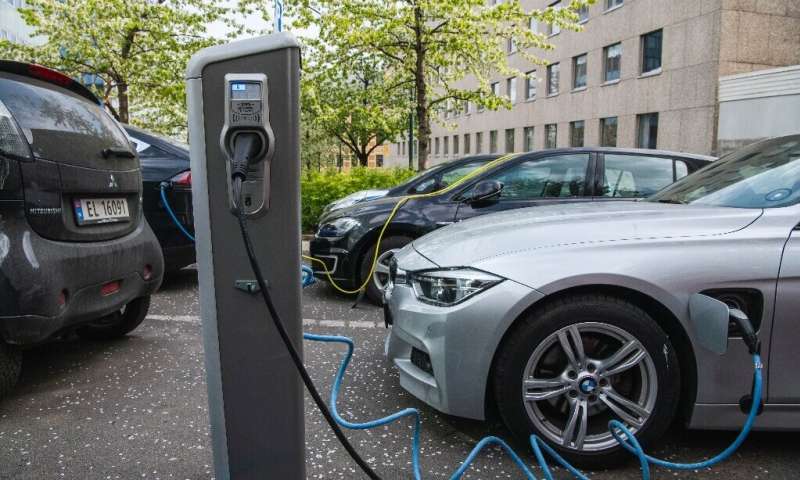
Electric cars being charged on a street in Oslo. 
Norway has become the first country where more than half of new cars are electrically powered


JANUARY 5, 2021

Norway has become the first country in the world where electric cars account for more than half of new registrations, according to figures published Tuesday by an industry group.

Despite the COVID-19 pandemic delaying the release of several new models, electric vehicles accounted for 54.3 percent of the new car market last year, up from 42.4 percent a year earlier, according to Opplysningsradet for Veitrafikken (OFV, "Information Council for Road Traffic").

In December, electric car sales set a monthly record in Norway accounting for 66.7 percent of new sales, the numbers boosted by the arrival of new models, OFV said.

"This is an extremely positive trend", Christina Bu, secretary general of the Norwegian Electric Vehicle Association, said.

Bu, who told AFP that Norway was the first country to break the overall 50 percent threshold, added that the country is "almost on track to meet the 2025 targets."

The Nordic country, which is ironically the largest producer of oil in Western Europe, aims to have all new cars being "zero emission"—meaning electric or hydrogen powered—by that year.

Heavy subsidies

Norway has pushed ahead of the rest of Europe when it comes to paving the way for electric cars, by instituting heavy subsidies.

Unlike diesel or petrol cars, clean cars are virtually tax-free in the country, making their prices much more competitive, even if other benefits—such as being exempt from tolls and being able to use lanes reserved for public transport—have been cut back.

The four best-selling models in the Nordic country were the Audi e-tron, the Tesla Model 3, the Volkswagen ID.3 and the Nissan Leaf—all fully electric.

The fifth placed car —the Volkswagen Golf—can be bought in a rechargeable version but the statistics do not differentiate the engine types.

Hybrid vehicles, combining fossil fuel and renewable energy, also gained market share in 2020, up to 29.1 percent compared to 25.9 percent in 2019.

Despite outpacing the rest of the world, the Norwegian Electric Vehicle Association was hungry for even more and had expected electric cars to account for around 60 percent of new cars last year.

"We would have made it if it hadn't been for the coronavirus," Bu said.

"But the virus has delayed several launches," she added.

Heading for more records

For this year the association expects electric cars to account for 65 percent of new cars.

"For the first time, the number of launches of electric models, up to 40, is expected to exceed that of other vehicles, less than 30, including rechargeable hybrids," Bu said.

Even if it is progressing at record levels, the electrified portion of the Norwegian car fleet is still small and at the end of 2019, only nine percent of the country's vehicles were electric.

The advances have also come at a steep price tag for the country. According to the Norwegian Ministry of Finance, last year the loss of tax revenue from the subsidies approached 20 billion Norwegian kroner ($2.3 billion, 1.9 billion euros).

"It's not very well thought out," said Bjart Holtsmark, a researcher at the SSB statistics institute, who is critical of government subsidies and says they might not even have the intended effect.

"These subsidies meant that the best-selling vehicle last year was a large 2.5-tonne 4x4 which requires a lot of energy to move around and whose weight means that it causes noise pollution and harmful fine particles," he added.


Explore further E-car sales in Norway reach new record high

© 2021 AFP
Chitrakar: A system that can transform images of human faces into drawings


by Ingrid Fadelli , Tech Xplore
JANUARY 5, 2021 FEATURE
Credit: Singhal et al.

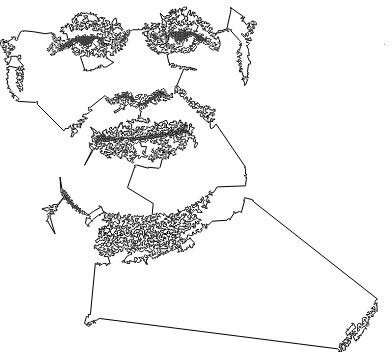
Researchers at the TCS Robotics Research Lab in India have recently developed an artificial intelligence (AI) system that can automatically convert an image of a person's face into a recognizable non-self-intersecting loop, known as a Jordan curve. Subsequently, this Jordan curve can be used to produce realistic drawings of the person in the original image, using a robotic hand.

"The idea for this paper came to me on a flight while reading collection of best mathematical writings, where I came across the article titled "Jordan Curve Theorem Is Non-trivial' by Fiona Ross and William T. Ross," Aniruddha Singhal, one of the researchers who carried out the study, told TechXplore. "I connected it with another book that I had read earlier, titled 'In Pursuit of the Travelling Salesman' by William J. Cook, discussing traveling salesman problem (TSP) art. I realized I could also interpret the article from a Vedantic (Indic or Hindu philosophical) point of view, which connects the idea of TSP art and the Jordan curve, turning it into an expression of the ultimate beauty."

A Jordan curve is essentially a single line that starts and ends in the same point in space, drawing an image without ever intersecting itself. TSP art, on the other hand, is a form of art in which images are produced by drawing a single, non-intersecting line.

After reading about Jordan curves and TSP art, Singhal, who is a roboticist, started investigating the possibility of automatically producing TSP drawings, which are very difficult for humans to create. In collaboration with his colleagues at the TCS Robotics Research Lab, he eventually created Chitrakar, a system that can transform an image into a drawing composed of a single, long line, ultimately turning it into a Jordan curve. In Hindi/Sanskrit, the word Chitrakar means 'painter," or the one who creates a painting.

Credit: Singhal et al.

"Our system uses state-of-the-art, deep-learning techniques to segment the human face from a photo and combined this with image enhancements techniques," Singhal said. "The enhanced image is stippled, and the points are connected by a TSP solver where each point is assumed to be a destination of a traveling salesman. The final route of traveling salesman is converted to a Jordan curve by an intersection removal technique."

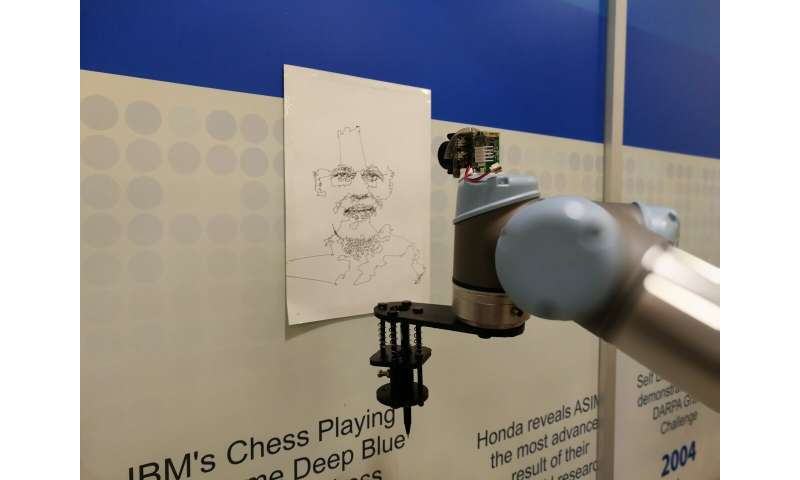
Chitrakar, the system created by the researchers, can autonomously convert any image of a human face into a Jordan curve. Subsequently, this Jordan curve is drawn on a piece of paper by a robotic gripper, ultimately creating artistic TSP portraits.


"It is an engineering feat to be able to combine state-of-the-art deep-learning methods, image processing and robotics to enable a robotic arm to draw a portrait in its own unique style," Singhal explained. "It is satisfying to see a robot drawing your face in a unique style."
Credit: Singhal et al.

The robotic gripper designed by Singhal and his colleagues can hold a variety of different pens, which produce slightly different drawings (e.g., with thinner/thicker lines, of a different color, etc.). Remarkably, it can produce drawings with an acceptable result in less than 30 minutes, which is impossible to achieve by human artists. The researchers' system is currently being patented in several different countries and could eventually become widely available.

"We now plan to extend this for other mediums which are difficult for human to handle," Singhal explained. "For instance, we plan to use Style-GAN and other generative models to generate unique portraits from a given picture and then convert them into line or pencil sketches."


Explore furtherJordan detects two coronavirus variant cases: minister

More information: Chitrakar: robotic system for drawing Jordan curve of facial portrait. arXiv:2011.10781 [cs.RO]. arxiv.org/abs/2011.10781

© 2021 Science X Network
Child physical abuse encounters declined during COVID-19
MAYBE THEY DID OR DID NOT, NOT SURE
"Our findings may reflect true decreases in CPA; or, our findings may instead reflect compromised infrastructure for detecting CPA or delayed effects of the pandemic on CPA," the authors write.


JANUARY 5, 2021

(HealthDay)—Declines in child physical abuse (CPA) encounters at U.S. hospitals were seen during the COVID-19 pandemic, according to a study published online Dec. 30 in Pediatrics.

Sunitha V. Kaiser, M.D., from the University of California in San Francisco, and colleagues compared the volume and severity of CPA encounters in children's hospitals during the COVID-19 pandemic to those of previous years. To examine overall trends, the volume of CPA encounters was compared for Jan. 1 to Aug. 31, 2020, to the same timeframe in 2017 to 2019. The severity of CPA encounters was compared during the pandemic period, defined as March 16 to Aug. 31, 2020, to the same timeframe in 2017 to 2019.

The researchers found that in week 10 of 2020, corresponding to March 16, there was a sharp decline in the all-cause/overall volume of emergency department and inpatient encounters in children's hospitals. There was also a significant decrease in the volume of CPA encounters at week 10 of 2020 (−63.4 cases) compared with previous years. No significant differences in intercepts or slopes of CPA encounter trends were seen when comparing 2020 with previous years. The severity of CPA encounters was similar during the COVID-19 pandemic period and previous years.

"Our findings may reflect true decreases in CPA; or, our findings may instead reflect compromised infrastructure for detecting CPA or delayed effects of the pandemic on CPA," the authors write.


Explore further  Suicide mortality up for Blacks during closure period of COVID-19

Journal information: Pediatrics

Copyright © 2020 HealthDay. All rights reserved.
Remote sensing data sheds light on when and how asteroid Ryugu lost its water

by Kevin Stacey, Brown University
JANUARY 5, 2021
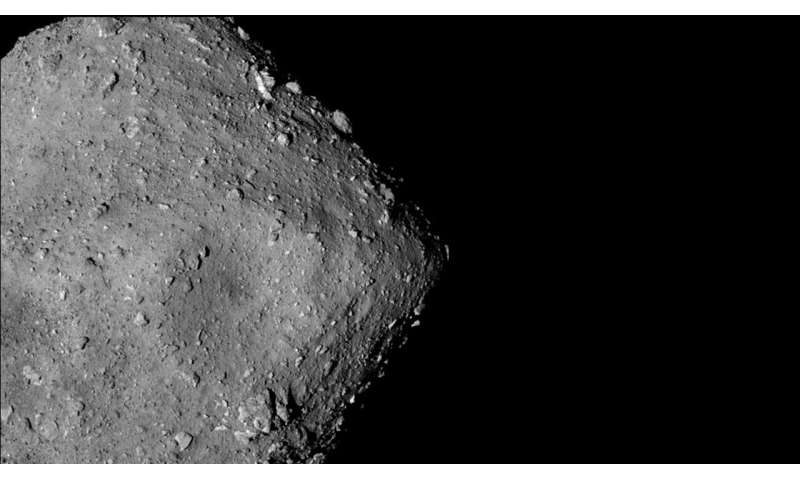
Japan's Hayabusa2 spacecraft snapped pictures of the asteroid Ryugu while flying alongside it two years ago. The spacecraft later returned rock samples from the asteroid to Earth. Credit: JAXA

Last month, Japan's Hayabusa2 mission brought home a cache of rocks collected from a near-Earth asteroid called Ryugu. While analysis of those returned samples is just getting underway, researchers are using data from the spacecraft's other instruments to reveal new details about the asteroid's past.


In a study published in Nature Astronomy, researchers offer an explanation for why Ryugu isn't quite as rich in water-bearing minerals as some other asteroids. The study suggests that the ancient parent body from which Ryugu was formed had likely dried out in some kind of heating event before Ryugu came into being, which left Ryugu itself drier than expected.

"One of the things we're trying to understand is the distribution of water in the early solar system, and how that water may have been delivered to Earth," said Ralph Milliken, a planetary scientist at Brown University and study co-author. "Water-bearing asteroids are thought to have played a role in that, so by studying Ryugu up close and returning samples from it, we can better understand the abundance and history of water-bearing minerals on these kinds of asteroids."

One of the reasons Ryugu was chosen as a destination, Milliken says, is that it belongs to a class of asteroids that are dark in color and suspected to have water-bearing minerals and organic compounds. These types of asteroids are believed to be possible parent bodies for dark, water- and carbon-bearing meteorites found on Earth known as carbonaceous chondrites. Those meteorites have been studied in great detail in laboratories around the world for many decades, but it is not possible to determine with certainty which asteroid a given carbonaceous chondrite meteorite may come from.

The Hayabusa2 mission represents the first time a sample from one of these intriguing asteroids has been directly collected and returned to Earth. But observations of Ryugu made by Hayabusa2 as it flew alongside the asteroid suggest it may not to be as water-rich as scientists originally expected. There are several competing ideas for how and when Ryugu may have lost some of its water.

Ryugu is a rubble pile—a loose conglomeration of rock held together by gravity. Scientists think these asteroids likely form from debris left over when larger and more solid asteroids are broken apart by a large impact event. So it's possible the water signature seen on Ryugu today is all that remains of a previously more water-rich parent asteroid that dried out due a heating event of some kind. But it could also be that Ryugu dried out after a catastrophic disruption and re-formation as a rubble pile. It's also possible that Ryugu had a few close spins past the sun in its past, which could have heated it up and dried out its surface.


The Hayabusa2 spacecraft had equipment aboard that could help scientists to determine which scenario was more likely. During its rendezvous with Ryugu in 2019, Hayabusa2 fired a small projectile into the asteroid's surface. The impact created a small crater and exposed rock buried in the subsurface. Using a near-infrared spectrometer, which is capable of detecting water-bearing minerals, the researchers could then compare the water content of surface rock with that of the subsurface.

The data showed the subsurface water signature to be quite similar to that of the outermost surface. That finding is consistent with the idea that Ryugu's parent body had dried out, rather than the scenario in which Ryugu's surface was dried out by the sun.

"You'd expect high-temperature heating from the sun to happen mostly at the surface and not penetrate too far into the subsurface," Milliken said. "But what we see is that the surface and subsurface are pretty similar and both are relatively poor in water, which brings us back to the idea that it was Ryugu's parent body that had been altered."

More work needs to be done, however, to confirm the finding, the researchers say. For example, the size of the particles excavated from the subsurface could influence the interpretation of the spectrometer measurements.

"The excavated material may have had a smaller grain size than what's on the surface," said Takahiro Hiroi, a senior research associate at Brown and study co-author. "That grain size effect could make it appear darker and redder than its coarser counterpart on the surface. It's hard to rule out that grain-size effect with remote sensing."

Luckily, the mission isn't limited to studying samples remotely. Since Hayabusa2 successfully returned samples to Earth in December, scientists are about to get a much closer look at Ryugu. Some of those samples may soon be coming to the NASA Reflectance Experiment Laboratory (RELAB) at Brown, which is operated by Hiroi and Milliken.

Milliken and Hiroi say they're looking forward to seeing if the laboratory analyses corroborate the team's remote sensing results.

"It's the double-edged sword of sample return," Milliken said. "All of those hypotheses we make using remote sensing data will be tested in the lab. It's super-exciting, but perhaps also a little nerve-wracking. One thing is for certain, we're sure to learn a lot more about the links between meteorites and their parent asteroids."


Explore further  Rock types on Ryugu provide clues to the asteroid's turbulent history

More information: K. Kitazato et al, Thermally altered subsurface material of asteroid (162173) Ryugu, Nature Astronomy (2021). DOI: 10.1038/s41550-020-01271-2

Journal information: Nature Astronomy


Imminent sudden stratospheric warming to occur, bringing increased risk of snow over coming weeks

by University of Bristol

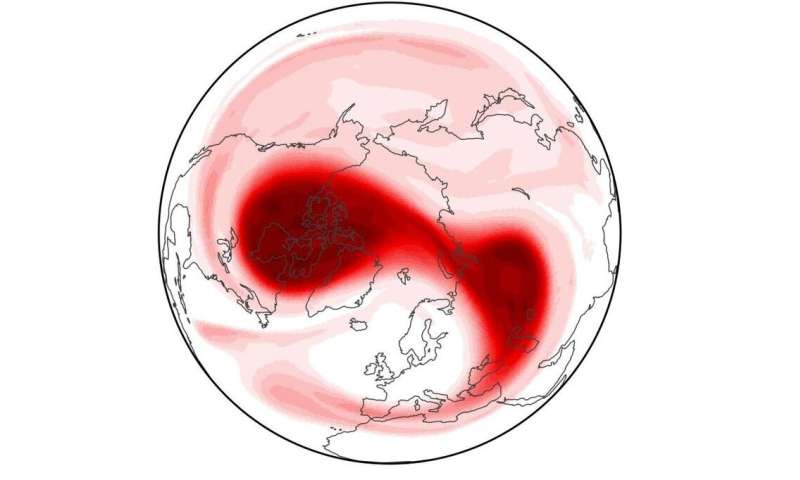
The stratospheric potential vorticity field on 10th February 2018. The Stratospheric Polar Vortex is about to split in two, and the weakening of the vortex was followed around two weeks later by a severe cold air outbreak over Europe known as the Beast from the East. Data from ERA-Interim reanalysis (Dee et al., 2011). Credit: University of Bristol

A new study led by researchers at the Universities of Bristol, Exeter, and Bath helps to shed light on the winter weather we may soon have in store following a dramatic meteorological event currently unfolding high above the North Pole.

Weather forecasting models are predicting with increasing confidence that a sudden stratospheric warming (SSW) event will take place today, 5 January 2021.

The stratosphere is the layer of the atmosphere from around 10-50km above the earth's surface. SSW events are some of the most extreme of atmospheric phenomena and can see polar stratospheric temperature increase by up to 50°C over the course of a few days. Such events can bring very cold weather, which often result in snowstorms.

The infamous 2018 'Beast from the East' is a stark reminder of what an SSW can bring. The disturbance in the stratosphere can be transmitted downward and if this continues to the Earth's surface, there can be a shift in the jet stream, leading to unusually cold weather across Europe and Northern Asia. It can take a number of weeks for the signal to reach the surface, or the process may only take a few days.

The study, published in the Journal of Geophysical Research and funded by the Natural Environment Research Council (NERC), involved the analysis of 40 observed SSW events which occurred over the last 60 years. Researchers developed a novel method for tracking the signal of an SSW downward from its onset in the stratosphere to the surface.

Findings in the paper, Tracking the stratosphere-to-surface impact of Sudden Stratospheric Warmings suggest split events tend to be associated with colder weather over north west Europe and Siberia.

Lead author of the study, Dr. Richard Hall, said there was an increased chance of extreme cold, and potentially snow, over the next week or two. "While an extreme cold weather event is not a certainty, around two thirds of SSWs have a significant impact on surface weather. What's more, today's SSW is potentially the most dangerous kind, where the polar vortex splits into two smaller 'child' vortices."

"The extreme cold weather that these polar vortex breakdowns bring is a stark reminder of how suddenly our weather can flip. Even with climate change warming our planet, these events will still occur, meaning we must be adaptable to an ever more extreme range of temperatures," said Dann Mitchell, Associate Professor of Atmospheric Science at the University of Bristol and co-author of the study.

"Our study quantifies for the first time the probabilities of when we might expect extreme surface weather following a sudden stratospheric warming (SSW) event. These vary widely, but importantly the impacts appear faster and stronger following events in which the stratospheric polar vortex splits in two, as is predicted in the currently unfolding event. Despite this advance many questions remain as to the mechanisms causing these dramatic events, and how they can influence the surface, and so this is an exciting and important area for future research," said Dr. William Seviour, senior lecturer at the Department of Mathematics and Global Systems Institute, University of Exeter, and co-author of the study.


Explore further
Scientists identify weather event behind extreme cold in Europe and Asia during February 2018
More information: Richard J. Hall et al, Tracking the stratosphere‐to‐surface impact of Sudden Stratospheric Warmings, Journal of Geophysical Research: Atmospheres (2020).

Journal information: 
Climate change caused mangrove collapse in Oman

by University of Bonn

JANUARY 5, 2021
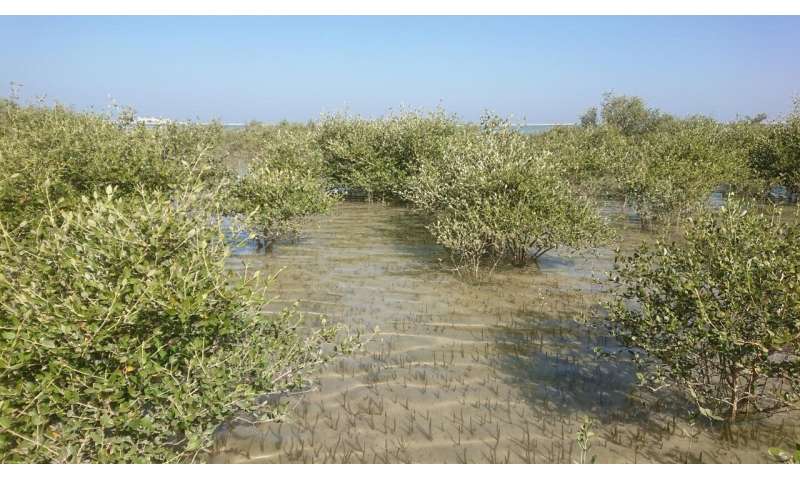
6,000 years ago, mangroves were widespread in Oman. Today, only one particularly robust mangrove species remains there, and this is found in just a few locations. Credit: Valeska Decker/University of Bonn

Most of the mangrove forests on the coasts of Oman disappeared about 6,000 years ago. Until now, the reason for this was not entirely clear. A current study of the University of Bonn (Germany) now sheds light on this: It indicates that the collapse of coastal ecosystems was caused by climatic changes. In contrast, falling sea level or overuse by humans are not likely to be the reasons. The speed of the mangrove extinction was dramatic: Many of the stocks were irreversibly lost within a few decades. The results are published in the journal Quaternary Research.

Mangroves are trees that occupy a very special ecological niche: They grow in the so-called tidal range, meaning coastal areas that are under water at high tide and dry at low tide. Mangroves like a warm climate; most species do not tolerate sea surface temperatures below 24 °C (75°F). They are tolerant to salt, but only up to a tolerance limit that varies from species to species. "This is why we find them nowadays mostly in regions where enough rain falls to reduce salinization of the soil," explains Valeska Decker of the Institute for Geosciences at the University of Bonn, the lead author of the study.

Fossil finds prove that there used to be many mangrove lagoons on the coast of Oman. However, some 6,000 years ago these suddenly largely vanished—the reasons for this were previously disputed. Over the past few years, Decker traveled several times to the easternmost country of the Arabian Peninsula to pursue this question for her doctoral thesis. With the support of her doctoral supervisor Prof. Gösta Hoffmann, she compiled numerous geochemical, sedimentological and archaeological findings into an overall picture. "From our point of view, everything suggests that the collapse of these ecosystems has climatic reasons," she says.

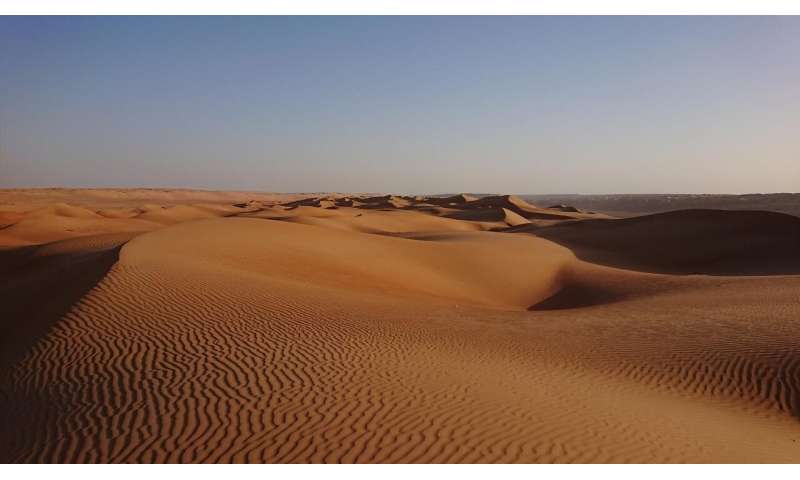
Large parts of Oman are very dry today. The annual rainfall was probably much higher about 8,000 years ago. Credit: Valeska Decker/University of Bonn

Low pressure trough shifted to the south

Along the equator there is a low pressure trough, the Intertropical Convergence Zone, which is situated a little further north or south depending on the season. The Indian summer monsoon, for example, is linked to this zone. It is believed that about 10,000 years ago this zone was much further north than today, which meant the monsoon affected large parts of the Arabian Peninsula. Just over 6,000 years ago this low-pressure trough then shifted to the south, but the reason for this and how fast is still not completely clear.

"That this was the case has been well documented for several years," explains Decker. "Our results now indicate that this climate change had two effects: On the one hand, it caused salinization of the soil, which put the mangroves under extreme stress. On the other hand, the vegetation cover in the affected areas decreased in general due to the greater drought." This increased erosion: The wind carried large amounts of the barren soil into the lagoons. These silted up and successively dried up. The whole thing happened surprisingly fast: "The ecosystems probably disappeared within a few decades," stresses Decker. According to previous studies, the environmental changes were gradual. The mangrove ecosystems struggled till a certain threshold was reached and then collapsed within decades. Nowadays, the only mangroves in Oman are those of a particularly robust species and are found only in a few places.

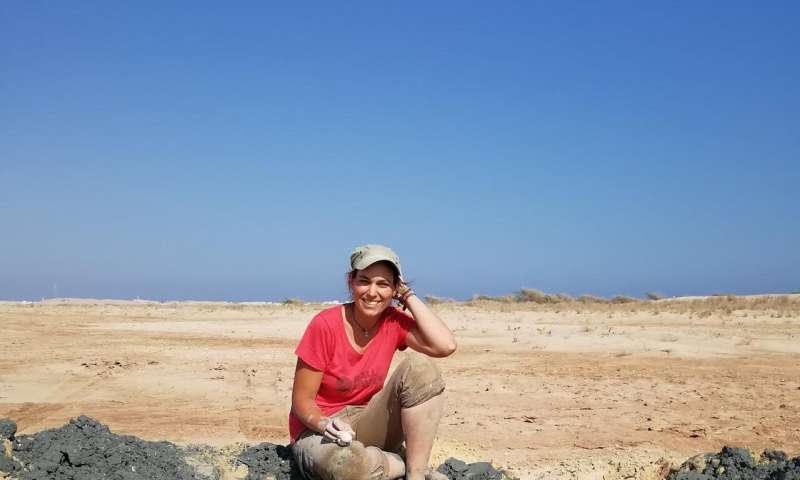
Valeska Decker and her colleagues investigated a number of sediment profiles for the study. These make it possible, for example, to draw conclusions about sea-level changes. Credit: Valeska Decker/University of Bonn

She was able to exclude other possible causes for the disappearance of the mangroves in her study. For example, the researchers found no evidence of a drop in sea level 6,000 years ago that could have triggered the mangrove extinction. "Archaeological findings also speak against a man-made ecological catastrophe," she says. "It is true that there were humans living in the coastal regions who used the mangroves as firewood. However, they were nomads who did not build permanent settlements. This meant that their need for wood was relatively low—low enough to rule out overuse as a cause."


Decker and her colleagues now want to further investigate how much the annual precipitation changed and what impact this had on the region. To this end, the researchers plan to study the pollen that has persisted in the lagoon sediment for thousands of years. They want to find out how the vegetation changed as a result of the drought. The results could also be relevant for us: In many regions of the world, the climate is changing at a dramatic pace. Germany has also suffered increasingly from long droughts in recent years. Foresters are therefore already planning to plant more drought-resistant species in this country; this is a consequence of climate change that may leave long-term marks in the history of vegetation.


Explore further New research identifies 'triple trouble' for mangrove coasts

More information: Valeska Decker et al, Collapse of Holocene mangrove ecosystems along the coastline of Oman, Quaternary Research (2020). DOI: 10.1017/qua.2020.96

Provided by University of Bonn
Identifying Canada's key conservation hot spots highlights problem

by McGill University
JANUARY 5, 2021
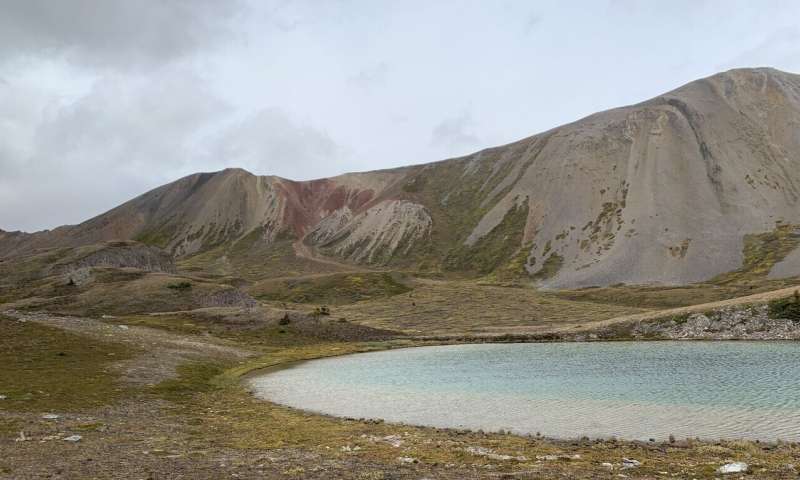
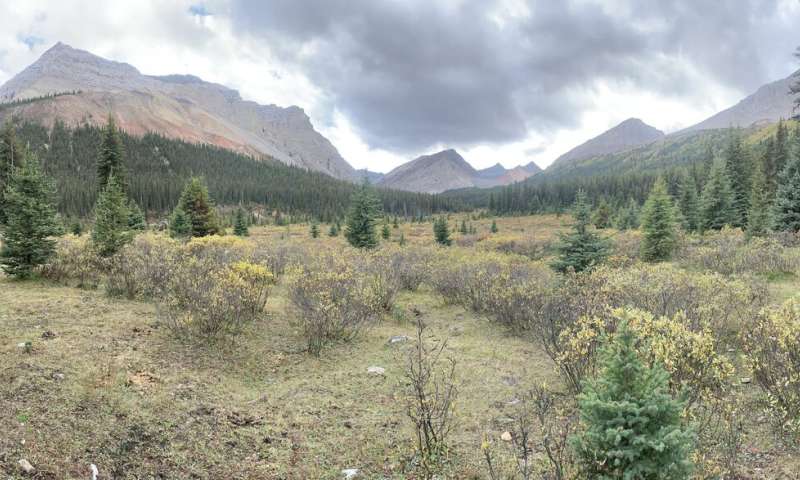
Bighorn Country, Alberta Eastern Slopes. Credit: Aerin Jacob

To stop biodiversity loss, Canada recently committed to protecting 30% of its land and sea by 2030. But making conservation decisions about where to locate new protected areas is complicated. It depends on data both about biodiversity and about a range of benefits (e.g. freshwater, climate regulation, recreation) that people get from nature. Surprisingly, despite the size of the country, new mapping suggests that less than 1% of Canada's land (0.6% of total area or approximately 56,000 km2) is a hot spot, providing all these benefits in one place. Moreover, the study published today in Environmental Research Letters suggests that some of the most critical areas where people receive these key benefits from nature do not occur within currently protected areas and may be threatened by current or future natural resource extraction.


"This research is especially timely as it should help all levels of government design conservation plans that ensure that both people and nature thrive," says Elena Bennett, from McGill University's Bieler School of the Environment and one of the authors in a multi-institutional team that included researchers from Universities of British Columbia, McGill and Carleton and from the Yellowstone to Yukon Conservation Initiative (Y2Y).

Identifying key areas of Canada that provide ecosystem services

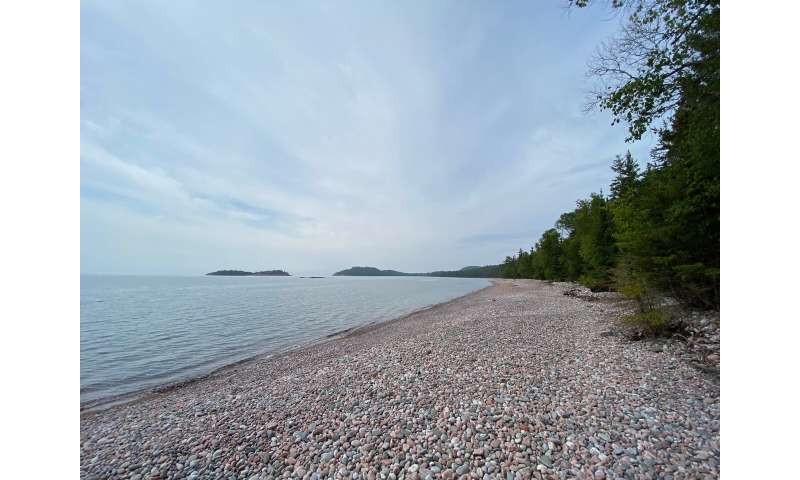
The paper highlights multiple places across Canada as important for one or more ecosystem services that include providing freshwater (such as for irrigation, drinking or hydroelectricity), climate regulation (as in the case of forests and wetlands that act as carbon sinks), or for nature-based human recreation. These include the forests of British Columbia and the Hudson Bay lowlands for above- and below-ground carbon; north-central Quebec, the eastern mountains of British Columbia, the eastern slopes of the Rockies in Alberta, and the north shore of Lake Superior for freshwater; and the Rocky Mountains, eastern Ontario, and southern Quebec for nature-based recreation.

"Canada is grappling with where and how to protect nature. Just one example of how this research could be used is in western Alberta. Our research shows that the Eastern Slopes of the Rockies is one of the most important places across the whole country for its combination of freshwater, carbon storage, and recreation—not to mention important wildlife habitat—and yet the same area is at risk from open-pit coal mining and other threats," says Dr. Aerin Jacob, co-author and conservation scientist, at the Yellowstone to Yukon Conservation Initiative.
Bighorn Country, Alberta Eastern Slopes. Credit:Aerin Jacob

A question of both supply and demand

Crucially and unusually, the mapping methods included both nature's capacity to supply these benefits as well as the human access and demand for them.
north shore of Lake Superior. Credit: Elizabeth Gow.

"Most research that studies the benefits people get from nature only evaluates where nature has the potential to supply these benefits. For example, where rain falls. Because our work also models and maps human access and demand, we could identify where people actually receive these benefits from nature. For example, the key locations producing water that people use for drinking, farming, or hydroelectricity," says Dr. Matthew Mitchell, lead author and Research Associate, Institute for Resources, Environment, and Sustainability, University of British Columbia. "Governments need to know both of these things in order to take action that protects human well-being. Research like this can help society do that."


Explore further Better conservation planning can improve human life too

More information: Matthew G E Mitchell et al, Identifying key ecosystem service providing areas to inform national-scale conservation planning, Environmental Research Letters (2020). 

Journal information: Environmental Research Letters


Provided by McGill University
Los Angeles County ambulance crews are told not to transport Covid-19 patients with little chance of survival

TRUMPVIRUS CREATES NEED FOR DEATH PANELS

Imagine having cardiac arrest and getting picked up by an ambulance that won't take you to a hospital.
© Apu Gomes/AFP/Getty Images After administering him with oxygen, County of Los Angeles paramedics load a potential Covid-19 patient in the ambulance before transporting him to a hospital in Hawthorne, California on December 29, 2020. - The new variant of coronavirus was detected for the first time today in the United States and Latin America as President-elect Joe Biden vowed to significantly ramp up the vaccination drive. The coronavirus has killed at least 1,775,272 people since the outbreak emerged in China in December 2019, according to an AFP tally on December 29 based on official sources. The United States is the worst-affected country with 334,967 deaths, followed by Brazil with 191,570. (Photo by Apu GOMES / AFP) (Photo by APU GOMES/AFP via Getty Images)

Or having a medical emergency and languishing outside an emergency room for hours.

This is what Los Angeles County faces as the onslaught of Covid-19 devastates the community -- including those without coronavirus.

"Hospitals are declaring internal disasters and having to open church gyms to serve as hospital units," County Supervisor Hilda Solis said. "Our health care workers are physically and mentally exhausted and sick." Solis called the situation a "human disaster."

More than 7,600 people are hospitalized with Covid-19 in just Los Angeles County. And 21% of them are in intensive care units, officials said Monday.

And every 15 minutes, one person dies from Covid-19, Los Angeles County Director of Public Health Barbara Ferrer said.

Now, ambulance crews in LA County have been told not to take patients with little chance of survival to hospitals.

"This order that was issued by the county emergency medical services really is very specific to patients who suffered from a cardiac arrest and are unable to be revived in the field," said Dr. Jeffrey Smith, chief operating officer of Cedars-Sinai Medical Center.

"Those patients have a very low rate of survival each if they are transported to the hospital. So at this time, it is deemed to likely be futile."

Who gets taken to a hospital, and who doesn't

The Los Angeles County Emergency Medical Services (EMS) Agency issued a memo last week to ambulance workers.

"Effective immediately, due to the severe impact of the Covid-19 pandemic on EMS and 9-1-1 Receiving Hospitals, adult patients (18 years of age or older) in blunt traumatic and nontraumatic out-of-hospital cardiac arrest (OHCA) shall not be transported [if] return of spontaneous circulation (ROSC) is not achieved in the field," the agency said.

If the patient has no signs of breathing or a pulse, EMS will try to resuscitate the patient for at least 20 minutes, the memo said.

If the patient is stabilized during that time, they would then be taken to a hospital.

But if the patient is declared dead at the scene or no pulse can be restored, paramedics will not take the patient to the hospital.

Patients may or may not get oxygen help


Video: California doctor explains LA County ambulance guidance (CNN)


The Covid-19 surge has also led to a shortage of supplemental oxygen, meaning some patients treated by EMS will go without.

"Given the acute need to conserve oxygen, effective immediately, EMS should only administer supplemental oxygen to patients with oxygen saturation below 90%," Los Angeles County EMS said in its memo.

EMS said an oxygen saturation of at least 90% is sufficient to maintain normal circulation of blood to organs and tissues.

The oxygen shortage in the county and San Joaquin Valley prompted the formation of a "task force on oxygen" last week, Gov. Gavin Newsom said.

The task force has been working with local and state partners to try to refill oxygen tanks and get them to the hospitals and facilities most in need.


Holiday gatherings and essential work fuel spread

As the nation's most populous state and home to about 1 in 9 Americans, it would make sense that California would have the most Covid-19 cases.

But it's the magnitude of hospitalized patients and the staggering rate of increase that are causing major problems.

As of Tuesday, more than 22,000 Covid-19 patients were hospitalized statewide, according to the California Department of Public Health. More than 27,000 people have died from Covid-19, including 368 new deaths reported just Tuesday.

"The increases in cases are likely to continue for weeks to come as a result of holiday and New Year's Eve parties and returning travelers," Ferrer said.

"We're likely to experience the worst conditions in January that we've faced the entire pandemic. And that's hard to imagine."

Experts say other reasons also contribute -- including pandemic fatigue, resistance to stay-at-home regulations, the huge number of essential workers and socioeconomic factors affecting poorer and minority households.


Ambulances wait for hours outside hospitals

Even when patients are lucky enough to get to a hospital, they might languish outside for hours if there's no more room.

"The Emergency Medical Services are working very hard to divert ambulances or send them to hospitals that do have potential capacity to receive those patients," said Smith, COO of Cedars-Sinai Medical Center.

"There are situations where patients are made to wait in ambulances under the care of the paramedics. We want to make sure that time is as short as possible so they can receive the necessary care."

For EMT Jimmy Webb, the wait can last several hours.

"We are waiting two to four hours minimum to a hospital, and now we are having to drive even further ... then wait another three hours," Webb told CNN affiliate KCAL.

Local officials have urged the public not to call 911 unless "they really need to," Dr. Marc Eckstein, head of the Los Angeles Fire Department EMS bureau, told CNN affiliate KABC.

"One of our biggest challenges right now is getting our ambulances out of the emergency department," he said.

"When our paramedics and EMTs transport a patient to an emergency department, there's a transfer of care that has to take place. Patients who are unstable or unable to be safely transferred to the waiting room or to a chair need a bed in the emergency department to be transferred to. And those beds are lacking right now."

And more ambulances waiting at hospitals means there are fewer ambulances to respond to other 911 calls -- leading to even more delays.

The situation may get worse, Eckstein said.

"I think this next four- to six-week period is going to be critical with our system being taxed," he said.
CANADA 
‘Stupidity’: Experts slam politicians’ travel amid coronavirus pandemic


© Provided by Global News A traveler approaches the AirTrain to JKF International Airport Friday, Nov. 20, 2020, in New York. Rising U.S. coronavirus cases, a new round of state lockdowns and public health guidance discouraging trips are dampening…


The decision made by several federal and provincial politicians to leave the country despite guidance from officials to avoid all non-essential travel amid the novel coronavirus pandemic is selfish and hypocritical, health experts say.

Play Video Federal politicians face fallout for pandemic trips


The move is "tone-deaf politically," Colin Furness, an infection control epidemiologist and assistant professor at the University of Toronto, said.

"I mean, to not be able to read the country, to not be able to read the mood and think somehow this was OK," he said. "The stupidity is surprising."

Dr. Gerald Evans, chair of infectious diseases division at Queen’s University in Kingston, Ont., told Global News that this is "absolutely the wrong messaging" coming from these public figures.

"What it does is it makes people not want to listen to politicians," he said. "Why would you listen to somebody who's a hypocrite?"

Evans said this raises the question of fairness.

"And that's not the message we want," he said. "I go back to the spring, (when) it was all about, 'We're all in this together,' and it just doesn't look like we're all in this together when politicians travel."

Read more: The Canadian politicians who travelled over the holidays during a coronavirus pandemic

Their remarks come after more than 20 politicians, including (now former) Ontario finance minister Rod Phillips, MP Kamal Khera, and Sen. Don Plett, disclosed they had travelled outside of the country in the last several weeks.

But their decision to ignore the regulations is just a "microcosm of what's going on" in Canada more broadly, Furness said.

"The airplanes that are going back and forth carrying COVID around are not just full of politicians, they are full of lots of people who think it's really important to take a vacation," he said. "And I think there's a bigger social trend. They really are revealing that."

'Outrage'


Furness said this behaviour has provoked "outrage" from those who are heeding the advice of health experts and are respecting the measures in place to stem the spread of the virus.

Play "The challenges Jason Kenney faces after MLAs travelled over the holidays"

This backlash, he said, is "actually very useful."

"Now we actually really have public sentiment that says this is lousy behaviour... This is truly selfish, lousy behaviour," he said.

But Furness said we need to shame the actions, "not the individual," adding that it is important to establish what is good and bad behaviour.

"I want it to look like it's so socially unacceptable that you won't do it," he said. "That kind of attitude is actually starting to form because of these politicians' gaffes, so that's the upside."

Closing down travel


Late last month, the federal government announced new rules for air travellers, saying anyone travelling to Canada will need to obtain a negative COVID-19 test 72 hours before their flight.

The new measures are scheduled to come into effect on Jan. 7.

Under existing rules, anyone entering the country must quarantine for 14 days.

Read more: Canada’s ‘slow’ rollout of coronavirus vaccine ’embarrassing,’ experts say

However, Furness said it's not enough to simply ask Canadians to only travel when it is essential.

"If we want people not to travel, we need to close travel down," he said.

Furness pointed to the new COVID-19 variants identified initially in the United Kingdom and South Africa, which are spreading rapidly.

Early data suggests the U.K. variant is more transmissible than the original variant of COVID-19, while the South Africa variant has raised concerns that mutations could affect vaccine efficacy.

"The U.K. one is definitely in the country, and it's showing up again and again, and it's going to spread and it's going to close schools," Furness said. "That's what's going to happen. This isn't OK, this is not OK."


Growing list of politicians who ignored travel guidelines

The latest figures released last week by the Canadian Border Services Agency said between Dec. 21 and 27, 2020, a total of 132,094 people crossed the country's land border, while 65,318 people arrived by air.

Of those travelling by air, 18,981 arrived on flights from the U.S., while 46,337 came from "other international flights."

By the numbers

To date, Canada has seen a total of 614,072 novel coronavirus infections.

Since the pandemic began, 16,125 people have died in the country after testing positive for COVID-19.

Read more: Over 600K Canadians have now been infected with COVID-19

Globally, more than 85.8 million cases of the virus have been reported, according to a tally from Johns Hopkins University.

By 11 a.m. ET on Tuesday, the virus had claimed 1.8 million lives around the world.

— With files from Global News' Rachael D'Amore and The Canadian Press

Prime Minister Justin Trudeau says the rules will be changed to forbid people who have to self-isolate after returning from trips abroad from seeking a federal benefit meant for people who need to quarantine after possible COVID-19 exposures. And he says he's disappointed in politicians who travelled over the December holidays...


More federal MPs in Ottawa have come under the spotlight, after they were revealed to have travelled outside Canada against public health advice during the pandemic. David Akin breaks down how the public scrutiny is affecting the parties, and how they are taking further action