Wednesday, October 11, 2023

PEI
Building industry still pushing for contractor licensing to rein in scams, unfinished work

CBC
Tue, October 10, 2023

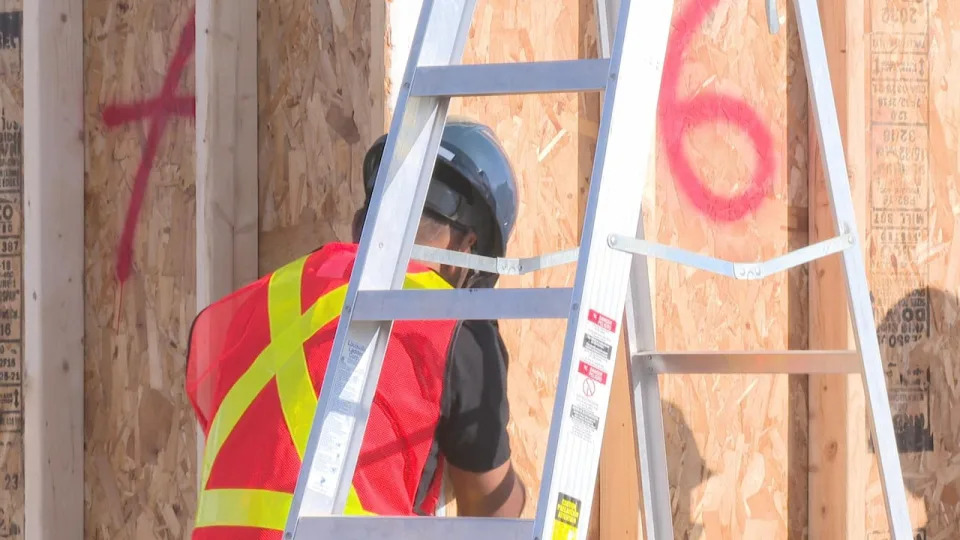
The construction industry association says Islanders need to be careful when hiring contractors who are not regulated or licensed in the province. The association would like to see rules change to protect customers. (Nicola MacLeod/CBC - image credit)

P.E.I.'s building industry continues to call on the provincial government to bring in a contractor registry or licensing program to ensure more accountability as a labour shortage stretches on.

The Construction Association of P.E.I. has been making that request for nearly three years, but says there has been no progress, and the issue has only worsened since post-tropical storm Fiona caused nearly $300 million in damage a year ago.

"The fight has really not landed anywhere as of yet," said general manager Sam Sanderson.

"There's probably not a day goes by that my phone's not ringing [and] somebody has an issue with a legitimate or illegitimate contractor creating problems around quality of work, procurement and the money that they put down for deposits."

Earlier this year, a P.E.I.-based contractor was sentenced to 20 months in jail for theft and fraud.

In another case, a Stratford man was charged last month over allegations he fraudulently took money for construction work.

Some taking advantage


Sanderson said he believes those are only the beginning of charges or investigations to come, based on complaints that have reached him in the past year.

"There's so many so-called contractors and professionals [who came] out of the woodwork the day after Fiona," he said.
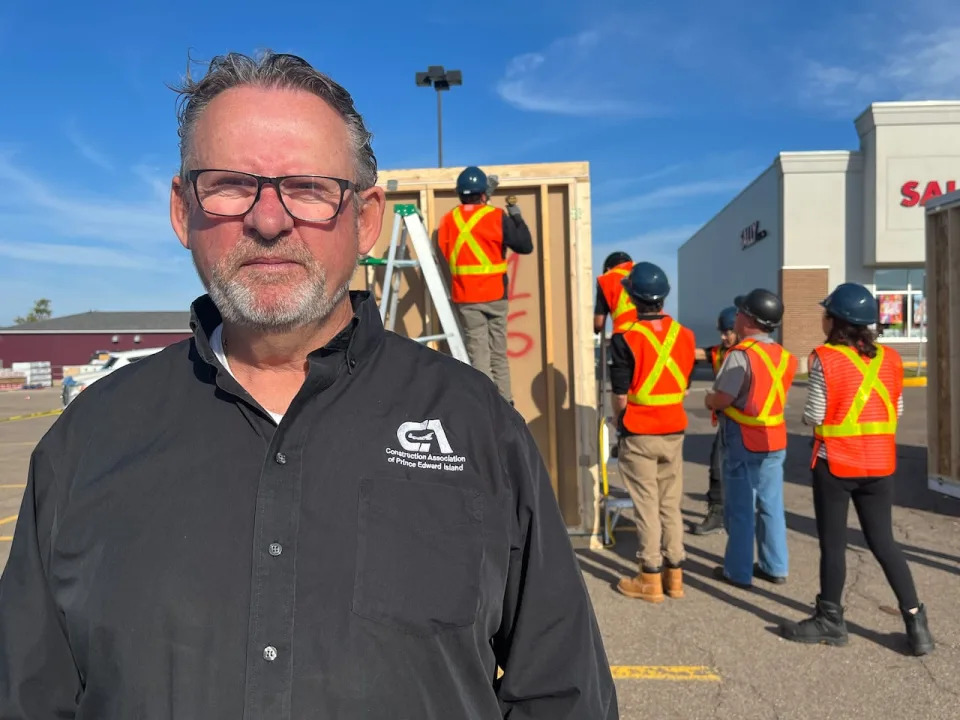
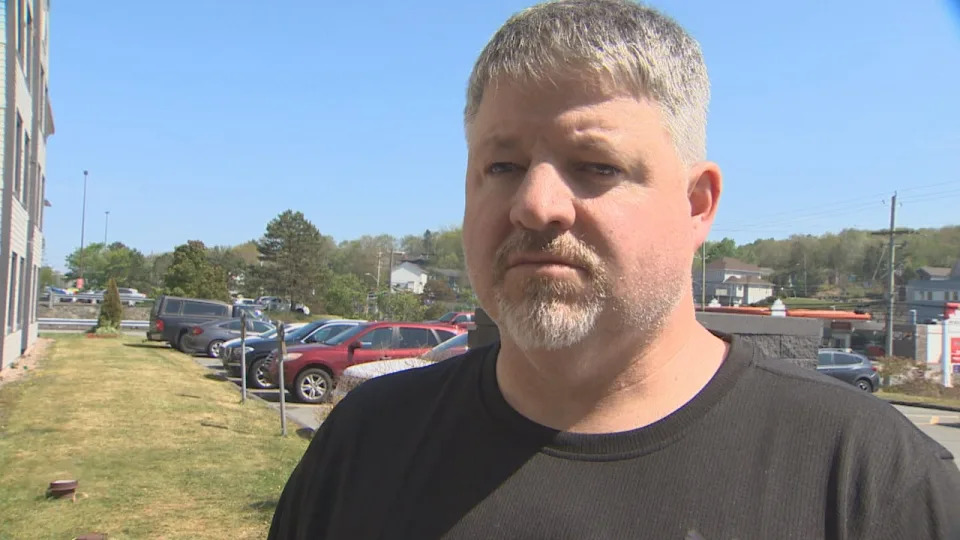
Sam Sanderson says bringing in a licensing or regulatory system would provide accountability and responsibility while gaining public trust.
(Nicola MacLeod/CBC)

The association says P.E.I. lags behind other provinces when it comes to regulation. All the other provinces in Canada have safety associations requiring certification, and many also have builders' codes.

"We want to make sure as an industry that people are getting quality work for a reasonable price and that there's a procurement process in place to protect them — the owner — but also to protect the contractor as well."

Sanderson said some warning signs for homeowners could be if a contractor:

asks for cash payment;


directs customers to purchase materials themselves; or


asks for large down payments up front, higher than the industry standard of about 20 per cent.

Sanderson also suggested getting references, asking for a contractor's business number, and ensuring the operation has insurance and workers compensation coverage.

"You have to be licensed to be a plumber, you have to be licensed to be [an] electrician, you have to be licensed for various other trades across the province. You don't have to be licensed to be a builder or a roofer. You know, we'd like to see that changed," he said.

"It gives people some accountability, it shows some responsibility."

Keeping Islanders, consumers, and businesses alike safe is certainly a priority and undertaking such an initiative would require collaboration and participation between government and stakeholders. — P.E.I. government statement

When asked how conversations with the province were going on this process, Sanderson said: "It hasn't been going great."

CBC News reached out to the province's departments of Housing, Land and Communities and Justice and Public Safety for an update on the association's request.

A joint statement came back saying the departments are aware of the importance of the topic.

"Keeping Islanders, consumers, and businesses alike safe is certainly a priority and undertaking such an initiative would require collaboration and participation between government and stakeholders," the emailed statement read.

"We will continue to work with [the association] on advancing the Island's construction industry, and look forward to continued discussions in any future meeting."
N.S. homeowners try to repair lingering flood damage, but say process is slow, overwhelming


CBC
Tue, October 10, 2023 

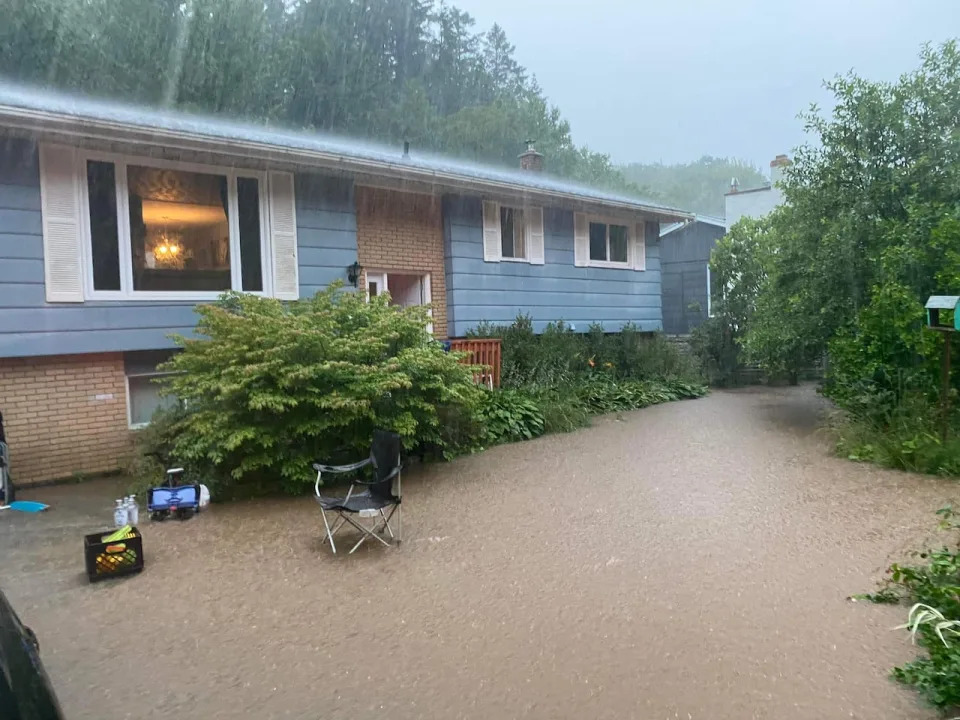
Rain pours down on the evening of July 21, leading to flooding on Ashley Lushman's property in Bedford, N.S. (Ashley Lushman - image credit)

People trying to repair damage caused by the July 21-22 flood that devastated communities across Nova Scotia — and claimed the lives of four people — are facing continued delays.

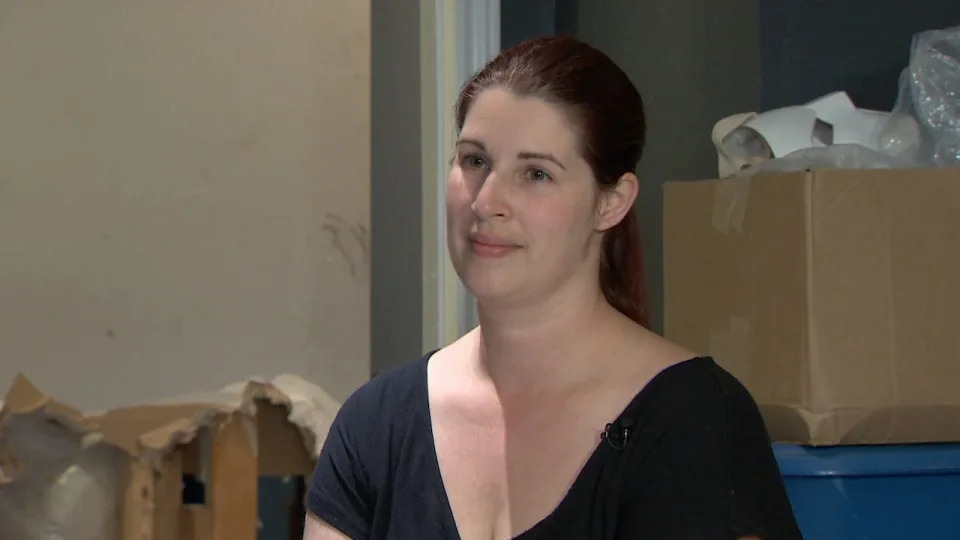
Residents like Natasha Hatchard-Pemberton of Three Mile Plains, N.S., say dealing with insurance claims and finding professional help, all while coping with the emotions that come along with this process has been "extremely frustrating."

The basement of her house, where her two teenagers' bedrooms were, was heavily damaged when it filled with three feet of storm and sewer water during the torrential thunderstorm. Now, they sleep on mattresses on the floor in spare rooms upstairs.

She and her family bought hazmat suits to clean up and gut the place themselves.

"I am stressed to the max," said Hatchard-Pemberton.

Natasha Hatchard-Pemberton has been living in Three Mile Plains for 25 years. The July flood was the first time she ever needed to make an insurance claim on the home. (Pat Callaghan/CBC)

"I have been losing my hair. My hair has been falling out. That's how stressed I am. I have been physically sick to my stomach."

A shortage of insurance adjusters who investigate claims, along with a lack of tradespeople to complete repair work, means homeowners are stuck with damaged basements they can't use months after the torrential storm.

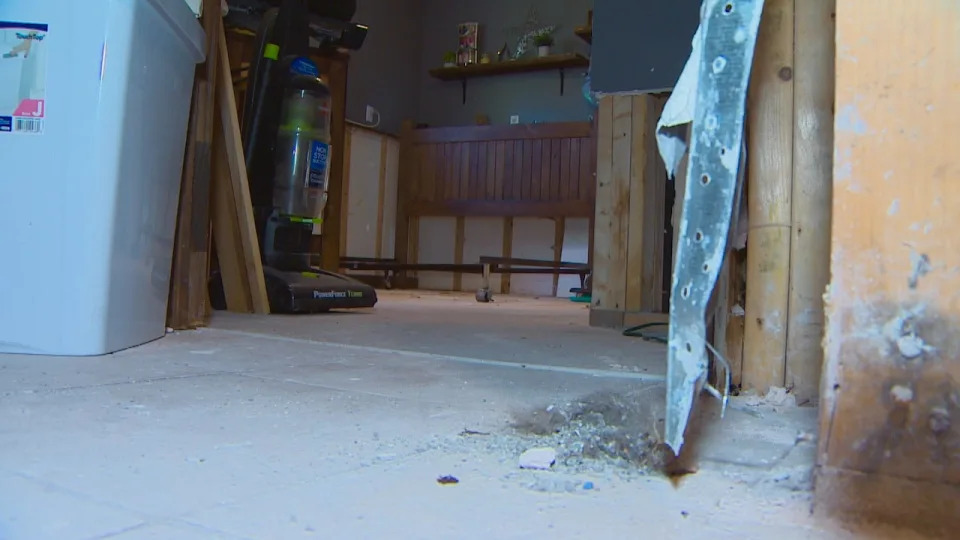
The hardwood floors in Hatchard-Pemberton's basement had to be ripped up due to water damage. (Pat Callaghan/CBC)

Her insurance will only cover up to $50,000 in damage, which according to her adjuster, is not nearly enough. So she plans to apply to the province's Disaster Financial Assistance (DFA) program, which could cover up to $200,000. But until a professional can confirm how much the repairs will cost, she's at a standstill.

Hatchard-Pemberton said she'd had an adjuster at her house for a total of one hour since the flood more than two months ago.

"I'm at a hurry-up-and-wait situation," she said. "I'm being told from my insurance company that all of the [construction and restoration] companies they contract and deal with are overwhelmed and can't do it.

"I just need someone to come in and give me the quote, and there's just not enough manpower out there."

Duncan Williams, president of the Construction Association of Nova Scotia, says that contractors have been slammed since the beginning of COVID-19, due to labour and supply shortages. He added that the floods and fires this summer only made the situation worse.


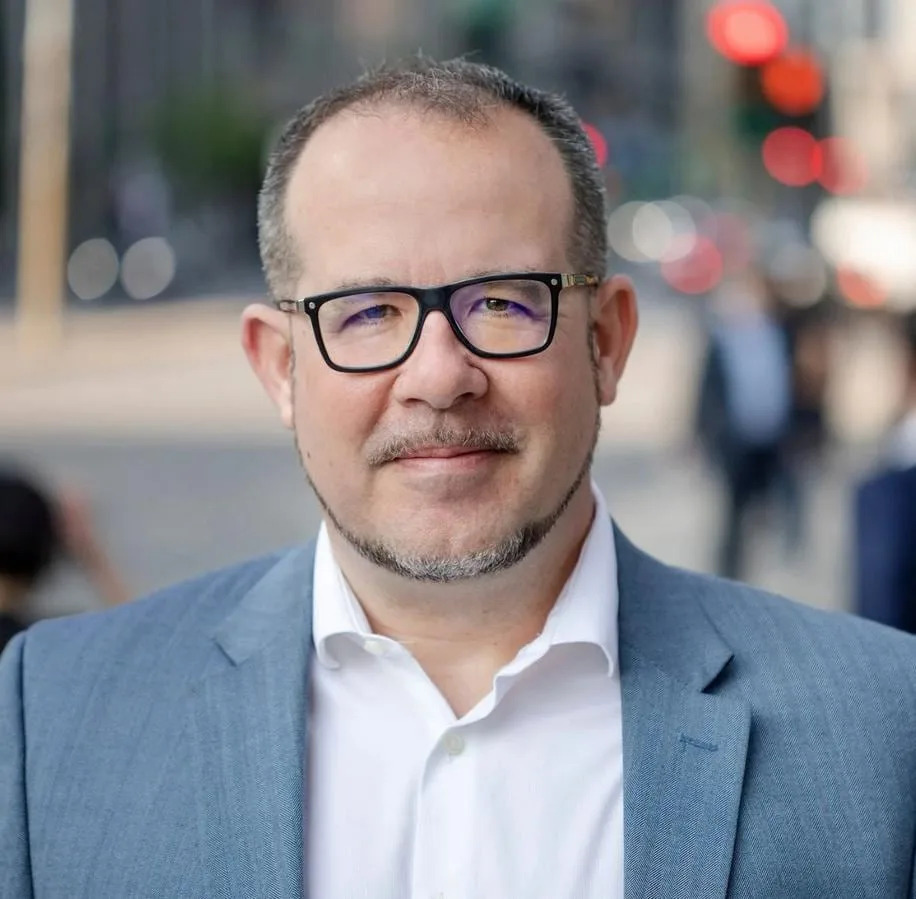
Duncan Williams is president of the Construction Association of Nova Scotia. (Paul Palmeter/CBC)

"It does put additional pressure on the system where we're already trying to build at record levels, yet demand has never been higher," said Williams. "Getting the supply and demand lined up is the big puzzle that we're all trying to figure out."

Hatchard-Pemberton thought she couldn't apply for the provincial assistance until she got a quote, meaning she would potentially miss the Oct. 31 deadline. The application reads: "I understand that I must submit a written estimate or paid invoice for labour and building materials," next to a box that must be checked by the applicant.

However, a spokesperson with the Emergency Management Office said, while a quote on repair costs is "helpful," people can apply without one, and submit the supporting documents at a later date.


Homeowner Ashley Lushman has no insurance coverage for her basement that was destroyed by the floods. (Robert Short/CBC)

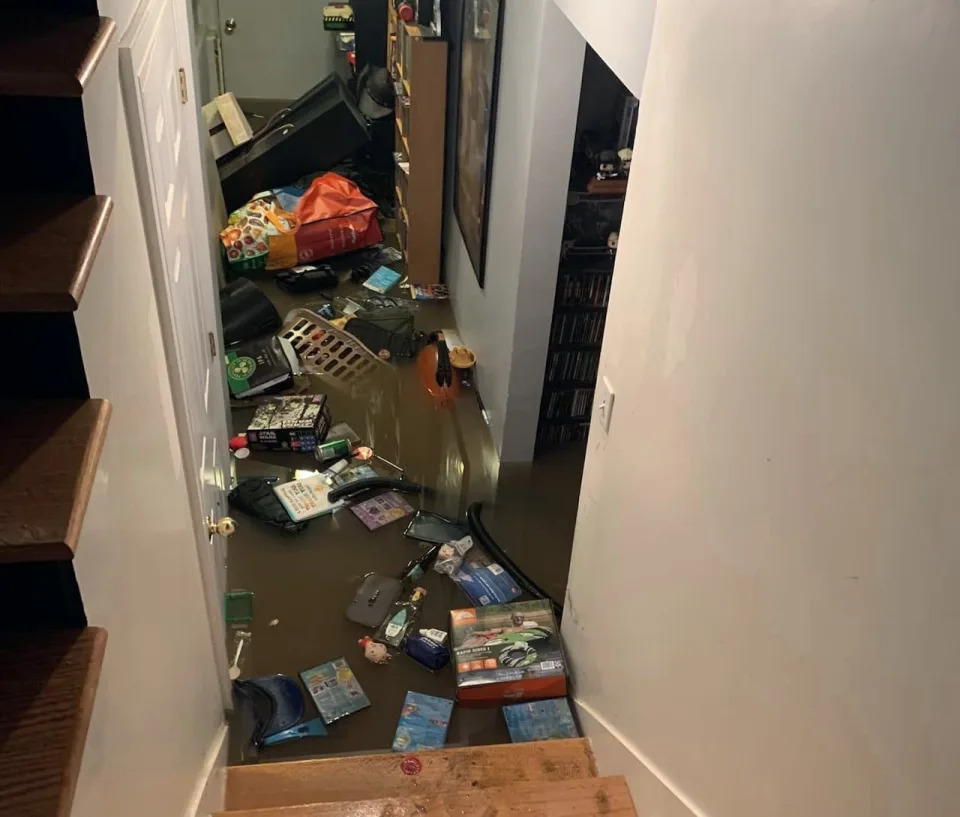
Ashley Lushman in Bedford. N.S., had her basement destroyed, too. Her insurance claim was denied two months after the July flood. So, she submitted a DFA application without a cost estimate last week, and realizes it will probably be a while until she can get one and be approved by the program.

Like Hatchard-Pemberton, she's been unable to find a contractor herself.


Lushman's basement during the floods.  Household items floating in Lushman's basement during the flood. (Ashley Lushman)

"We won't be able to get this [work] done for a really long time," said Lushman.

Without insurance coverage and not knowing whether they will get any funds from the province, Lushman and her husband have been paying out of pocket for necessary repairs like insulation.

"We'll do a little bit at a time. It might take a few years to get it all put back together and pay it off," she said.
MOULD KILLS
Public housing tenant with mouldy basement questions how N.S. plans to maintain new units

CBC
Tue, October 10, 2023 

Amilia Williams has been fighting to have her leaking basement fixed for over a year. (Dan Jardine/CBC - image credit)

When Amilia Williams goes into the basement of her home for more than a few minutes, she wears personal protective equipment.

The basement of her public housing unit on Romans Avenue in Halifax floods regularly, and she said her possessions are covered in mould that permeates the home.

She said her children are often sick, and she has cleaned mould spores out of her young granddaughter's nose.

Those problems have led Williams to a yearlong battle with the Nova Scotia Provincial Housing Agency, a Crown corporation that manages the province's government-owned public housing units.

"I know a lot of my neighbours are terrified to say anything," she said. "Me, I don't care anymore. I am done ... I didn't build this place. I didn't cause the leaks."

Williams's unit isn't the only one in disrepair. According to numbers from the Nova Scotia Department of Municipal Affairs and Housing, 102 of the 11,202 public housing units in the province have been vacant longer than the standard two-month turnover period between tenants, down from 142 last year.

Those units could be chronically vacant because of the wait for accessibility upgrades or required maintenance and restoration.

But with the Nova Scotia government's recent announcement that it plans, for the first time in 30 years, to invest in 222 new public housing units, some are wondering if those units will be maintained more effectively than the existing stock.

"It'll be great to actually see that they build public housing," Williams said. "But now my big question is who's going to maintain them? Are they actually going to take care of them? Because there's no point in building them if they're not going to take care of the property properly."

'Strong, toxic smell'

Williams's unit first flooded in September 2022 after post-tropical storm Fiona tore through Nova Scotia. She said it took her four days to clear water from her basement.

But in the months to follow, it wasn't dry for long. The basement flooded repeatedly as she asked the public housing agency for help in what she calls a "never ending battle."

"It's just like getting hit in the face and it smells like wet moss or wet rotting wood and it's just getting out of hand," she said.


Amilia Williams has taken videos and photos of mould in her basement and on her belongings.

Williams has taken videos and photos of mould in her basement and on her belongings. (Submitted by Amilia Williams)

Williams said maintenance workers did bring her industrial fans and a dehumidifier, but they told her it looks like the footings of the building are coming away from the foundation, which is a costly repair.

In late September, she was told her basement would be fixed in December — 15 months after the first flood.

Around the same time, a therapy worker who was providing autism intervention services to Williams's granddaughter refused to come back to the home due to the mould.

CBC News viewed a letter written by the worker, stating the home had a "strong toxic smell of mould/mildew."

Reviewing maintenance standards


Pam Menchenton, the executive director of client services for the Nova Scotia Provincial Housing Agency, said the average age of the province's public housing units is 42 years, and the most common maintenance issues relate to plumbing or leaking.

She said maintenance calls are triaged and if a matter is urgent, it will be dealt with "right away." But there can be delays with bigger issues.

"We're still experiencing, like so many others in the world of building and construction right now, some challenges around getting contractors to help us do the work," Menchenton said. "Now, I will say that we have really been very aggressive about trying to address some of these maintenance issues."

Menchenton said the agency has been reviewing its maintenance standards over the past year, and hopes to improve for both the existing units and the new units. She said that could include hiring more staff and developing a program of preventative maintenance.


Pam Menchenton said public housing is looking at setting new service standards for unit turnaround. (David Laughlin/CBC)

"It's not an easy boat to turn around but we are addressing all of that slowly," she said.

The public housing wait-list currently sits at 4,907 households, with the average wait time for a placement sitting at around two years. That's down from 6,596 last December.

Divesting units


Nova Scotia's Housing Department is also planning to divest some units as part of pilot programs to transfer some existing public housing to community-based organizations or resident ownership.

Vicki Elliot-Lopez, the department's senior executive director of housing, said many of the transferred units will be in the historically Black communities of North Preston and East Preston, where the Preston Area Housing Fund has been seeking to own and operate affordable housing.

Other divested units will be single-family homes in rural areas that aren't close to services and amenities tenants need.

Elliot-Lopez said the Housing Department is committed to ensuring the number of rent-geared-to-income affordable housing units does not decrease due to these initiatives.

"I think there's a misunderstanding that in order to be rent-geared-to-income and to be deeply affordable, it has to be owned and operated by the province and that's not the case at all," she said. "We have community housing providers that offer rent-geared-to-income units as well."

Elliot-Lopez said some of the units will be repaired before being divested or funding will be made available for repairs, but some will be put up for sale as they are.
What a proposal to tie P.E.I.'s minimum wage to another kind of wage might look like
BE CAREFUL WHAT YOU WISH FOR

CBC
Tue, October 10, 2023 

Currently, the minimum wage is set through a recommendation of a committee.
 (Singkham/Shutterstock - image credit)

The Canadian Federation of Independent Business wants the P.E.I. government to change the way minimum wage is set, pegging it to a percentage of the median wage rather than following advice from a committee.

The federation, a small-business advocacy group that says it has 97,000 members across Canada, says the system needs consistency.

"What [businesses] want is predictability and rationale behind that, so it's easy to figure out and read how the minimum wage should rise every year," said Frederic Gionet, a senior policy analyst of legislative affairs with the CFIB in the Atlantic region.

Take P.E.I., for example. On Sunday, the wage moved to $15 an hour. Three days later, the province announced two further increases for 2024, which will see the wage hit $16 by the end of 2024.

Movements in the minimum wage follow advice from a committee of the Employment Standards Board, which weighs various economic factors. That recommendation is then reviewed by P.E.I.'s cabinet for a final decision.

The federation is suggesting the province simply set the wage every year as a percentage of the median wage paid on the Island. The median is the statistical midpoint of a group of numbers. In this case, it's the wage level where half of P.E.I. earners are making more and half are making less.


CFIB's proposal would cut red tape, says Frederic Gionet. (Canadian Federation of Independent Business)

Gionet argues this method would be more transparent and reduce red tape.

He said several countries in the Organization for Economic Cooperation and Development do this, setting the minimum wage at between 50 and 65 per cent of median income.

Running the numbers

The method described below is just one possibility, but not an unlikely one should such a policy be adopted on the Island.

Wages on P.E.I. vary through the year, with the median falling in the summer when people including students occupy more service jobs in the economy. To account for that, this system uses a 12-month average of wages.

This hypothetical system would change the minimum wage only once a year, on Jan. 1, which fits with many companies' fiscal years and matches the usual time for changes to programs like Employment Insurance and income tax.

This example calls for an announcement on Oct. 1 of each year, with the new wage taking effect the next New Year's Day. Given the availability of data from Statistics Canada, that would mean the 12-month average time span runs from September to August.

Looking back to the beginning of this century, P.E.I.'s minimum wage has almost always stayed within that 50 to 65 per cent band. But it's been climbing within that band. In 2000, it was running about 53 per cent of the median wage. Since 2021, the minimum wage has occasionally popped out over 65 per cent of the median.

While tying minimum wage to median wage offers transparency, it does not protect business from dramatic changes.

For most of this century, wage increases have been moderate, under five per cent in all but six years for minimum wage and three years for median wage.

Some of that moderation was lost for both wages following the COVID-19 pandemic.

On New Year's Day this year, the minimum wage was $14.50, up from $13 a year earlier. That's an 11.5 per cent increase. The median wage rose only 3.4 per cent over the same period.

Using the 65 per cent formula, which is what the wage is close to now, that would have seen the minimum wage rise to $13.99 from $13.53.

But if minimums were tied to the median wage, businesses would have found themselves paying for that temporary reprieve this coming January.

They'd be looking at 13.8 per cent jump in the minimum wage on New Year's Day 2024, with the wage rising to $15.91 on the 65 per cent formula, well above the actual $15 wage
.
FREE ENTERPRIZE ALBERTA
There's an RSV vaccine available for older Albertans. But it's $300 a pop

CBC
Tue, October 10, 2023 

Arexvy is the first vaccine given the green light by Health Canada to protect against respiratory syncytial virus or RSV. (Submitted by Randy Howden - image credit)

There are concerns that, with a price tag of nearly $300, a new RSV vaccine approved for Canadians 60 and older could be too expensive for some Albertans who need it most.

Arexvy is the first vaccine given the green light by Health Canada to protect against respiratory syncytial virus or RSV.

The virus generally causes mild illness, but it can make very young children and older adults very sick.

"It's quite a big deal that we have a vaccine that can prevent serious illness and hospitalizations," said Randy Howden, pharmacist and owner of the Crowfoot and Sunridge Medicine Shoppe locations.

But it's expensive and Alberta, like most other provinces, doesn't currently fund it. Alberta Health is expected to review that question in the coming months.

According to Howden, while the price varies slightly from one pharmacy to another, the RSV shot generally rings in at about $300 dollars once you factor in an injection fee.

"We do get a lot of seniors asking when it will be publicly funded," said Howden.

A lot of private insurance companies are covering it, he said, but it can be a struggle for seniors who are on a fixed income and without an insurance plan.

"I do have a few clients who would be the ideal candidate. They're extremely high-risk but at this point they say that they're not able to afford it."


Randy Howden, a pharmacist and owner at the Crowfoot and Sundridge Medicine Shoppe locations in Calgary, says while he's able to order small amounts of amoxicillin intermittently now, the shortage is still leaving parents struggling to find antibiotics for their kids. Randy Howden, a pharmacist and owner at the Crowfoot and Sundridge Medicine Shoppe locations in Calgary, says a lot of seniors are interested in the RSV vaccine. He adds while some have coverage through private insurance, those who don't can't always afford the shot. (CBC)

Calls for provincial coverage


RSV is not new, but it gained public attention as part of the so-called "tripledemic" — along with influenza and COVID-19 — that overwhelmed Alberta hospitals last winter.

"RSV is one of those viruses which is just as deadly as influenza, especially in older Canadians," said Dr. Samir Sinha, director of health policy research at the Toronto-based National Institute on Aging and co-author of a new report on the burden of RSV in Canada.

"We should be covering this vaccine. I think, from what I've seen, the evidence is really clear that this will save our health system money overall. It will save lives."

Ontario is offering the RSV vaccine for free to people 60 and up who live in long-term care, elder-care lodges, and some retirement homes.

But the Alberta government is waiting for recommendations from the National Advisory Committee on Immunization (NACI) before deciding on coverage. That guidance is expected next year.

In a statement, Health Minister Adriana LaGrange's press secretary said Alberta Health works with the Alberta Advisory Committee on Immunization to determine whether a vaccine will be included in the provincially funded immunization program.

Together, she said, they analyze NACI's recommendations along with scientific literature and "the state of the disease in Alberta."


Dr. Samir Sinha is the director of geriatrics at the University Health Network and the director of health policy research at the National Institute on Aging. He would like to see provinces fund the RSV vaccine for all Canadians 60 and up. (Tiffany Foxcroft/CBC)

"If the analysis determines there is a significant need to provide the vaccine through the Alberta Health Care Insurance Plan, then it will be added to Alberta's provincially funded immunization program."

According to Calgary public health physician, Dr. Jia Hu, that process takes time.

"We always want to look at the effectiveness, but also the cost effectiveness. So hopefully NACI will be providing some of that information for us soon," said Hu, an adjunct professor at the University of Calgary.

"Hopefully by next season we'll have a bit more information on who it's most recommended for and more supply and all those things. But it is a very, very good vaccine."

Hu said it's unusual for a province to move ahead with coverage before NACI comes out with recommendations.

"I hope that some people get the RSV vaccine this year. And I hope that number increases next year. But there's going to be a lot of work around raising awareness."
Financial woes at Pakistan International Airlines causing headaches for Canadian travellers


CBC
Tue, October 10, 2023 

Pakistan International Airlines announced last month that it would be scaling back its operations as unpaid bills and overdue payments rack up. (Associated Press - image credit)

When he learned that Pakistan International Airlines is facing a cash crunch, Edmontonian Shakil Meenai's first instinct was to check the status of his domestic flight from Lahore to Karachi.

Meenai, 60, has plans to travel to Pakistan, his home country, in mid-October, a trip he makes once a year.

He decided to book with Pakistan's national carrier for his short trip between the two Pakistani cities.

Without him being notified, Meenai's flight from Lahore to Karachi was cancelled and rebooked to a flight seven hours later.

"This was done without my consent and without any sort of intimation to me," Meenai told CBC in an interview. "Other airlines, if the flight schedule changes by 10 or 15 minutes, even in those cases they give you a heads-up."

Last month, Pakistan International Airlines (PIA) began scaling back its operations as unpaid bills racked up and lessors moved to block the carrier from flying their aircraft unless it can catch up on overdue payments.


Shakil Meenai, 60, is flying to Pakistan in mid-October. He says he would never consider taking an international flight with Pakistan International Airlines after experiencing unexpected cancellations with domestic PIA flights in Pakistan. Shakil Meenai says he would never consider taking an international flight with Pakistan International Airlines after experiencing unexpected cancellations with domestic PIA flights. 
(Submitted by Shakil Meenai)

The Pakistani government rejected the airline's request for an emergency bailout of about $100 million. Instead, it directed the state-owned carrier to secure commercial bank loans, according to ch-aviation, a Swiss airline intelligence agency.

This time of year is peak travel season for Canadians wanting to visit family and friends in Pakistan. Weather is generally favourable and it's also prime wedding season.

But travellers say they're flocking to other airlines because they no longer see PIA as a reliable option.

PIA does not fly out of Edmonton International Airport. The airline does offer direct flights to several Pakistani cities from Toronto's Pearson International.

Meenai said cancellations, delays, high ticket prices and poor customer service are making people turn to other airlines.

"The only people who fly internationally with PIA, especially from Canada, are those who are basically either not comfortable in transiting through other countries or our seniors," Meenai said.

According to Statistics Canada's 2021 census, about 40,000 people in Alberta identify as Pakistani.

In August, the Pakistani government announced plans to privatize the airline after it accumulated hundreds of billions of rupees in losses.

Hamed Ghanbari, a finance professor at the University of Lethbridge, said PIA has five times more liabilities than assets.

A government bailout might solve the problems but that is difficult when the country is dealing with a sovereign debt crisis and political uncertainty, Ghanbari said.

"When I look at the root cause of these scenarios and the big picture of their financial situation, I don't see any prospect in the near future that this will be resolved," he said.

Ghanbari said privatization might be another way to deal with the airline's financial woes.

"Maybe that will be the solution so that they always find a balance between the budget so that they don't end up in this situation," he said.

PIA's predicament is different from that of a troubled for-profit North American or European carrier, he said.

"The moment they realize that this is not profitable, they try to guide resources in a way that either they will survive, or they fight for protection.

"Given current exchange rates, and the fact that [PIA] mostly runs on demand that cannot be served, it makes for a difficult situation."

'A sour taste'

CBC News made two requests for comment from PIA. They did not respond in time for publication.

Salman Naseer, president of the Pakistan Canada Association of Edmonton, said at one point decades ago, PIA provided quality service. But over the years, he's heard more horror stories from people in the community who have opted to fly with the airline.

"People have all the right as a consumer to compare apples to apples," Naseer said. "If you're paying that much to an airline, and one airline is giving them all those services compared to the other airline, it'll definitely bring a sour taste."


Salman Naseer, president of the Pakistan Canada Association of Edmonton, said he's heard increasing complaints about PIA's service from community members. (Submitted by Salman Naseer)

It's not easy for any airline to decide to cut back services, said Karl Moore, an associate professor of strategy and management at McGill University.

Things like reputation are at play, he said.

"Within Pakistan, [PIA] is the dominant player. So everyone in the country is aware of what's going on with them," Moore said.

"It's really being forced to by challenging circumstances is why you do things like that. You don't do it lightly for sure."
Why protecting Indonesia’s Indigenous land is a balancing act


Kalpana Jain
Tue, October 10, 2023 

Once isolated from the rest of the world, the Kasepuhan Cisungsang – an Indigenous community in Indonesia – has been inviting outsiders to get a glimpse into their lives.

Their village rests at the foot of Mount Halimun in western Java, a six-hour drive from the bustling megalopolis of Jakarta. When visitors arrive, a band of musicians dressed in flowing black robes and colorful headdresses greet them by playing the angklung, a traditional bamboo instrument, while young girls dance. The guests are shepherded into a spacious hut where a Kasepuhan Cisungsang representative explains that the community is led by the abah, or father, and that they’ve lived in this forested area since before Dutch colonization.

“Our ancestors have left us a message to protect and defend the environment,” says Raden Angga Kusuma, the abah’s eldest son and crown prince of the village.

Indonesia is home to an estimated 50 million to 70 million Indigenous individuals, or nearly 20% of the country’s population. However, Indigenous communities’ claims to their homeland are precarious, often hinging on a community’s ability to convince local authorities of their Indigeneity. Add to that pervasive stereotypes about Indigenous communities being anti-development or stuck in the past, and the challenge for many of the archipelago’s Indigenous leaders becomes retaining their traditional culture and customs, while also evolving with the times. For the Kasepuhan Cisungsang, opening to visitors is part of that strategic thinking.

Through a translator, Kasepuhan Cisungsang elder Apih Jakar shares another saying from their ancestors: “Cope with the dynamics of time and adapt with it.”

Battle over land

For the Kasepuhan Cisungsang and the 56 other Kasepuhan groups living in the Halimun Salak area of Java, the battle for land rights dates back to the 19th century, when Dutch settlers failed to acknowledge the communities living in and around the Mount Halimun Salak National Park. The colonizers’ demarcations and land practices persisted after independence in 1945. Under Indonesia’s second President Suharto, Indigenous land was converted into state forests and redistributed as private concessions to rubber, mining, and palm oil companies.

Throughout the Suharto era, “the Indonesian government argued that the country had to catch up and needed to achieve higher rates of growth,” says Timo Duile, an anthropologist at the University of Bonn who has spent years researching land rights in Indonesia. “That could be done by cooperation with the West and by opening the country to foreign capital. ... Land was an important issue that created a lot of conflicts.”

It wasn’t until 2013 that a historic ruling known as MK35 provided Indigenous people the opportunity to reclaim ancestral land. However, this has proved to be a long and complicated process.

An independent mapping initiative has recorded over 50 million acres of Indigenous land in Indonesia, but only 15% has been recognized by the government. Critics blame the bottleneck on slow bureaucracy, poorly implemented and conflicting forest laws, and corporate land grabbing.

But the first hurdle many communities face is proving their roots.

Proving Indigeneity


A community’s Indigeneity must be recognized by an administrative unit in a province known as a Kabupaten.

A group can qualify if they have markings as an Indigenous peoples, such as following customary laws and retaining unique social institutions, says Muhammad Arman, director of advocacy for policy, law, and human rights at Aliansi Masyarakat Adat Nusantara (AMAN), or the Indigenous Peoples Alliance of the Archipelago. But many kabupatens have ill-defined regulations, and proving Indigeneity can depend on the whims of local politicians.

“If you wear modern clothes, the government can say you have changed socially and culturally and therefore are no longer a member of an Indigenous community,” says Mr. Arman.

Legal recognition is also no guarantee that a community’s wishes will be respected.

Mama Rosita Tecuari is one of several leaders from the Namblong Indigenous Community in Papua province fighting to defend their land from the expansion of a palm oil plantation. A company got the license and a permit to use the land without any consent from the 500 tribes settled there, says Ms. Tecuari. Even after local laws recognized the Namblong community’s right to the land in 2021, the company has not retreated.

“It’s not that we don’t want development,” she says, they just don’t want it to come at the expense of the environment. “We in Papua think of forests as our own hearts. If you clear our forests, it is the same as killing us.”

Still, for Indigenous groups to have a shot at local autonomy, they must show that they retain their Indigeneity. “To get land rights, they have to prove continuity between past and present with Indigenous institutions and Indigenous laws,” says Mr. Duile. “They can be in a process of change, but have to convince officials that they are the same.”

History of transformation


That emphasis on continuity means that Indigeneity can get conflated with primitiveness, says scholar Rebakah Daro Minarchek from the University of Washington.

For her 2019 dissertation, Dr. Daro Minarchek spent years studying how three Kasepuhan communities, including Kasepuhan Cisungsang, were embracing technology.

After the central government brought ​​Ciptagelar village internet through a universal connectivity program and built a TV station and a radio station, villagers trained youth to interview elders on traditions and record their musicians. One village leader even turned to YouTube videos to teach himself how to use GPS technology to map land boundaries.

Dr. Daro Minarchek also observed Ciptagelar village send two young men to Japan to learn how to do commercial gardening and increase productivity. Many Indigenous communities are hesitant about certain kinds of education that distance youth from the community, she explains, but they don’t look down on education.

In the case of Kasepuhan Cisungang, the crown prince and a few others have been allowed to go to a university under the condition that they will return to their village and their way of life.

In recent years, the village has also invited international visitors to attend an annual harvest festival, known as Seren Taun, a thanksgiving ceremony for all the blessings received during the year. The tradition was captured in a 2016 short documentary called “Harvest Moon Ritual.”

This adaptation isn’t new, Dr. Daro Minarchek notes, pointing to the community’s religious practices. The Kasepuhan Cisungang currently practices Islam, but incorporates it with ancestral practices including shamanic animism, along with Hindu and Buddhist practices.

“To say that this is a community from 700 years ago that hasn’t caught up to the future is dehumanizing,” says Dr. Daro Minarchek.
People still waiting for homes months after Kátł'odeeche First Nation wildfire

CBC
Tue, October 10, 2023 

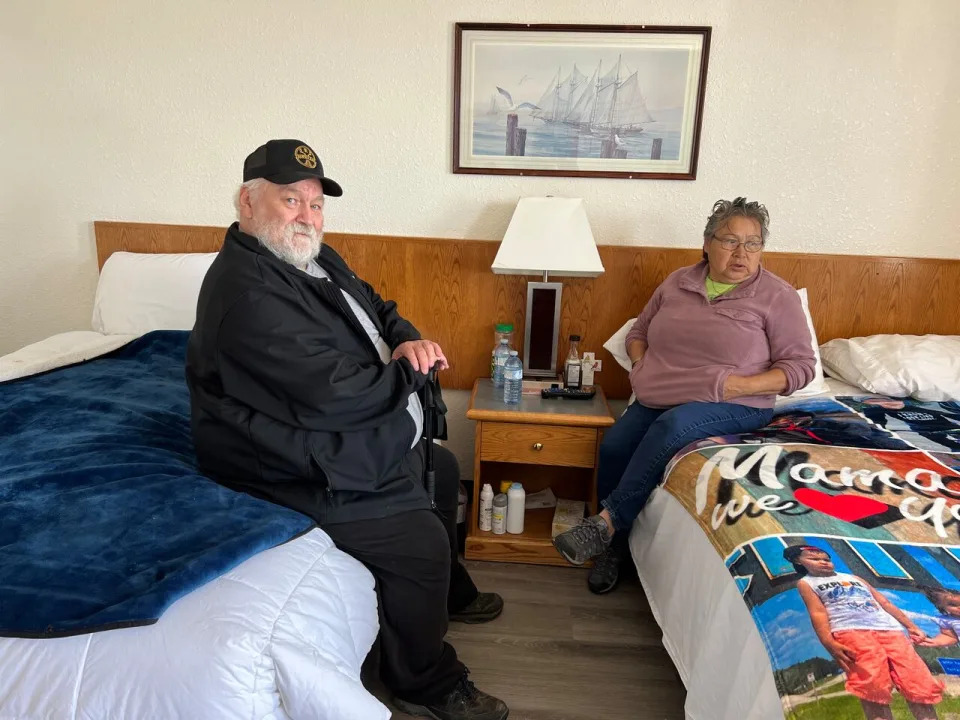
James and Carol Dixon lost their home in the wildfire that tore through the Kátł'odeeche First Nation reserve. (Carla Ulrich/CBC - image credit)

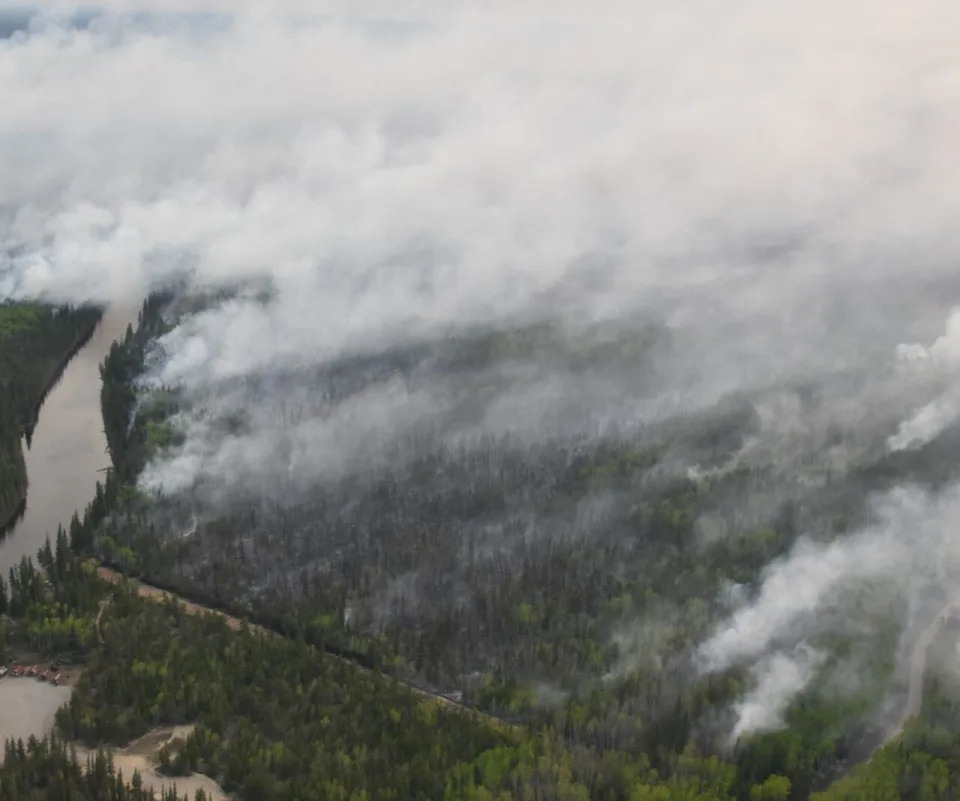
A raging wildfire badly damaged parts of the Kátł'odeeche First Nation (KFN) reserve this spring, and months later people still do not have a home to return to.

"I'm tired of living out of a suitcase," said Carol Dixon, who evacuated from KFN in May with her husband, and is still living in a hotel, without a kitchenette.

"I have to wash my dishes in the sink, in the bathroom. That's very difficult," she said.

She was renting a house that burned down because of the out of control wildfire.

The fire badly damaged parts of the reserve, and destroyed 18 homes. People were forced to relocate and have been staying with family, in hotels, RCMP federal housing in Hay River, or at a wellness centre on KFN.

April Martel, the chief of Kátł'odeeche First Nation, said that homes have been ordered from Best Buy Homes. She said it isn't exactly clear yet when the houses will be ready for residents to move into their new homes.

The houses should be done in six to 10 weeks, but Martel said it will take time for the houses to be shipped and then connected with things like electrical and heating. She said contractors are also currently working on getting the land ready for the houses to be shipped on.

A dozer defence line is visible built to protect the Old Village in the Kátł'odeeche First Nation in this photo taken on Saturday, May 20.

A dozer defence line is visible built to protect the Old Village in the Kátł'odeeche First Nation in this photo taken on Saturday, May 20. (NWT Fire)

The federal government will be covering the cost of the houses. The homes will be given to the original homeowners of the houses who are also members of the nation.

That comes as difficult news for Sarah-Jane Landry who grew up on the reserve and had her house burn down. She had inherited that home from a family member, but she isn't a member of the nation. She said that losing her home had a big impact on her.

"I was devastated, I cried for days, and couldn't sleep for how many days," she said.

"Every now and then I still cry about it."

Since losing her home Landry has been moving from hotel rooms to staying with people she knows.

She's pregnant at this time, and is in Yellowknife to receive medical treatment. She's currently staying in a hotel.

After she gives birth, she said she's not sure where she's going to go next.

"I'm like ready to have my baby, and I'm currently still homeless," she said.

Landry said she's on a waiting list with public housing in order to get a home she could rent.

Raelene Lamalice's home also burned down in the fire as well.

On the night of the evacuation she heard explosions and saw flames close to her community.

"I just kind of mentally accepted that my house was gone," she said.


(Submitted by Raelene Lamalice)

After her house burned down Lamalice traveled down south and bought a camper and she's been staying in that ever since.

Lamalice works as a firefighter and uses the camper to help her travel to different communities to help fight wildfire.

The KFN will replace her home, but she said with the changing temperatures she'll look into moving out of her camper, and moving in with family.

"And you got those chilly evening for sure … I definitely feel a push to get some sort of different accommodations in," she said.

On top of the 18 homes ordered, the KFN also ordered an additional three homes that were damaged by flooding in KFN, five homes to help with homelessness, and are speaking with the federal government about ordering potentially an additional four more homes that were damaged by flooding, but were not properly assessed by the GNWT for damages.

The GNWT did not respond to a request for comment by the time of publication
U$A
School choice and race: How the debate affects parents – and communities


Ken Makin
Tue, October 10, 2023


The story of an anti-school choice Chicago Teachers Union president who sent her son to private school understandably generated political backlash. As a parent who sees the viability of both public and private schools, Stacy Davis Gates’ decision made me think about the past and the present.

The first time I stepped into a schoolhouse, it was in preschool at the Minnie Palmore House, a private institution established by one of South Carolina’s great Black educators. A short time later, in kindergarten, I attended Clara E. Jenkins Elementary, located in the Hyde Park neighborhood of Augusta, Georgia. Hyde Park, which shares the name of a well-known neighborhood in Chicago, was later found to be in a toxic hotbed.

My early childhood experiences in education were relative to my parents’ availability, which is why I largely ended up alongside my mother in public school from first grade until I graduated high school. Conversations about “school choice” end up pitting public schools against private institutions, but I find that parents don’t care about those logistics nearly as much as they just want the best educational opportunities for their children.

Ideally, public and private classrooms should represent a frontier for equality, explains Patricia Lynch, who retired in the past decade as an educator in Chicago Public Schools after a 31-year career.

“Personally, I like school choice. I don’t think it has to be a conflict,” Ms. Lynch says. “Public schools need to have quality programs in place in all schools to keep students from wanting to leave for a private school.”

Ms. Lynch, who not only taught in the district, but was raised and taught in Chicago’s public schools, lamented the school system’s segregated history – and present.

“Historically, Chicago public schools have been segregated and Black students haven’t received a quality education,” Ms. Lynch says. “Black students are more severely disciplined and suspended from school at a higher rate than their white peers. Even with the opening of selective enrollment schools, these schools are in wealthier white neighborhoods. ... Poor black students are left in their neighborhood schools with less funding and resources.”

Chicago’s history of disparities is well documented, including an 1863 city ordinance requiring Black and white students to attend separate schools and more recently a significant amount of displacement among Black students when 50 city schools were closed a decade ago. Of the schools shuttered in 2013, according to an article from South Side Weekly, “forty-two had a population that was greater than 75 percent Black, and 88 percent of the students affected by the school closures were Black.”

When we pit public schools versus private schools and other alternative education options, the reality is that separate is not equal, and further, separation as it relates to education in this country has always meant unequal. The beginning of unity is a mutual understanding that we should provide opportunities for families whose ambitions may not fit what their neighborhood school has to offer, but we should similarly ensure that such options come about after exploring and emphasizing the richness of our public schools.

I choose to send my children to private school, with the understanding that taxpayers can and should fully fund public education. I send my children to a Christian school as a matter of preference, but opportunities for exemplary education should be available to all. When my children interact with their public school peers, my hope remains that all of them are on the fast track to successful lives.

When it comes to race, as well as how we treat the poor in comparison to the rich, such unity is not just a choice we should make in our schools. It’s a decision we must make in this country as a whole.
The end of the long dash: CBC stops broadcasting official 1 p.m. time signal


CBC
Tue, October 10, 2023

CBC and Radio-Canada have announced they'll no longer carry the National Research Council time signal. (CBC - image credit)

The beginning of the long dash indicates exactly 1 o'clock eastern standard time.

For more than 80 years the beeps and tones of the National Research Council (NRC) time signal have connected Canadians at exactly 1 p.m.

But as of Monday, CBC Radio One audiences won't be listening for the beginning of the long dash — they'll have listened to the end of it.

Variations of the daily message and the "pips" that sound along with it have played over CBC's airwaves since Nov. 5, 1939 — forming a link that connects Canadians from coast to coast to coast.

CBC and Radio-Canada have announced they'll no longer carry the National Research Council (NRC) time signal.

Monday marked the last time it was broadcast, ending the longest running segment on CBC Radio.

There were 'accuracy concerns' about signal

CBC declined an interview and would only provide written responses to questions about the change.

In a statement, spokesperson Emma Iannetta described the signal as a "wonderful partnership," but confirmed it's being dropped.

Given the range of CBC platforms from traditional over-the-air radio, to satellite and the internet, the long dash undergoes a range of delays by the time it's heard, leading to accuracy concerns from the NRC, she wrote.

Iannetta added that nowadays most people use their phones to get the time, though many CBC listeners have a "fondness" for the signal.

"We share the nostalgia that many people have towards the daily time announcement but Canadians also depend on us for accurate information," she wrote. "With all of the different distribution methods we use today we can no longer ensure that the time announcement can be accurate."

For many, the relationship with the time signal goes far beyond fondness.

It's allowed sailors to set their instruments for navigation, kept railway companies running on time and helped Canadians stay punctual.

In a 2019 interview with Day 6 on the occasion of the signal's 80th birthday, Laurence Wall, one of its current voices, reflected on its origin and importance.

LISTEN | The voice of the 'long dash' on how it connects Canadians

His memories include taxi drivers recognizing his voice from daily announcements and hearing from a young man living in Hong Kong who would stay up past midnight just to hear the time signal because it reminded him of home.

Beyond emotional connections, the signal has a practical history too.

Wall said when it started out, timekeeping was relatively primitive, with watches and clocks that needed to be regularly set in order to stay accurate.

A 'bit of Canadiana'

The time signal was a touchstone that kept railways, shipping companies and Canada on time.

It remains precise — provided by cesium atomic clocks that are "the world's best timekeepers," according to the NRC.

NRC didn't provide anyone for an interview but in a statement, spokesperson Orian Labrèche said CBC installed HD radio transmitters in 2018, which caused a delay of up to nine seconds in broadcasting the time signal.

The council proposed several solutions and worked with CBC to solve the delay, but "ultimately, CBC/Radio-Canada made the decision to stop broadcasting the NRC's official time signal," he wrote.

Despite the holdups, the long dash still has its fans.

It's even inspired an artist who's paid homage to it on tea towels and tote bags.

Wall described the time signal as a "bit of Canadiana."

When asked in 2019 if he had any concerns about whether the signal would one day fall silent, Wall spoke about the way it resonates across the country.

"I can't predict what the CBC would do of course," he said. "But my suspicion is it's become such a part of the Canadian firmament that I don't think they would be very quick to want to change it or heaven forbid drop it altogether."