Thursday, February 20, 2025

PAKISTAN


The Tragic Killing of Dr. Shahnawaz Kumbhar


Blasphemy Allegations, Police Brutality, and the Fight for Justice


The September 2024 extra-legal murder of Dr. Shahnawaz Kumbhar exposed the lethal combination of blasphemy charges with improper policing practises in Pakistan. The incident reveals both human rights challenges that blasphemy accusation victims face and questions the proper role of law enforcement agencies regarding justice and human rights protection.

Background of Dr. Shahnawaz Kumbhar

The district of Umerkot in Sindh now associates its entire symbol with Dr. Shahnawaz Kambhar who suffered brutal murder despite being a resident. Religious fanatics murdered a doctor who remained innocent to his killers. Dr. Shahnawaz Kambhar distinguished himself as a community healthcare worker who received credit for his social activities and charitable activities in the field. His mission included organising free medical programs throughout Umerkot alongside neighbouring rural communities that offered free medical care to all patients. Through his lifetime he devoted himself to enhancing his impoverished residential belt despite the fact that he could have amassed considerable wealth in Karachi like numerous medical professionals do. Through his ongoing healthcare mission he placed greater emphasis on achieving better public health results in his local area.

The Blasphemy Allegation and Subsequent Dismissal

Dr. Kumbhar encountered the ordeal after a local mosque cleric claimed to discover blasphemous content on his social media account. His swift removal from medical service at the civil hospital in Umerkot happened after the accusation was made. When a person in Pakistan faces blasphemy accusations their situation turns into a dangerous sequence that causes harsh legal consequences while society reacts with violent crowds and possible unlawful acts against the accused. The announcement of such allegations against someone becomes an immediate vehicle for both reputation destruction and personal security risks.

Extrajudicial Killing and Fabricated Encounter

Dr. Kumbhar received arrest after the complaint against him. Officials showed him a fair trial but ultimately murdered him during a fake police confrontation. The first police statements stated Dr. Kumbhar died during a gunbattle but investigations showed he stayed under police detention throughout and officials deliberately created the encounter to legitimise his killing. The discovery shows an alarming trend where security forces perform unauthorised killings in highly sensitive cases regarding blasphemy incidents.

Investigations and Legal Proceedings

A complete investigation by the Sindh Human Rights Commission (SHRC) exposed both legal violations and administrative failures following the incident. An extensive investigation started by the Chief Minister of Sindh caused him to suspend multiple high-ranked police officers involved in the case. The legal authorities filed 45 individuals to court with murder and terrorism charges and violations of the Torture and Custodial Death Prevention Act 2022 against Deputy Inspector General (DIG) Javed Jiskani and Superintendent of Police (SSP) Asad Chaudhry. The non-bailable arrest warrants did not prevent multiple accused officers from evading arrest which demonstrated existing legal system failures to enforce responsibility upon influential officials.

Exhumation and Forensic Findings

The authorities obtained Dr. Kumbhar’s body for thorough autopsy procedures after exhuming him to find out what had happened. The forensic examination proved beyond doubt that Dr. Kumbhar had suffered from torture which the first autopsy report had completely failed to detect. The contradictory findings of the autopsy led authorities to arrest Dr. Muntazar Leghari who conducted the first autopsy thus leading to his charges for doctoring medical evidence to hide misconduct. This case element shows how medical and legal systems allow collusive actions between professionals that cause justice to be delayed while maintaining conditions of absolute freedom from prosecution.

Role of Social Media and Mob Violence

Per the SHRC report social media played an important part in worsening the situation. Social media users spread inflammatory content along with false information which triggered widespread public anger leading to violent mob activities. The death of Dr. Kumbhar triggered an enraged mob to seize his body afterwards leading them to use fire to defile it and they tried to bury it without proper funeral rituals as police made insufficient attempts at intervention. The instant consequences of improper social media usage emerged in public perception while demonstrating how dangerous such behaviour can be in delicate situations.

Wider Implications and Call for Reform

The medical professional’s case corresponds to a fundamental issue in the way Pakistan manages blasphemy charges. Multiple incidents registered by the Centre for Justice indicate how accusations of blasphemy have resulted in mistrials of justice that often end with extralegal killings. The established patterns demonstrate that it is essential to create thorough legal reforms that defend the basic rights of citizens and stop blasphemy law misuse.

Conclusion

The unlawful death of Dr. Shahnawaz Kumbhar provides evidence about the dangers facing people accused of blasphemy in Pakistan. Both current legal codes and law enforcement practices need to be evaluated immediately in order to make significant adjustments that will protect individual rights and uphold the rule of law.The absence of reform measures will allow violent and unjust practises to continue which will simultaneously endanger the rule of law and damage state institution credibility.

Syed Salman Mehdi is a freelance writer and researcher with a keen interest in social, political, and human rights issues. He has written extensively on topics related to sectarian violence, governance, and minority rights, with a particular focus on South Asia. His work has been published in various media outlets, and he is passionate about raising awareness on critical human rights concerns. Read other articles by Syed.

Singing for Our Lives, Today


“The caged bird sings with a fearful trill
Of things unknown but longed for still
And his tune is heard on the distant hill for
The caged bird sings of freedom.”

– from Maya Angelou poem, “I Know Why the Caged Bird Sings”

Thinking about what I would write in this column about the importance of group singing for a mass people’s movement I somehow remembered this Maya Angelou poem, this poem about singing at a time of adversity.

One of the first times I ever sang out loud outside of a church or school setting was when, at the age of 20, I was literally “caged,” in a cell in the Monroe County Jail in Rochester, NY. I had just been arrested with seven others for a nonviolent, “Catholic Left” action in 1970, spending five hours inside a Federal Building in the FBI, Selective Service and US Attorney’s offices. We cut up draft files and looked for incriminating FBI files [they were paper back then, not electronic] as a nonviolent protest against both the Vietnam War and the J. Edgar Hoover/FBI-led government repression of many of the organizations working for peace, racial justice and women’s rights.

I remember how I felt inside that Rochester jail cell: very scared, very aware that I could end up spending a long time in prison. My response to that deep fear was to sing. And as I did so it was strengthening to hear others arrested with me calling out words of support.

Singing can be a very special thing, especially within mass movements for positive, progressive change. Here’s something Bruce Hartford wrote in his excellent book, “Troublemaker,” about the role of singing in the 1960s Black Freedom movement:

The songs spread our message,
The songs bonded us together,
 The songs elevated our courage,
  The songs shielded us from hate,
     The songs protected us from danger,
      And it was the songs that kept us sane.

Hartford wrote this about one of those experiences:

“I so vividly remember those night marches during the school crisis when white mobs filled the outer perimeter of the square. As we marched around the green singing with every ounce of energy and passion we could muster we had to circle again, and again, and again, past that one spot where they were most intensely trying to break into our line. Most of the time they couldn’t do it. They simply couldn’t do it. In some way I can’t explain our singing and our sense of solidarity created a kind of psychological barrier between us and them, a wall of moral strength that they couldn’t physically push through to attack us with their clubs and chains, as they so obviously wanted to do.”  p. 347

27 years ago my wife, son and I moved from Brooklyn, NY to Bloomfield, NJ. I soon began seeing and hearing at various activist protests a group called the Solidarity Singers, an all-volunteer group which sang at demonstrations, meetings, conferences, anywhere they were asked to sing. They sang songs with melodies drawn from the civil rights and labor movements but with words appropriate to the particular issue at that time. About 10 years ago, after retiring from paid employment, I became an increasingly active member of this group to the point where today I consider it to be one of my main areas of activist work in New Jersey.

There is no question that the existence and persistence of this group has made a difference in building a stronger, multi-issue, activist progressive movement in New Jersey.

James Connolly, the famous Irish labor, socialist and independence leader, also a women’s rights supporter, understood the importance of singing. In the introduction to “Revolutionary Songs,” published in Dublin in 1907, he wrote this:

“No revolutionary movement is complete without its poetical expression. If such a movement has caught hold of the imagination of the masses they will seek a vent in song for the aspirations, the fears and the hopes, the loves and the hatreds engendered by the struggle. Until the movement is marked by the joyous, defiant, singing of revolutionary songs, it lacks one of the most distinctive marks of a popular revolutionary movement, it is the dogma of a few, and not the faith of the multitudes.”

To defeat Trump, Musk and MAGA and advance towards a very different future than what they and the billionaire/fossil fuel class want, it will take multitudes, multitudes lifting our voices together in defiance and in song.

As we saw yesterday with tens of thousands of people protesting in a coordinated way in all 50 states, and as we will continue to see in multiplying and growing acts of resistance going forward, we won’t go back! Let’s go forward singing!Facebook

Ted Glick works with Beyond Extreme Energy and is president of 350NJ-Rockland. Past writings and other information, including about Burglar for Peace and 21st Century Revolution, two books published by him in 2020 and 2021, can be found at https://tedglick.com. He can be followed on Twitter at twitter.com/jtglickRead other articles by Ted.

Inferno of Vanity, Cupidity, and Derangement


Descent sans depth


The real estate transaction that enabled White settlers to colonize Manhattan was in reality an ethnic cleansing operation. Trump, whose first real estate grifts were perpetrated in Manhattan, knows deep in his High Dollar criminal class DNA that ethnic cleansing is part and parcel of doing the business of the ruling elite.

Hence real estate inhabited by the Palestinian people, to appropriate the ugly, soul-defying lexicon of business insiders, is transactional. Genocide and ethnic cleansing are just business as usual under capitalist despotism. Nothing new under the sun here, including The US military acting as a mafia-grade enforcer arm of the criminal enterprise.

Once again, Trump, by his inherent criminal character, exposes the death-rancid essence of empire. The US/Zionist land-grab amounts to gentrification by militarist imperium.

Stateside, the criminal enterprise operates by means of life-defying rent increases and court ordered evictions of longtime residents of “transitional neighborhoods.”

In a just universe: “We are only conducting business,” the damned, condemned to Business Class Pit Of The Inferno, would snarl in protest.
Yet despite odious act upon odious act, pushback against Trump’s agendas, as waged by so-called resistance liberals, has been crushed to shit-dust. Elon Musk, resembling a dancing bear in a meth house, has had his victory dance. Trump swagger/waddles in front of presscore cameras on a daily basis and issues more crackbrained mandates as he continues his dance of domination with the corpse of human decency. As, per always, Democrats retreat to the shadows, even as Trump promises he intends to inflict ethnic cleansing and unprovoked military adventurism. Forcing the perennial question, if the Democrats, as they have proven dismal time and miserable time again, are incapable of acting as an viable opposition party — why does the party even exist?

All transpiring as the peace candidate (guffaw) Trump continues banging his little, tin wardrum. He demands the polar ice surrender and melt away in retreat. He gropes and grabs southwest ward, as if the nation of Panama is a Miss America contestant, believing all he surveys is his birthright. Trump will pussy-grab the canal until it submits.

The Terror of Tiny Town on the Potomac is having his moment.

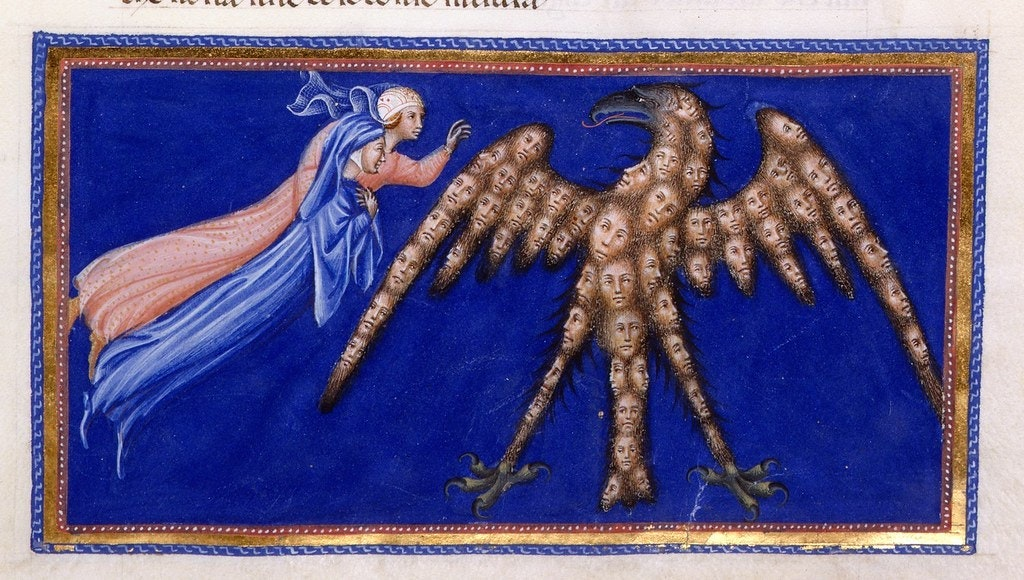
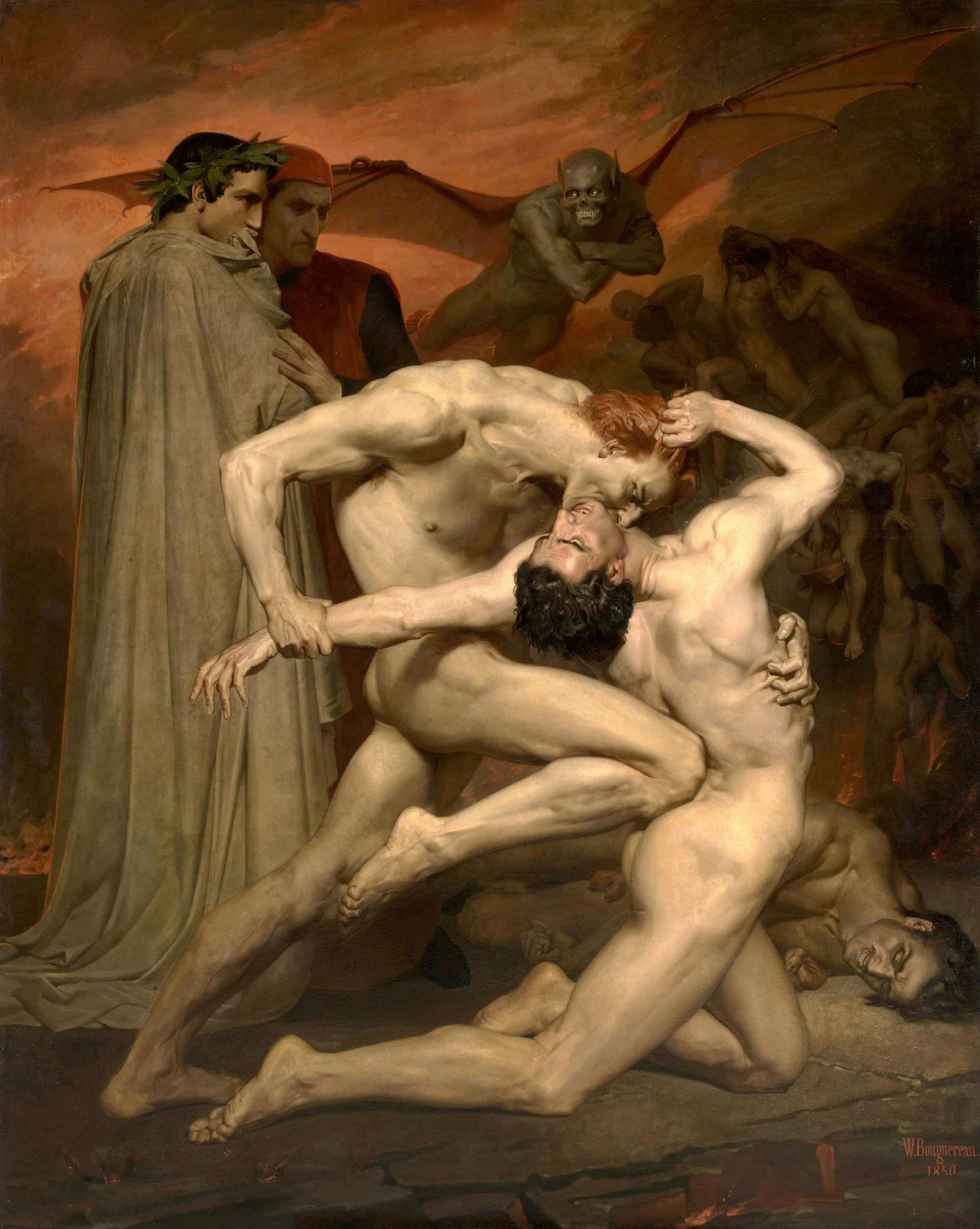
“Thy soul is by vile fear assailed, which oft so overcasts a man, that he recoils from noblest resolution, like a beast at some false semblance in the twilight gloom.” ― Dante Alighieri, Inferno, The Divine Comedy
The proto-fascistic transgressions of duopoly-based High Dollar rule has made MAGA authoritarianism all but inevitable. Why?  Because, in regard to the citizenry of the US, the conception of what it means to be a human being, while enclosed in cultrual atomization thus not possessing the capability of meaningful engagement within the polis, has been incrementally defined downward. The platitudes of the republic remain…as muttering ghosts as the billionaire class yawp in unimpeded ascendancy, “If we weren’t brilliant how then did we become billionaires? Just let go and let the tech-gods guide the course of your little lives.”

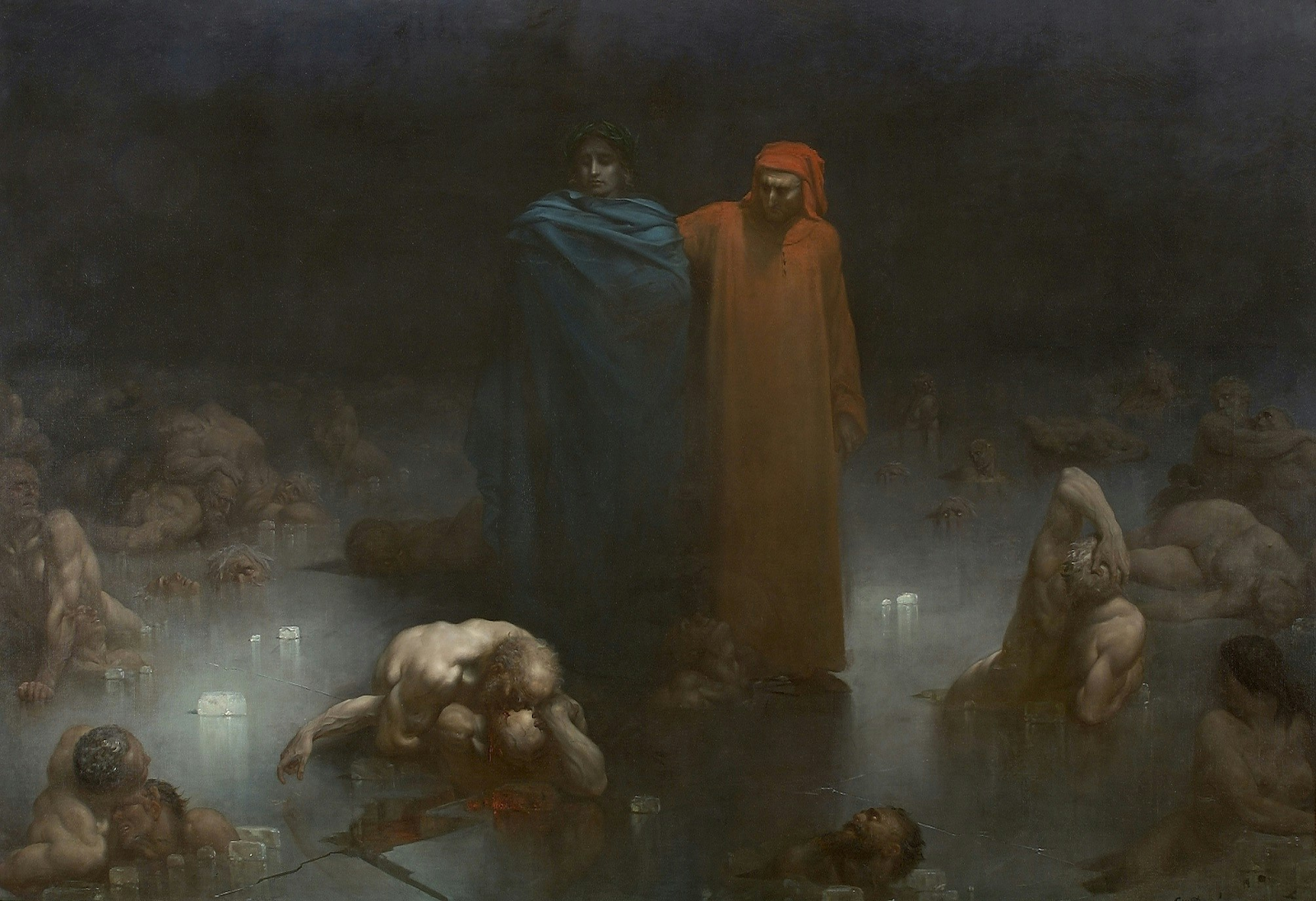
“These dwell among the blackest souls, loaded down deep by sins of differing types. If you sink far enough, you’ll see them all.” ― Dante Alighieri, Inferno, The Divine Comedy

Even before the rise of tech-authoritarianism there had been a significant measure of discourse regarding what was termed the “dumbing down of American life.” But  little examination has been directed at the pervasive corporate blandification (with its underpinning of building angst) of daily life in the nation  e.g., the manner by which the tones and textures of every day existence within the declining nation both attenuates the personality of an individual and renders the nation’s landscape (and mindscape) monotonous, stressful, and ugly.

Even within the perpetual thrall of the present hyper-commercialized, pixel-generated, collective mindscape, earthbound libido is crucial to survival. Envelopment within a tech-generated simulacrum causes the thoughts of the heart to wither. The human psyche, deracinated, loses crucial aspects of its humanity. A vital agora is not a luxury; the eros evinced therein makes humans human beings – as opposed to merely, tragically, a series of limbic system reactions beholden to electronically generated stimuli.

“My thoughts were full of other things When I wandered off the path.” ― Dante Alighieri, Inferno, The Divine Comedy

…Wandered, fuckwitted, to invidious places to which the mind is prone to go. Given the prevailing mindset of the present, there is no need for fascist-minded leaders to stage mass rallies replete with bonfires and torches blazing against the totalitarian darkness: The techno-corporate junta (waged by the power inherent to vast wealth inequality) has established and retrenched its reign by colonization of the psyche. Dopamine enhancement as bribe; in extremus, homelessness as punishment.

Corporate oligarchs, and their political bagmen, perched atop the present order do have a need for reeducation camps or the ever-vigilant gaze of neighborhood block captains. The citizenry have become our own, ever-vigilant minders; within us, we have in place vast networks of secret police informers — our own personal bully boy enforcers of corporate blandness and internal propagandist promulgating misdirected rage — whose predatory presence within renders the citizenry as empty as the blandifying architecture of the corporate nothingscape.

All as the political class grows bloated with the defacto bribes proffered by the moneyed class. The Democrats, displaying their cringe-inducing combination of fecklessness and smugness, continue to retail their grift of “sensible centrism” yet, concurrently, displaying extremism in their cupidity. In short, playing their part in the perpetuation of one party rule i.e., Money Party domination of every aspect of existence within the empire.

There is not a leftist voice in play in any manner in present day discourse, either cultural or political basis. Leftward perspectives (e.g., anti-genocidal) are not allowed entrance into the closed club of mainstream (now christened, legacy) punditry.  The alleged center has moved further and further rightward as the right has marched into the territory of discernible fascism and theocracy.

Mainstream Democrats and centrist pundits have adapted to the despair-inducing criteria of the era by appropriating the mandatory mode of mind when dominated by authoritarianism — self-annihilation by fecklessness.
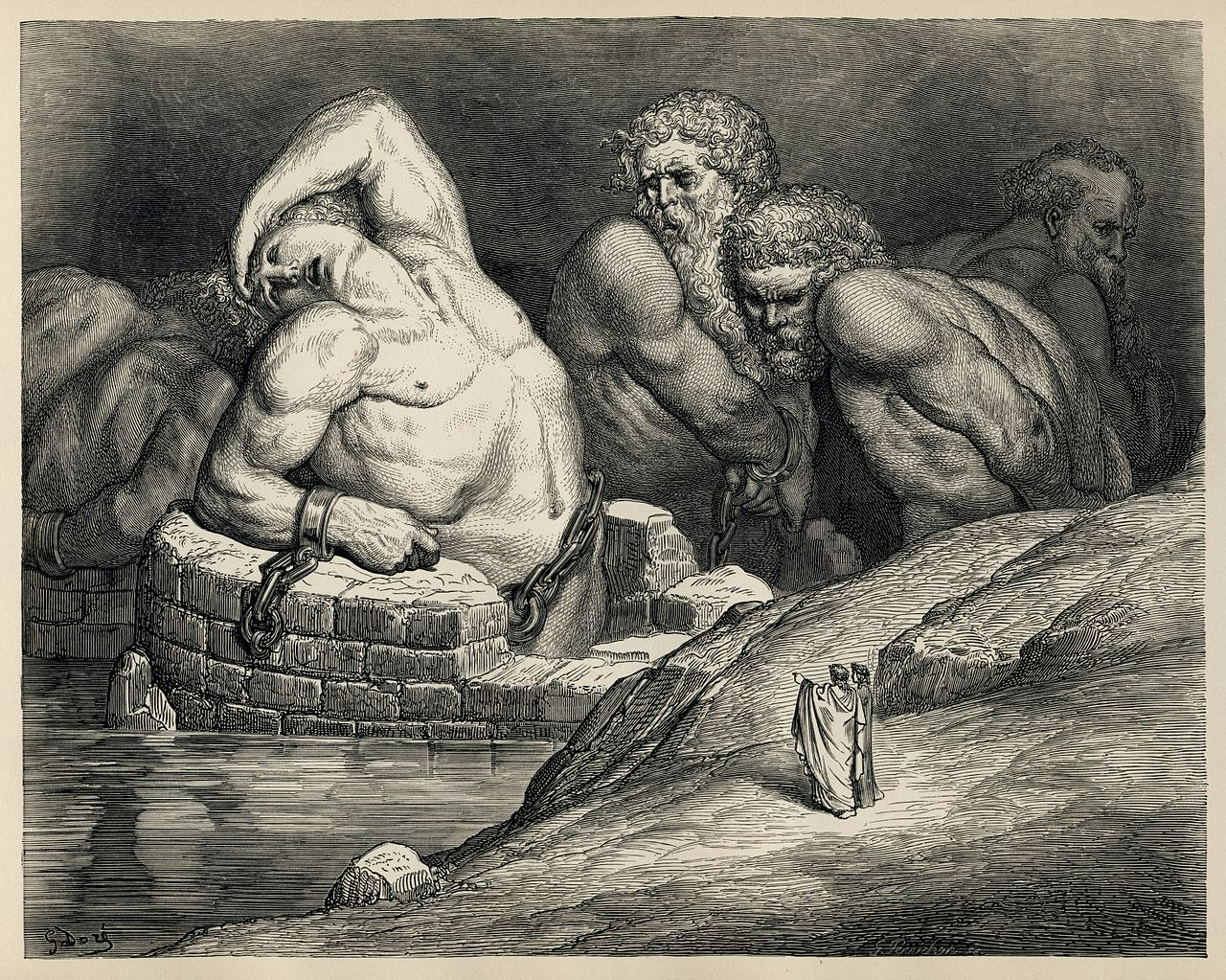
“So many times a man’s thoughts will waver, That it turns him back from honored paths, As false sight turns a beast, when he is afraid.” ― Dante Alighieri, Inferno, The Divine Comedy

How then is it possible to maintain the fantasy that voting every two to four years can alter the course of the ship of state, even when treacherous shoals are sighted on the horizon line?

And this arrives at the (heartless) center of the tragedy of corporate hegemony: The manner in which the system’s monomaniacal drive for excessive profits and the habitual consumerism mandatory to sustain the system serves to usurp our essential longings and passions. The absence, in contemporary life, of (non virtual) public space, wherein human to human discourse can flourish has created the social conditions inherent to the rise and pernicious influence of anti-democratic institutions such as the seething totalitarianism on display within the nation’s archipelago of megachurches.

The loss of communal connection, in confluence with unrepentant consumerism and soul-defying materialism has wrought, within the US populace, a desperate longing for group involvement — even for those ecstatic states involving the immersion of the rational mind found within the excesses of a totalitarian mob, even though most of the activity transpires as a sofa bound, social media Nuremberg rally.

Amid the terror and grim comedy of it all I am not going to cease resisting, therefore calling out, the hideous acts of terrible people and their denial-prone enablers. But I will do so by attempting to reach the reachable. Zombie capitalism and empire-as-colossus are belligerently obtuse and outright hostile in regard to gaining a sense of self-awareness hence evincing humanity.

The empire, authoritarian by nature, is careening into runaway train mode. My advice, knowing the histories of nations gripped by hyper-authoritarian proclivities…stop, look, and listen and get the living fuck off of the tracks. This train is not bound for glory but to the junkyard of imperialist wreckage. The question is, will it even be salvageable by way of parts.
For example, the parts being, the nation’s legacy of music, a divinely mutant soundscape, its ecosystem engendered by a polyglot culture resistant to the hysterical dictates of tone-deaf nativist shitheels.

These are the regions of the national soul we on the left must reclaim. Traditionally, music has aided progressives in the struggle. Woody Guthrie posited, all songs are political. Songs take up residence in our hearts and in the non-verbal areas of our minds where we harbor our deepest longings. There, they inform our perceptions of the world. It is this sublime terrain, existing beyond the material, that progressives have abandoned to frauds and flimflammers.

Lost, in our retreat from cultural resonance, has been our affinity with the spirit of defiance as evinced by Jim Crow era African Americans’ deep and penetrating longing for release from hard labor beneath an unforgiving Mississippi sun that found voice during late night, crossroads barroom freedom freighted in the Delta Blues and northeastward, urban dwellers found refuge from the dehumanizing, daylight demands of mid-twentieth century, Industrial Age existence by getting lost in the sublime of midnight transcendence delivered by Bebop and Free Jazz.

Also missing in (ecstatic) action has been an atmosphere (cultural and personal) of creative risk and abandon, whereby Jimi Hendrix would conjure and fuse the urban and rural spirits of Robert Johnson and John Coltrane, plus toss some Malcolm X into the mix then, a short time later, and further down a southbound road, Duane Allman would resurrect a redneck hippie, guitar Jesus who fed the post-honky tonk multitudes Orange Sunshine as he delivered an electric guitar Sermon On The Georgia Red Dirt Mount by fusing the spirits of Tim Leary, Martin Luther King, and the Carter Family. A few years later, across the Atlantic, the Sex Pistols would howl like Post-Industrial Age demons, trapped within the detritus of the crumbling British Empire . . . much like, nearly a decade and a half later, Kurt Cobain would have his short, Icarian flight across the flaming-out sun of the American Empire.

In order to restore humanity and its concomitant full-spectrum of numinous experiences to American life, we must wrest back the embrace of ecstatic states from brown shirt-prone, bible-caressers, and humor back from retrograde, rightist punch-down artists whose soul joke goes, my pronouns are…asshole.
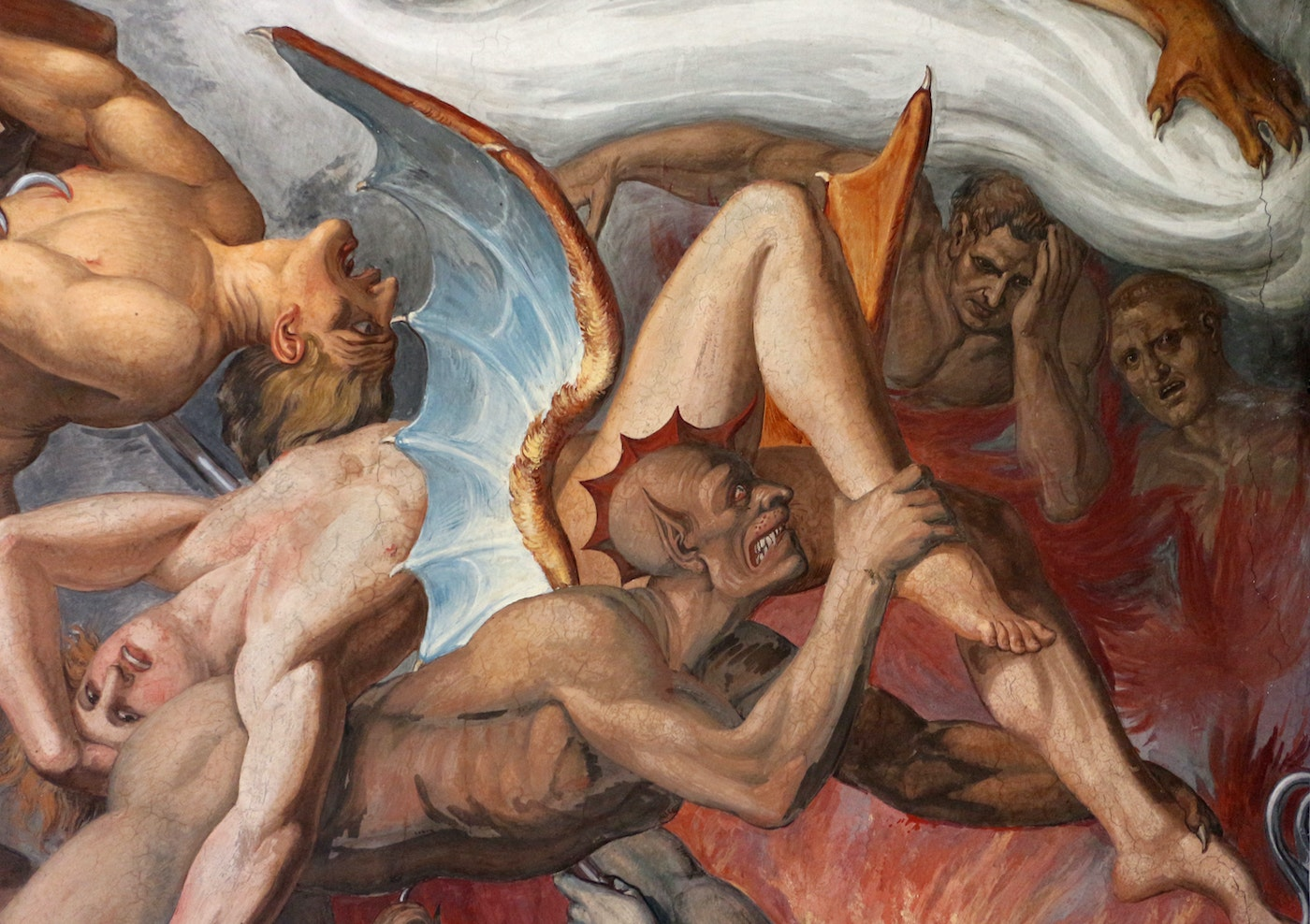
For pride and avarice and envy are the three fierce sparks that set all hearts ablaze.” ― Dante Alighieri, Inferno, The Divine Comedy

In conclusion, we are advised to live with the same degree of passion and fervor as fundamentalist Christian preachers … when they’re seeking out converts and, covertly, navigating grinder for apostles of the flesh and Trump on a late night X-binge. Or Musk’s  ardor to be the sperminator of Mars.

“Soon you will be where your own eyes will see the source and cause and give you their own answer to the mystery.” ― Dante Alighieri, Inferno

FacebookTwitterReddit

Phil Rockstroh is a poet, lyricist, and essayist. His poems, short fiction, poetry and essays have been published in numerous print publications and anthologies; his political essays have been widely posted on the progressive/left side of the internet. Visit and subscribe to  Phil’s Substack newsletter at https://substack.com/@philrockstrohRead other articles by Phil.

Are the Dead Nostalgic?


I was asking this question recently when the nightmare of the Israeli genocide of Palestinians greatly disturbed my reflections and took me in another writerly direction. Now I wish to return to this matter that seems perpetually pertinent, a pertinence, of course, not unconnected to the dead in Gaza, Ukraine, and everywhere else. There are so many ways of getting dead – and living – that complicate my question.

I am certain of this, however, that there is much to be said for talking to the dead, even asking them if they are nostalgic.

I have just awakened from a night of dreams in which I was cavorting with a bunch of the dead and they told me many things, one of which was to pursue my question into my daydreams, which this essay may be called, in the etymological sense of that word – to essay, that is, to try, to experiment without knowing where one is going. Surely one does not want to forget that life is an experiment into the unknown, as is its companion – death. And that all travel ends in the enigma of “arrival.”

Hokyoung Kim

Michel de Montaigne spoke for me when he said: “I am by nature not melancholy, but dreamy. Since my earliest days, there is nothing with which I have occupied my mind more than with images of death. Even in the most licentious season of my life, amid ladies and games….” So too for me, no matter how fiercely in my youth I competed on the basketball court to win accolades and the admiration of the ladies, I always felt I was performing for a deeper reason that I couldn’t articulate at the time but which I vaguely sensed.

I got a hint of it once, when after a game in which we won against our arch-rival and I played very well, a visitor to the locker room congratulated me by saying, “Great game,” and I responded with false modesty, saying “It was okay,” knowing that I did play very well but was unable to accept the compliment. I have never forgotten that incident that suggests to me that there was something deeper than playing well and just winning a game that I was after, and that my stupid response to the compliment revealed – or did it conceal? – this from me.

So I wonder: Why am I writing this essay? To win your applause? Something more? I know I am writing it for myself, but I could keep it private.

Perhaps you will agree that the question about the dead’s nostalgia is a touchy philosophical question that might have no definitive answer. Even if we could, in modern data-driven fashion, construct a sociological survey, how would we choose a “representative” sample of the dead? Where would we find them – up, down, way out there, next to us? The thought of it seems flippant in an impossible way, which it is, but its flippancy holds a secret message.

So I asked the dead who would speak to me and got a few mixed, muffled replies. You can understand their reluctance to say anything.

If I heard correctly, one of them said, “You should ask the living.” Another, who seemed offended that I considered him dead, said, “Why are you asking me?” Most didn’t answer, which had me wondering why. Were they disgusted with us?

But then I wondered: Who are the dead? That too is a touchy question.

I have always heard that nostalgia was not good for you since it kept you rooted in the past; that this ache for home (Greek, algos, pain + nostos, homecoming) – the good old days that may or may not have existed but you miss them nevertheless – prevented you from living Zen-like in the present or looking forward to the future.

Yet the English writer and art-critic John Berger suggested otherwise when he wrote that, paradoxical as it seems, there is also a nostalgia for the future that is hopelessly desired, not hopelessly lost. A journey, propelled by an “indefinable ache,” to an imagined future created out of recollected moments of love and beauty. While often found in the work of artists of all types, it is available to everyone open to revelations from out of the blue. But one must imagine, as John Lennon sang.

So I wondered if nostalgia could be a form of utopian hope at a time when humanistic utopian thinking is at a nadir, overwhelmed by constant bad news, subtle propaganda wherein contradictions and truths coexist in chaotic indifference, and the machine dreams of people like Elon Musk and the digital devils like those at the World Economic Forum and in Silicon Valley.

The denigration of nostalgia assumed you were alive. I was wondering about the dead. What did they think? Did they wish they were alive? Was being alive the good old days for them, or did they feel they were finally home and that life had been a dream?

Or did the dead have no future, no nothing, or perhaps some afterglow of sorts, an everlasting rest in peace, whatever that may mean, a phrase that always seemed to me a bad knock on life. Who wants to sleep forever as cemeteries (Greek koimeterion, sleeping place, dormitory) remind us by their eerie silence?

If sleep is peace, why bother to wake up in the morning?

But what about the other dead, the living-dead? Had they killed all livingness in themselves in order to avoid another death? To paraphrase T.S. Eliot – Were we led all this way for death or birth? Yes, the enigma of arrival.

I guess I was thinking that if I could get in touch with the dead and get them talking, they might also tell me what it was like to be dead. Although I am no statistical whiz, I figured there were a lot more of them than the living, and the odds were pretty good that someone there would spill the beans.

I thought of this recently when watching the new film about Bob Dylan’s early years, A Complete Unknown, when his film girlfriend, Sylvie Russo, based on the real Suze Rotolo, gets angry at him for concealing his true past and identity, and he replies, “People make up their past, Silly, they make up what they want; [they] forget the rest.”

This has a ring of truth to it, whether it’s from memory lapses or some sense of wanting to fictionalize their pasts for reasons known only to them. Our memories and forgetteries are interesting creative faculties.

But as I said, I was interested in the dead. Did they also do that? Were they nostalgic in the looking-back sense?

Yet their silence was deafening. I grew very frustrated. I felt my proclivity for abstruse questions might be leading me astray, away from my own nostalgia, an easier question to answer.

This thought came to me when I just heard the bell ring on my Hermes manual typewriter, and I returned the carriage to type these words.

Ah, the bells, the calling of the bells, their tinkling and tolling, the bells for meals at the Edgewater Farm of my youth, the bells of St. Brendan’s grammar school calling us to freeze our positions as we played in the street during lunch break, my tinkling of the bells in the sacred hush as an altar boy, the church bells still ringing at St. Peter’s church in town, Bob Dylan’s song Ring Them Bells, Edgar Allen Poe’s The Bells and Phil Ochs’ version in song, Leonard Cohen’s vesper bells in When Night Comes On, ringing for me, calling me somewhere, resonating “to the tintinnabulation that so musically wells” up thoughts that do often lie too deep for tears or laughter.

I hear the bells, but I still do not know if the dead are nostalgic.  It seems like the wrong question. For this daydream in words has brought me to that enigmatic place of arrival where I am nostalgic for my dear departed dead loved ones.  They still talk to me, but don’t answer obnoxious questions.

As for the past, I can echo the concluding words of Don DeLillo’s alter-ego, Nick Shay, in his great novel Underworld:

I long for the days of disorder. I want them back, the days when I was alive on the earth, rippling in the quick of my skin, heedless and real. I was dumb-muscled and angry and real.  This is what I long for, the breach of peace, the days of disarray when I walked real streets and did things slap-bang and felt angry and ready all the time, a danger to others and a distant mystery to myself.

As for the living, John Donne summoned it up:

Therefore, send not to know
For whom the bell tolls,
It tolls for thee.

Edward Curtin writes and his work appears widely. He is the author of Seeking Truth in a Country of LiesRead other articles by Edward, or visit Edward's website.
Here's the 'Fire Elon Musk' ad the Washington Post refused to run

A detail of an ad campaign led by Common Cause and the Southern Poverty Law Center Action Fund calling for Elon Musk to be fired. (Image: Courtesy of Common Cause)


John Queallyand
Common Dreams
February 17, 2025


Critics of the Jeff Bezos-owned Washington Post are targeting the newspaper over its "gutless" refusal to run a paid wrap-around advertisement that makes a prominent demand for President Donald Trump to fire mega-billionaire Elon Musk from his cohort of inner-most advisers.

The special ad, at a cost of $115,000, was orchestrated by the pro-democracy watchdog Common Cause, a progressive advocacy group and had been scheduled to be delivered to members of Congress as well as subscribers at the Pentagon and White House on Tuesday. On Friday, however, the group was notified by the newspaper that it was backing out of the arrangement.


"Elon Musk is attempting to run our government like one of his companies, and it's hurting the American people," reads some of the language of the campaign on which the ad is based. "Even more concerning is that President Donald Trump is allowing it to happen. It's time to say enough and FIRE Elon Musk from any role within our government."

The campaign, like the ad refused by the Post, points people to an online petition where they can back the demand Musk be fired and information to contact their members of Congress

"Our elected officials are totally abandoning their duty to their constituents while Elon Musk does as he pleases," reads the call to action. "Whether your senators are on the right, on the left, or in the center, they ALL need to hear from everyday Americans like us today."

The Hill, given an exclusive for the story, reports that one of the ironies of the situation is that when the Post gave Common Cause a sample look at how the advertisement would appear, the example was a previously run ad by the the American Fuel & Petrochemical Manufacturers (AFPM), an industry lobby group, highlighting the new president's promise to "end the electric vehicle mandate on Day 1," which included an image of a smiling Trump with his thumbs up.

"They gave us some sample art to show us what it would look like," Kase Solomón, president of Common Cause, explained. "It was a thank-you Donald Trump piece of art."

According to The Hill:
The ad’s design features a large picture of Musk with his head tilted back, laughing, along with a cutout image of the White House and large white text: “Who’s running this country: Donald Trump or Elon Musk?”Lower down on the page it features smaller font text stating: “Since day one, Elon has created chaos and confusion and put our livelihoods at risk. And he is accountable to no one but himself.”
“The Constitution only allows for one president at a time. Call your senators and tell them it’s time Donald Trump fire Elon Musk,” it says, followed by the URL FireMusk.org.


Here's what the ad was supposed to look like:


Solomón said it was not clear why the newspaper made its decision, but it seemed very much to do with the nature of the ad's content and possibly to with the political leanings of the Post's owner, the second-richest man in the world after Musk himself. Both men have major business interests that could be injured if they run afoul of President Trump.

"Is it because we’re critical of what's happening with Elon Musk?" asked Solomón. "Is it only okay to run things in The Post now that won't anger the president or won't have him calling Jeff Bezos asking why this was allowed?"

'Revoltingly un-American': Internet erupts after Trump posts photo crowning himself 'king'

(Image: White House Deputy Chief of Staff Taylor Budowich / X)

February 19, 2025
 ALTERNET

On Wednesday, President Donald Trump called himself a "king" on his social media platforms. Now, journalists, commentators and academics are sounding the alarm about the second-term president's apparent embrace of monarchy.

Trump initially used the term "king" on his Truth Social platform, in a post about New York City's "congestion pricing" tolls. That policy imposes a toll on drivers entering Manhattan during peak commuting hours as a means of decreasing traffic jams in the United States' largest city. The New York Times reported that Trump intends to revoke federal approval of congestion pricing, though the Metropolitan Transit Authority of New York (MTA) has already announced litigation to keep the policy in place.

"CONGESTION PRICING IS DEAD," Trump wrote. "Manhattan, and all of New York, is SAVED. LONG LIVE THE KING!"

READ MORE: 'Aren't you the boss?' Maddow supercut shows Trump being 'palpably scared' to talk about Putin

"We are a nation of laws, not ruled by a king," New York Governor Kathy Hochul wrote when announcing the MTA's intent to sue. "We'll see you in court."

A few minutes later, White House deputy chief of staff Taylor Budowich posted an AI-generated image of Trump wearing a crown and a cloak with the New York City skyline in the background, with Trump's "LONG LIVE THE KING" Truth Social post underneath. And shortly after, the official White House X account reposted the text of Trump's Truth Social post, and added an image of Trump wearing a gold crown and the text "LONG LIVE THE KING" at the bottom. Numerous commenters on social media condemned the president's posts.

"This is revoltingly un-American," Bulwark executive editor Adam Keiper wrote on Bluesky.

Keiper followed up his post by quoting President George Washington, who admonished a Revolutionary War colonel who suggested Washington coronate himself. The first president of the United States wrote: "I must view with abhorrence, and reprehend with severity [the idea]." Harvard Law Cyberlaw Clinic instructor Alejandra Caraballo reminded her followers that the United States was literally founded by "violently rebelling against a king." Political commentator Brian Tyler Cohen lamented the Trump administration's pro-monarchy stance, writing: "They're not even hiding it." And Gizmodo reporter Matt Novak wryly commented that Trump was "not talking about 

READ MORE: (Opinion) Presidents or dictators? Battle for power raises alarm as Trump turns to the Supreme Court

"Donald Trump is openly calling himself a king," wrote YouTube host Keith Edwards. "Any Republican who pretends they don't know where this is going is lying to you."

University of Michigan policy professor Don Moynihan observed that the post came on the same day that Trump called Ukrainian President Volodymyr Zelensky a "dictator" and falsely accused him of starting the war with Russia despite Russia invading Ukraine in 2022 (eight years after its illegal annexation of the Crimean Peninsula).

"Every member of the news media needs to ask every Republican, elected or not, if they believe Donald Trump is their king," podcaster Bob Cesca wrote on Bluesky.

Trump's "king" post also comes just a few days after he quoted Napoleon Bonaparte when he wrote: "He who saves his country does not violate any law." Former FBI counterterrorism official Frank Figliuzzi noted that the Napoleon quote was more recently used by far-right neo-Nazi terrorist Anders Breivik, who massacred 78 people in Norway in 2011 after writing a 1,500-page manifesto blaming feminism and diversity for the decline of Europe.


I PREFER MY MEME


Proposal to eliminate State Library and PBS governing boards passes Arkansas Senate

COMING TO DC SOON

Photo by roderick Sia on Unsplash

February 18, 2025


A proposal to abolish the boards that oversee public libraries and educational public television programs in Arkansas passed the state Senate on Monday and will go to the House next.

Twenty-three Republican senators voted to approve Senate Bill 184, which would transfer the powers and authorities of the Arkansas State Library Board and the Arkansas Educational Television Commission to the state Department of Education.


The Arkansas State Library Board oversees public libraries and disburses state funds to them on a quarterly basis, and the Arkansas Educational Television Commission oversees Arkansas PBS’ programs and finances. Both boards are already under the umbrella of the education department but act independently.

Similarly to Thursday’s meeting of the Senate Committee on State Agencies and Governmental Affairs, lawmakers spent more time Monday debating the bill’s potential impact on Arkansas PBS than on the Arkansas State Library.

Democratic Sens. Jamie Scott of North Little Rock and Clarke Tucker of Little Rock expressed concerns that Arkansas PBS would lose both federal and private funding if its governance were no longer independent of the executive branch. CEO and Executive Director Courtney Pledger made similar comments Thursday before the committee; Tucker was the only panel member to vote against SB 184.

Sen. Jamie Scott, D-North Little Rock, speaks against a bill that would abolish the Arkansas State Library Board and the Arkansas Educational Television Commission on the Senate floor on Monday, February 17, 2025. (Tess Vrbin/Arkansas Advocate)

Arkansas PBS’ funds include approximately $5.8 million from state general revenue, $2.5 million from the federal Corporation for Public Broadcasting and $1.7 million in private donations, agency Chief Financial Officer Jason Kunau said Thursday.

“Local projects that tell the stories of Arkansan people and their stories and their histories and their struggles — those stories could be lost if they lose this funding,” Scott said.

Tucker noted that the education department would have to apply for the network’s Federal Communications Commission license, which the Arkansas Educational Television Commission currently holds. He also mentioned that Arkansas PBS provides emergency alerts throughout the state, and Scott added that funding cuts would hurt PBS’ ability to broadcast high school sports.

Sen. Terry Rice, R-Waldron, asked Scott if she was “familiar with the audit findings” that put Arkansas PBS under legislative scrutiny in 2023. Its regularly scheduled 2022 audit indicated that administrators might have sidestepped state laws related to contract bidding.

Scott said she was “aware that the audit finding was bad” but did not think dissolving the network’s board was the solution.

A specially requested audit of the network’s expenditures, purchasing procedures and “internal controls” from July 1, 2021 to Dec. 30, 2023, concluded last year, with auditors referring the findings to a prosecuting attorney. Pledger told lawmakers in September that the agency had learned from its “mistakes and errors.”

Sen. Dan Sullivan, R-Jonesboro, is the sponsor of SB 184 and one of the Legislature’s most vocal critics of Arkansas PBS. He told the Senate that both the Arkansas Educational Television Commission and the Arkansas State Library Board should have taken action in situations that drew concern from lawmakers and members of the public.

“Our libraries are great resources. AETN and PBS are great resources,” Sullivan said. “They’re not operating well. There’s poor leadership, and that poor leadership falls to the board.”

Gov. Sarah Huckabee Sanders appointed Sullivan’s wife, Maria, to the Arkansas Educational Television Commission last June.

Arkansas State Library Board refuses to reject American Library Association, withhold funds


The State Library Board held its first quarterly meeting of 2025 on Friday. Former Republican Sen. Jason Rapert of Conway urged his fellow board members to reject the American Library Association and to withhold funds from libraries where “sexually explicit” content is accessible by children. Both motions failed.

Sullivan criticized the State Library Board for its continued relationship with the American Library Association, which is a nonprofit trade organization that advocates for public libraries and helps them secure grant funding.


Rapert and Sullivan have both repeatedly decried ALA’s statement that access to libraries should not be restricted based on a person’s age. Far-right conservatives nationwide have claimed this statement is proof that the ALA believes in forcing content about sexual activity and LGBTQ+ topics onto children.

Sullivan said Monday that ALA’s stated commitment to diversity, equity and inclusion is a reason to detach from the organization. He is sponsoring Senate Bill 3, which is on Sanders’ desk and would “prohibit discrimination or preferential treatment” by public entities in Arkansas if she signs it.

He is also sponsoring Senate Bill 181, which is expected to be heard in committee Tuesday. The bill would loosen the current requirement that library directors hold a master’s degree “from an accredited American Library Association program.” It also would allow someone with “work experience in the field of library operations” but without a master’s degree to run a library with approval from its local governing board.

Sullivan told his colleagues that any emails they’ve gotten urging them to vote against SB 184 are mostly “false” and a result of “mass hysteria.”

Arkansas PBS is based at the University of Central Arkansas in Conway, which is represented by Sen. Mark Johnson, R-Ferndale. Johnson said one reason he supported the bill was because the Arkansas PBS Foundation has been lobbying him to vote against it.

“I’m not against lobbyists, I used to be one, but I think there should be a line between what private people do with their money… and when funds that are raised to support an institution such as this [are] channeled to hire lobbyists to come defeat specific legislation,” Johnson said. “I’m bothered, and I would be bothered by it if it were something unrelated to this entity.”

Republican Sens. Jane English of North Little Rock and Jimmy Hickey of Texarkana joined the chamber’s six Democrats in voting against SB 184. Sen. Bryan King, R-Green Forest, was absent.
Sen. Missy Irvin (left), R-Mountain View, asks a question of Sen. Clarke Tucker (right), D-Little Rock, on the Senate floor on Monday, February 17, 2025. (Tess Vrbin/Arkansas Advocate)

Three Republican senators did not vote: Alan Clark of Lonsdale, Jim Dotson of Bentonville and Missy Irvin of Mountain View.

Irvin declined to comment when asked why she did not vote. She and Tucker agreed during the debate that the Legislature has the power to restructure the Arkansas Educational Television Commission without abolishing it, such as shortening members’ eight-year terms or removing the eight current members to allow the governor to replace them.

Arkansas State Library Board members also serve eight-year terms. Sanders’ most recent appointment to the board is Sydney McKenzie, wife of state Rep. Brit McKenzie, R-Rogers.


Arkansas Advocate is part of States Newsroom, a nonprofit news network supported by grants and a coalition of donors as a 501c(3) public charity. Arkansas Advocate maintains editorial independence. Contact Editor Sonny Albarado for questions: info@arkansasadvocate.com.

Played for suckers: Kansas farmer blasts Trump voters in scathing editorial


Photo by Benjamin Davies on Unsplash
February 17, 2025

Back in November, I wrote a column for Kansas Reflector that discussed the likely adverse effects of President Trump’s proposed tariffs on U.S. farmers.

The piece noted that 398 million acres of cropland has been added to the mix around the world since the start of this century, notably in tropical regions such as Brazil and India. There is increasing competition for U.S. farmers in export markets. The United States alone cannot absorb all that we produce here.

Many farmers voted for Trump because he promised less regulation and greater prosperity for America’s farmers. The hard truth is that, like most of the folks who voted for Trump, farmers failed to do their homework about the reality of the new administration. All of this has occurred in the context of higher input costs and tight margins for virtually all crops.

We are now living and working in an environment where the only constant is chaos. Chaos produces uncertainty, and that leads to loss of trust. The buyers of U.S. farm products are not going to deal with nations that cannot be trusted. There are plenty of options in today’s world for those buyers to bypass the United States. Why on God’s green earth would they put up with the insanity that we have in Washington now?

It is almost laughable that some Republicans have come to the defense of Trump’s proposed tariffs, and that some of those same Republicans have promised to help the farmers who feel the impact.

Really?

We have an unelected multibillionaire who in effect bought the Trump presidency now running amok in Washington. On the one hand, we see unprecedented efforts (that is, without the advice and consent of the Congress) by some entity called DOGE to slash government spending, and on the other we hear some of Trump’s cronies promise aid for farmers. The two cannot be squared. Setting aside your political views, this is an unprecedented assault on the Constitution and the separation of powers.

Take your pick of programs. The Climate Smart programs designed to help farmers monetize carbon reduction practices on their farms are going away. The future of the 45Z tax credit is, well, who knows? What about export assistance programs urgently needed to help U.S. farmers counter the effects of the Trump tariffs and the rise of our global competitors, such as Brazil and India? And how about the price subsidies that featured prominently in the U.S. Department of Agriculture’s farm support programs?

 What happens when NOAA is defunded?

How about the effect of “soft power” from the programs that USAID has provided in many impoverished parts of the world? By some accounts, USAID buys about $2 billion dollars of US farm products annually. USAID is being dismantled by the dodgy group. To his credit, Sen. Jerry Moran has spoken loudly about this travesty. Others must do the same, or our political and economic competitors will fill the gap.

Who suffers? Most certainly not Trump and his band of billionaires. Farmers, small towns and Main Street businesses bear the brunt of this ill-conceived approach.

Don’t bet the farm on help coming your way from this administration. Remember the old saying: Fool me once, shame on you. Fool me twice, shame on me. My fellow farmers — you’ve been played. This nation cannot exist as an island. But that is the path that this administration is on, and the onus is on responsible folks from all political persuasions to find common ground to stop this madness.

Farmers, are you listening? These fundamental questions go to the heart of our democracy. From what we have seen this far, this nation is on a path that is at odds with our established role in the world, and the economic and social consequences could be unprecedented.

*****

Like Minnesota Reformer, Kansas Reflector is part of States Newsroom, a nonprofit news network supported by grants and a coalition of donors as a 501c(3) public charity. Kansas Reflector maintains editorial independence. Contact Editor Sherman Smith for questions: info@kansasreflector.com.

Minnesota Reformer is part of States Newsroom, a nonprofit news network supported by grants and a coalition of donors as a 501c(3) public charity. Minnesota Reformer maintains editorial independence. Contact Editor J. Patrick Coolican for questions: info@minnesotareformer.com.