SALVATORE CAVALLI
Sat, June 21, 2025
PORTICELLO, Italy (AP) — A British-flagged luxury superyacht that sank off Sicily in 2024, killing U.K. tech magnate Mike Lynch and six others, has been recovered from the sea.
The 56-meter (184-foot) Bayesian was lifted by salvage crews near the port of Porticello, where it sank on Aug. 19 last year during a violent storm.
A floating crane platform will move the Bayesian to the Sicilian port of Termini Imerese, where a special steel cradle is waiting for it. The vessel will then be made available for investigators to help determine the cause of the sinking.
___
This is a photo gallery curated by AP photo editors.

The hull of the superyacht Bayesian, which sank near Palermo, Sicily, on August 19, 2024, is pulled out of the sea off the village of Porticello and dewatered, Saturday, June 21, 2025. (AP Photo/Salvatore Cavalli)ASSOCIATED PRESS

The hull of the superyacht Bayesian, which sank near Palermo, Sicily, on August 19, 2024, is lifted by cranes during salvage operations off the village of Porticello Saturday, June 21, 2025. (AP Photo/Salvatore Cavalli)ASSOCIATED PRESS

The hull of the superyacht Bayesian, which sank near Palermo, Sicily, on August 19, 2024, is lifted by cranes during salvage operations off the village of Porticello Saturday, June 21, 2025. (AP Photo/Salvatore Cavalli)ASSOCIATED PRESS

The salvage operations of the hull of the superyacht Bayesian, which sank near Palermo, Sicily, on August 19, 2024, are seen through the bridge of the Italian Coast Guard ship 'Diciotti' off the village of Porticello Saturday, June 21, 2025. (AP Photo/Salvatore Cavalli)ASSOCIATED PRESS

The hull of the superyacht Bayesian, which sank near Palermo, Sicily, on August 19, 2024, is lifted by cranes during salvage operations off the village of Porticello Saturday, June 21, 2025. (AP Photo/Salvatore Cavalli)ASSOCIATED PRESS

The hull of the superyacht Bayesian, which sank near Palermo, Sicily, on August 19, 2024, is lifted by cranes during salvage operations off the village of Porticello Saturday, June 21, 2025. (AP Photo/Salvatore Cavalli)ASSOCIATED PRESS

The hull of the superyacht Bayesian, which sank near Palermo, Sicily, on August 19, 2024, is pulled out of the sea off the village of Porticello and dewatered, Saturday, June 21, 2025. (AP Photo/Salvatore Cavalli)ASSOCIATED PRESS

Memebers of the media on the Italian Coast Guard ship 'Dattilo' watch the hull of the superyacht Bayesian, which sank near Palermo, Sicily, on August 19, 2024, being pulled out of the sea and dewatered off the village of Porticello Saturday, June 21, 2025. (AP Photo/Salvatore Cavalli)ASSOCIATED PRESS

The hull of the superyacht Bayesian, which sank near Palermo, Sicily, on August 19, 2024, is pulled out of the sea off the village of Porticello and dewatered, Saturday, June 21, 2025. (AP Photo/Salvatore Cavalli)ASSOCIATED PRESS

The hull of the superyacht Bayesian, which sank near Palermo, Sicily, on August 19, 2024, is pulled out of the sea off the village of Porticello and dewatered, Saturday, June 21, 2025. (AP Photo/Salvatore Cavalli)ASSOCIATED PRESS

The hull of the superyacht Bayesian, which sank near Palermo, Sicily, on August 19, 2024, is pulled out of the sea and dewatered off the village of Porticello Saturday, June 21, 2025. (AP Photo/Salvatore Cavalli)ASSOCIATED PRESS

The hull of the superyacht Bayesian, which sank near Palermo, Sicily, on August 19, 2024, is lifted by cranes during salvage operations off the village of Porticello Saturday, June 21, 2025. (AP Photo/Salvatore Cavalli)ASSOCIATED PRESS
APTOPIX Italy Britain Superyacht
Luxury yacht Bayesian raised out of Mediterranean near Sicily
DPA
Sat, June 21, 2025

The superyacht Bayesian, owned by tech tycoon Mike Lynch, is lifted to the surface near the fishing town of Porticello. The yacht sank off the Italian coast on August 19, 2024, claiming seven lives, including Lynch, his daughter Hannah, and Morgan Stanley International Chairman Jonathan Bloomer and his wife, Judy.
Peter Byrne/PA Wire/dpa
The luxury yacht Bayesian was finally lifted out of the water off the Italian Mediterranean island of Sicily on Saturday, 10 months after it sank in a storm.
On Sunday, the wreck is to be taken to the port of Termini Imerese, where the public prosecutor's investigation and expert reports are to continue.
The local coastguard coordinated the delicate operation off the town of Porticello, north-east of Palermo. With the help of special cranes, the 56-metre-long sailing yacht was first lifted from a depth of around 50 metres before it was pumped empty and stabilized.
The superyacht, which had been declared unsinkable, capsized during a storm last August. Seven people died, including the owner - British software billionaire Mike Lynch - and his 18-year-old daughter.
According to a British investigation into the incident, the Bayesian was not designed for the extreme weather conditions with wind speeds of up to 130 kilometres per hour.
Since the start of the salvage operation, drones with infrared sensors and patrol boats have been monitoring the area to detect possible environmental hazards stemming, for instance, from the 18,000 litres of fuel authorities say are still in the wreck.
The Italian public prosecutor's office is also on site to secure evidence, document any construction defects and clarify the cause of the accident.
So far, it is investigating possible breaches of duty by the New Zealand captain and two other crew members, who are accused of ignoring storm warnings and bringing themselves to safety while leaving passengers behind.

The superyacht Bayesian, owned by tech tycoon Mike Lynch, is lifted to the surface near the fishing town of Porticello. The yacht sank off the Italian coast on August 19, 2024, claiming seven lives, including Lynch, his daughter Hannah, and Morgan Stanley International Chairman Jonathan Bloomer and his wife,
Judy. Peter Byrne/PA Wire/dpa
“Bayesian ”Yacht Hoisted Out of Water Months After Sicily Sinking Killed 7, Including Tycoon Mike Lynch and His Daughter
“Bayesian ”Yacht Hoisted Out of Water Months After Sicily Sinking Killed 7, Including Tycoon Mike Lynch and His Daughter
The doomed vessel was fully lifted out of the waters on June 21
David Chiu, Rachel Raposas
Sun, June 22, 2025

Peter Byrne/PA Images via GettyMike Lynch's superyacht the Bayesian being lifted near Porticello, Sicily
NEED TO KNOW
The Bayesian was fully lifted from the sea on June 21
The recovery effort, facilitated by British-based company TMC Marine, began on June 17 — roughly 10 months after the yacht's sinking on Aug. 19, 2024
The sinking killed seven, including British tech businessman Mike Lynch and his daughter Hannah
Ten months after a luxury yacht sank off the coast of Sicily, killing seven, the doomed vessel was fully lifted out of the waters.
The 183-foot-long Bayesian yacht was finally lifted from the water off the coast of Porticello on Saturday, June 21, according to a news release obtained by PEOPLE from TMC Marine, the British-based company organizing the recovery effort.
Recovery efforts began on June 17, when the yacht's 72-meter mast was detached to allow the vessel's hull to "partially parbuckle," TMC Marine stated in a previous release. With the help of lifting slings, the yacht then shifted into an upright position while still underwater.
TMC Marine then used its "floating heavy lifting asset," the HEBO LIFT 10, to ease the vessel to a completely upright position on Friday, June 20, after which the machinery officially lifted the yacht to the surface the following day.

Peter Byrne/PA Images via GettyMike Lynch's superyacht the Bayesian
After being fully lifted from the water, the Bayesian will be held in an upright position overnight, then transferred to a "specially manufactured steel cradle that awaits on the quayside" on Sunday, June 22, the release stated.
Marcus Cave, Head of Naval Architecture and a Director of TMC Marine, said: “This was a complex and precise lifting operation to recover Bayesian, and followed a step-by-step programme of salvage work."
"The salvage team has progressed in a systematic way that prioritized the safety of all working on site and minimized any potential impact on the environment. This care for personnel and for the environment will continue as Bayesian is transported into port tomorrow," he added.

ABC The superyacht Bayesian
The Bayesian sank on Aug. 19, 2024, into the waves of the Tyrrhenian Sea after what the Italian coast guard described a “violent storm.” At the time, the vessel carried 22 people: 12 passengers and 10 crew.
Fifteen people were soon rescued after the sinking. Four days later, following complicated and protracted search and rescue efforts, the bodies of seven victims were found. They were identiifed as British tech businessman Mike Lynch and his daughter Hannah; Chairman of Morgan Stanley International Jonathan Bloomer and his wife, Judy Bloomer; New York City-based lawyer Christopher Morvillo and his wife, jewelry designer Neda Morvillo; and chef Recaldo Thomas.

The recovered Bayesian superyacht takes its final journey to a Sicilian port
Associated Press
Before the tragedy, the group was "celebrating Lynch's acquittal" after a lengthy legal saga that dated back to the 2011 sale of Autonomy, a business software company Lynch founded, to Hewlett Packard, a source close to the survivors told PEOPLE.
In May, the U.K.'s Marine Accident Investigation Branch released the interim findings of their safety investigation into what happened, which included a reconstruction of the final minutes before the ship sank.
Although questions had been raised about whether the boat was properly secured — such as the hatches being left open to water — the new report found that weather was the primary risk, and that a burst of intense winds is believed to have tipped over the luxury yacht within a matter of seconds. Additionally, officials also determined that some of the ship’s vulnerabilities to weather were not known to the owner or crew.
However, investigators wrote, "There is the possibility that new evidence may become available that might alter the circumstances as depicted in this report."
In addition to the safety investigation, a parallel criminal investigation is being led by Sicilian prosecutors.
The deckhand as well as the ship's skipper and chief engineer are all reportedly under investigation for possible multiple manslaughter and negligent shipwreck charges, but have not yet been formally accused of any crime.
Bayesian superyacht lifted from seabed
Nick Squires
THE TELEGRAPH
Sat, June 21, 2025
The Bayesian superyacht is due to be transported to a port on the coast of Sicily on Sunday after salvage experts pumped it empty of seawater and raised it above the surface of the sea.
In an operation that lasted from dawn on Saturday until the evening, the battered vessel was gradually raised by a giant yellow crane attached to a floating platform.
As it emerged, it was evident that its hull was smeared with algae and mud, its guard rails bent out of shape and its deck canopy badly ripped.
Sat, June 21, 2025
The Bayesian superyacht is due to be transported to a port on the coast of Sicily on Sunday after salvage experts pumped it empty of seawater and raised it above the surface of the sea.
In an operation that lasted from dawn on Saturday until the evening, the battered vessel was gradually raised by a giant yellow crane attached to a floating platform.
As it emerged, it was evident that its hull was smeared with algae and mud, its guard rails bent out of shape and its deck canopy badly ripped.

The wreck of the yacht was lifted from the seabed off the coast of Sicily
- Igor Petyx/Reuters
The stump of its enormous 72-metre (236ft) metal mast could clearly be seen – the rest of it had been cut by a remote-controlled underwater robot earlier in the week to make the vessel easier to manoeuvre.
A hatch on the port side of the yacht, through which jet skis and other small craft could be lowered into the water, appeared to be securely shut.
If confirmed by investigators, that would contradict suggestions by the yacht’s Italian manufacturers that it may have been left open by the crew, allowing seawater to rush in and capsize the boat. The boat builders have repeatedly insisted that the vessel was “unsinkable” but critics say its huge mast made it vulnerable to strong winds.

The yacht was was pulled from a depth of 150ft by giant cranes
The word “Bayesian” could clearly be seen on the stern of the once sleek and shiny superyacht.
Although the 56-metre (184ft) vessel was mostly above the sea surface on Saturday evening, its keel remained in the water to provide stability and “hold her firm for the night,” said a spokesman for TMC Marine, the British company that is in charge of the operation.
On Sunday, the giant Dutch-operated platform, the Hebo Lift 10, will transport the British vessel to the large industrial port of Termini Imerese, about 15 miles along the coast of Sicily.
There it will be lifted into a specially designed steel cradle on the quayside, ready for weeks of painstaking inspection by investigators who want to find out how the vessel sank so quickly during a storm last August.

Sunken Bayesian superyacht lifted from waters off Sicily as salvage operation completed
Associated Press
It was sheltering from the lashing rain and screaming winds when it went down about half a mile off the fishing port of Porticello.
The disaster claimed the lives of seven people, including British tech billionaire Mike Lynch and his 18-year-old daughter
“This was a complex and precise lifting operation to recover Bayesian, and followed a step-by-step programme of salvage work,” said Marcus Cave, the director of London-based TMC Marine.
Journalists and camera crews were able to observe the raising of the £30 million Bayesian from an Italian coast guard ship anchored a few hundred yards away.

The last picture taken of the Bayesian before it sank off the coast of Sicily
- X @Khorakhane100
The yacht had been raised from a depth of 150ft to the surface on Friday but remained partially submerged.
Speaking on the deck of the coast guard ship, Captain Michele Maltese said the yacht’s fuel tanks remain intact, but that thermal cameras were being used to check for any potential leaking of the 18,000 litres of fuel that the Bayesian still carries.
“We are here to make sure there’s no leakage or impact on the environment,” he said. “Our job is to deliver the yacht to the judicial authorities in the best possible condition.”
The British yacht was originally expected to be raised last month, but salvage efforts were delayed after a Dutch diver died during underwater work on May 9, prompting greater use of undersea drones and other remote-controlled equipment.
The yacht had been raised from a depth of 150ft to the surface on Friday but remained partially submerged.
Speaking on the deck of the coast guard ship, Captain Michele Maltese said the yacht’s fuel tanks remain intact, but that thermal cameras were being used to check for any potential leaking of the 18,000 litres of fuel that the Bayesian still carries.
“We are here to make sure there’s no leakage or impact on the environment,” he said. “Our job is to deliver the yacht to the judicial authorities in the best possible condition.”
The British yacht was originally expected to be raised last month, but salvage efforts were delayed after a Dutch diver died during underwater work on May 9, prompting greater use of undersea drones and other remote-controlled equipment.

1406 Bayesian Yacht rescue problems
Inquest proceedings in the UK are looking at the deaths of Mr Lynch and his daughter Hannah, as well as Jonathan Bloomer, chairman of Morgan Stanley International bank, 70, and his wife, Judy Bloomer, 71, who were all British nationals.
Marine Accident Investigation Branch investigators said in an interim report last month that the Bayesian was knocked over by “extreme wind”.
The yacht had a vulnerability to winds, but the owner, captain and crew would not have known of its inherent structural weaknesses, the report said.

Mr Lynch and his 18-year-old daughter Hannah died when the yacht capsized
US lawyer Chris Morvillo and his wife Neda Morvillo, as well as Canadian-Antiguan chef Recaldo Thomas, also died.
Fifteen people, including Mr Lynch’s wife, Angela Bacares, were rescued.
The tycoon founded software giant Autonomy in 1996 and was cleared in June last year of carrying out a massive fraud over the sale of the firm to Hewlett-Packard (HP) in 2011.
The cruise around the Mediterranean was a celebration of his acquittal in the case in the US.
Salvage crews pump water from Mike Lynch’s superyacht ahead of recovery
Nick Squires
Sat, June 21, 2025
THE TELEGRAPH

The yacht is lifted to the surface near the fishing town of Porticello as part of a £21 million operation to recover the wreck
Water is being pumped out of the Bayesian superyacht as the British vessel is gradually lifted out of the sea off the coast of Sicily.
The 56-metre (184ft) vessel is expected to be lifted clear of the water on Saturday as part of a 25 million euro (£21 million) operation to recover the wreck for investigators to examine.
It is being cradled by eight steel cables which are attached to a giant crane on board a floating platform called the Hebo Lift 10, brought all the way from the Netherlands.
The yacht sank in a violent storm last August with the loss of seven lives including Mike Lynch, the billionaire British tech businessman and his teenage daughter Hannah.
Journalists and camera crews were taken out to the coast guard ship from the fishing port of Porticello, just half a mile from where the Bayesian capsized 10 months ago.
Over the past few days, salvage teams have worked to ease the hull into an upright position and give access to the yacht’s right side, which had previously been lying flat on the seabed 50 metres underwater.
“The Bayesian is on the surface but not clear of the sea as yet,” a spokesman for British salvage company TMC Marine told The Telegraph.
“Pumping out of sea water will continue and it will be lunchtime, following a series of lifting and resting procedures to satisfy the salvage team, before Bayesian is fully and finally out of the water.”
The yacht is lifted to the surface near the fishing town of Porticello as part of a £21 million operation to recover the wreck
Water is being pumped out of the Bayesian superyacht as the British vessel is gradually lifted out of the sea off the coast of Sicily.
The 56-metre (184ft) vessel is expected to be lifted clear of the water on Saturday as part of a 25 million euro (£21 million) operation to recover the wreck for investigators to examine.
It is being cradled by eight steel cables which are attached to a giant crane on board a floating platform called the Hebo Lift 10, brought all the way from the Netherlands.
The yacht sank in a violent storm last August with the loss of seven lives including Mike Lynch, the billionaire British tech businessman and his teenage daughter Hannah.
Journalists and camera crews were taken out to the coast guard ship from the fishing port of Porticello, just half a mile from where the Bayesian capsized 10 months ago.
Over the past few days, salvage teams have worked to ease the hull into an upright position and give access to the yacht’s right side, which had previously been lying flat on the seabed 50 metres underwater.
“The Bayesian is on the surface but not clear of the sea as yet,” a spokesman for British salvage company TMC Marine told The Telegraph.
“Pumping out of sea water will continue and it will be lunchtime, following a series of lifting and resting procedures to satisfy the salvage team, before Bayesian is fully and finally out of the water.”

Pumping the water out of the yacht will make it lighter and easier to transport - Francesco Bellina
Pumping out the water from the Bayesian will make the vessel lighter and easier to manoeuvre, a senior coast guard officer said.
Speaking on the deck of the coast guard ship Diciotti, captain Michele Maltese said the yacht’s fuel tanks remain intact, but that thermal cameras are being used to check for any potential fuel leaks.
“We are here to make sure there’s no leakage or impact on the environment,” he said.
“Our job is to deliver the yacht to the judicial authorities in the best possible condition.”
The yacht’s 72-metre (236ft) mast, which was cut off earlier this week by a remote controlled sub, will be retrieved from the seabed next week.
The battered Bayesian will be transported on Sunday to the port of Termini Imerese along the coast of Sicily.
It was originally expected to be raised last month, but salvage efforts were delayed after a diver died during underwater work on May 9, prompting greater use of remote-controlled equipment.
About 70 specialist personnel had been mobilised to Porticello from across Europe to work on the recovery operation, which began last month.
Inquest proceedings in the UK are looking at the deaths of Mr Lynch and his daughter, as well as Morgan Stanley International bank chairman Jonathan Bloomer, 70, and his wife, Judy Bloomer, 71, who were all British nationals.
Marine Accident Investigation Branch investigators said in an interim report that the Bayesian was knocked over by “extreme wind”.
The yacht had a vulnerability to winds, but the owner, captain and crew would not have known of its inherent structural weaknesses, the report said.

A storm is believed to have made the yacht sink in August last year, causing seven people to lose their lives - Peter Byrne
US lawyer Chris Morvillo and his wife Neda Morvillo, and Canadian-Antiguan national Recaldo Thomas, who was working as a chef on the vessel, also died.
Fifteen people, including Mr Lynch’s wife, Angela Bacares, were rescued.
Mr Lynch and his daughter were said to have lived in the vicinity of London and the Bloomers lived in Sevenoaks in Kent.
The tycoon founded software giant Autonomy in 1996 and was cleared in June last year of carrying out a massive fraud over the sale of the firm to Hewlett-Packard (HP) in 2011.



 '
'
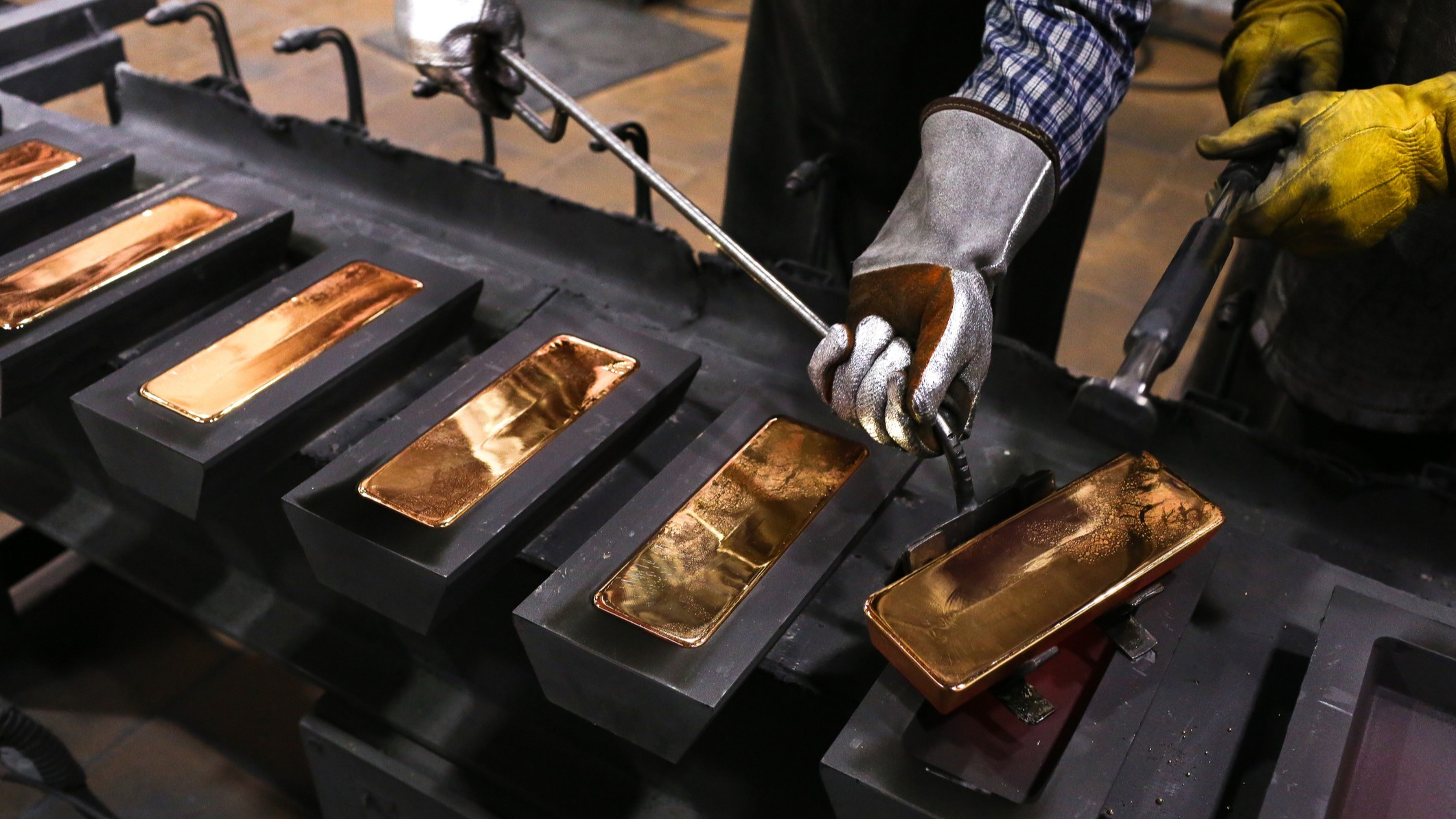 \\\\\\\\\\\\\\\\\\\\\\\\\\\\\\\\\\\\\\\\\\\\\\\\\\\\\\\\\\\\\\\\\\\\\\\\\\\\\\\\\\\\\\\\\\\\\\\\\\\\\\\\\\\\\\\The gold that geologists can detect in Earth's crust is a tiny fraction of the amount the planet actually holds. (Image credit: Bloomberg Creative via Getty Images)


