Brazil's Lula beats odds and seals re-election, rival Bolsonaro demands annulment
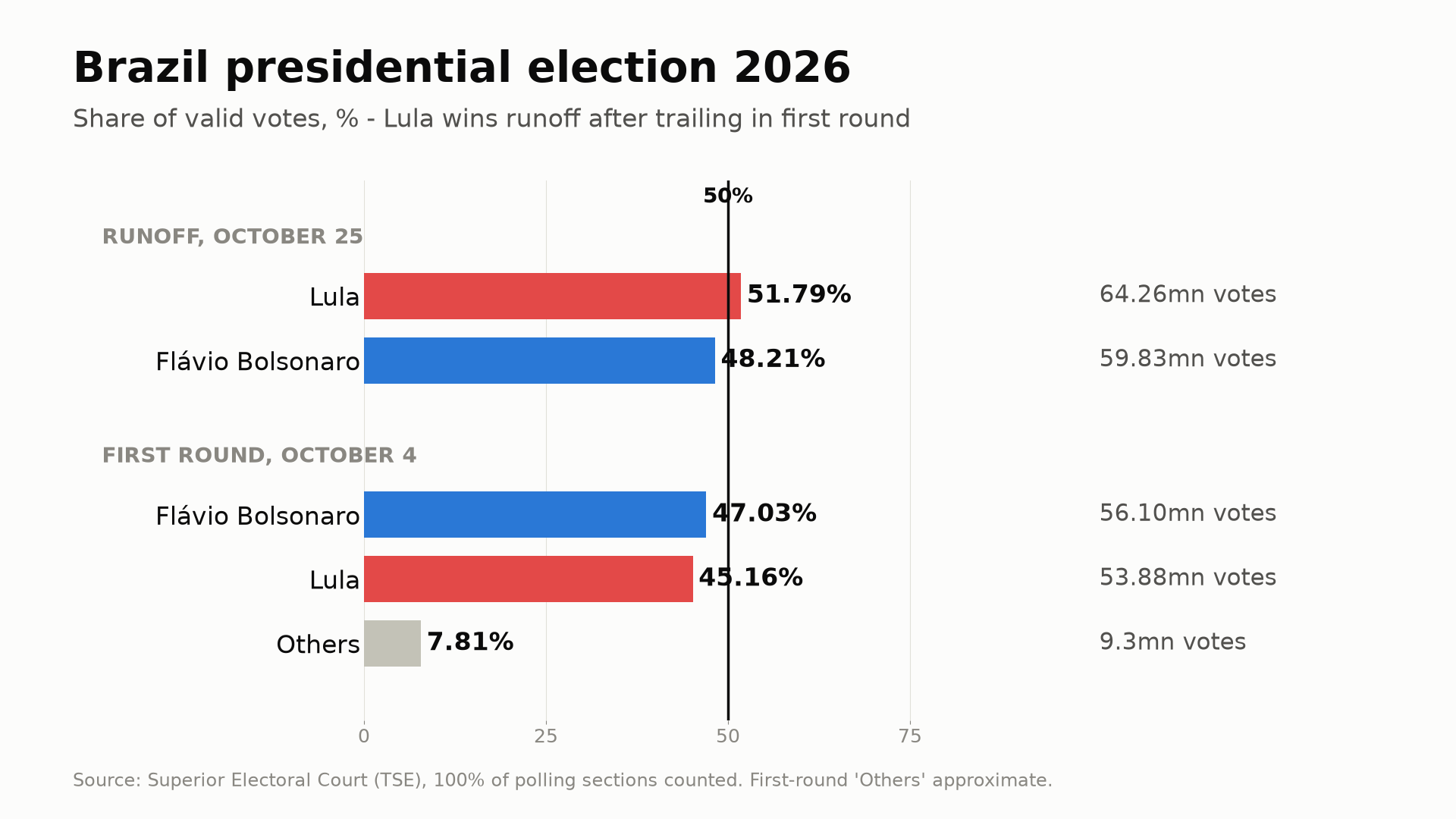
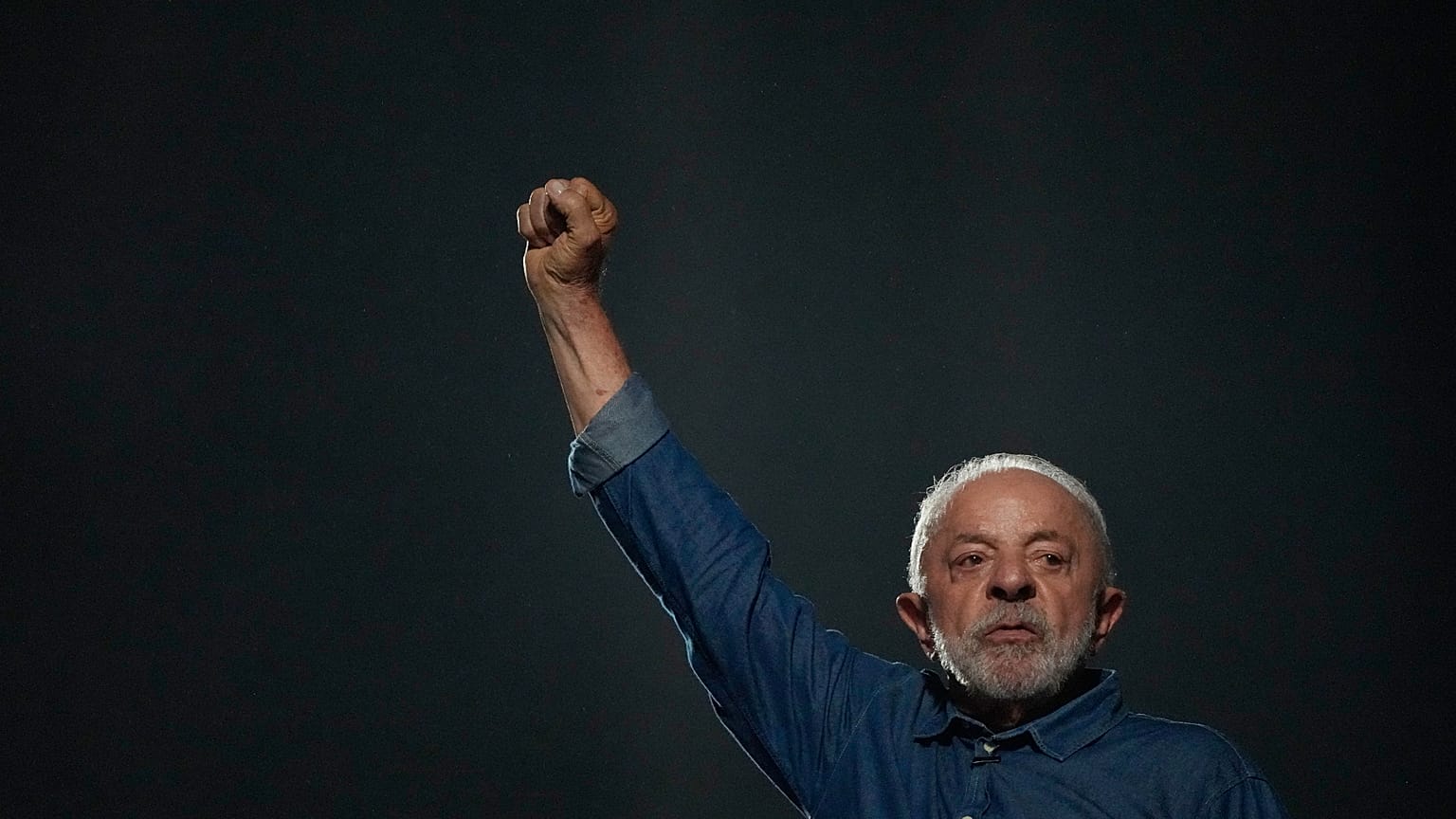
Brazilian President Luiz Inacio Lula da Silva, nearly 81 years old, clinched a fourth term in a tight runoff against Flavio Bolsonaro on Sunday. The leftist leader won 51.7% of the vote, compared to 48.2% for the son of former president Jair Bolsonaro, official results showed. Bolsonaro has refused to accept the loss and said he would seek to annul the vote.
Issued on: 26/10/2026
By: FRANCE 24


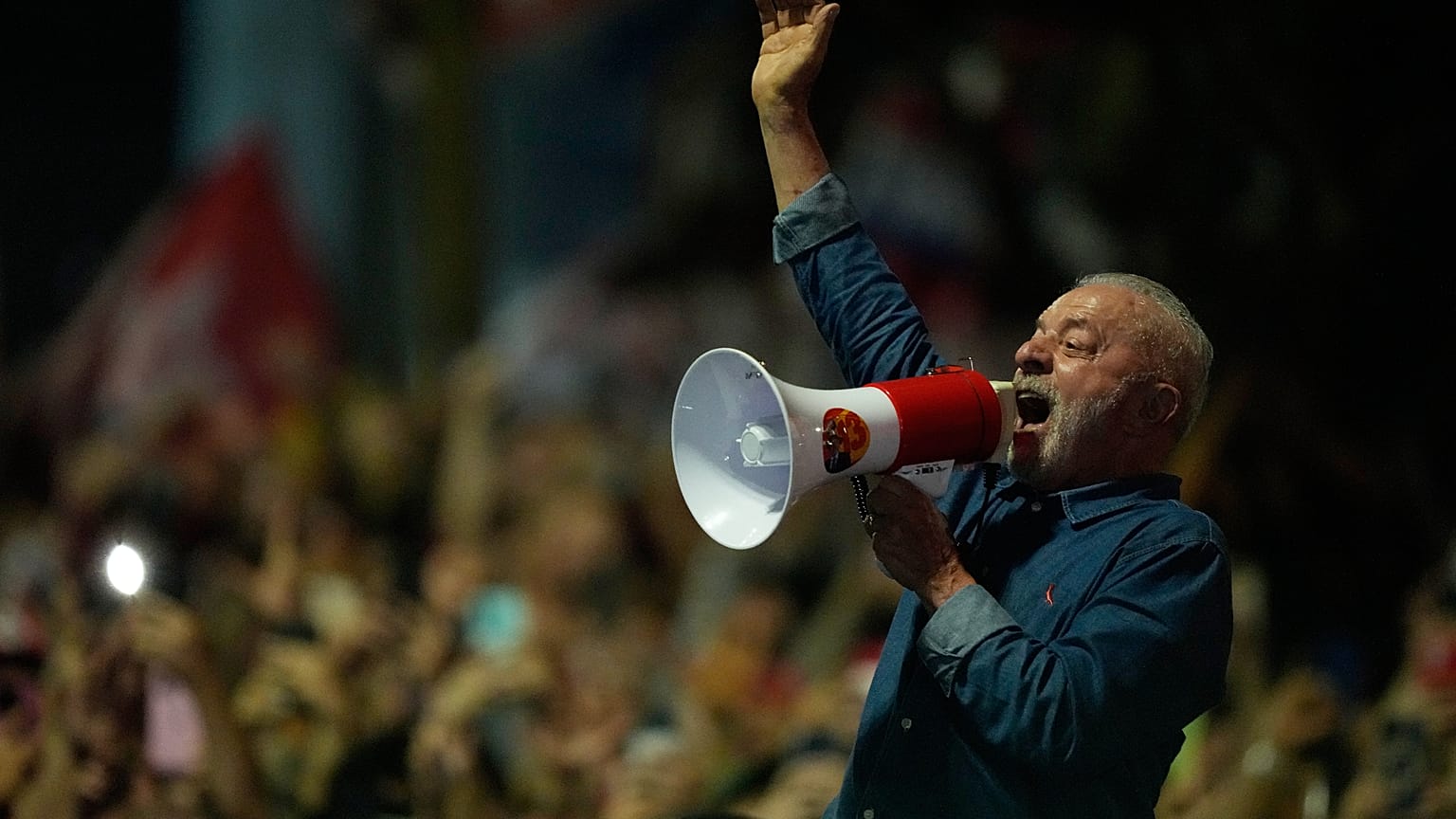
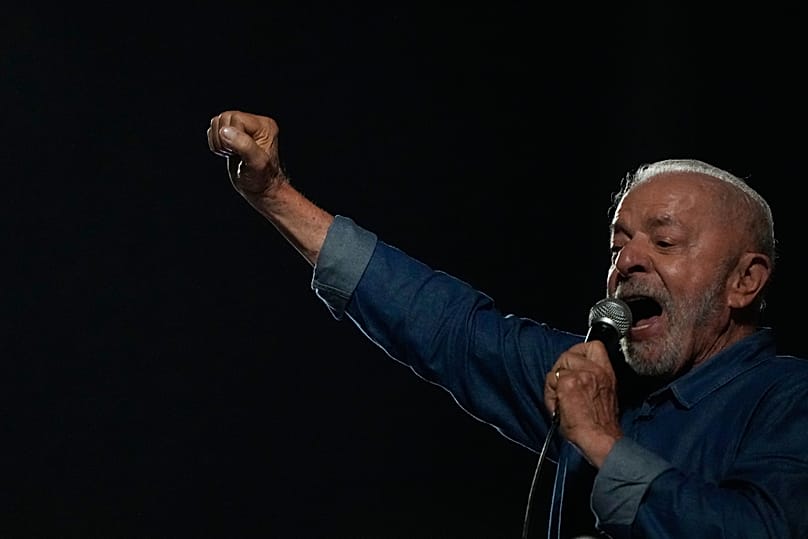
No candidate who lost the first round has gone on to win the second in Brazil since 1989, the first direct election after the end of the country's military dictatorship. "People went to vote because we managed to convince them that voting was very important for ensuring democracy in the country," Lula said in his first comments after the win.
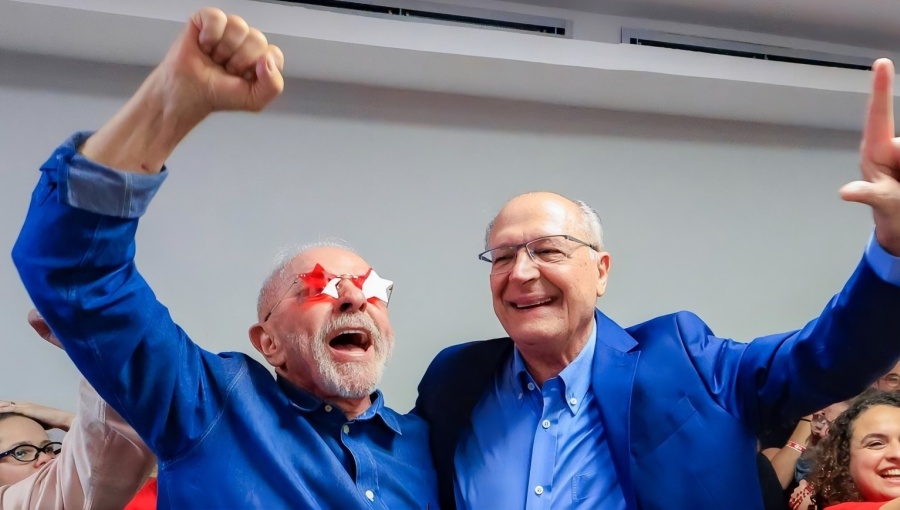
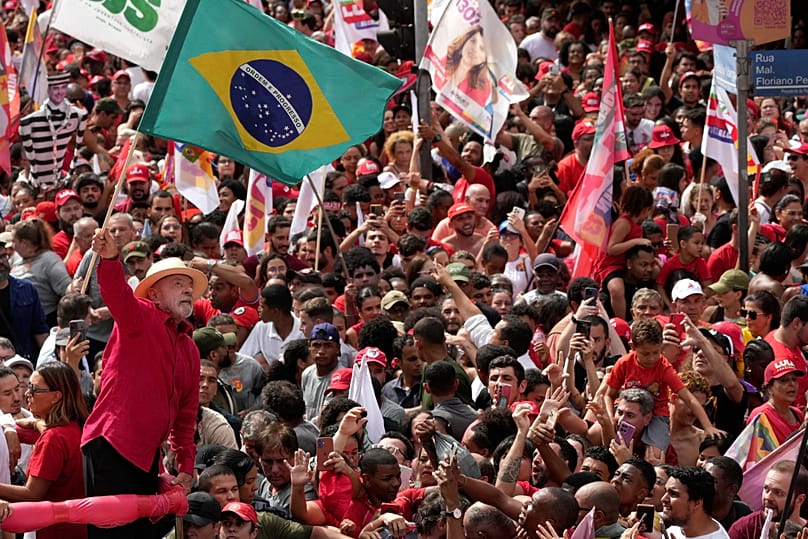
Fireworks and vuvuzelas rang out in Rio de Janeiro, while thousands of people dressed in red, the color of Lula's Workers' Party, streamed into the streets of Sao Paulo to celebrate.
At times, Lula's re-election looked like a long shot, as voters soured on him and his Workers' Party after years of corruption scandals and rising prices, while sweeping societal changes left the former metalworker and union leader looking out of touch with an increasingly app-based economy and its growing ranks of informal workers.
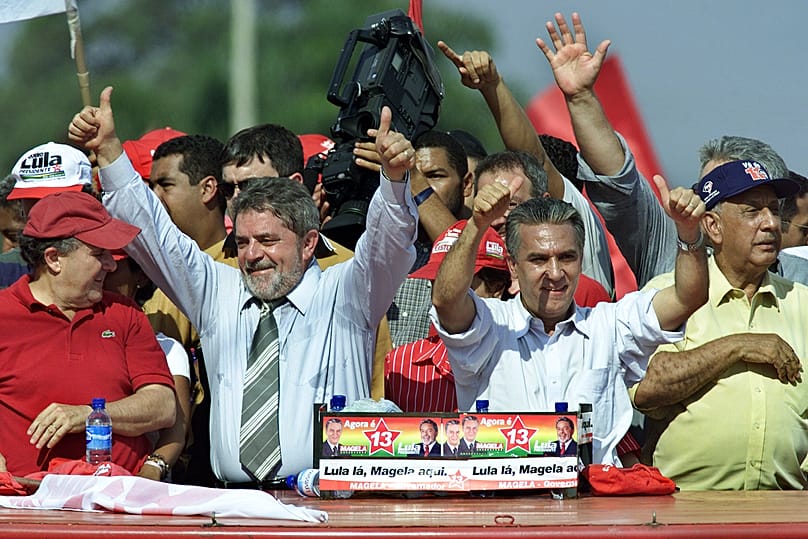
Lula's victory marks another comeback in a career full of them. The 80-year-old was jailed from 2018 to 2019 on corruption charges that were later overturned, paving the way for him to beat Jair Bolsonaro in the 2022 election.
"He is a statesman, a giant," leftist federal lawmaker Erika Hilton, who was with Lula in Sao Paulo during the vote count, told Reuters.
Unlikely path to victory
Pollsters said better-than-expected turnout had powered Lula to victory. Leonardo Barreto, the co-founder of consultancy Think Policy, said voters had chosen Lula's familiar embrace over Bolsonaro's novelty.
"People today are choosing between change, with some apprehension, and a known path, which guarantees certain rights," he said.
During the campaign, Lula pointed to a track record of falling poverty and inequality, while unemployment, illiteracy and deforestation hit record lows during his third term.
He warned Bolsonaro would cut welfare spending, backslide on social advances and hand over Brazil's sovereignty to US President Donald Trump, whose State Department led a campaign to get the Bolsonaros back to power.
Lula's win deprives Trump of a major addition to what has been a growing bloc of friendly right-wing Latin American governments that have embraced Washington's agenda on security and migration.
Celso Amorim, a former Lula foreign minister, told Reuters the leftist "would be very important for establishing a point of balance in Latin America. Lula is that balance".
Comeback king
Lula becomes the first candidate since Brazil's return to democracy in the 1980s to be elected after finishing second in the first round.
Lula, who was president between 2003 and 2011, campaigned on a potent mix of pragmatism and populism that has shaped his career in national politics for half a century, rolling out a slew of reforms aimed at improving the lives of workers and poor Brazilians.
These gained steam with late-campaign pledges that ranged from free nationwide weekend public transport, which has to be formally submitted to Congress, to a 15% increase in his trademark welfare program that is already being implemented.
Lula also championed a constitutional amendment that became Brazil's biggest labor reform in decades, which passed with wide support in Congress.
A fierce social media battle drew in Meta, parent company of WhatsApp, Facebook and Instagram, which Lula's campaign accused of favoring his opponent with "algorithmic manipulation".
Meta denied this but acknowledged that some of Lula's campaign ads had been mistakenly deactivated due to technical errors. "We are going to have to regulate them," Lula said of social media companies after his win.
Challenging legislative reality
Still, Lula's fourth term could be his most difficult yet, after Brazil elected its most conservative Congress since returning to democracy in the 1980s.

Combined, Bolsonaro's Liberal Party (PL) and allied parties could control over 280 seats in the lower house and up to 50 seats in the Senate, enough for comfortable majorities in both chambers.
"He is likely to be a lame duck from the start," said Oliver Stuenkel, a professor of international relations at the Getulio Vargas Foundation in São Paulo.
The incoming legislature will likely deepen recent trends of presidents ceding power to Congress, Stuenkel said, predicting Lula will face waning influence over Supreme Court nominations, unwieldy party coalitions, and even the threat of impeachment.
Brazilian President Luiz Inacio Lula da Silva, nearly 81 years old, clinched a fourth term in a tight runoff against Flavio Bolsonaro on Sunday. The leftist leader won 51.7% of the vote, compared to 48.2% for the son of former president Jair Bolsonaro, official results showed. Bolsonaro has refused to accept the loss and said he would seek to annul the vote.
Issued on: 26/10/2026
By: FRANCE 24
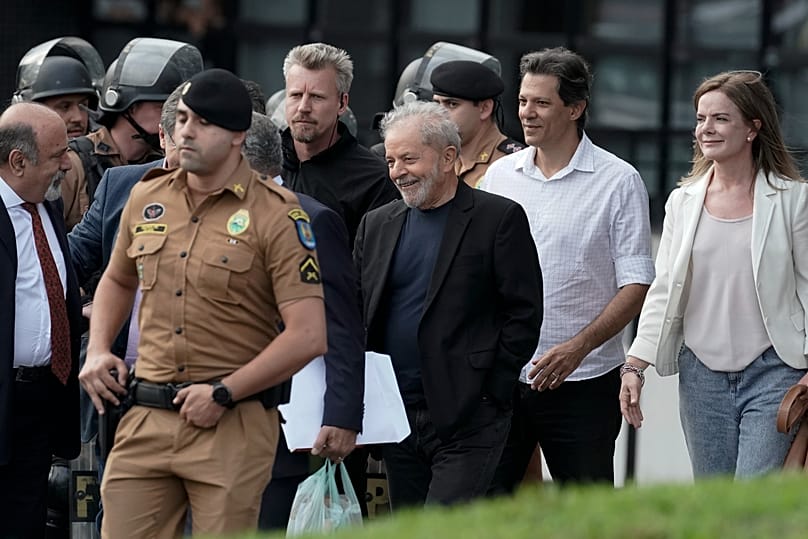
Cover image: Brazilian President Luiz Inacio Lula da Silva outside his residence on the day of the presidential runoff election, in Sao Paulo, Brazil, October 25, 2026. © Tuane Fernandes, Reuters
05:55
Brazilian President Luiz Inacio Lula da Silva won an unprecedented fourth term on Sunday, the country's electoral court said, in a shock result that defied polls, precedent and global anti-incumbent sentiment to put the brakes on a wave of right-wing election victories across Latin America.
Lula, an icon of the global left and the most dominant force in Brazilian politics this century, defeated Senator Flavio Bolsonaro, the eldest son of former President Jair Bolsonaro. The senator had finished first in the election's first round and hoped to revive his father's far-right movement. Bolsonaro is serving a 27-year jail term for attempting a coup after his loss to Lula in the country's last election in 2022.
Sunday's vote was marked by confusion after a Supreme Court ruling extended voting by two hours as some polling stations had already closed. The move came at the request of Lula who complained that buses had been pulled from circulation in various cities, barring citizens from voting.
Flavio Bolsonaro also requested an extension in some regions due to heavy rains, but he described the decision as "unacceptable" and a "dirty trick".
"It is impossible to recognise the results. I am going to request the annulment of these elections," he said, stone-faced, in a brief speech in Brasilia.
Cover image: © France 24
01:54
01:54
No candidate who lost the first round has gone on to win the second in Brazil since 1989, the first direct election after the end of the country's military dictatorship. "People went to vote because we managed to convince them that voting was very important for ensuring democracy in the country," Lula said in his first comments after the win.
Fireworks and vuvuzelas rang out in Rio de Janeiro, while thousands of people dressed in red, the color of Lula's Workers' Party, streamed into the streets of Sao Paulo to celebrate.
At times, Lula's re-election looked like a long shot, as voters soured on him and his Workers' Party after years of corruption scandals and rising prices, while sweeping societal changes left the former metalworker and union leader looking out of touch with an increasingly app-based economy and its growing ranks of informal workers.
Lula's victory marks another comeback in a career full of them. The 80-year-old was jailed from 2018 to 2019 on corruption charges that were later overturned, paving the way for him to beat Jair Bolsonaro in the 2022 election.
"He is a statesman, a giant," leftist federal lawmaker Erika Hilton, who was with Lula in Sao Paulo during the vote count, told Reuters.
Unlikely path to victory
Pollsters said better-than-expected turnout had powered Lula to victory. Leonardo Barreto, the co-founder of consultancy Think Policy, said voters had chosen Lula's familiar embrace over Bolsonaro's novelty.
"People today are choosing between change, with some apprehension, and a known path, which guarantees certain rights," he said.
During the campaign, Lula pointed to a track record of falling poverty and inequality, while unemployment, illiteracy and deforestation hit record lows during his third term.
He warned Bolsonaro would cut welfare spending, backslide on social advances and hand over Brazil's sovereignty to US President Donald Trump, whose State Department led a campaign to get the Bolsonaros back to power.
Lula's win deprives Trump of a major addition to what has been a growing bloc of friendly right-wing Latin American governments that have embraced Washington's agenda on security and migration.
Celso Amorim, a former Lula foreign minister, told Reuters the leftist "would be very important for establishing a point of balance in Latin America. Lula is that balance".
Comeback king
Lula becomes the first candidate since Brazil's return to democracy in the 1980s to be elected after finishing second in the first round.
Lula, who was president between 2003 and 2011, campaigned on a potent mix of pragmatism and populism that has shaped his career in national politics for half a century, rolling out a slew of reforms aimed at improving the lives of workers and poor Brazilians.
These gained steam with late-campaign pledges that ranged from free nationwide weekend public transport, which has to be formally submitted to Congress, to a 15% increase in his trademark welfare program that is already being implemented.
Lula also championed a constitutional amendment that became Brazil's biggest labor reform in decades, which passed with wide support in Congress.
A fierce social media battle drew in Meta, parent company of WhatsApp, Facebook and Instagram, which Lula's campaign accused of favoring his opponent with "algorithmic manipulation".
Meta denied this but acknowledged that some of Lula's campaign ads had been mistakenly deactivated due to technical errors. "We are going to have to regulate them," Lula said of social media companies after his win.
Challenging legislative reality
Still, Lula's fourth term could be his most difficult yet, after Brazil elected its most conservative Congress since returning to democracy in the 1980s.
Cover image: Supporter of Brazil's Luiz Inacio Lula da Silva celebrate after he won a fourth term as president © SILVIO AVILA / AFP
02:01
02:01
Combined, Bolsonaro's Liberal Party (PL) and allied parties could control over 280 seats in the lower house and up to 50 seats in the Senate, enough for comfortable majorities in both chambers.
"He is likely to be a lame duck from the start," said Oliver Stuenkel, a professor of international relations at the Getulio Vargas Foundation in São Paulo.
The incoming legislature will likely deepen recent trends of presidents ceding power to Congress, Stuenkel said, predicting Lula will face waning influence over Supreme Court nominations, unwieldy party coalitions, and even the threat of impeachment.
Economic headwinds
Lula faces an economy that his government forecasts will grow a meager 2.3% next year, adding to fiscal concerns tied to high interest rates and public debt that has risen past 82% of GDP, the highest since the pandemic.
The president's critics blame spending, though interest costs have driven most of the increase in debt.
Goldman Sachs said it expects Lula to make modest progress at most to contain spending in a fourth term, as he stays committed to a state-led growth model.
Surging household debt also concerns economists. Trying to address the issue, Lula rolled out a provisional ban on online betting and unveiled a new debt relief program during the campaign.
The incoming right-wing Congress will try to pass structural reforms that favor businesses, experts say, prompting spending cuts that could fuel social upheaval.
Lula received congratulations from Chile's far-right president, Jose Antonio Kast, and Ecuador's right-wing Daniel Noboa – both close Trump allies.
Mexico's left-wing President Claudia Sheinbaum wrote on X, saying "Long live democracy, the people of Brazil won."
(FRANCE 24 with Reuters and AFP)
President Luiz Inacio Lula da Silva will have to wrestle with a divided Brazil, an unfriendly Congress, feeble public finances and a Donald Trump-shaped menace during his unprecedented fourth term.
Issued on: 26/10/2026 -
By:FRANCE 24
Days before his 81st birthday, the former union leader won Sunday's runoff with 51.7 percent of the vote over 48.2 percent for his right-wing challenger Flavio Bolsonaro.
The narrow result confirms the political divide that has split Brazil for a decade and shows that Bolsonarism remains strong, despite its far-right leader's 27-year prison sentence for attempting a coup.
Here are the main challenges awaiting Lula in his next mandate.
Governability
As in his current term, Lula will not have a majority in Congress.
Legislative elections earlier this month bolstered the right, making Bolsonaro's Liberal Party the leading force with 121 out of 513 deputies and 28 out of 81 senators.
To get his proposals through, Lula will depend heavily on the so‑called "Centrao", a bloc of centre-right parties that usually backs whoever is in power in exchange for benefits.
But negotiating with them is becoming increasingly difficult, according to political scientist Mayra Goulart of the Federal University of Rio de Janeiro.
Lawmakers now decide the fate of an ever larger share of the federal budget, she told AFP, giving them "more independence from the executive".
Money
Economically, "Brazil's three big problems are the fiscal problem, the fiscal problem, and the fiscal problem," economist Mauro Rochlin of the Getulio Vargas Foundation (FGV) told AFP.
The state spends more than it collects, public debt exceeds 80 percent of GDP, and Brazil's central bank maintains one of the world's highest interest rates to contain inflation.
The situation "could very quickly turn into an economic crisis", said Rochlin.
Adjustment is inevitable but difficult since it involves "unpopular measures" and confronting "very powerful lobbies within Congress", he said.
The challenge is likely going to clash with Lula's flagship welfare programs, which have lifted millions out of poverty, and which he expanded during the campaign to win voters – drawing fierce criticism from the opposition.
Insecurity
The election campaign was dominated by security concerns, with violence a huge worry for many Brazilians.
Accused by the opposition of having a soft touch, Lula will be under pressure to show results, particularly by tackling criminal groups and militias that control territory in several cities.
On the campaign trail, he said he would support lowering the age of criminal responsibility from 18 to 16 for heinous crimes, while the political right wants to reduce it to 14 years.
Trump
Lula campaigned on a pledge to protect Brazilian sovereignty as concerns grow about the broadening interventions of the United States across Latin America.
Trump slapped tariffs on Brazil last year in retaliation for legal proceedings against his ally Jair Bolsonaro, followed by another 25 percent tariff on some products this year.
Brazil's president will have to manage relations with Washington without relaxing his anti-imperialist tone, all while the Trump administration increasingly asserts itself in the region.
Right-wing leaders across Latin America have meanwhile aligned with Trump in a trend dubbed the "Orange Wave", in reference to the US leader's complexion.
Although ideology "matters for symbolic encounters", it is "not that relevant" in practice, according to Oliver Stuenkel, an international relations professor at the FGV.
He points to Brazil-Argentina relations as an example.
"Deep down, the substance of the relationship hasn't changed that much" despite Argentine leader Javier Milei's insults toward Lula, Stuenkel told AFP.
(FRANCE 24 with AFP)
'Historic victory': World leaders celebrate Lula's re-election
Bogotá (AFP) – World leaders congratulated Brazil's left-wing President Luiz Inacio Lula da Silva on Monday, after he pulled off a dramatic comeback to claim a re-election victory.
Issued on: 26/10/2026 - FRANCE24

'Democratic day'
With Lula's victory, Brazil staved off a conservative wave that has seen numerous countries -- such as Argentina, Chile, Colombia and Peru -- all shift right, backed by US President Donald Trump.
Peru's right-wing President Keiko Fujimori praised Brazil's "democratic day" of elections and congratulated Lula on his win.
"I reaffirm our willingness to strengthen our strategic alliance, integration, cooperation, and the sustainable development of the Amazon that we share, for the benefit of both our peoples," she said on X.
Chile's President Jose Antonio Kast, a staunch ally of Bolsonaro, said on X that "Chile and Brazil have a great future in common."
Ecuador's conservative President Daniel Noboa called for cooperation with the leftist leader through his fourth term.
"Our region has common enemies, shared challenges, and much to gain when we work together," Noboa said on X.
'Progressive comeback'
Spanish Prime Minister Pedro Sanchez celebrated Lula's win as the beginning of a "progressive comeback."
"What has happened in Brazil will happen in Spain," said the Spanish leader, who is trailing in the polls ahead of his country's November vote.
French President Emmanuel Macron called for efforts to "strengthen our strategic partnership" with Brazil.
Indian Prime Minister Narendra Modi, who is the current chair of the BRICS geopolitical and economic bloc, which includes Brazil, offered Lula his "heartiest congratulations."
"I look forward to working closely with him to further deepen and expand the multifaceted India-Brazil Strategic Partnership," he said.
Russia, which is also a BRICS member, welcomed Lula's victory, with a Kremlin spokesperson saying he had done "a lot, not only for the development of bilateral relations but also for advancing processes within the framework of BRICS."
China also congratulated Lula. A foreign ministry spokesperson said the country was "willing to work with Brazil to continue advancing the building of a China-Brazil community with a shared future."
US Senator Bernie Sanders, a firebrand leftist, said: "Lula has stood up for Brazilian workers & democracy -- and will continue to do so in the next four years."
© 2026 AFP
Bogotá (AFP) – World leaders congratulated Brazil's left-wing President Luiz Inacio Lula da Silva on Monday, after he pulled off a dramatic comeback to claim a re-election victory.
Issued on: 26/10/2026 - FRANCE24
Brazil's leftist President Luiz Inacio Lula da Silva pulled off a dramatic comeback on as he clinched a re-election victory © Miguel SCHINCARIOL / AFP
Lula's win was acknowledged by left and right-wing leaders alike, despite his challenger Flavio Bolsonaro refusing to accept the loss.
Lula received 51.8 percent of the vote compared to 48.2 percent for Bolsonaro.
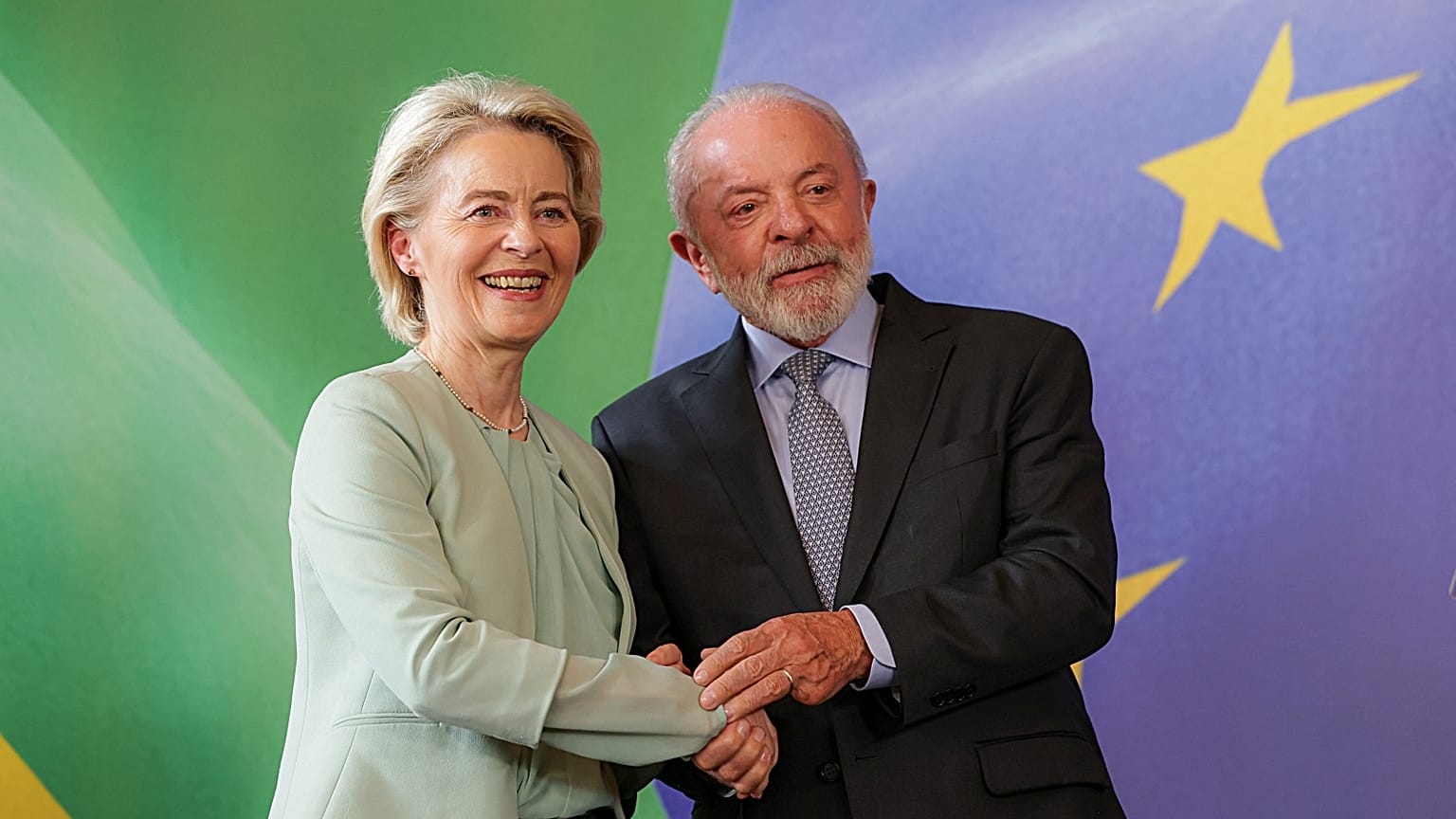
EU chief Ursula von der Leyen hailed Lula's victory as a win for "democracy and multilateralism."
"Europe's partnership with Brazil is thriving," she said in a post on X.
Mexico's leftist President Claudia Sheinbaum celebrated Lula's win on Sunday, saying on X: "Long live democracy, the people of Brazil won."
Cuban President Miguel Diaz-Canel congratulated Lula on his "historic victory that guarantees the continuity of the path of peace, sovereignty, and social justice."
Argentina's former president Cristina Kirchner, who is currently under house arrest for corruption, said on X that Lula "knew how to awaken in his compatriots the feeling and sense needed to win."
Uruguay's President Yamandu Orsi said on X that he had spoken with Lula and "congratulated him on his victory and on the democratic celebration that an electoral process represents."
'Democratic day'
With Lula's victory, Brazil staved off a conservative wave that has seen numerous countries -- such as Argentina, Chile, Colombia and Peru -- all shift right, backed by US President Donald Trump.
Peru's right-wing President Keiko Fujimori praised Brazil's "democratic day" of elections and congratulated Lula on his win.
"I reaffirm our willingness to strengthen our strategic alliance, integration, cooperation, and the sustainable development of the Amazon that we share, for the benefit of both our peoples," she said on X.
Chile's President Jose Antonio Kast, a staunch ally of Bolsonaro, said on X that "Chile and Brazil have a great future in common."
Ecuador's conservative President Daniel Noboa called for cooperation with the leftist leader through his fourth term.
"Our region has common enemies, shared challenges, and much to gain when we work together," Noboa said on X.
'Progressive comeback'
Spanish Prime Minister Pedro Sanchez celebrated Lula's win as the beginning of a "progressive comeback."
"What has happened in Brazil will happen in Spain," said the Spanish leader, who is trailing in the polls ahead of his country's November vote.
French President Emmanuel Macron called for efforts to "strengthen our strategic partnership" with Brazil.
Indian Prime Minister Narendra Modi, who is the current chair of the BRICS geopolitical and economic bloc, which includes Brazil, offered Lula his "heartiest congratulations."
"I look forward to working closely with him to further deepen and expand the multifaceted India-Brazil Strategic Partnership," he said.
Russia, which is also a BRICS member, welcomed Lula's victory, with a Kremlin spokesperson saying he had done "a lot, not only for the development of bilateral relations but also for advancing processes within the framework of BRICS."
China also congratulated Lula. A foreign ministry spokesperson said the country was "willing to work with Brazil to continue advancing the building of a China-Brazil community with a shared future."
US Senator Bernie Sanders, a firebrand leftist, said: "Lula has stood up for Brazilian workers & democracy -- and will continue to do so in the next four years."
© 2026 AFP