Tuesday, November 03, 2026

Calls mount to ban French TV channel following racist killing

A petition urging that a French television channel be taken off air gained traction on Monday, after accusations that far-right views it aired contributed to the racist killing of a black man.


Issued on: 02/11/2026 - RFI

A banner reads "Racism kills" during in a rally against racism in Trappes, outside Paris on 30 October, 2026. AFP - SIMON WOHLFAHRT

Anger against CNews – often described as France's answer to Fox News – has mounted with just six months to go before the country elects a new president, with far-right candidate Marine Le Pen leading in the polls to replace Emmanuel Macron.

The petition to shut down the channel was launched in June, but signatures spiked after a man on 23 October killed a Frenchman of Congolese origin and wounded seven others, including a child, in a racist attack in the Paris suburbs.

Contacts told French media he was an avid consumer of CNews, while leftist politicians have accused such media of giving too much airtime to anti-immigrant rhetoric.

The independent petition accusing CNews of being a "propaganda machine" on Monday surpassed 500,000 signatures on the National Assembly website. This means the issue could go to debate in the lower house, though this is not systematic.

CNews – among the media outlets owned by French ultra-conservative billionaire Vincent Bolloré – told French news agency AFP it would not comment on a "political petition".

It has previously denied allegations it promotes far-right views and racist tropes, saying it defends freedom of expression.

Paris suburb shooting suspect 'targeted Muslims, Africans or North Africans'

A 39-year-old man has been charged with murder and attempted murder over the 23 October attack in the towns of Trappes and La Verrière west of Paris in which he said he was "targeting individuals who appeared to be Muslim, African, or North African", a prosecutor has said.

Protesters at a rally a few days later in the Paris suburb of Aubervilliers held up posters reading slogans such as "CNews kills".

Two Green lawmakers have urged the lower house of parliament to withdraw accreditation for CNews to protect "democracy" from "racist hatred".

France earlier this year expelled Russian pundit Xenia Fedorova, who had been accused of peddling Kremlin propaganda on CNews.

The channel has also been accused of broadcasting racist comments about Bally Bagayoko, a Frenchman of Malian descent who is the mayor of the capital's largest suburb, Saint-Denis.

Protesters on 17 October threw projectiles and broke windows at the channel's Paris headquarters during cost-of-living protests.

(AFP)

Petition to ban French right-wing TV channel clears 600,000 signatures after racist killing

A petition calling for right-wing television channel CNews to be taken off-air cleared 600,000 signatures on Monday after a Frenchman shot and killed a French national of Congolese origin and wounded seven others. The 39-year-old shooter is believed to have been an avid watcher of CNews, which is owned by ultra-conservative billionaire Vincent Bolloré and has been accused of promoting far-right anti-immigrant views.


Issued on: 02/11/2026 
By: FRANCE 24


Demonstrators brandish a banner reading "CNEWS, a public frequency for toxic opinions" during a protest action called by activist group Action Justice Climat against right-wing French TV channel CNEWS and its billionaire owner Vincent Bolloré at the headquarters of Lagardère News in Paris, on May 20, 2026. © Stéphane de Sakutin, AFP

A petition urging a French television channel to be taken off-air gained traction Monday, after accusations its far-right views contributed to the racist killing of a Black man.

Anger at CNews – often described as France's answer to right-wing US network Fox News – has mounted just six months before the country elects a new president, with far-right candidate Marine Le Pen leading in the polls to replace President Emmanuel Macron.

The petition to shut down the channel was launched in June, but signatures spiked after a man on October 23 killed a Frenchman of Congolese origin and wounded seven others – including a child – in a racist attack in the Paris suburbs.

A 39-year-old man has been charged with murder and attempted murder over the attack in the towns of Trappes and La Verrière west of Paris in which he said he was "targeting individuals who appeared to be Muslim, African, or North African", according to a prosecutor.

'Very disturbing details': Trappes shooting suspect admits targeting victims by race, religion
Cover image: © France 24
02:38


Contacts told French media he was an avid consumer of CNews, while left-wing politicians have accused such media of giving too much airtime to anti-immigrant rhetoric.

The independent petition accusing CNews of being a "propaganda machine" on Monday surpassed 600,000 signatures on the National Assembly website. This means the issue could go to debate in the lower house, though this is not systematic.

Notably critics say CNews' agenda increasingly follows the lines taken by Le Pen's far-right National Rally (RN), from ‌which the channel could benefit if, as polls suggest, Le Pen wins the ​2027 presidential election and fulfills her promise to privatise public broadcasting, which CNews has long criticised.

CNews – among the media outlets owned by French ultra-conservative billionaire Vincent Bolloré – told AFP it would not comment on a "political petition".

It has previously denied allegations it promotes far-right views and racist tropes, saying it defends freedom of expression.

Protesters at a rally a few days after the attack in the Paris suburb of Aubervilliers held up posters reading slogans such as "CNews kills".

Two Green lawmakers have urged the lower house of parliament to withdraw accreditation for CNews to protect "democracy" from "racist hatred".

France earlier this year expelled Russian pundit Xenia Fedorova, who had been accused of peddling Kremlin propaganda on CNews.

The channel has also been accused of broadcasting racist comments about Bally Bagayoko, a Frenchman of Malian descent who is the mayor of the capital's largest suburb, Saint-Denis.

Protesters on October 17 threw projectiles and broke windows at the channel's Paris headquarters during cost-of-living protests.

(FRANCE 24 with AFP and Reuters)


What happens to the brain when you eat peanuts daily? New study reveals striking results

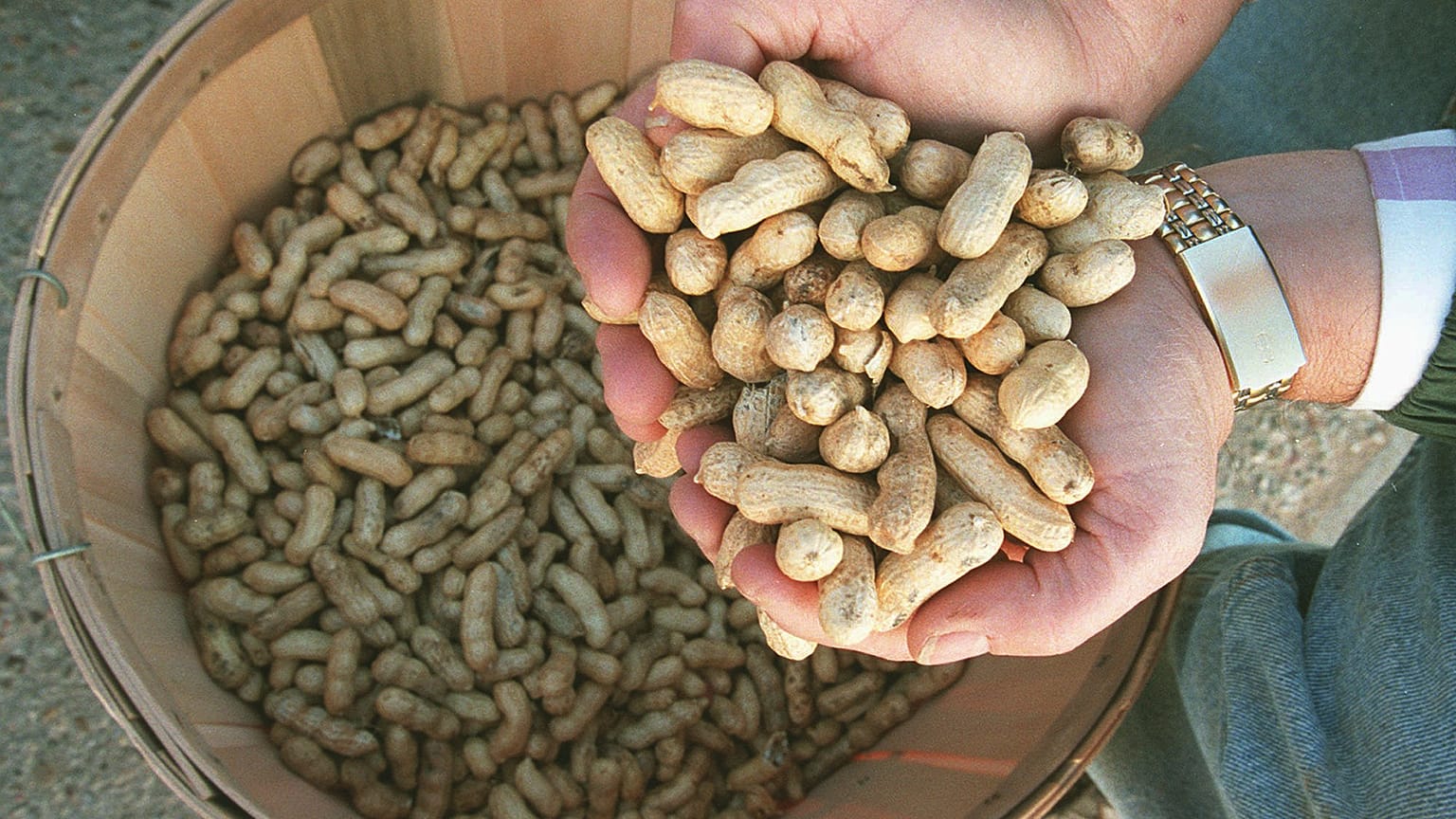
In this file photo taken on 16 December 1997, feed store owner Jerry Foot of Seminole, Texas holds a handful of peanuts grown in Gaines County.
Copyright Brad Farris/AP


By Chaima Chihi & يورونيوز
Published on


Does eating peanuts every day help to maintain memory as we get older?

A recent scientific study indicates that eating peanuts daily may help improve the brain's response to insulin in areas linked to memory in older adults.

The study was published in the journal "Food & Function", and was carried out by researchers from the medical centre at Maastricht University in the Netherlands, with the aim of examining the effect of regular peanut consumption on the brain's response to insulin with advancing age.

The experiment involved 31 healthy people aged between 60 and 75 years.

The participants ate 60 grams of roasted peanuts with their skins and without salt every day for 16 weeks, then the researchers compared the results with another period during which they did not eat peanuts.

Improved brain response to insulin

The results showed an improvement in the response of areas in the right hemisphere of the brain to insulin, including parts of the hippocampus, the parahippocampal gyrus, the lingual gyrus and the posterior cingulate gyrus, which are areas involved in memory processes and other cognitive functions.

To measure this response, the researchers gave the participants insulin through the nose, then used magnetic resonance imaging based on arterial blood labelling to measure changes in blood flow to brain regions.

Insulin plays a role in a number of brain processes linked to learning, memory and communication between nerve cells.

The brain's response to this hormone may become less effective with advancing age, a change that is associated with age related cognitive decline.

However, the researchers did not demonstrate that eating peanuts prevents cognitive decline or stops dementia from developing, but they observed changes in the response of specific brain regions to insulin.

These findings build on previous research by the same team on the same dietary intervention, published in the journal Clinical Nutrition in 2025, where the results showed a 3.6% increase in total blood flow to the brain, along with a 5.8% improvement in verbal memory after the 16 week intervention period.

The researchers believe that the nutritional composition of peanuts may explain some of these effects, as they contain unsaturated fats, fibre, vitamins, minerals and biologically active plant compounds, as well as plant protein.

Peanuts are also a source of the amino acid L-arginine, which the body uses to produce nitric oxide, a compound that helps regulate blood vessel functions and may in turn be linked to learning and memory processes.

Is eating peanuts enough to protect memory?

These findings still need further research to determine to what extent the recorded changes in the brain's response to insulin are reflected in memory and mental performance.

The experiment was limited to 31 people, and the indicators observed by the researchers are not enough to state with certainty that peanuts provide protection from Alzheimer's or other dementia disorders.

Conducting studies on larger numbers of participants and following them for longer periods would help to clarify this relationship and determine whether the potential benefits continue over time.


Canadian minister stops short of endorsing EU carbon tax as energy alliance deepens

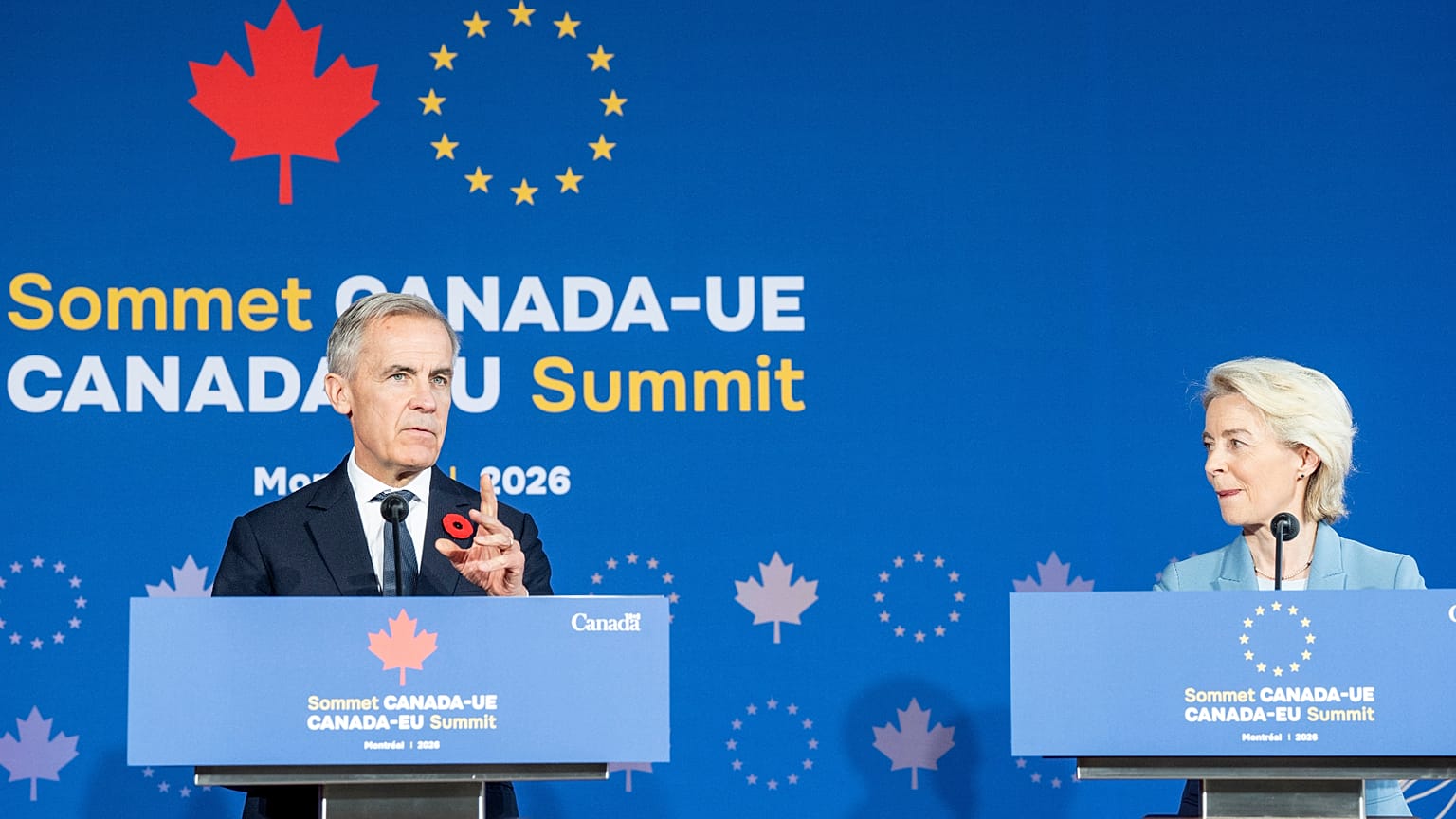
Prime Minister Mark Carney speaks to the media alongside European Commission President Ursula von der Leyen, at the EU-Canada summit.
Copyright AP Photo / The Canadian Press / Christinne Muschi

By Marta Pacheco
Published on


The Canadian climate Minister's reluctance to openly commit to cooperation with the EU on its climate policy stems from the fact that Ottawa is effectively seeking an exemption from the bloc's carbon border tax, according to a December 2025 internal document seen by Euronews.

Canadian Climate and Environment Minister Julia Dabrusin has defended industrial carbon pricing as a tool to cut CO2 emissions and protect businesses from unfair competition, but stopped short of explicitly endorsing the European Union's carbon border tax.

"Industrial carbon pricing is important in a low-carbon economy, which is where the world is going. But these are conversations for us to have (...) those are conversations that are still to be had," Dabrusin told Euronews.

Opposition to the EU's carbon border tax — the Carbon Border Adjustment Mechanism (CBAM) — could expose potential limits to a budding energy alliance between Brussels and Ottawa, as the transatlantic partners embark on a new path of cooperation, hailed at the Montreal summit on 29-30 October.

But when asked whether Canada would back CBAM — which came into effect in January 2026 and imposes a carbon cost on certain imports to protect European producers from competitors operating under weaker climate rules — Minister Dabrusin offered no explicit endorsement.

Dabrusin's reluctance to commit to cooperation with the EU on its climate policy stems from the fact that Ottawa is effectively seeking an exemption from the bloc's carbon border tax, according to a December 2025 internal document seen by Euronews.

"Canada continues to seek a practical agreement with the EU to reduce CBAM's administrative burden for Canadian exporters, and the Prime Minister's Personal Representative to the European Union is fully engaged," the internal document from Canada's trade and foreign affairs ministries reads.

At the closing press conference on 30 October, Canadian Prime Minister Mark Carney said that "a series of trade issues that had been bubbling along" had been discussed, but stopped short of sharing details.

"We are working together to find common solutions (on CBAM and other trade issues)," Carney told reporters on 30 October.

Carney has been attempting to diversify Canadian trade away from its heavy dependence on Washington, making access to the EU market increasingly important.

However, the Canadian document identifies CBAM as a potential obstacle to expanding exports to Europe, particularly in aluminium, steel, critical minerals and hydrogen.

"Canadian exports are not exempt from CBAM and exporters will face carbon charges and complex administrative requirements that could create market access risks and potential competitiveness challenges in the EU market," the document reads.

Lobbying for an exemption

Canada does not qualify for an exemption, despite its existing carbon-pricing policies and close trade relationship with the EU under the Comprehensive Economic and Trade Agreement (CETA), according to the document.

Nonetheless, Ottawa wants Brussels to recognise its domestic carbon-pricing system as sufficiently comparable to the EU's to reduce the administrative and financial burden on Canadian businesses.

Although the legal obligation falls on EU importers, critics argue that such requirements and costs are likely to be passed on to exporters through commercial agreements.

Stephanie Kusie, the Canadian Conservatives' shadow minister for international trade, also raised concerns about how the EU's CBAM could affect businesses.

"Canada is facing an EU carbon tariff in the coming months that could affect $3 billion in Canadian exports. Instead of fixing the issue, the PM has spent months distracting Canadians with talk of the EU," said Kusie.

Between 2021 and 2024, Canadian exports of goods covered by the EU's carbon border mechanism averaged C$28 billion a year, representing 7.4% of Canada's exports to the bloc, according to the document.

Minister Dabrusin said the Canadian government supports industrial carbon pricing, which it has had in place for years and intends to strengthen.

Dabrusin argued that industrial carbon pricing was among the most effective ways to reduce emissions while keeping businesses competitive in a global economy shifting towards lower-carbon production.

However, despite having its own industrial carbon-pricing system, Canada is not exempt from the EU's carbon border levy. Under the bloc's rules, a full exemption is linked to participation in, or a connection with, the EU Emissions Trading System — a condition Canada does not currently meet.

Moreover, the EU's carbon price is significantly higher than Canada's domestic carbon price trajectory.

Battle of semantics over EU-Canada relations

The EU-Canada summit took place as the EU seeks to build a network of trusted economic partners amid souring relations with the United States, which have become more uncertain under Donald Trump's administration.

Canadian Prime Minister Mark Carney told the EU-Canada summit that Ottawa aims to become an associate member by June next year.

However, divergences over the nature of this renewed relationship have been voiced by several member states, led by Germany, particularly over the definition of associate membership. EU leaders agreed to define the concept by the 2027 summit.

Dabrusin told Euronews that, for Canada, delivering on substance rather than semantics was important.

"The main thing for us is deepening the relationship with the EU (...) The conversations we had today underlined how much we have in common in terms of interests and values, and these are things we can build on as we launch the Alliance for the Future," Minister Dabrusin said.


China’s record-breaking clean tech exports could cut CO2 emissions by 8,400 million tonnes - report

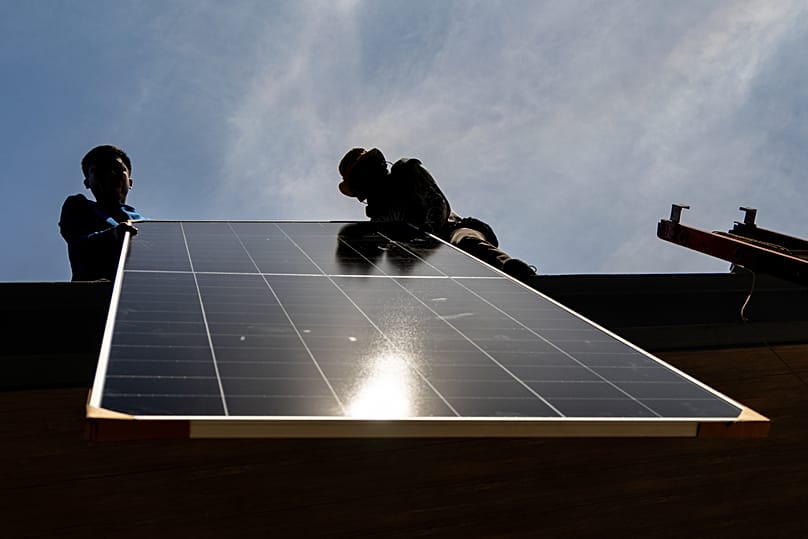
Installers unbox solar panels from the Chinese manufacturer LONGi at a project site in Manila, Philippines, on April 30, 2026.
Copyright AP Photo/Anton L. Delgado

By Angela Symons with AP
Published on

Clean tech is growing "much faster than anyone predicted just a few years ago” as gas prices continue to soar.

China is exporting a record amount of clean energy technology and equipment as the energy crisis from the Iran war drives surging demand for renewables. This will help reduce global emissions, according to a report released on 29 October.

Once installed or deployed, these 2026 exports will likely avert emissions of about 450 million tonnes of carbon dioxide per year, roughly equal to Brazil’s annual emissions, says the analysis by the Finland-based Centre for Research on Energy and Clean Air (CREA).

It's a small sign of progress as global efforts to curb climate change fall short. In November, Türkiye will host annual UN climate talks where electrification is expected to be a leading topic.

"This is a pivot point for the outlook of global energy and global emissions," says Lauri Myllyvirta, with CREA. “We’re seeing growth in clean energy that is much, much faster than anyone predicted just a few years ago.”

Record-breaking year for Chinese exports

China is by far the largest global supplier of renewable energy equipment, from solar panels and wind turbines to electric vehicles and batteries. Most of what it makes is sold domestically, but a sizeable share is exported

In the first nine months of 2026, CREA tracked a 61 per cent increase in exports of electric vehicles, a 45 per cent jump in shipments of wind turbines, a 39 per cent spike in battery exports and 22 per cent growth in overseas sales of solar equipment, compared to the same period last year.

Southeast Asia was a major destination. China's clean energy exports to the region jumped nearly 160 per cent from last year to this September, according to Ember, an independent global energy think tank.

The value of China's electric vehicle exports hit $72.8 billion (€65bn) in the first nine months of this year, up from $39.7 billion (€35.5bn) last year, according to the research firm Atlas Public Policy.

A visitor inspects the interior of a BYD car during an exhibition organised by the Indonesian Electric Vehicle Industry Association in Tangerang, Indonesia, Oct. 29, 2026.
A visitor inspects the interior of a BYD car during an exhibition organised by the Indonesian Electric Vehicle Industry Association in Tangerang, Indonesia, Oct. 29, 2026. AP Photo/Tatan Syuflana

Chinese clean tech dents emissions

If these export trends continue for the rest of 2026, about 8,400 million tonnes of carbon dioxide will be averted over the lifetime of all the clean tech China exported this year, CREA estimates.

That's about 24 per cent of annual global emissions, more than the United States' and India's emissions combined.

The analysis by CREA is based on export data, the electricity systems in destination countries and Chinese emissions during manufacturing. Independent experts said the estimate was in line with the scale of China's exports, but were unable to validate the data.

Despite President Donald Trump's higher tariffs, Chinese clean tech exports to the US rose 13 per cent in January-September compared to a year earlier.

“The demand is much stronger than I expected,” Myllyvirta says. “That’s certainly noteworthy.”

China is both the world's biggest provider of clean tech equipment and the largest global source of carbon emissions.

Muyi Yang, a senior policy analyst at Ember, likens China's energy transition to replacing the engine of a ship while it's still at sea.

Installers haul a solar panel onto the roof of a home in Manila, Philippines, on April 30, 2026.
Installers haul a solar panel onto the roof of a home in Manila, Philippines, on April 30, 2026. AP Photo/Anton L. Delgado

Interest in renewables likely to persist, experts say

The drastic war-related disruptions to shipping through the Strait of Hormuz, usually the source for a fifth of the world’s oil and gas, hit import-dependent Asian countries first and hardest.

Renewed interest in clean energy options is likely to persist even after the war, says Yu Sun Chin, with the research group Zero Carbon Analytics.

Consumers in Southeast Asia are paying more for their electricity and fuel and opting for renewable alternatives such as rooftop solar.

Laos, Thailand and Vietnam have offered various incentives for installing solar and purchasing electric vehicles to help reduce dependence on imported fossil fuels.

The Philippines implemented similar policies and became the second-largest destination for Chinese solar exports in the first quarter of 2026. Indonesia has pledged to install 100 gigawatts of solar power by 2029.

“The surge in clean energy policies in Southeast Asia shows there is a paradigm shift happening,” Chin says. “Considering Southeast Asia is one of the most vulnerable regions to climate impacts, every emission cut matters in limiting a rise in global temperatures.”


Bolivia declares national emergency over El Niño as drought hits over 78,000 families

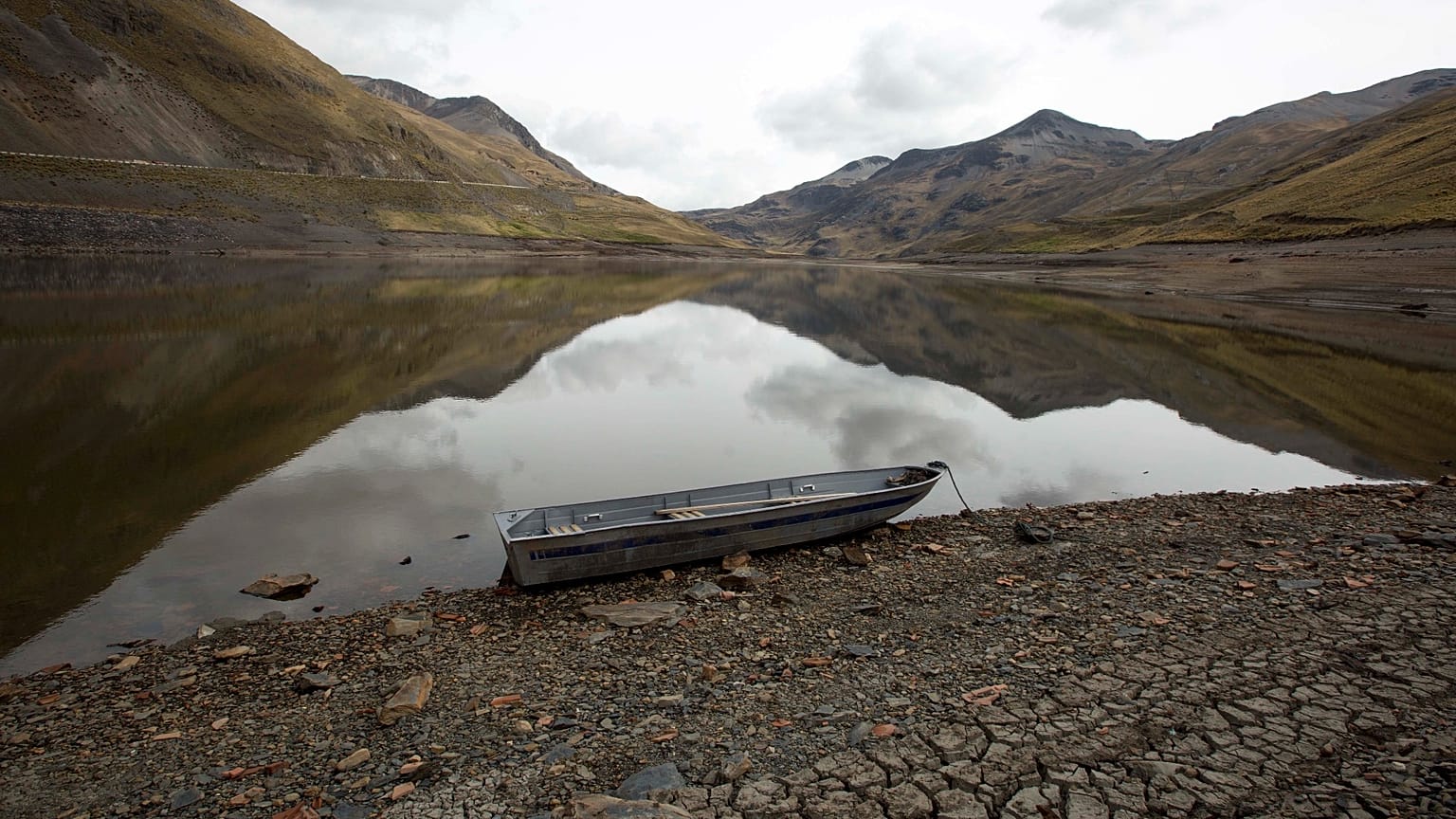
In this 20 December 2016 photograph, a boat sits on the low shore of the Inca Chaca reservoir, on the outskirts of La Paz, Bolivia.
Copyright AP Photo

By Christina Thykjaer
Published on

Drought is already affecting more than 78,000 families in seven regions of the country.

Grappling with both flooding and drought, Bolivia has declared a national emergency over El Niño.

Bolivian President Rodrigo Paz declared a state of emergency on 31 October to free up resources for dealing with the impacts of the weather phenomenon.

The measure will make it possible to mobilise financial and human resources, as well as to coordinate the work of national institutions with international cooperation in order to assist the affected areas.

"Unlike in other years, when we waited for this blow from the environment to arrive, we have taken a decision, with international cooperation and national efforts, to pool financial and human resources to deal with this phenomenon", Paz explained in a message to the population.

More than 78,000 families affected by drought

The situation is already particularly worrying in the regions suffering from water shortages. According to data from the Vice Ministry of Civil Defence, at least 78,200 families have been affected by the drought in seven of the country’s nine departments. The affected regions are La Paz, Oruro, Potosí, Cochabamba, Chuquisaca, Tarija and Santa Cruz. In addition, 63 communities have declared a drought, while others are preparing for possible flooding.

The president has warned that the country could face a combination of extreme events, with a lack of rainfall in some areas and intense rain in others. "This will be a phenomenon that will hit very hard, with both drought and flooding," said the head of state, who called on public administrations and citizens to work together to limit the damage.

A decree to anticipate extreme events

The emergency decree covers the risks associated with El Niño during the 2026-2027 period, among them droughts, floods, frosts, hailstorms, forest fires and river overflows. The declaration of emergency is intended to facilitate a coordinated response between the different levels of government and to strengthen support for the most vulnerable communities.

El Niño is a natural climate phenomenon linked to warming of the waters of the equatorial Pacific, which disrupts rainfall and temperature patterns in different parts of the world. In Bolivia it can cause periods of drought and episodes of intense rainfall, with consequences for the population, agriculture and livestock.


'Northern women and esotericism': Life after death explored at Finnish National Gallery

Copyright Photo: Finnish National Gallery / Aleks Talve

By Marcelina Burzec
Published on

The relationship between spirit and matter, questions related to life after death and the existence of the spirit world are the key themes of the exhibition "Arcana Borealis – Northern Women and Esotericism" at Ateneum Art Museum, Finnish National Gallery.

The Latin words arcana and borealis mean "hidden knowledge" and "the north", two elements at the heart of the Finnish National Gallery's latest exhibition.

"Arcana Borealis – Northern Women and Esotericism" is the first large-scale museum show to examine how female artists from across the Nordic region and Sápmi have engaged with esotericism, spirituality and alternative systems of knowledge from the 19th century to the present day.

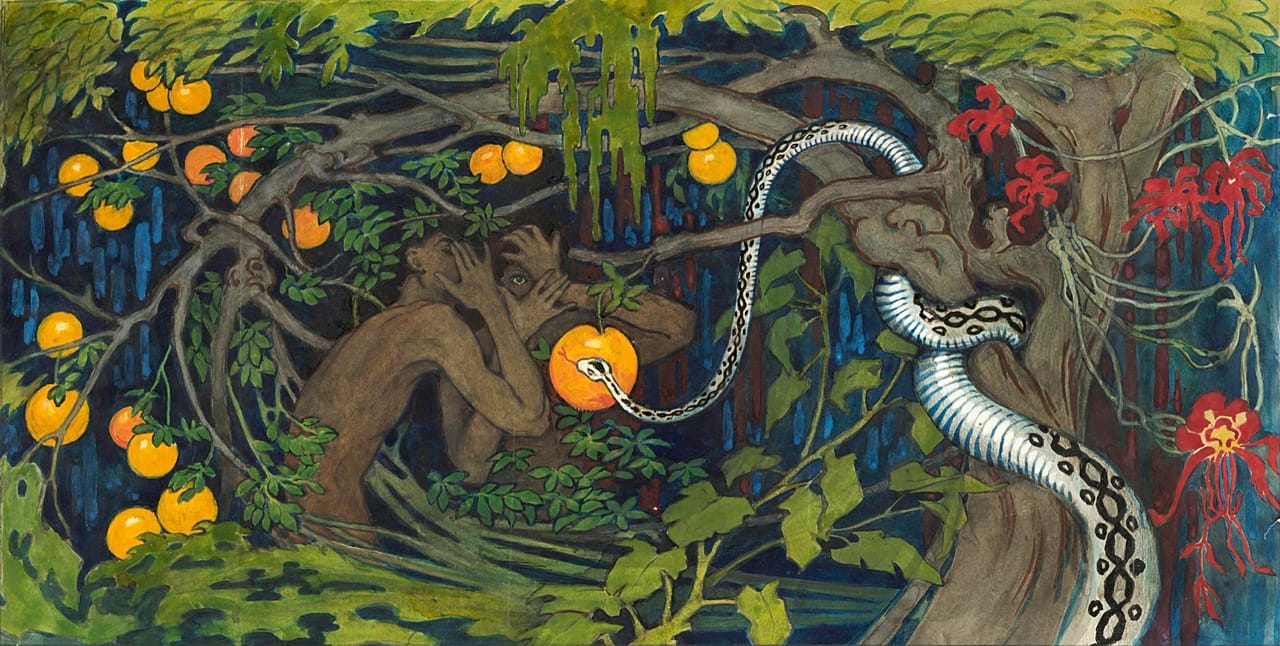
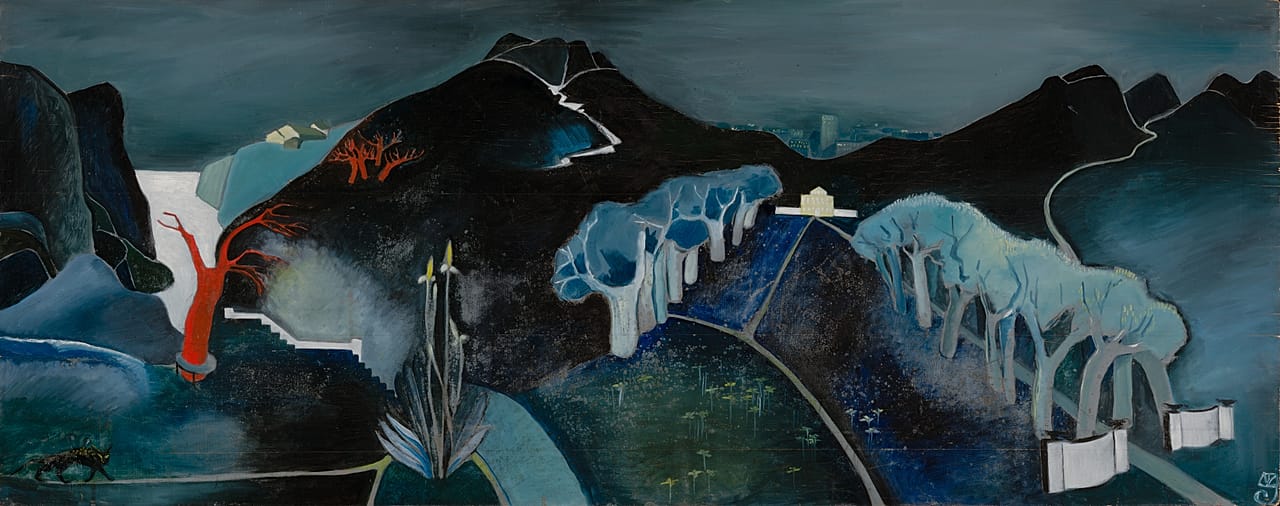
The exhibition brings together more than 200 works by 50 artists and features both well-known and overlooked artists, including Hilma af Klint, Tyra Kleen and Tove Jansson.

Tyra Kleen, Forbidden Fruit, 1909, gouache on paper, Riddarhuset, Tyra Kleen Collection.
Tyra Kleen, Forbidden Fruit, 1909, gouache on paper, Riddarhuset, Tyra Kleen Collection. Photo: © Bobo Lindblad, Lindblad Studio

Previously the connection between modern art and esotericism, occultism and magic has been explored mainly through famous male artists, according to Dr Marja Lahelma, Chief Curator at Ateneum Art Museum and co-curator of the exhibition.

"For quite a long time art history has been dominated by narratives focusing on male artists and on this notion of the individual genius. Our focus is on women and we also draw attention to this idea of communality and working together," Dr Lahelma explained to Euronews Culture.

Tove Jansson, Mysterious Landscape (c.1930–1939). Finnish National Gallery. Collection / Ateneum Art Museum.
Tove Jansson, Mysterious Landscape (c.1930–1939). Finnish National Gallery. Collection / Ateneum Art Museum. Photo: Finnish National Gallery / Hannu Pakarinen

Art, spirituality and handicraft

"Arcana Borealis shows how the boundaries between art and spirituality, fine art and craft, object and process, individual authorship and collective making begin to blur when viewed through the lens of artist women and esotericism" added Dr Nina Kokkinen from University of Turku, co-curator of "Arcana Borealis – Northern Women and Esotericism" .

Arcana Borealis – Northern Women and Esotericism. Installation view, Ateneum Art Museum, 2026.
Arcana Borealis – Northern Women and Esotericism. Installation view, Ateneum Art Museum, 2026. Photo: Finnish National Gallery / Aleks Talve

The range of materials featured in the exhibition is exceptionally wide, including textiles, ceramics, metal engravings, and traditional media from sacral art, such as stained glass and mosaics.

Handicraft involves matrilineal transmission of tradition, that is, passing down knowledge and skills from one woman to the next. Sámi duodji, the traditional Sámi craft tradition, brings together spirituality, the tacit knowledge passed on from one generation to another, and values related to nature.

Hilma af Klint, The Dove no 1, Group IX, Series UW, 1915, oil on canvas, By Courtesy of The Hilma af Klint Foundation.
Hilma af Klint, The Dove no 1, Group IX, Series UW, 1915, oil on canvas, By Courtesy of The Hilma af Klint Foundation. Photo: Moderna Museet

Some of the artists gathered on the exhibition were saying that they were guided by some kind of non human agency whether it was angels or guiding spirits, or in some cases a source of nature.

Halloween or Kekri

"This is a perfect exhibition to visit for Halloween, or Kekri as we say in Finnish. Esotericism is about light and darkness. We can explore themes such as death in art through this esoteric theme and sometimes the hidden knowledge, the secret knowledge that esotericism is all about, can be found through exploring darkness rather than light," explained Dr Marja Lahelm.

Anna Cassel, Untitled II, No. 33, 1915, oil and metallic paint on canvas, Private collection.
Anna Cassel, Untitled II, No. 33, 1915, oil and metallic paint on canvas, Private collection. Photo: By Courtesy of The Hilma af Klint Foundation / Anders Fredriksén

Arcana Borealis – Northern Women and Esotericism at Ateneum Art Museum, Finnish National Gallery is on open until 28 February 2027.

Hooray for Houdini: Budapest celebrates 100th anniversary of escape artist's death

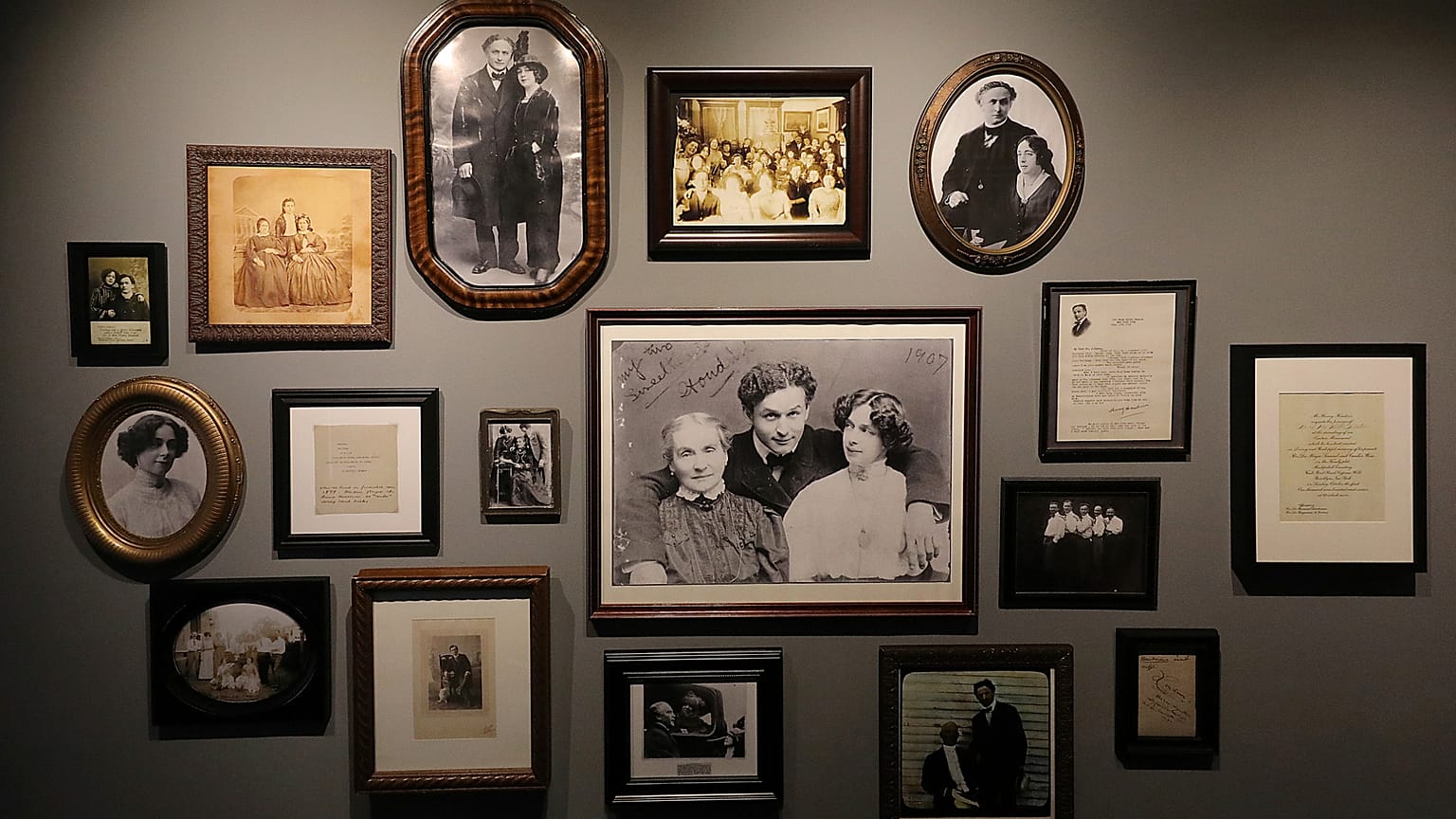
Photographs showing Harry Houdini and his family at an exhibition about the escape artist at the Jewish Museum Milwaukee in Wisconsin, 10 October 2019
Copyright Wisconsin State Journal

By Peter Kristof
Published on

An event honouring the greatest escape artist and most influential magician of all time has brought Harry Houdini's only living descendant, his brother's grandchild, to Budapest. The centenary for the former "King of Shackles" is also being celebrated by a film festival and an artwork.

As part of the Houdini 100 series of events, a four-day programme has begun in Budapest to mark the 100th anniversary of Harry Houdini's death. In tribute to the Hungarian-born American illusionist and escape artist, a relief is being unveiled and, among other things, a film festival and circus performances await visitors.

At the opening of the programme series, the deputy mayor of District I, Csilla Fazekas, said they are proud that the Houdini House operates in Buda Castle, preserving in a unique way in Europe the legacy of a world-famous Hungarian, Harry Houdini.

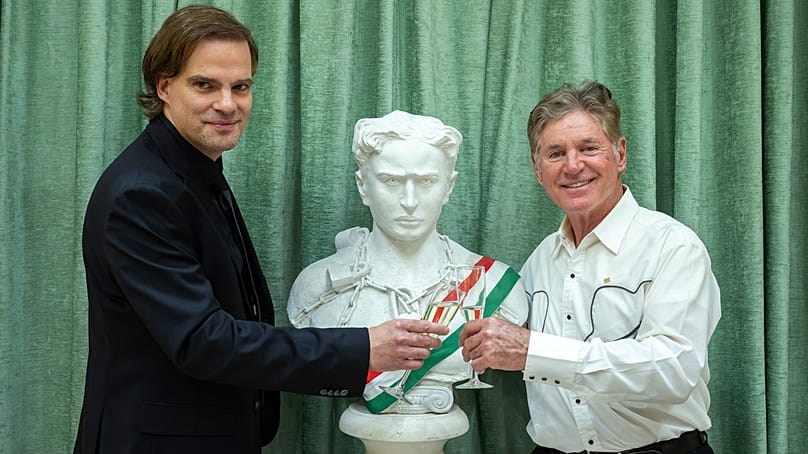
According to David Merlini, a magician and founder of the Houdini House in Budapest, many guests from around the world have arrived in the city for the celebrations. They include George Hardeen, the only living descendant of Harry Houdini, the grandson of his brother; television producer Gay Blackstone, from the legendary family of magicians and former president of the Academy of Magical Arts, which runs Hollywood's Magic Castle; and also Péter Gloviczki, a world champion magician and vascular surgeon.

Magician David Merlini, founder of the Houdini House (left), and George Hardeen, the grandson of Harry Houdini's brother, in front of Houdini's bust in Budapest on 29 October 2026 Lakatos Peter/MTI - MTI


Merlini added that the programme also includes the unveiling of a memorial plaque, a magic auction, and a night-time show at Houdini's birthplace in Csengery Street.

Houdini's eventful life

Harry Houdini was born on 24 March 1874 under the name Erik Weisz in Budapest, the son of a rabbi with many children. Four years later the family emigrated to the United States, lived for a time in Appleton, Wisconsin, then moved to New York in 1882.

Erik sold newspapers and shined shoes, and at the age of nine he made his stage debut as the "prince of the trapeze". At 12, he ran away from home and joined a travelling circus, but later returned to help his parents. During his youth he trained himself, running, swimming and boxing.

His career as a magician began when he was 17, with card tricks, but he was already experimenting with escape acts. After his father's early death, he devoted his time exclusively to magic.

He adopted the stage name Houdini in honour of the Frenchman Jean-Eugene Robert-Houdin, the first modern magician. In 1893 he met Wilhelmina Rahner, who became his wife and, under the name Bess Houdini, his stage assistant.

How did he become an escape artist?

In 1899 Houdini met impresario Martin Beck, who advised him to focus his show on escape acts.

He gained fame as the Handcuff King. For freeing himself from the handcuffs of Scotland Yard he received a six-month contract and a weekly fee of £300.

He toured Europe, with the local police assisting his acts with locks, handcuffs and prison cells, and he was often stripped naked and searched, yet he always managed to work his way free.

In 1904 he returned to New York a wealthy man. His acts attracted audiences in America as well and, from 1908, because of the large number of imitators, he built his productions not on chain and straitjacket escapes but on breaking out of locked spaces.

His first attraction of this kind was escaping from a giant milk churn filled with water and hermetically sealed from the outside. He lured audiences to this spine-chilling act with the slogan "Failure means death by drowning".

Houdini broke free from tanks filled with water, ranging in size from a coffin to a prison cell, from pits filled in with earth and even from the stomach of a beached whale. He owed his success to his vivid imagination, his tremendous physical strength, flexibility and suppleness, and his exceptional skill in opening locks, knots and other mechanisms.

He could hold his breath for up to four minutes, yet even so his life often hung by a thread, and he frequently fainted after freeing himself.

With a few exceptions he devised his own tricks, and he revealed the solutions of the most difficult only to his four assistants. Because of his secrecy, the mystery of most of his escapes has never been solved.

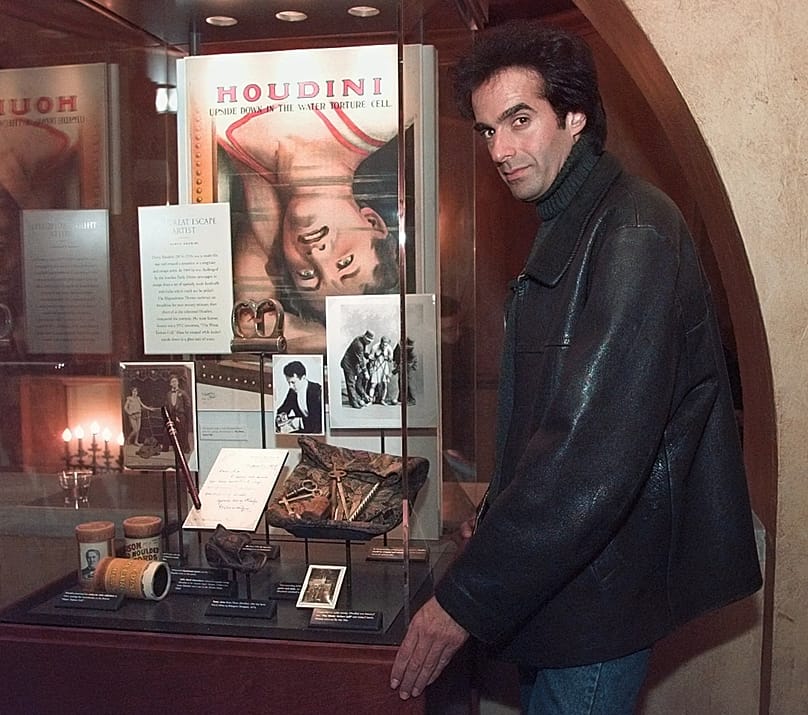
David Copperfield beside a display case containing items from his personal collection related to Harry Houdini on 21 November 1996 at the Martin Beck Theatre in New York Kathy Willens/AP

Audiences flocked to the shows bearing the name of the best-paid American illusionist. In addition to preparing for his tricks, he still found time to write books, try flying and make films (in March 2015, his first film, long thought to be lost, The Grim Game, resurfaced).

Houdini used his powers of persuasion and did not spare his fortune to promote the self-organisation of magicians, and from 1917 he was president of the Society of American Magicians.

As an illusionist he did not believe in "supernatural" powers. He campaigned against credulity and charlatanism, attended spiritualist séances in disguise and exposed fraudsters on the spot. He wrote books on the subject entitled "Miracle Mongers and Their Methods" and "A Magician Among the Spirits".

Yet together with his wife he undertook a spiritualist experiment: they agreed that whoever died first would try to contact the partner who remained alive. His widow's attempt was unsuccessful.

His mysterious death

In the autumn of 1926 Houdini was preparing a new show, but it never premiered. On Halloween, 31 October 1926, he died in Detroit. Officially his death was caused by peritonitis brought on by a ruptured appendix.

It is alleged that on 22 October, before his last performance, two students visited him in his dressing room in Montreal and, when Houdini boasted that he could withstand any blow, one of them punched him hard in the stomach twice without warning. The magician, who had no time to brace himself, later performed his show in excruciating pain, was taken to hospital, but they were unable to save him.

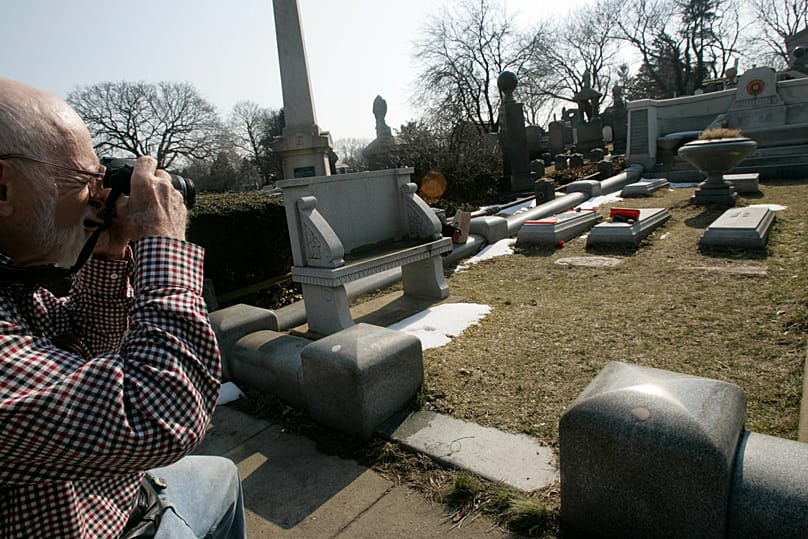
James Starrs, professor of forensic medicine, photographs Houdini's grave on Thursday 22 March 2007 in the Queens borough of New York Copyright 2007 AP. All rights reserved.

Others blame Houdini's demise on the spiritualists who had previously threatened him with death, believing they poisoned him.

His body, which was transported home in the coffin prepared for his new show, was buried without an autopsy in New York, where he lies in Machpelah Cemetery in Glendale.

In 2007 the idea of exhumation was raised, but this has not happened to this day.

Houdini's legacy

In 1975 Houdini was posthumously awarded a star on the Hollywood Walk of Fame, and his figure has been evoked in novels, for example in Doctorow's work 'Ragtime', and in films.

In the 2014 American-Canadian film about him, shot in Hungary and entitled "Houdini" (source in Hungarian), the title role was played by his great admirer, Adrien Brody, who also has Hungarian roots.

His legacy is jealously guarded at his magic centre in Las Vegas by the world-famous illusionist David Copperfield.