Reporter who talked to Trump says president is high on war powers: 'He feels invincible'
David Edwards
March 2, 2026
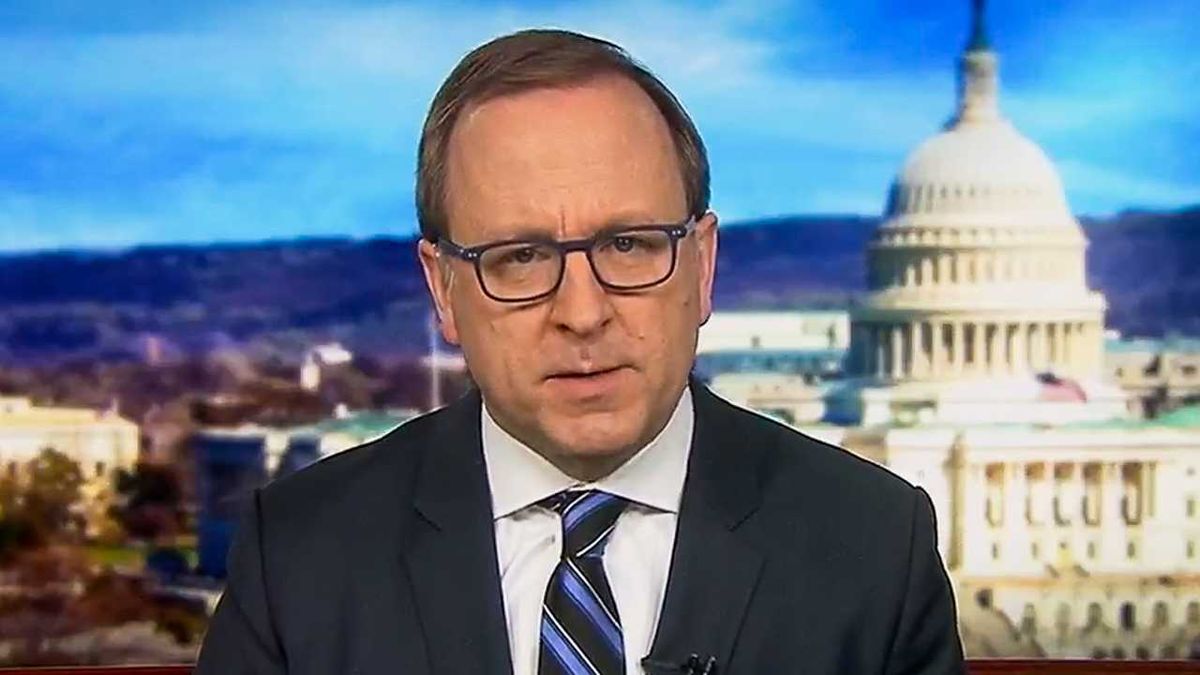
ABC News/screen grab
ABC News correspondent Jonathan Karl came away from an interview with President Donald Trump suggesting the U.S. leader was high on military power following the strikes in Iran.
"He promised to keep the nation out of foreign wars, but at this point, no modern president has ordered more military strikes against more countries than Donald Trump," ABC News host George Stephanopoulos told Karl on Monday.
"And I have to tell you, George, I spoke to the president; he sounded to me like a president who feels invincible," Karl confirmed. "He talked about the military strike he ordered last summer against the nuclear program in Iran. He talked about the operation to take out Nicholas Maduro in Venezuela and what he sees as a wildly successful attack now underway against Iran."
"He told me, quote, nobody could have done this, but me, and you know that," he continued. "In fact, George, he suggested that the success in Venezuela made him less likely to accept concessions in Iran that were offered in the final round of talks."
"He told me that a year ago he would have accepted what the Iranians offered, but, quote, we have become spoiled."
"But the president didn't offer a lot of clarity on what comes next?" Stephanopoulos wondered.
"No, he told me that he had been in touch with one member of the regime," Karl said. "He wouldn't say who it was, one surviving member."
"He said he was planning for four or five weeks," the correspondent added. "Could be longer, could be shorter. And it's pretty clear this is personal for the president."
WSJ editors warn Trump about his potential 'biggest mistake' in Iran: 'Keep going'David Edwards
March 2, 2026
RAW STORY
ABC News/screen grab
ABC News correspondent Jonathan Karl came away from an interview with President Donald Trump suggesting the U.S. leader was high on military power following the strikes in Iran.
"He promised to keep the nation out of foreign wars, but at this point, no modern president has ordered more military strikes against more countries than Donald Trump," ABC News host George Stephanopoulos told Karl on Monday.
"And I have to tell you, George, I spoke to the president; he sounded to me like a president who feels invincible," Karl confirmed. "He talked about the military strike he ordered last summer against the nuclear program in Iran. He talked about the operation to take out Nicholas Maduro in Venezuela and what he sees as a wildly successful attack now underway against Iran."
"He told me, quote, nobody could have done this, but me, and you know that," he continued. "In fact, George, he suggested that the success in Venezuela made him less likely to accept concessions in Iran that were offered in the final round of talks."
"He told me that a year ago he would have accepted what the Iranians offered, but, quote, we have become spoiled."
"But the president didn't offer a lot of clarity on what comes next?" Stephanopoulos wondered.
"No, he told me that he had been in touch with one member of the regime," Karl said. "He wouldn't say who it was, one surviving member."
"He said he was planning for four or five weeks," the correspondent added. "Could be longer, could be shorter. And it's pretty clear this is personal for the president."
Robert Davis
March 1, 2026
RAW STORY
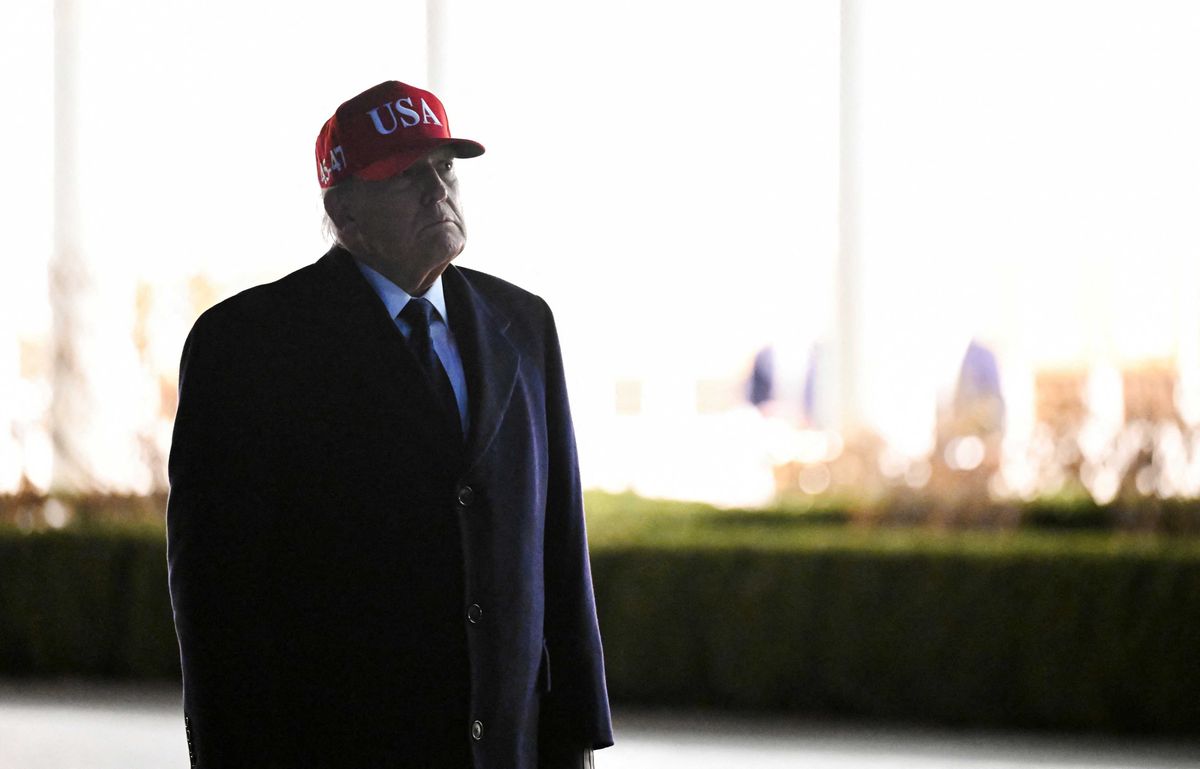
U.S. President Donald Trump looks at statues in the Rose Garden while returning to the White House, after Israel and the U.S. launched strikes on Iran, in Washington, D.C., U.S., March 1, 2026. REUTERS/Annabelle Gordon
The conservative Wall Street Journal editorial board issued a surprising warning to President Donald Trump about the "biggest mistake" he could make after striking Iran.
Early on Saturday morning, U.S. and Israeli forces conducted coordinated strikes against multiple sites in Iran, which killed Ayatollah Ali Khamenei, the dictator who had ruled the country since 1989, multiple government officials, and damaged the country's ballistic and nuclear missile facilities. Trump has said the strikes will continue until the U.S. achieves its objectives, of which few details have been released.
The WSJ editors celebrated the move in a new editorial on Sunday, but also warned Trump not to end the campaign too soon.
"The first two days of the U.S.-Israeli attack on Iran have been a striking success, but the response of the Iranian regime has also revealed the reason it was necessary," the editorial reads. "The biggest mistake President Trump could make now would be to end the war too soon, before Iran’s military and its domestic terror forces have been more thoroughly destroyed."
The editors added that Iran's continued strikes against its neighbors in the region speak to the necessity of the strikes.
U.S. President Donald Trump looks at statues in the Rose Garden while returning to the White House, after Israel and the U.S. launched strikes on Iran, in Washington, D.C., U.S., March 1, 2026. REUTERS/Annabelle Gordon
The conservative Wall Street Journal editorial board issued a surprising warning to President Donald Trump about the "biggest mistake" he could make after striking Iran.
Early on Saturday morning, U.S. and Israeli forces conducted coordinated strikes against multiple sites in Iran, which killed Ayatollah Ali Khamenei, the dictator who had ruled the country since 1989, multiple government officials, and damaged the country's ballistic and nuclear missile facilities. Trump has said the strikes will continue until the U.S. achieves its objectives, of which few details have been released.
The WSJ editors celebrated the move in a new editorial on Sunday, but also warned Trump not to end the campaign too soon.
"The first two days of the U.S.-Israeli attack on Iran have been a striking success, but the response of the Iranian regime has also revealed the reason it was necessary," the editorial reads. "The biggest mistake President Trump could make now would be to end the war too soon, before Iran’s military and its domestic terror forces have been more thoroughly destroyed."
The editors added that Iran's continued strikes against its neighbors in the region speak to the necessity of the strikes.
'I don't have the yips': Trump says he's considering boots on the ground in Iran
"The attacks underscore that Iran is the main threat to the entire region," it added. "What it has been doing all along by proxy, it now does directly. This is an opportunity to rally even the region’s equivocating states into a coalition for changing the Tehran regime."
"All of this reveals the risks of ending the bombing campaign before Mr. Trump’s stated war aims are achieved," it continued.
Read the entire editorial by clicking here.
Travis Gettys
March 2, 2026
March 2, 2026
RAW STORY
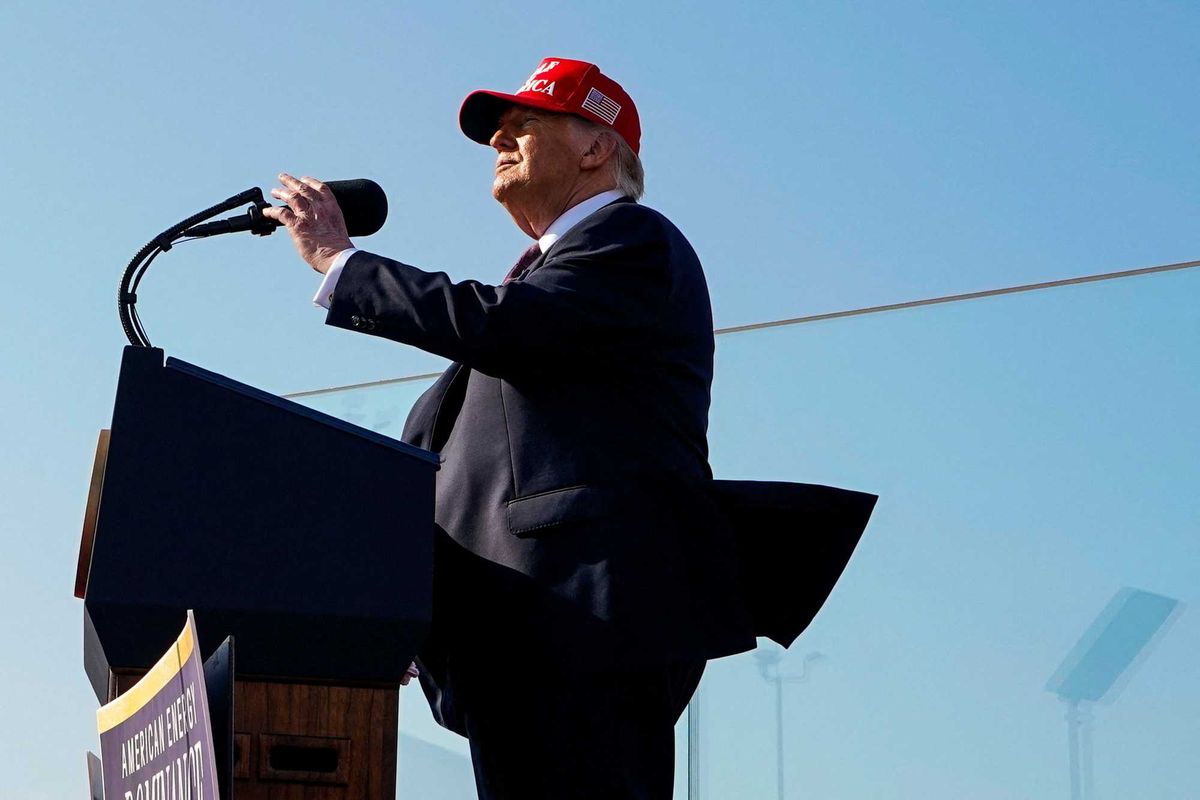
U.S. President Donald Trump delivers remarks during an event at the Port of Corpus Christi in Corpus Christi, Texas, U.S., February 27, 2026. REUTERS/Elizabeth Frantz
President Donald Trump hasn't ruled out sending U.S. ground forces into Iran as part of Operation Epic Fury.
The 79-year-old president ordered joint U.S.-Israeli airstrikes that resulted in the killing of Iran's supreme leader, 86-year-old Ayatollah Ali Khamenei, and dozens of other top officials, but Trump told the New York Post he would consider putting troops on the ground.
"I don’t have the yips with respect to boots on the ground — like every president says, ‘There will be no boots on the ground’ – I don’t say it,” Trump said. “I say ‘probably don’t need them,’ [or] ‘if they were necessary.'”
Trump had said over the weekend that he estimated the war would last “four weeks or so," but he told the Post that he believes hostilities could be even shorter.
“It’s going to go pretty quickly,” Trump said. “We’re right on schedule, way ahead of schedule in terms of leadership — 49 killed — and that was, you know, going to take, we figured, at least four weeks, and we did it in one day.”
The president also insisted he wasn't concerned that Iran could respond to the strikes with terrorist attacks.
“We’ll take it out, whatever – it’s like everything else, we’ll take it out,” Trump said.
Trump told the newspaper that he decided to order the strikes following "final talks" Thursday in Geneva due to intelligence reports that Iran was resuming work on nuclear projects.
“We had very serious negotiations, and they were there, and then they pulled back,” he said. “They wanted to make a nuclear weapon, so we destroyed them completely, but we found they were in a totally different site — totally different — because the sites that we took out were permanent. They tried to use them, but they were totally, as I said correctly before, obliterated, right? So then we found them working on a totally different area, a totally different site, in order to make a nuclear weapon through enrichment — so it was just time.”
“I said, ‘Let’s go,'" he added.
Polling conducted by Reuters/Ipsos Saturday and Sunday found just 27 percent of Americans approved of the strikes, but Trump said he believes the public broadly supports his decision.
“I think that the polling is very good, but I don’t care about polling," Trump said. "I have to do the right thing. I have to do the right thing. This should have been done a long time ago."
“I don’t think the polling is low,” he added. “Look, whether polling is low or not, I think the polling is probably fine. But it’s not a question of polling. You cannot let Iran, who’s a nation that has been run by crazy people, have a nuclear weapon. I think people are very impressed with what is happening, actually. I think it’s a silent — if you did a real poll, the silent poll — and it’s like a silent majority.”
U.S. President Donald Trump delivers remarks during an event at the Port of Corpus Christi in Corpus Christi, Texas, U.S., February 27, 2026. REUTERS/Elizabeth Frantz
President Donald Trump hasn't ruled out sending U.S. ground forces into Iran as part of Operation Epic Fury.
The 79-year-old president ordered joint U.S.-Israeli airstrikes that resulted in the killing of Iran's supreme leader, 86-year-old Ayatollah Ali Khamenei, and dozens of other top officials, but Trump told the New York Post he would consider putting troops on the ground.
"I don’t have the yips with respect to boots on the ground — like every president says, ‘There will be no boots on the ground’ – I don’t say it,” Trump said. “I say ‘probably don’t need them,’ [or] ‘if they were necessary.'”
Trump had said over the weekend that he estimated the war would last “four weeks or so," but he told the Post that he believes hostilities could be even shorter.
“It’s going to go pretty quickly,” Trump said. “We’re right on schedule, way ahead of schedule in terms of leadership — 49 killed — and that was, you know, going to take, we figured, at least four weeks, and we did it in one day.”
The president also insisted he wasn't concerned that Iran could respond to the strikes with terrorist attacks.
“We’ll take it out, whatever – it’s like everything else, we’ll take it out,” Trump said.
Trump told the newspaper that he decided to order the strikes following "final talks" Thursday in Geneva due to intelligence reports that Iran was resuming work on nuclear projects.
“We had very serious negotiations, and they were there, and then they pulled back,” he said. “They wanted to make a nuclear weapon, so we destroyed them completely, but we found they were in a totally different site — totally different — because the sites that we took out were permanent. They tried to use them, but they were totally, as I said correctly before, obliterated, right? So then we found them working on a totally different area, a totally different site, in order to make a nuclear weapon through enrichment — so it was just time.”
“I said, ‘Let’s go,'" he added.
Polling conducted by Reuters/Ipsos Saturday and Sunday found just 27 percent of Americans approved of the strikes, but Trump said he believes the public broadly supports his decision.
“I think that the polling is very good, but I don’t care about polling," Trump said. "I have to do the right thing. I have to do the right thing. This should have been done a long time ago."
“I don’t think the polling is low,” he added. “Look, whether polling is low or not, I think the polling is probably fine. But it’s not a question of polling. You cannot let Iran, who’s a nation that has been run by crazy people, have a nuclear weapon. I think people are very impressed with what is happening, actually. I think it’s a silent — if you did a real poll, the silent poll — and it’s like a silent majority.”
"The attacks underscore that Iran is the main threat to the entire region," it added. "What it has been doing all along by proxy, it now does directly. This is an opportunity to rally even the region’s equivocating states into a coalition for changing the Tehran regime."
"All of this reveals the risks of ending the bombing campaign before Mr. Trump’s stated war aims are achieved," it continued.
Read the entire editorial by clicking here.
Trump reveals his 'biggest surprise' so far in Iran war
Travis Gettys
March 2, 2026
The 79-year-old president spoke to CNN's Jake Tapper for a nine-minute phone interview Monday morning to discuss his order over the weekend to decapitate Iranian leadership, and Trump said he was surprised that Iran had retaliated by striking other Arab countries in the region, including Bahrain, Jordan, Kuwait, Qatar and the United Arab Emirates.
“We were surprised,” Trump said. “We told them, ‘We’ve got this,’ and now they want to fight, and they’re aggressively fighting. They were going to be very little involved and now they insist on being involved.”
"[They] shot into a hotel, they shot into an apartment house," he added. "It just made them angry. They love us, but they were watching. There was no reason for them to be involved ... that was probably the biggest surprise.”
Trump said the initial strikes were successful and threatened more to come.
“We’re knocking the crap out of them,” Trump said. “I think it’s going very well. It’s very powerful. We’ve got the greatest military in the world and we’re using it.”
"We haven’t even started hitting them hard," he added. "The big wave hasn’t even happened. The big one is coming soon.”
The president was asked how long the military operation might last, and he expressed hope that it would end within weeks.
“I don’t want to see it go on too long," Trump said. "I always thought it would be four weeks, and we’re a little ahead of schedule.”
Trump said his team attempted to negotiate with the Iranians on ending their nuclear ambitions but complained that “we couldn’t make a deal with these people.”
“They had all that enriched stuff," he said. "They looked at redoing it there, but it was in such bad shape, the mountain had basically collapsed."
He argued that military strikes would succeed where diplomacy had not.
“We don’t have to worry about agreements," Trump said. “You go back 37 years, really 47 years, close to 50, look at what’s happened and all the death. People in the military walking around with no legs, walking around with no arms, their faces shattered."
“Over the last 47 years, I said, ‘give me all of the attacks,'" he added. "If I told you all of them I’d still be talking."
Travis Gettys
March 2, 2026
RAW STORY
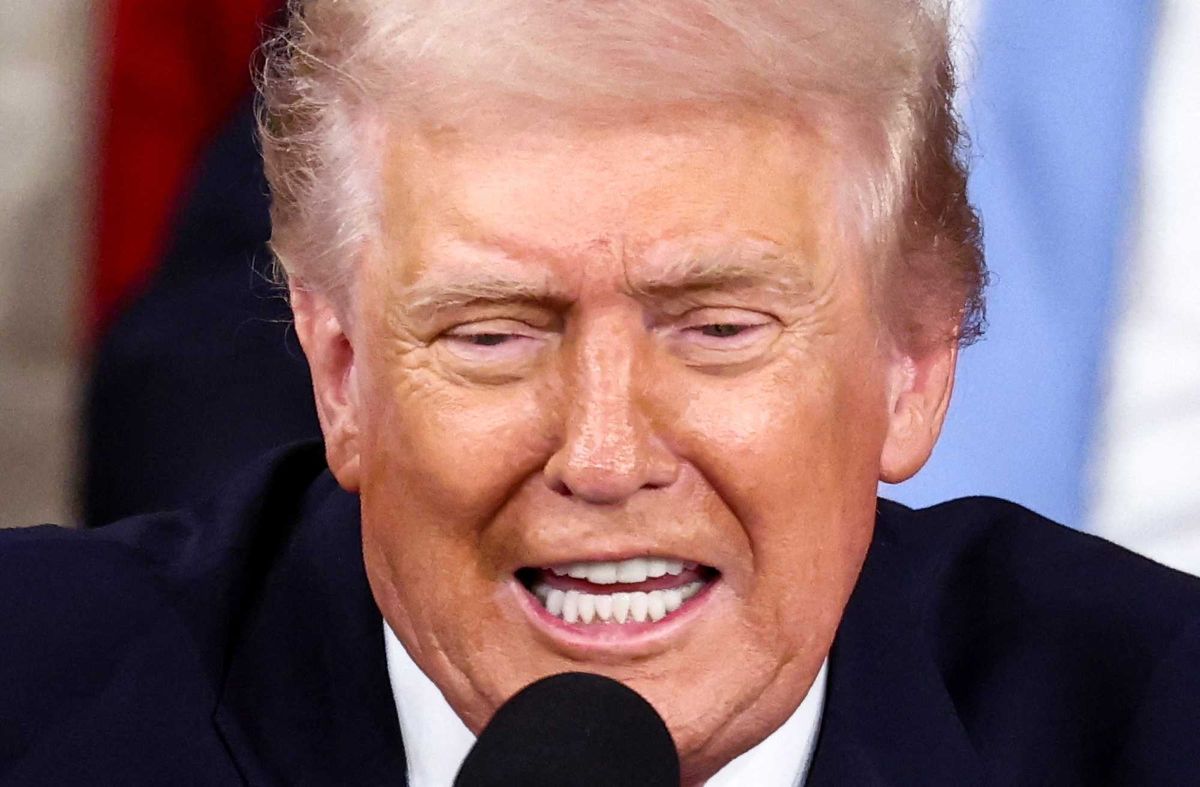
Donald Trump delivers the State of the Union address. REUTERS/KEVIN LAMARQUE
President Donald Trump has been surprised by Iran's response to joint U.S.-Israel airstrikes that took out their supreme leader.
Donald Trump delivers the State of the Union address. REUTERS/KEVIN LAMARQUE
President Donald Trump has been surprised by Iran's response to joint U.S.-Israel airstrikes that took out their supreme leader.
The 79-year-old president spoke to CNN's Jake Tapper for a nine-minute phone interview Monday morning to discuss his order over the weekend to decapitate Iranian leadership, and Trump said he was surprised that Iran had retaliated by striking other Arab countries in the region, including Bahrain, Jordan, Kuwait, Qatar and the United Arab Emirates.
“We were surprised,” Trump said. “We told them, ‘We’ve got this,’ and now they want to fight, and they’re aggressively fighting. They were going to be very little involved and now they insist on being involved.”
"[They] shot into a hotel, they shot into an apartment house," he added. "It just made them angry. They love us, but they were watching. There was no reason for them to be involved ... that was probably the biggest surprise.”
Trump said the initial strikes were successful and threatened more to come.
“We’re knocking the crap out of them,” Trump said. “I think it’s going very well. It’s very powerful. We’ve got the greatest military in the world and we’re using it.”
"We haven’t even started hitting them hard," he added. "The big wave hasn’t even happened. The big one is coming soon.”
The president was asked how long the military operation might last, and he expressed hope that it would end within weeks.
“I don’t want to see it go on too long," Trump said. "I always thought it would be four weeks, and we’re a little ahead of schedule.”
Trump said his team attempted to negotiate with the Iranians on ending their nuclear ambitions but complained that “we couldn’t make a deal with these people.”
“They had all that enriched stuff," he said. "They looked at redoing it there, but it was in such bad shape, the mountain had basically collapsed."
He argued that military strikes would succeed where diplomacy had not.
“We don’t have to worry about agreements," Trump said. “You go back 37 years, really 47 years, close to 50, look at what’s happened and all the death. People in the military walking around with no legs, walking around with no arms, their faces shattered."
“Over the last 47 years, I said, ‘give me all of the attacks,'" he added. "If I told you all of them I’d still be talking."

No comments:
Post a Comment