Sunday, March 13, 2022

Terence McKenna’s Anarchic Psychedelic Religion

Terence McKenna was an evangelist for the use of psilocybin and other mind-altering drugs, as a way to transcend and escape “untrammeled rationalism.”


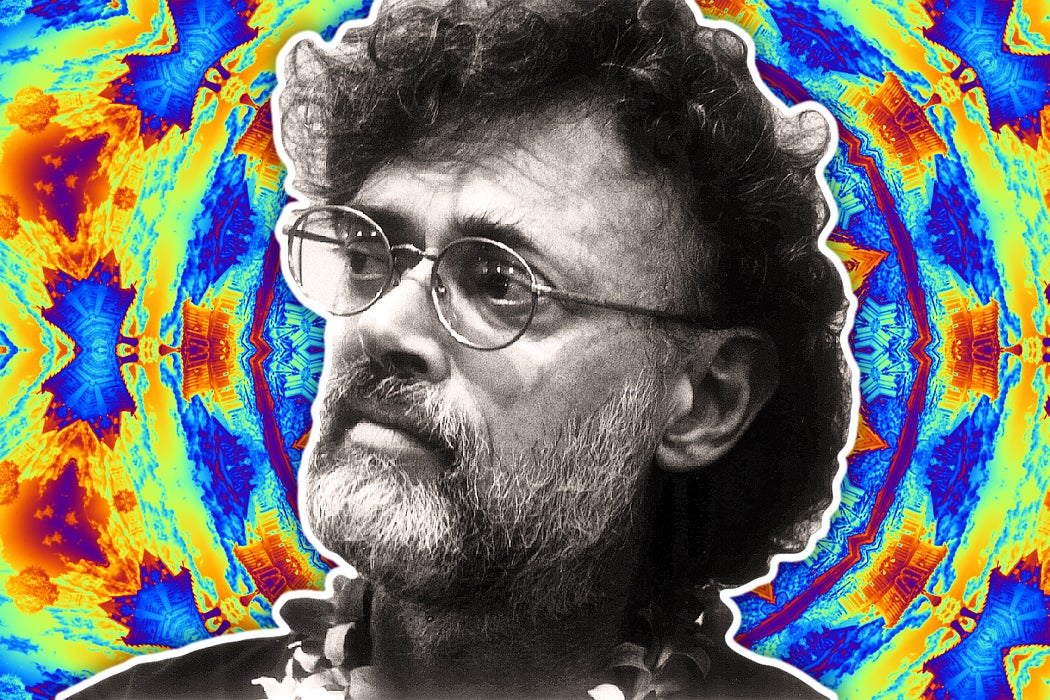
Terence McKenna
via Wikimedia Commons


By: Livia Gershon
March 12, 2022

With several companies seeking FDA approval for the medical use of psilocybin, and Oregon set to legalize it next year, the “magic mushroom” drug is increasingly mainstream. Yet, as religion scholar Andrew Monteith writes, the subculture in which psilocybin became popular in the US drew a central sense of its identity from opposition to the dominant culture. And no figure better epitomizes this than Terence McKenna. Monteith argues that McKenna made psilocybin and other mind-altering drugs the center of an enormously influential movement that was (and continues to be) both a religion and a radical political philosophy.

McKenna entered the world of psychedelics—or entheogens, a term Monteith prefers for its more spiritual connotations—at a time when the popular perception of the psychedelic poster child, LSD, was shifting. The drug had initially emerged as a pharmaceutical product that medical researchers believed had enormous potential. But by the mid-1960s it was becoming associated with youth unrest, antisocial behavior, and a lack of cohesion among US troops fighting in Vietnam.
McKenna wrote that “untrammeled rationalism, male dominance, and attention to the visible surface of things” had rendered society “very, very sick.”

Starting in 1965, McKenna studied ethnobotany at the University of California Berkeley, while also using substances such as LSD and DMT (the main ingredient in ayahuasca).

In 1976, McKenna and his brother Dennis anonymously published a guide to growing psychoactive psilocybin mushrooms. The book argues that mushrooms were the source of humanity’s first religious ideas and that entheogens would lead to “the next evolutionary step” for humanity.

Monteith writes that, in McKenna’s view, it was no coincidence that dominant political forces opposed such a substance. He believed that early human societies had been egalitarian and embraced consciousness-altering medicines. Then came the rise of “dominator culture” and patriarchal monotheism. These systems despised entheogens for the way they allowed people to transcend their individual egos.

McKenna wrote that “untrammeled rationalism, male dominance, and attention to the visible surface of things” had rendered society “very, very sick.” His solution was “Anarchic Revival,” encompassing both spiritual connection to the natural world and new, egalitarian social structures.

McKenna mingled scientific and pseudoscientific ideas about plant medicines and human consciousness. He cited real academic scholars in explaining his views of human history. But many of his ideas came from things that he and other “Psychonauts” had experienced while using entheogens. In his cosmology, psilocybin mushrooms were understood as sentient entities from space that can communicate with those who eat them. DMT, meanwhile, could allow people to visit a realm populated by “machine elves” capable of teaching humanity new forms of communication.

Since McKenna’s death in 2000, Psychonauts have distributed his recorded lectures and writings widely on the internet. Some on Reddit and other forums discuss connections between his words and their own experiences with entheogens. Some create art featuring the man, which Monteith suggests may sometimes function as icons like paintings of a saint, used in devotional practices involving entheogens.

Today, it remains an open question how this counterculture will adapt, as psychedelics become increasingly acceptable to a dominant society that once tried to eliminate them.


"The Words of McKenna": Healing, Political Critique, and the Evolution of Psychonaut Religion since the 1960s Counterculture
By: Andrew Monteith
Journal of the American Academy of Religion, Vol. 84, No. 4 (DECEMBER 2016), pp. 1081-1109
Oxford University Press
The USDA Versus Black Farmers

Current attempts to correct historical discrimination by local and regional offices of the USDA have been met with charges of “reverse discrimination.”


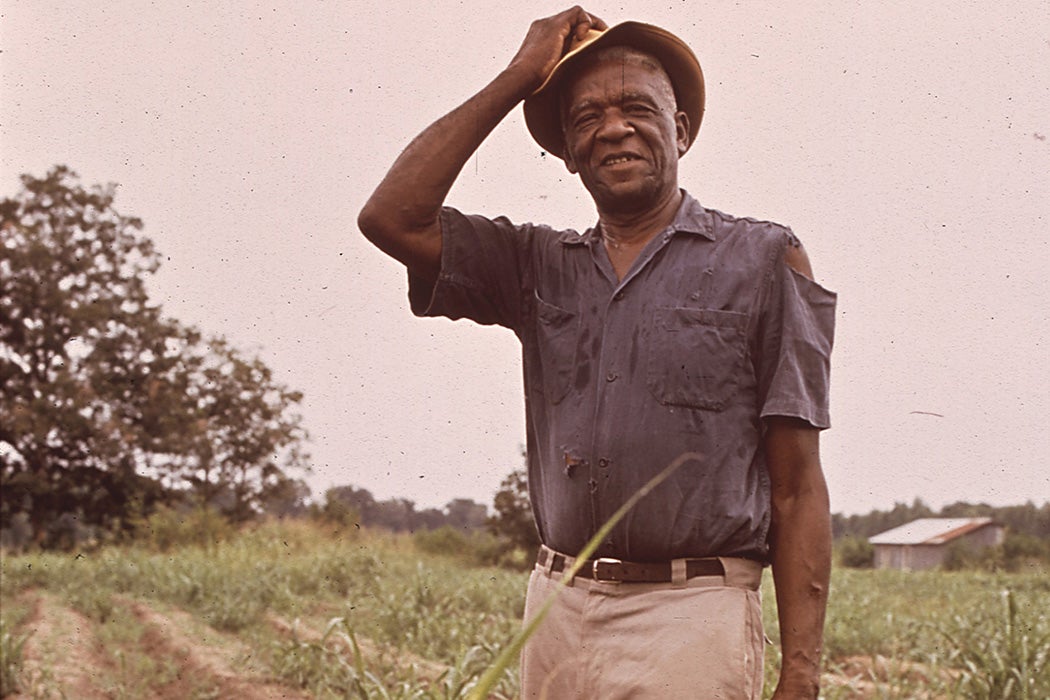
A farmer in Louisiana, 1972
via Wikimedia Commons


By: Matthew Wills
March 11, 2022

Debt relief for Black farmers, part of the American Rescue Plan, has been blocked by a lawsuit by white farmers who are charging “reverse discrimination.”

The issue brings up the extraordinary history of the US Department of Agriculture’s decades of denial of federal benefits to Black farmers, even after the civil rights laws of the 1960s. As scholar Pete Daniel writes,“racism circulated through federal, state, and county USDA offices, and employees at every level bent civil rights laws and subverted governmental programs in order to punish black farmers.”
Battles over school desegregation, public transportation and accommodations, and, of course, voting rights were news. Farmers were not.

Black farmers thus “suffered their most debilitating discrimination during the civil rights era when laws supposedly protected them from racist policies.” One reason is that little attention was paid to their plight in coverage of the civil rights struggle. Battles over school desegregation, public transportation and accommodations, and, of course, voting rights were news. Farmers were not.

Another reason was the massive resistance of segregationists. It’s one thing to make federal laws, but quite another to enforce them locally when those who are supposed to implement them are themselves the enforcers and beneficiaries of Jim Crow.

“The decline of black farmers after World War II contrasted dismally with their gains in the half century after emancipation when, demonstrating tremendous energy and sagacity, they negotiated a maze of race law and custom and—during the harshest years of segregation, peonage, and violence—gained land and status in southern communities.”

The USDA is extraordinarily powerful, the source of “allotments, credit, information, and access to government largess.” Formed during the Civil War, the Department’s programs were much expanded by the New Deal. From then into the 1990s, vital USDA programs like the Farmers Home Administration (FHA; later the FmHA), the Agricultural Stabilization and Conservation Service (ASCS), and the Federal Extension Service (FES), “bitterly resisted demands to share power with African Americans.”

The “tracks of racism and discrimination led from local committees and agriculture offices to state offices, to land-grant schools, to experimental stations, and on to Washington.” For instance, county-level bureaucrats punished Black farmers who advocated for civil rights, registered to vote, wanted to send their children to white schools, or joined the NAACP. “Denying production credit and home loans and chipping away at acreage allotments, committees drove activist farmers off the land.”

There was, of course, much movement from farms during the twentieth century. About one third of all workers in the US labored on farms in 1900. In 1950, it was less than a fifth of all workers. Today, a tenth of America’s workforce is in agriculture, food, and related industries, but most of this the food-services sector. Farming itself comprised a mere 1.4% of the U.S. labor force in 2020.

These declines were uneven: one 1965 study found that the white farmer population declined by 28% between 1935-1959. In the same time period, the Black farmer population declined 40%.

The USDA’s abysmal track record was revealed by a class-action suit settled in 1999. Pigford v. Glickman became one of the largest civil rights settlements ever. But it only reached back to the early 1980s. Thousands of Black farmers had been plunged into debt and driven from the land before that were out of luck.

One of the plaintiffs in Pigford was Shirley Sherrod. Her father, a Georgia farmer, had been shot dead by a white farmer in 1965. An all-white grand jury brought no charges against the killer. Sherrod joined the class action suit because she and her husband were denied USDA loans that were later shown to have been given to local white farmers on very generous terms.

In 2009, Sherrod was appointed the USDA’s rural development director for Georgia, the first Black person to hold that position. But she was forced to resign in 2010 over what turned out to be a doctored video released by right-wing activists that made it seem like she she was discriminating against white farmers.

African American Farmers and Civil Rights
By: Pete Daniel
The Journal of Southern History, Vol. 73, No. 1 (Feb., 2007), pp. 3-38
Southern Historical Association
Are Polar Bears Altruistic or Just Bad At Math?

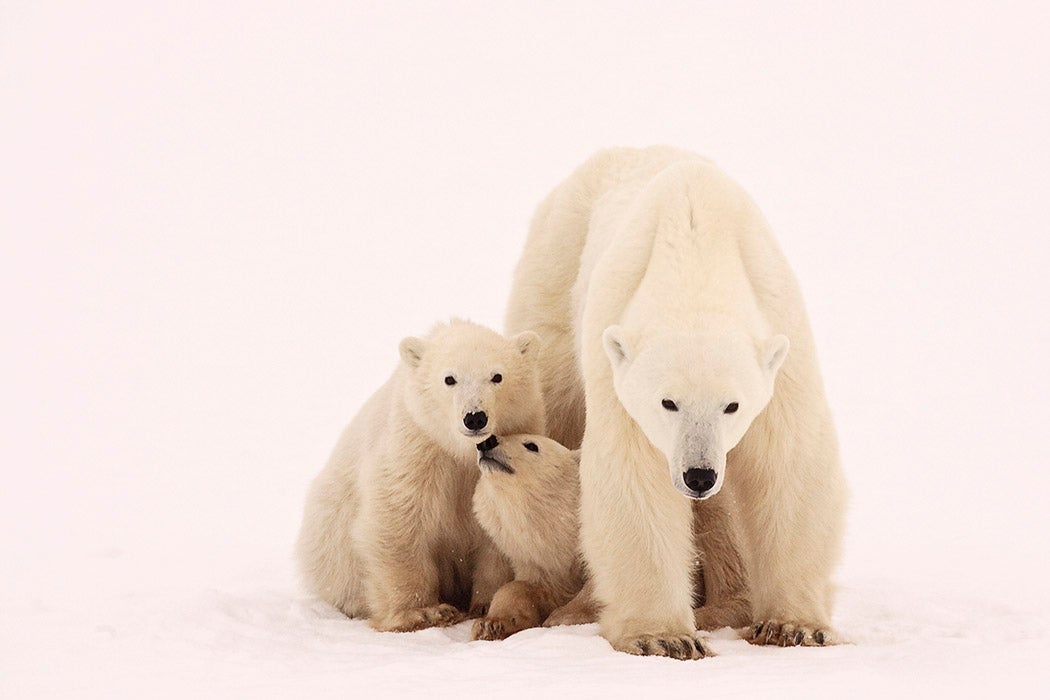
Polar bear mothers are known to adopt and raise cubs from non-related litters. Why do they make a multi-year commitment to do it?


Getty

By: Mena Davidson
February 27, 2022

In the 21st century, most mentions of polar bears conjure images of stranded bears, on exposed beaches or drifting ice sheets as glaciers melt away into the ocean. The harsh conditions of the rapidly-changing Arctic don’t make it easy for animals to raise the next generation of youngsters, and raising a polar bear cub is a lot of work.

Polar bear moms must build a snow den in the fall, where they will stay, without food or water, to give birth and care for their newborn cubs through the winter. Polar bears usually give birth to litters of one or two cubs, and about 70% of cubs will survive–although this number is declining closer to 40% over time. In the spring, mom and cubs will emerge from the den, where she will spend the next 2.5-3 years showing them the ropes of Arctic living. Given this significant investment in her cubs, it’s surprising to find that polar bear moms will sometimes adopt additional cubs from another mother.
Many species care for young that aren’t their own, a natural phenomenon known as alloparenting or cooperative breeding.

This behavior isn’t uncommon throughout the animal kingdom–many species care for young that aren’t their own, a natural phenomenon known as alloparenting or cooperative breeding. In fact, some animals, like meerkats, are unable to raise young without the cooperation of helpers in the social group. Alloparenting most commonly evolves in group-living species, when individuals are highly related or very social. In these cases, animals pass on their shared genes by caring for more distant relatives or increase the chance of gaining reciprocal care for their future offspring. In this way, helpers benefit from their efforts, under the guise of a seemingly altruistic act.

However, polar bears do not meet any of these prerequisites for the evolution of alloparenting. They are solitary, live at low densities far from other groups, and raise cubs that impose a large energetic cost due to their prolonged care. So, why do they do it?

Western researchers have studied several populations of polar bears around the Arctic since the 1960’s, although Indigenous communities likely have traditional knowledge of polar bears that spans thousands of years. In this time, polar bears have been observed adopting a single unrelated cub into an existing litter, as well as adopting a litter of new cubs following the loss of their own cubs.

One possible explanation is that new moms gain valuable parenting experience through adoption, increasing the probability of success for a subsequent litter. But this doesn’t seem to be supported by research. The most likely explanation is that polar bears haven’t developed the cognitive ability to keep track of the number or identity of their own cubs. Solitary polar bears don’t cross paths very often, so it’s usually safe for a mother to assume that any cubs within an arm’s reach are hers… with the caveat that she won’t notice if one of her cubs has just wandered into the group and doesn’t belong. It’s also possible that mothers who have lost their own cubs recently are biologically predisposed to parenting, and will adopt any cubs that come her way as her own.

Either way, it looks like this curious case of cub adoption is just another example of an energetically costly mistake, rather than a heartwarming instance of altruism and concern. In the wild, it’s still every parent for themselves in the struggle to survive, and pass their genes to the next generation.


The Estimation of Survival and Litter Size of Polar Bear Cubs
By: Douglas P. Demaster and Ian Stirling
Bears: Their Biology and Management, Vol. 5, A Selection of Papers from the Fifth International Conference on Bear Research and Management, Madison, Wisconsin, USA, February 1980 (1983), pp. 260-263
International Association for Bear Research and Management

Factors Affecting Pup Growth and Survival in Co-Operatively Breeding Meerkats Suricata suricatta
By: A. F. Russell, T. H. Clutton-Brock, P. N. M. Brotherton, L. L. Sharpe, G. M. McIlrath, F. D. Dalerum, E. Z. Cameron and J. A. Barnard
Journal of Animal Ecology, Vol. 71, No. 4 (Jul., 2002), pp. 700-709
British Ecological Society

The Evolution of Alloparental Care and Adoption in Mammals and Birds
By: Marianne L. Riedman
The Quarterly Review of Biology, Vol. 57, No. 4 (Dec., 1982), pp. 405-435
The University of Chicago Press

The Status and Conservation of Bears (Ursidae) of the World: 1970
By: I. McTaggart Cowan
Bears: Their Biology and Management, Vol. 2, A Selection of Papers from the Second International Conference on Bear Research and Management, Calgary, Alberta, Canada, 6-9 November 1970. IUCN Publications New Series no. 23 (1972), pp. 343-367
International Association for Bear Research and Management

Wabusk of the Omushkegouk: Cree-Polar Bear (Ursus maritimus) Interactions in Northern Ontario
By: Raynald Harvey Lemelin, Martha Dowsley, Brian Walmark, Franz Siebel, Louis Bird, George Hunter, Tommy Myles, Maurice Mack, Matthew Gull, Matthew Kakekaspan, The Washaho First Nation at Fort Severn and The Weenusk First Nation at Peawanuck
Human Ecology, Vol. 38, No. 6 (DECEMBER 2010), pp. 803-815
Springer

Observation of Adoption in Polar Bears (Ursus maritimus)
By: A. E. Derocher and Ø. Wiig
Arctic, Vol. 52, No. 4 (Dec., 1999), pp. 413-415
Arctic Institute of North America

A Case of Offspring Adoption in Free-Ranging Polar Bears (Ursus maritimus)
By: S. N. Atkinson, M. R. L. Cattet, S. C. Polischuk and M. A. Ramsay
Arctic, Vol. 49, No. 1 (Mar., 1996), pp. 94-96
Arctic Institute of North America
Cows Gone Wild: The Cattle of Heck

Returning large, wild herbivores to Europe could help maintain soil health and discourage invasive species, but these cows have some political baggage…


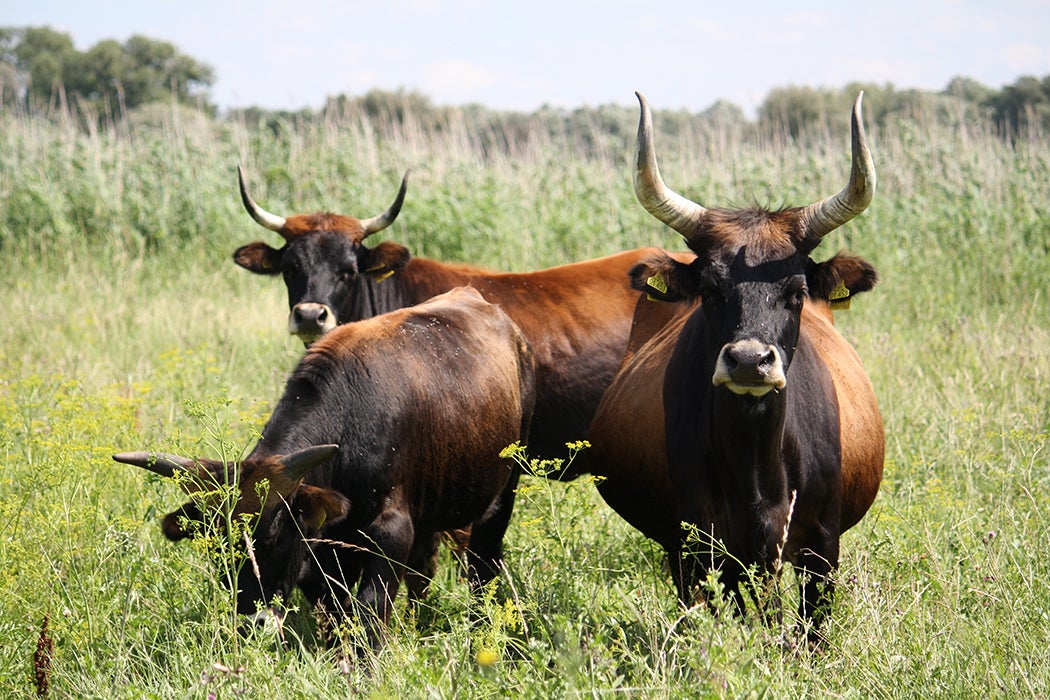
Heck cows
via Wikimedia Commons

By: Matthew Wills
March 13, 2022

The European rewilding movement has some bovine baggage. In 2009, when a breed of cattle called Heck were imported into England from Germany to be let loose on private land in Devon, the British tabloids ran amuck with “Nazi Cows” and “Herd Reich” headlines.

What the Heck was going on?

“To be clear from the outset, although the histories of Heck cattle make them symbolically charged, their material form and political deployment are not now ‘Nazi’ in character. Nor, of course, is rewilding Europe in the twenty-first century a fascist endeavor.”

So explain geographers Jamie Lorimer and Clemens Driessen in the context of returning large wild herbivores to Europe. Big herbivores are the “naturalistic grazing” component of rewilding efforts. Able to survive outdoors in all weather, such wild grazers keep invasive species at bay, beneficially break up the soil, and recycle nutrients through their fertilizing dung—and, ultimately, their corpses.
The problem is that Europe doesn’t have any large wild herbivores anymore.

The problem is that Europe doesn’t have any large wild herbivores anymore. Once the aurochs, with a range encompassing much of Eurasia and North Africa, did all this. The animals were the ancestors of Bos taurus, the species that makes up all modern breeds of cattle. Artistic representations of aurochsen (the plural of aurochs in both German and English) are found in caves dating back 36,000 years. The last remaining wild “ur-oxen” survived in Polish forests until remarkably recently, before clear-cutting, hunting, and competition from domesticated cattle led to their extinction around 1627.

Almost a century ago, two German brothers started an attempt to back-breed various strains of hardy cattle to get something like an extinct aurochs. The sons of a famous director of the Berlin Zoo, Lutz and Heinz Heck started their efforts in Weimar Germany. They both ran zoos in the 1930s and became enthusiastic Nazis, with the full support of the Nazi Party behind their efforts. They dreamed of herds of wild cattle roaming the eastern European plains, a landscape murderously depopulated of non-Germans.

The Hecks didn’t, in fact, “recreate” an aurochs. They did come up with hardy breed of cattle that, thanks to an influx of Spanish fighting bulls, proved to be fairly aggressive. Some of these survived WWII. Starting in the 1980s, “under very different political circumstances” descendants of these Heck cattle were imported and introduced in the Oostvaardersplassen, an early rewilding project in the Netherlands that called for big, de-domesticated herbivores.

Lorimer and Driessen offer a more nuanced approach to the “genealogy of rewilding” than the hysterical tabloids, arguing that there are a “multiplicity of rewildings past and present,” only some of which are tainted by “reactionary tendencies.”

The authors do note that manifestos of rewilding “are often ahistorical and apolitical.” There are, for example, “various ontologies, geographies, and epistemologies of wilderness in Europe.” Defining “wild,” “wilderness,” and “rewilding” are important baselines. Considering that all “claimed returns to the wild are fundamentally political endeavors with fraught spatial histories,” rewilding definitely warrants critical thought and a historical grounding.

Meanwhile, the Tauros Programme is attempting to back-breed cattle to as close to aurochsen as genetically possible. Other rewilding projects simply use existing heritage breeds of cattle as proxies for aurochs. Knepp Farm, whose story is told in Isabella Tree’s Wilding: Returning Nature to Our Farm, uses old English longhorns.

English longhorns aren’t quite wild cattle, but they’re also much hardier than the usual domesticated breeds. They roam the property year around, functioning as de facto ecological engineers, not least in dropping cowpies that become overrun with multiple species of dung-beetles that have otherwise disappeared from farms, whose cows have to be pumped full of drugs just to get by.


From "Nazi Cows" to Cosmopolitan "Ecological Engineers": Specifying Rewilding Through a History of Heck Cattle
By: Jamie Lorimer and Clemens Driessen
Annals of the American Association of Geographers, Vol. 106, No. 3 (May 2016), pp. 631-652
Association of American Geographers
Grunts, boops, chatters and squeals — fish are noisy creatures

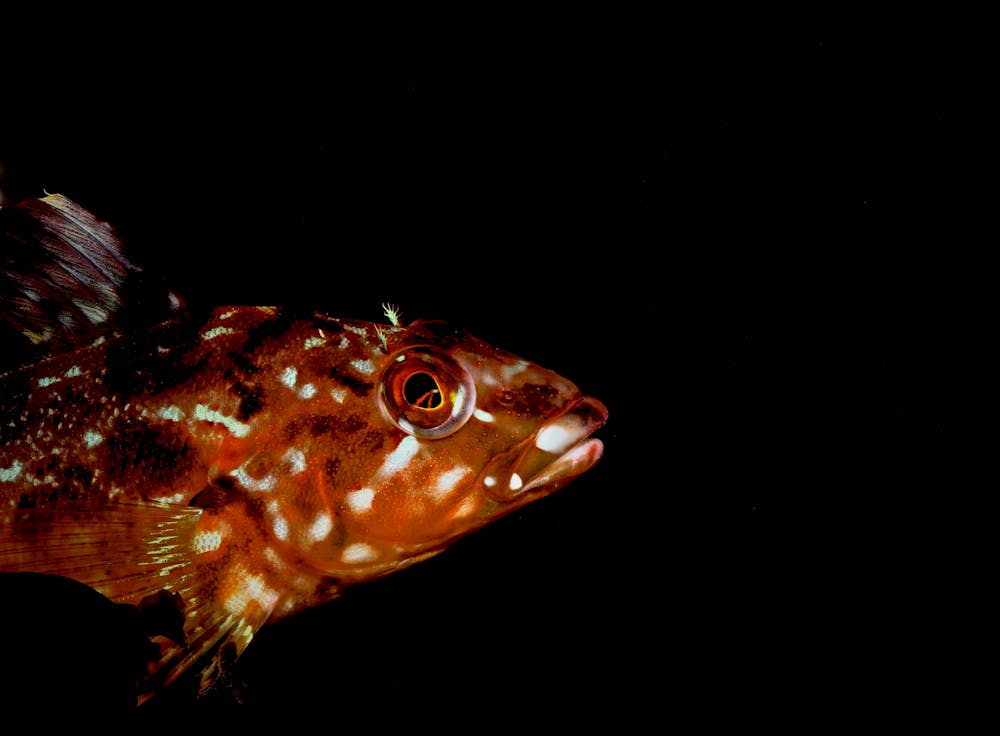
FishSounds is an online database of recordings of the noises created by fish, like this Bocon toadfish. (Shutterstock)


THE CONVERSATION
Published: March 13, 2022 


While they may lack some of the melodic qualities of birds or whales, there are almost 1,000 species of fish that use sounds to communicate, and possibly many more.

Yet, despite nearly 150 years of contemporary scientific research into fish sound production, there was no global inventory of fish species known to make sounds. Until now. Fish are one of the largest groups of sound-producing vertebrates, with speculated sound production abilities in thousands of the 34,000 fish species globally.

Our research team, led by Audrey Looby, conducted a systematic review examining almost 3,000 references. We extracted data from more than 800 different studies to determine that 989 fish species have been shown to produce active sounds globally. We used our findings to create FishSounds, an online database cataloguing fish sounds.
Wait, fish make sounds?

While fish sound production may not be as widely recognized as it is for birds, frogs, bats or whales, people have known fish could make sounds for a very long time. Fish sound production and possible fish hearing were discussed by Aristotle more than 2,000 years ago. And looking at the common names of many fishes — like grunts, croakers and drums — it is clear fishers have known about their sounds for a long time, too.

A BBC Earth report on fish sounds.

Fish also have a wide diversity of mechanisms for their sound production. Instead of vocal cords, fish may have adapted bony structures that they can rub or click together, while others use their swimbladder like a drum. Some fish even make sounds by expelling air out of their backsides. Yes, communication through “fish farting.”

Fish may use sound to communicate information about reproduction, their territory or their food. Because sound travels faster in water than in air, fish can hear signals across greater distances, and faster than they could through sight, smell or taste.

For some examples, listen to the complex calls of the Bocon toadfish, the ticks of the sablefish and a chorus of freshwater drums.

Thanks to our review, we are now able to detail which and how many fish species have been documented to use sound for communication. Actively soniferous — sound-producing — fishes have been found in marine, freshwater and brackish (slightly salty, like where rivers meet saltwater) environments in almost every region globally. They have also been found throughout the fish taxonomic tree, in 133 of the 549 fish families.

Listening to fish

Many other animals, including birds, dolphins and crabs may eavesdrop on fish sounds to eat, avoid being eaten and navigate to suitable habitats.

Underwater animals aren’t the only ones who can eavesdrop on fish sounds. We used a remote sensing technique called passive acoustics to record underwater sounds and learn more about fish and their environment.

Fish sounds have been used to detect invasive species, monitor spawning and identify essential habitats. Fish chewing sounds have even been used in aquaculture to optimize feeding.

There is also a growing body of evidence that human activities through noise pollution, habitat degradation and climate change are hurting the abilities of fish to produce and hear critical sounds for their reproduction and survival. This has potentially detrimental effects to whole populations or communities of fish.

Using our global review of soniferous fishes as a framework, FishSounds makes the data we collected available to other researchers, and anyone else, with an interest in aquatic ecosystems. Users can search by species, recording or study information. We also provide information about our data and links to other relevant websites.


While fish don’t have vocal cords, they do produce sounds to communicate. (Kieran Cox), Author provided

We are also compiling recordings of the many sounds fish produce, with 239 recordings currently available, and many more to come.

Growing resource


We plan to expand our data offerings and functionalities, including regularly updating our database to include new research and recordings, implementing a form submission system that people can use to upload audio files of fish sounds and creating interactive searches that allow users to visualize trends in the data.

FishSounds is also collaborating with other data repositories and efforts, including FishBase, as well as contributing to a global library of underwater biological sounds.

Because more than 95 per cent of fish species lack published research on sound production, we hope to amplify what we know already and support future work on the wonderful world of fish sounds.


Authors
Audrey Looby
PhD candidate, Fisheries and Aquatic Sciences, University of Florida
Amalis Riera
Research Scientist
Kieran Cox
Postdoctoral fellow, Marine Ecology, University of Victoria
Sarah Vela
Senior Data Manager, Dalhousie University
Disclosure statement

Amalis Riera works for MERIDIAN - the Marine Environmental Research Infrastructure for Data Integration and Application Network. This group receives funding from the Canada Foundation for Innovation (CFI), Research Nova Scotia, and Dalhousie University.

kcox@uvic.ca receives funding from Liber Ero Fellowship and the Natural Sciences and Engineering Research Council of Canada

Sarah Vela works for MERIDIAN - the Marine Environmental Research Infrastructure for Data Integration and Application Network. This group receives funding from the Canada Foundation for Innovation (CFI), Research Nova Scotia, and Dalhousie University.
Why birth control side effects have eluded science

Birth control users report the drug affects their mental health, but scientists have been unable to find the link


By SAIMA SIDIK
SALON
PUBLISHED MARCH 13, 2022
Young woman holding birth control pills blister pack (Getty Images/Dimitri Otis)

This article originally appeared on Undark.

In August 2021, Emilie Skoog lay on the couch in her parents' living room, thinking that not a single thing in the world sparked joy. For weeks, the 25-year-old MIT graduate student had been unable to muster enough appetite to eat properly. Instead, she'd spend full days lying in bed, drifting in and out of sleep between sips of Gatorade.

The depression had set in about two months earlier, Skoog said, just after she'd started taking hormonal birth control pills to ease the debilitating cramps she experienced around the time of her period, which rendered her housebound for a few days each month.

"I'm a very upbeat, happy person," Skoog said. But that first month taking the pills, she recalled, a fog of exhaustion and apathy replaced her usual cheerful mood. When she walked to the lab where she worked, she added, "I didn't even care to look both ways across the street."

Skoog says her doctor diagnosed her with depression and prescribed antidepressants that helped her get off the couch and back to her life. But it wasn't until she followed the advice of a friend, who suggested she try going off the birth control, that the depression truly lifted, she said: "I swear to you, the day I stopped taking it, I literally felt completely normal."
Advertisement:

Oral contraceptives were approved in the 1960s, and since then, studies suggest, the medications have benefitted large segments of society. Still, concerns about possible side effects linger. Researchers have looked for a connection between hormonal birth control and mental health issues like anxiety and depression. But despite the stories like Skoog's that circulate on social media, in sisterly social groups, and in doctors' offices, these studies have not consistently supported a link. For now, while the connection between birth control and mental health may seem obvious to many of the drugs' users, a true link remains elusive to researchers.

Hormone-based birth control works primarily by mimicking key aspects of pregnancy. At the end of each monthly cycle, people who menstruate have natural hormonal lows that tell their bodies they're not pregnant. Birth control keeps hormone levels high, as they are during pregnancy, with one consequence being that eggs stay locked away where they can't be fertilized.

There's ample reason to believe that tinkering with sex hormones might affect a person's mood. Conditions such as anxiety and depression often manifest during puberty and menopause, when hormones are undergoing natural fluctuations. When birth control first came on the market, it didn't take scientists long to begin studying whether these new drugs could also influence their users' psychology. But in 2018, when researchers from Ohio State University looked at 26 studies examining the link between some of the most common types of birth control and depression, they wrote, "the preponderance of evidence does not support an association."

Brett Worly, an OB-GYN based in Columbus, and one of the authors of the meta-analysis, said that performing the study changed how he talks to his patients. Before, he cautioned prospective birth control users that the drugs might cause depression — because some reports indicated this might be the case — but now he tells them that's unlikely. Worly admits, however, that his advice is based only on the best evidence that's available right now. The study he'd like to see has yet to be done.

"It would have to be like hundreds or maybe thousands of women over at least six months to a year," he said. Ideally, the study would be performed by independent researchers unaffiliated with pharmaceutical companies, to avoid any bias. Participants would be randomly assigned to take birth control or placebo pills, and researchers would periodically assess depression, anxiety, and a range of mood changes.

But this gold standard approach has a downside for participants: The placebo group would be susceptible to unwanted pregnancies. Participants would need a secondary, non-hormonal form of birth control, but here the options are limited. A copper intrauterine device, or IUD, is the obvious choice for its effectiveness, but insertion is invasive, and heavy, painful periods can be a common side effect. Condoms are an option, but barrier methods are prone to human error and tend to be less effective than hormonal contraceptives. "It's a hard study to do," Worly said. "Hopefully, eventually, that would happen. It hasn't happened yet the way that we need it to."

Even a group with the capability to complete the study would face an additional challenge: Scientists say they lack the tools to accurately assess many of the mental health side effects that birth control users may experience. Worly and his co-authors focused their meta-analysis on depression because it's a specific, widely studied condition that researchers have standard ways of diagnosing. The main symptoms of depression include feelings of worthlessness, hopelessness, and fatigue, but birth control users have reported that the drugs can make them cry more easily, feel anxious, or feel oddly emotionless — conditions that are assessed by some depression questionnaires, but which don't qualify as depression on their own.

Women's health physician Ellen Wiebe runs an abortion clinic in Vancouver, British Columbia, where she often has conversations with her patients about why birth control failed them. "Over and over again, I had heard that she tried birth control," Wiebe said, "and she went crazy."

She asked her patients what they mean when they say they feel crazy. "They told me that they would get angry more easily, that they would cry more easily, that they would just overreact to stuff," Wiebe said. And so she designed a survey to examine these subtle mood changes. The rate of mental health side effects that she uncovered was far higher than the rates she was used to seeing in physician manuals— of the 978 respondents in the self-reported survey, 51 percent had experienced at least one negative mood-related side effect.

Wiebe said she thinks her research uncovered such a high rate because she designed her survey around the side effects that birth control users reported to her, like disinterest in sex and irritability. And she noted that even comparatively mild mood changes can have a serious impact on well-being: "A combination of being angry and not wanting to have sex is not good for relationships," Wiebe said. "I remember one woman telling me, 'I lost the love of my life.'"

Wiebe's results may not hold for all populations, however. She and her collaborators recruited participants in doctors' offices, "so right there you have some selection bias," Andrew Novick, a reproductive psychiatrist at the University of Colorado, wrote in an email to Undark. Women who feel well on their medications are less likely to visit a doctor than those who are experiencing negative side effects.

Worly says he thinks the survey is a nice contribution to scientists' understanding of mood-related side effects. But he cautions that asking participants to remember how they felt, potentially years earlier, as the study's authors did, could introduce recall bias. And a critical component of his ideal experiment was missing: "There was no 'control group,' to correct for other circumstances that may have affected women, like change in seasons, change in relationship, and more," he wrote.

Lorraine Boissoneault, a journalist from the Chicago area, knows how hard it can be to disentangle mental health side effects from other factors. She struggled with mood swings from the time she started taking birth control until she switched to a non-hormonal IUD, around six years later. "In my head, the thing that had changed, that seems like the obvious change, was birth control," she said. But during that same period, she noted, her personal life improved and she started getting treatment for a thyroid condition that had gone undiagnosed.

Novick says he's treated people who, like Boissoneault, experience mood swings while on birth control, people who experience more subtle changes, and people who actually feel better while taking these drugs. Further complicating the matter, anecdotes suggest that the same person can experience both ends of this emotional spectrum. Elizabeth Hinnant, a writer from Atlanta, found that one form of hormonal birth control left her feeling severely irritated, while another made her feel calmer than usual.

Variability, lack of specificity, and confounding circumstances make mood changes hard to measure, but Wiebe and Novick also pointed to a problem researchers face when studying any serious side effect — people like Boissoneault, Hinnant, and Skoog probably won't participate in studies testing drugs that they believe made their lives miserable, so studies don't capture this segment of the population. "It's something called the survivor effect," Novick said. Most studies are limited to studying women who are willing to take hormonal birth control. "And who are those women?" Novick asks. "Those women are the ones who want to stay on it."

Birth control users say they sometimes contend with stigma and dismissive attitudes as they try to address mood changes. Skoog says she consulted two doctors about whether birth control could be contributing to her depression. Both told her that was unlikely. Boissoneault, meanwhile, never talked to a doctor about her mood swings because, "I was scared of what people might say, or how they might react," she said. "So I kind of just gritted my teeth and tried to get through it."

Compounding the problem, some researchers may hesitate to speak out against drugs that have had undeniably positive impacts for large segments of society. One study found that the introduction of birth control correlated with a three-fold increase in the number of women enrolled in medical and law school. Another found that birth control may have helped narrow the wage gap. And studies consistently show that children are less likely to grow up in poverty when their parents have access to birth control. These gains were hard fought in the U.S. — the battle to keep birth control accessible has reached the Supreme Court multiple times. Novick remembers showing a colleague his first grant proposal to study birth control's mood-related side effects. "He was like, 'You got to tread carefully here,'" Novick said. "Because OB-GYNs are gonna get very defensive."

Some scientists think outdated views about physiology have also stymied research. Nafissa Ismail, a neuroendocrinologist at the University of Ottawa, said, "We've been studying the brain as its own entity for the longest time in the field of neuroscience and forgetting that it belongs to a body." It's only recently that a push to reconsider the body has prompted questions about how drugs targeting the uterus can translate to the brain, she added.

Medical imaging suggests that there may be significant translation from body to mind. Using brain scanning techniques like magnetic resonance imaging, researchers have observed that birth control may alter the number of cells — and the number of connections between them — in certain regions of the brain. These alterations may underly behavioral changes observed by Ismail and others, like differences between how birth control users and non-users respond to stress.

Ismail says that resources for this type of work are becoming more available — she cites the Canadian Institutes of Health Research and the U.S. National Institutes of Health as funding agencies that have expressed interest in research on birth control and mood. But after so many years of languishing in obscurity, these fields lack the number of researchers necessary to make rapid progress.

Meanwhile, Skoog said she's off hormonal birth control for good, and considering acupuncture to control her cramps. She's also helping friends track their own moods, just in case birth control skews their feelings into dangerous territory. "I imagine that there are many, many, many women out there who are going through this," she said.
When you eat matters: How your eating rhythms impact your mental health


When the main circadian clock in the brain is out of sync with eating rhythms, it impacts the brain’s ability to function fully.
(Shutterstock)

THE CONVERSATION
Published: March 13, 2022 8.28am EDT


Eating is an essential part of human life and it turns out that not only what we eat but when we eat can impact our brains. Irregular eating times have been shown to contribute to poor mental health, including depression and anxiety, as well as to cardio-metabolic diseases and weight gain.

Fortunately, it is possible to leverage our eating rhythms to limit negative mood and increase mental health. As a doctoral student in the field of neuropsychiatry and a psychiatrist studying nutrition and mood disorders, our research focuses on investigating how eating rhythms impact the brain.

Here’s how it all works: The circadian clock system is responsible for aligning our internal processes at optimal times of day based on cues from the environment such as light or food. Humans have evolved this wiring to meet energy needs that change a lot throughout the day and night, creating a rhythmic pattern to our eating habits that follows the schedule of the sun.

Although the main clock manages metabolic function over the day-night cycle, our eating rhythms also impact the main clock. Digestive tissues have their own clocks and show regular oscillations in functioning over the 24-hour cycle. For example, the small intestine and liver vary throughout the day and night in terms of digestive, absorptive and metabolic capacity.

When the main circadian clock in the brain is out of sync with eating rhythms, it impacts the brain’s ability to function fully. Even though the brain is only two per cent of our total body mass, it consumes up to 25 per cent of our energy and is particularly affected by changes in calorie intake. This means that abnormal meal times are bound to have negative health outcomes.
Food and mood

Although the underlying mechanisms are still unknown, there is overlap between neural circuits governing eating and mood. Also, digestive hormones exert effects on dopamine, a neurotransmitter that plays a large role in mood, energy and pleasure. Individuals with depression and bipolar disorder have abnormal dopamine levels. Altered eating rhythms are thought to contribute to the poor maintenance of mood.
There is overlap between the neural circuits governing eating and mood. (Shutterstock)

Irregular eating may even play a role in the complex underlying causes of mood disorders. For example, individuals with depression or bipolar disorder exhibit disturbed internal rhythms and irregular meal times, which significantly worsen mood symptoms. In addition, shift workers — who tend to have irregular eating schedules — demonstrate increased rates of depression and anxiety when compared to the general population. Despite this evidence, assessing eating rhythms is not currently part of standard clinical care in most psychiatric settings.
Optimizing eating rhythms

So, what can be done to optimize our eating rhythms? One promising method we have encountered in our research is time-restricted eating (TRE), also known as intermittent fasting.

TRE involves restricting the eating window to a certain amount of time during the day, typically four to 12 hours. For example, choosing to eat all meals and snacks in a 10-hour window from 9:00 a.m. to 7:00 p.m. reflects an overnight fasting period. Evidence suggests that this method optimizes brain function, energy metabolism and the healthy signalling of metabolic hormones.

TRE has already been shown to prevent depressive and anxiety symptoms in animal studies designed to model shift work. The antidepressant effects of TRE have also been shown in humans. Eating on a regular schedule is also beneficial to reduce the risk of health issues such as obesity, diabetes and cardiovascular disease.

Circadian rhythms in a 24-hour world

We live in a 24-hour world filled with artificial light and round-the-clock access to food. That makes the effects of disturbed eating rhythms on mental health an important topic for modern life. As more research provides data assessing eating rhythms in individuals with mood disorders, incorporating eating rhythm treatment into clinical care could significantly improve patient quality of life.

For the general population, it is important to increase public knowledge on accessible and affordable ways to maintain healthy eating. This includes paying attention not only to the content of meals but also to eating rhythms. Aligning eating rhythms with the schedule of the sun will have lasting benefits for general well-being and may have a protective effect against mental illness.

Authors
Elena Koning
PhD Student, Centre for Neuroscience Studies, Queen's University, Ontario
Elisa Brietzke
Professor, Department of Psychiatry, Queen's University, Ontario
Disclosure statement
Elisa Brietzke receives funding from Faculty of Health Sciences, Department of Psychiatry and Centre for Neuroscience Studies (CNS), Queen's University.


Cool to be kind: being nice is good for us – so why don’t we all do it?

As science proves that acts of kindness benefit both giver and receiver, we ask why some people are so much better at putting others first

Guinea-Bissau's Braima Suncar Dabo helps Aruba's Jonathan Busby to the finish line during the men's 5,000m heats at the 2019 IAAF World Athletics Championships in Doha. 
Photograph: Kirill Kudryavtsev/AFP/Getty Images


Donna Ferguson
Sun 13 Mar 2022 10.00 GMT

It was freezing cold the day Neil Laybourn saw a man in a T-shirt sitting on a high ledge on Waterloo Bridge and made a split-second decision that would change both their lives for ever. “It’s hard to pin down what it was that made me stop… but it would have played on my mind if I hadn’t,” he said. “That’s not how you live your life is it? You don’t just walk past when you see someone in need.”

On that January morning in London’s rush hour, hundreds of other people were doing exactly that. But Laybourn didn’t and – it turned out the man, Jonny Benjamin, was contemplating suicide. Six years later he would launch a campaign to find and thank Laybourn for persuading him down off that ledge. The two of them now give talks on mental health issues and suicide prevention together.

Looking back now on that day, Laybourn says: “It’s made me much more aware of how important it is to put the amount of kindness you have in you, out into the world.”

But what is it, exactly, that makes us kind? Why are some of us kinder than others – and what stops us from being kinder?

The Kindness Test, a major new study involving more than 60,000 people from 144 different countries, has been looking into these and other questions. Launched on BBC Radio 4 and devised by the University of Sussex, it is believed to be the largest public study of kindness ever carried out in the world.

The results, which are currently the subject of a three-part Radio 4 documentary The Anatomy of Kindness, suggest that people who receive, give or even just notice more acts of kindness tend to experience higher levels of wellbeing and life satisfaction.

Other encouraging findings are that as many as two-thirds of people think the pandemic has made people kinder and nearly 60% of participants in the study claimed to have received an act of kindness in the previous 24 hours.

“It is a big part of human nature, to be kind – because it’s such a big part of how we connect with people and how we have relationships,” says Claudia Hammond, visiting professor of the public understanding of psychology at the University of Sussex and presenter of the documentary. “It’s a win-win situation, because we like receiving kindness, but we also like being kind.”
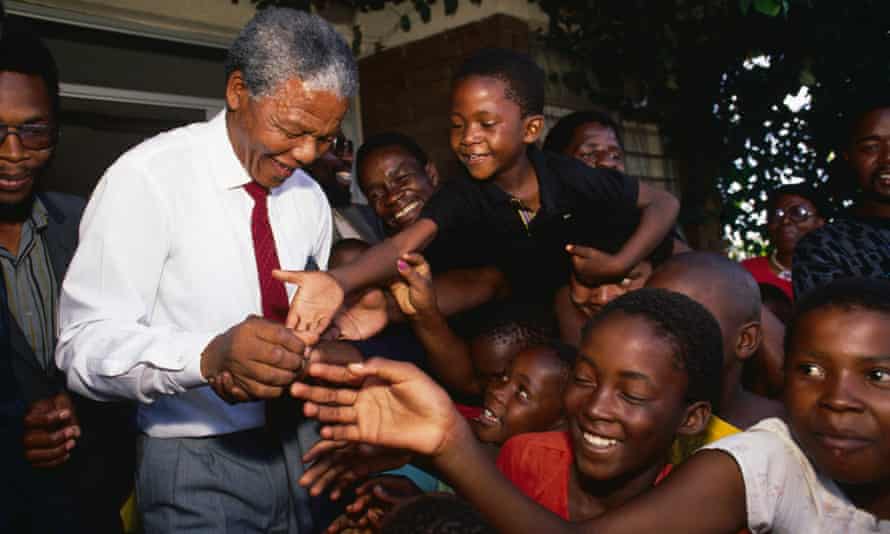
South Africans spend 67 minutes on July 18, Nelson Mandela’s birthday, on acts of kindness in their communities, to mark the 67 years he fought for social justice and equality. 
Photograph: Louise Gubb/Corbis/Getty Images

Our desire to be kind is actually quite selfish, on one level, she explains. Because we have evolved to have empathy, we have all sorts of “ulterior motives” for being kind – the chief one being that it makes us feel good. “We know from brain research, there is a warm fuzzy feeling that people feel straight away. But also, it gives you the sense that you are a kind person who cares about other people. And we want to be good, we want to feel good about ourselves and what we are like.”

Your religious beliefs and your values system also help to determine how kind you are, the study shows. “We found those who believed benevolence was important were more likely to give than those who believed power and achievement were more important.”

People who have been told they should be kind are naturally more likely to notice opportunities to be kind: “They have expectations, which might be the expectations of their religious teachings or it might be the expectations of those around them,” Hammond says.

This may be one of the reasons why women who filled in the study’s online questionnaire were more likely to report being kind, receiving kindness and seeing kindness. Women may feel that they ought to report performing acts of kindness, because caring for people and comforting them is traditionally seen as a more “feminine” activity, she says.

For this reason, Hammond is concerned about the use of the hashtag #BeKind on social media. “It’s sometimes used to shut women down from talking, to suggest they can’t hold an opinion, because they’ve got to ‘be kind’. And obviously we want social media to be a kinder place. But if kindness then gets weaponised and used to stop people talking, then I think that’s a worry.”

While boys wear slogans like ‘born to win’, messages like ‘be kind’ and ‘kindness always wins’ litter young girls’ clothing . Hammond questions how much girls are stereotypically being taught, at a young age, to be caring – and whether that puts an unequal amount of pressure on girls to be kind as they grow up. “What I would hope is that boys are being taught to be nurturing too.”

Paul Dadge helps Davinia Turrell stagger from Edgware Road Tube station after the London bombings of 7 July 2005. 
Photograph: Edmond Terakopian/PA

Overall, the study suggests the greatest predictor of how kind you are to others – and how kind they are to you – is not your gender, but your personality. People who scored high on extraversion, openness to new experiences and agreeableness self-reported giving and receiving more kindness, as did people who talk to strangers.

The reason for this may simply be that these people have more confidence to be kind, Hammond says. The most common barrier to kindness reported by British people in the study was a fear that their behaviour would be misinterpreted. “You need confidence to be able to offer kindness and to face the possibility that your offer of kindness may be rejected. And people may be happier to do that, and talk to strangers, if they are extroverted.”

To get over this fear of misinterpretation, Hammond recommends you remind yourself how amazing it can feel to receive an act of kindness. “When we asked people how they felt, they said warm and happy and grateful and loved and pleased.”

Luke Cameron, dubbed the “nicest man in Britain”, once spent a year doing a good deed every day to raise money for 45 different charities. It taught him that sometimes offering some help, reassurance or a kind word can make a huge difference to strangers. “It’s made me more aware of things that happen in front of me. If someone falls over in the street, there’s always going to be people who go and help and others who stand back. It’s made me one of those people who go and help. Consciously, I now just do it.”

He became that person, he says, after a “mindset shift” where he realised: “Actually, if it was me, I’d want somebody to help me. That makes you think differently about how you are with people.”

Like Laybourn and Hammond, Cameron says that you have a choice when you interact with people – and the more you try to find opportunities to be kind, the easier it gets. “It was actually the small things that I found were the most impactful,” he says.

For example, he once bought coffee for a woman who looked sad in a Costa Coffee shop and invited her to sit with him. She thanked him, saying no one had been kind to her like that in a while, and then poured her heart out to him about her friend, who was really struggling with cancer.

As she left, he realised she was wearing a wig and her eyebrows had been drawn on. “It dawned on me, she was the one going through cancer and she needed somebody to talk to about what she was going through. So she spoke to a complete stranger.” He will never forget their conversation and its impact on him. “That will always stay with me.”

Talking to strangers makes us feel more connected with each other, says Hammond: “People often think that conversations with strangers are quick and shallow and saying hello to someone in a shop doesn’t really matter. But actually it does. All of these things are received kindly by other people because they connect us. And connection is everything.”
Thawing Permafrost Could Leach Microbes, Chemicals Into Environment


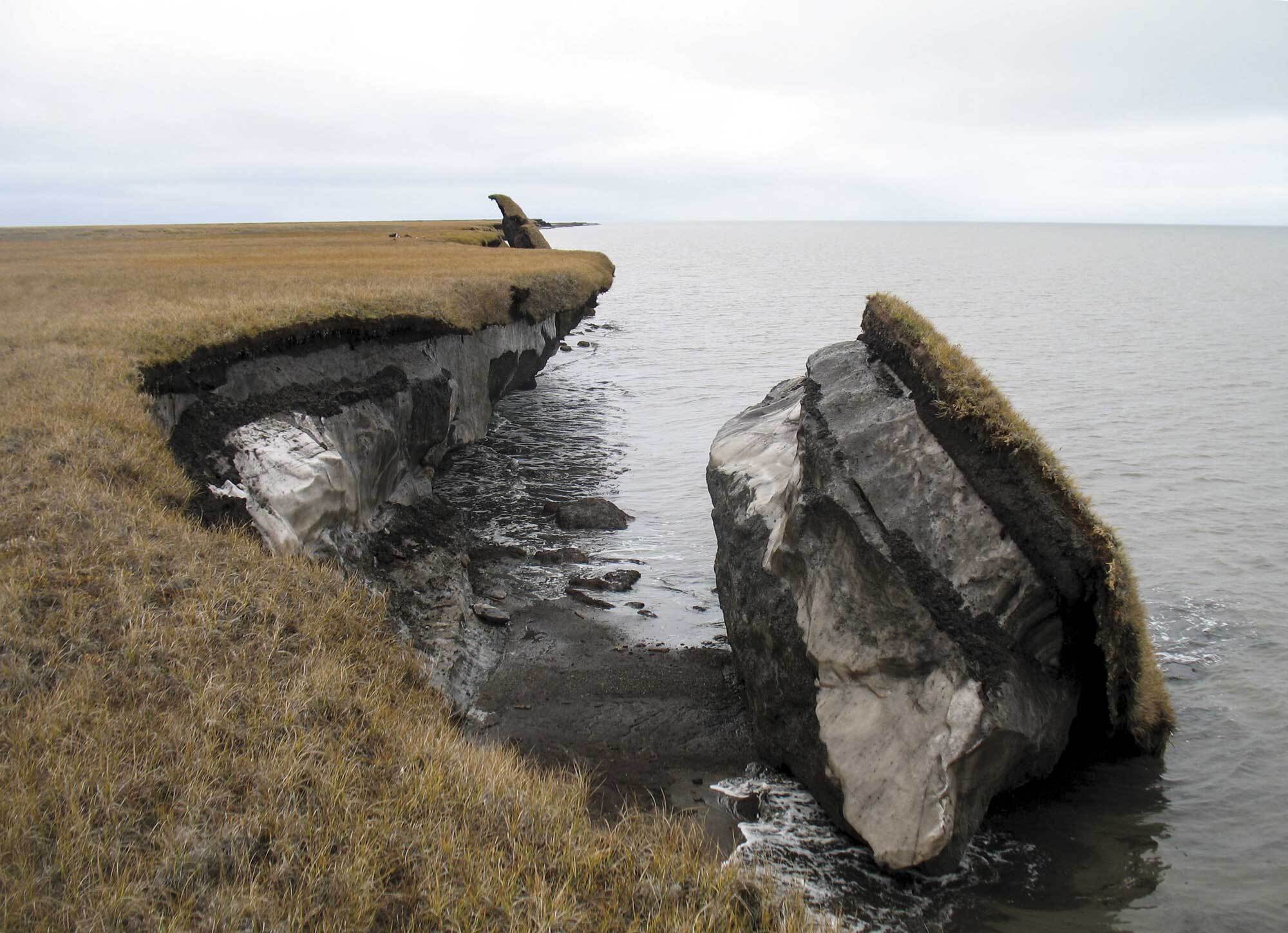
Thawing permafrost can result in the loss of terrain, as seen in this image where part of the coastal bluff along Drew Point, Alaska, has collapsed into the ocean. 
Credit: Benjamin Jones, USGS

In Brief:

Scientists are turning to a combination of data collected from the air, land, and space to get a more complete picture of how climate change is affecting the planet’s frozen regions.

Trapped within Earth’s permafrost – ground that remains frozen for a minimum of two years – are untold quantities of greenhouse gases, microbes, and chemicals, including the now-banned pesticide DDT. As the planet warms, permafrost is thawing at an increasing rate, and scientists face a host of uncertainties when trying to determine the potential effects of the thaw.

A paper published earlier this year in the journal Nature Reviews Earth & Environment looked at the current state of permafrost research. Along with highlighting conclusions about permafrost thaw, the paper focuses on how researchers are seeking to address the questions surrounding it.

Infrastructure is already affected: Thawing permafrost has led to giant sinkholes, slumping telephone poles, damaged roads and runways, and toppled trees. More difficult to see is what has been trapped in permafrost’s mix of soil, ice, and dead organic matter. Research has looked at how chemicals like DDT and microbes – some of which have been frozen for thousands, if not millions, of years – could be released from thawing permafrost.

Then there is thawing permafrost’s effect on the planet’s carbon: Arctic permafrost alone holds an estimated 1,700 billion metric tons of carbon, including methane and carbon dioxide. That’s roughly 51 times the amount of carbon the world released as fossil fuel emissions in 2019. Plant matter frozen in permafrost doesn’t decay, but when permafrost thaws, microbes within the dead plant material start to break the matter down, releasing carbon into the atmosphere.

“Current models predict that we’ll see a pulse of carbon released from the permafrost to the atmosphere within the next hundred years, potentially sooner,” said Kimberley Miner, a climate researcher at NASA’s Jet Propulsion Laboratory in Southern California and lead author of the paper. But key details – such as the quantity, specific source, and duration of the carbon release – remain unclear.

The worst-case scenario is if all the carbon dioxide and methane were released within a very short time, like a couple of years. Another scenario involves the gradual release of carbon. With more information, scientists hope to better understand the likelihood of either scenario.

While the review paper found that Earth’s polar regions are warming the fastest, it was less conclusive on how increased carbon emissions could drive drier or wetter conditions in the Arctic. What is more certain is that changes in the Arctic and Antarctic will cascade to lower latitudes. Earth’s polar regions help stabilize the planet’s climate. They help drive the transfer of heat from the equator toward higher latitudes, resulting in atmospheric circulation that powers the jet stream and other currents. A warmer, permafrost-free Arctic could have untold consequences for Earth’s weather and climate.
An Integrated Approach

To understand the effects of the thaw scientists are increasingly turning to integrated Earth observations from the ground, the air, and space – techniques outlined in the paper. Each approach has its advantages and disadvantages.

Ground measurements, for example, provide precise monitoring of changes in a localized area, while airborne and space-based measurements can cover vast areas. Ground and airborne measurements focus on the specific time they were collected, whereas satellites constantly monitor Earth – although they can be limited by things such as cloud cover, the time of day, or the eventual end of a satellite mission.

The hope is that using measurements from a combination of platforms will help scientists create a fuller picture of changes at the poles, where permafrost is thawing the fastest.

Miner is working with colleagues on the ground to characterize the microbes frozen in permafrost, while others are using airborne instruments to measure emissions of greenhouse gases such as methane. In addition, airborne and satellite missions can help to pinpoint emissions hotspots in permafrost regions.

There are also satellite missions in the pipeline that will provide carbon emissions data with greater resolution. The ESA (European Space Agency) Copernicus Hyperspectral Imaging Mission will map changes in land cover and help monitor soil properties and water quality. NASA’s Surface Biology and Geology (SBG) mission will also use satellite-based imaging spectroscopy to collect data on research areas including plants and their health; changes to the land related to events like landslides and volcanic eruptions; and snow and ice accumulation, melt, and brightness (which is related to how much heat is reflected back into space).

SBG is the focus area of one of several future Earth science missions that make up NASA’s Earth System Observatory. Together, these satellites will provide a 3D, holistic view of Earth, from its surface through the atmosphere. They will provide information on subjects including climate change, natural hazards, extreme storms, water availability, and agriculture.

“Everyone is racing as fast as they can to understand what’s going on at the poles,” said Miner. “The more we understand, the better prepared we will be for the future.”
WHERE IS THE OUTRAGE
Saudi Arabia carries out mass execution of 81 inmates, biggest in modern history

By Euronews with AP • Updated: 12/03/2022 

A US Honor Guard member is covered by the flag of Saudi Arabia as Defence Secretary Jim Mattis welcomes Saudi Crown Prince Mohammed bin Salman to the Pentagon in 2019. - Copyright AP Photo/Cliff Owen


Saudi Arabia on Saturday executed 81 people convicted of crimes ranging from killings to belonging to militant and terrorist groups -- the largest known mass execution carried out in the kingdom in its modern history.

The number of executed surpassed even the toll of a January 1980 mass execution for the 63 militants convicted of seizing the Grand Mosque in Mecca in 1979, the worst-ever militant attack to target the kingdom and Islam's holiest pilgrimage site.


It was unclear why the kingdom chose Saturday for the executions, though they came as much of the world's attention remained focused on Russia's war on Ukraine.


The number of death penalty cases being carried out in Saudi Arabia had dropped during the coronavirus pandemic. However, the kingdom continued to behead convicts under King Salman and his assertive son, Crown Prince Mohammed bin Salman.

The state-run Saudi Press Agency announced Saturday's executions, saying they included those "convicted of various crimes, including the murdering of innocent men, women and children".

The kingdom also said some of those executed were members of al-Qaida, the Islamic State group and also backers of Yemen's Houthi rebels.

A Saudi-led coalition has been battling the Iran-backed Houthis since 2015 in neighbouring Yemen.

Dozens killed and injured in Saudi-led airstrikes in northwestern Yemen


Those executed included 73 Saudis, seven Yemenis and one Syrian. The report did not say where the executions took place.

"The accused were provided with the right to an attorney and were guaranteed their full rights under Saudi law during the judicial process, which found them guilty of committing multiple heinous crimes," the Saudi Press Agency said.

"The kingdom will continue to take a strict and unwavering stance against terrorism and extremist ideologies that threaten the stability of the entire world," the report added.

It did not say how the prisoners were executed, though death-row inmates typically are beheaded in Saudi Arabia.

An announcement by Saudi state television described those executed as having "followed the footsteps of Satan" in carrying out their crimes.

Activists fear execution reprisal against Shiite minority

The executions drew immediate international criticism.

"The world should know by now that when Mohammed bin Salman promises reform, bloodshed is bound to follow," said Soraya Bauwens, the deputy director of Reprieve, a London-based advocacy group.

Ali Adubusi, the director of the European Saudi Organisation for Human Rights, alleged that some of those executed had been tortured and faced trials "carried out in secret".

"These executions are the opposite of justice," he said.

The kingdom's last mass execution came in January 2016, when the kingdom executed 47 people, including a prominent opposition Shiite cleric who had rallied demonstrations in the domain.


In 2019, the kingdom beheaded 37 Saudi citizens, predominantly minority Shiites, in a mass execution across the country for alleged terrorism-related crimes.


It also publicly nailed the severed body and head of a convicted extremist to a pole as a warning to others. Such crucifixions after execution, while rare, do occur in the kingdom.


Jamal Khashoggi: Saudi Arabia rejects US intelligence report into journalist's death

How a glitch on a Saudi woman's iPhone revealed widespread spyware hacking around the world


Activists, including Ali al-Ahmed of the US-based Institute for Gulf Affairs and the group Democracy for the Arab World Now said they believe that over three dozen of those executed Saturday were Shiites.

However, the Saudi statement did not identify the faiths of those killed.

Shiites, who live primarily in the kingdom's oil-rich east, have long complained of being second-class citizens. Executions of Shiites in the past have stirred regional unrest.

Saudi Arabia meanwhile remains engaged in diplomatic talks with its Shiite regional rival Iran to try to ease yearslong tensions.

The 1979 seizure of the Grand Mosque remains a crucial moment in the history of the oil-rich kingdom.

A band of ultraconservative Saudi Sunni militants took the Grand Mosque, home to the cube-shaped Kaaba that Muslims pray toward five times a day, demanding the Al Saud royal family abdicate.

A two-week siege that followed ended with an official death toll of 229 killed. The kingdom's rulers soon further embraced Wahhabism, an ultraconservative Islamic doctrine.
'No power' to get rid of death penalty, crown prince claims

Since taking power, Crown Prince Mohammed bin Salman has increasingly liberalised life in the kingdom, opening movie theatres, allowing women to drive and defanging the country's once-feared religious police.

Saudi Arabia releases women's driving activist after three years in jail

Saudi Arabia accused of using golf tournament to 'sportswash' its human rights record

However, US intelligence agencies believe the crown prince also ordered Washington Post columnist Jamal Khashoggi's slaying and dismemberment and overseeing airstrikes in Yemen that killed hundreds of civilians.

In excerpts from an interview with The Atlantic magazine, the crown prince discussed the death penalty, saying a "high percentage" of executions had been halted by paying so-called "blood money" settlements to aggrieved families.

"We got rid of [the death penalty] except for one category, and this one is written in the Quran -- and we cannot do anything about it, even if we wished to do something -- because it is clear teaching in the Quran," the prince said.

"If someone killed someone, another person, the family of that person has the right -- after going to the court -- to apply capital punishment unless they forgive him. Or if someone threatens the life of many people, that means he has to be punished by the death penalty."

"Regardless if I like it or not, I don't have the power to change it," bin Salman said.