Tuesday, June 28, 2022

Whole Foods workers lose appeal over 'Black Lives Matter' masks
By Jonathan Stempel - 5h ago

A Whole Foods Market store is seen in Santa Monica

By Jonathan Stempel

(Reuters) - A U.S. appeals court said Whole Foods employees cannot sue the upscale grocery chain or its parent Amazon.com Inc after being sent home without pay or disciplined for wearing Black Lives Matter face masks on the job.

In a 3-0 decision on Tuesday, the 1st U.S. Circuit Court of Appeals said the employees failed to show that Whole Foods' enforcement of a previously unenforced dress code by banning the masks amounted to racial discrimination or violated Title VII of the federal Civil Rights Act of 1964.

The Boston-based court said it was "pure conjecture" to suggest that racial bias drove Whole Foods into selectively enforcing its dress code, which also covered visible slogans, logos and ads unrelated to the company.

Whole Foods' timing "may be explained by the obvious alternative explanation that Whole Foods did not want to allow the mass expression of a controversial message by employees in their stores," Circuit Judge Kermit Lipez wrote.

Shannon Liss-Riordan, a lawyer for the employees, said they were disappointed and evaluating their options. She also represents workers in related proceedings before the National Labor Relations Board.

Whole Foods welcomed Tuesday's decision, saying its dress code has long promoted a "welcoming, safe, and inclusive shopping environment."

It has also called the code "facially neutral," and with Seattle-based Amazon expressed support for Black Lives Matter.

The proposed class action covered workers in Massachusetts, California, Georgia, Indiana, New Hampshire, New Jersey, Pennsylvania, Virginia and Washington.

A lower court judge had dismissed much of the case, on somewhat different grounds, in February 2021.

The Black Lives Matter movement started after several Black people were killed by police in the United States.

A video showing the May 2020 killing of George Floyd by former Minneapolis police officer Derek Chauvin sparked nationwide protests about racial injustice.

The case is Frith et al v Whole Foods Market Inc, U.S. District Court, 1st U.S. Circuit Court of Appeals, No. 21-1171.

(Reporting by Jonathan Stempel in New York; Editing by David Gregorio)
America’s Lapdog Britain Moves to Extradite Julian Assange | The Nation


If President Biden really cared about press freedom, he would have canceled the extradition request months ago.

Every investigative journalist rightly reveres Daniel Ellsberg, the former US Marine officer who exposed so many of the lies told by the US government about the Vietnam War.

By leaking the Pentagon Papers to The New York Times, Ellsberg revealed the illegal US bombing of Laos and Cambodia—and helped to end the war itself.

When Wikileaks founder Julian Assange fought his desperate battle in London’s Central Criminal Court to avoid extradition to the United States, Ellsberg tried to come to his rescue.

As well he might. Because the story of Julian Assange is an action replay of Ellsberg half a century later.

Ellsberg, like Assange, was put on trial for spying. Ellsberg, like Assange faced a lifetime in prison, only for the charges to be dismissed because of government misconduct against him.

He told the London Court that he felt an immense fellow feeling with the Wikileaks founder.

In an important statement, Ellsberg—the doyen of whistleblowers—explained that while he was serving in Vietnam, detailed knowledge of US war crimes remained confined to a tiny circle.

By contrast, he pointed out that more than 100,000 people had access to the Iraq and Afghan war logs leaked by Chelsea Manning.

This meant, said Ellsberg, “torture and assassination have been normalised.”

And it is certainly true that the Wikileaks revelations has shone a horrifying light on crimes casually committed by the US during the so called “War on Terrorism.”

Wikileaks published a video of US helicopter gunmenlaughing as they shot at and killed unarmed civilians in Iraq. Fifteen individuals were killed in the attack, including a Reuters photographer and his assistant.

The US military refused to discipline the perpetrators of this grotesque crime, who remain unpunished. But the US government has thrown the book at the man who revealed their crimes.

Wikileaks revealed that the total number of civilian casualties in Iraq was far greaterthan previously admitted by the US government. It disclosed the abuse meted out to the inmates at Guantanamo Bay, as well as the fact that 150 innocent inmates were held for years without charge.

Clive Stafford Smith, who has represented 87 prisoners from Guantánamo Bay, paid tribute to the importance of the Wikileaksrevelations in enabling him to prove that the charges against his clients had been false.

Many other revelations, though less horrifying, were almost as embarrassing for the US and its allies. I was in the Beirut ten years ago when Wikileaks revealed that the Lebanese defense minister had conspired with the United States to facilitate an Israeli invasion of his country in 2008.

Wikileaks cables revealed how, over a two and a half hour lunch with American diplomats, Elias Murr spelled out which parts of country areas that Israeli jets should hit. They also revealed that he had ordered the Lebanese army “not to get involved in any fighting and to fulfil a civil defence role.” This is just one example and thousands, and mercifully the 2008 assault never happened.

It’s not hard to imagine the fury and embarrassment within the United States defense and military establishment at disclosures like these. And it makes the US determination to prosecute and convict Assange totally rational. They have the strongest possible incentive to make an example of him in order to warn others of the consequences of doing the same.

Any story which depends on obtaining documents from US government sources will become impossibly dangerous. Any journalists concerned could find themselves subject to an extradition request.

The more serious the story, the greater the danger of extradition and prosecution.

A simple mental experiment demonstrates the damage the extradition of Julian Assange to the United States will do.

Let’s imagine that a foreign dissident was being prosecuted by Russian President Vladimir Putin on espionage charges.

Let’s further suppose that his true offense was bring to light war crimes committed by the Russian armed forces, including video footage of the slaughter of unarmed civilians and two Reuters journalists.

And that the UN special rapporteur on torture, after a long and scrupulous inspection of the evidence, had statedthat this dissident displayed “all the symptoms typical for prolonged exposure to psychological torture.”

Now let’s stretch credulity beyond breaking point. Let’s suppose that President Putin was pressuring the United Kingdom to extradite the dissident to Russia to face trial on charges that could condemn that dissident to spend the rest of his life in a Russian maximum security prison.

There would be outrage in Britain. Prime Minister Boris Johnson would make a statement on the floor of the House of Commons declaring that he would never bow to Russian pressure. Powerful editorials in every British paper would denounce Putin, while setting out Britain’s respect for international law.

Yet Julian Assange in virtually in every respect faces identical circumstances to the fictitious Russian dissident I described above.

With one crucial difference: namely that it’s Joe Biden’s United States rather than Vladimir Putin’s Russian which demands his extradition.

With the natural result that British Home Secretary Priti Patel has timidly given in to the US demand.

Patel is a notoriously authoritarian home secretary, but in truth I can’t believe any of her predecessors—Labour or Conservative—would have reached a different decision. This is because Britain values beyond measure her security relationship with the United States.

Yet Britain and the United States love to boast about their commitment to media freedom. Patel’s judgement shows that this claim is fraudulent.

If President Biden truly cared about media freedom he would have cancelled the extradition request months ago.

Such deep hypocrisy is a propaganda gift to Vladimir Putin. The Russian Foreign Ministry spokesperson, Maria Zakharova used Assange’s arrest three years ago to mock the double standards of the west. “The hand of ‘democracy’” she noted, “squeezes the throat of freedom.”


Assange was stripped and placed in “suicide watch” isolation cell after British extradition announcement

Immediately after British Home Secretary Priti Patel announced on Friday last week that she had approved Julian Assange’s extradition to the United States, the publisher and journalist was stripped naked and placed in a bare cell of London’s maximum-security Belmarsh Prison

Oscar Grenfell@Oscar_Grenfell
WSWS.ORG
23 June 202
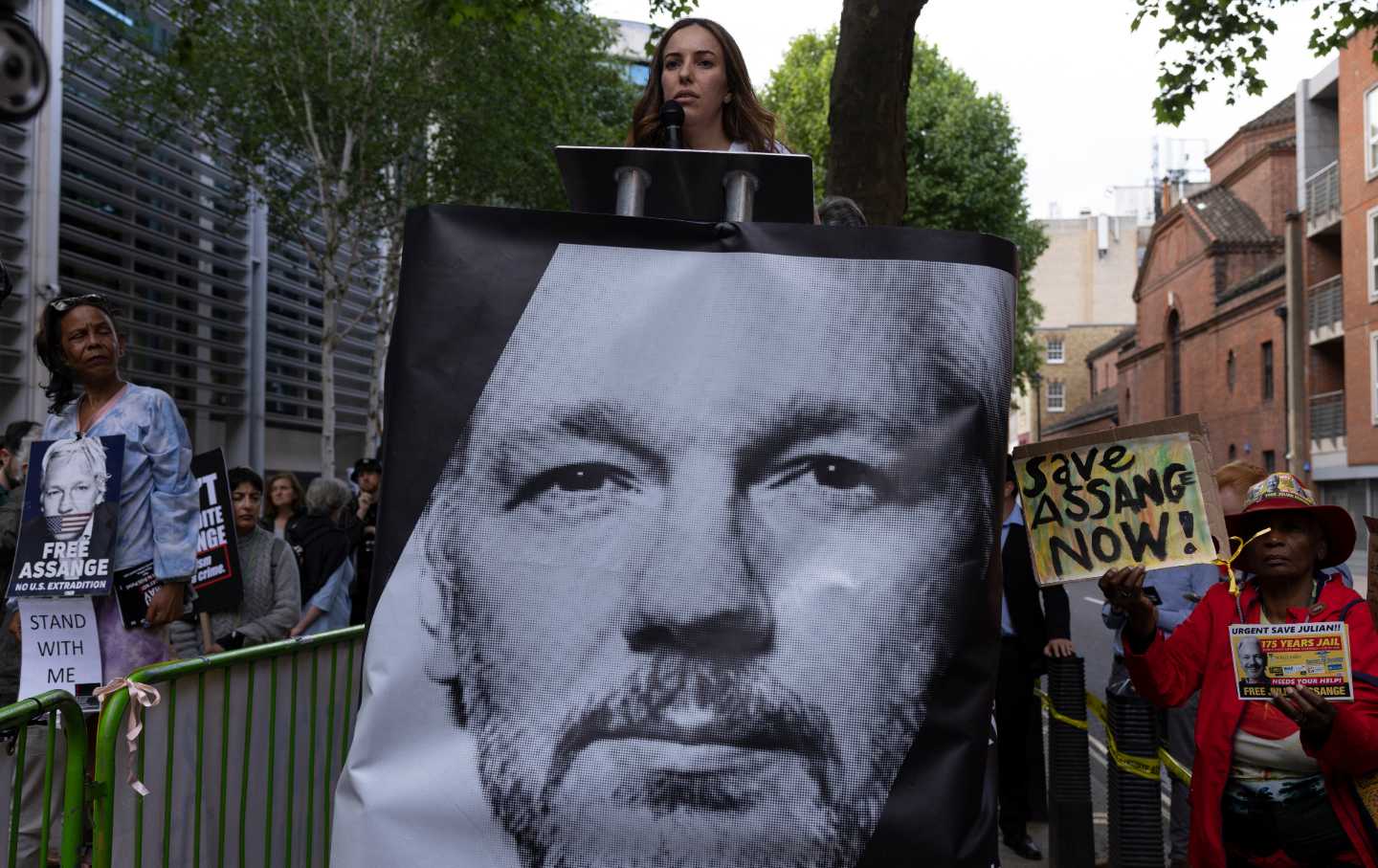
A supporter of WikiLeaks founder Julian Assange holds a placard after the first hearing in the Julian Assange extradition appeal, at the High Court in London, Wednesday, Aug. 11, 2021.
(AP Photo/Matt Dunham)

This latest abuse of Assange’s democratic and human rights was reported by his father John Shipton to a rally in Berlin last Tuesday and at other speaking engagements in Europe. The brutal treatment was meted out on the grounds of preventing Assange from taking his own life.

In reality, it is a continuation of what outgoing United Nations Rapporteur Nils Melzer has branded as the state torture of Assange by the British and US authorities.

The persecution of the journalist is proceeding along two tracks. On the one hand, there is the pseudo-legal extradition process, aimed at dispatching Assange to the US where he would face 18 Espionage Act charges and 175 years imprisonment for publishing true documents which exposed American war crimes in Iraq and Afghanistan.

On the other is the ongoing brutalisation of Assange, who has been subjected to different forms of arbitrary detention for more than a decade. This includes over three years imprisonment in Belmarsh Prison, a facility dubbed “Britain’s Guantanamo Bay,” the vast majority of that time without conviction.

On Twitter, Assange’s wife Stella Moris also reported that Assange had been denied visitors the entire weekend after Patel’s announcement. The extradition order will be subject to a further appeal through the British courts. But under conditions of a momentous decision, which has vast and potentially dire consequences for his life, Assange was deliberately isolated and left entirely alone.

The clear aim of the British authorities was not to prevent Assange’s suicide, but to intensify his suffering as much as possible. The implications of such treatment being meted out to a man with intense psychological issues, stemming from the protracted US-led persecution, are clear. The British state wants Assange dead.

A similar abuse was inflicted on Assange during the initial British court hearings for his extradition in January, 2020. After the first day of proceedings, he was inexplicably handcuffed eleven times and stripped twice, while guards confiscated his legal papers without justification.

In other words, there is a clear pattern of the Belmarsh authorities seeking to humiliate and degrade Assange, and to heighten his feelings of powerlessness, at key moments of the US-British extradition operation.

The report that Assange was placed on suicide watch is also a damning indictment of the court rulings allowing his extradition to the US. After the initial District Court proceedings, Judge Vanessa Baraitser blocked extradition, on the narrow grounds that Assange’s poor health and the brutal conditions in American prisons meant he would die if sent to the US.

That ruling was overturned by the High Court last December, on the basis of bogus and self-contradictory assurances from the US government that Assange’s treatment would not be as bad as claimed by his defence lawyers. The assurances were accepted, despite a Yahoo! News report in September alleging that the Trump administration and the CIA had discussed kidnapping or assassinating Assange In 2017.

But while the High Court has ruled that Assange’s extradition would not be oppressive, or a risk to his life, Belmarsh Prison, if its actions are taken on face value, acknowledges that there is an imminent risk of Assange’s death.

The British authorities will make no attempt to square the contradiction. They have ignored warnings from hundreds of doctors of Assange’s deteriorating health and the need for his immediate release, for the past three years.

Meanwhile, Patel’s announcement has been met with a massive wave of opposition, from press freedom groups, legal experts and prominent public figures. These condemnations of the US-led pursuit of Assange reflect a groundswell of support for the WikiLeaks founder among workers and young people, millions of whom regard him as an heroic figure whose only “crime” is to have exposed the illegal wars and diplomatic conspiracies of American imperialism.

On Wednesday, fifteen journalists’ and publishers’ associations from six different countries met in Geneva, Switzerland. They condemned Patel’s decision and demanded Assange’s immediate freedom.

Dominique Pradalie, president of the International Federation of Journalists, which represents 600,000 media workers in 140 countries, said: “Julian Assange is a journalist, a political prisoner who is facing a death sentence. We are demanding that Julian Assange be freed, he returned to his family, and finally permitted to live a normal life.”

Pierre Ruetschi, head of the Swiss Press Club, pointed to the broader implications of the US attempt to prosecute a journalist for his publishing activities. Ruetschi warned that “democracy is being taken hostage. This attempt at criminalizing journalism is a serious threat.”

Patel’s announcement has also been denounced by several governments. On Tuesday, Mexican President Andrés Manuel López Obrador convened a press conference, where he played excerpts from the Collateral Murder video released by Assange and WikiLeaks in 2010. It shows US soldiers in an Apache helicopter gunning down unarmed civilians and two Reuters journalists in Baghdad.

“He is the best journalist of our time in the world and has been very unfairly treated, worse than a criminal,” López Obrador stated, branding the persecution of Assange as “an embarrassment to the world.” The Mexican president said he would demand that Biden end the attempted prosecution, when they meet next Tuesday, and said that his country would “open its doors” to the WikiLeaks publisher.

López Obrador is a capitalist politician, whose government has imposed austerity measures and other right-wing policies. His statements nevertheless provide a glimpse of the real public opinion concerning the US persecution of Assange, which is persistently buried by the corporate media. It is widely viewed as an illegitimate operation, aimed at covering up war crimes and attacking fundamental democratic rights.

The Mexican statements are also an indictment of Australia’s new Labor government. It has rejected calls, including from his family, to intervene in defence of Assange, who is an Australian citizen. Labor Prime Minister Anthony Albanese has refused to demand that Biden end the prosecution.

Senior Labor ministers have stated that they will not exercise their legal and diplomatic powers to free the WikiLeaks founder, as Australian governments have when citizens have been subjected to persecution in other countries.

The most significant development of the past week has been the outpouring of support for Assange from working people, expressed in hundreds of thousands or even millions of posts on social media.

This is occurring under conditions of a major upsurge of the class struggle, directed against austerity, the soaring cost of living and wage suppression. In Britain, some 50,000 rail workers have taken powerful strike action this week, against the very government that holds the key to Assange’s cell door. There is also widespread hostility to the eruption of militarism, expressed most sharply in the US-led proxy war against Russia in Ukraine.

As the World Socialist Web Site has explained, the working class is the constituency for the fight to free Assange, defend democratic rights and end imperialist war. We urge workers and young people to take up this struggle, including by sharing information on Assange’s persecution and passing resolutions at your schools and workplaces opposing it and calling for a mass fight for his freedom

"Cradle of Humankind" Fossils May Be Over a Million Years Older Than Previously Thought


Published: June 28, 2022
Original story from Purdue University


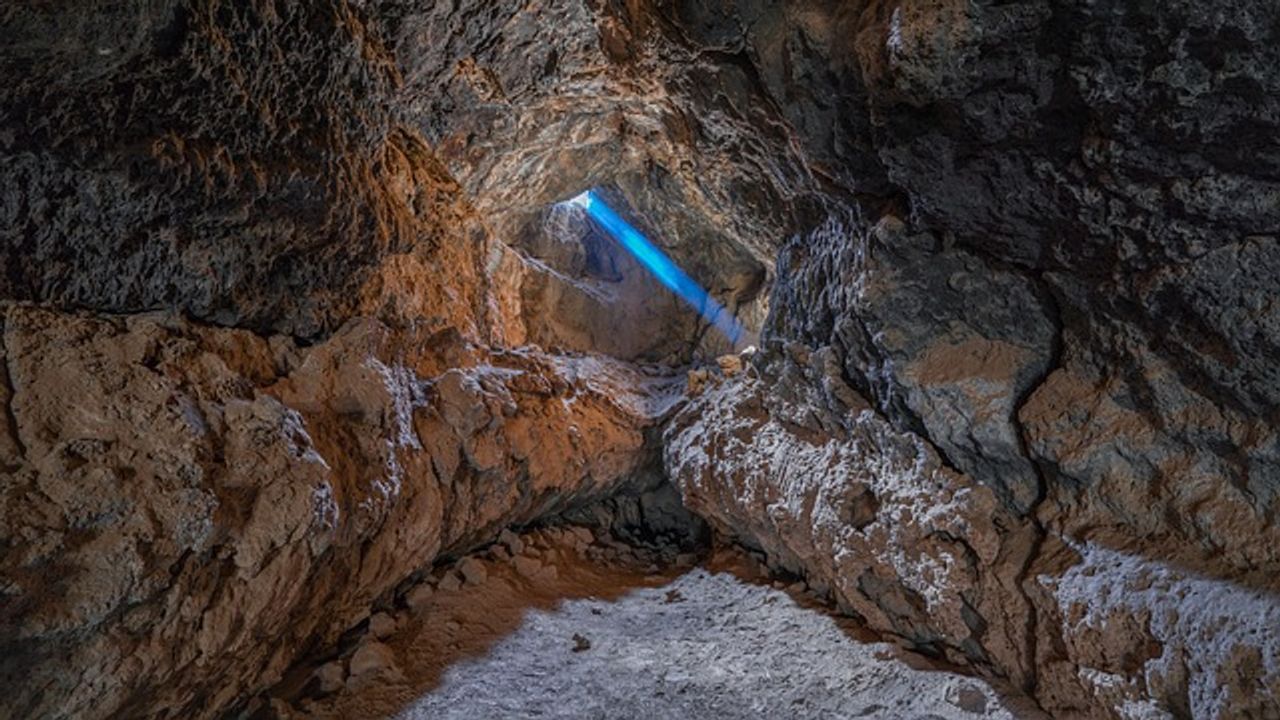
The earth doesn’t give up its secrets easily – not even in the “Cradle of Humankind” in South Africa, where a wealth of fossils relating to human evolution have been found.

For decades, scientists have studied these fossils of early human ancestors and their long-lost relatives. Now, a dating method developed by a Purdue University geologist just pushed the age of some of these fossils found at the site of Sterkfontein Caves back more than a million years. This would make them older than Dinkinesh, also called Lucy, the world’s most famous Australopithecus fossil.

The “Cradle of Humankind” is a UNESCO World Heritage Site in South Africa that comprises a variety of fossil-bearing cave deposits, including at Sterkfontein Caves. Sterkfontein was made famous by the discovery of the first adult Australopithecus, an ancient hominin, in 1936. Hominins includes humans and our ancestral relatives, but not the other great apes. Since then, hundreds of Australopithecus fossils have been found there, including the well-known Mrs. Ples, and the nearly complete skeleton known as Little Foot. Paleoanthropologists and other scientists have studied Sterkfontein and other cave sites in the Cradle of Humankind for decades to shed light on human and environmental evolution over the past 4 million years.

Darryl Granger, a professor of earth, atmospheric, and planetary sciences in Purdue University’s College of Science, is one of those scientists, working as part of an international team. Granger specializes in dating geologic deposits, including those in caves. As a doctoral student, he devised a method for dating buried cave sediments that is now used by researchers all over the world. His previous work at Sterkfontein dated the Little Foot skeleton to about 3.7 million years old, but scientists are still debating the age of other fossils at the site.

In a study published in the Proceedings of the National Academy of Sciences, Granger and a team of scientists including researchers from the University of the Witwatersrand in Johannesburg, South Africa and the University Toulouse Jean Jaurès in France, have discovered that not only Little Foot, but all of the Australopithecus-bearing cave sediments date from about 3.4 to 3.7 million years old, rather than 2-2.5 million years old as scientists previously theorized. That age places these fossils toward the beginning of the Australopithecus era, rather than near the end. Dinkinesh, who hails from Ethiopia, is 3.2 million years old, and her species, Australopithecus africanus, hails back to about 3.9 million years old.

Sterkfontein is a deep and complex cave system that preserves a long history of hominin occupation of the area. Understanding the dates of the fossils here can be tricky, as rocks and bones tumbled to the bottom of a deep hole in the ground, and there are few ways to date cave sediments.

In East Africa, where many hominin fossils have been found, the Great Rift Valley volcanoes lay down layers of ash that can be dated. Researchers use those layers to estimate how old a fossil is. In South Africa – especially in a cave – the scientists don’t have that luxury. They typically use other animal fossils found around the bones to estimate their age or calcite flowstone deposited in the cave. But bones can shift in the cave, and young flowstone can be deposited in old sediment, making those methods potentially incorrect. A more accurate method is to date the actual rocks in which the fossils were found. The concrete-like matrix that embeds the fossil, called breccia, is the material Granger and his team analyze.

“Sterkfontein has more Australopithecus fossils than anywhere else in the world,” Granger said. “But it’s hard to get a good date on them. People have looked at the animal fossils found near them and compared the ages of cave features like flowstones and gotten a range of different dates. What our data does is resolve these controversies. It shows that these fossils are old – much older than we originally thought.”

Granger and the team used accelerator mass spectrometry to measure radioactive nuclides in the rocks, as well as geologic mapping and an intimate understanding of how cave sediments accumulate to determine the age of the Australopithecus-bearing sediments at Sterkfontein,

Granger and the research group at the Purdue Rare Isotope Measurement Laboratory (PRIME Lab) study so-called cosmogenic nuclides and what they can reveal about the history of fossils, geological features and rock. Cosmogenic nuclides are extremely rare isotopes produced by cosmic rays —high-energy particles that constantly bombard the earth. These incoming cosmic rays have enough energy to cause nuclear reactions inside rocks at the ground surface, creating new, radioactive isotopes within the mineral crystals. An example is aluminum-26: aluminum that is missing a neutron and slowly decays to turn into magnesium over a period of millions of years. Since aluminum-26 is formed when a rock is exposed at the surface, but not after it has been deeply buried in a cave, PRIME lab researchers can date cave sediments (and the fossils within them) by measuring levels of aluminum-26 in tandem with another cosmogenic nuclide, beryllium-10.

In addition to the new dates at Sterkfontein based on cosmogenic nuclides, the research team made careful maps of the cave deposits and showed how animal fossils of different ages would have been mixed together during excavations in the 1930s and 1940s, leading to decades of confusion with the previous ages. “What I hope is that this convinces people that this dating method gives reliable results,” Granger said. “Using this method, we can more accurately place ancient humans and their relatives in the correct time periods, in Africa, and elsewhere across the world.”

The age of the fossils matters because it influences scientists’ understanding of the living landscape of the time. How and where humans evolved, how they fit into the ecosystem, and who their closest relatives are and were, are pressing and complex questions. Putting the fossils at Sterkfontein into their proper context is one step towards solving the entire puzzle.

Reference: Granger DE, Stratford D, Bruxelles L, Gibbon RJ, Clarke RJ, Kuman K. Cosmogenic nuclide dating of Australopithecus at Sterkfontein, South Africa. PNAS. 2022;119(27):e2123516119. doi:10.1073/pnas.2123516119

RIP
Depeche Mode reveal Andy Fletcher’s cause of death in new statement

By Cerys Kenneally / 28 JUNE 2022


Depeche Mode have shared a new statement about their late keyboardist Andy Fletcher, revealing his cause of death following his passing a month ago.

Last month Depeche Mode shared a statement on socials announcing the passing of their keyboardist Andy Fletcher. "We are shocked and filled with overwhelming sadness with the untimely passing of our dear friend, family member, and bandmate Andy "Fletch" Fletcher," Depeche Mode wrote. "Fletch had a true heart of gold and was always there when you needed support, a lively conversation, a good laugh, or a cold pint."

Yesterday (27 June) the band's Martin Gore and Dave Gahan shared a new post about Fletcher, thanking fans and peers for "the outpouring of love for Andy that we’ve seen from all of you over the last few weeks. It’s incredible to see all of your photos, to read your words, and to see how much Andy meant to all of you."

They also revealed Fletcher's cause of death, writing, "A couple weeks ago we received the result from the medical examiners, which Andy’s family asked us to share with you now. Andy suffered an aortic dissection while at home on May 26. So, even though it was far, far too soon, he passed naturally and without prolonged suffering."

"We had a celebration of Andy’s life in London last week, which was a beautiful ceremony and gathering with a few tears, but filled with the great memories of who Andy was, stories of all of our times together, and some good laughs," Gore and Gahan wrote. "Andy was celebrated in a room full of many of his friends and family, our immediate DM family, and so many people who have touched Andy’s and our lives throughout the years. All being together was a very special way to remember Andy and see him off."

They concluded, "So thank you for all of the love you’ve shown Andy and his family and friends over the last few weeks. It honestly means the world to all of us. Andy, you’ll be missed, but certainly not forgotten."

In 2020 Depeche Mode were inducted into the Rock and Roll Hall of Fame. Their latest album was 2017's Spirit.


Scrapping the NI protocol is just the start. Johnson’s trade wars are Trumpism in action

Brexit has left Britain out on a limb. Yet the PM seems hellbent on alienating our trading partners to boost his own position


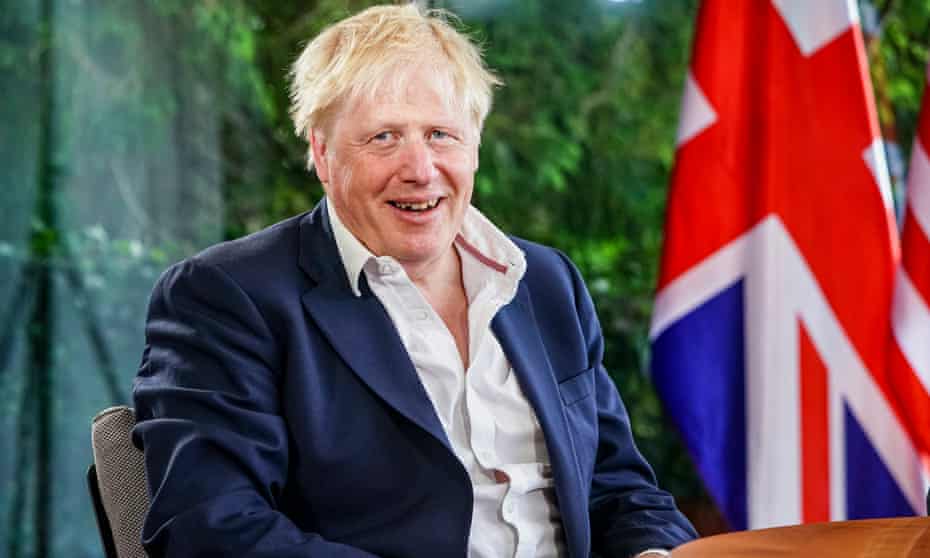
‘Like all populist leaders, Johnson views his actions in terms of their capacity to promote his own person.’ Johnson at the G7 summit in Garmisch-Partenkirchen, Germany, on 28 June 2022. Photograph: Getty Images

THE GUARDIAN
Tue 28 Jun 2022 

Britain’s foreign policy is now at the mercy of Boris Johnson’s reckless quest for survival. At home he grasps for votes with Irish border controls, protectionist tariffs and immigrant quotas. Abroad, he tours Europe demanding total victory in someone else’s war while promoting the most intense economic disruption in the continent’s peacetime history. Every visit is treated as a photo opportunity. An absurd “bromance” is even staged with the equally embattled French leader, Emmanuel Macron. Never was machismo so synthetic.

Yesterday’s Commons vote on a bill which would allow him to scrap the Northern Ireland protocol was a classic. It was motivated by a desire to appease the province’s fast-disintegrating Unionist majority. The price is to be a predictable standup row with the EU, but one that Johnson thinks will bolster him with his party’s Brexiter right wing. The government’s suggestions for a “soft” border with Ireland are actually quite sensible. But Downing Street’s three years of anti-EU rhetoric have exhausted any wish in Brussels to be co-operative.

The Brexit cry that “Europe needs us more than we need it” was never emptier. Johnson last night had his own backbenchers, including his predecessor Theresa May, dismissing his Northern Ireland policy as illegal, unattainable and damaging to Britain’s global reputation. At the very moment when he is wandering Europe’s capitals demanding they all refuse to trade with Russia, he is fashioning a trade war with the EU. This must be madness.


00:46Theresa May: Northern Ireland protocol bill will ‘diminish UK in eyes of the world’ – video

As if two trade wars were not enough, Johnson is also set on another. Trade with the “rest of the world” was predicted as set to boom as a result of Brexit liberation. Now the prime minister wants to embed protectionism with tariffs on steel imports from China, India, Turkey and other countries. These are precisely the countries with which Johnson boasted he would do “world-beating trade deals”. The World Trade Organization has warned that such action would be illegal, while Downing Street’s ethics adviser, Lord Geidt, said he was put in an “impossible and odious” position over the issue. But Johnson cares only for votes in “red wall” industrial seats. Such a trade policy is not Toryism but Trumpism.

Meanwhile the government frantically adjusts migrant quotas worthy of the most socialist planning regime to meet post-Brexit crises in agriculture, construction, health and social care. The ironic result is that the stifling of European immigrants is more than countered by a 25% rise in migration from Africa and Asia. Is that what the Brexiters promised?

Conservatives must search in vain for ideological consistency in these policies. They are the kneejerk reactions of an embattled economy that has declared itself at odds with the outside world. Six years ago Britain made a terrible mistake, to cut itself off from its neighbouring single market, a mistake that the government exacerbates month by month. The Office for Budget Responsibility calculates this is costing the British people a debilitating 4% in annual growth. Sooner or later that mistake will have to be reversed.

Like all populist leaders, Johnson views his actions in terms of their capacity to promote his own person. A sure sign is his innovation of inviting news cameras to witness him addressing his own cabinet. It measures success in biceps rather than brain power and is borrowed from a certain Vladimir Putin. It is not democratic government.

Simon Jenkins is a Guardian columnist
Independent inquiry into treatment of asylum seekers during lockdown in Scotland

An independent inquiry has been launched to look at the treatment of asylum seekers in Scotland during the pandemic.

By The Newsroom
THE SCOTSMAN
Sunday, 26th June 2022
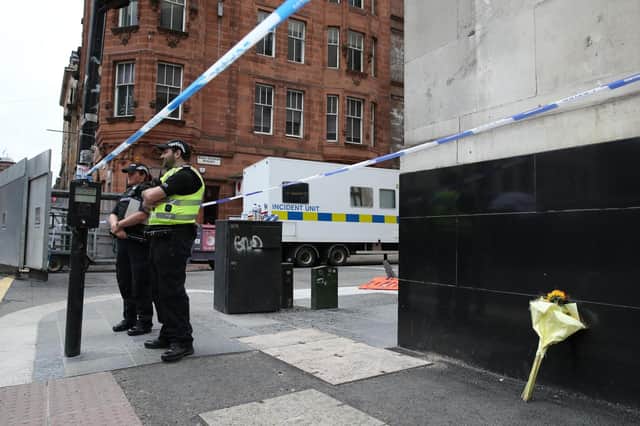
Police, alongside a floral tribute, at the scene in West George Street, Glasgow, after
 Badreddin Abadlla Adam, 28, from Sudan, was shot dead by police

Campaigning organisation Refugees for Justice called for a review in the wake of stabbings at the Park Inn hotel in Glasgow which was being used to house asylum seekers during lockdown in 2020.

On Sunday June 26, the second anniversary of the incident, Refugees for Justice announced that it has commissioned an independent inquiry, which will be led by Baroness Helena Kennedy QC.

An inquiry report published on Sunday focused on events in Glasgow at the start of the first major Covid-19 lockdown in 2020, when 321 people seeking asylum were moved from their homes into hotels by Home Office contractors.

Badreddin Abadlla Adam


Badreddin Abadlla Adam, 28, from Sudan, was shot dead by police after his knife attack at the Park Inn Hotel in Glasgow in June 2020, which injured six people including 42-year-old police constable David Whyte.

The Home Office said it has undertaken a number of “significant changes to keep asylum seekers safe” since the incident.

The report also mentions the case of Adnan Elbi who died in one of the hotels in May 2020.

Baroness Kennedy said: “In the absence of a public inquiry, this independent Commission of Inquiry (the Inquiry) seeks to make sense of the decisions that led up to these events and to provide recommendations to improve provision of asylum accommodation and support and to stop future tragedies occurring.”

She added: “Importantly, this report is published two years after the tragic events at Park Inn.

“There is precious little evidence of changes in policy or practice as a result of this tragedy, despite the elapsed time.


“It is therefore also in pursuit of dignity for the lost lives of Adnan Elbi and Badreddin Abdalla Adam, and for those who sustained injuries and trauma at the time, that this report has been produced.”

The first part of the inquiry comprises a report summarising the evidence relating to the events.

Baroness Kennedy said that part two of the inquiry will include the convening of a panel of experienced experts and campaigners and will “consider these themes and unanswered questions further, through analysis of written and oral evidence and taking a human rights-based approach.”

It is expected that part two will be published in November this year.

Refugees for Justice tweeted: “Today is a historic day. 26 June 2022, second anniversary of Park Inn tragedy, Baroness Helena Kennedy QC is launching an independent inquiry into the handling of asylum support and accommodation in Glasgow during Covid. We are going to be heard, finally.”

A Home Office spokesman said: “Since this horrific incident we have undertaken a number of significant changes to keep asylum seekers safe, including how we, our contractors and charities spot vulnerable individuals and provide them with wraparound support and appropriate accommodation.

“Due to the pandemic the Home Office had to use an unprecedented number of hotels for asylum seekers, including in Glasgow.

“The use of hotels is unacceptable and we are working hard to find appropriate accommodation for asylum seekers but local authorities must do all they can to help house people permanently.”
Do elephants grieve? Maybe, though not in the ‘human’ sense of the word

The apparent emotionality and the wide-ranging individual differences in the responses of elephants to their dead do indeed deserve further study

By Seema Lokhandwala, Mihika Sen
Published: Tuesday 28 June 2022
An adult male elephant caresses the remains of another male 
in Kaziranga National Park, Assam

Human grief is often described as a natural response to the loss of someone or something that’s significant. We may feel a variety of emotions, like sadness or loneliness. But can such emotions ever be experienced by non-human animals as well?

We feel an inexplicable connection with large, charismatic mammals such as the elephants. There may be several reasons behind this, such as their intelligence, playfulness and closeness to family. However, a trait that stands out in particular is their capability of experiencing complex emotions, such as grief.

Numerous instances have been recorded across the world wherein these gentle giants were found to react when coming across the remains of other elephants, regardless of the strength of relationships they might have shared with the deceased individuals.

Some caressed the remains by touching them gently with their trunks and feet, while others smelled and tasted them and even attempted to lift and carry them around. Interestingly, some elephants have been found to carefully cover the bodies with soil, leaves and branches, almost as if performing burial rituals.

Studies have also suggested that certain elephants specifically visit the bones of their deceased relatives. However, the common aspect in all these incidents is the eerie stillness of the elephants while inspecting the remains.

In elephant researcher Joyce Poole’s words, “It is their silence that is most unsettling. The only sound is the slow blowing of air out of their trunks as they investigate their dead companion.”

When a 55-year-old matriarch, Victoria, passed away in June 2013 at Kenya’s Samburu National Park, several elephants, related and unrelated, came and huddled around her body. Ecologist Shifra Goldenberg observed that Malasso, Victoria’s 14-year-old son, was one of the last to leave.

On a later observation of Victoria’s remains, two fresh cuts were found, one in her cheek and the other at the top of her mouth, both of which seemed to have occurred after death. Goldenberg explained, “We think possibly [Malasso] tried to lift her, because he has these long tusks.”

Another elephant that lingered near the body was Victoria’s youngest daughter Noor. When she finally left the remains, liquid was streaming out of her temporal glands, a reaction that has been associated with fear, stress and aggression in African elephants.

Like their African counterparts, Asian elephants too have been found to experience distress in response to dead or dying individuals.

An important aspect which may shed some light on these happenings is that both African and Asian elephants form strong social bonds and complex social structures, characteristics which scientists have often pointed out to be existent in highly conscious living beings.

Most family groups consist of related females and their young exhibiting strong social ties; males generally leave their family groups after reaching adolescence, sometimes going on to become part of all-male groups with certain long-lasting relations.

Elephant interactions being essential for the passing down of knowledge through generations. Hence, some researchers suggest that elephants inspect their dead in an attempt to glean important information through touch and smell, which could aid in their own survival.

In particular, matriarchal knowledge may prove to be critical to the survival of individuals. Social relationships and consequently social communication, therefore play a crucial role in an elephant’s life and may thus significantly impact the elephant’s interactions even during and beyond death.


The Elephant Acoustics Project focuses on studying acoustic communication of Asian elephants along the Kaziranga-Karbi Anglong landscape in North East India.

On January 17, 2020, a day when we were observing elephant behaviour in the Kaziranga National Park, around early evening we came upon an adult male elephant who stood still for a long time, caressing the skull of a deceased elephant.

He then also tossed around with his feet what seemed to be pieces of leftover skin from the ears of the dead elephant. During our prolonged observation, he did not feed or drink despite both food and water being easily accessible in his immediate surroundings.

His tail was frequently raised, a behaviour commonly seen in disturbed Asian elephants. He would attempt to move away from the remains yet keep coming back to them every time as if strangely drawn to them. Subsequent discussions with the Park staff revealed that the deceased elephant had also been a male, suspected to have died of natural causes.

The question then remains: Can we really say that elephants grieve? In an attempt to answer this, we could perhaps turn to anthropologist Barbara J King’s definition of the emotion: “To qualify as grief, surviving individuals who knew the deceased must alter their behavioural routine. They might eat or sleep less, or act listless, or agitated. They might attend their friend’s corpse”.

Grief in itself may mean something different to each individual, but according to Charles Darwin, there is a certain universality to it that may potentially connect us and our mammalian relatives.

We may not be able to determine as of now whether elephants “grieve” in the human sense of the word, but some things are certain: Elephants display a significant interest in their dead and their behaviour in such situations is markedly different as compared to that under normal circumstances.

Can they comprehend or anticipate death? Do they mourn? Or are these complex ways of responding to death that are beyond our current understanding? All of these are things we are yet to decipher.

“Witnessing elephants interact with their dead sends chills up one’s spine, as the behaviour so clearly indicates advanced feeling,” said elephant researcher George Wittemyer. “This is one of the many magnificent aspects of elephants that we have observed, but cannot fully comprehend.”

The apparent emotionality and the wide-ranging individual differences in the responses of elephants to their dead do indeed deserve further study. It is hoped that such endeavours in the future would conclusively reveal the answers to the long-debated questions which surround them.

The authors are associated with the Elephant Acoustics Project

Views expressed are the authors’ own and don’t necessarily reflect those of Down To Earth
Europe hypocrisy: Amid shift to coal, what about climate goals?

Europe is buying coal, firing up plants amid Russian sanctions to meet electricity demand pushed up by heatwaves


By Binit Das
Published: Tuesday 28 June 2022
https://www.downtoearth.org.in/


British colonisation weakened India’s ancient civilisation. Bengal was
 starved to feed London by the colonisers who extracted India’s wealth.

In the same way, Africans were taken as slaves to North America. Western industrialisation was enabled by colonial extraction.

As colonies, India and Africa contributed to the development of the West. Although these regions are independent now, the West continues to colonise them in a different way: Carbon Colonization.

The same Europe that lectures others on coal use and browbeat developing countries on their climate goals has conveniently shifted to coal because it needs energy.

Let's start with what happened in Germany earlier this month. The 56th session of the subsidiary bodies was held in Bonn. It was the United Nations Climate Change Conference
.
Representatives from nearly 200 countries and regions were there; European diplomats were also present.

They faced two demands: Cut down emissions and provide financing to help developing countries tackle climate change. Did the Europeans agree? No, they did not. In fact, they want more coal, and they want it from the developing world.

The war in Ukraine has exposed Europe’s vulnerabilities. The European Union sanctioned Russia and so, Russia hit back by cutting gas supplies to Europe, pushing the continent to look for coal.

Germany has fired up its coal plants again. The Netherlands has removed limits on production from coal plants. Denmark may do the same.

Italy has declared a state of alert on energy. Italian energy plants have been hoarding coal for months now they might soon put it to use.

Why does Europe need more coal? They’re suffering a heat wave and they need more gas for their cooling systems. So, power consumption has gone up.

But where will this power come from? Europe gets 40 per cent of its gas from Russia and that supply is not guaranteed. Russia is already cutting exports. Gazprom, Russian state-owned gas giant, supplies to Europe. It sends gas through the north stream pipeline to Germany and from there, the gas is distributed to the rest of the continent.

But since last week, the supply has not been steady. In the last seven days, Russia cut gas exports to Europe by more than 50 per cent. And so, they’re switching to coal, the Europeans.

What happens to their climate goals? Europe has money so it can tilt the playing field. Let me explain how EU wants to phase out coal-fired plants by 2030. So, plants in Europe have to be shut down, then where will they get their coal? From other countries — the developing world.

They will supply coal to Europe, in fact they already are. Colombia is one of the countries doing that. In March alone, Europe imported 1.3 million tonnes of coal from Colombia. Colombian exports to the EU have increased by over 47 per cent this year, Braemar data showed.

South Africa is another candidate. It shipped nothing to Europe in march last year. But this year, it sent 287,000 tonnes of coal.

The United States, Australia and Indonesia are all supplying coal to Europe. But even together, they may not be able to meet the continent's growing demand.

These countries have hit their production limits, plus there’s another problem: European banks won’t finance Russian coal purchases. So, energy companies in Europe have very limited options. They have to buy more coal from the developing world so that Europe can survive the heat wave.

Again, what about their climate promises? Shutting down your coal plants and buying from outside hardly solves the problem. In the past Europe never tired of telling this to the world.

Extreme weather is causing a loss of $520 billion every year, according to the World Bank, and pushing 26 million people into poverty.

Around 23 rich countries are responsible for half of the historical emissions,According to Global Carbon Project. Most of them are European: Germany, France, Italy, Spain, Belgium, the Netherlands, the United Kingdom.

Europe has only 7 per cent of the world’s population but it still uses almost 20 percent of the planet's resources. Recently, Germany rejected the European Union plan for ban on new fossil-fuel cars from 2035 as they are the makers for some of the biggest automobile giants including Volkswagen, BMW, Mercedes and Audi.

I could continue, but here is the essence of the matter: If Europe wants coal, it can buy it. If Europe wants coal, it can keep its plant running. Because European air conditioners must keep running.

When developing countries say they cannot stop using coal, they’re asked to shut down factories, told to ration coal. But when developing countries demand climate compensation and financing, they’re denied.

This is classic European hypocrisy still treating the developing world as their colonies and bending rules to suit themselves.
CLIMATE CHANGE

Oceans Great Dying 2.0: Earth’s climate moderator is warming, faster

Oceans are heating up as they cross their natural capacity to sink carbon and atmospheric heat induced by GHGs emissions. It will further disrupts life above the oceans 

By Rohini Krishnamurthy
Published: Tuesday 28 June 2022


The oceans modulate the global climate and control the planetary temperature thus the weather events like rains, storms and cyclones, floods and droughts. Human lives are intimately tied to the oceans. 


Read the first part of the series here


About 50-80 per cent of the oxygen produced on Earth can be traced back to the sea.

The most important role the oceans play is that of a carbon sink: Four-fifths of the global carbon cycle is circulated through them.

As the global greenhouse gas (GHG) emissions caused by human activities have been growing exponentially, according to the Intergovernmental Panel on Climate Change’s (IPCC) 5th Assessment Report published in 2013, the oceans have by far absorbed 93 per cent of the extra energy from the greenhouse effect.

This assessment also said the oceans have absorbed more than 90 per cent of the global warming created by humans since the 1970s.

To make sense of this, without this heat absorption the global average temperatures would have jumped by almost 56 degrees Celsius. So, the oceans have saved us from far greater catastrophic levels of warming due to our carbon-guzzling existence.

The oceans must have a carrying capacity to keep on doing this job of a carbon and heat-sink. Over the years, they have been heating up. Consequently, global sea surface temperature (SST) is roughly 1 degree Celsius higher than 140 years ago. Life in the oceans is intimately linked to the level of SST.

With rising warming, the temperature below the surface also goes up, tossing the life and time of species that have evolved according to the temperature zone.

Changes in ocean temperatures and currents will lead to alterations in climate patterns around the world.


Read DTE’s special series on the Sixth Mass Extinction


More carbon in the atmosphere means also more of the same in the oceans being a sink. After certain level, this will increase the levels of dissolved carbon. This will further change the chemistry of the seawater by making it more acidic, thus turning the foundation of the vibrant living world in the oceans toxic.

Acidic water means many species like coral and shellfish would not be able to build their shells or skeletons leading to a collapse of the population. As a result, the balance of predator-prey food cycle would be disturbed.

Deep oceans are warming up. Scientists look at ocean heat content as an indicator of climate change. Ocean heat content is the energy accumulated by the ocean, explains Rathore. Continuous GHGs emissions are preventing heat from going back into space.

Changes in the ocean heat content were mild before the 1980s. However, since then, the heat content has been rising and moving deeper steadily, said Kevin Trenberth, a distinguished scholar at the National Center for Atmospheric Research in Colorado. He pointed out that:

If you look at that record, you find that the oceans were fairly stable until about the 1980s, after which the top 500 meters began to warm. Warming up to the 1,000 meters depth became evident after about 1988. It reached 1,000-1,500 meters in depth in the late 1990s. And warming at 2,000 meters depth is evident after about 2005. So, it takes 25 to 30 years for the warming to penetrate to about two kilometres below the surface. We see that the heat is gradually creeping down.

Ocean heat content has impacted all the six major oceans since 1998. But the most significant warming was in the southern oceans. About 90 per cent of the net global ocean heat gain occurred in the region during 2005-2011.

Heating-up harms

Some researchers argued that the imbalance was due to human activities. The northern hemisphere has more landmasses and hence a higher concentration of aerosols, which are known to prevent heat from getting sucked into the ocean. Natural variability like ENSO, Pacific Decadal Oscillation and Atlantic multi-decadal oscillation created those fluctuations as well.

Saurabh Rathore, a postdoctoral researcher at LOCEAN, Sorbonne University, Paris and his colleagues decided to get to the bottom of the issue to nail down the cause.

In 2016, the team collected the data from Argo floats and fed it into 11 computer models. Each model incorporated natural variability and human-induced climate change. But the natural variability varies across the 11-climate models. For example, one may have ENSO, and the other could have incorporated Pacific Decadal Oscillation or Indian Ocean Dipole. 

They took an average of all the simulations. The natural variability is random, and they cancel each other out, leaving behind human-induced climate change on the map. The team then compared this map with the recorded observations.

“Our analysis indicated that human-induced climate change and natural variability were causing heat content to accumulate in the Southern Ocean,” Rathore said. But there is also a chance that the heat could shift to the northern hemisphere in the next decade.

The team hopes to track changes in the next 10 years, too. So far, scientists have been able to track the heat penetrating the 2000 meters depth. “Below that, we cannot say what is happening. We are still trying to acquire data to understand it fully,” he asserted.

The climate is changing so much above the oceans that it impacts their “memory”. Daisy Hui Shi, a scientist at the US-based Farallon Institute, noticed something odd while examining how marine heatwaves — unusually high sea surface temperatures — vary in the California Current region, a cold water Pacific Ocean current that moves southward along the western coast of North America.

It looked like the ocean was losing its memory. She describes ocean memory as the persistence of the sea surface temperature (SST) from one day, month, or year to the next.

“At first, we found the winter ocean memory in this region was declining throughout the 21st century in response to warming. We were very intrigued and did a further investigation into global oceans and the causes and consequences of this phenomenon,” she told DTE.

She performed simulations on how the ocean memory could change under three possible future projections: Low, medium and high. The computer simulates future variations in SST by dividing the oceans into girds. The output, which looks like a global map, was published in Science Advances in 2022.

The oceans are likely to lose almost 100 per cent of their memory in all three future pathways, she predicts. The SST fluctuates because of changes in the mixed layer depth, the top 50-100 metres of the oceans. But as warming continues, this layer could become shallower. And this means winds, for example, can change the SST more easily, leading to random fluctuations of the SST and the eventual decline in memory.

The warming of the ocean is relentless, and it has consequences, the scientist pointed out: Tropical storms and cyclones have become active and stronger and bigger, wreaking havoc by causing damage to life and property.

Watch this space for the next part of this series on the impacts of global warming on the oceans, and how climate is changing in the largest ecosystem of the planet. You can read the the first part here.

UN Ocean Conference Opens With Call For Urgent Action To Tackle Ocean Emergency

Spotlight on innovative and science-driven solutions for reversing ocean’s decline

Lisbon, Portugal, 27 June – With climate change, biodiversity loss and pollution exacting a devastating toll on the world’s ocean — critical to food security, economic growth and the environment — the 2022 UN Ocean Conferenceopened in Lisbon, Portugal today with a call for a new chapter of ocean action driven by science, technology and innovation.

“Sadly, we have taken the ocean for granted, and today we face what I would call an “Ocean Emergency,” United Nations Secretary-General António Guterres told delegates at the opening of the Conference. “We must turn the tide. A healthy and productive ocean is vital to our shared future.”

The theme of the Conference, “Scaling up ocean action based on science and innovation for the implementation of Goal 14: stocktaking, partnerships and solutions,” in line with the UN Decade of Ocean Science for Sustainable Development, stresses the critical need for scientific knowledge and marine technology to build ocean resilience.

Human activities are placing the health of the ocean in peril. According to the World Meteorological Organization’s State of the Global Climate in 2021 report, sea level rise, ocean heat, ocean acidification and greenhouse gas concentrations set new records in 2021. Additionally, marine pollution is increasing at an alarming rate, and if current trends continue, more than half of the world’s marine species may be all but extinct by 2100. 

The Secretary-General also stated there is good news with a legally binding instrument on the conservation and sustainable use of marine biological diversity of areas beyond national jurisdiction; a new treaty that is being negotiated to address the global plastics crisis that is choking our oceans; and a week ago multilateral action on display with a World Trade Organization agreement on ending harmful fishery subsidies. But he also noted much more needs to be done.

“Oceans are central in geopolitical balance of power,” said President of Portugal, Marcelo Rebelo de Sousa in opening remarks. “Health care, economic resources, energy, mobility, migrations, scientific and technological development, climate change, all of this is present either in the context or in the outcome of a pandemic, of war and of crisis.” 

“We must recover too much time [that] we have lost and give hope a chance, once again, before it is too late.”

The ocean – a key driver for sustainable development
In line with Sustainable Development Goal 14, human health, strong economic growth and a stable climate depend on a healthy ocean. The ocean is a vital buffer against climate change, absorbing about 25% of all carbon dioxide emissions. More than 3.5 billion people depend on the ocean for their food security, while approximately 120 million people work directly in fisheries and aquaculture-related activities. The majority of these workers live in developing countries, specifically Small-Island Developing States and Least Developed Countries.

“The United Nations proclamation of a Decade of Ocean Science for Sustainable Development (2021-2030) supports efforts to reverse the cycle of decline in ocean health and gather ocean stakeholders worldwide behind a common framework that will ensure ocean science can fully support countries in creating improved conditions for the sustainable development of the Ocean,” said President of the Republic of Kenya, Uhuru Kenyatta in his introductory statement.

About the conference
More than 20 Heads of State and Government together with thousands of young people, business leaders, scientists and civil society representatives, will present fresh, bold and innovative solutions to ignite transformational change to effectively address the challenges the ocean is facing. 

In addition to the plenary sessions, there will be eight Interactive Dialogues, which will deep dive into salient areas such as addressing marine pollution, minimizing and addressing ocean acidification, deoxygenation and ocean warming and promoting and strengthening sustainable ocean-based economies, in particular for Small Island Developing States and Least Developed Countries. 

There will also be four Special Events and more than 250 side events. These Special events will focus on youth-led innovation, the sustainable blue economy, fresh- and saltwater interlinkages and ocean action at the local and regional level.

Political Declaration – Our ocean, our future, our responsibility
Amongst the outputs of the conference, countries will agree on an action plan that calls for a collective global response to addressing the ocean’s degradation. The final draft of the Political Declaration, to be adopted at the closing plenary, sets out specific science-based and innovative actions, taking into account the capacity challenges of developing countries, in particular Small Island Developing States and Least Developed Countries. 

SDG Media Zone 
Hosted by the United Nations and in collaboration with the PVBLIC Foundation and media partners, the SDG Media Zone aims to take the conversation on advancing the Sustainable Development Goals out of the policy sphere and into the public discourse.

Through a live format of interviews and panel discussions, the SDG Media Zone at the Conference will bring together UN principals, influencers and industry leaders to talk about innovative solutions and initiatives that address the global challenges that the ocean is now facing.

Key UN Ocean Conference links:

© Scoop Media

UK’s first ‘industrial scale’ carbon capture plant opens in Cheshire

BY JAMIE DURRANI
28 JUNE 2022

The combined heat and power plant in Northwick where the carbon capture
 project has been installed
Source: © Tata Chemicals Europe

The 48m high stripper and absorber column where the carbon dioxide is 
captured in an amine sorbent and then removed
Source: © Tata Chemicals Europe

The storage site for the ultra pure liquid carbon dioxide before it is shipped 
for use in food and pharmaceutical applications
Source: © Tata Chemicals Europe

A carbon capture plant that has opened in Northwich is the largest such project in the UK. The £20 million facility will convert 40,000 tonnes of carbon dioxide into food and pharmaceutical grade sodium bicarbonate each year.

Carbon capture technology that removes carbon dioxide from the waste streams of industrial sites is a key part of the UK’s net zero strategy. The government hopes to capture up to 30 million tonnes of CO2 each year by the early 2030s, and at least 50 million tonnes by the middle of the next decade.

But there are relatively few large-scale carbon capture facilities in operation around the world, and work is ongoing at pilot facilities to try and bring down the technology’s significant energy demands.

Now, Tata Chemicals Europe has opened the UK’s largest carbon capture facility at its chemical plant in the northwest of England. The unit will capture more than 10% of the carbon dioxide produced at the site’s combined heat and power plant (CHP).

Exhaust gases will be cooled and purified in a flue gas scrubber, before being transferred to an absorber column. There, carbon dioxide will be captured by an amine solvent. The liquid is then moved to a stripper column where it is heated with steam from the CHP. This releases the carbon dioxide as a gas, while the amine solution can be pumped back for re-use in the absorber. After a further purification step, the carbon dioxide is compressed into a liquid with a purity of more than 99.99% – suitable for food and pharmaceutical applications.

‘Our plant is really important in demonstrating the viability of the technology required to remove carbon dioxide from power plant emissions, helping to de-risk potentially larger investments in the future,’ said Tata’s managing director Martin Ashcroft. ‘Today marks a key development in our low carbon transition helping to develop more sustainable manufacturing techniques that can be applied at a global level.’

Business secretary Kwasi Kwarteng noted that the ‘cutting-edge plant’, which was backed by £4.2 million in government funding, demonstrates ‘how carbon capture is attracting new private capital into the UK and is boosting new innovation in green technologies’.

Speaking to New Scientist, the University of Edinburgh’s Stuart Haszeldine, an expert in carbon capture, welcomed the project but also cautioned that as the carbon dioxide will not be stored at the Northwich site it will eventually be released into the atmosphere. ‘This is an emissions decrease, not a permanent and durable removal of the fossil carbon released from burning the methane gas,’ he said.

Science correspondent, Chemistry World