Deniers and Insurance Premiums Both Surge

Getty Images and Unsplash+.
Climate change deniers are experiencing a renaissance, especially on social media.
In concert with this upswing in denialism, home insurance premiums are skyrocketing, or coverage is dropped altogether, a problem in coastal states.
Indeed, it’s noteworthy that American real estate is the largest asset class in the world valued at $43.5 trillion that’s challenged for the first time by a bonkers climate system that’s unwelcome and delivering its worst of worst, e.g., firestorms for the ages. The question of the year: Do home insurance companies suddenly have rubber legs. Yes, they likely do because of radically destructive climate change, too much CO2 belching from burnt fossil fuel ultimately causes these kinds of horrible events, LA Fires.
And the climate change issue is much more than simply an argument over whether CO2 is really caused by how society operates and blankets the Earth, heating things up, manmade, but it’s not, because as the deniers claim: “climate always changes.” That’s roughly the simplistic angle the deniers take, it’s not us humans! But climate change, the bad kind, is so obvious that failure to address it is only possible in a society so shallow with such a meaningless value system that it cannot see beyond its nose. And worshipping materialism doesn’t heal the shallowness of anti-cultural anti-humanistic behavior.
On a deeper level yet, the shadow of neoliberalism’s utter destruction of class structure, the whole enchilada of free market dictates of socio/economic materialism at its ugliest, leads to a shallow value system that can’t see beyond its next purchase. In sharp contrast Classical Greek civilization treasured advancements in philosophy, art, architecture, literature, debate, and theater, not the newest millionaire of the day. They’d laugh.
Cultural voids in society are filled by materialistic self-interests that typically have no vision, no long-term outlook beyond what can be consumed today. A threatening climate is too slow to come into vision for such makeup.
Climate change denial and homeownership insurance are interrelated as forces of the same threat that gets worse by the year, every year. It’s a monster in its own right. A new study has uncovered the sources that poison social media with falsehoods. (The study: Networks of Climate Obstruction: Discourses of Denial and Delay in US Fossil Energy, Plastic, and Agrichemical Industries, PLOS, January 15, 2025.)
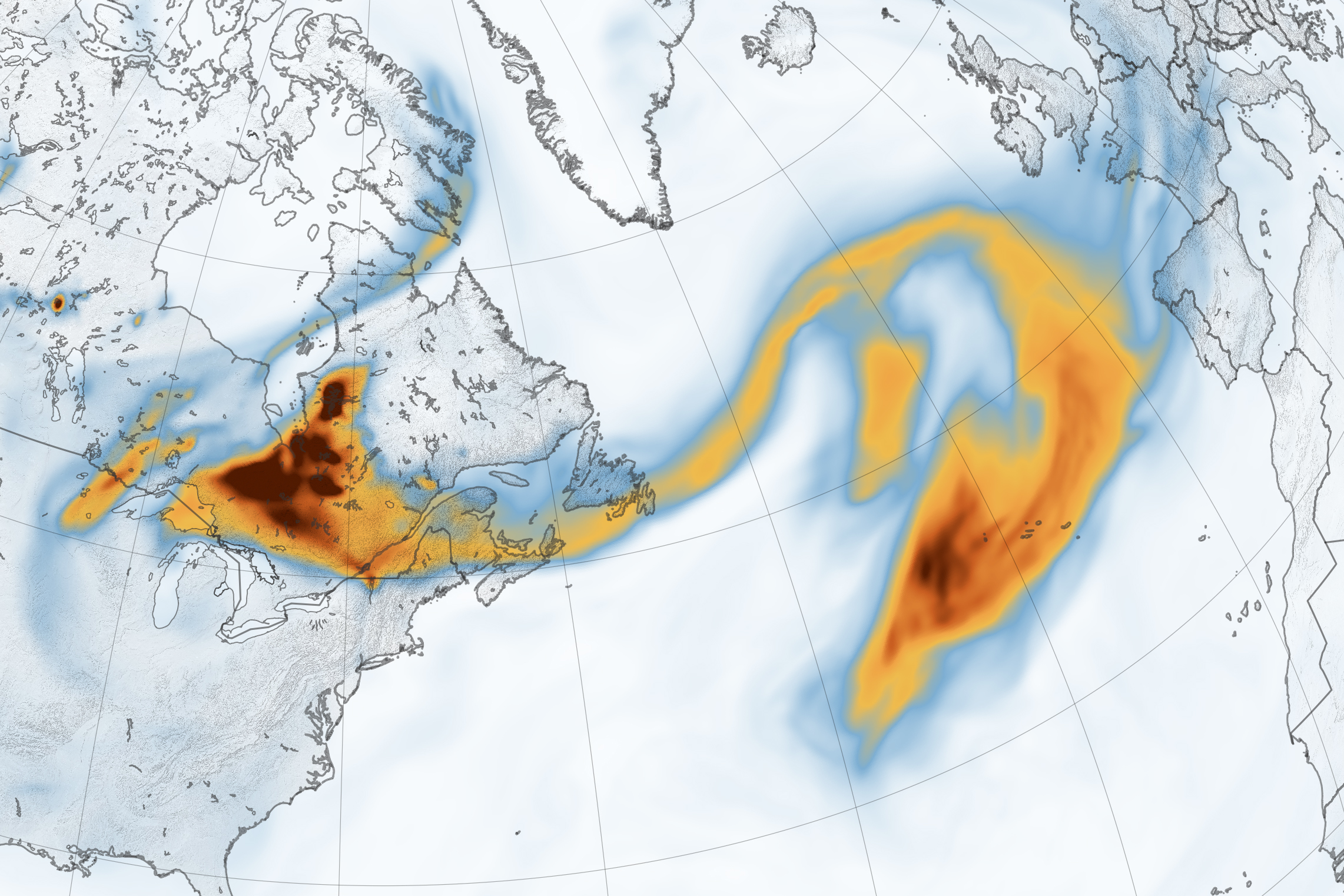
This is happening within the context of a disruptive climate system that regularly appears on nightly news programs via images of flash floods overturning cars or all-powerful “atmospheric river” instantaneous flooding, as globally 2024 had the most floods in human history and the onset of ginormous wildfires destroying entire communities while wiping out forests, e.g., Canada’s 29 mega fires of 2023. None of these climate events are normal.
Society can handle “normal” but it risks going over cliff’s edge along with busting apart America’s all-important home insurance industry with today’s brand of climate change; it’s brutal! At the same time, denialism is more pronounced than ever before. In the face of a turbulent climate system that needs clearheaded mitigation policies, social media has become a climate denial echo chamber.
How/why this happens in the face of a global climate system that’s gone off the rails is now exposed. But, in truth, shouldn’t rational humans be finding ways to mitigate threats to life-supporting ecosystems? And shouldn’t the people behind low-life groveling in the dirt be publicly humiliated and whipped?
Meanwhile, according to an outstanding research effort by DeSmog, the international journalism organization that focuses on climate change, a major new study has identified the poisoning of social media. (New Study Shows How Fossil Fuel Sectors Created a Climate Denial Echo Chamber on Social Media, DeSmog, Jan. 15, 2025)
“Research finds signs of ‘coordinated climate obstruction efforts’ among oil, plastics, and agrichemical industries in social media messaging,” Ibid.
What could be worse, lowlier, than major corporate lobbyists/representatives, interconnected to fossil fuel use and loaded with stacks of money to spend controlling the narrative of whether climate change is the real thing or not! Wow! And they denigrate it! This gangster-type corporate ganging up altogether to deep-six the climate change narrative is about as low as it gets. What are they running away from? What is scaring them so much? Not that denialism is a new thing, certainly, it’s not, but now they’ve put it on a scorched-earth trajectory.
The dangers of climate change have never been more severe or more obvious, and in the face of this extraordinary danger, the mainstays of production and foodstuff have conspired to work against the best interests of society. What has the world come to?
With science under attack like never before, in fact, since the Middle Ages, according to NASA: “The vast majority of actively publishing climate scientists – 97 percent – agree that humans are causing global warming and climate change. Most of the leading science organizations around the world have issued public statements expressing this, including international and U.S. science academies, the United Nations Intergovernmental Panel on Climate Change, and a whole host of reputable scientific bodies around the world. A list of these organizations is provided here.” (Do Scientists Agree on Climate Change? NASA Science)
The new study “found that all of the organizations, including the American Petroleum Institute (API) and the American Farm Bureau Federation (AFBF), were mentioned by at least four of the other groups – helping to essentially create an echo chamber for similar messages. The groups also frequently tagged regulators and the media in their posts, with researchers finding the Environmental Protection Agency was tagged 795 times and the Wall Street Journal, the most mentioned media organization, tagged 517 times out of more than 125,000 X posts.”
“Our study suggests that climate obstruction in different industries is more coordinated than is generally recognized,’ said co-author Jennie Stephens, professor of Sustainability Science and Policy at Northeastern University and of Climate Justice at the National University of Ireland Maynooth,” Ibid.
“This paper is interesting because it shows that the fossil fuel industry, plastics industry, and agricultural chemicals industry all promote forms of climate denial on social media, and their messages are largely aligned with each other,’ said Ben Franta, associate professor of climate litigation at the University of Oxford. ‘Is that alignment intentional? Are these industries engaging in a joint enterprise to deceive consumers and the public about petrochemical products and climate change?” Ibid.
The study included 15 years of tweets starting in 2008 before the past year’s election and the return to the presidency of Donald Trump, a longtime climate denier. According to Jennie Stephens of the Study group: “Obviously, we know that climate denial is not over. It’s come back as a strong force.”
According to Bloomberg news, as of January 17th, the Federal Reserve withdrew from the global climate coalition: “The Federal Reserve has withdrawn from the Network of Central Banks and Supervisors for Greening the Financial System, a global coalition of central banks engaged in the study of climate risk that was launched in 2017.”
Meanwhile, corporations have been dropping like flies from climate mitigation agreements (truth be known, it was greenwashing from the start) over the past two years as Middle Eastern oil producers hijack UN COPs (Conference of the Parties) initially designed to reign-in greenhouse gases like CO2. Moreover, fossil fuel interests have boldly expressed their intention to crank up oil and gas production over the same timeframe that the Paris ’15 climate agreement of 195 nations agreed to cut CO2 by 43% by 2030, which target, according to the UN, is off the mark by a country mile. According to UN Climate Action: Based upon national action plans in effect, the decrease in global greenhouse gas emissions by 2030 compared to 2019 will be 2.6%. The word “outrageous” seems appropriate.
Now that the Federal Reserve Board has officially jumped off the green crusade, global warming has been officially turned lose to “go for it, full blast ahead.”
Although, by the time ugly repercussions of policy makers going deeper rogue than ever before hits home with the public, it’ll be too late to point fingers or the failures to act. By then, home insurance premiums will be one of the largest yearly expenses for homeowners. According to the Federal Reserve Bank of Minneapolis: “Average homeowners insurance premiums have increased by 39 percent over the past seven years, and 15 percent in 2023 alone.”
It’s impossible to ignore the irony of the Fed dropping participation in the global climate coalition as a major branch of its 12-bank network reports on the drama of home ownership insurance premiums cranking up, exceeding the ongoing rate of inflation by a country mile because of the ravages of climate change.
It’s only too obvious that the prevailing issue going forward will be the point in time when climate change becomes too expensive for individual homeowners and not nearly rich enough for homeownership insurers. It’s almost there now and already there for many.