Friday, December 05, 2025


Report: Container Majors Are All Interested in Buying Zim
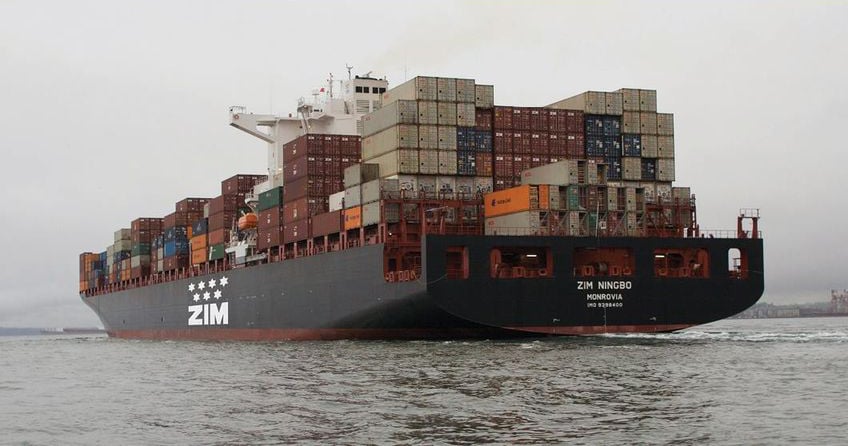
Zim containership
Potential investors are coming forward after Zim management proposed a buyout (Zim file photo)

Published Dec 4, 2025 2:50 PM by The Maritime Executive


Just days after the board of directors of the Israeli shipping company Zim confirmed they were considering alternatives for the future of the company, a report surfaced saying the industry majors are all expressing interest in the company. A sale of Zim, which is publicly traded on the New York Stock Exchange, however, would be complicated by the strategic importance of the company to Israel and restrictions placed by the government.

The Israeli news outlet Globes reported today, December 4, that Hapag-Lloyd has made an offer, although they believe it is “in the initial stages and negotiations have yet to begin.” Globes also reports that Maersk and MSC Mediterranean Shipping Company have also expressed initial interest. MSC, which is a private company, has long been reported to have significant investors from Israel.

The brewing bidding war for the ninth-largest container carrier was set off by the company’s current president and CEO, Eli Glickman, who has led the company since 2017. Glickman is reported to be working with Israeli investor and shipping magnate Rami Ungar and made an offer that also includes other Zim senior executives to the board of Zim to acquire the company. The board confirmed on November 25 that it had received the offer and was looking at its alternatives.

Glickman is credited with leading a turnaround of a nearly bankrupt carrier and turning it into a strong niche competitor. In addition to maintaining a critical lifeline for Israel, Zim has grown offerings such as its express container service targeted at Asian electronics manufacturers, and is among the first companies to adopt LNG and new technologies. The Gaza war and the overall market pressures in the container sector have made Zim a volatile investment since it went public in 2021, which was also compounded by the decision of long-time investor Idan Ofer’s Kenon Holdings to liquidate its Zim holdings in 2024.

An acquisition of Zim could be complicated by a Special State Share that was issued to the Israeli government in 2004 when the company was privatized. A potential buyer that would exceed 24 percent of the stock must first notify Israel, and a position over 35 percent requires Israeli approval. The special share requires the company to remain incorporated in Israel, and at least a majority of the members of the Board of Directors, including the chairperson of the board and chief executive officer, must be Israeli citizens. 

The company must also maintain a fleet of at least 11 vessels, with at least three being cargo vessels, but it currently has a waiver permitting it to own fewer than the required number of ships. The State of Israel must also consent in writing to any winding-up, merger, or spin-off unless the Special State Share would remain effective.

Globes reports opposition is already growing against a potential sale, and especially to Hapag. It writes that a workers committee is citing the strategic importance of Zim to the country’s trade. It is also highlighting the large investments by Qatar and Saudi Arabia in Hapag-Lloyd.

The Zim board has said that it is considering potential value creation alternatives, including a sale of the company and capital allocation and return opportunities. It confirmed in November that it had received multiple proposals in addition to the proposed management-led buyout. No timeline has been announced for a potential decision on the future of the company, which marked its 80th year in 2025.


MSC Buys Moby Ferries Auctioned to Pay Debt to Aponte Group
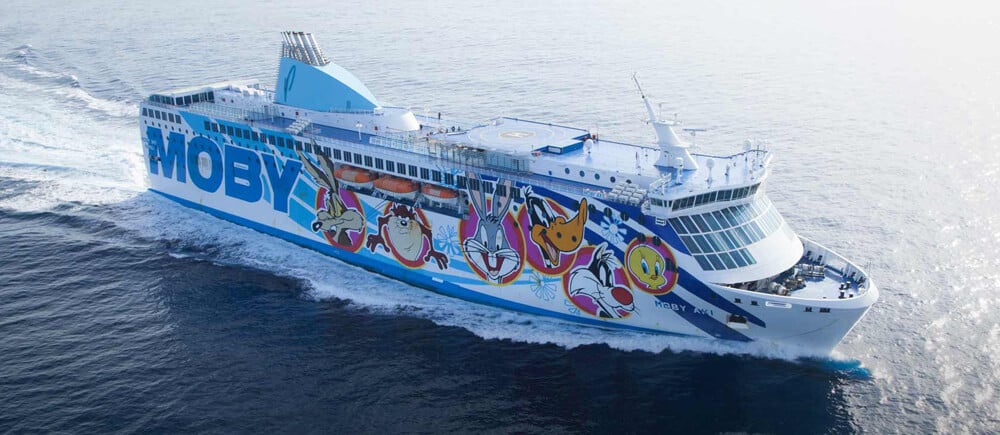
Italy ro-pax ferry Mobi Aki
Moby Aki is one of the five ro-pax ferries sold to repay the debt to MSC (Moby)

Published Dec 4, 2025 1:30 PM by The Maritime Executive


The online auction for five ferries owned by Italy’s Moby Lines was completed with an odd turn of events. The five ships were being sold to repay a debt owed to the Aponte’s who own MSC Mediterranean Shipping, and the buyer of the ro-pax ferries was MSC. The sale was part of a settlement reached between the companies to avoid antitrust issues, with the proceeds being used to repay a loan made by MSC to Moby to save the ferry company from bankruptcy.

The sale is the latest step between the companies that dates back several years. Moby is controlled by the Onorato group and got into financial trouble after mergers and other operational problems. MSC had reached terms with the Onoratos to acquire 49 percent of Moby and to provide a loan valued at €243 million. MSC also had an option to acquire the remaining interest in Moby.

The Italian Competition Authority, however, ruled that there were competition concerns in the consolidation of Italy’s RoRo passenger-freight ferry business. MSC owns ferry operator Grandi Navi Veloci (GNV), and the competition authority cited the lack of competition and barriers for others to enter the market. The settlement agreement called for MSC to relinquish its shares of Moby and for the sale of five vessels to repay the debt.

In an online auction completed on December 2, there was a sole bidder for the vessels Moby Aki and Moby Wonder, operated by Moby, and Moby Ale DueAthara, and Janas, operated by Moby subsidiary Tirrenia. Shipping Italy is reported the bidder was MSC Group’s SAS subsidiary, which was also the holder of the debt.

The auction was completed at €229.9 million ($268 million). The proceeds will repay most of the debt, with the agreement calling for the remainder to be sold to a third-party, which would manage the debt under conditions to maintain Moby’s economic and financial stability.

The auction terms also stipulated that the two newer vessels, Moby Aki and Moby Wonder, must be chartered back to Moby for a period of 15 years. Shipping Italy speculates the other three vessels will be consolidated into GNV’s fleet. There are also concerns about the seafarers who would lose their jobs as Moby downsizes, but it is believed they will also transfer to MSC to maintain their employment.

Moby said after the terms of the agreement were announced that it would be restructuring its operations. It emerges with a greatly reduced debt, and said plans call for strengthening and reorienting the business model. Most of the consolidation was predicted for services to Sardinia.

The antitrust decision represents a rare setback for MSC, which has been moving aggressively to expand its operations. In addition to the acquisition and construction of containerships, the company made investments in logistics and rail services, launched air cargo, and acquired Gram Car Carriers. The group is also expanding its ports and terminal operations, including a large investment in Hamburg, Germany, and was set to become a leading terminal operator in a deal with BlackRock to buy the international terminal operations from Hutchison. MSC is now the world’s largest container carrier, having topped 7 million TEU of capacity, which makes its TEU capacity 50 percent larger than Maersk.

 

Saildrone Completes Pioneering Mapping Mission of Cayman Islands’ EEZ

Saildrone
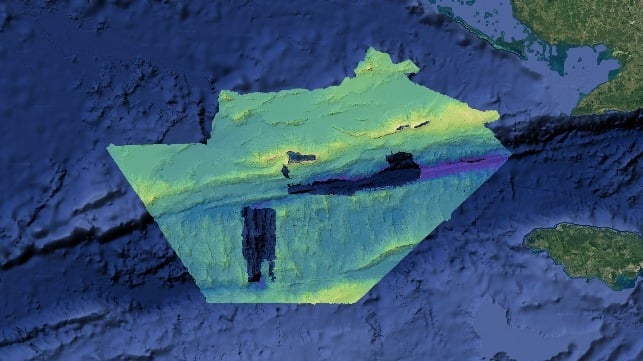
Saildrone Cayman Islands Survey

Published Dec 4, 2025 6:37 PM by The Maritime Executive


[By: Saildrone]

Saildrone, the global leader in autonomous deep water mapping solutions, has completed its mission to map the exclusive economic zone (EEZ) of the Cayman Islands, using a Saildrone Surveyor uncrewed surface vehicle (USV). Over the course of approximately 300 mission days, Saildrone surveyed approximately 90,000 square kilometers of seabed, in depths ranging from 20 meters to 7,000 meters, executing over 900 sound-velocity profile casts to ensure accurate bathymetric data. One of the priorities of the mission was to survey four fishing banks—60 Mile Bank, Lawfords Bank, Pickle Bank, and 12 Mile Bank—which serve as crucial hotspots of biodiversity supporting fisheries, tourism, and recreation, and are an indicator of the health of the Cayman Islands' marine ecosystem.

The mission was philanthropically funded by the London & Amsterdam Trust Company Limited, a Cayman-based organization that wants to leave a lasting legacy to the Cayman Islands. 

Prior to the Saildrone survey, the Cayman Islands had limited data available of its EEZ; the extent to which the Cayman EEZ had been surveyed with modern multibeam sonar technology was only 20,000 sq km of seafloor concentrated around the deep water of the Cayman Trench.

For small island nations such as the Cayman Islands, ocean mapping unlocks critical opportunities in the Blue Economy: A high-resolution bathymetric map of a country’s EEZ is a prerequisite for exploring and managing natural resources in waters extending up to 200 nautical miles from its shores. 

With the newly acquired seabed data, the Cayman Government will be better positioned to support:

  • enhanced maritime safety, navigation, and charting
  • sustainable fisheries
  • offshore energy planning
  • responsible seabed mining and marine mineral exploration
  • conservation of vulnerable marine ecosystems and habitat management.

All raw bathymetric, backscatter, and ocean-profile data will now be handed over to the UK Hydrographic Office (UKHO), which will process data under its role as the Primary Charting Authority for the Cayman Islands, before the final data sets are formally delivered to the Cayman Government. The UKHO intends to update its nautical chart portfolio of the Cayman Islands by incorporating the collected data. Additionally, a low-resolution dataset will also be provided to Seabed 2030 to support its goal of mapping the entire global seabed by 2030.  

During the mission, Saildrone faced numerous operational challenges, including unprecedented sargassum blooms and severe weather threats, which exacerbated the operational difficulties of delivering high-resolution seabed mapping in the open ocean. However, these challenges also presented important opportunities to develop new techniques and tools for overcoming them. Saildrone responded with new approaches to clearing the sound velocity profiler (SVP) and enhanced remote diagnostics to detect biofouling early. Operating safely and consistently during severe weather helped validate the Surveyor’s proven capability to remain on survey up to sea state seven.

“This mission is a testament to the power of Saildrone vehicles in delivering ocean mapping at a scale and resolution that was previously prohibitively expensive for small island nations. Delivering mission-critical operations in sargassum-filled, hurricane-exposed waters demonstrates the resilience of Saildrone’s unmanned mapping services and the prospects it holds for nations worldwide,” said Saildrone VP Ocean Mapping, Brian Connon.

Following the success of this mission, Saildrone is looking forward to opportunities to map the EEZs of additional Caribbean nations.

The products and services herein described in this press release are not endorsed by The Maritime Executive.

UK Redoubles Support for Yemeni Coastguard

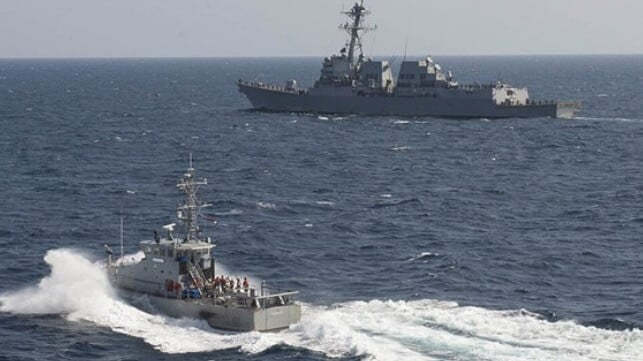
USS Dewey and the Yemeni Coast Guard boat Sana’a
USS Dewey and the Yemeni Coast Guard boat Sana’a in a joint operation in 2014 (USN photo)

Published Dec 4, 2025 2:51 PM by The Maritime Executive

The British minister responsible for the Middle East, Hamish Falconer, has redoubled the United Kingdom's support for the Yemeni Coastguard, demonstrated in a visit made in November to the Yemeni Coastguard's facility in Aden.

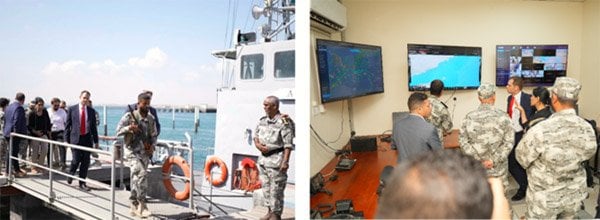
In the first visit by a British minister to Yemen since 2019, Falconer was welcomed by the Yemeni Coastguard commander Maj Gen Khalid Al Qamali. After visiting the Coastgaurd's maritime situation center, he went aboard the 200GT patrol vessel Aden (IMO 4698611), built in 2011. This is one of two patrol boats which British aid has recently helped refurbish with a $3m donation made in September.  

The British ambassador to Yemen Abda Sharif has also chaired the first steering committee meeting of the Yemeni Coastguard Coalition, bringing together the UK, the EU, United States, and Japan to help channel further support to the Yemeni Coastguard. This initiative should be of benefit to all parties, and if successful, would not only reduce conflict in the region, but also the need for a direct Western presence to counter arms smuggling and attacks on shipping in the Gulf of Aden, Bab el-Mandeb and Red Sea areas.


Hamish Falconer and Ambassador Abda Sharif visit Coastguard patrol vessel Aden and situation center (CJRC)


The UK has a long track record of nurturing the capability growth of coastguard forces in the area, both in Yemen and previously in providing training capability on the ground in Somalia. A UK official commented that the British aid was not prescriptive, but designed to give the Yemeni Coastguard the time and space to grow organically.

Hamish Falconer, interviewed recently by The National, has expressed concern about the shipment of arms across the Red Sea - in both directions, with the Houthis being both a recipient and a supplier of sophisticated weapons. Two vessels with links to Al Shabab in Somalia and Al Qaeda in the Arabian Peninsula were intercepted in November, having left Djibouti with 250 tonnes of advanced Chinese communications equipment. The minister was also concerned about smuggling into Sudan, but would not be drawn on specifics.


Seafarers from Eternity C Return Home After Months in Houthi Captivity

seafarers released from captivity
The 10 crewmembers and a security guard reached Oman after being held by the Houthis since July (Foreign Ministry of Oman)

Published Dec 4, 2025 3:45 PM by The Maritime Executive


Government officials in Oman and the Philippines confirmed the release of the seafarers who had been rescued from the sinking bulker Eternity C in July after sustained attacks by the Houthis over two successive days. A salvage team sent by the vessel’s operator had been able to rescue some of the seafarers, while the Houthis reported retrieving the others and taking them to Yemen.

The Sultanate of Oman’s official statement said the release was part of its sustained humanitarian efforts. It confirmed that the release had taken place on Wednesday, December 3, in Sana’a, Yemen. The crew was then transported aboard a Royal Air Force of Oman aircraft, arriving late in the day in Muscat, the capital of Oman.

The freed crewmembers were met by Omani government representatives as well as Hans Leo Cacac, Secretary of Migrant Workers of the Philippines, and the ambassador from India. The Philippines had earlier announced that it expected the release this week after having worked closely with the Omanis.

Since the beginning of the incident, there has been confusion over the number of individuals in the custody of the Houthis. The Philippines acknowledged nine of its citizens, and the Houthis said 10 were released. The Omanis said it was a total of 11, but only mentioned citizens of the Philippines and India. The other was a Russian. The difference in count appears to be due to the fact that one person was a security guard aboard the vessel.

The Department of Migrant Workers announced its nine citizens had arrived in Manila today, December 4. President of the Philippines Ferdinand "Bongbong" Marcos Jr. posted a message of thanks to the Omanis and their efforts, and highlighted the country’s commitment to its citizens. Cacdac in Oman also emphasized the strong relationship between the two countries.

Agence France-Presse is reporting that the release of the crewmembers was part of a larger deal negotiated by the Omanis. AFP says 35 Yemenis stranded aboard were returned home traveling on the plane when it was inbound to Sana’a.

The Eternity C was one of the two vessels the Houthis attacked in July when they resumed the so-called “maritime blockade.” They asserted the ships being targeted were part of companies that were continuing to trade with Israel and call in Israeli ports. The militant group announced an end to its attacks after the peace agreement went into effect to stop the Gaza War.


USN Incident Reports on Truman’s Deployment Cite Preventable Errors

carrier USS Harry S Truman
Issues in training, communication, and judgment were cited in the reports on the incidents during the USS Harry S. Truman 2024-2025 deployment (USN file photo)

Published Dec 4, 2025 6:12 PM by The Maritime Executive


The United States Navy released four independent reports on the key incidents that happened while the carrier Harry S. Truman and its Carrier Strike Group were deployed to the Red Sea region, including a nearly calamitous collision and the loss of multi-million-dollar fighter jets. While saying, it is fully committed to learning from the incident, they also cited the high pressure and adversity during the high-intensity deployment, which was one of the most intense for the Navy in recent years.

The Truman and its carrier group were repeatedly targeted by the Houthis with missiles and drones. The Navy emphasized the overall success of the deployment between September 2024 and May 2025, while admitting human error, bad judgment, systems issues, and fatigue contributed to the incidents. It says the focus of each investigation was the underlying procedural issues and compliance, as well as how the crews were reacting to adversity.

“The Navy is committed to being a learning organization,” said Vice Chief of Naval Operations Adm. Jim Kilby in the official statement on the release. “These investigations reinforce the need to continue investing in our people to ensure we deliver battle-ready forces to operational commanders.”

Key among the incidents was the February 12, 2025, collision between the carrier and a commercial vessel near the Suez Canal. What was portrayed as a minor “fender bender” appeared to come far closer to a major casualty. The investigating officer notes that if the timing or angle had changed even slightly, it could have been catastrophic.

Captain Dave Snowden had left the bridge of the carrier to get some rest, but left orders to call him if vessels got within 1,000 feet. The report says the carrier was traveling at speeds of 19 knots, much faster than ordered, and that the officer of the deck failed to act or alert others, including the captain, as vessels came close to the carrier. The bridge team on the carrier misjudged the direction of a turn by the merchant vessel and only summoned the captain back to the bridge when the merchant ship was 500 yards away.

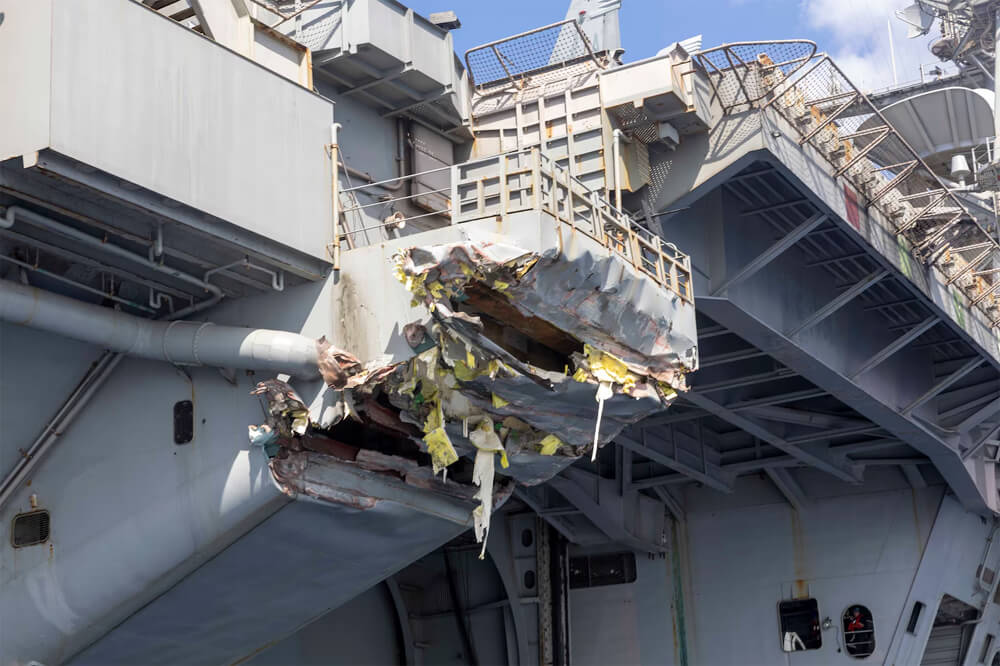
The first impact was a gash 20 feet long and 7 feet wide on the hull, followed by a 15-foot gash in the structure. It damaged the aviation parachute equipment shop, which was manned by eight sailors when the impact happened, as well as unnamed storage rooms. The impact the report determined came within 100 feet of the space where the sailors were working and only yards away from a compartment where 120 sailors were sleeping. The commander of the carrier strike group noted that if it had been 100 feet forward, the impact would have pierced the sleeping compartment.

The commanding officer of the Truman was relieved shortly after the incident “due to a loss of confidence in his ability to command.”


Some of the collision damage which came far closer than reported to the sailors onboard (USN)


The reports are equally hard on the “friendly fire” incident in which the USS Gettysburg shot down an F/A-18F Super Hornet and fired at a second fighter jet in December 2024. It cites a lack of training and integration between the Gettysburg and the Carrier Strike Group. They point to a lack of “forceful backup” on the cruiser, and a lack of cohesion in the group, leading to a misidentification of the two planes. 

The report highlights culpability “up and down” the chain of command, saying people did not recognize or speak up about concerns and were too reliant on technology instead of judgment. It says they had “low situational awareness,” and concludes the decision to engage was “neither reasonable nor prudent.” They said it was incorrect across the “totality” of the information available to the crew.

While the “friendly fire” incident came early in the engagement, another F/A-18E Super Hornet and a tow tractor were lost overboard in April, late in the deployment. The carrier took evasive maneuvers due to an incoming ballistic missile in the Red Sea. While saying they were within standard operating procedures, the report also cites insufficient communication between the bridge, flight deck control, and hangar bay control. They also cite a failure with the aircraft bake system.

The last incident was another loss of an F/A-18F Super Hornet. It is blamed on the failure of an arresting wire on the Truman. However, they found inadequate maintenance practices, low manning levels, limited knowledge, and insufficient training were each contributing factors to the incident.

The reports emphasize the “high operational tempo and combat conditions” as contributing to a strained environment. During a briefing, Navy officials say they had learned from these high-profile incidents and pointed to the Office of Warfighting Advantage, which is tasked to make improvements in training and procedures, learning from the mishaps during the deployment.

Harry S. Truman and the strike group returned to its home port in Virginia at the end of May 2025 after one of the most demanding deployments for the Navy. The ship has only received interim repairs to make it watertight after the collision, and in August was back underway for two weeks. The Navy reports complete repair of the damage is scheduled during the ship’s upcoming Refueling and Complex Overhaul at HII-Newport News, which was due to begin after her final underway in October.


Kenya Investigates Allegations of Stealing After Largest Drug Bust

drug seizure
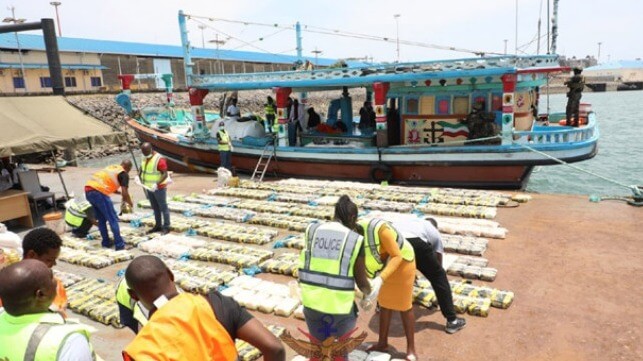
Dhow was brought into Kenya and offloaded (KDF)

Published Dec 4, 2025 8:46 PM by The Maritime Executive


Kenyan officials confirmed that they are investigating allegations that a portion of the drugs seized during one of its largest drug busts which involved seizing a dhow in the Indian Ocean might have gone missing. The seizure happened in late October, but recently allegations surfaced that some of the drugs might be missing with charges that the personnel offloading the drugs might have concealed and stole a portion of the seized narcotics.

A multi-agency team intercepted a stateless dhow named MV Ighol that was loaded with narcotics worth $63 million while it was nearly 400 miles off the coastal city of Mombasa. The Kenya Navy ship Shupavu oversaw the operation that was codenamed Bahari Safi, which led to the seizure of the large consignment and arrest of six Iranian nationals. The Kenya Defence Forces (KDF) reported that the seizure consisted of 1,024 kilograms of methamphetamine (crystal meth) off the Kenyan coast on October 25

The dhow had been on the radar of international authorities for suspected narcotics trafficking in the Western Indian Ocean. Following the interception, it was escorted to the Port of Mombasa under tight security, where a search was conducted, leading to the discovery of 769 packages of meth. Weeks later, it is now emerging that KDF personnel involved in the offloading of the drugs may have diverted part of the narcotics.

“It has been alleged that during the operation, and as the narcotics were being offloaded for transport ashore, some KDF personnel involved in the mission stole and concealed a portion of the narcotics for personal gain,” said KDF in a statement.

While KDF has gone ahead to clarify that the entire 1,024 kilograms of meth offloaded ashore remains intact and is under continuous, round-the-clock protection by a dedicated multi-agency security team, it has launched investigations into whether part of the drugs were stolen.

“The suspected personnel are currently under investigation by the relevant authorities. Should the allegations be substantiated, appropriate disciplinary and legal measures will be taken in accordance with the law,” the statement added.

Apart from KDF, other agencies involved in the operation were the Kenya Coast Guard Service, the Directorate of Criminal Investigations, and the National Authority for the Campaign Against Alcohol and Drug Abuse. Agencies in Seychelles and Madagascar also provided operational support, leading to the interception of the dhow.

The six Iranians who were arrested in the operation have since been arraigned in court where they are facing drug trafficking charges. The consignment remains as one of the largest drug seizures in the Kenyan coastal waters.


Philippine Navy Launches Second Malvar Class Frigate

Philippine frigate commissioning
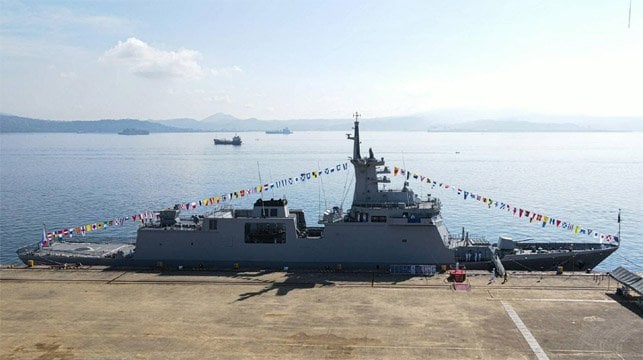
BRP Diego Silang (Philippine Navy)

Published Dec 4, 2025 9:49 PM by The Maritime Executive


The Philippine Navy has officially commissioned its second Miguel Malvar Class frigate, BRP Diego Silang (FFG07), into active service, in a ceremony at Subic Bay with the commander of the Philippines Navy Vice Admiral Jose Ma Ambrosio Q Ezpeleta present.  It comes at a critical time as the Philippines looks to enhance its capabilities as it continues to confront Chinese aggression in the region.

BRP Diego Silang is a multi-role warship capable of conducting anti-surface, anti-air, anti-submarine, and electronic warfare missions. In comparison to BRP Jose Rizal (FF-150) and BRP Antonio Luna (FF-151) of the Jose Rizal Class, which they will supplement, it features a longer hull, larger displacement, and enhanced communication and electronic warfare support measures. These features will give the two new frigates wider capability at longer range, reaching out beyond the exclusive economic zone (EEZ).  

The ship was built by HD Hyundai Heavy Industries shipyard in Ulsan, South Korea, and completed in March. The first commanding officer of the BRP Diego Silang is Captain John Percie Alcos.


At 115 meters (388 feet) in length, the frigate is 3,200 tons displacement and has an operating speed of 25 knots. Her sister ship, BRP Miguel Malvar, was commissioned in May. They are also an important calling card for HD Hyundai, which is actively seeking to expand its role in naval shipbuilding. Hyundai is currently also building six offshore patrol vessels for the Philippine Navy, two of which are now completed and undergoing sea trials in South Korea. 

The Philippines also has an aspiration to order two more Malvar Class frigates as part of its expansion of capabilities. Two 124-meter landing dock platforms are also currently being constructed by Indonesian shipbuilder PT PA, with all the additions to the fleet forming part of the Horizon 2 modernization program approved by Philippine President Rodrigo Duterte in June 2018, and costing approximately $5 billion. The net effect of this program will be to give the Philippine Navy a much greater ability to sustain its outposts in the disputed areas of the South China Sea, which face daily bullying and harassment by Chinese naval, coastguard, and paramilitary fishing vessels.

Launching the ship, Philippine Undersecretary for Acquisition and Resource Management Salvador Melchor B. Mison, Jr. diplomatically emphasized that the program to enhance the capability of the Philippine Navy was ongoing, and needed to strengthen maritime domain awareness, enhance deterrence, and improve the Philippines' ability to uphold the rule of law


Gambia Joins Comoros and Others in False Flag Crackdown

tanker at sea
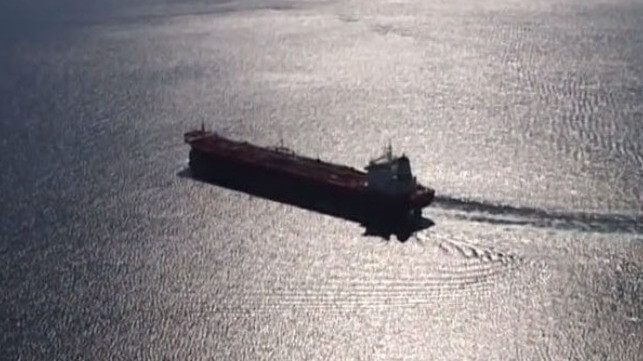
Crackdown is accelerating on false flag ships under flags of convenience (file photo)

Published Dec 3, 2025 7:34 PM by The Maritime Executive


Gambia’s maritime administration has begun removing tankers flagged through its privately run ship registry, reports Maritime AI data analytics firm Windward. It says the effort is part of a broader crackdown on weak governance and follows similar efforts by other governments against false flag and shadow fleet tankers.

Windward’s analysis says that there are 20 tankers now listed in the IMO’s database as falsely flagged with Gambia in the International Maritime Organization’s database. Gambia it notes has reportedly deflagged 72 ships for fraudulently issued certificates, according to public reports. That number, however, is yet to appear in IMO records, which still list 104 ships flying Gambia’s flag, including nearly 40 dark-fleet tankers.

According to Windward, Gambia played a central role in facilitating Russian oil shipments after outsourcing management of its international registry to a private contractor in mid-2023. The flag expanded by more than 1,000 percent in 12 months, jumping from fewer than 40 domestic vessels totaling 47,000 gross tons to more than 110 ships of 2.1 million tons by mid-2025. Growth came largely from sanctioned tankers within the dark fleet.

Gambia’s move against the shadow fleet follows similar steps by Comoros, which began removing more than 60 tankers in July that it determined were falsely flying its flag. 

Tankers flying the Gambia and Sierra Leone flags — both run by the same private contractor in Cyprus — made up 40 percent of all tanker calls at Russia’s Baltic ports between October 1 and November 10, according to Windward analysis. Falsely flagged ships accounted for an additional 19 percent, putting more than two-thirds of tanker traffic through the Baltic Sea during that period under minimal governance or regulatory oversight.

Flag-hopping to avoid due diligence and regulatory scrutiny reached new highs in the third quarter of 2025, reports Windward. As an example, it cites several Gambia-flagged ships that cycled through as many as five other flags within six months. One tanker, Windward reports, that was previously flagged to Gambia has already shifted to Cameroon — its fifth flag since February.

Despite pressure from the EU and UK, Windward notes that there are more than 550 sanctioned, Russia-trading vessels that are now active, and Windward has identified 17 fraudulent registries servicing them. 

“Gambia’s actions mark meaningful progress, but hundreds of sanctioned tankers continue to exploit an expanding network of fraudulent registries,” says Windward. “For now, the dark fleet remains more agile than the regulatory system designed to oversee it,” they concluded.


Cargo Ship Engine Room Fire Hospitalizes Three Crew in Manila

cargo ship fire
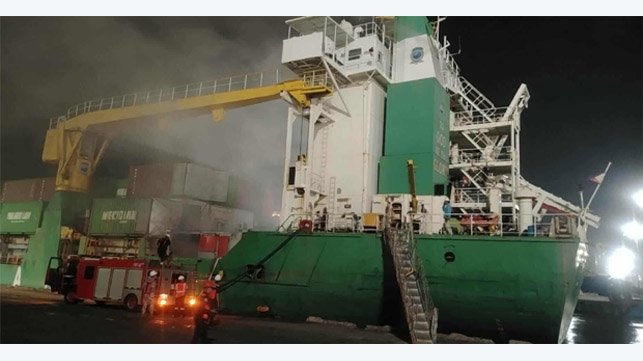
A smokey engine room fire injured three crewmembers aboard a small cargo ship in the Philippines (Sacred Heart Fire Volunteer Brigade - Mainila)

Published Dec 4, 2025 11:50 AM by The Maritime Executive


[Brief]  A smoky engine room fire aboard a small cargo ship docked in Manila injured three crewmembers. After a large response from the local fire departments, the blaze was quickly controlled.

The Philippine Ports Authority and the local fire departments reported the fire began around 1850 local time, with the first alarm shortly after 1900, and a second alarm sounded around 20 minutes later. Smoke was billowing from the general cargo ship Meridian Dos (4,222 dwt).

The ship, which was built in 1991, has been operating in the Philippines since 2014. It is 94 meters (308 feet) in length and carries containers and general cargo. There was no indication of how many crew were aboard when the fire began.


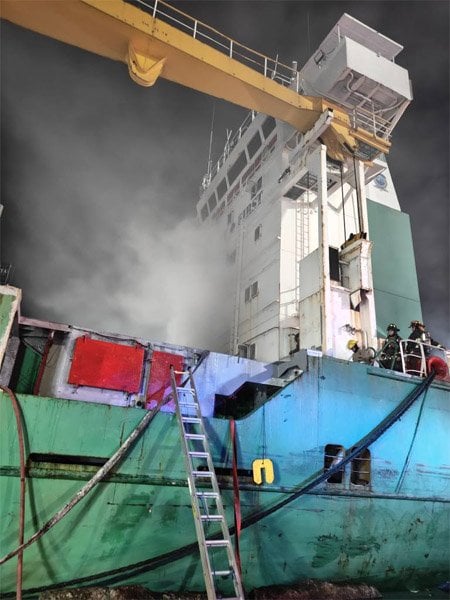
The fire was brought under control in about two hours (Manila Fire Department on Facebook) 


The fire departments determined it was an engine room fire aboard the vessel. It took about two hours for the fire to be extinguished.

Three crewmembers were injured during the fire. They were taken to a local hospital for treatment.

The Port Authority reports that the cause of the fire is still under investigation. A survey was planned to determine the level of damage to the vessel.


Davie Defense Expands in U.S. Market with Acquisition of Gulf Copper

Galveston shipyard
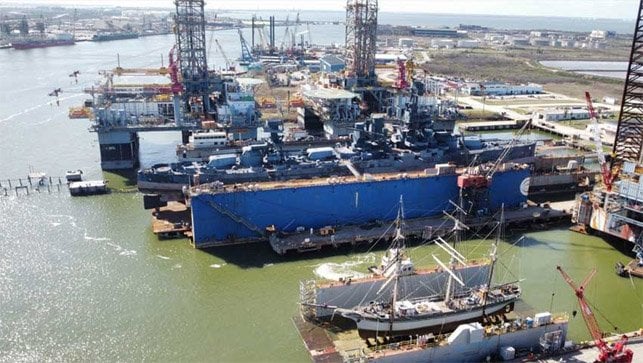
Gulf Copper's Galveston yard drydocked the battleship Texas during her restoration (Gulf & Cooper file photo)

Published Dec 3, 2025 9:32 PM by The Maritime Executive


The newly minted Davie Defense, a division of Inocea Group and aligned with Canadian shipbuilder Davie, completed its acquisition of Gulf Copper & Manufacturing Corporation's shipbuilding assets in Galveston and Port Arthur, Texas. The deal was first announced in June, with the launch of Davie Defense announced in September, as the group looks to leverage its expertise to gain a foothold in U.S. defense shipbuilding and specifically the Polar Icebreaker programs.

Gulf Cooper has been operating for 75 years along the U.S. Gulf Coast and reports it has two dry docks in each of the locations and 4,000 feet of dock in Galveston and 1,000 feet in Port Arthur. It has been focused of late on ship repair, offshore services, and marine infrastructure. It serves the oil and gas, marine transport, petrochemical, and government sectors. Davie highlights that the yard recently expanded scope on the Flight III Arleigh Burke–class destroyer units. It has approximately 350 employees currently.

The group reports that Gulf Copper will continue to operate as a leading repair and fabrication center, backed by its experienced management team and workforce, who will remain in place. Kai Skvarla, CEO of Davie Defense, will assume the role of CEO of Gulf Copper, with current CEO Steve Hale staying on in an advisory role to ensure a smooth transition.

"Closing this acquisition is a defining moment in our Group's journey,” said James Davies, Co-Founder, Inocea Group, a privately held British marine industrial group with operations spanning the United States, Canada, and Finland. “We are now truly transatlantic, and we are proud to welcome the Gulf Copper team as part of our U.S. presence.”

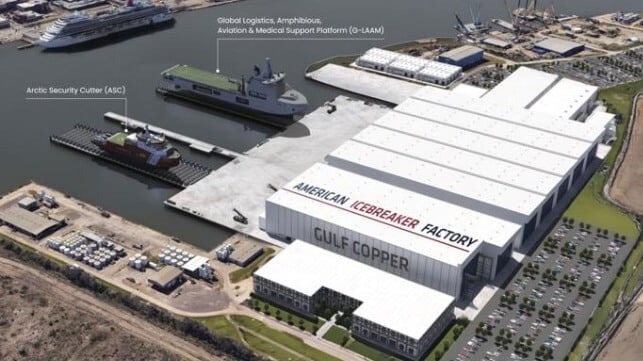
The company is seeking to leverage the expertise of Davie Group in Canada, which is one of the builders for Canada’s new large Polar icebreakers. In addition, Davie acquired Helsinki Shipyard in Finland as well as other assets. In September, it outlined its plans to invest in Gulf Cooper to create what it called an "icebreaker factory."  Davie had said once it secures contacts that it plans to invest $1 billion to upgrade and expand capacity in Galveston and Port Arthur. The project it said could generate approximately 4,000 American jobs, with 2,000 directly at Gulf Copper. 


Rendering of the proposed "icebreaker factory" at Gulf & Cooper's yard (Davie Defense)


Polar icebreakers are becoming increasingly significant in the planning of both the United States and Canada. On October 9, the presidents of the U.S. and Finland signed a Memorandum of Understanding on icebreaker construction that was a follow-up to the trilateral initiative first announced in July 2024 between the U.S., Canada, and Finland to advance shipbuilding and Arctic defense collaboration under the Icebreaker Collaboration Effort (ICE Pact).

As a principal industrial partner in the ICE Pact, Davie Defense says it looks forward to the upcoming contracting process and to working with the U.S. Coast Guard to determine how best to advance the Arctic Security Cutter (ASC) project in America. Davie Defense is in negotiations to deliver five ASCs. 

The ASC is based on a fourth-generation polar icebreaker design from Helsinki Shipyard, which is billed as the world's premier icebreaker builder. The Finnish yard has delivered approximately half of the world fleet and all the polar icebreakers built in Finland over the past 25 years.

The October memorandum between the U.S. and Finland calls for the construction of a total of up to 11 icebreakers using Finnish designs and expertise. The value of the deal was reported at approximately $6.1 billion, with media reports saying four of the vessels will be built in Finland, and in a second phase, Davie’s U.S. yard and Bollinger would build the additional vessels using the Finnish designs and expertise.

Davie follows other major shipbuilders that are positioning for the anticipated expanded U.S. shipbuilding proposed by the Trump administration. Austal has moved to increase its facilities, while South Korea’s Hanwha Ocean purchased the Philly Shipyard. HD Hyundai is also reported to be exploring possible U.S. acquisitions while also forming partnerships in the U.S. It is all part of the highly anticipated revival of the American shipbuilding industry.


Saronic Invests $300M to Expand Louisiana Shipyard to Accelerate ASVs

ASV construction shipyard
Saronic is building its first two ASVs as it moves to expand capacity with a major shipyard expansion (Saronic)

Published Dec 4, 2025 8:27 PM by The Maritime Executive


A U.S. defense tech startup specializing in autonomous ships is pushing to enhance its competitiveness in the fast-growing market with a $300 million investment to expand its production facility. Texas-based Saronic Technologies wants to deliver autonomous ships at speed and scale with the massive investment to expand its Franklin, Louisiana, shipyard.

The firm, which began operations in April this year with the ambitions of redefining the building of unmanned surface vehicles, reports that the expanded facility will enable it to increase the production of autonomous surface vessels (ASVs) while significantly growing its workforce. The expansion project will add more than 300,000 square feet of new production capacity and create 1,500 new jobs.

The new facility, which is expected to strengthen the Gulf Coast’s role in the future of U.S. maritime innovation, is slated for completion by the end of 2026, with expanded operations coming online a year later. The project will encompass the construction of three new slips, warehouse expansion, and the development of a dedicated production line for large-vessel assembly, namely Marauder, the firm’s 180-foot autonomous ship.

Saronic is currently constructing two Marauder vessels at the Franklin facility, having progressed from initial design to full vessel development in just six months. At 150 feet, Marauder is a large ASV that has a payload capacity of up to 40 metric tonnes and can travel up to 3,500 nautical miles or loiter for more than 30 days. The vessel is designed to support a range of missions for the U.S. Navy, its allies, and commercial customers. The firm expects that construction of the first vessel will be complete by the end of the year.

In recent months, Saronic has managed to improve the vessel’s design to 180 feet, enhancing its payload capacity and operational range. The updated vessel is capable of hosting up to four 40-foot or eight 20-foot containers, providing unmatched modularity for logistics, payload delivery, and sustained operations at sea. The new design comes with a cruise speed of 12 knots and a top speed of 25 knots, a 150-metric-ton payload capacity, and a range of up to 5,400 nautical miles.

The firm, which earlier this year acquired Louisiana-based shipbuilder Gulf Craft to accelerate its growth into autonomous shipbuilding, contends the expanded facility is critical to its growth ambitions. In the coming years, it plans to create about 1,500 new jobs ranging from welding to fabrication, engineering, and systems integration.

“Our expanded shipyard will enable us to deliver autonomous ships at unprecedented speed and scale. Together with our next-generation Port Alpha shipyard, we’re establishing the modern blueprint for American shipbuilding, an integrated ecosystem that connects autonomy innovation with large-scale production capacity to strengthen and sustain America’s maritime leadership for generations to come,” said Dino Mavrookas, Saronic Co-founder and CEO.

The Franklin facility is expected to complement Saronic’s plans for Port Alpha, which the company has touted as the largest and most advanced shipyard in the U.S., designed to produce large autonomous ships at speed and scale.


Samsung Sets Agreements with NASSCO and Conrad to Enter U.S. Shipbuilding

South Korean shipyard Samsung
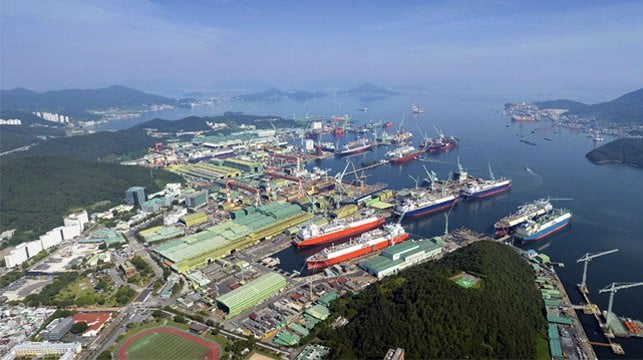
Samsung Heavy Industries looks to leverage its expertise from the South Korean yard into U.S. ship design and LNG bunkering (SHI)

Published Dec 4, 2025 4:44 PM by The Maritime Executive


South Korea’s Samsung Heavy Industries announced two key partnerships with leading U.S. shipbuilders, as it follows competitors HD Hyundai and Hanwha Ocean into the U.S. shipbuilding market. The South Koreans look to the emerging opportunities in the U.S. under the anticipated efforts to revitalize the segment and the Make American Shipbuilding Great Again program.

Samsung Heavy Industries is one of South Korea’s largest shipbuilders, known for its work in developing the liquified natural gas carrier segment, ranging from LNG carriers to floating LNG production units. It has a long heritage in the oil and gas sector as well as containerships, and is actively pursuing the development of new technologies for shipping and shipbuilding. The company highlights a current orderbook which includes 120 commercial ships and three FLNG units.

A tri-party Memorandum of Agreement was announced on December 3 involving SHI with General Dynamics NASSCO and its long-term partner DSEC Co. The companies said they plan to “join forces to collaborate on their industry-leading ship design and manufacturing automation and technology” for the U.S. market. 

The companies point to the opportunities for naval and government shipbuilding as well as commercial shipping. They cite the U.S. Navy’s Next Generation Logistics Ships as one of the areas where they can share common experience.

"This partnership brings together three extraordinary companies with a track record of success and over 160 years of combined shipbuilding and design experience," said Dave Carver, president of General Dynamics NASSCO.

General Dynamics NASSCO highlights its work as a designer and builder, having delivered over 150 vessels since the 1950s. It is currently building the U.S. Navy's 20-ship class of John Lewis (T-AO 205) Fleet Oilers and is designing the U.S. Navy's future Submarine Tender (AS-X) class. Recent commercial programs include ConRo ships, containerships, and medium range (MR) tankers, all designed with DSEC and other South Korean partners.

DSEC Co. highlights that it provides a complete range of shipbuilding and marine engineering services, including ship design, material procurement, quality management, shipyard operations and development consulting, logistics support, and eco retrofit solutions. With over three decades of experience, DSEC notes it has worked extensively on U.S.-built ship designs and material packages throughout the U.S., supporting a wide variety of commercial, naval, and government ship programs.

"Through this tri-party collaboration, SHI is committed to leveraging its technological expertise, skilled workforce and production infrastructure to enhance the capabilities of the U.S. shipbuilding industries," said Joonyun Kang, director of SHI.

Today, December 4, SHI followed the first agreement, announcing it has also signed a Memorandum of Understanding with Conrad Shipyard. The MOU formalizes a collaborative framework to jointly explore opportunities in the rapidly expanding U.S. LNG bunkering market.

“Through this collaboration, we expect to enter the U.S. LNG bunkering market while also contributing to the revitalization of the U.S. shipbuilding industry,” said an SHI representative.
Conrad and SHI will work together to evaluate and pursue technical, commercial, and market-based initiatives that support the design, construction, and deployment of LNG bunkering vessels tailored for U.S. regulatory and operational requirements. The MOU is intended to combine SHI’s global expertise in advanced LNG technologies with Conrad’s proven LNG shipbuilding capabilities and domestic market access.

South Korea committed to making a $150 billion investment in U.S. shipbuilding during the U.S. trade negotiations and gave the program the catchphrase of “Make American Shipbuilding Great Again” (MASGA). Hanwha Ocean was first into the market, announcing the acquisition and planned investment to revitalize the Philly Shipyard. HD Hyundai Heavy Industries has said it is also looking at possibly U.S. acquisitions, while the company in October signed an agreement with HII (Huntington Ingalls Industries), which they said is designed to further expand cooperation in shipbuilding and repair, as they target the U.S. Navy and commercial shipping. Hyundai also announced a new partnership with Edison Chouest Offshore that calls for jointly building containerships.