Report: Container Majors Are All Interested in Buying Zim
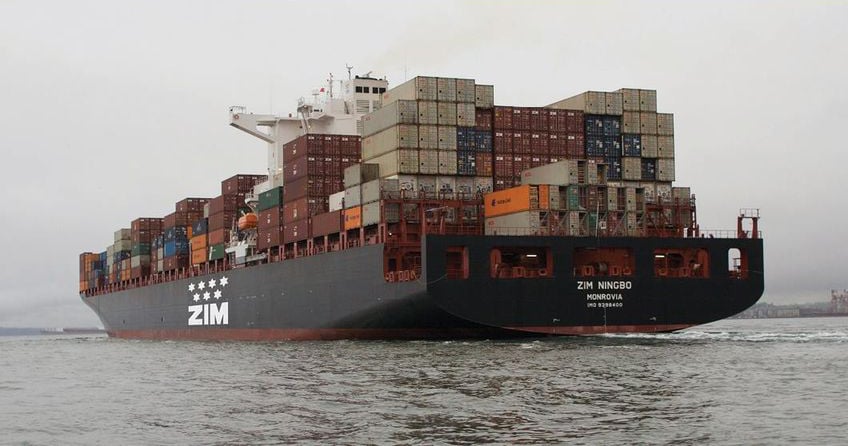
Just days after the board of directors of the Israeli shipping company Zim confirmed they were considering alternatives for the future of the company, a report surfaced saying the industry majors are all expressing interest in the company. A sale of Zim, which is publicly traded on the New York Stock Exchange, however, would be complicated by the strategic importance of the company to Israel and restrictions placed by the government.
The Israeli news outlet Globes reported today, December 4, that Hapag-Lloyd has made an offer, although they believe it is “in the initial stages and negotiations have yet to begin.” Globes also reports that Maersk and MSC Mediterranean Shipping Company have also expressed initial interest. MSC, which is a private company, has long been reported to have significant investors from Israel.
The brewing bidding war for the ninth-largest container carrier was set off by the company’s current president and CEO, Eli Glickman, who has led the company since 2017. Glickman is reported to be working with Israeli investor and shipping magnate Rami Ungar and made an offer that also includes other Zim senior executives to the board of Zim to acquire the company. The board confirmed on November 25 that it had received the offer and was looking at its alternatives.
Glickman is credited with leading a turnaround of a nearly bankrupt carrier and turning it into a strong niche competitor. In addition to maintaining a critical lifeline for Israel, Zim has grown offerings such as its express container service targeted at Asian electronics manufacturers, and is among the first companies to adopt LNG and new technologies. The Gaza war and the overall market pressures in the container sector have made Zim a volatile investment since it went public in 2021, which was also compounded by the decision of long-time investor Idan Ofer’s Kenon Holdings to liquidate its Zim holdings in 2024.
An acquisition of Zim could be complicated by a Special State Share that was issued to the Israeli government in 2004 when the company was privatized. A potential buyer that would exceed 24 percent of the stock must first notify Israel, and a position over 35 percent requires Israeli approval. The special share requires the company to remain incorporated in Israel, and at least a majority of the members of the Board of Directors, including the chairperson of the board and chief executive officer, must be Israeli citizens.
The company must also maintain a fleet of at least 11 vessels, with at least three being cargo vessels, but it currently has a waiver permitting it to own fewer than the required number of ships. The State of Israel must also consent in writing to any winding-up, merger, or spin-off unless the Special State Share would remain effective.
Globes reports opposition is already growing against a potential sale, and especially to Hapag. It writes that a workers committee is citing the strategic importance of Zim to the country’s trade. It is also highlighting the large investments by Qatar and Saudi Arabia in Hapag-Lloyd.
The Zim board has said that it is considering potential value creation alternatives, including a sale of the company and capital allocation and return opportunities. It confirmed in November that it had received multiple proposals in addition to the proposed management-led buyout. No timeline has been announced for a potential decision on the future of the company, which marked its 80th year in 2025.
MSC Buys Moby Ferries Auctioned to Pay Debt to Aponte Group
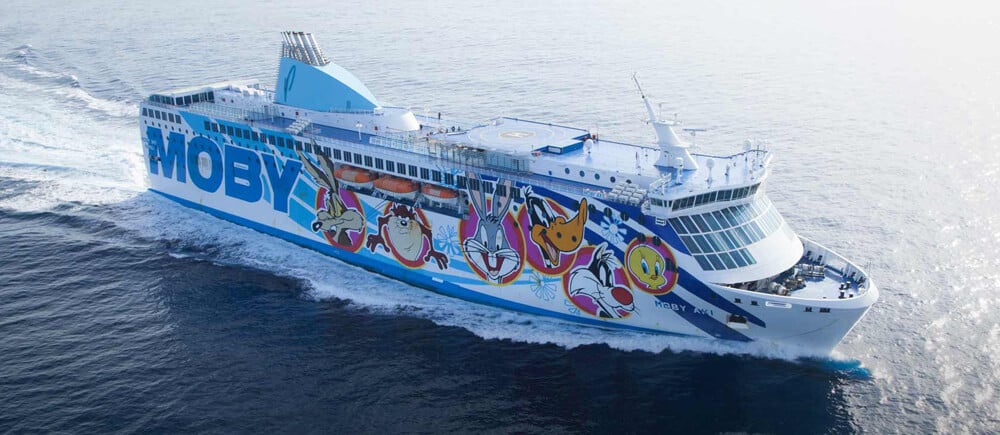
The online auction for five ferries owned by Italy’s Moby Lines was completed with an odd turn of events. The five ships were being sold to repay a debt owed to the Aponte’s who own MSC Mediterranean Shipping, and the buyer of the ro-pax ferries was MSC. The sale was part of a settlement reached between the companies to avoid antitrust issues, with the proceeds being used to repay a loan made by MSC to Moby to save the ferry company from bankruptcy.
The sale is the latest step between the companies that dates back several years. Moby is controlled by the Onorato group and got into financial trouble after mergers and other operational problems. MSC had reached terms with the Onoratos to acquire 49 percent of Moby and to provide a loan valued at €243 million. MSC also had an option to acquire the remaining interest in Moby.
The Italian Competition Authority, however, ruled that there were competition concerns in the consolidation of Italy’s RoRo passenger-freight ferry business. MSC owns ferry operator Grandi Navi Veloci (GNV), and the competition authority cited the lack of competition and barriers for others to enter the market. The settlement agreement called for MSC to relinquish its shares of Moby and for the sale of five vessels to repay the debt.
In an online auction completed on December 2, there was a sole bidder for the vessels Moby Aki and Moby Wonder, operated by Moby, and Moby Ale Due, Athara, and Janas, operated by Moby subsidiary Tirrenia. Shipping Italy is reported the bidder was MSC Group’s SAS subsidiary, which was also the holder of the debt.
The auction was completed at €229.9 million ($268 million). The proceeds will repay most of the debt, with the agreement calling for the remainder to be sold to a third-party, which would manage the debt under conditions to maintain Moby’s economic and financial stability.
The auction terms also stipulated that the two newer vessels, Moby Aki and Moby Wonder, must be chartered back to Moby for a period of 15 years. Shipping Italy speculates the other three vessels will be consolidated into GNV’s fleet. There are also concerns about the seafarers who would lose their jobs as Moby downsizes, but it is believed they will also transfer to MSC to maintain their employment.
Moby said after the terms of the agreement were announced that it would be restructuring its operations. It emerges with a greatly reduced debt, and said plans call for strengthening and reorienting the business model. Most of the consolidation was predicted for services to Sardinia.
The antitrust decision represents a rare setback for MSC, which has been moving aggressively to expand its operations. In addition to the acquisition and construction of containerships, the company made investments in logistics and rail services, launched air cargo, and acquired Gram Car Carriers. The group is also expanding its ports and terminal operations, including a large investment in Hamburg, Germany, and was set to become a leading terminal operator in a deal with BlackRock to buy the international terminal operations from Hutchison. MSC is now the world’s largest container carrier, having topped 7 million TEU of capacity, which makes its TEU capacity 50 percent larger than Maersk.

No comments:
Post a Comment