U.S. Energy Dominance Push Collides with EU Methane Rules
- U.S. Energy Secretary Chris Wright urged the IEA to refocus on energy security over climate goals, as Washington pushes to expand oil and LNG exports.
- Europe’s methane and sustainability regulations threaten U.S. LNG trade, with exporters warning that strict emissions reporting rules could act as trade barriers.
- The EU faces a growing dilemma between net-zero ambitions and energy security, as rising LNG dependence and industrial strain increase pressure to ease climate regulations.
Last week, U.S. Energy Secretary Chris Wright called on the International Energy Agency to stop fixating on climate change and instead return to its original focus on energy security. The call came in the context of plans by the U.S. federal government to significantly increase the amount of oil and gas the country exports—plans for energy dominance. Europe is the top destination for these plans, and it may have to ditch its net-zero plans as well if it wants energy security.
“We’ve gotten off track on energy ... it has gotten so ridiculously out of whack that it has driven deindustrialisation and made our countries geopolitically weaker,” Secretary Wright said during the IEA’s ministerial meeting last week. He also said that the IEA’s scenarios for the energy system of the future were unrealistic—something the U.S. has said before, prompting the IEA to bring back its Current Policies Scenario. The organization had previously abandoned that scenario—which reflects physical reality—in favor of the Net-Zero Scenario and the Stated Policies Scenario, all of which predict a significant and steep decline in the demand for hydrocarbons.
This decline, however, has yet to materialize, including in top net-zero investing nations such as China, the UK, Germany, and other European countries that have prioritized emission reduction over economic growth. The European Union’s imports of liquefied natural gas specifically, are running at a record, and this record is about to be broken this year yet again. With the EU’s gas in stock at just 30%, demand for replenishment would be greater than in the last four years—and most of that gas will come from the United States. But there is a problem.
In line with its focus on emission reduction, the European Union two years ago adopted a methane regulation aimed at reducing not only the EU’s own emissions of the greenhouse gas but also forcing countries outside the EU that do business with the bloc to cut their emissions as well. The regulation, starting this year, extends to all energy suppliers to the EU—and these suppliers are the opposite of happy about it.
The United States emerged as the biggest supplier of liquefied gas to the EU after 2022. Indeed, to secure the energy dominance from his agenda, President Trump negotiated a trade deal with the EU’s Ursula von der Leyen that involved a commitment to buy $750 billion worth of U.S. energy commodities over three years. But that cannot happen with the methane directive, which imposes expensive methane emission tracking, monitoring, verifying, and reporting obligations on energy exporters to the EU.
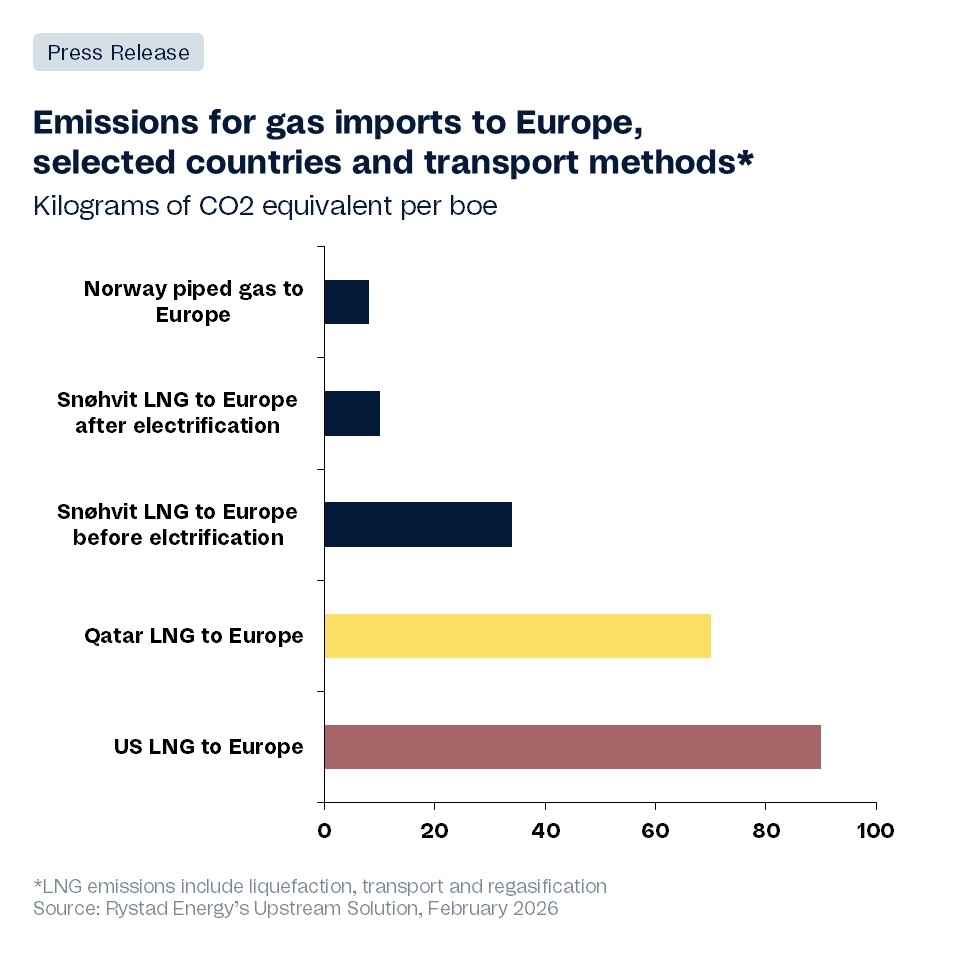
Qatar, which is the second-largest LNG supplier to the EU, complained about the direction several times, ultimately spelling it out: if the EU is so concerned about methane emissions, they should look for some other source of LNG because Qatar would stop selling to the bloc. The U.S. also warned the regulation was unwelcome, with Secretary Wright saying it was impossible to implement and describing it as “a critical non-tariff trade barrier that imposes an undue burden on U.S. exporters and our trade relationship.” The U.S. demanded an exemption from the regulation until 2035, but the EU’s energy commissioner took a tough stance, saying the regulation will remain in place for all—at least for the time being. Because energy security does matter more than net-zero plans.
The European Union’s appetite for liquefied natural gas soared sharply after the decimation of the Russian pipeline supply. Despite all the net-zero plans of all the European governments, industries, and households still needed reliable energy—even as it became increasingly expensive, causing that deindustrialization that Secretary Wright has noted repeatedly as an unwelcome outcome of energy transition efforts. The cost of energy is already causing certain stirrings in political circles in Europe, with signals emerging that decision-makers may yield to pressure to bring costs down by lightening the emission regulation load—and helping the United States advance its energy dominance agenda.
In addition to the methane directive, the EU central government would have to scrap two other directives as well if it wants to continue buying U.S. liquefied gas and crude oil. The corporate sustainability due diligence directive, or CCDDD, and the corporate sustainability reporting directive, or CSRD, both put a myriad of reporting requirements on companies from outside the EU, spanning issues from human rights abuse to, once again, emissions. The financial burden that these additional requirements would place on companies would not be met with any enthusiasm.
Ultimately, it would be a choice between net zero and economic survival for the EU. The two have proven time and again to be not simply incompatible but at odds with each other, as noted by various U.S. officials and evidenced by growth trends in the U.S. and top European economies such as Germany and the UK. America’s top gas client would have to decide whether it wants to have functioning economies or net zero emissions, and America itself seems eager to force it to make the right decision.
By Irina Slav for Oilprice.com