Report: South America Diversions Jumped as Panama Canal Restrictions Grew
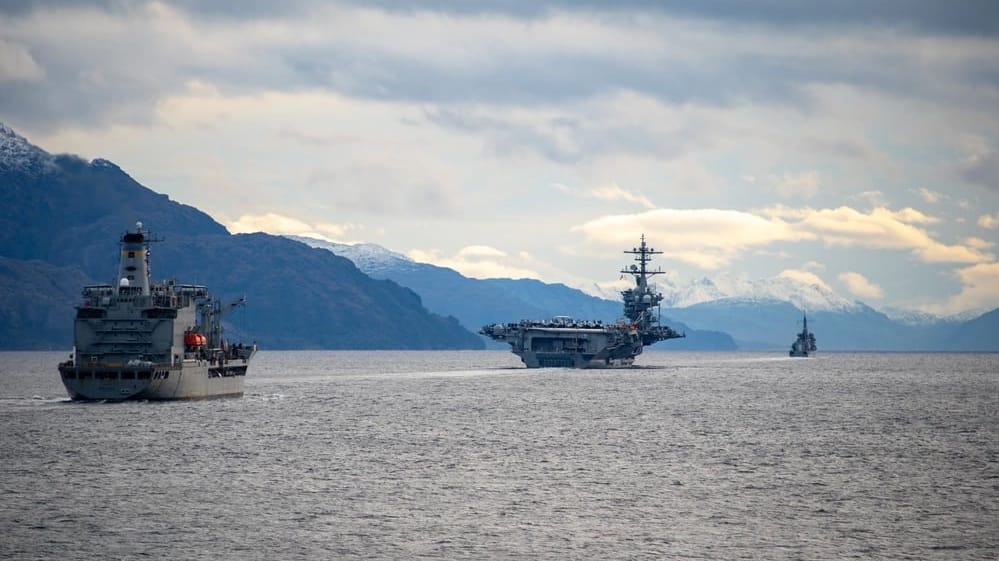
The number of ships choosing to reroute around South America has skyrocketed, according to a new report from the analysts at Bloomberg. Using data from the Chilean Navy on the number of pilot requests for the Strait of Magellan, Bloomberg reports a strong year-over-year increase in shipping volume.
It reports the diversions began in July and increased 70 percent year-over-year in both August and September. The Chilean Navy did not provide Bloomberg with data on the types of ships making the transit, but the analysts said the increase came primarily in the 60,000 to 65,000 gross ton size of vessel.
The timing of the increase coincides with the Panama Canal’s efforts, which began both lowering the number of daily transits and, more importantly, restricting maximum draft for the transit. Large gas carriers and containerships were expected to be impacted by the restriction. Containerships, for example, are required to restrict their cargo loads or offload and tranship boxes across the isthmus to meet the draft restriction. Industry analysts have also cited examples of LNG carriers diverting around South America.
The Panama Canal typically maintains a level of around 38 daily transits, but it had begun restricting the number as part of its water conservation methods. Currently, the largest vessels, which use the Neopanamax locks, are restricted to a total of nine daily transits, although the Panama Canal Authority was adding one back based on current water levels. The older Panamax locks currently have a maximum of 23 ships per day.
The Panama Canal Authority strongly emphasized that vessels were advised to make reservations to manage the reduced number of transits. Even with that, there are currently 45 booked vessels waiting for transit, and the northbound delay is again rising, with the average over the past 28 days now up to 5.5 days waiting time. There are, however, only three ships currently waiting that do not have a booked transit slot.
Operators had the option of entering the bidding for slots, but there too the prices skyrocketed, especially ahead of the restrictions starting in September. Record prices exceeding $4 million and then $5 million were reported to obtain slots and jump the wait at the Panama Canal.
In addition to the vessels rerouting to avoid the challenges at the Panama Canal, Bloomberg analysts note some ships are also rerouting around South America on routes between West Africa and Asia, as well as efforts to avoid the security concerns in the Middle East and the Red Sea.
In addition to the added distance from the routes around South America, it can also be one of the most challenging weather environments for ships. The Strait of Magellan reduces mileage and shelters from some of the weather concerns, but it requires pilots.
According to the report, other factors are also contributing to the increase in ship volume in the region. During the winter, roads, for example, between Chile and Argentina can be blocked by snow, with some shippers choosing to instead send goods by ship. Now, as the Southern Hemisphere summer season is beginning, there is also an influx of cruise ships heading to the region and Antarctica.

No comments:
Post a Comment