Friday, October 30, 2026


Global threats to freshwater biodiversity mapped in detail by McGill researchers


Their findings could help conservationists determine which interventions are needed, and how urgently


McGill University

Floodplain Farmland

image: 

Agricultural fields extend across a river floodplain, negatively impacting the aquatic species found in the freshwater system. The new study identifies agriculture as one of the most widespread pressures on freshwater biodiversity worldwide, with agricultural expansion and runoff affecting species across large parts of the globe.

view more 

Credit: Maciej Cisowski


Farming, dams and agricultural runoff are the biggest threats to freshwater biodiversity globally, with Europe and Northwest Africa the hardest-hit regions, McGill researchers have found.  

Applying a mapping methodology previously used to study terrestrial species, the researchers identified where freshwater species are under threat, and which human activity seems to be responsible.  

Their study could help conservationists prioritize where interventions are most urgently needed, they said. 

“At a time when global biodiversity frameworks risk overlooking freshwater species, these maps give us a new, freshwater-specific baseline for conservation, helping to highlight where different types of conservation action may be most needed,” said Christophe Brabant, lead author and PhD candidate. “That matters to everyone, not just biologists, because freshwater systems provide services we all depend on: clean drinking water, fisheries, flood protection and more.  

“These all depend, to some extent, on the species found in freshwater,” he said. 

Forty-five global threats mapped

Using data from the International Union for Conservation of Nature (IUCN) Red List, which tracks the global conservation status of species worldwide, the team mapped the effects of 45 threats on more than 21,000 species across five major freshwater taxonomic groups: mammals, reptiles, fish, amphibians and odonates (dragonflies and damselflies). This resulted in 225 maps showing the impact of each threat on each group, which they combined to create a cumulative index of all threats to all freshwater species. 

They then compared their results to previous global threat mapping work focused on terrestrial vertebrate biodiversity and found that freshwater species faced greater threat and distinct spatial patterns of impact.  

“By combining this data, we could calculate, for any sub-watershed, the probability that a species occurring there is affected by a particular threat,” Brabant said. 

The dominant threats shifted by species group: amphibians and some insects, such as dragonflies, are mostly threatened by agricultural activities, while reptiles and mammals are affected by hunting, they said. 

Freshwater species have largely been omitted from previous research or included only through the lens of human benefits rather than species conservation, yet many of the most biodiverse freshwater regions are also under the greatest pressure, the researchers said.   

Further analysis required 

This study is also the first to create a unified spatial framework across terrestrial and freshwater realms and make a fair comparison between threats at this scale. 

Future research will focus more closely on which species and areas to prioritize for conservation, said Lars Lønsmann Iversen, senior author, Professor of Biology and member of the Bieler School of Environment. 

“If we identify areas that should be protected and know there are high levels of pressure or threats in those places, it can help indicate what actions should be taken,” he said. 

About the study 

"The Global Geography of Threats to Freshwater Biodiversity," by Christophe Brabant, Laura Pollock, Jonas Geldmann, Mette Bendixen, Lise Comte, Harith Farooq, Katherine Hébert, Bernhard Lehner, Catherine A. Sayer and Lars Lønsmann Iversen, was published in Science. 

The study was funded by Fonds de recherche du Québec – Nature et technologie, the Natural Sciences and Engineering Research Council of Canada, the New Frontiers in Research Fund, the Danish Independent Research Council and the Villum Center for Global Mountain Biodiversity.


A dancing jewel damselfly (Platycypha caligata) rests on waterside vegetation. Dragonflies and damselflies depend on both freshwater and the surrounding landscape, leaving them vulnerable to changes on land. The new study shows that agricultural expansion and intensification are the dominant threat across nearly a third of their global range.

Credit

Lars L. Iversen


Climate change and health: Leopoldina and Chinese Academy publish joint declaration


Leopoldina


Heat, droughts, emerging infectious diseases – climate change is having a significant impact on the health of humans, animals and the environment. International collaboration is essential to better understand these interconnections through a One Health approach and to build resilience to climate-related stressors. To this end, the German National Academy of Sciences Leopoldina and the Chinese Academy of Sciences (CAS) today signed the “SfF2026 Declaration on Climate, Health and Biodiversity”. In the declaration, both academies reaffirm their cooperation in researching climate-related health risks and advocate the equitable exchange of data and the responsible use of modern technologies required for this purpose.

Both academies emphasise that the interactions between climate change, the environment and health must be understood more fully in order to prevent health risks. This includes not only resilience to extreme weather events such as heatwaves and floods, but also addressing food security and infectious diseases that can be transmitted from animals to humans. On the one hand, changing climatic conditions favour the spread of such zoonoses: pathogens and their vectors, such as mosquitoes, are increasingly able to establish themselves in temperate climate zones. On the other hand, human interventions in ecosystems increase the likelihood of people coming into closer contact with wild animals and their pathogens. This also raises the risk of novel zoonoses emerging.

International cooperation in basic research and the development of new technologies can make a decisive contribution to mitigating health risks caused by climate change. In the “SfF2026 Declaration”, Leopoldina and CAS therefore reaffirm their cooperation and outline the framework conditions necessary for it. Artificial intelligence, for example, can support risk modelling and the improvement of early-warning systems. However, such modern technologies require binding ethical and legal frameworks as well as fair conditions for access and use. Research data should also be accessible and usable internationally on an equal footing. Both academies therefore advocate the reciprocal use of research data and the joint further development of modern technologies. Leopoldina and CAS also emphasise the importance of scientific independence and integrity, and underline the need for transparent, evidence-based policy advice.

The “SfF2026 Declaration on Climate, Health and Biodiversity” is available here in English: www.leopoldina.org/en/sff-declaration

The “SfF2026 Declaration on Climate, Health and Biodiversity” was signed by Leopoldina President Bettina Rockenbach and CAS President Jianguo Hou during the third Science for Future conference, which is taking place today and tomorrow in Beijing, China, under the title “The Interconnectedness of Climate and Health: Approaches from China and Germany”. Further information: www.leopoldina.org/en/sff

The Leopoldina maintains close contact with the Chinese Academy of Sciences. The aim of the cooperation is to promote exchange between the two scientific communities, for example as part of joint expert symposiums. In addition, the Leopoldina and its Chinese partners are jointly involved in providing international policy advice, for example by developing statements for the G20 summits. In 2018, the two academies launched the “Science for Future” initiative with the aim of highlighting the important role of basic research for society: https://www.leopoldina.org/en/tasks/networking/global-partners/china

About the German National Academy of Sciences Leopoldina
As the German National Academy of Sciences, the Leopoldina provides independent science-based policy advice on matters relevant to society. To this end, the Academy develops interdisciplinary statements based on scientific findings. In these publications, options for action are outlined; making decisions, however, is the responsibility of democratically legitimized politicians. The experts who prepare the statements work in a voluntary and unbiased manner. The Leopoldina represents the German scientific community in the international academy dialogue. This includes advising the annual summits of Heads of State and Government of the G7 and G20 countries. With around 1,750 members from more than 30 countries, the Leopoldina combines expertise from almost all research areas. Founded in 1652, it was appointed the National Academy of Sciences of Germany in 2008. The Leopoldina is committed to the common good.


Crop diversification protects fields from extreme weather and boosts productivity


Analyses conducted in Brazil by researchers at the University of São Paulo show that the use of cover crops acts as a biological buffer against droughts and floods. The research findings were presented at FAPESP Week Netherlands.


Fundação de Amparo à Pesquisa do Estado de São Paulo


Varying crop rotations and keeping the soil constantly covered with vegetation helps protect crops against droughts and floods, in addition to increasing productivity. This technique was tested in Rio Grande do Sul state, Brazil, by researchers from the Center for Carbon Research in Tropical Agriculture (CCARBON) at the University of São Paulo (USP).

The study compared traditional crops with areas that used “cover crops” – plants grown not for sale, but to protect and nourish the soil between harvests. While the traditional model suffered major crop yield declines due to extreme weather events, farmers who adopted crop diversification and the use of cover crops managed to achieve yields above the state average (reaching as high as 76% above), with much greater stability from year to year.

On the other hand, farms that followed the traditional model – such as the continuous cultivation of one type of grain after another (for example, wheat followed by soybeans) or the use of a single plant species to cover the soil – performed much more poorly. In these areas, the harvest was very close to the state’s overall average (only 8% higher) and suffered from sharp fluctuations in yield from one year to the next (ranging from 33% to 39% higher or lower), demonstrating that the simple system is far more vulnerable to climate variations and surprises.

The research was conducted over three growing seasons – between 2022 and 2025 – marked by extreme droughts and floods. The results were detailed in an article published on October 22 in the journal Agriculture, Ecosystems & Environment. They were also presented by Professor Mauricio Roberto Cherubin of the Luiz de Queiroz College of Agriculture of the University of São Paulo (ESALQ-USP) in a lecture given during FAPESP Week Netherlands. 

“The study shows that to keep the soil healthy and functional, it’s essential to ensure the presence of living plants and vegetation cover throughout the year,” Cherubin explained to Agência FAPESP. “When we introduce a diverse mixture of cover crops, it’s like offering a varied and continuous menu to the soil. That keeps the soil organisms active year-round, optimizing the cycling of nutrients, the biological fixation of nitrogen, and the availability of phosphorus for the main crop,” he added.

According to the researcher, the choice of Rio Grande do Sul as an experimental site is justified by its strategic position in Brazilian agriculture and its extreme climate vulnerability. The state accounts for 8.4% of national grain production. Soybean crops in Rio Grande do Sul cover 6.8 million hectares, representing 14.4% of the total area planted with soybeans in Brazil and equivalent to 3.4% of the global market. However, the state has suffered from recurring extreme weather events: a series of severe droughts between 2019 and 2023, historic floods during the 2023/2024 growing season (which caused estimated losses of BRL 45 billion in unharvested soybean crops alone), and the return of intense droughts during the 2024/2025 growing season.

How the research was conducted

To measure the interactions between soil, management practices, productivity, and weather fluctuations in Rio Grande do Sul crops under real-world production conditions, the researchers analyzed data from 13 experiments conducted by farmers on commercial farms throughout the state. 

In the most complex systems analyzed, farmers combined commercial crops (soybeans, corn, wheat, and canola) with a rich variety of cover and service crops: grasses (black oats, white oats, Ukrainian oats, rye, triticale, and millet), legumes (vetch), fast-decomposing dicots (buckwheat), and brassicas (forage turnip).

Over three consecutive growing seasons, the researchers used climate data from NASA (the U.S. space agency) satellites to compare rainfall levels in the fields with the average over the past 30 years. The period analyzed was marked by extremes: the 2022/2023 and 2024/2025 growing seasons faced severe droughts, with rainfall up to 54% below normal, ranking among the driest years ever recorded in the region. The 2023/2024 harvest, on the other hand, experienced the opposite, receiving 40% more rainfall than average. Since all the farms evaluated experienced these same severe weather conditions at the same time, the scientists were able to isolate climate from the equation. This made it possible to confirm that the differences in harvest yields were, in fact, due to the planting techniques adopted in each area.

At the 13 participating farms – located in municipalities such as São Luiz Gonzaga, Rolador, Bozano, Panambi, Boa Vista das Missões, Sarandi, Santa Cecília do Sul, Não-Me-Toque, Lagoa dos Três Cantos, Quinze de Novembro, Jacuizinho, Júlio de Castilhos, and São Gabriel – 78 soil samples were collected at a depth of 0 to 10 centimeters.

To assess soil health, the scientists analyzed 12 characteristics of the samples, divided into three main categories: chemical, physical, and biological. In the chemical analysis, they evaluated factors such as acidity and the soil’s ability to hold and release nutrients to plants. In the physical analysis, they measured how compacted or porous the soil was and its efficiency in retaining water. In the biological assessment, the team analyzed the activity of enzymes that act as a “thermometer” for life in the soil, revealing whether the soil is active and able to recycle vital elements such as carbon and sulfur.

Using a statistical technique, these indicators were synthesized into four soil health functions: biochemical regulation, physical support, water storage, and carbon storage. Based on an advanced statistical method capable of mapping direct and indirect cause-and-effect relationships, these functions were linked to the degree of plant diversity and clay content.

The analyses showed that diversifying crops significantly increased the soil’s capacity to store water, regardless of the amount of clay present in the soil. As Cherubin, deputy coordinator of CCARBON – a Research, Innovation, and Dissemination Center (RIDC) funded by FAPESP – explains, the research demonstrates that retaining more water does not depend solely on the soil’s natural physical properties (whether it is sandier or clayier, for example), but rather on the “biological structuring” generated by planting practices, such as root activity and the activity of microorganisms.

According to the researcher, one explanation for this is that the deep roots of plants used by farmers as cover crops are able to break through compacted layers and open up biological channels in the soil. Biopores – natural tunnels left by decomposing roots – act as conduits for air and water and as a veritable network within the soil, he explained. 

“When the main crop, such as soybeans or corn, is planted, its roots find open paths to grow in depth without expending excessive energy, reaching moisture stored in the deeper layers during dry periods,” Cherubin explained.

Vulnerability to climate disasters

The study also showed that even sustainable practices are impacted by major disasters. During the 2024 floods in Rio Grande do Sul, nearly half (44%) of the farmers who had adopted crop diversification had to change their plans. With the soil waterlogged and the harvest delayed, they had to abandon cover crops and opted to plant commercial wheat in an attempt to quickly recoup their losses.

For Cherubin, these findings are essential to ensuring the future of so-called “rain-fed agriculture” – which relies solely on rainwater – especially in a scenario of increasingly frequent droughts and storms. He explains that healthy soil with a wide variety of roots acts as a natural “shock absorber” for crops against the weather. In practice, this eliminates instability in farmers’ lives, preventing that roller-coaster cycle of a bountiful harvest one year and severe losses the next.

The recently published study is the result of Viviana Meneghini’s master’s thesis, which was supported by a FAPESP scholarship and supervised by Cherubin.


Platform simulates lowest-cost pathways for Brazil to achieve carbon neutrality by 2050


Developed by the State University of Campinas in partnership with Princeton University, this open-access tool combines energy modeling and land-use data to guide public officials and society in creating decarbonization policies


Fundação de Amparo à Pesquisa do Estado de São Paulo

NetZero Brazil 2050

image: 

Carla Kazue Nakao Cavaliero: "What some groups are doing today by selling private consulting services, we’re making fully accessible within the open science policy."

view more 

Credit: Roberta Sales/Agência FAPESP


A new public, open-source digital platform developed by scientists at the State University of Campinas (UNICAMP) in Brazil and Princeton University in the United States promises to facilitate the formulation of climate policies in Brazil. Named “NetZero Brazil 2050”, the system cross-references georeferenced data on energy demand, land use, and macroeconomics to simulate carbon-neutrality scenarios. In practice, the tool calculates in real time the lowest-cost decarbonization pathways for the country through the middle of this century.

Presented on October 28 by Professor Carla Kazue Nakao Cavaliero of the School of Mechanical Engineering (FEM-UNICAMP) during FAPESP Week Netherlands, the tool allows public officials, academics, and civil society organizations to cross-reference data from 39 sectoral parameters to design transparent, evidence-based energy transition strategies.

Developed with support from FAPESP through the São Paulo Center for Energy Transition Studies (CPTEn) and the São Paulo Center for Innovation in Public Lighting (CePIL), the initiative aims to democratize complex prospective simulation models – that is, it makes the use of advanced forecasting tools accessible to a wider audience, facilitating future planning. 

“What some groups are doing today by selling private consulting services, we’re making fully accessible within the open science policy,” Cavaliero told Agência FAPESP. “The goal is for decision-makers, civil society organizations, think tanks, and graduate students throughout Brazil to use those data to propose interdisciplinary and transparent public policies.”

Integrated modeling

According to the researcher, what sets NetZero Brazil 2050 apart is the integration of seven simulation tools that link energy supply and demand to changes in land use and macroeconomic impacts. The platform allows users to adjust 39 key parameters – divided into sectors such as transportation, industry, buildings, agriculture and livestock, energy, and waste – with two to three scenario options for each.

The system’s engine is based on mathematical optimization models. The EnergyPathways tool estimates future energy demand with high sectoral and technological resolution. Next, a model developed in collaboration with Princeton, the Massachusetts Institute of Technology (MIT), and New York University (NYU) identifies the lowest-cost configuration to meet this demand, taking into account emissions constraints and regional potentials from various sources, such as solar and wind power, biomass, and green hydrogen.

At the same time, another model developed in collaboration with the Potsdam Institute for Climate Impact Research in Germany, the University of Lisbon in Portugal, and the University of Oxford in England optimizes land use by determining the dynamics of agricultural crops and pastures. The platform also features modules dedicated to agriculture and livestock, waste management, and an input-output model developed by UNICAMP. This tool maps how different sectors of the economy interact with one another, calculating the impact of transitions on job creation and sectoral gross domestic product (GDP).

This approach reveals the interdependencies between sectors. As Cavaliero explains, if one part of the industry is unable to reduce its emissions to zero due to technological limitations, another sector must offset them so that the national net balance is zero.

“Without controlling deforestation, for example, it’ll be impossible to reach neutrality by 2050. The model clearly shows those interdependencies,” said the researcher. “By including financial data and optimizing the scenarios for the lowest cost, we were able to project the necessary investment year by year through 2050. We can say with precision that, to follow a given path, the country will need so many billions of dollars.”

From the state level to city governments

Currently, the platform presents its consolidated results on a state-wide scale for Brazil’s 27 states, using data from the National Energy Balance (BEN) and georeferenced maps. However, the research team is already working on the next phase of the project: making the data available at the municipal level.

To project the data onto the map, the platform uses the SEALS model (developed by the University of Minnesota in the United States), which is being calibrated with information from MapBiomas (a collaborative initiative that maps land cover and land use in Brazil). The goal is to move from the current resolution of 300 meters to 30 meters of ground-level precision.

The transition to the municipal scale will allow mayors and municipal secretaries to identify their cities’ specific contributions to state and national goals. The tool operates on a comparative basis, allowing users to filter and cross-reference more than 70 pre-built scenarios on the platform or generate entirely new simulations.

“Municipal officials will be able to review the results and understand how their municipality fits into the national context,” Cavaliero explained. “A city government can use these projections to inform local policies promoting electric mobility, energy efficiency, or conservation – including setting more ambitious goals as part of its commitment to carbon neutrality.”

Living labs

The creation of NetZero Brazil 2050 is part of a broader innovation ecosystem at UNICAMP, which is home to seven Science Centers for Development (SCDs) supported by FAPESP and focused on the energy transition. The university functions as a living lab on an urban scale – with 2.1 megawatts of solar power installed on rooftops, 100% LED street lighting, electric buses in operation, and Latin America’s first university microgrid, generating annual savings of BRL 15 million in energy costs.

In addition, UNICAMP is moving forward with the implementation of the International Hub for Sustainable Development (HIDS) on a 1.4 million-square-meter site that will include experimental modules for agrovoltaics (a combination of solar panels and agricultural production), biogas, and hydrogen.

This accumulated experience strengthens the international partnership showcased at FAPESP Week Netherlands. The NetZero Brazil project is part of a global network coordinated by Princeton, which has already developed similar platforms for the United States (Net Zero America), Australia, China, India, South Korea, and Poland.

The team hopes to expand cooperation with Dutch institutions – including the universities of Delft, Leiden, and Groningen – by drawing on their expertise in hydrogen technology pathways and the management of living labs.

“The climate transition is a global challenge. By placing data from different countries on interconnected platforms, we gain a broad perspective and avoid penalizing the competitiveness of developing economies through decarbonization,” Cavaliero concluded.

The platform can be accessed at: netzero.eco.br/index-en.html. 

For more information on FAPESP Week Netherlands, visit: fapesp.br/week/2026/netherlands.

What is Canada’s climate track record as it seeks 'ever closer' ties with Europe?

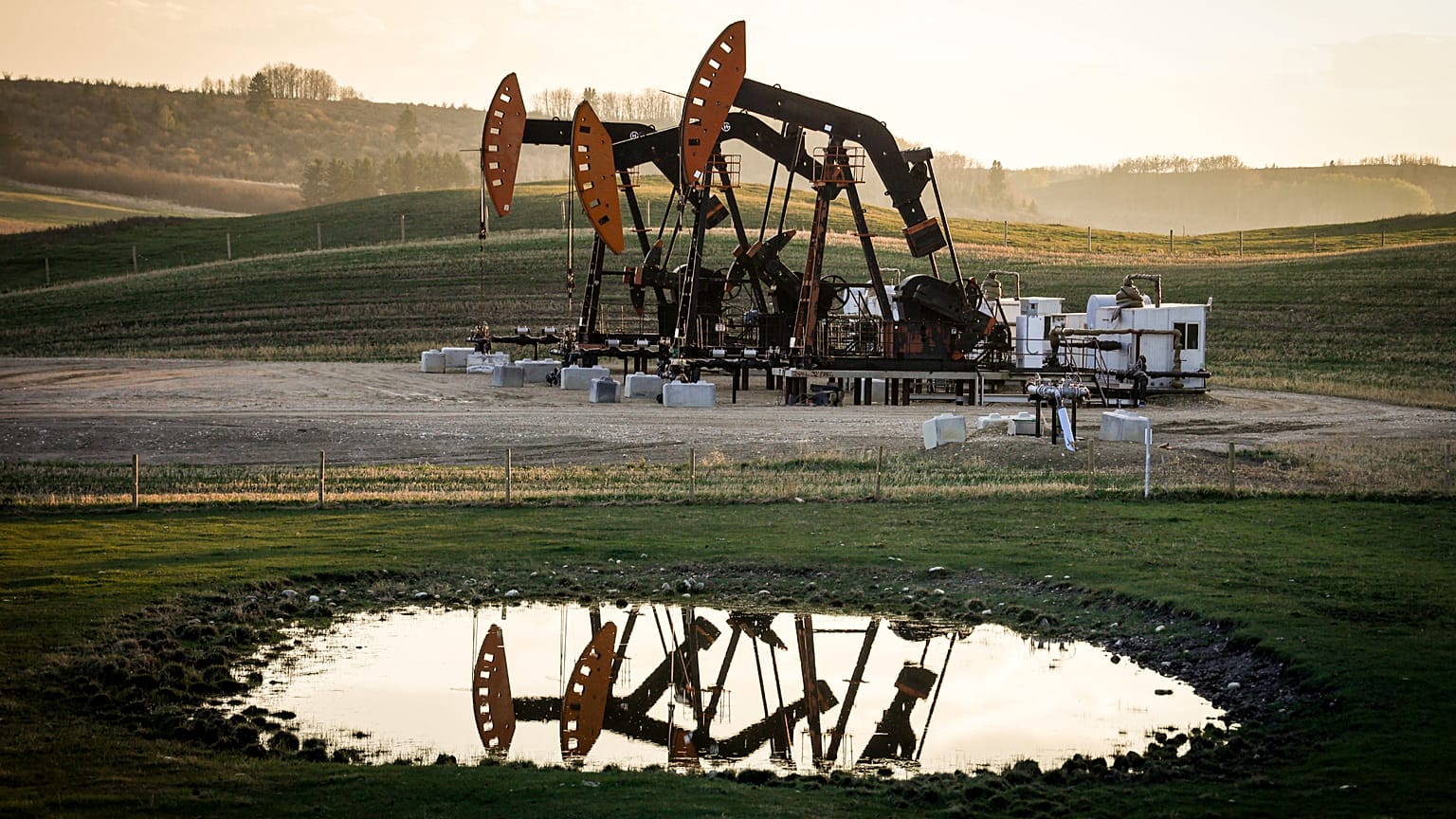
Pumpjacks draw out oil and gas from well heads as wildfire smoke hangs in the air near Calgary, Alberta, May 12, 2024.
Copyright AP Photo / Jeff McIntosh


By Marta Pacheco & Ruth Wright
Published on


Critics say there is a stark contrast between PM Mark Carney's international reputation as a climate champion and his domestic drive to expand oil and gas production.

Last month, European Commission President Ursula von der Leyen made an unexpected offer to Canada: to become the EU's first ever “associate member”.

After pushback on the term from member states, most of all Germany, the EU is now pushing for "ever closer association" with Canada, in the latest draft of a joint declaration due to be adopted at the end of the EU-Canada summit which starts today in Montreal.

There is broad consensus amongst member states on closer cooperation with Canada on areas such as defence, critical raw materials, energy, trade and border security.

Just this week the EU's climate chief has told member states they must prepare for increasingly extreme weather, signalling that the Commission is taking climate preparedness seriously. But what about Canada?

Here we look into Canada's policies on oil and gas, the energy transition, carbon pricing and greenwashing.

What is the Pacific Link oil pipeline?

Since taking office in 2025, Canadian Prime Minister Mark Carney has scrapped key policies which would drive down emissions - such as abandoning a planned cap on oil and gas emissions and weakening industrial carbon pricing, according to global NGOs like Climate Action Tracker and Environmental Defence.

At the same time, Carney's government has made it easier for oil and gas projects to get approval. This includes a proposed oil pipeline - the Pacific Link which will carry one million barrels of oil sands bitumen a day from Alberta to the Pacific Ocean off the coast of British Columbia, threatening the habitat of endangered orcas and could increase greenhouse gas emissions up to 18.7 million tonnes.

These decisions mark a significant departure from the climate credentials Carney cultivated as governor of the Bank of England and as the United Nations' special envoy for climate action and finance.

It also raises questions about whether his ambition to turn Canada into a global energy superpower will come at the expense of the country's climate commitments - and whether additional supplies of fossil fuels could slow the transition to cleaner energy in Europe and Asia.

From climate champion to fossil fuel expansion

Carney has a reputation as a skilled statesman and long-time climate champion. This is partly because of his longstanding warnings about the financial risks of climate change.

In 2015, as governor of the Bank of England, he warned that the consequences of global warming could happen sooner than the timelines used by financial markets and lawmakers.

"The catastrophic impacts of climate change will be felt beyond the traditional horizons of most actors - imposing a cost on future generations that the current generation has no direct incentive to fix," Carney said during a speech at Lloyd's of London.

Carney later helped mobilise financial institutions around net-zero commitments.

As PM of Canada, environmental critics say Carney's agenda prioritises energy production, investment and competitiveness over climate policies designed to reduce fossil fuel consumption.

The changes reach beyond his cancellation of consumer carbon pricing, which made households directly pay for their emissions.

Carney's government has also scrapped the electric vehicle mandate, abandoned the proposed oil and gas emissions cap, weakened the national industrial carbon price and relaxed anti-greenwashing standards. Public transport funding has also been massively cut back.

Taken together, the measures risk weakening both sides of Canada's decarbonisation strategy, climate activists argue, citing incentives to move away from fossil fuels and investment in alternatives.

Carney's government has continued to invest in some clean energy projects, but its emphasis on expanding oil and gas production is creating a tension between its climate commitments and its economic strategy.

New oil and gas projects on a faster track

The clearest expression of that shift is the government's push to accelerate approvals for major infrastructure projects.

The 2025 Building Canada Act created a mechanism to designate projects as being in the national interest and exempt them from certain legal requirements.

The legislation was presented as a way to accelerate projects considered strategically important, including developments in critical minerals, renewable energy, nuclear power, ports and hydropower.

But oil and gas projects have featured prominently in the government's plans.

In September 2026, Carney's government introduced a law that would allow projects to be pre-approved in designated regions of national interest, shorten major project reviews to one year and give a federal minister greater powers to remove environmental conditions attached to previously approved projects.

Environmental groups argue that the legislation weakens safeguards for wildlife and reduces public oversight.

LNG expansion and the global race for gas

Carney's energy strategy also includes expanding Canada's Liquified Natural Gas (LNG) export capacity.

The government has backed plans which could double the facility's export capacity from Canada's west coast. It has also signalled openness to developing gas exports from New Brunswick if the province reverses its fracking ban and establishes a domestic production industry.

Ottawa argues it can provide reliable supplies to international partners seeking to diversify their energy sources. Ahead of the EU-Canada summit this week in Montreal, the two blocs are expected to present a feasibility study on long-term LNG exports to Europe, according to a document seen by Euronews.

For Europe, which has sought to reduce its dependence on Russian fossil fuels, additional supplies from politically stable producers could improve energy security. Asian markets are also potential destinations for Canadian LNG.

But greater availability of gas does not translate into a faster energy transition. New LNG terminals and pipelines require substantial investment and can operate for decades. If they encourage long-term gas consumption or divert capital from electrification and renewable energy, they could slow the transition away from fossil fuels.

Esther Bollendorff, fossil-free program manager at the NGO Climate Action Network (CAN) Europe, said Canada shouldn’t become the EU’s next gas supplier, but a partner in building an affordable and resilient energy future.

The environmentalist said the proposed feasibility study on LNG exports to the EU is a "dangerous distraction" from renewables-based electrification and energy efficiency.

"It risks locking in fossil fuel infrastructure, stranded assets and higher bills for consumers on both sides of the Atlantic, while undermining Europe’s climate goals," Bollendorff says.

Green activists worry that expanding fossil fuel supply can influence the choices available to importing countries, potentially making continued gas consumption more attractive than investing in alternatives like wind and solar.

An energy superpower - but for whose benefit?

Carney has presented fossil fuel expansion as a way to strengthen Canada's economic independence and attract international investment. Yet the ownership of the industry complicates the claim that expanding oil and gas will necessarily translate into greater Canadian economic control.

A report by Canadians for Tax Fairness found that the four largest Canadian oil sands producers are 60 per cent US-owned. LNG Canada is a joint venture involving Shell, Petronas, PetroChina, Mitsubishi and Kogas.

That means a substantial share of the capital and corporate interests behind Canada's energy expansion comes from outside the country.

Carney's argument is that Canada can use its energy resources to strengthen its economic position and reduce its vulnerability to external pressure. But if the industry relies heavily on foreign capital and public support, the distribution of benefits and risks becomes a central question.

Climate targets increasingly out of reach

The retreat from climate policy comes as Canada appears unlikely to meet its emissions-reduction commitments.

According to Climate Action Tracker, planned Canadian policies could reduce emissions by just 14 per cent, well short of the country's target of cutting emissions by 40–45 per cent over the same period.

A September 2026 analysis by the Canadian Climate Institute also concluded that Canada would miss its 2030 emissions target, suggesting the shortfall could persist even towards 2050.