Showing posts sorted by relevance for query BUSH MEAT. Sort by date Show all posts

Monday, January 04, 2021

Bushmeat Now Legally On Sale in Tanzania

The Tanzanian government has approved the sale, under strict guidelines. This follows an order by President John Magufuli that game meat-selling points be opened across the country to curb illegal hunting. Besides maintaining the overall cleanliness of the selling facilities, operators will be required to issue electronic receipts to buyers showing the source of the meat. Operators will need to slaughter animals at a licensed meat abattoir and surrender any "trophies", including skull and skin unless they have a trophy ownership certificate. Butchers will be subjected to constant scrutiny by a ministerial committee that will include veterinarians and meat inspectors. During the Ebola outbreak that ravaged many West African countries in 2012, the World Health Organization warned communities against eating bushmeat, which was thought to have been the main carrier of the virus at the time.

InFocus


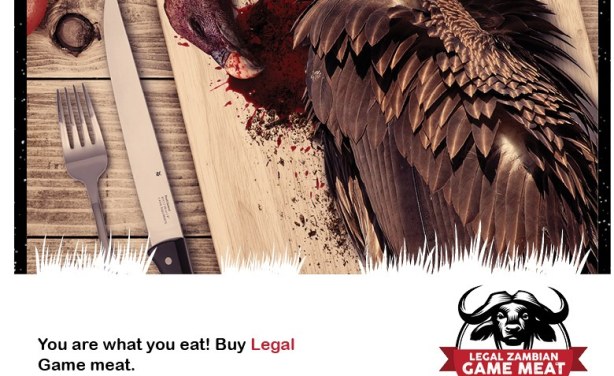
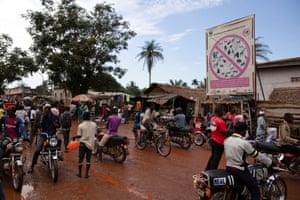
This Is Not A Game is a social marketing campaign from WCP | Wildlife Crime Prevention working in partnership with the Zambian Department of National Parks and Wildlife. It is the culmination of years of scientific work to better understand the illegal bushmeat trade in Zambia and its impacts on both people and wildlife.

SEE

LA REVUE GAUCHE - Left Comment: Search results for BUSHMEAT (plawiuk.blogspot.com)


LA REVUE GAUCHE - Left Comment: Search results for ZOONOSIS (plawiuk.blogspot.com)

Wednesday, July 14, 2021

#BUSHMEAT

COVID or not, ‘the desire to eat wildlife’ continues in Asia

Countries in the region moved to ban the sale and consumption of wildlife after COVID-19 emerged, but coronavirus remains rampant and so does the trade.

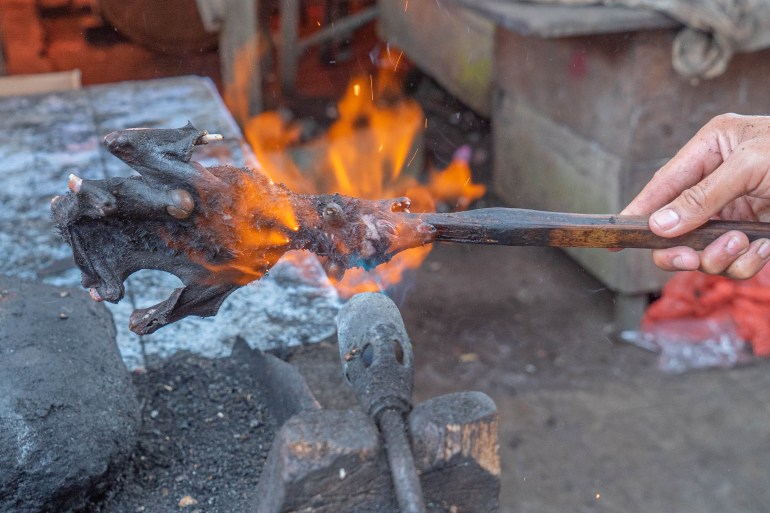
A trader torches a bat at a live animal market in Langowan in the Indonesian province of Sulawesi in June [Courtesy of Four Paws]

By Ian Lloyd Neubauer
13 Jul 2021


Continuing attempts to curb the sale of wild animals and their meat have failed to engender change at wet markets in the Asia Pacific, even as the region struggles to contain the largest and deadliest wave of COVID-19 since the start of the pandemic.

According to the World Health Organization (WHO), nearly three-quarters of emerging infectious diseases that spread to humans originate in animals.

The SARS virus, for example, which killed 800 people between 2002 and 2004, is thought to have started in bats before spreading to civets at a wildlife market in the Chinese city of Foshan.

In April, after its investigative team in China concluded a seafood market in Wuhan was the most likely route by which COVID-19 first jumped to humans, WHO took the unprecedented move of urging countries to pause the sale of captured wild mammals at wet markets as an emergency measure.

Animal welfare groups in Asia have been making the same demands for years, saying the unsanitary and cruel conditions in which wild and domestic animals are kept at wet markets are the perfect breeding ground for zoonotic diseases.

Several Asian countries have passed new laws to curb the sale of ‘bush meat’ and limit activity at wet markets during the pandemic.


But nearly all attempts to stamp out the trade have been hamstrung by the continuing popularity of bush meat among some people in Asia, the sector’s vast economic value and a lack of enforcement.

Stopping the trade “will be a challenging exercise,” said Li Shuo, global policy adviser for Greenpeace in China.
A live animal or ‘wet’ market in Beriman in the Indonesian province of Sulawesi. Despite efforts to crack down on the trade following the coronavirus pandemic, NGO investigators say wildlife continues to be sold and eaten in many parts of Asia
 [Courtesy of Four Paws]


On-again, off-again


Last July, a presidential decree was issued in Vietnam suspending all wildlife imports and introducing much stiffer penalties for violators, including up to 15 years in prison.

But a survey last month by PanNature, an NGO, found no positive changes in the trade of wildlife products had occurred at the local level in Vietnam. Wet markets in the Mekong Delta and other parts of the country were found to still be selling turtles, birds and endangered wildlife species.

In Indonesia, the site of Asia’s worst COVID-19 outbreak with more than 2.5 million cases and at least 67,000 deaths, the Ministry of Environment and Forestry has been trying to convince local officials to close wildlife markets around the country since the start of the pandemic.

Officials in the city of Solo in Central Java were among those who took note, ordering the culling of hundreds of bats at Depok, one of the country’s largest bird, dog and wildlife markets. But the victory proved short lived.

“They brutally exterminated hundreds of bats when COVID-19 first hit and stopped selling them,” said Lola Webber, coalition coordinator at the Dog Meat-Free Indonesia Coalition. “But from what I’ve heard from my sources, it’s now business as usual.”

Marison Guciano, founder of Flight, an NGO protecting Indonesian birdlife, confirms Webber’s claim. “I was there one week ago and they are still openly selling bats as well as snakes, rabbits, turtles, ferrets, beavers, cats, dogs, hamsters, hedgehogs, parrots, owls, crows and eagles.”

Rats for sale in a market in Langowan in the Indonesian province of Sulawesi in June [Courtesy of Four Paws]The same scenario is playing out at wet markets across Indonesia.


To mark World Zoonoses Day last week, animal welfare group Four Paws released photos taken in June showing hundreds of bats, rats, dogs, snakes, birds and other animals for sale at three different markets in Northern Sulawesi Province 2,000km (1,243 miles) northeast of Solo.

History repeats itself


In April and May of last year, a few months after the pandemic began, global animal rights group PETA began visiting wet markets known to sell wildlife in Vietnam, Thailand, Cambodia, the Philippines, Indonesia and China.

“We expected new rules and regulations to have been put in place but we saw it was business as usual, with all different species in filthy cages, some alive, some dead, sometimes in the same cages,” says PETA’s Asia spokesperson Nirali Shah. “These environments are extremely frightening and stressful for the animals, which weakens their immune system and makes them more vulnerable to diseases that can jump across species and then to humans.

“At some markets, we saw animals taken from cages, killed on countertops streaked with blood from other species and workers not wearing gloves, no hygiene at all. This combination of risky factors is like a ticking time bomb waiting for a new pandemic to begin,” she says.

In China, where a total ban on the trade and consumption of wildlife was issued in February last year as the coronavirus surged in Wuhan, the situation has improved but only marginally, according to Shah.

“You can no longer see exotic wildlife for sale openly at wet markets in China. But they still sell all kinds of birds in unsanitary conditions. And in a lot of those markets we found that if you want a certain animal, no matter what it is, vendors can get it for you despite the ban.”

China banned the trade and consumption of wild animals after the coronavirus – thought to have originated possibly in a bat – emerged in Wuhan. NGOs say it is still possible to get banned animals if you know who to ask [Alex Plavevski/EPA]
This is not the first time China has attempted to end the bushmeat trade.


In 2002, wildlife markets were closed because of SARS but reopened later because of economic pressure. In 2016, the Chinese Academy of Engineers valued the country’s wildlife industry at $76bn, with bush meat accounting for $19bn of business activity each year and employing 6.3 million people in China.

Right direction

In Malaysia, captured wildlife and bushmeat was sometimes sold at wet markets before the pandemic. But it was more commonly available through direct sales and restaurants.

In August of last year, now-retired Inspector General of Police Abdul Hamid Bador gave district police chiefs one month to ensure their areas were free of illegal restaurants selling bushmeat. The wildlife department was instructed to assist police.

“Don’t tell me with 300 to 500 personnel in an area, the existence of restaurants and illegal premises selling exotic animals can’t be detected?” Abdul Hamid said at the time.

A series of high-profile wild meat seizures followed at markets, restaurants and private homes.

Elizabeth John, the Kuala Lumpur-based spokesperson for TRAFFIC, an NGO fighting the illegal trade in wildlife, says raids are a signal of both success and failure.


“In forming this joint task force between police and the wildlife officials, it’s definitely a move in the right direction,” she said. “But the fact that we have seen seizures continue even during the pandemic shows that warnings have not changed attitudes among consumers. Despite the risks it poses, the desire to eat wildlife is still out there.”

SOURCE: AL JAZEERA


KEEP READING


Friday, April 08, 2022

How Uganda’s endangered mountain gorillas survived the pandemic

Relationships between forest dwellers and the animals have deteriorated in recent years, especially during the pandemic.
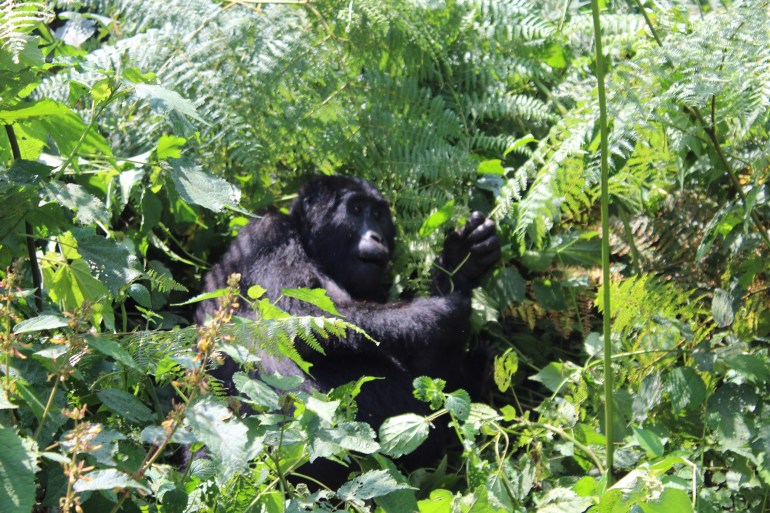
A gorilla trapped in a snare in Bwindi forest, Uganda 
[File: Jack Dutton/Al Jazeera]

By Jack Dutton
Published On 5 Apr 2022

Bwindi, Uganda – According to legend, the Batwa pygmy forest dwellers of southwestern Uganda have lived in the Bwindi Impenetrable Forest for more than 300 years, sharing their home with the majority of the world’s endangered mountain gorillas, but also being wary of them.

If the Batwa met a gorilla in the forest on the way to a hunt, they would feel like they met a bad omen, Wilber Tumwesigye, one of the Bwindi ranger guides told Al Jazeera.

“They would then think that they’re not going to be successful, so what they did was go back home,” he said. “They saw them as a bad animal. That’s also why I think these gorillas have survived. If it wasn’t for that, they would be spearing them and eating them.”

The forest is home to approximately 500 mountain gorillas, nearly half of the world’s gorilla population. In 1991, when Bwindi was established as a national park for the gorillas, authorities controversially evicted the Indigenous people from the forest, to nearby districts.

Still, humans and gorillas continued to interact. Conservationists and tourists often go gorilla trekking in the forest, and villagers often come into the park to look for food and natural resources. Sometimes, the primates also come to nearby villages to feed on farmers’ crops.

In 2020, the COVID-19 pandemic began and that wiped out tourism in Bwindi, but interactions between the gorillas and villagers conversely increased. Between March and October 2020, at the height of the pandemic, the park was closed to the public.

During that period, illegal poaching for bushmeat also skyrocketed.

“Over the six-month period, we collected 832 snares – that translates to around 150 snares in a month,” said Nelson Guma, chief warden for the Bwindi Mgahinga Conservation Area (BMCA). “Before the lockdown, in a year, we would get around 20.”

The snares help catch bush meat – such as antelope, duiker and bushpigs – for the hunter’s consumption and to sell to community members.

“A bush pig can fetch up to 100,000 shillings ($28),” says Nahabwe Job, 45, a Bwindi conservation ranger in Buhoma, a village on the northern edge of the park. He is a member of the Human Gorilla Conflict Group (HUGO), established in 1998 to mediate human-gorilla conflicts.

Charles Tumwesigye (unrelated to Wilber), deputy director, field operations at the Uganda Wildlife Authority (UWA), saw similar spikes in illegal poaching in national parks across the country.

“People left town because they couldn’t work. They were redundant and we thought that many youths who were working in towns, because of the lockdowns, had gone and set snares in the parks,” he said.

“[Also] even the rangers who go out to monitor illegal activities were not going to work, so the poachers thought: ‘Now there is a lockdown, nobody can go so it’s an opportunity for us to go and set snares without being caught.’”
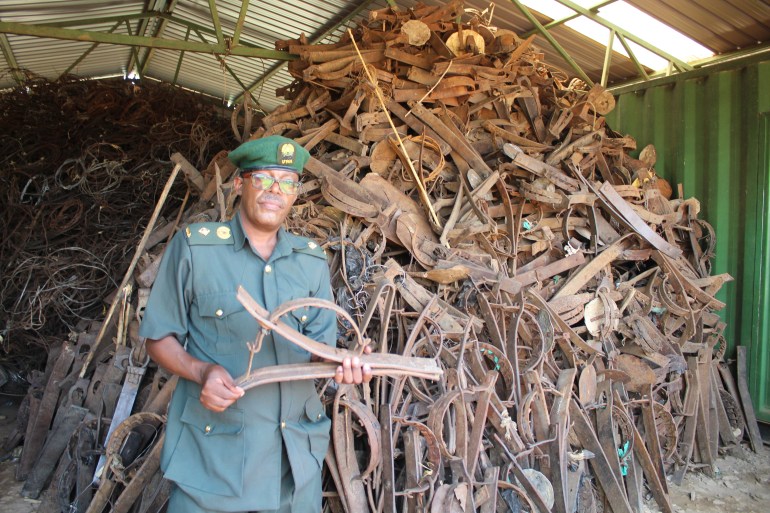
Ugandan Wildlife Authority’s Chief Park Warden of Murchison Falls Edison Nuwamanya, standing by snares villagers use to capture wild animals for bush meat 
[File: Jack Dutton/ Al Jazeera]

Before the pandemic, tourism made up 7.7 percent of Uganda’s GDP. Bwindi alone brought in $2m monthly and accounted for 60 percent of UWA’s revenue.

By the end of 2020, local businesses close to the park – safari lodges, tour companies, souvenir shops – all but closed down. The villages around the park usually get 20 percent of the total funds from the gorilla tracking permits tourists buy for Bwindi.

The money is paid annually and goes towards community projects, such as new schools and health centres. But in 2020 and 2021, they were not given that money because of the dramatic drop in tourism, Guma said.
Death and deterrence

In June 2020, one of Uganda’s best-known mountain gorillas was killed by a poacher. Rafiki, a 25-year-old large silverback who led a group of 17 gorillas, was speared to death by a poacher who had set traps to catch bush meat.

In his testimony, the suspect said he had come to check on the traps when he saw Rafiki’s group there. The man said the animal saw him as a threat and attacked him, so he had to lunge at Rafiki in self-defence.

A court handed the perpetrator an 11-year prison sentence – the longest anyone has ever been put in jail for killing a wild animal in Uganda.

Rafiki’s group was habituated, meaning that the apes were used to human contact and would not usually act aggressively. Job said the communities were “shocked” after Rafiki’s death, so the UWA and villagers had to implement a conservation action plan to prevent a repeat incident in future.

Gorillas were often coming out of the park and into villages, where they would feed on farmers’ crops and vegetation like eucalyptus trees for their high salt content. Villagers were encouraged to replace these trees with crops like tea and coffee, which are unpalatable to the great apes but are good revenue earners.

The UWA established “flight camps” — bases of 24 rangers situated in hunting hotspots in the national park to stop poaching and the gorillas getting caught in the traps. Four camps were initially established, with rangers patrolling eight-kilometre radiuses, and three remain active, Guma said. The camps deterred poachers from laying traps in the forest, shifting location depending on the position of poachers.

Five HUGO members, individuals in the community who have received conservation training – are stationed in each village next to Bwindi. During the pandemic, they met regularly and also herded gorillas back into the forest whenever they came into the villages and the wildlife authority was not present.

Without tourism, many villagers living close to the park were without income and much food, so the UWA and local conservationists supplied villages with fast-growing seeds — such as pumpkins, tomatoes, onions and amaranths — for sustenance. Community members were also educated about conservation issues and the health risks of eating bushmeat.

Villagers, especially those working in the park, like the porters and rangers, were encouraged to get vaccinated to protect the gorillas from COVID-19. Tourists were also told to wear masks, sanitise and social distance from the gorillas to protect them from airborne diseases.

COVID-19 concerns


Since Rafiki, no other gorillas have died amid a surge in poaching during the pandemic and since 2020, there have been at least 34 new births, according to Guma. Still, concerns about COVID-19 remain.

“It’s one of the things that keeps me awake at night, especially when you’ve had these variants, the Delta and the Omicron variant which is very, very contagious,” veterinarian and gorilla expert Dr Gladys Kalema-Zikusoka said.

Although there have been no confirmed cases of COVID-19 in Bwindi’s gorillas, the disease has quickly spread among gorillas in zoos in Atlanta, Prague and San Diego.

Humans share about 98.4 percent of their DNA with gorillas. “The cost of illness was similar to humans, where the eldest aged Silverback got very, very ill, it was 48 years old, and he had to get monoclonal antibodies, which is a very expensive treatment for COVID,” the vet said.

In the wild, gorillas move around in groups and silverbacks – older dominant males – may fight among themselves, meaning that a virus can quickly spread.

If COVID-19 spread to the endangered population, Kalema-Zikusoka said, they would require 24-hour monitoring and quarantining, which would be “a total nightmare” because they are wild animals.

Currently, only 6.5 percent of Ugandans are fully vaccinated against COVID-19, but she argued that when the vaccine is widely available, it should become mandatory. “The community of Bwindi knows that if they want tourism to come back like it was before, they need to be vaccinated,” she said.

SOURCE: AL JAZEERA
Sunday, June 14, 2020

Plight of the pangolin: Once coveted, now feared because of coronavirus


Margaret Evans CBC
14/6/2020

© Isaac Kasmani/AFP via Getty Images 
A white-bellied pangolin which was rescued from local animal traffickers is seen at the Uganda Wildlife Authority (UWA) office in Kampala, Uganda, on April 9.
Veterinarian Mark Ofua walks through rows of cages housing barking dogs and stray cats in the animal shelter he set up in Lagos, Nigeria's largest city, about five years ago.

The ease with which the animals submit to his ministrations makes it clear it is a place of trust, a sanctuary for lost souls in the animal kingdom.

Many Nigerians, struggling with the challenges of the coronavirus, are no longer able to afford or keep pets.

But the shelter isn't just for domestic animals. Increasingly, Ofua finds himself rescuing wild animals, including one of the world's most endangered: the pangolin.

One, in particular, has clearly captured his heart: a baby he rescued from a bush meat market when it was just a week old. He named the pangolin Juba.

"Now, I know buying these animals off them is wrong, because it kind of promotes the trade," he said in a Skype interview. "But imagine if Juba was not rescued."

Juba is now about five months old, still fed from a bottle. But Ofua is also encouraging him to forage for ants and termites before he releases him back into the wild.
Pangolins blamed for coronavirus outbreak

He's named after a character in the film Gladiator, because he's armoured like one, Ofua said.

Pangolins are mammals that look like anteaters but are covered in scales made of keratin.

But those chain-mail coats haven't been enough to protect them from a voracious illegal wildlife trade that sees their meat sold as a delicacy in Asian markets overseas, and their scales sold for alleged medicinal cures.

"In the last couple of years the demand for pangolin has skyrocketed," said Ofua. "It has left the traditional role for bush meat and medicine. It has now moved on to the scales."

WATCH | Veterinarian plays with pangolin

Juba is a white-bellied tree pangolin native to Nigeria. There are eight species across Africa and Asia and all are either vulnerable or critically endangered.
Negative attention could protect pangolins

Nigeria has become a world hub when it comes to trafficking them.

The UN's Wildlife Crime Report for 2020 found that almost 60 per cent of seized pangolin scales came from Nigeria in 2018, compared to 20 per cent in 2015.

Professor Olajumoke Morenikeji of the University of Ibadan said it's "absolutely ridiculous."

"[There is ] so much illiteracy when it comes to environmental laws, wildlife trade and so forth," she said.

Morenikeji is also the president of the Pangolin Conservation Guild of Nigeria. Her advocacy work has earned her the nickname Madame Pangolin but she doesn't mind if it gets people talking about them.

She also said that the negative press the pangolin received in the early days of the coronavirus pandemic — and speculation that it might have had a role in its jump to humans — could help them survive. People are asking her if they should stay away from them.

"We now know that most likely it is not from the pangolin. It might be from the bats or whatever," Morenikeji said. "But we know from history that there are instances we have had diseases jump from wildlife to man."

"I have more people listening to what I have to say about the situation," she said. "And I tell them it's not just the pangolin. There's the problem of zoonotics if you do not leave wild animals in the wild and you bring them into the system."

Early investigations into the source of the coronavirus outbreak focused on a market in Wuhan, China, where live animals were traded.

But there are as yet no firm conclusions and a zoonotic source has yet to be identified.

WATCH | Coronavirus: Where did it come from?

In a move that many conservationists hope will be permanent, China banned the consumption and trading of wildlife in February, after the outbreak began.

Beijing also recently afforded the pangolin its highest protection status and banned pangolin scales from being used in traditional medicines.

Kaddu Kiwe Sebunya, CEO of the African Wildlife Foundation, an international wildlife conservation organization, calls it a huge step.

"We are so happy this is happening," he said in a Skype interview from Kenya.

"And you know we are not going to relent. We would like to see this also happening with rhino horns because they really have no medicinal properties."
Poachers capitalize on COVID-19 outbreak

It's a potential ray of hope for the pangolin, but Sebunya said that in general, COVID-19 has been a tragedy for conservation efforts.

"Actually, what we are seeing is a spike in poaching across the continent," he said. "Because the tourism industry collapsed overnight and funding went to zero for conservation."

Sebunya said tourism accounts for more than 80 per cent of conservation money directed toward most of the national park services across Africa.

"And so [anti-poaching] patrols are less," he said.
© Ellen Mauro/CBC Bumi Hills Conservation Manager Mark Brightman says criminal poaching syndicates are taking advantage of the COVID-19 lockdown in Zimbabwe to increase their operations.
Kruger National Park in South Africa might be an outlier, having reported a "significant decline" in rhino poaching since its lockdown in April.

It has a well equipped anti-poaching unit, including helicopters and a canine team.

But it's a very different picture in neighbouring Zimbabwe.
© Ellen Mauro/CBC News Conservation Manager Mark Brightman says the number of elephants in the Bumi Hills region dropped from 15,000 to 3,500 in recent years. Ninety per cent of the decline has been attributed to poaching.

"We still have the criminal [poaching] syndicates that are operating, said Mark Brightman, conservation manager with the Bumi Hills Anti Poaching Unit along Lake Kariba in Zimbabwe.

"They haven't shut down the tools. In fact, they're taking advantage of the situation."

The Bumi Hills rangers are still operating as a deterrent for now, but two elephants were recently poached just outside their area. And Zimbabweans who used to rely on tourism for work are feeling even more economic pain in the face of the lockdown than normal.

"People have got to feed themselves," said Brightman. He said there's been an increase in the number of people snaring animals to put meat on the table for their families.

"We're not really concerned with that. It's the commercial poaching and the priority is elephant poaching and the bush meat trade that we cannot let get out of hand once more."
'We'll have to do what is right by him'

The COVID-19 pandemic offers the world an opportunity for a reset, to have a global conversation about biodiversity and management of natural resources, according to Sebunya.

"People have seen what happens when we mismanage nature," he said.

"COVID-20 might come from my country. And it will shut down Toronto. So this responsibility is global responsibility. And we need more support. There has been a decrease in support to conservation in Africa."
© AFP via Getty Images Last week, in a move applauded by conservation groups, China banned the use of pangolin scales in traditional Chinese medicines and elevated the pangolin’s protection status to the highest level.

Back in the port city of Lagos, Ofua is walking the stray dogs twice a day and feeding baby civets along with Juba. He's bracing himself for the day he'll say goodbye to the young pangolin before releasing it back into the bush.

"I pray every day for grace to be able to let him go when it's time. I just want to make sure he's able to fend for himself properly."

Ofua is working on building a kind of enclosed pangolin shelter where they can take first steps before finally being returned to the wild.

Juba will be the first to try it.

"It's going to be difficult but we'll have to do what is right by him," he said. "I try to let people see the connection between us and these animals. Conservation is not something we should do for fun or for pleasure or for sentiment. It's something we actually need to do deliberately to save mankind."

Monday, November 02, 2020

Virus Hunters makes a strong case that COVID-19 is just the wake-up call

Ecologist/epidemiologist Chris Golden on looking for patterns that cause pandemics.


JENNIFER OUELLETTE - 11/1/2020, 11:52 AM

Enlarge / Scientists around the world are working not just to stamp out the current COVID-19 pandemic, but are also racing to prevent an even worse outbreak in the future.

As much damage as the current coronavirus pandemic has inflicted on the world at large—killing over 230,000 American citizens alone so far, and nearly 1.2 million people worldwide—scientists know there are other viruses lurking out there, one of which could be just as contagious as COVID-19, yet much more deadly. And they know we need to be prepared for such an outbreak.

That's the central message of Virus Hunters, a new documentary special premiering tonight on the National Geographic channel. The documentary follows award-winning ABC News foreign correspondent James Longman and Harvard ecologist and epidemiologist Chris Golden as they travel to hot spots around the world: Liberia, Thailand, Turkey, and (yes) the United States. It's a companion piece to a special issue of National Geographic magazine released in mid-October devoted to COVID-19.

A National Geographic fellow, Golden's interest in studying the ways in which environmental change affects human health dates back to childhood, when he used to go on nature walks with his mother. "I saw the way that she responded to nature, this connection between mental health and the outdoors, and I ended up pursuing this all throughout my educational experience," he told Ars. After earning an undergraduate degree from Harvard—creating his own major out of a mix of courses in ecology, medical anthropology, and development studies—he earned his PhD in epidemiology and ecology from the University of California, Berkeley.

Golden's lifelong obsession with Madagascar—"It all started with a National Geographic issue with lemurs on the cover"—led to that region becoming a central focus of his research and provided the motivation behind creating the nonprofit Madagascar Health and Environmental Research (MAHERY). Living with local communities, "I began seeing the forest through their eyes," he said. "I realized that there was such a strong interconnection between the integrity and health of the surrounding environment and the health of local communities." We sat down with Golden to learn more about his experiences filming Virus Hunters—in the midst of a global pandemic, no less.


Ars: This is an especially timely documentary special, given the current COVID-19 pandemic, but epidemiologists and other scientists like yourself have been warning about these kinds of spillover events for a very long time.

Golden: That's absolutely right. There have been researchers working at the front lines for decades that have really been invested in characterizing and chronicling all of the types of viruses, bacteria, pathogens that exist within wildlife communities, because they know that these are the exact types of things that could spill over into human populations. COVID-19 isn't a surprise because this is the exact same way that SARS, MERS, HIV, Ebola, and swine flu started as well. This kind of mechanism for pathogen transmission is nothing new. Even novel corona viruses are things that the Department of Defense and the USDA in the United States have warned about as threats to national security. It's really just a failure of action and preparation on our side, because we know these threats exist.
Enlarge / Harvard University ecologist and epidemiologist Chris Golden.
National Geographic

Ars: What was it like filming a documentary about deadly viruses during an actual global pandemic?

Golden: It was very uneasy at the beginning. I mean, I had barely left my condo to even go down the street to the grocery store, by the time I was leaving to film this. Travel is a risk factor, although I don't think that is as much the top risk factor that we're facing here in the US. Once we arrived in these places, there were so many better protocols in place. As an example, we arrived in Liberia, and everyone leaving the plane was temperature checked. Everyone was wearing a mask, there were hand-washing stations in front of every building in the entire city, and there was enormous compliance with all of the public health recommendations. This was one of the reasons why they've had less than 200 cases in their country since the beginning of the pandemic: they started acting at the end of January. Because of their tragic past experience with Ebola, they knew to take it seriously and they acted appropriately.

Ars: I was struck by just how many viruses with spillover potential seem to stem from bats in particular. Why are bats such major vectors?

Golden: There are really two factors at play. One is that there is slightly more than 6,000 mammal species globally, and one-fourth of those or more are bat species. So even from a statistical probability standpoint, these viruses are more likely to come from bats than any other animals, because there are more bat species than many other broad types of animals. Secondly, from a physiological and evolutionary standpoint, bats are the only mammals who have evolved flight, and through that evolutionary process, they've also developed really interesting immune systems that are resistant to viruses in many cases. So this allows for viral replication within their own bodies, and to allow viral spillover to happen without actually damaging them in the first place.

Also, because of the way that they roost, because of the way that they live, their disease dynamics are very easy to spread within their own colonies. You can then have modification or even mutation of viruses or diseases within a bat colony. Bats are also unique from an ecological and behavioral standpoint. They are not animals that live exclusively within a forest or within remote areas. They have adapted quite well to urban living, to living in barns, to living in agricultural fields. And so there's quite a bit of human interface there. It makes it more likely that a virus can jump from bats to humans.

Ars: Was there anything that particularly surprised you during your travels?

Golden: One of the most surprising days for me was the day that we visited the bush meat market in Monrovia, Liberia. That is a completely different system from the work that I do in Madagascar. I've been there 20 years. There's really no market for wildlife in that country, and going to Monrovia and seeing this incredibly urban area flooded with meat from all other parts of the country—to see all the sellers providing primates or deer or various forms of ungulates and porcupine and cane rats—it was mind-blowing for me to see the extent of species diversity, the demand of people who really wanted to eat this, and all of this being in urban markets.

Enlarge / Jim Desmond, a disease and wildlife interventionist, is another scientist featured in Virus Hunters.

National Geographic


Ars: Watching that segment, I thought about how human behavior and entrenched cultural traditions—even those born out of necessity—can make it more difficult to control the spread of deadly viruses. How does one address those kinds of variables?

Golden: I think that this question is really important, but it has a nuanced answer. In many areas around the world, these types of markets serve a critical food security function. So to disband them, or outlaw them, will have severe ramifications on the health and well-being of local people, both from an economic standpoint and from a nutritional standpoint. They are driven to these activities out of poverty, not because it is a luxury food item or they are trying to make a buck. So to come down hard on bush meat hunting in that type of location will have severe health consequences that could really make a zoonotic disease pale in comparison, in terms of the number of people who become sick or die from nutritional impacts. However, there are lots of places where it is driven by luxury goods, economic demand. In that case, I think you could ban [such activities] without the same sort of ethical consequences.

Ars: In the final segment, you visit Wisconsin and talk to a deer hunter, among others, about how such diseases are just as likely to emerge in the US. There is a tendency among Americans in particular to assume that such risk is limited to foreign countries.

Golden: The decision to include that segment is really driven by the fact that these viruses do not need to pop up in remote or exotic locations. They could most certainly happen right here on our own soil. If you look at the 1918 flu, the best possible guess for where that originated is actually in Kansas. It just takes one instance of an animal virus spilling over into humans for it to begin. The entire segment on deer to me was fascinating. It's a part of America that I have not often gotten the chance to visit.

In Wisconsin, they kill over 400,000 deer each year. That one hunter that we interviewed said he gets roughly six deer a year there—maybe 50 pounds each, of meat from each, not including entrails, bones, and whatnot. That is 300 pounds of meat, a pound of deer meat a day for his family. That is a major input into his food system. It really mirrors a lot of the work that I'm doing in Madagascar in an almost bizarre alternate universe type of way. It is this cultural connection, this food connection to wildlife. The disease we were looking at wasn't necessarily one that we were majorly concerned about for zoonotic transmission, but "bush meat" isn't something that is just happening elsewhere. There is an enormous market and a strong tradition of hunting in our own country.

Ars: The main message of Virus Hunters is that COVID-19, as bad as it is, functions as a wake-up call. There could be equally contagious, far more deadly viruses lurking out there with the potential to spill over to the human population. Are you optimistic about the future, or does it seem pretty bleak from your perspective?

Golden: I think that in my field, you have to stay hopeful, otherwise you'll get depressed. In the field of conservation biology, you end up writing these obituaries for so many natural systems, pristine systems, and it gets depressing sometimes. So I really try to stay hopeful that events like this can be transformative and that we can reorient our society around the things that matter, that we can focus on the health of the planet and the health of people. And that we can harness technology and research for propelling this reorientation.

Virus Hunters airs on Sunday, November 1, 2020, at 9pm/8pm Central on the National Geographic Channel.

JENNIFER OUELLETTE is a senior writer at Ars Technica with a particular focus on where science meets culture, covering everything from physics and related interdisciplinary topics to her favorite films and TV series. Jennifer lives in Los Angeles.EMAIL jennifer.ouellette@arstechnica.com // TWITTER @JenLucPiquant

Wednesday, May 27, 2020

'Ban on bushmeat' after Covid-19 but what if alternative is factory farming?

Governments and WHO face pressure to ban commercial trade in wild animals, but experts say this would criminalise a way of life for millions of people


CAPITALISM IS THE TECHNOLOGICAL ADVANCEMENT IN FARMING WHICH ELIMINATES THE COMMONS OF THE SMALL FARMER, AND DRIVES THE GROWTH OF CAPITALIST INDUSTRIES IN THE CITIES 

Animals farmed is supported byAbout this content


John Vidal

Tue 26 May 2020 07.15 BSTLast modified on Wed 27 May 2020 12.30 BST


Shares
325
 
Jeanne Mwakembe and Bernardette Maselé selling bushmeat (crocodile and antelope) at the Moutuka Nunene market in Lukolela, Democratic Republic of Congo. Photograph: Ollivier Girard/CIFOR


Antelope is best, monkey is chewy, bats needs a sauce, forest porcupine is mild, and pangolin – one of the most trafficked animals in the world – tastes great roasted but smells awful. That, at least, was what the Gabonese workers told us.

We were in a Belgian-owned logging camp in Gabon. The day had been spent watching giant trees being felled for the Chinese market but by evening everyone’s thoughts had turned to food.

Most rural Africans and Asians say “bush” or wild meat is healthier, tastier and often cheaper than the bland meat of most farmed animals like chickens or pigs. The joke among the African loggers in the camp that night was that Asians would eat anything alive in the forest but the squeamish Europeans would eat nothing.

‘Mixed with prejudice’: calls for ban on ‘wet’ markets misguided, experts argue
https://www.theguardian.com/environment/2020/apr/15/mixed-with-prejudice-calls-for-ban-on-wet-markets-misguided-experts-argue-coronavirus

Today, as a result of Covid-19 and its suspected origins in a Chinese “wet” market, governments and the World Health Organization are coming under growing pressure from conservationists, vegans, and animal protection, zoo, and welfare groups to not just stop the hunting of all wild animals for food but to end the commercial trade in live animals with a global ban. Now is the time to link human health with biodiversity loss and animal suffering and to close all markets selling live or dead wild animals, they say.Q&A
What is a wet market?Show

A spokeswoman for WWF UK says: “We have called for the closure of illegal and unregulated wildlife markets, primarily in urban areas. What we are concerned about is the illegal consumption of highly threatened wildlife, often seen as a delicacy.”

There is no doubt that wild meat hunting and consumption is heavily impacting the world’s wildlife, giving rise to what is called “the empty forest”, where few large mammals remain. A 2016 Royal Society paper shows that the bushmeat trade is growing fast, with devastating results. “As wildlife populations outside protected areas decline, poaching pressure is increasing in many parks and reserves,” say the authors. “As a consequence many forests, savannahs, grasslands and deserts in the developing world are now becoming ‘empty landscapes’ devoid of harvest-sensitive wild mammals.”

What has changed over 50 years, say scientists, is the scale of the commercial wild meat trade. In the past, local subsistence hunters killed animals in small numbers. Today a high-volume industry supplies fast-expanding Asian and African cities. No longer run by local hunters, it is helped by modern firearms and cellphones, and utilises a vast network of new roads driven deep into forest concessions by the international logging industry. Hunters can strip a forest or wetland in a few nights and access home and export markets for their meat. And as the forests are emptied of their animals, the price of wild meat soars and it becomes a luxury commodity for urban elites.

Dead pangolins seized by authorities in Belawan, North Sumatra. More than 5,500 species of birds, mammals, amphibians and reptiles are bought and sold on the worldwide animal market. Photograph: Gatha Ginting/AFP via Getty Images

Sue Lieberman, vice-president of international policy at the New York-based Wildlife Conservation Society, says that growing populations in Africa and Asia must switch to eating farmed animals. “People do need other sources of food [than bushmeat]. I am not saying that people should not eat wild animals [but] there is not enough to go round any more. Commercialisation is the problem. The first priority must be to stop the commercial markets. They can’t go on. Practices that originated hundreds of years ago have to stop. The amount it would cost to provide chicken and farmed fish to everyone [in Africa] is negligible compared to what this pandemic is costing.”


But critics of a ban say that the legal wildlife meat trade employs hundreds of thousands of people, provides protein for between 30 million and 70 million people in Africa alone and kills few threatened, or rare animals.


What about the environmental impacts of farming? According to a major 2011 study led by Robert Nasi, director general of the Center for International Forestry Research (Cifor), a switch to cattle to provide protein in place of wild animals would have huge impact.

Hunters, says Nasi, take about 4.5m tonnes of bushmeat a year from forests in the Congo basin and possibly 1.299m tonnes in the Amazon. “We would need to transform large areas of tropical forests or savannas into pasture to replace [this amount of] bushmeat by cattle. For comparison, Brazilian beef production is considered responsible for about 50m hectares [124m acres – twice the size of the UK] of deforestation. If bushmeat consumption in the Congo basin was to be replaced by locally produced beef, an area as large as 25 m hectares might have to be converted to pastures.”

Factory farming has devastating effects on wildlife, says Philip Lymbery, director of UK-based Compassion in World Farming. “It is a main driver of wildlife decline and the destruction of the world’s remaining wild lands,” he says. “It’s about keeping animals caged in sheds, which sounds efficient but you have to devote vast areas of land to grow their feed. It drives encroachment into wild lands and the destruction of habitats.

“It would cause unimaginable suffering to the animals, and even more environmental devastation. It would also create the perfect breeding ground for the next pandemic. Factory farming and pandemics are strongly linked. The main driver of future pandemics will be factory farming.”

Bushmeat on sale at the weekly market in Yangambi, DRC. The animals that are hunted include warthogs, monkeys and Gambia rats. Forests in the area still have plenty of animals although numbers have declined over the past decade. Photograph: Axel Fassio/CIFOR


Many epidemiologists, ecologists, human rights and indigenous peoples’ groups say a knee-jerk global reaction to ban the wild meat trade could be unscientific, counter-productive and culturally offensive.

The western conservation “industry” wants an end to the eating of wild animals because it wants vast new areas of land to be “protected” in the name of increasing biodiversity, says Fiore Longo, advocacy officer of Survival International.

“But this model of ‘fortress conservation’ is dangerous,” she says. “Conservationists have seized the crisis as a chance to criminalise the ways of life of a large part of the world’s population. It reinforces the false divide between people and wildlife, and potentially vastly increases the size of protected areas whatever the human cost may be.

“What happens if we outlaw the trade and consumption of wildlife where there are no other sources of protein available? Do we let more people starve? Is a dependence on industrial food production with all its enormous environmental, health and financial impacts somehow ‘better’ than the sustainable consumption of wild animals?”
In Guyana, bushmeat is sold freely in a variety of places including restaurants, bars, private homes or on the roadside. People hunt and trade wild meat for food, income or just as a hobby. The most commonly traded species include capybara and iguana.
Photograph: Manuel Lopez/CIFOR


“It is important not to throw the baby out with the bathwater,” says John Fa, coordinator of the Bushmeat Research Initiative at Cifor. “Wild meat plays an important role in the nutrition of large populations of humans, accounting for up to 50% of the protein intake of people in central Africa. You can’t just say to people: ‘You can’t do it any more.’”

Wildlife hunting bans mostly fail, says Stephanie Brittain, who spent five years in Cameroon researching bushmeat consumption and now works with Oxford University’s Interdisciplinary Centre for Conservation Science. After the 2013–16 Ebola outbreak in west Africa, she says, bans were brought in by several countries but could not be policed. The result was a marked increase in hunting for wild meat. “There [is] no conclusive evidence that banning the wildlife trade will prevent the emergence of zoonotic diseases in the future,” she says. “The legal trade for species that can be safely harvested can facilitate improved hygiene and animal welfare, while complete bans can drive trade underground, resulting in illegal markets with lower hygiene regulation and increased risk of disease transmission.”

As for the idea that disease is more likely to accompany wild meat, experts point out that illnesses like Mers and Sars, BSE, swine and bird flu, E coli, MRSA and salmonella, originated in intensive poultry, pig and livestock farms where the overuse of antibiotics and unhygienic conditions can spread disease quickly. Many are common. According to the OIE, the World Organisation for Animal Health, there are currently more than 25 outbreaks of H5 and H7 avian flu having to be controlled in more than 20 countries, including the US, Germany, India and Saudi Arabia. Any one, if unattended by vets, could develop into an epidemic.


“Intensive farming is an area that must also be looked at”, says Eric Fevre, chair of veterinary infectious diseases at Liverpool University. “As we select for better milk cows, better beef cows or better egg-laying chickens, we create populations of animals that often live in intensive conditions, but where the genetics are very similar. This creates risks for [the] emergence of diseases, because if these genetically uniform large populations are susceptible, things can spread very quickly.
”
 In Congo, part-time hunters boost their income with bushmeat. A WWF billboard listing protected species at the entrance of a bushmeat market in Mbandaka, DRC.
Photograph: Thomas Nicolon/Reuters


Delia Grace, programme leader for food safety and zoonoses at the International Livestock Research Institute, said: “Wet markets are basically fresh food markets. In the UK we like farmers’ markets with fresh cornfed chickens, farm-sourced meats and nice looking sausages. That’s basically a wet market, though in a different cultural context. They are essential to bring fresh food to urban populations, and provide for the food security of millions of people.

“They do need to be regulated and controlled. They should not be blanket banned, as that is not sensitive to the needs of their clients who depend on them.”

Conservationists are struggling to diminish consumption of wild animals through behaviour campaigns, legislation and law enforcement – especially in urban

Wednesday, September 01, 2021

Has the wildlife 'Red List' let Africa's big cats down?


Issued on: 01/09/2021 -
Lions have lost more than 90 percent of their range and their numbers over the last 150 years 
Roberto SCHMIDT AFP/File

Paris (AFP)

Lions and cheetahs are closer to extinction than the authoritative Red List of Threatened Species suggests, according to conservation scientists who warn that sharp drops in populations could be going undetected.

Africa's marquee big cats are currently listed as "vulnerable", but with declines in lion numbers close to the threshold for a higher risk category and heated debate over how many cheetahs are actually left in the wild, experts are asking if this is enough.

An "uplisting" does not guarantee protection, they say, but it would more accurately reflect their dire situation and could channel resources to help them survive in the wild, where they are most recently menaced by poaching and the pet trade.

The stone lions guarding Beijing's Forbidden City, the bronze ones at Admiral Nelson's feet on Trafalgar Square, the constellation Leo and the emblems of a score of top European football clubs all attest to the cultural significance of these majestic creatures.

But as apex predators, they are also lynchpins in their ecosystems -- as South African conservationist Paul Funston puts it, the "big daddy holding a lot of things in place."

For half a century, the International Union for the Conservation of Nature (IUCN) Red List has classified species along a spectrum from "least concern" and "near threatened" to "vulnerable", "endangered", "critically endangered" and "extinct in the wild".

Broadly, if at least half the population of a species is lost within three generations, it moves to a more threatened category.

Last stop on the slide to oblivion is "extinct".

Threatened status can trigger national protective measures, restrictions in international trade and funding from states or NGOs.

Lions and cheetahs were both reconfirmed as "vulnerable" in 2014 and are unlikely to change category in a Red List update at the IUCN congress in Marseille, from Friday.

But some experts want the IUCN to go further.

"Cheetahs should be classified as 'endangered'," Sarah Durant, an expert on cheetahs and a member of the IUCN's cat specialist group, told AFP via Zoom.

Following the 2014 assessment, to which she contributed, Durant and another 50 conservation experts made that case in a peer-reviewed study.

One-size-fits-all criteria applied by the IUCN, they argued, do not do justice to all species.

- Catastrophic declines -

Overall, the cheetah's global numbers were estimated to have dropped about 30 percent to roughly 7,000 over the space of three generations, or 15 years.

To put that in perspective, the ratio of people to cheetahs on Earth is roughly a million-to-one.

While steep, the decline was still well short of the 50-percent threshold for an uplisting to "endangered".

But that assessment is likely over-optimistic, scientists say, because the data comes overwhelmingly from protected areas, such as national parks and game reserves, even though that is not where most cheetahs are found.

About three-quarters of the big cat's range -- and an estimated two-thirds of its population -- is in unprotected zones where the solitary feline must contend with scarce prey, fragmented habitat and deadly encounters with pastoralists defending their livestock.

"We're measuring population decline in the area where they're actually doing best," Durant said.

More long-term, the picture is even bleaker.

The cheetah once roamed as a top predator across most of Africa, the Middle East, central Asia and India, but today occupies less than 10 percent of its historic range 
JOE KLAMAR AFP/File

The cheetah was once a top predator across most of Africa, the Middle East, central Asia and India, but today it occupies only a sliver -- less than 10 percent -- of its historic range.

And since 1900, their numbers have dropped by more than 90 percent.

"These are catastrophic declines," said Durant, a professor in conservation science at the Zoological Society of London.

Lions have not fared better, even if their population in the wild exceeds 20,000, said Funston, senior director of the lion programme at conservation NGO Panthera.

In the 2014 assessment, to which he contributed, their global population was found to have dropped by 43 percent over three generations -- 21 years -- missing a reclassification threshold by a whisker.

- Hunted -


Unlike cheetahs, lions live in groups, or prides, and almost exclusively within protected areas.

But that doesn't mean they are always easy to locate.

"Every time we go and look in any real detail, we find that there are fewer lions than we thought, typically three, four, even ten-fold fewer," Funston told AFP.

In 2017, Funston led an intensive survey of two large national parks in southeastern Angola where conservation authorities had put the population at about 1,000.

Industrial-scale bush-meat poaching has emptied parts of the African savannah of big cats and their prey TONY KARUMBA AFP/File

"Actual numbers were so low we couldn't derive a proper scientific estimate," he said.

"We concluded that there were 10 to 30 lions left."

The top driver of lion decline is industrial-scale bush-meat poaching, either of the lions themselves or their prey.

Trophy hunting, habitat loss and conflict with humans also menace the animals.

- 'Influencer' effect -


Since 2014, new threats have emerged.

"Particularly in southern Africa, we are suddenly seeing an increase in the poaching of lions for body parts" -- especially teeth, claws and bones -- to supply a booming market in Southeast Asia and China for bogus health and virility elixirs, Funston said.

This illegal traffic has been spurred on by South Africa's decade-old and controversial commercial captive lion-breeding industry, according to a recent report he co-authored.

From 2011 to 2019, poaching for body parts -- evident from the dismembered carcasses left behind -- accounted for more than 60 percent of all lion mortality within Limpopo National Park in Mozambique, with a clear increase from 2014 onwards.

For cheetahs, the new threat comes from the Gulf states, where a demand for pets has fuelled a brisk trade in cubs, especially from the horn of Africa, where a sub-species teeters on the brink of extinction.

Demand in the Gulf States is driving a brisk illegal trade in cheetah and lion cubs 
Delil SOULEIMAN AFP/File

Social networks are driving a demand for live big cats as well.

"Influencers are flying out of Dubai to get photographed with a cheetah or lion to boost Instagram traffic," Durant said, highlighting a recent expose by the website Bellingcat.

One key to protection is investment.

In central and western Africa, spending is only about $50-$100 annually per square kilometre, according to Funston.

Little wonder, he said, that both regions have lost more than 90 percent of their large wildlife.

In southern Africa however, where lion populations have gone up, $500 to $800 is invested annually per square kilometre.

Craig Hilton-Taylor, who heads the IUCN's Red List Unit, defended its classification process as "robust" and said experts looked at a full range of issues.

But he acknowledged that without the efforts of southern African countries, "the lion would have been uplisted from 'vulnerable' to 'endangered'."

"If the experts do the assessment again, and project forward rather than just looking in the past, they might be able to get it over the threshold," he told AFP.

© 2021 AFP