MMG sees copper losses mount from informal Peru diggers
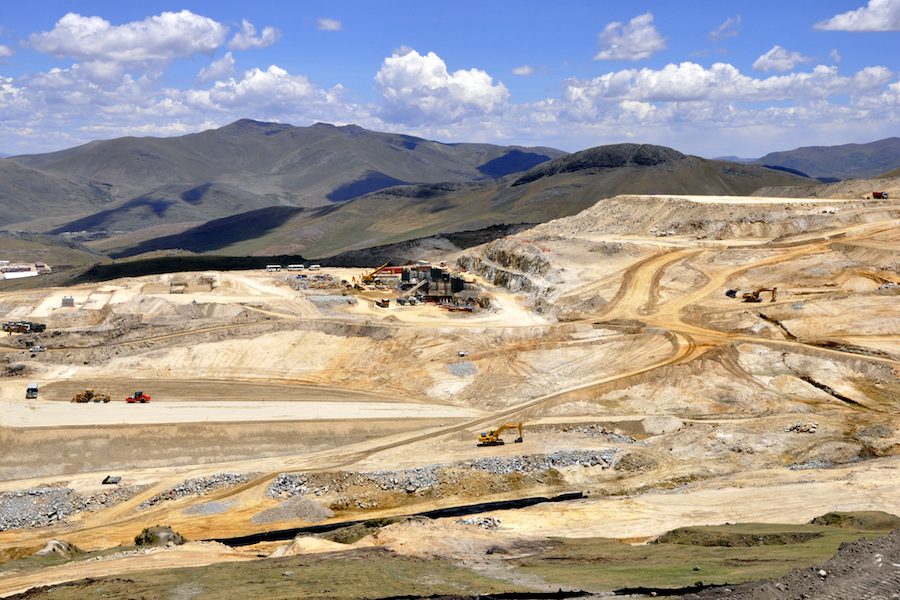
Chinese-owned mining company MMG Ltd. has raised an estimate for the amount of copper lost to informal digging in an area of its Peruvian concession earmarked as its next open pit.

Miners that MMG deems as illegal have extracted about 90,000 metric tons of copper over the past 15 years from the proposed pit at its Las Bambas operation, according to the latest company disclosures and responses to Bloomberg. That’s up from a prior estimate of 74,000 tons through mid-2024.
While the amount extracted is a sliver of the total resources at Las Bambas, it’s significant because the informal mining is focused on a yet-to-be developed area key to MMG’s investment plans. The company wants to build a third open pit, called Sulfobamba, on the spot where the indigenous Pamputa community is already digging up metal in what they see as artisanal mining.
As the concession holder, MMG has rights to the minerals but still needs to buy Pamputa’s land in order to build the pit. Instead, the community has opted to expand its own copper quarry.
MMG’s data show a third of the extraction there has occurred in the last two years alone as part of a surge in informal mining in poor rural areas of Peru fueled by soaring metal prices. At today’s copper prices, 90,000 tons would be worth about $950 million.
“This was a mining concession granted by the Peruvian state to Las Bambas, but then the state doesn’t protect it,” said Pablo O’Brien, a former mining ministry official and consultant to mining companies facing social conflicts. “So it tarnishes the country’s image in the eyes of international investors.”
Las Bambas has been Peru’s biggest copper supplier in recent months and accounts for almost 2% of the world’s mined production. The operation cost $10 billion to build and remains the single largest investment in Peru’s history. MMG, a unit of China Minmetals Corp., bought the concession from Glencore Plc in 2014 and the facility has been operating since 2016.
MMG has filed more than 100 illegal mining complaints against the Pamputa miners as it seeks access to an area that’s scheduled to start producing by the mid-2030s. The informal miners are defending themselves through lawyers.
Those working the site are artisanal miners whose ancestral claims, land ownership and temporary mining permits counter MMG’s contractual rights, according to Hernán De La Cruz, head of the Federation of Indigenous Mining Communities of Apurímac.
“That there is illegal mining is a fallacy of the Chinese state,” he said.
Losses by informal mining represent about 7% of Sulfobamba’s resources, according to MMG. In the context of Las Bambas’ total resources, the impact isn’t material at less than 1%, the company said, adding that the concession has plenty of potential, with just 10% of the total area explored.
Still, the Pamputa miners have blocked MMG from doing further drilling around the site of the prospective pit as they accelerate the pace of their own extraction. Called Apu Chunta, the quarry is now one of the biggest informal copper mines in the world.
MMG sees the increase in such activity across Peru as having “the potential to affect future large-scale investment,” it said earlier this year.
(By James Attwood and Marcelo Rochabrun)
AFC to invite bids to build Key Zambian copper railway link
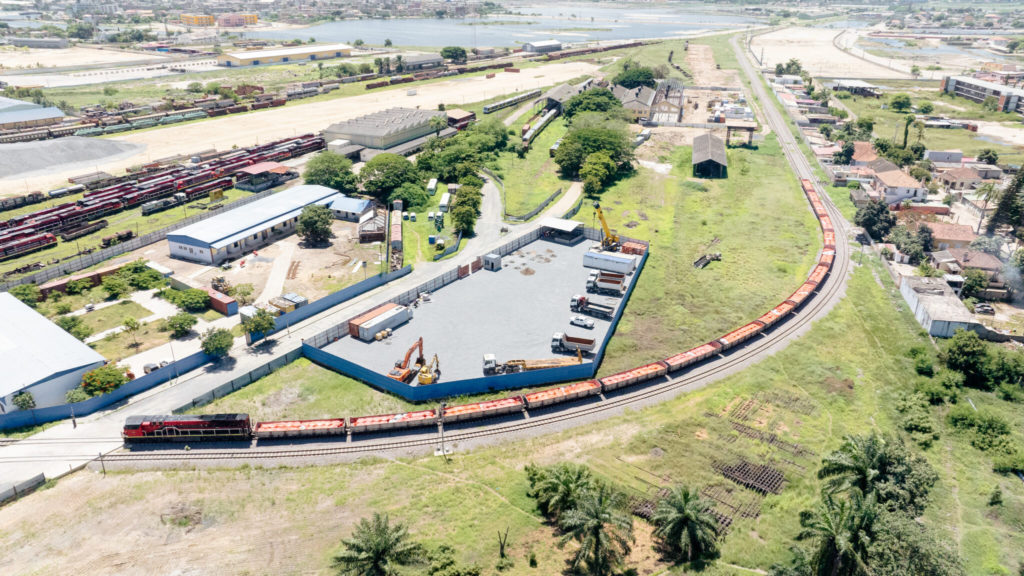
The Africa Finance Corp. intends calling for bids from companies to build a new railway connection between Zambia’s copper-rich region and an existing line that runs to the Angolan port of Lobito in coming months.
The tender will be split into three parts, Samaila Zubairu, the lender’s president, said in an interview in Washington this week. Groundbreaking is set for next year, and contracts will be awarded to build rail links in Angola and Zambia, and provide rolling stock and systems, he said.
The Zambian link to Lobito will be the first major railway built in the nation since China financed and helped construct the Tanzania-Zambia line in the 1970s.
The project is unfolding amid intensifying geopolitical competition for access to Africa’s critical minerals. While Washington has backed the Lobito link, China is undertaking a $1.4 billion overhaul of the Tazara line.
The so-called Lobito Corridor project will help ensure that growing copper output from Zambia and the Democratic Republic of Congo will be able to reach global markets, while creating local jobs in industries such as agriculture that stand to benefit from improved infrastructure.
Africa’s young population is becoming increasingly impatient with a lack of opportunities, and the continent is in a race to create employment, Zubairu said.
“The globe needs to understand that it is in their best interest to work with us to create jobs,” he said. “Because 400 million people without jobs is not just a risk to Africa, it is a risk to the world.”
(By Matthew Hill)

No comments:
Post a Comment