COP30: Global nature goals at risk as conservation projects quietly fail
‘Conservation abandonment’ leads to poor environmental accounting
University of Sydney
As world leaders begin COP30 climate negotiations in Brazil this week, an international team co-led by a University of Sydney researcher has warned of a hidden crisis undermining global biodiversity and carbon targets: the quiet abandonment of conservation projects.
The comment paper, ‘Conservation abandonment is a policy blind spot’, published in Nature Ecology & Evolution, was co-led by Dr Matthew Clark, a postdoctoral researcher in the Thriving Oceans Research Hub at the University of Sydney and an honorary research associate in the Centre for Environmental Policy at Imperial College London.
Dr Clark said that conservatively, US$87 billion is spent annually on conservation programs and that figure can climb to US$200 billion depending on what exactly is counted.
“As we grapple with the biodiversity and climate crises, these required investments are expected to be US$540 billion by 2030 and US$740 billion by 2050,” Dr Clark said. “While these investments are essential for meeting both carbon and biodiversity goals, we have virtually no line of sight on how long these programs endure.
“Evidence suggests at least one third are abandoned just a few years after implementation.
This blind spot potentially compromises progress announced at events like COP, as meaningful ecological recovery can take decades,” he said.
“If we only count the implementation of programs, this will inflate estimates of progress.”
The international viewpoint was co-authored with researchers from Imperial College London, the University of Kent, Monash University and other institutions. The lead authors worked closely with Associate Professor Morena Mills who leads the Catalyzing Conservation group at Imperial College London.
The paper introduces the concept of ‘conservation abandonment’ – where responsible parties simply informally fail to fulfil their duties or where laws or other agreements are formally changed to reverse formal protections.
These abandoned projects, though inactive, are frequently still included in official reporting, masking the true state of environmental protection.
“We’re racing to meet global targets like protecting 30 per cent of land and sea by 2030,” said Associate Professor Carly Cook, a co-author from Monash University’s School of Biological Sciences.
“But no one’s asking if the parks we’ve established are still being managed, or if the projects that we’ve started even still exist in any meaningful way.”
The team found that the legal protection for conservation areas has been undermined more than 3700 times globally in what are called PADDD events (Protected Area Downgrading, Downsizing and Degazettement). Alongside formal rollbacks, they also reveal widespread abandonment of community-led conservation programs in Africa and South America.
In Chile, 22 percent of Territorial Use Rights in fisheries assigned to local communities were later discontinued. In Canada, the formal downgrading in a marine conservation area opened up oil exploratory drilling in 26,450 square kilometres. Morocco and Canada collectively disestablished seven conservation areas totalling 2412 square kilometres.
The authors warn that Australia is not immune, with many programs underfunded or quietly dropped after initial fanfare.
Associate Professor Cook said: “Australia has a disappointing record of reducing protections for national parks and protected areas, including for the Great Barrier Reef.
“We also have a huge network of Marine Protected Areas but there is very little active management or enforcement.” Research from 2021 shows Marine Protected Areas have had protection downgraded 38 times affecting more than 1 million square kilometres.
Her research points to She also points to ongoing concerns in the accounting of carbon offset credits.
The authors call for a global monitoring system to track conservation abandonment, more robust long-term funding and greater transparency in environmental accounting.
“The reality is that the launch of a new conservation project is just the beginning,” Dr Clark said. “These initiatives will need to continue for decades, or sometimes in perpetuity, to yield real change. In many cases, when funding ends or when responsibilities are dropped, we go right back to where we started.”
Joint corresponding author, Dr Tom Pienkowski at the University of Kent, said: “This topic is particularly timely given recent global political events that threaten to erode conservation gains achieved over recent decades.
“The Trump administration has cut more than US$365 million in funding for international conservation initiatives. Such policy changes risk legitimising and foreshadowing an acceleration in conservation abandonment on a global scale.”
The findings arrive as COP30 delegates prepare to assess global progress toward biodiversity and carbon goals, highlighting the urgent need for policies that ensure conservation measures persist over time.
Download an embargoed copy of the paper at this link.
Interviews
Dr Matthew Clark | matthew.clark@sydney.edu.au
Dr Thomas Pienkowski | t.pienkowski@kent.ac.uk
Associate Professor Carly Cook | carly.cook@monash.edu
Media enquiries
Marcus Strom | marcus.strom@sydney.edu.au | +61 474 269 459
Outside of work hours, please call +61 2 8627 0246 (directs to a mobile number) or email media.office@sydney.edu.au.
Comment paper
Pienkowski, T., Clark, M. et al ‘Conservation abandonment is a policy blind spot’. (Nature Ecology & Evolution 2025). DOI: 10.1038/s41559-025-02910-5
Declaration
The authors declare no competing interests.
Background references for Australia
Australia has downgraded protection for protected areas over 1500 times.
Cook, C et al ‘Quantifying the extent of protected-area downgrading, downsizing and degazettement in Australia (Conservation Biology 2017)
Australia has downgraded protection for MPAs more than 38 times, impacting over a million square kilometres
Albrecht, R. et al ‘Protected area downgrading, downsizing and degazettement (PADDD) in marine protected areas’ (Marine Policy 2021)
Australia downgraded protection for part of World Heritage Great Barrier Reef
Qin, S. et al ‘Protected area downgrading, downsizing, and degazettement as a threat to iconic protected areas’ (Conservation Biology 2019)
Journal
Nature Ecology & Evolution
Method of Research
Commentary/editorial
Subject of Research
Not applicable
Article Title
Conservation abandonment is a policy blind spot
Article Publication Date
10-Nov-2025
COP30: Brazil's $125bn forest initiative draws support from dozens of nations
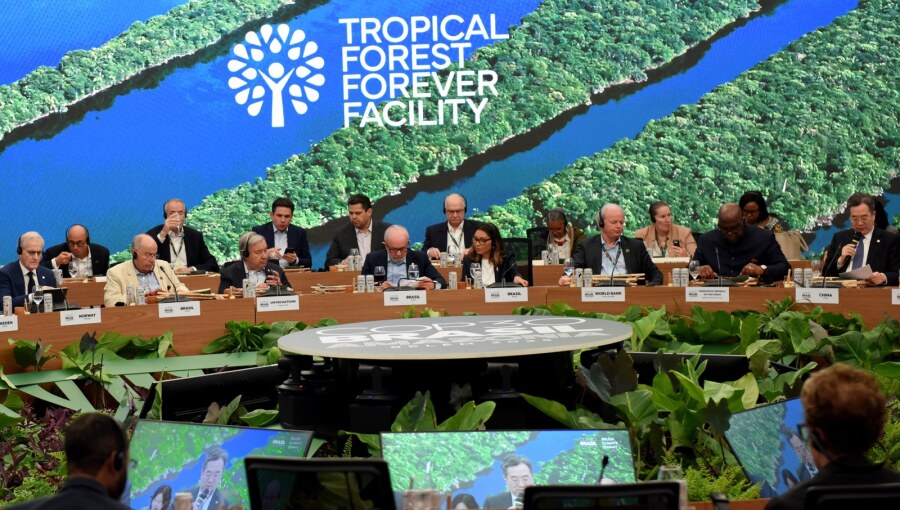
Brazilian President Luiz Inácio Lula da Silva has unveiled an unprecedented global facility to protect tropical forests, obtaining commitments worth several billion dollars from both wealthy and developing nations at the COP30 climate summit.
The Tropical Forest Forever Facility heralds a fundamental transformation in how conservation is financed, seeking to mobilise $125bn through a hybrid structure that combines government capital with private investment to incentivise countries to preserve rather than destroy forest cover.
The launch comes as the UN climate conference, running from November 10-21 in the Amazon city of Belém, faces a credibility test amid geopolitical turbulence and growing scepticism about climate negotiations and multilateralism.
"For the first time in history, countries of the Global South will take a leading role in a forest agenda," Lula da Silva told leaders from more than 30 nations at the launch event on November 6. "In just a few years, we will begin to see the fruits of this fund."
The Brazilian president has positioned the forest fund as a centrepiece of what he calls a "COP of implementation", deliberately staging the summit in the Amazon so the world could "see the region's reality.”
By November 7, Norway had emerged as the largest contributor to the TFFF, pledging $3bn over the next decade subject to specific conditions. Brazil and Indonesia each reconfirmed commitments of $1bn, whilst France indicated it would consider contributing up to €500mn until 2030 under certain conditions. Portugal committed $1mn, with the Netherlands pledging $5mn specifically for the facility's secretariat.
“We really need to go from reducing deforestation to permanently protecting the tropical rainforests,” Andreas Bjelland Eriksen, Norway's environment minister, told CBC News.
“The idea behind the TFFF is to create a permanent revenue stream, making it more profitable to allow forests to stand rather than to cut them down.”
Germany, represented at the summit, fully endorsed the initiative, with Chancellor Friedrich Merz expected to discuss financial commitments with Lula da Silva at a later date.
"We will contribute significantly to this initiative's success," Merz said. "To achieve our climate goals, the tropical forest must be preserved while more private sector funding is mobilised. This can only succeed together with our partners in the Global South and North.”
The launch declaration received endorsements from 53 countries, including 19 potential sovereign investors. Critically, 34 tropical forest nations — covering more than 90% of developing countries' tropical forests — backed the facility, including Indonesia, the Democratic Republic of Congo and China.
The mechanism addresses what Brazilian officials describe as a fundamental flaw in how global markets value forests: economic incentives currently favour clearance over conservation. By establishing permanent financial rewards for preservation, the facility seeks to reverse the logic that drives deforestation.
"This unprecedented innovation in international financial architecture will bring together sovereign and private capital in a robust, long-term mechanism," said Fernando Haddad, Brazil's finance minister, who spearheaded the initiative's development.
The facility's architecture represents a departure from traditional climate finance. Rather than seeking donations, Brazil is requesting investments designed to be repaid over time. The blueprint calls for $25bn in initial capital from governments, which would then be leveraged at a four-to-one ratio to attract $100bn from institutional investors such as pension and sovereign wealth funds.
These resources would be invested in bonds, with annual returns distributed to tropical forest nations that keep deforestation rates below 0.5%, verified through satellite monitoring. At full capitalisation, the facility is projected to generate approximately $4bn annually for conservation efforts.
For Brazil, home to the world's largest tropical forests, this would amount to 26 times the country's current receipts from the Amazon Fund, according to finance ministry calculations.
The facility incorporates several distinctive features aimed at addressing historical shortcomings in forest finance. Most significantly, at least 20% of payments must flow directly to indigenous peoples and local communities, who are widely recognised as effective forest stewards.
"The TFFF boldly and justly acknowledges the essential role of indigenous peoples and traditional communities in forest protection," said Sonia Guajajara, Brazil's minister of indigenous peoples, according to the COP30 press office. "Ensuring that at least 20 % of resources go directly to these guardians is a historic achievement."
The initiative also requires that its investment portfolio exclude assets that cause deforestation or greenhouse gas emissions, including coal, peat, oil or gas activities.
Mauro Vieira, Brazil's foreign minister, pointed to the facility's governance arrangements, noting that forest and sponsor countries would participate on equal terms, in a shift from traditional donor-recipient dynamics.
The World Bank has agreed to serve as trustee and interim host of the facility. Subsequent steps include establishing the Tropical Forest Investment Fund in a national jurisdiction, clearing the path for operations to commence.
However, the plan faces considerable obstacles. The United States, which participated in drafting the plans during the Biden administration, has stopped engagement under President Donald Trump, who has started proceedings to pull out of the Paris Agreement after taking office in January. The UK government has stated it will not contribute public funds at this stage, though it backs the initiative in principle.
And critics have raised concerns about the facility's dependence on bond market performance, which could prove volatile during economic downturns. Paulo de Resende, Brazil’s undersecretary for fiscal and economic affairs, conceded that returns might be insufficient for payments during severe market disruptions, similar to those experienced during the 2008-09 financial crisis or 2020 pandemic, according to The Guardian.
Nevertheless, he said risks had been thoroughly evaluated by the finance ministry, consultants, the World Bank and advisers across multiple countries. The four-to-one leverage ratio is conservative compared with international financial institutions, he noted, and the fund would invest in national and corporate bonds rather than equities, with no more than a 4% holding in any single asset.
"If TFFF is responsible for a 20% reduction in deforestation, then we repay the money in one year," de Resende said, as quoted by The Guardian, noting that 6mn hectares of tropical forest are lost annually, equivalent to 1.8bn tonnes of carbon dioxide. "It is a small risk with an enormous return."
The UN estimates that forest protection and restoration requires mobilising more than $66.7bn annually. The TFFF is designed to complement existing instruments whilst addressing what officials characterise as a critical gap in environmental finance.
Brazil aims to secure approximately $10bn in the fund's first year, with discussions continuing towards the medium-term target of $125bn. Ultimately, the initiative's success will hinge not so much on immediate commitments as on whether it can generate momentum for broader participation from governments and financial institutions that have historically channelled capital towards activities driving deforestation.
Human impact on Amazon forests is transforming its ecological functions and evolutionary history
A new study reveals that the impact humans are having on the Amazon rainforest is so profound it is even changing the evolutionary history and functionality of the forests.
image:
Undisturbed Amazonian forest in the Amazonas state in Brazil.
view moreCredit: Cássio Alencar Nunes
A new study reveals that the impact humans are having on the Amazon rainforest is so profound it is even changing the evolutionary history and functionality of the forests.
As the world gathers at COP30 to discuss climate in the world’s largest rainforest, the focus is often on the carbon that these forests either store or sequester.
However, tropical forests are much more than just carbon: they are among the biggest reservoirs of biodiversity on the planet. For example, the Amazon holds up to 16,000 species of tree alone, with a single hectare frequently holding more than 300 species. In comparison, the UK has just 32 species of native tree and the whole of Europe has around 450.
A new study, published in Global Change Biology, by an international team of researchers from Brazil and the UK and led by scientists at the universities of Lancaster and Oxford, shows that human disturbances – from logging and fires of primary forests, or the clear felling and forest recovery after land abandonment (secondary forests) – brings about a comprehensive change in these hyper diverse tree communities.
And that the effects of human disturbance are so great they swamp the different ways scientists have at looking at changes in diversity.
Scientists have spent the last two decades advancing ways to measure changes in biodiversity, developing ‘functional’ approaches that use traits (such as bark thickness, wood density, leaf area and micronutrient content of leaves) to understand the link between tree species and what they do in an ecosystem, and ‘phylogenetic’ methods that assess how each species relate to one another through evolution.
“While these advances are important, our results show that when it comes to understanding human influences on rainforests, it does not matter much - human influences are so profound that all measures are changing, and it is the disturbance itself that determines the degree of change,” said Brazilian-born Dr Erika Berenguer, of Lancaster University and the Environmental Change Institute at the University of Oxford, who co-led the study.
The researchers sampled more than 55,000 trees of different sizes across 215 plots in two regions of the Eastern Amazonia. The plots represented a range of human impacts – from undisturbed primary forests, to primary forests that had been selectively logged, primary forests that had been logged and burned, and secondary forests.
For each plot, the scientists measured the diversity of species of trees, the diversity of functional types of trees (linking the tree traits to the ecological functions those trees have in the forests), as well as the diversity of tree evolutionary groups within the forests. This helped to get a comprehensive measure of the composition and ecological diversity of the forests.
The expectation is that forests that are more diverse – composed of more species, more functional types and more lineages that have evolved along different paths – should be more resilient because of that different evolutionary history and functional contribution.
They found that all human disturbances – including logging, wildfires and clear felling followed by regrowth negatively impacted all measures of tree diversity.
The findings highlight that even activities that are considered as sustainable management, such as selective logging, have profound impacts on the diversity of trees, which constitute the structure of a forest and represent the primary energy source for a multitude of other species.
Secondary forests allowed to regrow after clearance were found to be the most ecologically and evolutionarily distinct from their undisturbed primary counterparts – which researchers say is unsurprising considering clear felling is the most severe form of human change.
“Disturbed primary forests and secondary forests had lower numbers of tree species, but also lower numbers of evolutionary lineages and functional types of trees,” said Dr Cássio Alencar Nunes of Lancaster University and the Universidade Federal de Lavras in Brazil, and who co-led the study. “However, it wasn’t just the numbers that were lower, but also the identity of the species, lineages and functional types changed after disturbance. Disturbance is not only resulting in impoverished tree diversity, it is changing the species composition of human-modified Amazonian forests. An example of this is we find disturbed forests see a greater prevalence of ‘pioneer’ tree species and much fewer of the larger slower growing species we find in undisturbed forests.”
The study’s findings highlight the damaging impacts of humans on the diversity of tropical forests and the importance of protecting the remaining undisturbed areas from selective logging and wildfires.
Professor of Conservation Science at Lancaster University, Jos Barlow, said: “Our findings show that human-modified forests are fundamentally different from their undisturbed counterparts. As the Amazon faces mounting human pressures, conserving remaining undisturbed forests is essential — not only for their carbon-storing potential but also to preserve the deep evolutionary heritage that has shaped one of our planet’s most diverse ecosystems.
“However, our results also demonstrate the value of disturbed forests when compared to forest regeneration after clear felling. This highlights the importance of novel protection mechanisms such as the Tropical Forest Forever Facility (TFFF) that provide a way of funding the conservation of all forests, and not just those that remain unimpacted by humans.
Dr Berenguer said: “Although the focus of COP30 is mostly on carbon, linking climate discussion with biodiversity is essential if we want to overcome the climate and biodiversity crisis. Ultimately, biodiversity is what guarantees the provision of ecosystem services such as carbon sequestering and stocking. Given that disturbed forests presented impoverished and distinct tree compositions, it is expected that large areas of the Amazon are already unable to provide the full range of ecosystem services found in undisturbed primary forests.”
The findings are detailed in the paper ‘Multi-faceted assessment of Amazonian tree diversity reveals pervasive impacts of human modifications’.
This work was developed as part of a long-term research programme (PELD-RAS) funded mainly by Brazil (CNPq), the UK (UKRI and DEFRA’s Global Centre on Biodiversity for Climate) and BNP Paribas Foundation’s Climate and Biodiversity Initiative
DOI: 10.1111/gcb.70595
Fieldwork team measuring trees in the Brazilian Amazon
Fieldwork team measuring trees in the Brazilian Amazon
Credit
Adam Ronan/ Rede Amazônia Sustentável.
A burned primary forest in Brazilian Amazon. The forest burned in 2015 and in 2023. The photo was taken in 2024, approximately one year after the fire.
Credit
Cássio Alencar Nunes.azônia Sustentável.
Journal
Global Change Biology
Method of Research
Experimental study
Article Title
Multi-faceted assessment of Amazonian tree diversity reveals pervasive impacts of human modifications
Article Publication Date
10-Nov-2025
COP30: France's Fontainebleau forest serves as ‘laboratory' for climate change adaptation
France’s Fontainebleau forest – one of the world's first nature reserves – has felt the impacts of the climate crisis for many years. As the world’s nations meet for the COP30 climate talks, this forest just 60 kilometres southeast of Paris serves as a “laboratory” for how to adapt woodlands to a warming world.
Issued on: 10/11/2025
By: Charlotte WILKINS
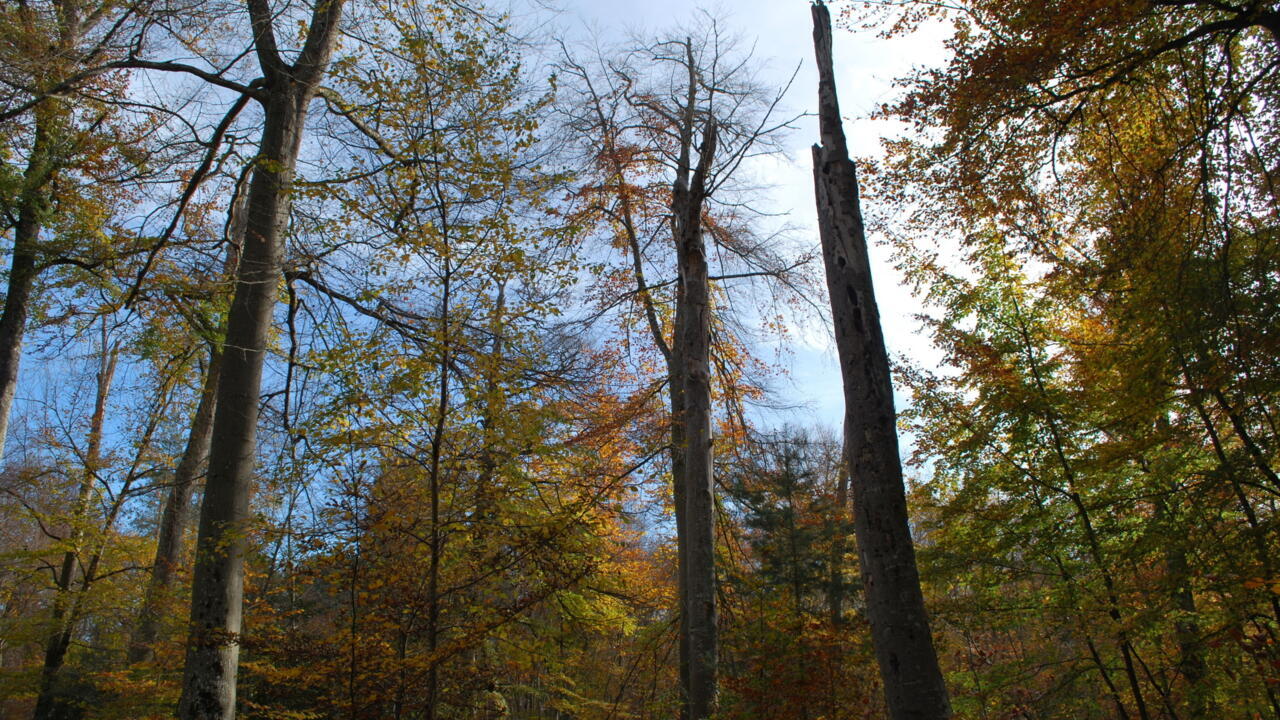
The sunlight filtered through the ancient oak trees to the sound of birdsong and the crackle of autumn leaves underfoot.
At first glance the scene might have come from a painting by Camille Corot or Théodore Rousseau or any of the other artists who settled in the village of Barbizon on the edge of the Fontainebleau forest in the 1830s, setting up studios outdoors to draw directly "from nature".
But on a bright November morning a couple of centuries later, the signs of the climate crisis were all too plain to see.
The needles of some of the parched Scots Pines had turned red and fallen to the ground months before.
The crown of one of the towering oak trees – usually a bright and luxuriant orange at this time of year – was completely bare.
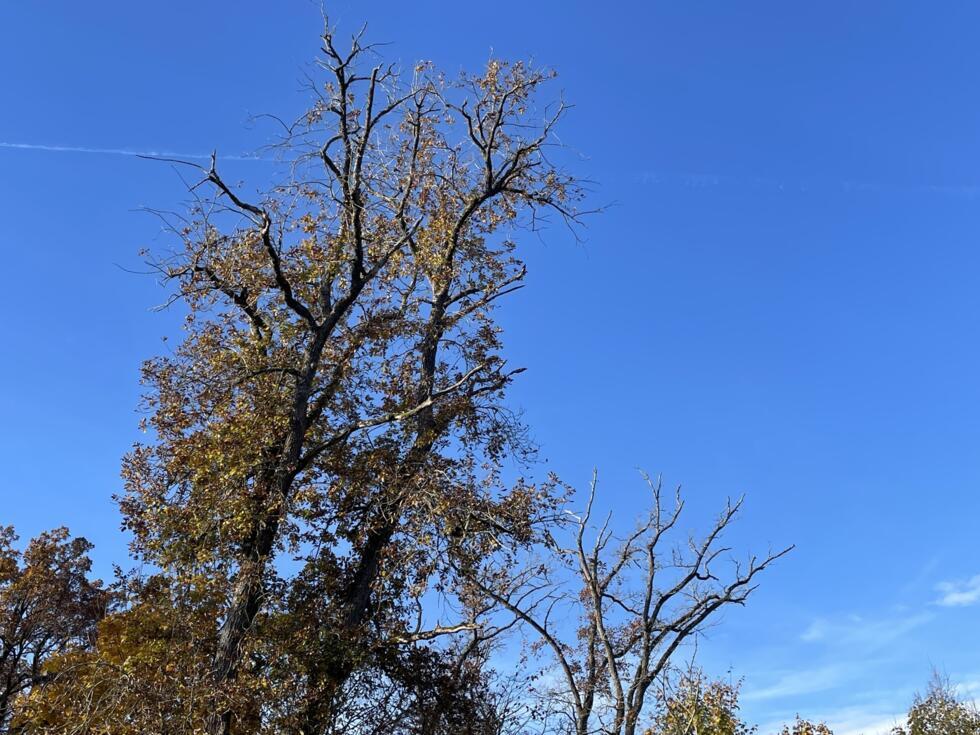
“This tree suffered from hydric stress and cavitation,” explained Alexandre Butin, the deputy head of the ONF's (National Forestry Office) regional unit that manages the 25,000 hectares of forest lying some 60 kilometres southeast of Paris.
“The tree’s roots struggled to absorb water from the forest’s soil. Air bubbles formed in its vessels, preventing sap from reaching the branches,” he said, gesturing to the tree’s naked and stunted boughs that continued to reach for the sky. The thirsty tree could no longer breathe and died from suffocation.
A few hundred metres away in the undergrowth stood a “cemetery” of beech trees. Their fine and delicate bark makes them particularly susceptible to intense heat.
READ MOREPrivate French forests become lucrative targets for timber thiefs
“They have no suncream to put on,” quipped the forester, as he gave one of the fragile trunks an affectionate pat.
“These trees are the visible face of the effects of global warming,” said Butin, adding that a perfectly healthy tree can die in just 15 days.
A 'pilot site that offers solutions'
The impact of the climate crisis in Fontainebleau was first felt many years ago. The trees sit on a fine sandy floor which struggles to retain water, making the forest particularly vulnerable to the ravages of climate change: intense droughts, unpredictable rainfall, violent storms and forest fires.
This summer alone, around 50 fires – often sparked by a stray cigarette butt from one of the millions of visiting tourists – blazed through the forest, burning through four to five hectares of land.
Every year since 2017, when the ONF launched the DEPERIS protocol to monitor the forest’s health and track fires, drones fly overhead and scan around 765 deciduous trees. A tree in perfect health is graded A while those considered to be “completely degraded” are ranked as F.
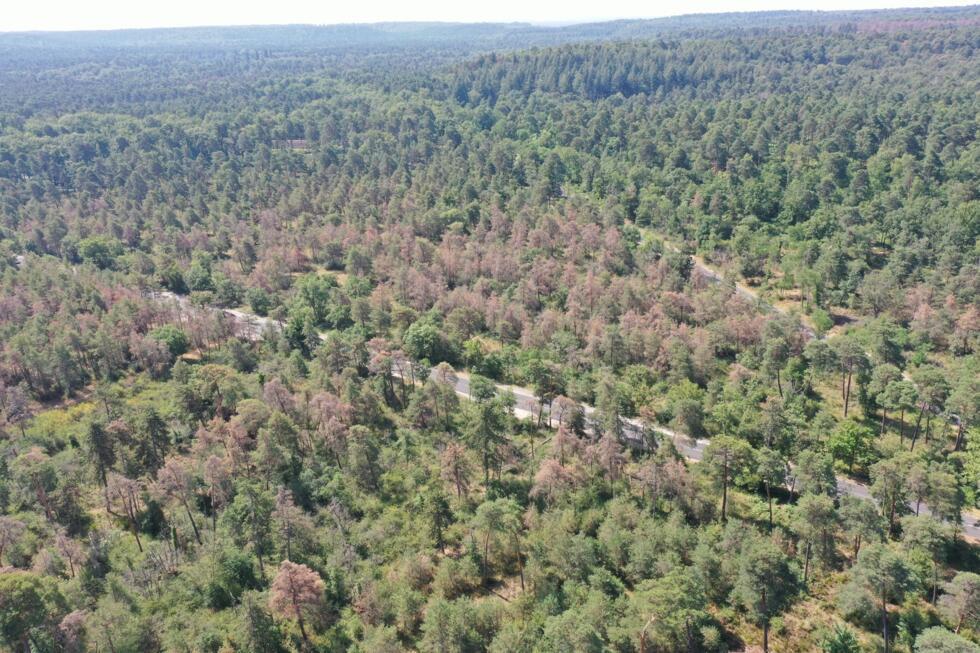
In just seven years, the number of trees rated between D and F has almost doubled, rising to 40%, with a peak of 48% during the drought of 2022 – a particularly devastating year for the forest.
But the unforgiving soil has also put the foresters at Fontainebleau ahead of the curve, Butin explained, adding that his fellow foresters – who were only just beginning to see the impacts of the climate crisis – came to study what the ONF calls a “laboratory for adaptive forest management”.
“We are a sort of pilot site that offers solutions,” said the jovial Butin. “We like to say we’re about 20 years ahead of our colleagues in other regions.”
New seedlings planted each winter
In 2021, faced with alarming reports on the health of the trees, the ONF decided to give the forest “a helping hand” by diversifying species and planting around 60,000 new seedlings each winter.
Just a few metres from the forest trails, young downy oak trees – prized for their longevity, resistance to drought and fine grain – grew in plastic tubes amid the surrounding bracken and ferns.
The downy oak is also favoured by foresters for its strong genetic adaptability – it can pass on its entire “history” to subsequent generations, giving it greater resilience to climatic variations.
Other oak saplings stood in wooden enclosures fringed by barbed wire and birch trees to protect them from wild boars, and from direct exposure to the heat and the wind. Some of the seedlings were planted in small groups so they could compete with each other for sunlight while others grew in isolation.
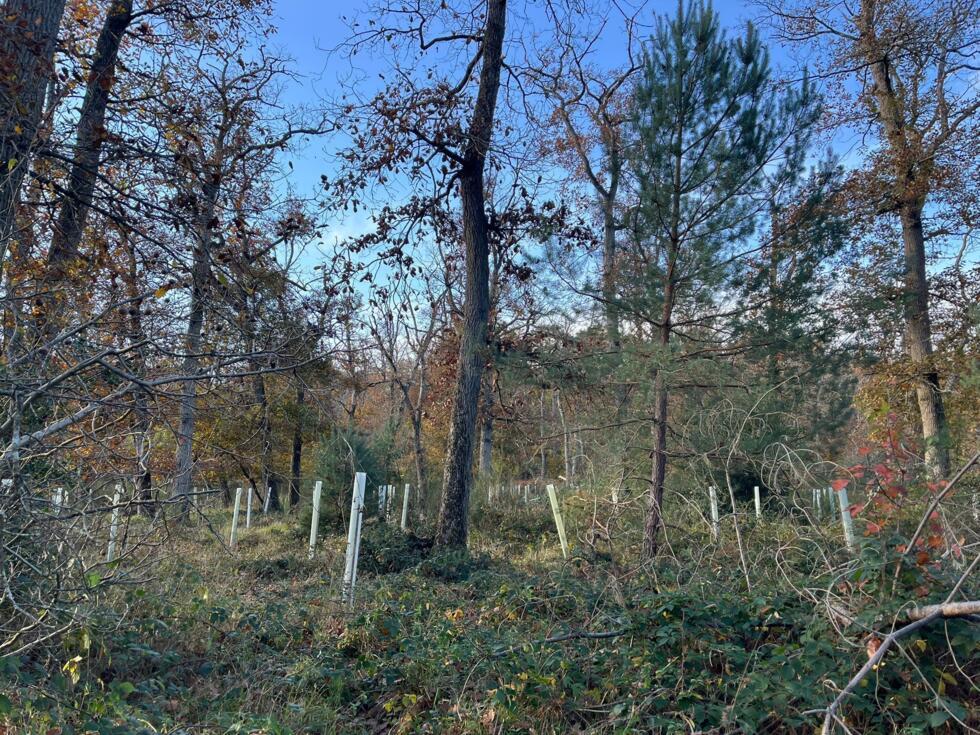
And alongside the traditional oaks, beeches and Scots pines, the foresters have planted southern European species that are more resistant to drought: service trees and fruit trees such as pear and apple.
“We let nature take its course whenever possible. But in areas where the soil is very poor and tree species are unable to regenerate on their own, we try to help them,” said Butin, adding that the ONF intervenes in around 20-30% of the forest.
Always taking their cue from the state of the soil, the foresters also assess how best to structure and layer the forest with trees of different heights and diameters to build its resistance and prevent it from “collapsing like a house of cards”.
Otherwise, “An entire forest can be wiped out in a storm,” said Butin.
‘Mosaic forest’
Over centuries of both human influence – woodcutting and grazing – and natural regeneration, Fontainebleau evolved into a “mosaic forest” – a patchwork of mini-forests made up of birch groves, oak plantations, sandy clearings, rock formations, silvery ponds and wetlands.
It is partly this variety of ecosystems that draws so many of the forest’s tourists – roughly 11 million ramblers, rock climbers, campers, cyclists and horse riders visit each year.
The foresters hope that the pockets of new plantations will gradually blend into the patchwork to increase its resilience.
“Not all trees grow at the same pace. We want to have enormous diversification in our forests, meaning at least five species,” said Butin.
“The idea is not to put all our eggs in one basket,” he said. Indeed Butin’s role is akin to that of an orchestra conductor – he juggles managing the trees’ health and the forest’s biodiversity alongside the demands of the timber industry and the visiting tourists.
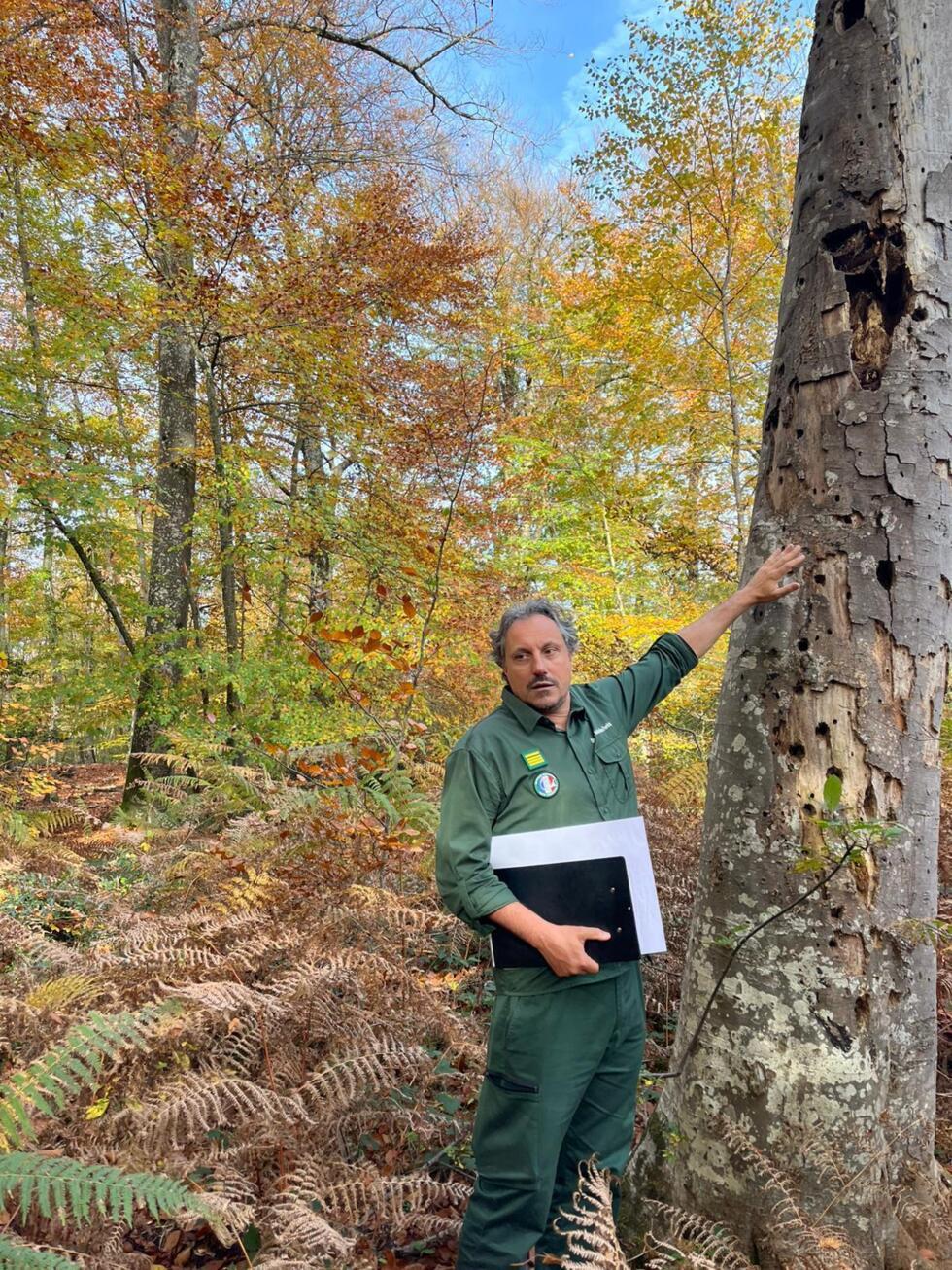
A tree in perfect health that risks falling on a picnic table will be removed. But most of the trees that have either died from “hydric stress” or cavitation or been felled by a vicious storm are left on the ground. Their decaying trunks provide shelter and food to hundreds of insects, mosses, lichens, birds and bats – boosting roughly 30% of the forest’s biodiversity.
“Fontainebleau is a good place to experiment with adaptation,” agreed Xavier Morin, director of the Centre for Functional and Evolutionary Ecology in Montpellier. “As soon as there is a slight drop in rainfall, there are major impacts.”
Since the Fontainebleau forest “also shares many characteristics with lowland forests in central France", the measures implemented here can be replicated in other French forests, the forest ecology researcher added.
In the early 19th century, the artists who became known as the Barbizon School of painters protested against the timber industry’s felling of Fontainebleau’s oak trees – saying they were ruining the forest’s landscape.
By 1861 –11 years before Yellowstone in the US was made a national park – Napoleon III decreed that 1,000 acres of the forest at Fontainebleau would be an “artistic reserve” – effectively creating the world’s first conservation site.
Now it’s the turn of the foresters to continue to protect the woodlands’ shifting landscape from the ravages of climate change.
“I trust in nature, and we are here to help her. Nature regularly reminds us of the humility we must have in the forest,” said Butin.

Cocoa’s role in reforesting the Amazon
Issued on:
The surge in cocoa prices in recent years has become a hot topic in the Amazon and is driving a growing movement among rural producers to reduce their cattle herds and invest in cocoa cultivation instead. In addition to a promising source of income, cocoa is also emerging as a potential driver of the restoration of deforested areas. Find out more in this third episode of our series, Showing the Way to a Sustainable Amazon.
Oil drilling to begin in part of Brazil's Amazon rainforest
Issued on: 10/11/2025
FRANCE24
05:26 min

As the COP30 climate summit opens in the Brazilian Amazon city of Belem, Brazil is stepping up its race for oil. The government agency in charge of environmental protection recently authorised oil giant Petrobras to drill several oil wells at the mouth of the Amazon River. Environmental protection groups predict the move will lead to an ecological and social disaster. But on the border with French Guiana, many in the town of Oiapoque are eagerly awaiting the oil. FRANCE 24's Marine Resse, Fanny Lothaire and Jan Onoszko report.
Biggest polluters skip COP30 for Europe to pick up climate tab
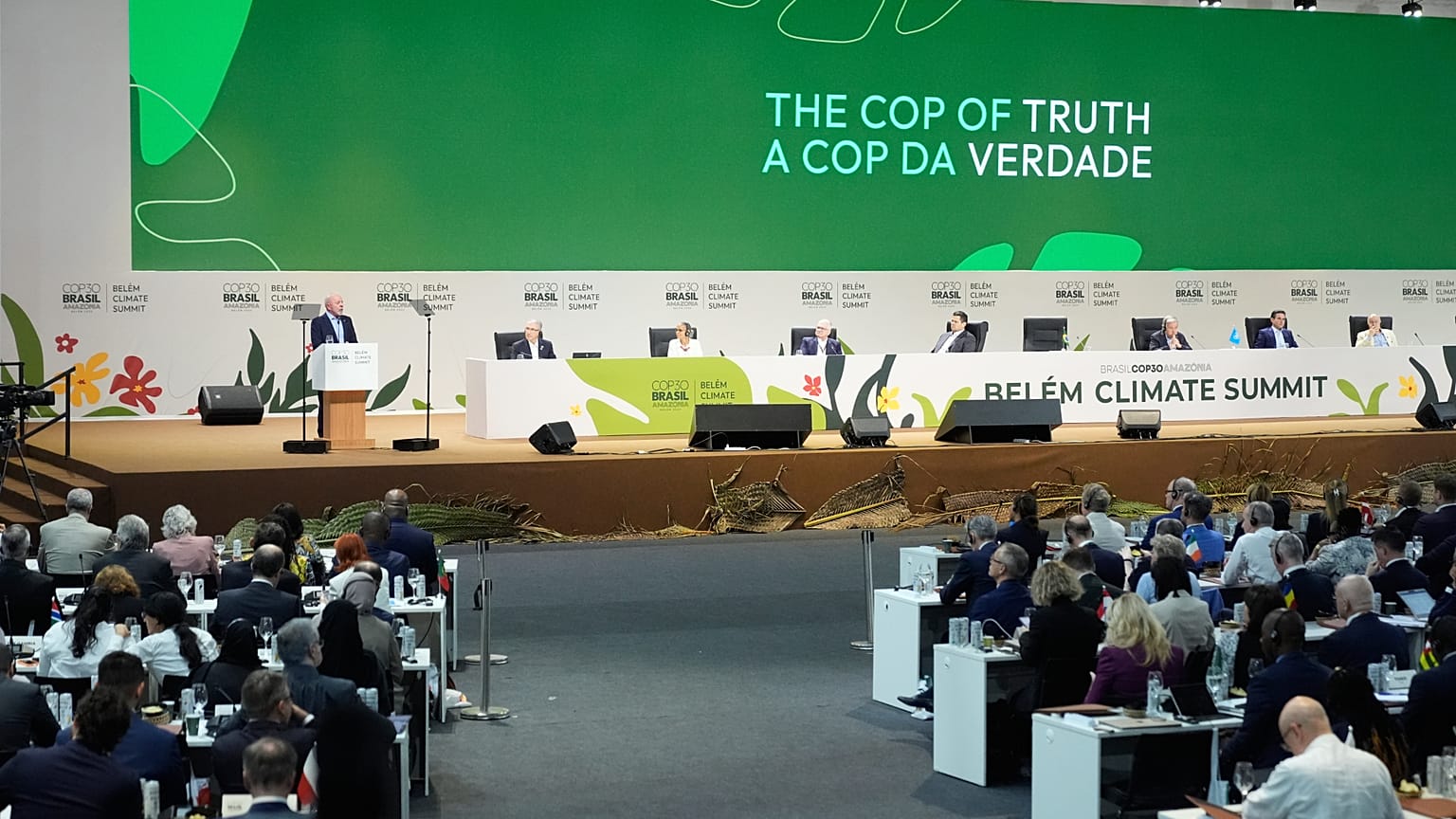
Leaders of the United States, China and India, the world's three biggest polluters, won't attend the COP30 in Brazil as the European Union promises to stay engaged but faces financing hurdles at home.
As European leaders gather at the COP30 to discuss climate mitigation and financing for developing countries, the world's biggest polluters won't be setting foot at the United Nation's annual climate summit kicking off on Monday in the Brazilian city of Belém.
The United States, China and India will be skipping for the most part the gathering as the global momentum to fight climate change recedes, leaving the European Union almost alone in its efforts to assist developing nations looking for technology and financial resources to combat the impact of climate change.
For Europe, it is a delicate balancing act as it tries to stay engaged and make good on its climate pledges but also facing a fast-changing set of priorities at home as the focus turns to rearming and boosting defense capabilities. Meanwhile, the US, China and India are turning their efforts to bolster national industrial capacities and their domestic agenda.
Chinese President Xi Jinping won't attend COP30, but his Vice Premier Ding Xuexiang will represent Beijing while India's Prime Minister Narendra Modi delegated the country's representation to its Ambassador to Brazil, Dinesh Bhatia.
The United States snubbed COP30 entirely, with no Washington delegates attending the UN climate summit. Washington's absence was an expected outcome following its withdrawal from the Paris Agreement, which marks 10 years since world leaders pledged to limit global warming to 1.5°C relative to 1990 levels.
China (29.2%), the United States (11.1%) and India (8.2%) account for nearly half of the world's emissions, compared to the mere 5.9% coming from the EU27, according to 2024 data from the EU's Joint Research Centre.
Drowning in responsibilities
World leaders are working to scale up climate financing for developing countries to address the impact of climate change, including flooding, heat waves, and food security challenges.
With the biggest polluters dropping out, particularly the United States under Trump, European countries will find themselves alone in the quest to raise the much-needed funds to maintain global climate action.
In 2024 alone, the EU and its member states contributed €42.7 billion in international public and private finance, according to the European Council.
Building on last year's COP29 in Baku, the Global South is calling for at least $1.3 trillion (€1.12 trillion) annually from the world's wealthiest nations. Last year, the most advanced economies pledged to unlock $300 billion (€259 billion) per year to mitigate climate change. Still, developing nations considered that insufficient.
"At COP30, developing nations are demanding more than vague promises (...) Belém must deliver a concrete plan where those responsible pay the most," read a statement on X from think-tank Power Shift Africa, which specialises in climate and energy.
European Commission President Ursula von der Leyen said the COP30 must be the summit that delivers for countries vulnerable to climate change. She addressed leaders in Belém during a pre-COP event in Brazil where French President Emmanuel Macron and UK Prime Minister Keir Starmer were also participating.
"We remain the largest contributor of climate finance in the world (...) through the Global Gateway, we will continue to mobilise investment in the clean transition worldwide," von der Leyen added, referring to the bloc's initiative to invest in green and critical infrastructure outside of Europe.
European Commissioner for Climate Action Wopke Hoekstra said the bloc is staying on course, doing its part to limit GHG emissions, and encouraged other nations to tackle global warming.
“The whole world must come together to achieve net-zero emissions. Europe accounts for only 6% of global emissions. We urge others to do their fair share — particularly those in the developed world and in the developing world qualified as upper-middle-income countries,” Hoekstra told Euronews.
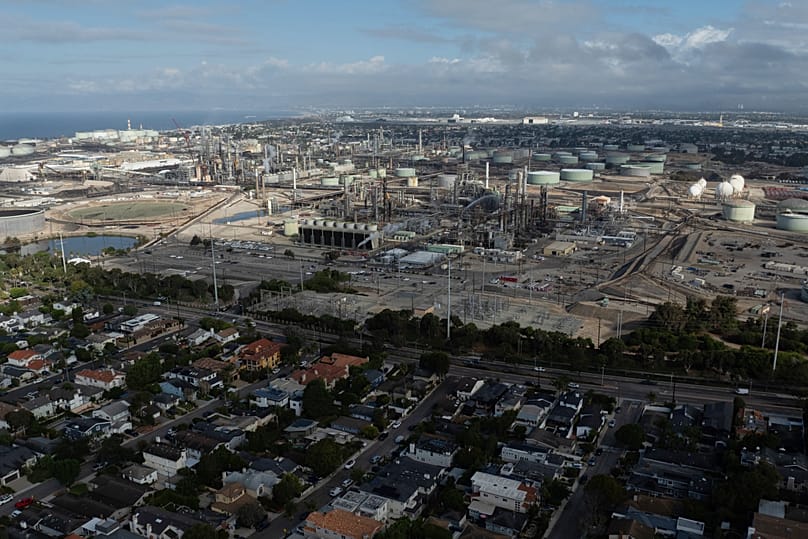
Climate urgency and skepticism
COP30 begins at a moment of both urgency and scepticism.
Climate scientists argue that faster action is needed to limit global warming to below 1.5°C. Critics argue that the summit won't make a difference or instill meaningful changes in its implementation.
Austrian European lawmaker Roman Haider (Patriots for Europe) regretted the direction the EU's energy and climate transition is taking, arguing that it is making Europe poorer by offshoring jobs and industries to countries with less stringent rules.
"The COP summits have become nothing more than a global ATM, designed to extract billions from Europe's hardworking taxpayers and funnel them into endless climate handouts that deliver zero results," he told Euronews.
"Our so-called leaders in Brussels are committed to a suicidal green crusade while China and India laugh behind closed doors," he added.
However, environmental groups remain united in their climate advocacy.
Chiara Martinelli, director at the NGO Climate Action Network Europe urged EU leaders to deliver an ambitious and fair global package of outcomes and to "restore faith in international cooperation" even if the United States falls behind.
“The EU’s political force at COP30 must be unwavering and tirelessly working to close the emissions, finance, justice and solidarity gaps — working with others to keep 1.5°C alive (...) multilateralism can still deliver justice, stability, and security in an increasingly fractured world,” said Martinelli.
COP30: EU backs global carbon market alliance to crack down on CO2 emissions
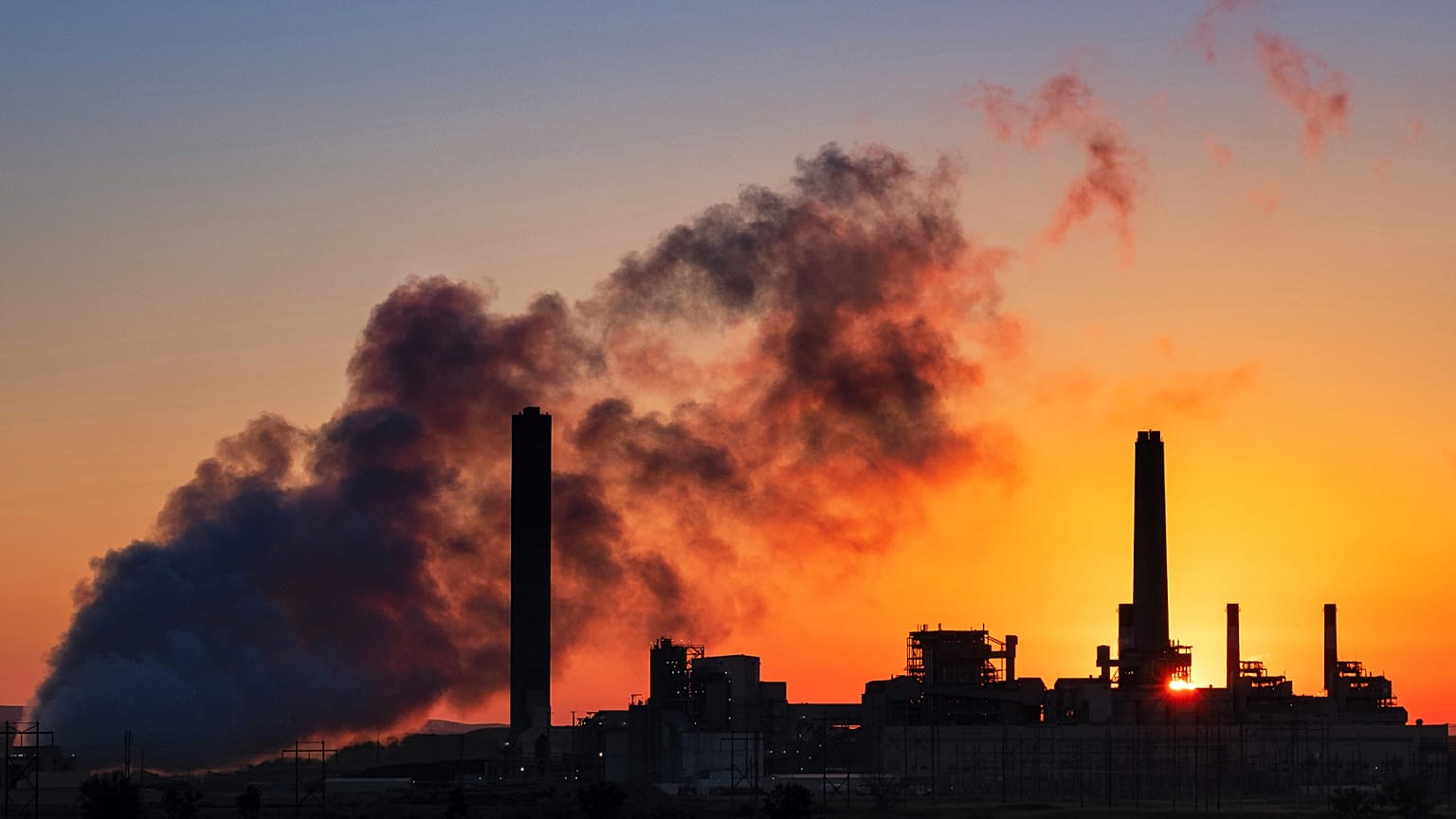
The European Union and Brazil urged other countries to embrace mechanisms that put a price on carbon and develop carbon markets to finance global climate action. Critics argue the decision could undermine domestic climate ambition and jeopardise financing for restoring natural carbon sinks.
The European Union and Brazil launched an appeal calling on other nations to recognise carbon pricing as a pragmatic way to cut emissions and fund the green transition, as world leaders gather at the COP30 United Nations climate summit.
The global bid aims to form a coalition of countries willing to raise funds from carbon pollution and invest them in clean technologies to help cut greenhouse gas (GHG) emissions.
The revenue would help countries to implement their national climate plans and continue working to deliver on the Paris Agreement adopted 10 years ago at COP21.
The declaration, unveiled on Friday as an output of the pre-COP30 leaders meeting, is a symbolic way to encourage world nations to develop strategies and establish carbon markets akin to the EU's emissions trading scheme ETS, in place since 2005.
Under the ETS, the EU makes companies pay for the emissions they produce. The bloc's carbon pricing system has slashed GHG emissions by 50% relative to 2005 and generated over €250 billion in revenue, according to the European Commission
Commission President Ursula von der Leyen confirmed the bloc's support for the declaration — endorsed by the likes of France, Germany, the UK, China and Brazil — and recognises carbon markets as a driver of climate action.
"Carbon pricing has become a central tool to reduce greenhouse gas emissions with a strong business case for the economy and for the people. We want to work closely with Brazil and with many like-minded partners on putting a price on carbon," von der Leyen said.
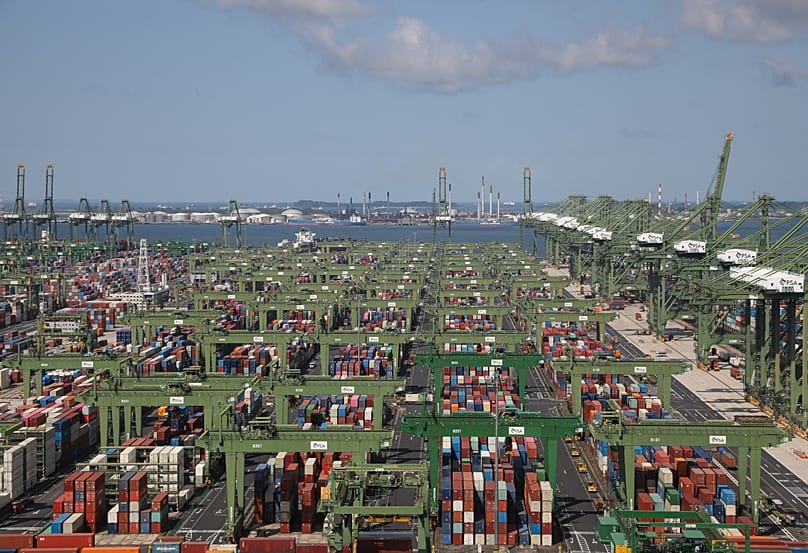
Advocates of this mechanism argue that having a credible carbon market in place would give investors the certainty to unlock financing for projects that cut or capture GHG emissions, such as reforestation, renewable energy, or low-carbon industries.
Critics say that putting the spotlight on carbon pricing could divert attention from real emissions-cutting, like investing in restoring natural carbon sinks, like forests and oceans.
Carbon pricing jurisdictions
Around 55 national jurisdictions currently implement carbon-pricing initiatives — either carbon taxes or emissions-trading systems accounting for around 28% of global GHG emissions, World Bank data reveals.
These represent half of global emissions from the power and industrial sectors.
World Bank Senior Managing Director Axel van Trotsenburg hailed carbon pricing as a "powerful tool" that can help countries cut emissions, raise domestic revenues in tight fiscal environments and boost green growth and job creation.
"Carbon credit markets can also help mobilise private capital and channel funds to development priorities," Trotsenburg said.
Mathilde Mignot, group director, nature & technology-based solutions at Schneider Electric Advisory Services, and an advocate of carbon credits as a "credible climate tool," said global decarbonisation demands unprecedented investment, with developing countries alone needing $1 trillion annually by 2030.
“Carbon credits offer a proven mechanism for organisations to support verified climate action while building strategic value,” Migbot said.
But environmental groups remain sceptical of carbon taxation and have spoken out against it in the run-up to COP30.
“Carbon markets are a new way for billionaires and corporations to extract more wealth from our territories," said Anderson Amaro, a member of Brazil's Small Farmers' Movement and the Latin American Coordination of Rural Organisations.
"They win twice, with permission to expand activities related to fossil fuels and with profits from carbon, water and biodiversity offset markets," Amaro concluded.

As world leaders prepare to gather in Belém, Brazil for COP30, the global climate conversation is once again at a crossroads. The stakes are high, the science is clear, and the political will – at least in some quarters – remains uneven. In this landscape, China’s recent climate commitments and its expanding green economy stand out not just for their scale, but for their strategic clarity.
Last month, China announced its new climate targets for 2035. These include a pledge to cut greenhouse gas emissions by 7 to 10 percent, increase the share of non-fossil fuels in its energy mix to over 30 percent, and expand wind and solar capacity to six times its 2020 levels. The country also aims to boost forest stocks and make electric vehicles the mainstream choice for new car sales. These are not abstract goals. They are measurable, sector-specific, and timed to align with the next phase of global climate action.
Contrast this with the United States, which under President Trump has withdrawn from the Paris Agreement and halted climate funding for developing countries. At home, the administration continues to promote oil and gas exploration, including drilling in sensitive areas like Alaska’s Arctic National Wildlife Refuge. The message is clear: domestic energy dominance takes precedence over global climate cooperation.
This divergence between the world’s two largest economies is not just a matter of policy. It reflects two fundamentally different approaches to globalization, development, and responsibility. China sees climate action as an opportunity to lead in emerging industries, build strategic partnerships, and reshape its domestic economy. The United States, at least for now, views climate commitments as constraints on its energy sector and sovereignty.
The implications for COP30 are significant. Developing countries, many of which are on the frontlines of climate change, are looking for leadership and support. With the United States stepping back, China’s role becomes more central. Its decision to offer zero-tariff access to green technologies and its investments in solar, wind, and electric vehicles have already helped drive down global costs. These are tangible contributions that go beyond rhetoric.
China’s green transformation is not without challenges. Coal still plays a role in its energy mix, and balancing economic growth with environmental sustainability remains a complex task. But the trajectory is clear. The country is investing in innovation, scaling up renewables, and integrating climate goals into its broader development strategy. Its 15th Five-Year Plan, currently under discussion, is expected to further embed these priorities.
What makes China’s approach noteworthy is its emphasis on systemic change. Rather than treating climate policy as a separate domain, it is woven into industrial planning, infrastructure development, and international trade. The Belt and Road Initiative, for example, now includes a “Green Silk Road” component aimed at promoting sustainable projects across Asia, Africa, and Latin America. This is not just about optics. It reflects a recognition that climate action must be global, inclusive, and economically viable.
The economic logic is compelling. China’s dominance in photovoltaic manufacturing and battery technology has created economies of scale that benefit other countries. Its electric vehicle sector, supported by domestic demand and policy incentives, is now a global leader. These industries are not only reducing emissions but also creating jobs, stimulating investment, and offering alternatives to fossil fuel dependence.
For developing countries, this matters. Access to affordable green technology can accelerate their own transitions, reduce energy costs, and improve resilience. China’s willingness to share these technologies – through trade, investment, and cooperation – positions it as a partner rather than a gatekeeper.
Of course, climate diplomacy is not a zero-sum game. The European Union continues to play a constructive role, and many U.S. states and cities remain committed to climate goals despite federal retrenchment. But the absence of coordinated U.S. leadership at COP30 will be felt. It creates a vacuum that China, through its actions rather than declarations, is increasingly filling.
This shift is not without geopolitical implications. Climate policy is becoming a dimension of soft power, a way to build influence and shape norms. China’s proactive stance allows it to engage with countries on terms that emphasize mutual benefit and shared responsibility. It also offers a counter-narrative to the idea that climate action must come at the expense of growth.
As COP30 begins, the question is not whether China is doing enough. It is whether others are willing to match its pace, scale, and seriousness. The climate crisis demands collective action, but leadership matters. China’s recent announcements suggest it is ready to lead – not by imposing its model, but by demonstrating what is possible when climate policy is treated as a strategic priority.
The success of COP30 will depend on more than pledges. It will hinge on the credibility of commitments, the availability of resources, and the willingness to cooperate across divides. China’s climate strategy, grounded in domestic transformation and international engagement, offers a framework that others would do well to study. It is not perfect, but it is pragmatic, ambitious, and increasingly influential.
If the world is to make real progress in Belém, it will need more than declarations. It will need examples. And right now, China is providing one.
Dr. Imran Khalid
Dr. Imran Khalid is a geostrategic analyst and columnist on international affairs. His work has been widely published by prestigious international news organizations and journals.

ABr
By Rafael Cardoso
A report released this week by the Climate Policy Initiative (CPI) research center at the Pontifical Catholic University of Rio de Janeiro (PUC-RJ) shows that investments in climate action in Brazil have more than doubled since 2019, reaching USD 67.8 billion in 2023.


“In Brazil, mobilizing climate finance is crucial to achieving the country’s climate and development goals, promoting greater adaptation to climate change, and reducing socioeconomic vulnerabilities,” says Joana Chiavari, research director for the initiative.
The increase was driven by the energy as well as the agriculture, forestry, and other land use (AFOLU) sectors. In the energy sector, solar expansion raised investments from USD 9.5 billion in 2020 and 2021 to USD 22.4 billion in 2022 and 2023. In the case of AFOLU, the volume almost doubled in the same period, from USD 14.9 billion to USD 28 billion, with an emphasis on sustainable crops, agroforestry, and ranching.
Despite their climate relevance, forests received only one percent of the total. Investment plummeted from USD 1.5 billion in 2019 to USD 254 million in 2023.
“The low investment in forests reveals how their role in the climate agenda is still an underutilized opportunity. To advance the fight against climate change, forests need to be understood as key assets,” said Juliano Assunção, the initiative’s executive director.
Domestic sources accounted for 90 percent of total investments mapped from 2019 to 2023. Private sources accounted for more than two-thirds of the funds in 2022 and 2023, with financial institutions, households, and companies standing out. In public financing, the federal government and the Brazilian Development Bank (BNDES) led the way, with an average of USD 6.6 billion and USD 7.2 billion, respectively.
The portion allocated to mitigation accounted for 79 percent of the total, while adaptation accounted for seven percent, and dual objectives accounted for 11 percent. Losses and damages, although still a minority, grew from USD 0.2 billion in 2019 to USD 2.2 billion in 2023. In 2024, after the climate tragedy in Rio Grande do Sul state, they reached USD 8.1 billion.
The mapping is said to create a baseline for monitoring the alignment of investments with the climate agenda in the coming years, amid expectations generated by the commitment announced at COP29 to mobilize USD 300 billion by 2035 – given the estimate that the world will need USD 1.3 trillion to respond to the climate crisis.
ABr
Agência Brasil (ABr) is the national public news agency, run by the Brazilian government. It is a part of the public media corporation Empresa Brasil de Comunicação (EBC), created in 2007 to unite two government media enterprises Radiobrás and TVE (Televisão Educativa).
COP30 climate summit: 'We expect action and implementation,' head of WWF France says
Issued on: 10/11/2025
09:35 min
From the show

The head of the World Wide Fund for Nature France has told FRANCE 24 that the world needs action and implementation as world leaders meet in Brazil to decide how to combat climate change. The COP30 summit is getting underway 10 years after the landmark Paris Agreement was signed. Véronique Andrieux says we have to move further away from fossil fuels and towards more energy efficiency.
'We have to face climate change' in the prism of a world 'wrecked' by conflicts and injustice
Issued on: 10/11/2025 -
As COP30 opens for the more than 190 countries participating, it's unclear what exactly world leaders would discuss and whether countries would even try to negotiate a final agreement. It's a hard sell in a year of fractious global politics. Brazil has suggested that countries focus on smaller efforts that don’t need consensus, after years of COP summits that have celebrated lofty, but empty promises. For deep insight, Eve Irvine welcomes Fabio D'Andrea, Climatologist and Director of Research at CNRS, and Head of ENS Geosciences Department.
Video by: Eve IRVINE
As COP30 opens for the more than 190 countries participating, it's unclear what exactly world leaders would discuss and whether countries would even try to negotiate a final agreement. It's a hard sell in a year of fractious global politics. Brazil has suggested that countries focus on smaller efforts that don’t need consensus, after years of COP summits that have celebrated lofty, but empty promises. For deep insight, Eve Irvine welcomes Fabio D'Andrea, Climatologist and Director of Research at CNRS, and Head of ENS Geosciences Department.

No comments:
Post a Comment