Britain is Losing Its Seafarers — and We Have Only Ourselves to Blame

The number of British seafarers is shrinking, and we must look at ourselves as an industry to see why we are losing crew members. It is not just about numbers on a spreadsheet. It is about what kind of industry we want to be and whether we are prepared to value the people who make it work.
A new report commissioned by the Maritime Charities Group (MCG) has revealed that due to burnout and safety concerns, the UK’s diverse seafaring community is vanishing at an unprecedented rate. Currently, the community - defined as active seafarers, former seafarers, and dependent children - is estimated at more than half a million. By 2040, the community is projected to decline by 40 percent to around 300,000. In an extreme scenario, projections indicate a substantial 75 percent decrease to as low as 131,000.
These statistics make for alarming reading. The truth is uncomfortable. Life at sea is still too often marked by long hours, poor rest and isolation. These are not small irritations that can be solved with a motivational poster or a webinar about resilience. They are deep-rooted issues that make people leave and stop others from joining in the first place.
Charities do what they can and many do excellent work, but they should not be expected to hold the industry together. We have normalized a culture where wellbeing is seen as optional, something to be discussed at conferences but rarely embedded in daily operations. That must change. Crew wellbeing is not a side topic. It is the foundation of safe, efficient and sustainable shipping.
Shipping companies have a responsibility to do more than talk. They need to provide proper mental health support, realistic rest schedules and a working environment that people actually want to return to. Modern learning tools can help too, keeping seafarers connected, skilled and part of a wider professional community instead of feeling left behind at sea.
Policy has a role as well. It is no use talking about attracting young people into maritime careers if the conditions onboard are stuck in the past. Rules on rest, safety and leave must be enforced properly, and companies that invest in their people should be recognized for it. Without that, we will continue to see experienced crew walking away.
And then there is the story we tell about seafaring itself. For too long it has been portrayed as a lonely, tough life, and in many cases, it still is. But it can also be rewarding, global and full of opportunity. We need to show that side more clearly. Families, peer networks and even social media have a part to play in rebuilding pride and connection in a profession that has become invisible to many onshore.
At OneCare Group, we see the difference when wellbeing, health and education are brought together. When seafarers have access to proper support, they stay longer, perform better and contribute to safer, stronger operations. It is not complicated. When you look after people, the whole industry benefits.
If we keep treating seafarers as expendable, the decline will only accelerate. But if we are willing to listen, invest and modernize, we can rebuild a workforce that is proud to sail under the British flag again. The choice is ours.
Marinos Kokkinis is the CEO of OneCare Group
Top image: Chris Breeze / CC BY 2.0
The opinions expressed herein are the author's and not necessarily those of The Maritime Executive.
Shipping Face Stark Reality as Seafarers' Happiness Plunges
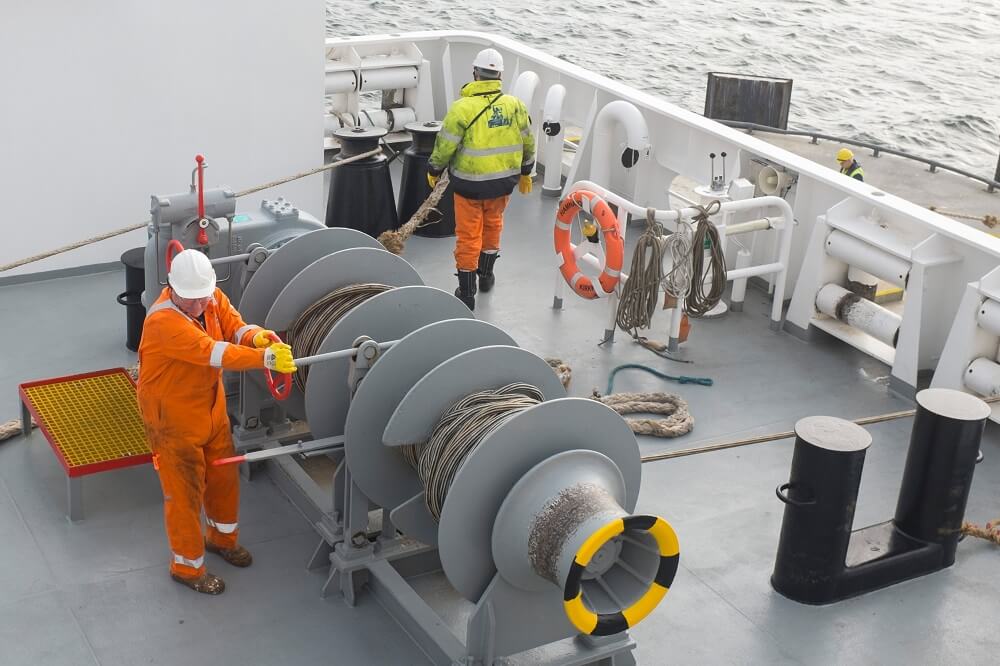
The Mission to Seafarers released its latest edition of the Seafarers Happiness Index, and it shows that after a period of encouraging improvement earlier this year, perception of working and living conditions at sea has taken a turn for the worse. With most indicators that define the lives of seafarers on a decline, the index shows that the average happiness level has plunged to 7.05 out of 10 in the third quarter of 2025. This is a sharp decline from 7.54 in the previous quarter.
The quarterly survey offers a stark reality check to the shipping industry, which has yet again been reminded that seafarers continue to be disgruntled by deep-rooted challenges that undermine morale, safety, and retention across the global fleet. Apart from digital connectivity, every other aspect of life at sea, cutting across wages, health, training, food quality, to workload management, is deteriorating.
For the industry that is grappling with a worsening recruitment crisis, the index shows that professional development opportunities recorded the steepest drop during the quarter. With the training happiness level dropping to 6.99 from 7.75, the industry is being warned that seafarers feel disgruntled with compliance-driven learning that often replaces genuine mentorship and skills transfer.
Seafarers are also raising frustrations due to wages, which they highlight remain stagnant despite increasing responsibilities, inflation, and the demanding nature of seagoing life. On health and exercise, they contend that operational pressures are increasingly compromising their ability to maintain their physical fitness and overall health. While the quality and quantity of food are a major issue, seafarers are also raising dissatisfaction with shore leave. They reported limited opportunities to go ashore, with operational pressures and commercial considerations continuing to override welfare needs.
According to the report, one area that should be of significant concern to the shipping industry is crew interactions. While historically it has been the most resilient and highest-scoring area, relations among crewmembers are breaking they report, evidenced by a score of 7.68 down from 8.12 in the previous quarter.
During the quarter, seafarers also reported that manning levels are too low, while administrative tasks have increased dramatically, and fatigue management remains a major unresolved issue. For the period, the only positive was in the area of digital connectivity, an indication that investments by operators to offer reliable internet access are delivering the desired results. Disparities, however, exist between vessels, with some crews enjoying robust connections while others still struggle with high costs and limited data.
Notably, the survey shows crews working aboard containerships are the happiest, followed by those aboard bulk carriers and cruise ships. Those working on offshore, RoRo vessels, and ferries are the least happy.
“These results are a clear warning sign,” said Ben Bailey, The Mission to Seafarers Director of Program. “Seafarers are telling us that mounting operational pressures, growing administrative burdens, and ongoing crew shortages are taking a serious toll on their well-being across the globe.”
He added that without meaningful actions to address the systemic challenges, the maritime sector risks deepening its recruitment and retention crisis. The report warns that the issues could also have far-reaching consequences in terms of safety, sustainability, and the stability of global trade.
The full Seafarers Happiness Index report is available online.
InterManager: Fatigue Regulations Need to Reflect Reality at Sea
The uncomfortable truth is that the system we have built makes hours of work and rest compliance almost impossible - and everyone knows it.
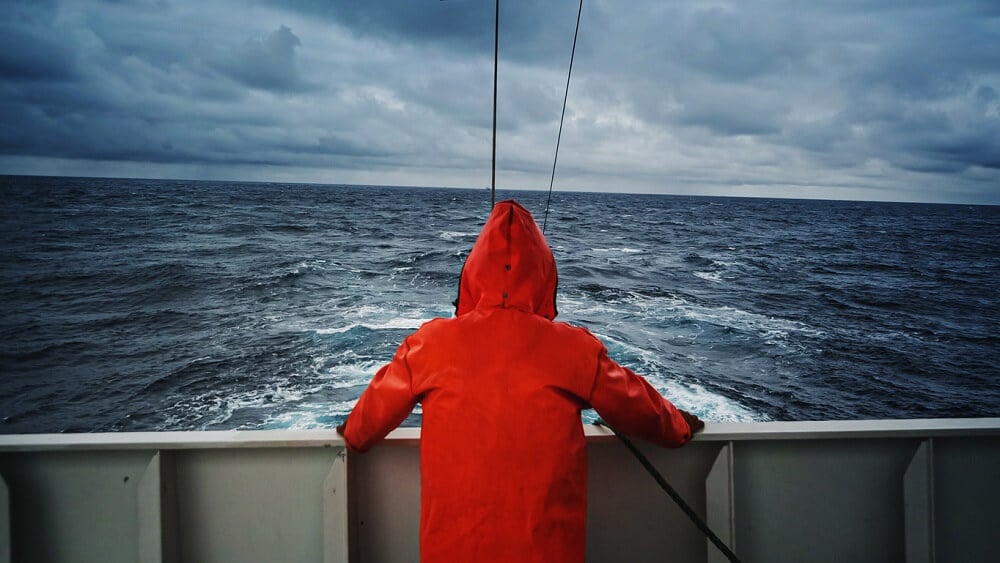
Fatigue is not a new problem in shipping. It has been discussed, regulated, and reported for years, yet it remains one of the greatest threats to safety at sea.
Work schedules, crew size, and external conditions — such as adverse weather or busy port operations — can all play a role in building up cumulative fatigue. Even a single night of inadequate sleep can impair cognitive function, causing reduced alertness, slower response times, and lapses in concentration.
The uncomfortable truth is that the system we have built makes genuine compliance almost impossible - and everyone in the industry knows it.
At InterManager, we represent ship managers who are trying to do the right thing every day. They are responsible for running ships safely, supporting seafarers, and meeting a mountain of operational and commercial demands. They take fatigue seriously because they know it damages safety, morale, and retention. But we must be honest about the environment they work in.
When compliance is impossible
Today’s ships are expected to do more than ever before. Environmental regulations, reporting obligations, inspections, audits, and administrative requirements have multiplied. Yet manning levels have not kept pace. Crews are smaller, workloads are higher, and the paperwork never ends.
It should surprise no one that seafarers often struggle to meet the current rules on hours of rest. InterManager’s engagement with its members and seafarers shows that rest records are frequently falsified in order to show compliance. This is not because seafarers are dishonest, but because the system itself is unrealistic.
A seafarer cannot rest if the job is not done. When manning levels are too low for the workload, people will work until the work is finished, and then they will fill in the logbook to make it look right. That is not a failure of the crew or their managers; it is a failure of regulation to reflect reality.
The legacy of STCW 2010
The STCW Convention, last updated in 2010, was written for a different shipping world. It does not recognize the operational pressures of today’s vessels, where one person often carries the workload of two. Regulations on hours of rest and minimum safe manning look tidy on paper, but they do not match the conditions that exist at sea.
The result is predictable. Fatigue becomes part of daily life. Mistakes are made, near misses increase, and safety margins shrink. The industry has normalized a situation that is neither sustainable nor safe.
InterManager’s position is clear. We are calling for the revision of STCW to bring rules back in line with operational reality. Fatigue must be treated as a structural risk, not an individual failing.
The illusion of digital help
Technology is often presented as the answer. There is talk of digital tools that record hours of rest automatically or track workload more accurately. But many of these systems simply add more work and are not designed with seafarers in mind.
Every new app, every new portal, and every new reporting platform demands time and attention. Instead of lightening the load, they often make life more complicated. Digitalization must be human-centric - it must help seafarers and managers, not bury them under another layer of data entry and oversight.
The answer is not more systems but better systems - i.e., ones that remove duplication, automate reporting where possible, and give managers clear insight without demanding hours of input from already overstretched crews.
Trust and honesty
The falsification of rest hours is a symptom of a culture that values paperwork over people, andwe all know that fatigue reports are often adjusted to pass inspections. Everyone understands that compliance is more about appearance than accuracy, and this breeds distrust between seafarers, shore staff, and inspectors.
If we want to solve fatigue, we must rebuild that trust. Seafarers must feel safe to report reality without fear of punishment. Ship managers must be recognised as partners in finding solutions, not as targets for blame. And regulators must listen to those who are actually operating ships, not just those who write the rules.
Ship managers deserve support, not criticism
Ship managers are doing an extraordinary job under extraordinary pressure. They are responsible for thousands of ships and hundreds of thousands of seafarers, and they are expected to deliver compliance, safety, and profitability all at once.
They did not create the problem of fatigue, but they are the ones dealing with its consequences every day. InterManager stands behind them. Our members want realistic, safe, and sustainable operations, and are not asking for lower standards, just achievable ones.
We must stop pretending that manning levels set decades ago are sufficient for today’s ships. We must stop adding administrative burdens in the name of safety while ignoring the human cost. And we must ensure that regulations are written by people who understand what life at sea really looks like.
A quality club for a modern industry
InterManager is a global association of professional ship and crew managers who care deeply about the people keeping ships running. We believe true professionalism means honesty and having the courage to speak up when systems fail to work, even if that makes others uncomfortable.
Fatigue has been ignored for too long. It is time for the industry to show the same courage and authenticity that our seafarers demonstrate every single day.
Looking ahead
The revision of STCW offers an opportunity to make meaningful change. We can set realistic standards for hours of rest, modernise safe manning levels, and design digital tools that support human beings instead of overloading them.
InterManager will continue to push for these changes, not through criticism, but through collaboration. We will work with owners, regulators, and technology providers to ensure that safety starts with people, not paperwork.
Fatigue is not a weakness to be managed by individuals. It is a system-wide issue that demands system-wide reform. Let us start by acknowledging reality and by trusting the people who live it every day.
If we want a safer, more sustainable industry, we must first give our seafarers and ship managers the time, trust, and tools they need to rest - and to do their jobs properly.
Kuba Szymanski is Secretary General of InterManager.
The opinions expressed herein are the author's and not necessarily those of The Maritime Executive.

No comments:
Post a Comment