LNG supply crunch as carrier orders outstrip shipping capacity
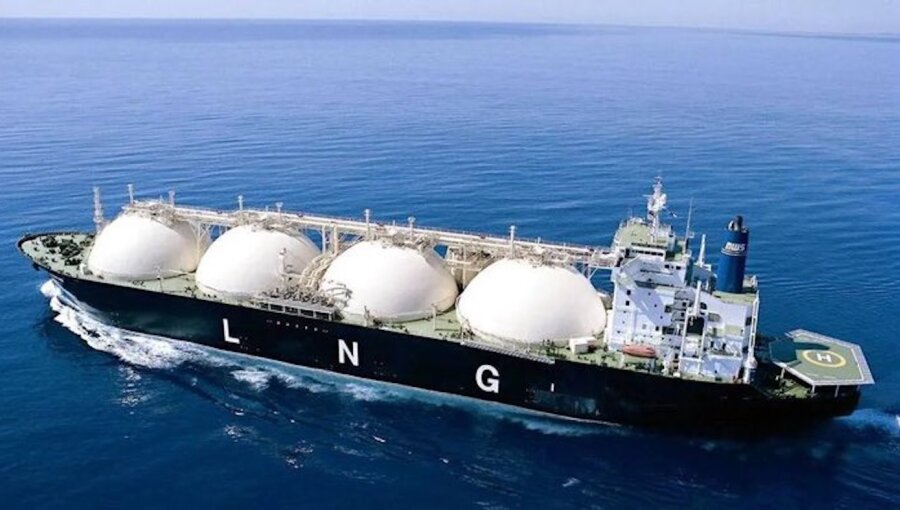
The global LNG market is facing a supply crunch as planned liquefaction capacity is outpacing the number of new carriers set to enter service by 2030, Argus Media reported on December 18.
A surge in vessel retirements and a lagging newbuild orderbook are raising concerns that LNG shipping infrastructure may fall short of what is needed to transport the fuel to key demand centres, particularly in Asia.
According to data from the International Maritime Organisation, 234 newbuild LNG carriers are scheduled for delivery between 2026 and 2030, with 2026 on track to be the busiest year for deliveries on record. However, this number is insufficient to handle the 229mn tonnes per year (t/yr) of new LNG export capacity already sanctioned globally, based on projects that have reached final investment decision (FID).
"Applying simple shipping ratios, the gap is clear," Jerry Kalogiratos, chief executive of Capital Clean Energy Carriers, at the World LNG Summit in Istanbul said as cited by Argus Media. “There definitely looks like there is going to be a shortage.”
Transporting 1mn t/yr of LNG to Europe typically requires 1.5 vessels, while delivering the same volume to Asia requires three, due to longer voyage distances and turnaround times. On this basis, the 234 newbuilds could support just 158mn t/yr of supply if routed entirely to Europe — or just 78mn t/yr to Asia. The latter is the more likely scenario, according to experts, as demand growth in Southeast Asia accelerates.
The shortfall could deepen if more liquefaction projects reach FID, with a further 80mn t/yr of production capacity sanctioned in 2025 alone, which are not covered by potential shipping capacity.
At the same time, a wave of scrapping is thinning out the older end of the fleet. So far in 2025, 14 steam turbine LNG carriers have been sold for demolition — nearly triple the annual average between 2020 and 2024. These ageing vessels are increasingly deemed “obsolete” due to high boil-off rates and limited flexibility in today’s trading environment.
Data from ship-tracking firm Kpler shows 29 LNG carriers aged 25 years or older remain in operation, including the 137,000m³ Puteri Nilam and Al Jasra, both recently idled in the Strait of Malacca and Brunei Bay. The oldest, LNG Maleo, was built in 1989 and is operated by Indonesia’s Pertamina. Another 47 vessels built between 2000 and 2005 are also likely candidates for retirement by the end of the decade. The average age of LNG vessels scrapped in 2025 was 26, according to Flex LNG.
If all 76 pre-2005 vessels are removed from the fleet by 2030, the net fleet expansion falls to just 158 carriers — enough to transport 105mn t/yr to Europe or 53mn t/yr to Asia. Both figures fall well short of projected supply growth.
Some capacity relief could still come through fresh orders. South Korean shipyards have delivery slots available for late 2028, but market sources suggest shipowners remain cautious amid rising costs and long lead times.
The growing mismatch between LNG supply and shipping capacity risks undermining the industry’s ability to meet rising Asian demand while maintaining supply security in Europe.

No comments:
Post a Comment