Monday, March 16, 2026


‘No ordinary clean-up operation’: EU deploys drones and robots to remove litter from the sea floor
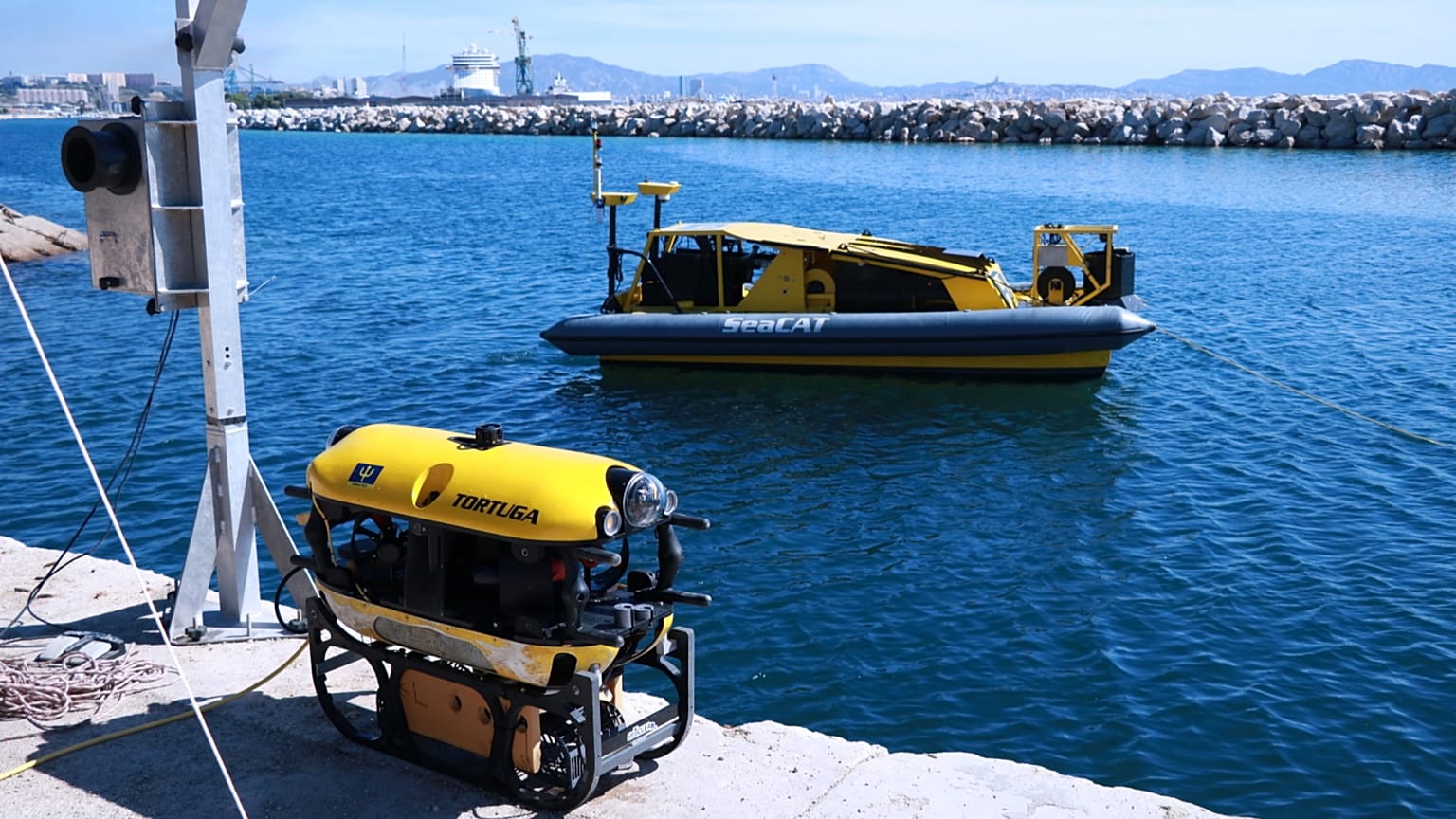
SeaClear technology being used on a recent trial to remove litter from the sea floor.
Copyright SeaClear


By Liam Gilliver
Published on 


The EU-funded initiative is helping tidy up the litter-filled sea floor, and could even be used to detect hidden mines.

Futuristic tech, including heavy-lifting robots, is being deployed to help clean up Europe’s litter-riddled waters as part of an EU-funded trial.

Scientists and companies behind SeaClear2.0 and its predecessor SeaClear have developed a fleet of drones that can independently identify rubbish lying on the seabed. Robots, which are powered by AI but supervised by humans, can also spot everyday items such as bottles, tyres and other debris and can distinguish litter from rocks, plants and marine life.

The initiative is part of the bloc’s Mission Restore our Ocean and Waters – which aims to cut marine litter by around half by 2030. Tests have already been conducted in a marina in Marseille, France as well as in Germany.

Further tests are planned in Venice, Dubrovnik and Tarragona, but experts warn the technology still needs refining.

‘A huge amount of litter’ in Europe’s seas

“There’s a huge amount of litter that ends up in the sea,” says Bart De Schutter, a professor at Delft University of Technology in the Netherlands and co-ordinator of SeaClear and SeaClear2.0.

Most of this waste sinks from the surface down to the seabed, where it is invisible to the naked eye.

“Many projects target surface litter, but we look at the sea floor,” De Schutter adds. “It’s important to remove rubbish there, because it can contaminate the environment.”

When plastic sinks to the sea floor, it gradually breaks down into smaller and smaller pieces. Eventually, it degrades into microplastics – which are notoriously difficult to remove, and have become ubiquitous on Earth.

How do the litter-picking robots work?

Normal cleaning operations involve sending divers down to the seabed to collect litter. For heavy items, divers are required to attach cables to the debris so it can be hauled up to the surface and removed.

However, this process is very expensive and can put divers at risk. SeaClear2.0 aims to tackle this issue by sending uncrewed surface vessels to target areas.

Aerial detection drones are then deployed to identify litter and record its locations before being sent down to retrieve the debris, either by grabbing it or sucking it up. For heavier objects, a smart gripper can be lowered from a crane.
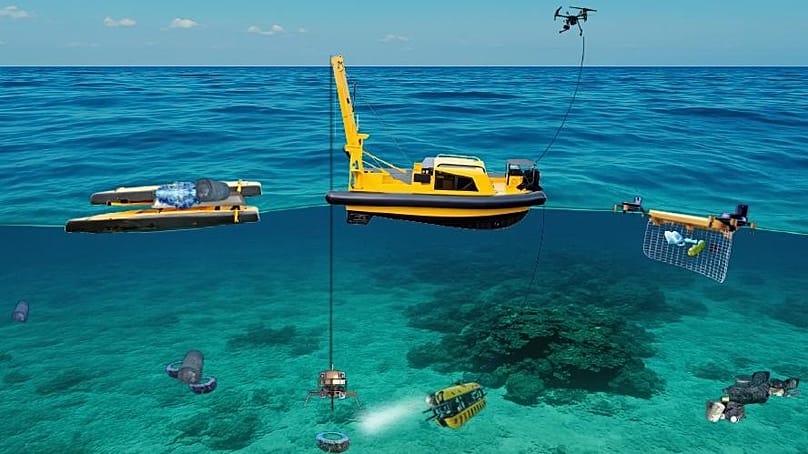
Mock image of how SeaClear uses technology to clear litter from the sea floor. SeaClear

Researchers are also testing additional systems, including an autonomous barge that acts like a ‘floating bin lorry’. This will collect the waste gathered by the drones and transport it back to shore.

“In tests, we’ve already removed rubber tyres, metal fences and parts of ships,” says De Schutter. “Using a crane on the surface vessel, we can lift even heavier objects.”

Streamlining the technology

While tests have garnered positive results, researchers say the technology still needs refining before the project ends in late 2026.

“We’re not exactly where we want to be yet,” says Yves Chardard, CEO of the French company Subsea Tech, a partner in both SeaClear iterations. “But we’re not far off. The goal now is to streamline the technology.”

Researchers are also exploring the possibility of using the robots to detect unexploded mines on the seabed, left over from historic wars. By the end of the year, the team hopes its clean-up crews will be ready to work alongside local authorities across Europe.


Fears over French art loans to the Louvre Abu Dhabi as war rages in the Middle East

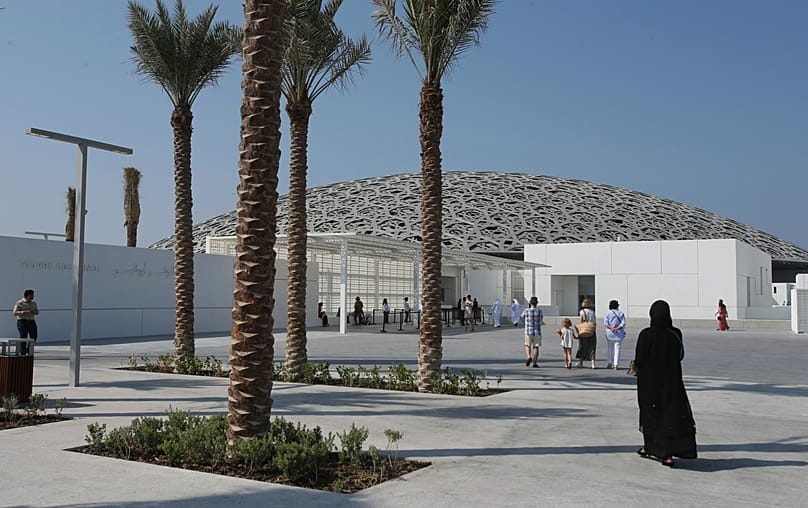
A sailboat is anchored at sunset in front of the Louvre Abu Dhabi in Abu Dhabi, United Arab Emirates, on Thursday 16 December 2021.
Copyright Jon Gambrell/Copyright 2021 The AP. All rights reserved.


By Serge Duchêne with AFP
Published on 

The museum, which opened in the United Arab Emirates in 2017, has so far escaped damage from nearly 1,800 Iranian drone and missile strikes since the conflict began last month.

Escalating conflict in the Middle East has raised concerns about the safety of masterpieces on loan from France to the Louvre Abu Dhabi, raising questions about the security of the famous museum's only foreign branch.

The museum, which opened in the United Arab Emirates in 2017, has so far escaped damage from nearly 1,800 Iranian drone and missile strikes since the conflict began on 28 February.

The Louvre Abu Dhabi, which remains open, has stated that "the safety of our visitors, our staff, and our collections (both in-house and on loan) remains our top priority".

But concerns are growing in France.

"The works must be kept safe", said Didier Selles, who helped negotiate the initial agreement between France and the United Arab Emirates.

He told Télérama magazine that the artefacts were under threat following the outbreak of war between Israel and the United States and Iran.

The French newspaper La Tribune de l'Art echoed this concern: "The Louvre's works in Abu Dhabi must be kept safe!"

France's Culture Ministry has sought to reassure critics, telling AFP that the French authorities were "in close and regular contact with the authorities of the United Arab Emirates to ensure the protection of the works on loan from France to the Louvre Abu Dhabi".

Risk of repatriation

People visit the Louvre Museum, during the public opening day, in Abu Dhabi, United Arab Emirates, Saturday, Nov. 11, 2017 AP Photo


Under the terms of the agreement signed with the United Arab Emirates, France undertook to provide its expertise, lend works of art and organise exhibitions, in exchange for €1 billion ($1.1 billion), including €400 million for the licence to use the "Louvre" name alone.

This historic agreement was extended in 2021 for a further ten years, until 2047, for a further €165 million.

France Musées, the international consultancy responsible for the development of the Louvre Abu Dhabi, has indicated that in addition to the 600 works in the museum's permanent collection, some 250 works are on loan from France, without providing any further details.

A great deal of secrecy surrounds the works from French public collections temporarily on display in this 24,000 m2 showcase.

None of the French institutions contacted, including the Louvre, Versailles, Beaubourg and Orsay, would say which paintings or sculptures are on loan to Abu Dhabi as part of a partnership worth €190 million over ten years, according to the Cour des Comptes (excluding temporary exhibitions).

They all refer to France Muséums, the private-sector body that is supporting the development of the Louvre Abu Dhabi, which has a permanent collection of some 600 works. This agency agrees to indicate that 250 works are currently on loan, but refuses to give details.

When the Louvre opened in 2017, 300 works were on loan from France, including paintings by Vinci, Monet, Van Gogh and Warhol and a statue of Ramses II. On its website, the Louvre states that it entrusts "100 masterpieces from its collections" to Abu Dhabi each year.

A source close to the matter, speaking on condition of anonymity to AFP, said there was no imminent danger, stressing that the museum is designed to protect its collections from security threats and natural disasters.

Repatriation would entail its own risks, the source added.


Markets may be underestimating how the Iran war could hit the global economy

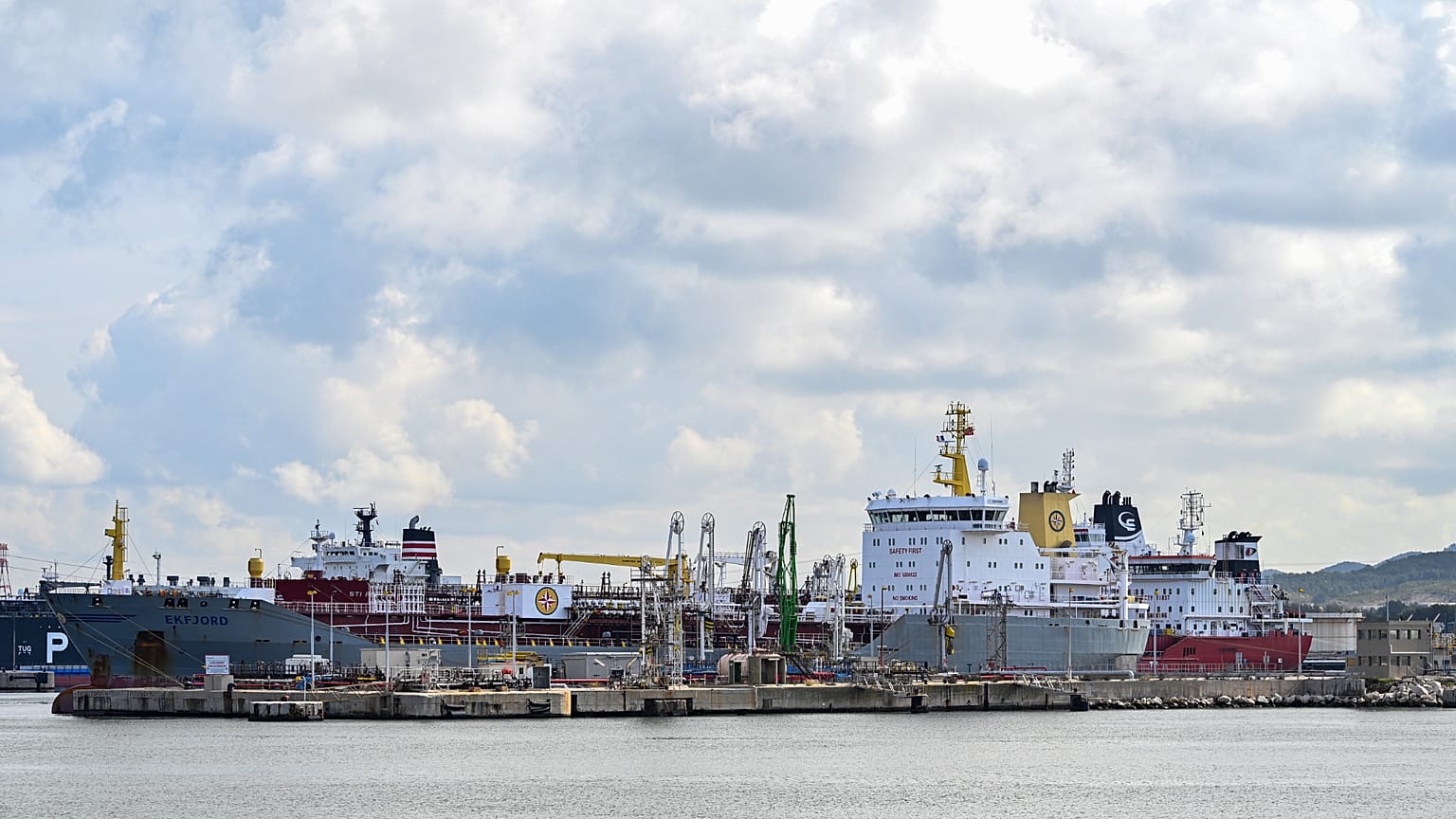
Transport ships and oil tankers wait in the port of Fos-Lavera near Marseille, southern France, Wednesday, March 11, 2026.
Copyright AP Photo/Philippe Magoni


By Mohamed Elashi
Published on 

Beyond the battlefield, the Iran war is exposing fragile economic chokepoints from energy routes to fertilisers and industrial gases, raising concerns among economists that supply disruptions could shape global prices and trade long after the conflict ends.

Markets may be underestimating how damaging the Iran war could become for the global economy if the conflict drags on longer than investors expect, economists say.

“In my view, markets are underestimating the risk of a prolonged war,” Frederic Schneider, a senior fellow at the Middle East Council on Global Affairs, said.

If the war continues for another month and energy prices rise sharply, he said the consequences for the global economy could become severe.

“The worst-case scenario would be an economic slump combined with an interest rate hike to curb inflation,” Schneider said. Such a combination could trigger the bursting of asset bubbles and potentially lead to another debt crisis similar to the one seen in 2008.

Energy markets at risk

Much of the economic risk centres on the Strait of Hormuz, the narrow waterway linking the Gulf to global energy markets.

About a fifth of the world’s oil supply passes through the strait, along with a significant share of liquefied natural gas shipments that are crucial for energy security in Asia and Europe.

“The Strait is the most important global chokepoint for hydrocarbons and fertilisers and a key transshipment hub between Asia and Europe,” Schneider said, adding that even limited disruption there can quickly affect prices worldwide.

The shock is not limited to oil. Natural gas from the Gulf remains critical for countries in East Asia and for parts of Europe that are still adjusting to the loss of Russian gas following the war in Ukraine.

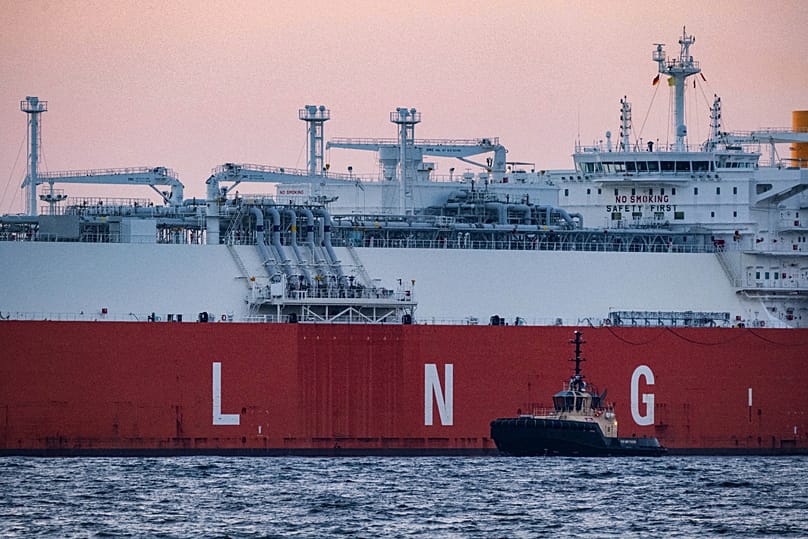
Accompanied by tugs, the LNG tanker "Hellas Diana" transports a cargo of LNG to the "Deutsche Ostsee" energy terminal, in Mukran, Germany, Wednesday Aug. 28, 2024. Stefan Sauer/dpa via AP

Higher fuel costs can spread through the wider economy because many industries depend heavily on transport and energy.

“The most important shockwave is certainly hydrocarbons, not only oil but also natural gas,” he said, noting that energy markets are often the first channel through which geopolitical conflict spreads into the global economy.

Hidden supply chain risks

Some of the consequences may also emerge in less obvious sectors. Schneider pointed to helium, which is produced as a by-product of natural gas extraction.

Qatar accounts for roughly a third of global supply, and the gas is essential for semiconductor manufacturing and medical imaging equipment.

Disruptions to production or shipping could therefore affect technology and healthcare industries far beyond the Middle East.

Other industrial materials could also face pressure. Sulphur, another by-product of hydrocarbon production used in copper processing and other industrial activities, could become harder to source if energy supply chains are disrupted.

Fertiliser and food pressure

Agriculture may face pressure as well if the conflict disrupts fertiliser production or trade. Schneider said the timing of the war could prove particularly sensitive because the current planting season is underway in many parts of the world.

“Another shock that may be longer-lasting even if the conflict were to end soon is the fertiliser bottleneck,” he said, explaining that reduced fertiliser supply during the spring planting period could translate into smaller harvests later in the year and higher food prices.

Even if the fighting itself proves relatively short-lived, some economic damage may linger.

Repairing damaged infrastructure and bringing shut-down energy capacity back online could take several months, Schneider said, prolonging supply bottlenecks across multiple industries.

The conflict may also reshape how businesses view the region. Global shipping companies could begin reassessing the risks of operating in the Persian Gulf, Schneider said, while investment, tourism and international talent may become more cautious about returning to the region.

Risk of stagflation

Rising energy prices could also complicate the task of central banks, which have spent the past two years trying to bring inflation under control.

Sustained increases in oil and gas costs could push prices higher again, forcing policymakers to delay interest rate cuts or even tighten monetary policy, Schneider said.

If the war drags on for weeks rather than ending quickly, the economic consequences could become far more severe.

A prolonged conflict combined with sustained energy price increases could create the conditions for stagflation, a rare combination of high inflation and weak economic growth that is difficult for policymakers to manage, he warned.

The Gulf region, Europe, East Asia and many developing economies would likely face the greatest pressure under such a scenario, although even the United States could feel the impact despite its growing energy independence.


Satellites show extent of Iranian precision strikes

Satellites show extent of Iranian precision strikes
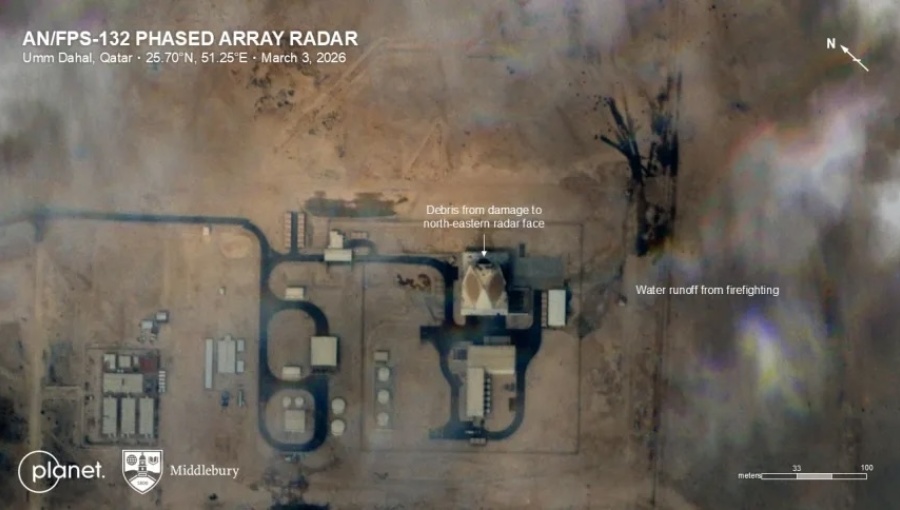
Satellite imagery appearing to show damage to several United States missile defence radar sites across the Middle East prompted a temporary commercial imaging blackout after alleged precision Iranian strikes on regional military infrastructure. / bne IntelliNews
By Ben Aris in Berlin March 16, 2026


The Trump administration restricted access to real time commercial satellite images of the Middle East after images showed the effectiveness and extent of the damage Iranian powerful precision missile strikes have done to key US assets in the Middle East.

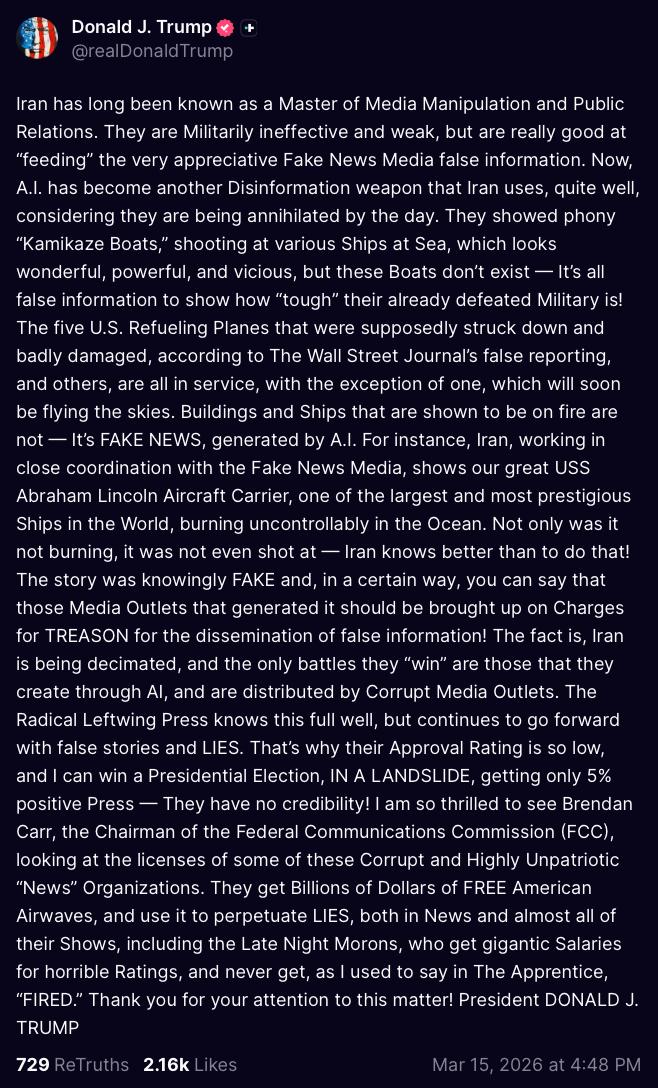
Under increasing pressure as the war in Iran is not going according to plan, Trump lashed out, claiming all footage of Iranian strikes, burning ships, and downed aircraft is AI-generated. He also threatened the press with treason charges for reporting confirmed military losses in an active war in a post on social media.

A Pentagon spokesperson told CNN: “Due to operations security, we are not going to comment on the status of specific capabilities in the region.”

US bases, airfields and crucial THAAD radar stations have been destroyed by unexpectedly effective Iran missile strikes in the last two weeks, The Economist reports after reviewing the images. Tehran had aimed at “the eyes, the ears and the arteries of the entire American military architecture in the region” the magazine said.

Early commercial imagery shows extensive damage to all four of the AN/TPY-2 THAAD air missile defence radar stations in the region, leaving US forces partially blind to Iran’s long-range ballistic missile attacks that can otherwise penetrate much of the US and Israeli air defences. The US has scrambled to dismantle its remaining four THAAD radar stations in the Indo-Pacific region and ship them to the Middle East.

Last week, US President Donald Trump called on the US press to stop reporting on the damage Iran was causing for national security reasons.

Planet Labs — one of the world’s largest commercial satellite imaging providers — has “voluntarily” imposed a 96-hour delay on imagery from the Middle East before extending the restriction to a 14-day blackout covering allied bases, Gulf states and several conflict zones.

At the THAAD station in Muwaffaq Salti Air Base in Jordan, worth half a billion dollars, satellite analysis shows two large impact craters measuring roughly 4m across near the installation, with the radar complex reportedly reduced to rubble.

Similar damage was reported to the other stations at sites in Israel’s Negev desert, Qatar at Al Udeid Air Base, the UAE near Al Dhafra, and the Prince Sultan Air Base in Saudi Arabia. Without their radar, the THAAD interceptor missiles are effectively made useless.

Imagery circulating online also suggested damage at Saudi Arabia, where five KC-135 aerial refuelling tankers were said to have been damaged.

Other targets successfully hit have included US bombers and fighter jets standing on the tarmac at a US base in the UAE as well as the US Fifth Fleet headquarters in Bahrain and Al Udeid Air Base in Qatar. One set of images was claimed to show structural damage to a CIA facility in Riyadh.

Trump has denied the US has suffered any serious setbacks and claimed the Iranian military has been “100% destroyed”.

VIDEO: Drone hits Dubai International Airport

VIDEO: Drone hits Dubai International Airport
The drone strike on Dubai International Airport. / bne IntelliNews
By bnm Gulf bureau March 16, 2026

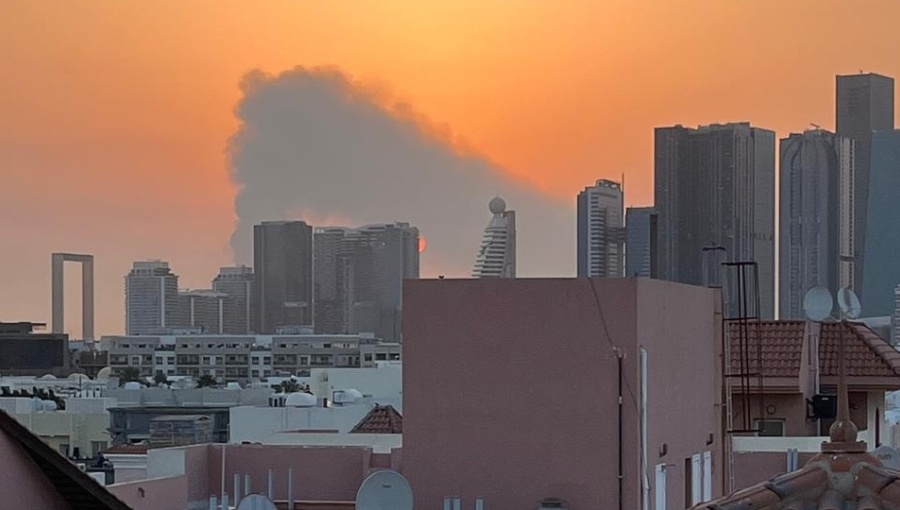
A drone strike hit Dubai International Airport on the morning of March 16, while one person was confirmed to be killed in a separate missile strike on Abu Dhabi. 


While the UAE’s airspace was closed after the initial drone and missile strikes originating in Iran, the country has since gradually reopened its airspace, with Emirates, Etihad, Air Arabia and flydubai announcing limited flight resumptions. Still, repeated incidents have continued causing temporary aviation disruptions.

The airport strike ignited a fuel tank, prompting the temporary suspension of flights as a precautionary measure, Dubai Media Office confirmed via X.

Dubai Civil Defence teams contained the fire with no injuries reported, according to the Dubai Media Office. Dubai Airports subsequently diverted some flights from Dubai International Airport to Al Maktoum International Airport whilst operations were disrupted.

At 10:08 local time, Dubai Media Office confirmed the gradual resumption of some flights to selected destinations. "Passengers are advised to check with their airlines for the latest updates regarding their flights," the update warned, noting that not all flights were guaranteed to proceed as scheduled.

That same morning, Abu Dhabi authorities confirmed that a missile hit a civilian vehicle in the Al Bahyah area, resulting in the death of a Palestinian national.

Sunday, March 15, 2026


Climate group files complaint against OCBC over coal exposure in Indonesia

Climate group files complaint against OCBC over coal exposure in Indonesia
/ Dominik Vanyi - Unsplash
By bno - Surabaya Office March 16, 2026

A Green Central Banking report reveals that a climate advocacy organisation has lodged a formal complaint with the Singapore Exchange against OCBC Bank, accusing the lender of potentially misleading investors about its exposure to coal-powered industrial facilities in Indonesia. Market Forces, the climate advocacy organisation, argues that there are inconsistencies between the commitment that OCBC stated in public space in terms of sustainability and the financing of companies that still rely on coal-fired power plants. These companies, Market Forces said, still run industrial operations such as nickel and aluminium smelters.

Indonesian nickel operations

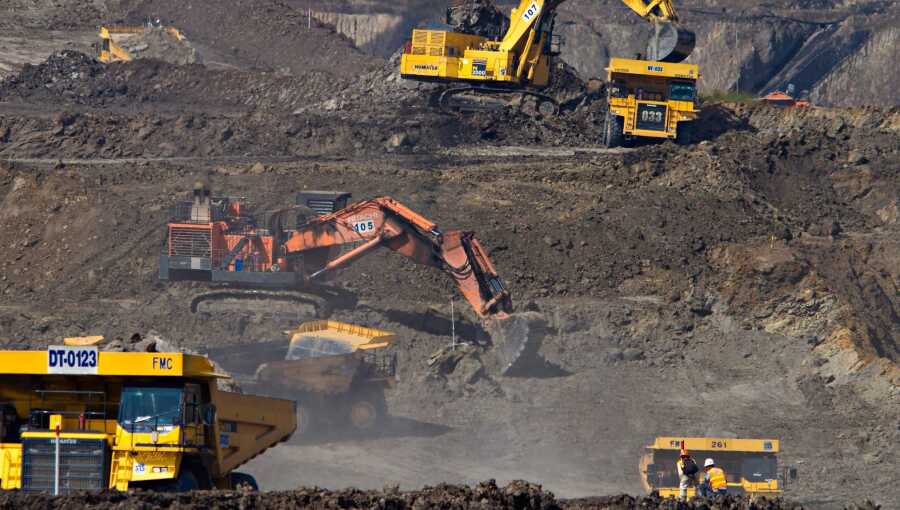
The finding revealed that OCBC is still the largest financier of the Indonesian mining conglomerate Harita Group. Harita Group operates significant nickel processing facilities on Obi Island, a place where most power generation currently comes from coal-fired plants. These plants are built specifically to supply electricity to smelting operations.

Market Forces also claims that the industrial complex operates about 910 MW of captive coal-fired power capacity, with an additional 760 MW currently under construction. The site turns out to only use around 40 MW of solar power, highlighting what the organisation describe as a heavy reliance on coal energy.

The facility could eventually reach 2.54 GW of coal capacity, alongside roughly 1.3 GW of solar generation, suggesting coal will continue to dominate the complex’s energy mix despite the financing background attempting to reduce it.

Allegations of incomplete climate disclosure

Under the complaint, OCBC is said to have failed to disclose its exposure to high-carbon assets fully. This put them in a position of potentially breaching disclosure rules set by the Singapore Exchange.

Campaigners then argue that investors rely heavily on banks’ climate commitments and coal phase-out policies when assessing climate-related financial risks. But still, investors need the full picture as they rely on climate and coal phase-out commitments disclosed by banks to assess growing climate-related risk.

The problem lies in transparency. Banks should provide clarity on how financing for companies dependent on coal power aligns with their sustainability policies and global climate goals.

OCBC speaks out

OCBC has responded and rejected suggestions that its disclosures are inadequate. The bank’s chief sustainability officer, Mike Ng, said the institution’s reporting has complied with the regulatory framework established by the Singapore Exchange.

OCBC also emphasised that it follows the Equator Principles, a guide for financial institutions in assessing environmental and social risks associated with major infrastructure and industrial projects. “We are expecting nickel smelters to operate entirely on renewable energy, but it is currently unrealistic in remote regions of Indonesia,” Ng argued.

Hydropower and wind resources are often geographically limited, while solar energy remains intermittent, he said. As a result, energy transitions in heavy industry frequently involve trade-offs between environmental goals and operational reliability.

OCBC further pointed to the strategic importance of Indonesia’s nickel reserves for global electrification, particularly for the production of electric vehicle batteries.

However, analysts note that the majority of Indonesia’s nickel output is used mainly for stainless steel production. Only about 5% of the country’s nickel supply currently goes toward electric vehicle battery manufacturing. These numbers weaken the justification for continued coal-powered expansion at industrial smelters.

The complaint highlights that other major Singapore lenders, including DBS Bank and United Overseas Bank, have previously been identified as significant financiers of the Harita Group.

However, Market Forces chose not to include them in the current complaint. Mariana said this is because their coal exclusion policies contain broader exemptions and less precise language, making it harder to argue that they are misleading investors.

Rising global scrutiny

The case reflects a wider trend of increasing regulatory and activist scrutiny around climate-related financial disclosures. Regulators around the world are beginning to penalise financial institutions that fail to properly manage or disclose climate risks. For example, the European Central Bank recently fined a bank for failing to adequately address financially material climate risks.

The OCBC complaint is also not the first filed by Market Forces with Singapore regulators. In 2023, the group lodged a whistleblower report against JERA over alleged disclosure shortcomings related to liquefied natural gas investments tied to a bond issued in Singapore.

Corporate governance experts say the case highlights the increasing influence of civil society organisations on financial markets. Companies with ambitious climate policies could face heightened scrutiny if their financing activities appear inconsistent with those commitments. Firms may respond by adopting more conservative sustainability pledges if activist pressure becomes too intense.

At the same time, the dispute signals that investors and advocacy groups are paying closer attention to how banks support high-carbon industries, particularly in sectors tied to the global energy transition.

As pressure grows on financial institutions to align lending practices with climate targets, the outcome of the complaint could become an important test case for climate disclosure standards among companies listed on the Singapore Exchange.