Wildfire smoke poses growing risk to pregnant women as climate change worsens, US study finds
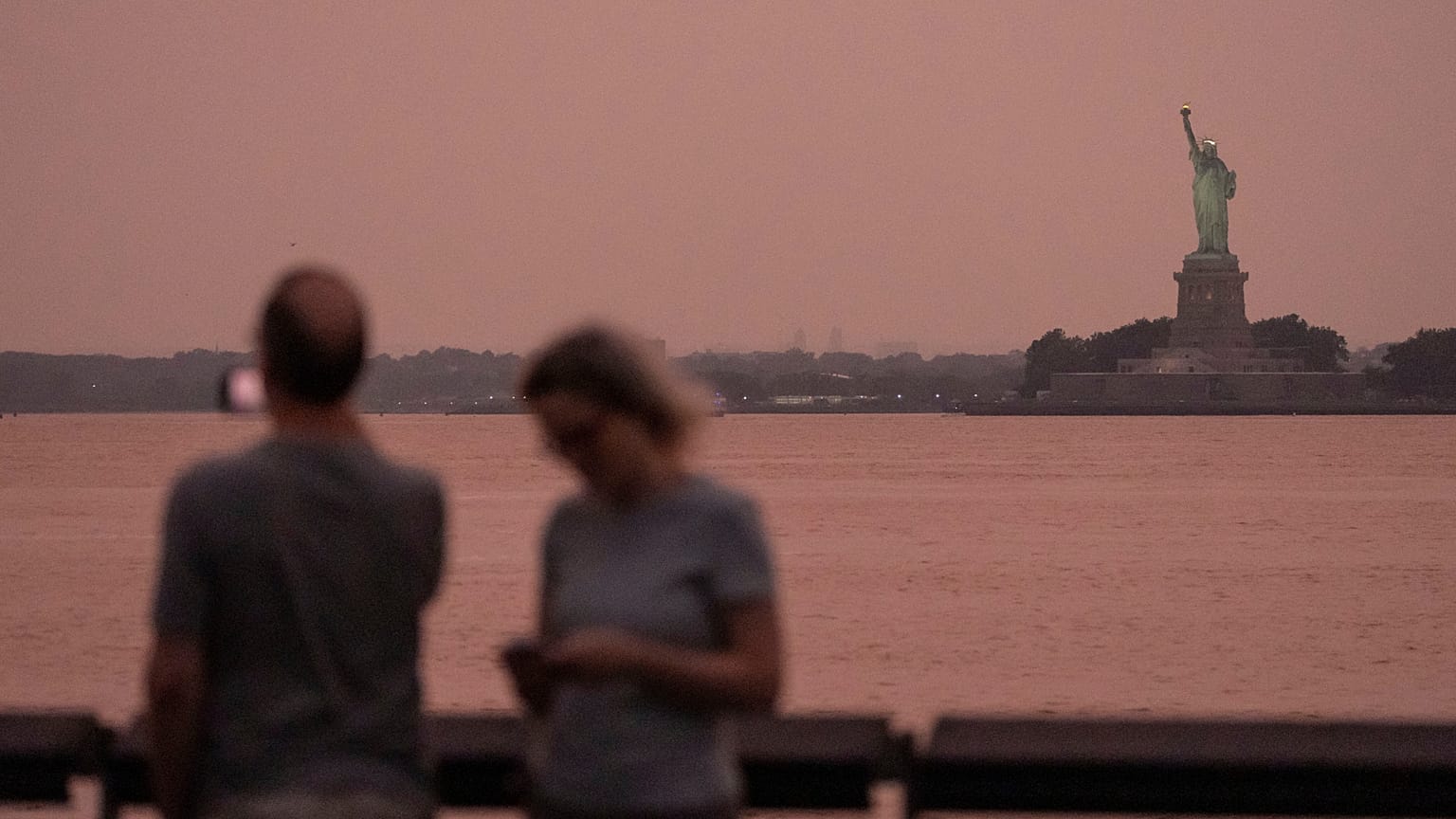
Wildfire smoke is emerging as a growing threat to pregnant women, with new research suggesting that climate-driven fires are exposing more expectant mothers to harmful air pollution even as conventional sources of pollution decline.
The study, published in Frontiers in Environmental Health, tracked exposure to fine particulate matter — PM2.5 — from wildfires across the United States between 2003 and 2019. Researchers found that although emissions from transport and industry have fallen, smoke from increasingly frequent and intense wildfires is offsetting some of those public health gains.
The study found that prenatal exposure to wildfire smoke more than doubled over the 17 years examined, particularly in western US states where longer fire seasons have become the norm. About 65% of days when air quality exceeded safe levels for pregnancy could be attributed to wildfire smoke, research found.
“Increasing wildfire activity is systematically offsetting prenatal air quality gains from [human activity emissions] reductions, disproportionately burdening low-income, rural, and Indigenous communities, with the potential to further erode progress as wildfire activity intensifies,” the researchers said.
PM2.5 — microscopic particles capable of penetrating deep into the lungs and entering the bloodstream — has long been linked to adverse pregnancy outcomes, including preterm birth and low birth weight. The researchers note that wildfire-generated PM2.5 may be even more toxic than pollution from traffic or industrial sources because of its complex chemical composition.
The findings are likely to resonate far beyond the US
Europe has experienced successive summers of devastating wildfires, from Greece and Portugal to Spain and southern France, prompting warnings from scientists and health authorities that climate change is creating new public health risks alongside the more visible destruction.
The European Union's climate monitoring service and health agencies have repeatedly warned that rising temperatures are increasing the frequency and intensity of wildfires, exposing millions of Europeans to smoke that can travel hundreds or even thousands of kilometres across borders.
As climate change accelerates, experts argue that governments may need to expand public health guidance for vulnerable groups, including pregnant women, by improving smoke forecasting, issuing earlier health alerts and ensuring access to clean indoor air during major wildfire events.
The research highlights an uncomfortable paradox for policymakers: decades of investment in reducing anthropogenic air pollution risk is being undermined by climate change itself. Even as cities become cleaner, extreme weather is creating new sources of pollution that public health systems must learn to manage.
Wildfire prevention requires 'nature-based solutions': Land 'treating us' the way we treat the land
Issued on: 04/08/2026 - FRANCE24
Carys Garland is pleased to welcome Alexander Held, Senior Expert of the Resilience Programme for Integrated Fire Management. Held explains how Europe's escalating wildfire crisis is exposing the limits of a response model built around emergency suppression rather than long-term resilience. He argues that while the European Union has significantly improved its capacity to coordinate firefighting efforts, it continues to intervene only after the fact: once wildfires have already become uncontrollable. His central thesis is that the challenge is no longer primarily one of firefighting but of landscape governance. Climate change may intensify the conditions for extreme fires, yet the scale and destructiveness of these events are also shaped by decades of land abandonment, fuel accumulation, changing agricultural practices, and political incentives that favour highly visible emergency responses over less visible preventive measures.
Video by: Carys GARLAND

No comments:
Post a Comment