Possible massacre and cannibalism 7,000 years ago uncovered in Granada
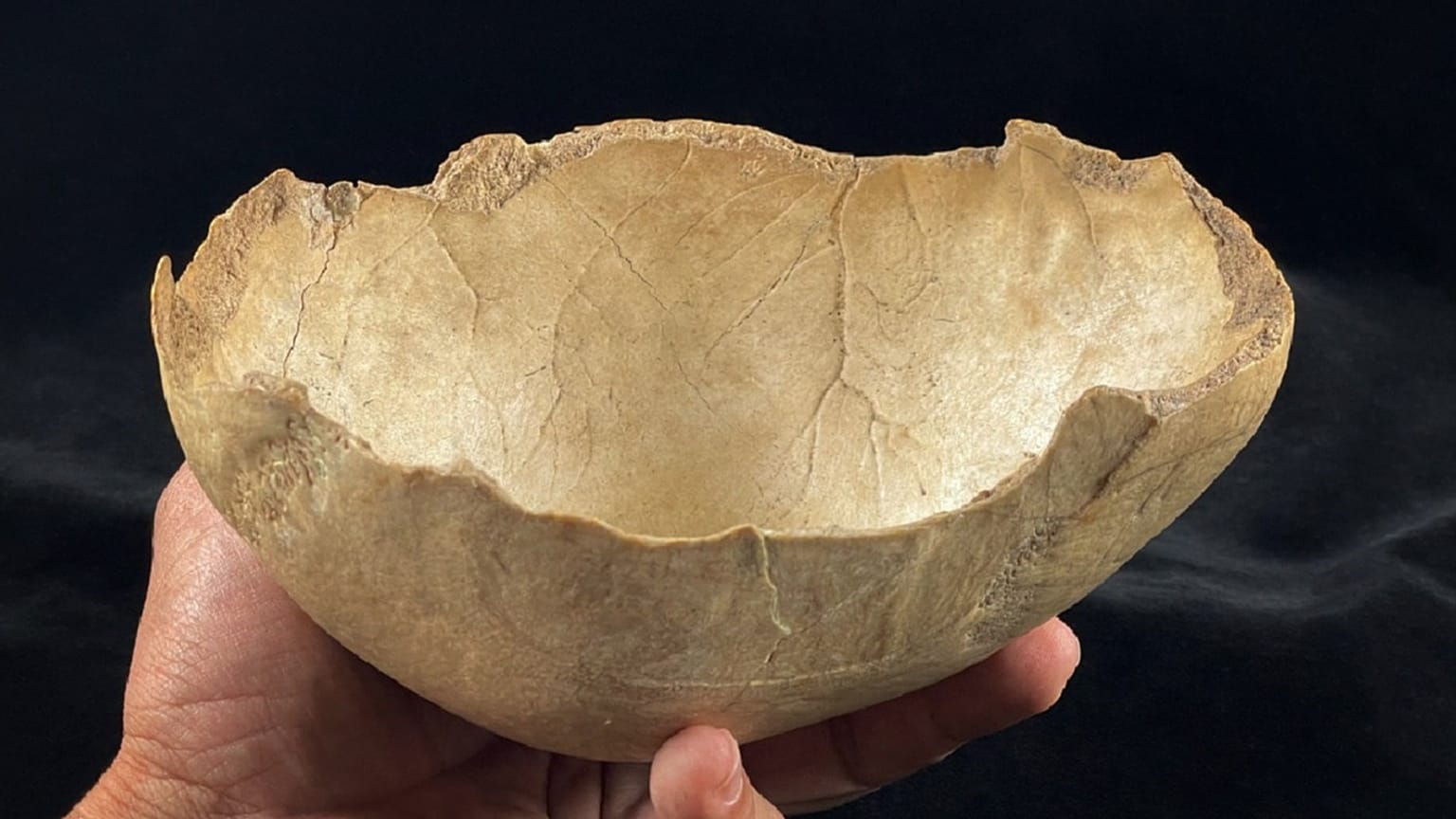
Analysis of nearly 1,000 bones found in three caves in Granada shows that cannibalism was a recurring Neolithic practice, with signs of collective violence, possible rituals and skulls turned into containers.
Three caves in Granada reveal that cannibalism was a recurrent practice during the Neolithic in the south of the Iberian Peninsula. The analysis of nearly 1,000 human remains found at Malalmuerzo, Carigüela and Majólicas has made it possible to date these assemblages for the first time and determine that acts of cannibalism took place in different periods and social contexts.
One of the most striking cases is Malalmuerzo, where researchers suggest that the cave may have been the scene of an episode of collective violence followed by acts of cannibalism around 5000 BC.
More than half a century after these sites became key references for the study of prehistoric cannibalism, an international team has re-examined the remains using radiocarbon dating and new taphonomic analysis techniques.
The results indicate that Neolithic cannibalism in the Iberian Peninsula was not an isolated phenomenon, but a practice that recurred at different times and under varying social circumstances, in line with evidence documented in other regions of Europe.
The research, published in the 'Journal of Archaeological Science', involved universities and research centres in Spain, Austria, Brazil and Argentina.
Cannibalism in three Granada caves with different contexts
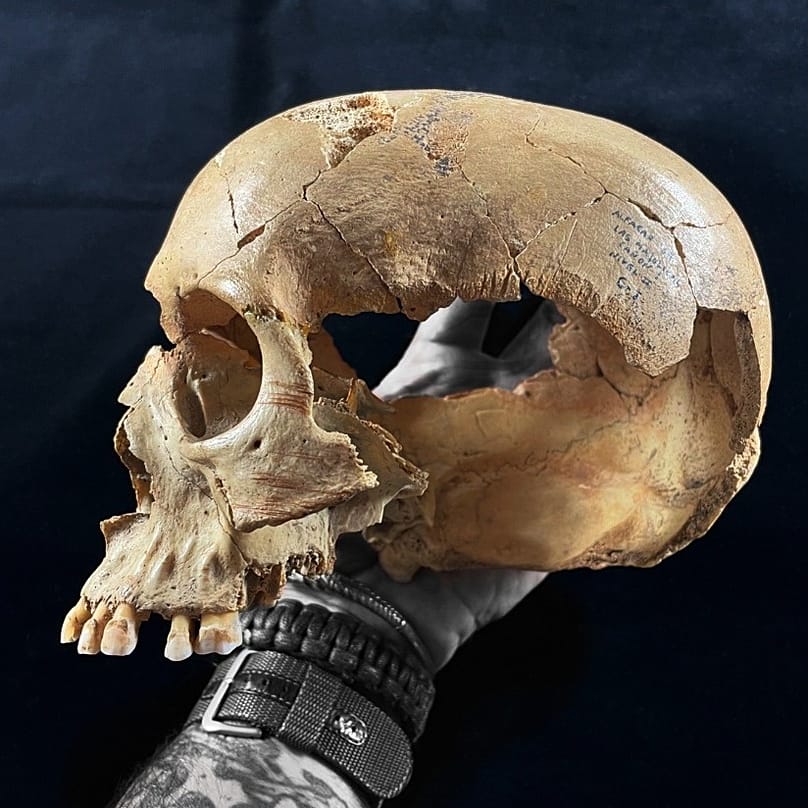
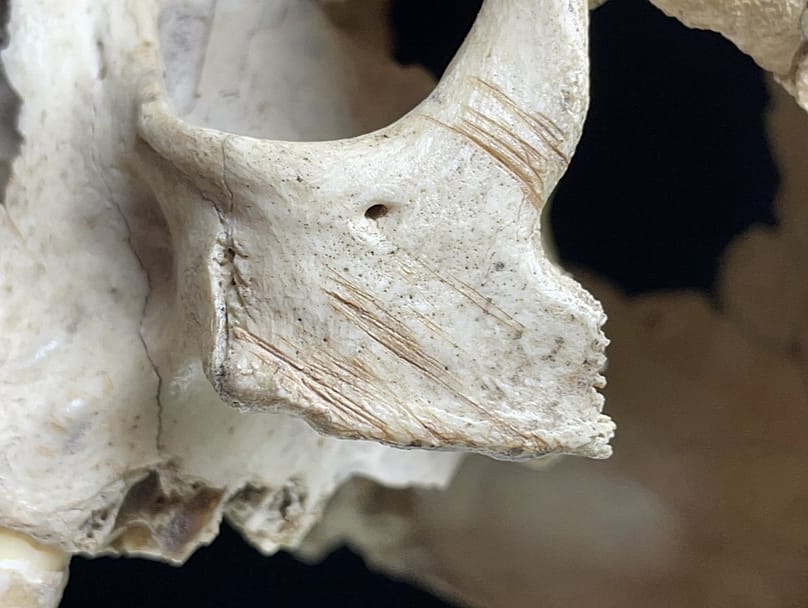
The team examined nearly 1,000 human remains from the three caves in search of evidence of deliberate manipulation. The researchers studied cut marks, fractures and tooth marks under the microscope and combined statistical analyses, machine learning and direct radiocarbon dating to determine how and when the bones were modified.
Although all three sites show evidence linked to cannibalism, such as cut marks, cooking and bite marks, each tells a different story. Malalmuerzo shows signs of violence; Carigüela reveals the recurrence of these practices and a distinctive treatment of skulls; and Majólicas points to possible ritual practices.
For decades, prehistoric cannibalism tended to be interpreted as a homogeneous phenomenon. However, the new study shows that practices that appear similar may reflect different social realities and that their meaning needs to be analysed by jointly considering chronology, the archaeological context and the evidence preserved in the bones.
This is how Antonio Rodríguez-Hidalgo, Ramón y Cajal researcher at the Institute of Archaeology of Mérida and one of the study’s authors, explains it.
A possible massacre followed by cannibalism at Malalmuerzo
The Malalmuerzo cave offers one of the most striking findings of the research. The remains point to a possible episode of collective violence around 5000 BC, involving individuals of different ages whose bodies were subsequently consumed.
In Carigüela, the new dates indicate several episodes of cannibalism throughout the Neolithic. Among the most unusual discoveries are two skulls that were modified so they could be used as containers.
The most recent episode is documented at Majólicas, around 3800 BC, and does not appear to be linked to a violent context. Some bones stained red, probably with cinnabar, point to possible ritual practices.
Neolithic cannibalism was recurrent in Europe
The three Granada sites fit into a broader pattern observed in Europe. Cannibalism during the Neolithic would not have been a continuous practice, but a phenomenon that appears concentrated in specific periods and regions.
Anthropophagic practices are particularly concentrated in three phases: the late 6th millennium BC, the mid-5th millennium BC and the late 3rd millennium BC, the last already in the Bronze Age.
Although the researchers have not identified a single cause that explains all these episodes, they believe they may be linked to changes in social organisation, relations between different groups and the way in which death and violence were understood.
New techniques reveal secrets of remains excavated decades ago
The research also highlights the scientific value of historical archaeological collections and shows how new techniques can provide unprecedented information on material excavated decades ago.
Among the authors is Miguel C. Botella, then director of the Laboratory of Forensic Archaeology at the University of Granada, whose work was crucial to the study of these remains.
"His work helped establish Malalmuerzo, Carigüela and Majólicas as benchmark sites for the study of cannibalism in Europe’s late Prehistory," concludes Francesc Marginedas.

No comments:
Post a Comment