Showing posts sorted by date for query ANTI PSYCHIATRY. Sort by relevance Show all posts

Thursday, October 29, 2026


Heat waves and pollution increase stroke risk in older adults, study finds


Data from research conducted in São Paulo and presented at FAPESP Week Netherlands show that physical exercise and cardiovascular prevention are the best strategies for protecting the brain.


Fundação de Amparo à Pesquisa do Estado de São Paulo

Heat waves and pollution increase stroke risk in older adults, study finds

image: 

Alessandra Goulart, a professor at the USP Medical School, in a lecture given at the University of Leiden

view more 

Credit: Elton Alisson/Agência FAPESP


A study conducted in Brazil by researchers at the University of São Paulo (USP) found that each additional day spent under a heat wave in São Paulo is associated with an increased risk of acute stroke in people aged 65 and older. For the research, a heat wave was defined as at least two consecutive days with maximum temperatures of 33.1 °C or higher.

This impact becomes even more critical when high temperatures are combined with air pollution from fine particulate matter (PM10) – a mixture of microscopic solid and liquid particles originating mainly from the burning of vehicle fuels and inhalable dust, which are highly prevalent in São Paulo’s air. With each additional day under these conditions, the probability of a stroke among older adults in São Paulo increases, according to the research data.

Some preliminary results of the study, conducted as part of a project supported by FAPESP, were presented by Alessandra Carvalho Goulart, a professor at the USP Medical School (FM-USP), in a lecture given during FAPESP Week Netherlands. The event runs through October 29 on the Leiden University campus.

“This is the first time that population-based epidemiological research – that is, research based on real-world data from a large segment of society – has quantified, in Latin America’s largest metropolis, the direct and acute impact of heat stress on the immediate risk of acute stroke in older adults,” Goulart tells Agência FAPESP.

How it was done

To arrive at these results, the researchers used epidemiological data from the Stroke Mortality and Morbidity Study (EMMA), a project also conducted at USP with funding from FAPESP. The goal of EMMA is to assess the epidemiology (the distribution and patterns of diseases in the population), risk factors, incidence rates, survival, and prognosis for more than 1,000 patients diagnosed with ischemic stroke – a type of stroke caused by a blockage in an artery that prevents blood flow to the brain – between 2006 and 2018.

Based on this database, the group analyzed a specific sample of 769 individuals diagnosed with acute stroke, of whom 54.2% were women and 65.5% were 65 years of age or older. Using a statistical model, the researchers compared the weather conditions and air quality to which the individuals were exposed on the days immediately preceding the neurological event. Based on this modeling, the cumulative effect of each additional day of a heat wave was calculated.

In the model that assessed only the thermal impact, an odds ratio (a statistical measure that compares the probability of an event occurring in one group relative to another) of 1.121 was identified. However, when the statistical analysis incorporated the continuous interaction between the heat wave and PM10 concentration, the odds ratio rose to 1.404, demonstrating a substantial 40.4% increase in risk per additional day under this combination of heat stress and pollution.

“Preliminary data from the EMMA study show that climate change and air pollution are not merely distant environmental threats, but immediate urban stressors that affect brain health and trigger acute vascular events in the older population,” says Goulart.

The researcher explains that, physiologically, exposure to intense heat triggers a chain reaction in the body. Thermal overload causes dehydration, which reduces the liquid component of the blood, making it thicker and more viscous. In addition, it causes profound changes in thermoregulation (the body’s ability to control its own temperature) and cardiovascular function. “That set of changes affects blood flow and blood pressure in the body and acts as a direct and immediate trigger for a stroke,” she says.

Protection against brain damage

In parallel with environmental stressors, the researchers assessed how lifestyle habits and cardiovascular care protect the neurological structure against cerebral small vessel disease (CSVD), a condition characterized by changes in the small arteries of the brain that can lead to cognitive decline and dementia.

In studies linked to the Longitudinal Study of Adult Health (ELSA-Brasil), the team followed 1,285 participants (61.2% of whom were women aged 66) over four waves of examinations conducted between 2008 and 2024. ELSA-Brasil is the largest epidemiological cohort study in Latin America, conducted by the Ministry of Health and focused on tracking a group of people over time to investigate the incidence and risk factors for chronic noncommunicable diseases, particularly cardiovascular diseases and diabetes.

“We assessed ongoing cardiovascular health using the Life’s Essential 8 score [a metric created by the American Heart Association that tracks eight key factors: diet, physical activity, sleep, smoking, body mass index, cholesterol, triglycerides, blood glucose, and blood pressure],” Goulart reports. The results showed that for every 10-point increase in this score, there is a 14% reduction in the risk of developing severe lesions in small cerebral blood vessels.

Brain shield

Regular physical exercise also emerged as a powerful protective shield for cognitive longevity and memory preservation. In a sample of 1,200 volunteers from the ELSA-Brasil study – 59.2% of whom were women aged 66 – the researchers found that maintaining moderate to high levels of physical activity was associated with a 21% to 22% reduction in the risk of exhibiting markers of CSVD. These markers include ischemic lacunes (small scars left by previous cerebral infarcts), microhemorrhages (tiny bleeds in the brain), and perivascular space expansion (swelling in the spaces surrounding the brain’s blood vessels).

“In addition to reducing damage to the cerebral microcirculation, we found that physical activity preserves the volume of the entorhinal cortex, a structure located in the temporal lobe that’s essential for memory processing and spatial navigation,” Goulart notes. The analysis indicated a 21% to 30% reduction in the risk of cortical atrophy (loss of cellular volume) in the entorhinal cortex in both cerebral hemispheres among the most active participants.

To ensure diagnostic accuracy in the ELSA-Brasil study, the team used advanced measurement and neuroimaging technologies. Levels of moderate-to-vigorous physical activity were objectively measured using actigraphy sensors – electronic devices similar to watches that continuously record body movements – worn on the wrist during the third phase of the study (2017–2019).

Neural tissue integrity, meanwhile, was mapped beginning in 2023 using high-resolution brain magnetic resonance imaging. The researchers isolated the effect of exercise from other variables that could influence the results, such as age, sex, race, income, education level, smoking, alcohol consumption, body mass index, hypertension, and diabetes.

“Those findings from ELSA-Brasil demonstrate that cardiovascular prevention and physical exercise are an essential pillar of individual protection for maintaining brain resilience in rapidly aging metropolitan areas,” warns Goulart.

In the researcher’s assessment, the convergence of the EMMA and ELSA-Brasil results highlights that ensuring the quality of life for the older population in contemporary metropolitan areas depends on coordinated actions. These measures have become even more urgent due to the rapid demographic aging in Latin America, as exemplified by São Paulo, where the older population grew by more than 50% between 2010 and 2022 and now exceeds 2 million people.

“Protecting brain health and ensuring longevity in rapidly aging cities requires the implementation of a two-pronged strategy that combines promoting cardiovascular care at the individual level with effective climate adaptation measures in urban centers,” the researcher notes.

According to Goulart, the high prevalence of vascular lesions observed in the examinations points to a significant change in the neurodegenerative profile of the older population. “What we’ve observed in the epidemiological data is a significantly higher prevalence of cerebrovascular events and lesions in the brain’s microcirculation compared to cases of Alzheimer’s disease in that sample.” For the scientist, this finding reinforces the urgency of prioritizing cardiovascular care as the primary line of defense against dementia and cognitive decline in old age.

Neuroprotective effect of lithium

Although epidemiological data indicate a lower proportion of Alzheimer’s disease cases compared to vascular lesions, the search for treatments capable of slowing the progression of this neurodegenerative disease remains at the center of scientific attention. On the therapeutic front, researchers at USP have been investigating the neuroprotective effects of lithium in the treatment of Alzheimer’s disease for more than two decades.

Led by Professor Orestes Forlenza, the group is conducting clinical trials with patients in the pre-dementia stage (who have a condition known as mild cognitive impairment). In these trials, supported by FAPESP, the administration of lithium in subtherapeutic doses (amounts much lower than those traditionally used in psychiatry, thereby minimizing side effects) has demonstrated the ability to mitigate and stabilize memory loss and impaired reasoning.

“We’ve been studying lithium for more than 20 years, and clinical studies have shown its potential to mitigate and stabilize cognitive decline, suggesting that it may alter the course of the disease,” says Forlenza. The researcher also points out that statistical studies comparing the results of multiple independent studies (meta-analysis reviews) have placed the data from the São Paulo group side by side with those from recent pharmacological interventions. “It’s interesting that, with these new anti-Alzheimer’s drugs now on the market, the magnitude of the cognitive-stabilizing effect is very similar to that of lithium,” he notes.

In addition to clinical follow-up, the group’s research on transgenic animal models – mice genetically modified to develop symptoms and brain changes similar to those seen in human Alzheimer’s – has demonstrated that lithium acts directly on the biological and behavioral processes underlying the disease.

Laboratory analyses revealed that the substance, at subtherapeutic doses, helps inhibit processes that disrupt neuronal function, reducing the accumulation of toxic plaques and preventing the destruction of the internal “cytoskeleton” of brain cells. The intervention also demonstrated improvements in anxiety and depression parameters in the animals.

“We’ve demonstrated not only a modification of this biological process, but also an improvement in the behavioral deficits associated with this transgenic model. Lithium restores a function that’s lost due to the pathology of Alzheimer’s disease,” says Forlenza.

Friday, October 16, 2026


Online sports betting legalization linked to increased use of depression and anxiety treatment


Study analyzed insurance claims in US states before and after legalizing online sports betting


Johns Hopkins Bloomberg School of Public Health


States in the U.S. that legalized online sports betting saw increases in the use of depression and anxiety medications as well as outpatient diagnoses for depression and anxiety, according to a study from researchers at the Johns Hopkins Bloomberg School of Public Health.

The researchers used a large national dataset of employer-sponsored health insurance claims from January 2016 to December 2023, a period in which online sports betting became legal in many states, for their analysis. The team compared insurance claims of individuals in the 22 states that legalized online sports betting between 2018 and 2022 and those in 13 “control” states that had not legalized online sports betting by the end of 2023. The researchers excluded states that legalized online sports betting in 2023 or prior to 2018.

The study found that states saw significant increases in filled prescriptions for antidepressants and anti-anxiety medications, as well as outpatient diagnoses of depression and anxiety, after legalizing online sports betting.

The study was published online October 14 in JAMA Psychiatry.

“I hope these results will increase awareness among psychiatrists and primary care doctors who treat mental health, as well as online sports bettors themselves, that these online apps can lead to harms beyond financial risks,” says study senior author Mark Meiselbach, PhD, an assistant professor in the Bloomberg School’s Department of Health Policy and Management.

The study’s first author was Ben Westermeyer, a PhD candidate in Meiselbach’s research group.

The past several decades have seen a loosening of gambling restrictions. Online sports betting, following a 2018 U.S. Supreme Court ruling, is now legal in most U.S. states, and is dominated by “sportsbook” apps such as DraftKings and FanDuel. Today, tens of millions of Americans participate in online sports betting, though estimates vary.

Gambling is increasingly framed as a public health issue. Researchers have linked gambling to anxiety, depression, substance use, and other mental health problems—including “gambling disorder,” an addiction disorder.

To better understand potential impacts of online sports betting, the researchers looked for changes at the state level, before and after legalization, in the percentage of insurance enrollees with one or more prescription fills for antidepressant, anti-anxiety, or substance use disorder medications; or one or more outpatient, emergency department, or inpatient visits with a diagnosis of depression, anxiety, or substance use disorder.

The analysis found that legalization was associated with increased probabilities of an outpatient diagnosis of depression—a 6.73% increase for men and 5.47% increase for women, relative to the sample averages—and with increased probabilities of using antidepressant medications (+5.44% for men, +5.00% for women).

The findings were similar for anxiety: +7.20% and +6.50% increases in the probability of an anxiety disorder outpatient diagnosis, and +4.99% and +5.17% increases in the probability of using anti-anxiety drugs, for men and women respectively.

The analysis found no significant increase in the probabilities of substance use disorder diagnoses or medication use. The researchers also found no evidence for increased probabilities of emergency department or inpatient visits resulting in depression or anxiety diagnoses.

“Overall, these findings support the concern that there are broad mental health effects of online gambling legalization, though those who are experiencing those effects, and their clinicians, don’t necessarily attribute it to gambling,” Westermeyer says.

The authors note that the study was limited to people with employer-sponsored health insurance and does not measure the effects of legalization on other groups. Additionally, the researchers could not link individual-level sports betting to changes in healthcare use because insurance claims data do not capture whether people bet on sports.

The researchers now hope to conduct more targeted studies of the issue, using datasets that allow them to more directly measure online sports betting alongside mental health measures.

“I think there’s room for us to zero in on this a bit more,” Westermeyer says.

“Online Sports Betting Legalization and Behavioral Health Care Use” was co-authored by Benjamin Westermeyer, Matthew Eisenberg, and Mark Meiselbach.

# # #

Saturday, July 11, 2026

Towards a Revolutionary Psychoanalysis


 July 10, 2026

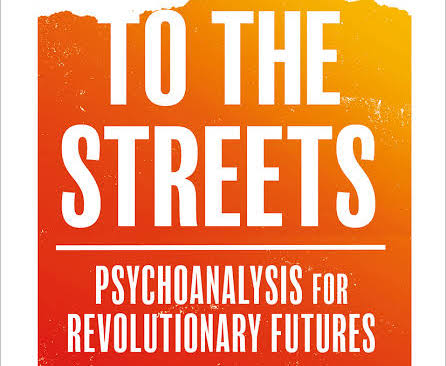
Cover art for the book From the Clinic to the Streets: Psychoanalysis for Revolutionary Futures by Lara Sheehi

Psyops are part and parcel of warfare, especially in modern times. Familiarly called winning hearts and minds during Washington’s war on the Vietnamese, one can argue that the incorporation of modern psychology into what might be termed propaganda exercises enhanced those “exercises”. Whether or not bringing psychological insights into the combat for the hearts and minds of non-combatants made war propaganda more effective is up for debate. However, its use in convincing the people back home—the ones paying for the war with their money and their children—seems to have been very effective. The evidence for this statement lies in the support wars tend to get by those governments waging them; a support that waxes and wanes often according to how the killing is presented.

That being said, there is another possible use of psychology that rejects the underlying goal of mainstream practice, that is, to get people to adjust to the structure of control and repression the state and its system of servitude demands. This alternative use of psychology is one that encourages liberation, in fact sets liberation as its goal. In a manner similar to the understanding championed by R.D. Laing and other rebel psychiatrists and psychologists that, generally speaking, insanity is a reasonable response to an insane society, a psychology that suggests a revolutionary struggle is an appropriate response to the current structure of capitalism, militarism and empire.

It is this concept of a liberation psychology that informs a new book by clinical psychologist and host of the Psychic Militancy podcast Lara Sheehi. Titled From the Clinic to the Streets: Psychoanalysis for Revolutionary Futures, Sheehi states in her introduction that “the story begins with Frantz Fanon,” as all psychoanalysis should. This is not just an opinion, writes Sheehi, but a political necessity. If one considers the essence of Fanon’s writing about colonialism and the struggle against it—in history and in the present—it becomes clear that the work of psychologists should not be to get the patient to accept the status quo. Instead, it should be to change the status quo so that the patient (in both an individual and collective sense) can experience a more complete humanity found in fighting for one’s liberation.

Fanon argued that for the colonized, the deepest struggle is not land, but consciousness. While colonized people may regain territory, they often remain mentally subjugated long after liberation. Conversely, the liberation of the mind and the maintenance of an anti-colonial and anti-imperialist history can help keep the struggle for the territory alive; this is the case as regards the struggle for Palestinian liberation. The imperialist mindset must be rejected and replaced with a revolutionary one. This, writes Sheehi, is the role of a liberatory psychoanalytic practice and psychology itself.

Referring to the liberation struggles of oppressed peoples from Africa to San Quentin, Vietnam to Palestine, Sheehi writes that the oppressor operates by creating exhaustion, confusion, fear and despair. Their work involves the study of what she calls psychological intrusions which are manipulated by psyops agents in the government and the sycophantic media that conspires consciously and otherwise with it. We must understand these phenomena in order to prevent them from working on us; the liberatory psychoanalysis which she presents is part of this educational and ultimately liberatory process. Quoting Black Panther George Jackson in his book Blood in My Eye, she discusses Jackson’s concept of the oppressive contract—a scenario which leads the potential revolutionary among the oppressed in modern capitalist society to choose the life of the outlaw instead of the revolutionary. She quotes Jackson: “the commitment to total revolution must involve an analysis of both the economic and the psycho-social motives which perpetuate the oppressive contract.” (50) Without this understanding and a means to gain it, revolutionaries (organized or not) end up becoming outlaws. There’s probably no better illustration of the truth of Jackson’s statement in the United States than the individual histories of revolutionaries like Panther Huey Newton and Weather Underground member JJ (John Jacobs), both of whom died living mostly outside of the society they fought to change, one in a senseless gangland slaying and the other during a medical event in his exile as an itinerant worker and weed dealer in Vancouver, BC.

In my consideration of psychology and its practices I have usually been of the mind that its role is to make people adjust to the existing power structure dominated by capitalism and its manifestations. Frantz Fanon was the first to challenge that perception; author Sheehi’s text enhances the oppositional theories put forth by Fanon and, in doing so, remakes psychology itself. This is an important book. Its intention is even more so. Written with the anti-colonial resistance of the Palestinian people in the face of imperial/colonial genocide in our feeds every day—a struggle considered by many to be the most important liberation struggle since that of the Vietnamese—the author Sheehi has issued a clearly written, clearly revolutionary and quite timely demand to people around the world opposed to US imperialism and its subsidiaries that they move forward in their resistance. Furthermore, the reader is encouraged to practice the revolutionary love espoused by Che so it becomes the standard by which we fight to save our planet from those who are destroying it.

Ron Jacobs is the author of several books, including Daydream Sunset: Sixties Counterculture in the Seventies published by CounterPunch Books. His latest book, titled Reality, Resistance, Rock and Roll is a collection of book reviews written for Counterpunch over the years and is now available. He lives in Vermont. He can be reached at: ronj1955@gmail.com 


LA REVUE GAUCHE - Left Comment: Search results for R D LAING

LA REVUE GAUCHE - Left Comment: Search results for ANTI PSYCHIATRY

LA REVUE GAUCHE - Left Comment: Search results for Michel Foucault

LA REVUE GAUCHE - Left Comment: Search results for ALDOUS HUXLEY

LA REVUE GAUCHE - Left Comment: Search results for MARX AND FREUD

LA REVUE GAUCHE - Left Comment: Search results for ERIC FROMM

LA REVUE GAUCHE - Left Comment: Search results for HERBERT MARCUSE

LA REVUE GAUCHE - Left Comment: Search results for FRANKFURT SCHOOL


Wednesday, July 08, 2026


Parental Holocaust trauma linked to higher risk of schizophrenia in offspring, new study finds


The Hebrew University of Jerusalem
Hagit Hochner 

image: 

Hagit Hochner

view more 

Credit: Itai Belson


Can the trauma of a parent rewrite the mental health of a child born decades later? A new compelling study reveals that children born decades after the Holocaust to parents who were older than age five at the time of the initial Nazi persecutions faced elevated schizophrenia risk. This preconception echo underscores specific periods of vulnerability to trauma experienced in childhood and suggests that the shadows of atrocities can quietly reach across generations.

Children born decades after World War II to mothers who were older than age 5 at the time of the initiation of Nazi persecutions, face and over two-fold increase in the risk of schizophrenia, according to a study published in the American Journal of Psychiatry.

The research was led by Prof. Hagit Hochner and Dr. Iaroslav Youssim from the Braun School of Public Health and Community Medicine at the Hebrew University of Jerusalem and Prof. Dolores Malaspina from Mount Sinai School of Medicine, New York, and their colleagues. The research team investigated the long-term, intergenerational impacts of severe preconception trauma by evaluating whether the children of Holocaust survivors are at increased risk for severe psychiatric disorders.

Tracking Two Generations of Health Data

To understand this relationship, researchers utilized data from the Jerusalem Perinatal Study, which tracked births in West Jerusalem between 1964 and 1976. They linked these records to Israel's National Psychiatric Registry through December 2004 to monitor hospitalizations for schizophrenia and related disorders. The team analyzed two large data samples consisting of 14,759 children of tracked mothers and 18,085 children of tracked fathers.

Parents were classified as "exposed" if they were of Jewish ancestry, born in European countries under Nazi rule, and immigrated to Israel after anti-Jewish persecutions commenced in their home countries. The researchers further separated these parents into subgroups based on how old they were when the persecutions began: either five years old and younger, or older than five. Unexposed parents were of European descent not living under Nazi rule.

The Crucial Factor of Age and Timing

The findings revealed a stark difference based on the parent's age at the time of the trauma. Offspring of mothers who were older than age five when Nazi persecutions began demonstrated an over two-fold increase in the risk of schizophrenia. This risk remained highly pronounced and statistically robust even after the researchers adjusted for sociodemographic factors, birth weight, and the mother's own history of psychiatric hospitalization.

Conversely, no elevated risk of schizophrenia was detected in the offspring of parents who were five years old or younger when the persecutions started. The researchers suggested that very young children might have been better shielded from their immediate environment by primary caregivers, or that their developing cognitive faculties altered their perception of the danger around them.

Maternal vs. Paternal Inheritance Pathways

The study also illuminated notable differences between maternal and paternal trauma transmission. While the children of fathers who were older than five at the time of exposure initially showed an elevated risk of schizophrenia, this association diminished and became statistically non-significant once adjusted for sociodemographic variables.

The enduring strength of the maternal connection suggests that the intergenerational transmission of trauma may operate through distinct biological and environmental pathways. The researchers noted that maternal trauma might impact future generations via the intrauterine environment during pregnancy, greater maternal engagement in early childhood parenting, or epigenetic alterations in the germline that transmit stress information across generations.

While the study had limitations, such as an inability to capture subjective personal experiences of the Holocaust or tracking participants past 2005 when later-onset cases might appear, its population-based design provides substantial evidence of how historical atrocities leave an imprint on the mental health of subsequent generations. Professor Hochner and her team emphasized that ongoing research across different historical and geographical settings will remain vital to fully understand the deep-rooted legacies of trauma.

“Our work underscores that war does not only have devastating immediate consequences, but also places a profound intergenerational burden on the future,” said Prof. Hagit Hochner, joint senior author of the study. “As conflict and warfare continue to escalate and to displace and traumatize populations globally, understanding these preconception pathways is crucial for anticipating future public health burdens. It is in fact our professional duty to study these effects and to bring it to public awareness. Ending war and striving for peace is a Public Health imperative.”