Tuesday, October 27, 2026

PM Carney says ‘U.S. is coming closer to our position’ as trade talks gain momentum


Updated:

OTTAWA — Amid reporting by CTV News that trade talks between Canada and the U.S. are gaining momentum, Prime Minister Mark Carney said the Trump administration is “coming closer to our position.”

Carney made the comments during a question-and-answer period with reporters after a meeting between First Nation leaders and First Ministers in Ottawa on Monday.

Carney also said, however, he can’t guarantee U.S. President Donald Trump will respect anything they sign.

When talks broke down completely in August, Carney said during a speech referring to the U.S. administration that “sometimes its signature was written in pencil.”

Asked about those comments by CTV News deputy bureau chief Marieke Walsh on Monday, and specifically how he knows the U.S president will sign in pen, Carney said: “I don’t know that.”
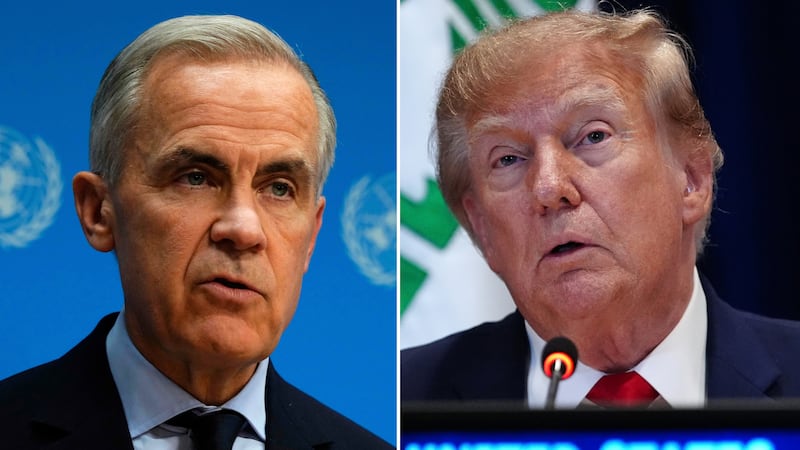
Left: Prime Minister Mark Carney (The Canadian Press). Right: U.S. President Donald Trump (The Associated Press).

“Canada’s ready to sign an agreement that is in the interests of Canadians, all Canadians, with very clear bottom lines, red lines, which meant that we were not willing to sign what was offered in in August,” Carney also said, when asked by Walsh whether he trusts the president.

“To the extent to which the U.S. is moving towards accepting those aspects, then there’s a greater prospect of a deal,” he added. “But we’ll judge it and if there is something, we’ll judge it as a whole.”


CTV News reported on Sunday based on multiple government and industry sources that there is considerable appetite from the White House to ink a deal with Canada, in part because of Trump’s political vulnerabilities ahead of next week’s midterm elections.

One of the sources told CTV News the Americans appear to have shown more interest in reaching an agreement than they have “in all the weeks prior.”


With files from CTV News’ Marieke Walsh, Vassy Kapelos, Graham Richardson and Mike Le Couteu


 in new window

Spencer Van Dyk

Opens in new window

Writer & Producer, Ottawa News Bureau, CTV News


EXCLUSIVE: Canada hasn’t yet closed door on U.S. trade deal ahead of midterms


Updated:


OTTAWA — Canadian officials haven’t ruled out the possibility of a snap trade deal with the United States ahead of next month’s midterm elections, according to sources with direct knowledge of the talks. Though they cautioned that the hope remains faint.

Canada-U.S. Trade Minister Dominic LeBlanc and Canadian Ambassador to the U.S. Mark Wiseman briefed Prime Minister Mark Carney’s Advisory Committee on Canada-U.S. Economic Relations on the state of play in a Thursday morning meeting, according to four sources with knowledge of the call.

It marked the group’s first meeting since Sept. 4.
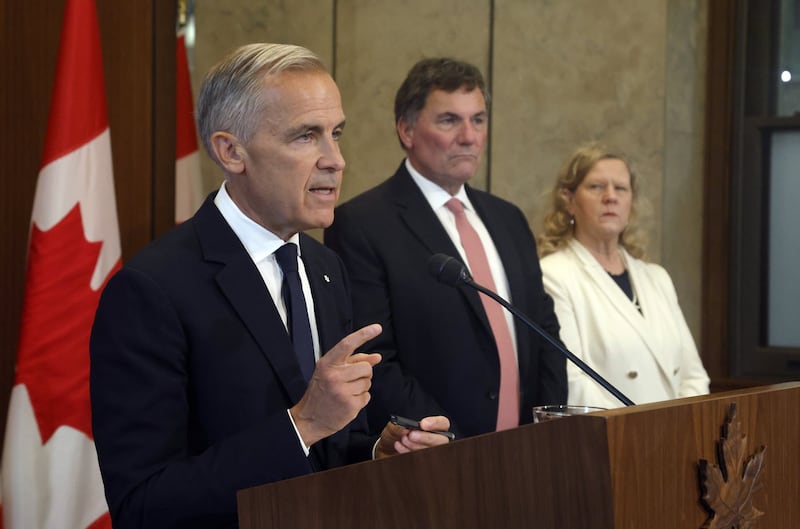
Prime Minister Mark Carney speaks about Canada's response to new U.S. tariffs as Canada-U.S. Trade Minister Dominic LeBlanc and chief trade negotiator Janice Charette listen during a news conference on Parliament Hill in Ottawa on Saturday, Aug. 22, 2026. THE CANADIAN PRESS/Patrick Doyle

The briefing comes a day after Carney said he spoke with U.S. President Donald Trump “for quite some time” on Wednesday morning. Carney said the two leaders discussed trade, the Iran war and the Middle East, though his office issued no formal readout of the call.

One source with direct knowledge of the Thursday advisory committee call and a separate one involving U.S. Secretary of Commerce Howard Lutnick told CTV News the trade discussions were “moving,” though cautioned nothing may come of that.

At Thursday’s meeting with the advisory committee, the four sources said Wiseman told the 24-member group that the public opinion tide in the U.S. was finally turning in Canada’s favour and that the federal government is seeing support grow across the U.S.

That message was echoed separately by an industry source who told CTV News that the tariff dispute with Canada is resonating with voters in the U.S. midterms and the issue is coming up in races even outside of border states.
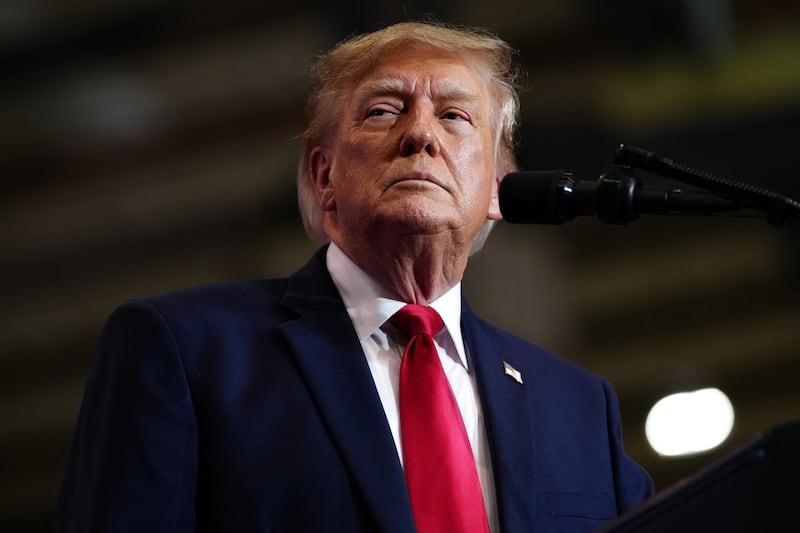
U.S. President Donald Trump speaks at a campaign rally at the T. Ed Garrison Arena, Wednesday, Oct. 21, 2026, in Pendleton, S.C. (AP Photo/Julia Demaree Nikhinson)

Separately, LeBlanc’s message to the advisory committee was that anything could happen before the midterms, the sources said. They added that the minister referenced the pressure that the White House is under as successive polls show an increasingly hostile electorate and eroding prospects for the governing Republicans.

Two of the sources said LeBlanc told the advisory committee, “anything is possible.” That sentiment was echoed by a Canadian official who spoke with CTV News this week.

CTV News is not identifying the sources or official because they were not authorized to disclose details of confidential discussions.

The sources were careful not to overstate the message from the federal officials, adding that their general takeaway was that a deal is in no way guaranteed or even expected, but is not entirely impossible.

LeBlanc’s office declined to makes comments to CTV News on Thursday.

Canada’s Chief Trade Negotiator Janice Charette was also at the advisory committee meeting, according to a readout sent by the government Thursday. However, the statement makes no mention of the potential opening for a deal with the White House.

“Committee members discussed the ongoing impact of U.S. tariffs on their regions, businesses or sectors and shared their insights,” the readout said.

Charette later spoke at a Thursday afternoon panel at the Toronto Global Forum. She was careful in her characterization of the current state of talks, saying “pens are down and the doors are open,” while adding that she and LeBlanc have “regular and frequent conversations” with their respective counterparts.

“We’re trying to stabilize the relationship because we are not in a position where it is stable right now,” she said.
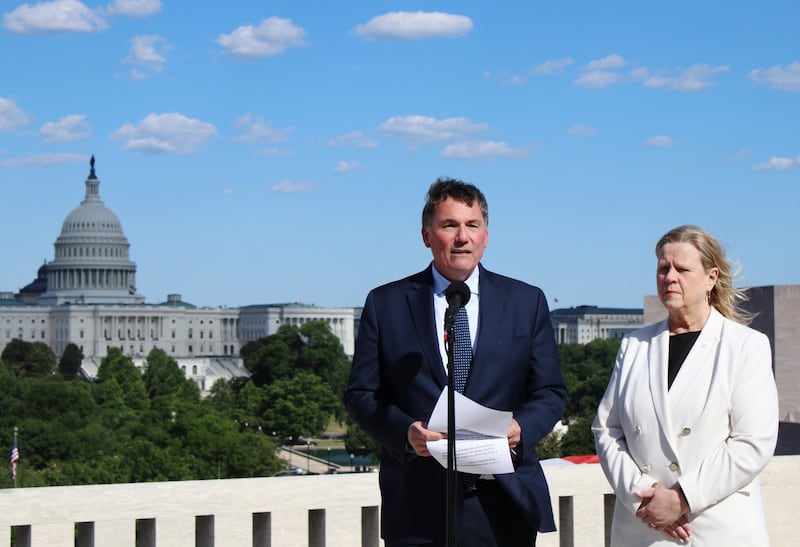
Canada-U.S. Trade Minister Dominic LeBlanc and Chief Trade Negotiator Janice Charette speak at a press conference on the roof of the Canadian Embassy in Washington, D.C., on Tuesday, June 2, 2026. THE CANADIAN PRESS/Kelly Geraldine Malone

Charette cautioned the Toronto business crowd that Canada does not expect to go back to tariff-free trade with the U.S.

“We had tariff-free trade; that was the best. I don’t think we’re going back,” she said.

Talks between the two countries abruptly ended in August when Carney called Canadian negotiators back, which resulted in the White House imposing a fresh round of tariffs.

At the time, the prime minister said the Trump administration had asked for too much and offered too little in its negotiations to avert the August tariffs from the White House.

“You’re at war when you get attacked,” Carney said on Aug. 22. “We got attacked.”
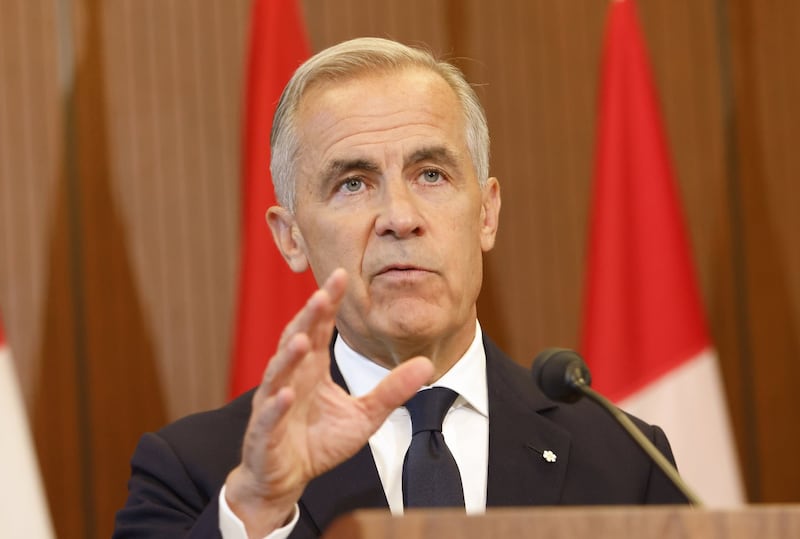
Prime Minister Mark Carney speaks about Canada's response to new U.S. tariffs during a news conference on Parliament Hill in Ottawa on Saturday, Aug. 22, 2026. THE CANADIAN PRESS/Patrick Doyle

Since then, the Americans have been trying to shift the blame for the trade dispute between the two countries. On Tuesday U.S. Ambassador to Canada Pete Hoekstra told an industry event in Ottawa that from his perspective “we’re not in a trade war.”

“We don’t view the relationship as ruptured, and I know that the Canadians look at it differently,” he added.

CTV News asked the prime minister in Istanbul what he believed the chances are of a trade deal before the midterms.

“It’s up to the United States. They’re a little hard to predict,” Carney said Friday.

“We’re ready to drop everything, sit down, and negotiate this afternoon if the Americans are ready in good faith.”

He also said Canada was prepared if it were to take months instead, or even until there was another administration.

With files from CTV News’ Stephanie Ha, Mike Le Couteur, and Abigail Bimma


Vassy Kapelos

Opens in new window

Chief Political Correspondent, CTV News

Graham Richardson

Opens in new window

Ottawa Bureau Chief, CTV National News

Marieke Walsh

Opens in new window

Deputy Ottawa Bureau Chief, CTV National Ne


Trump says he expects trade war with Canada to end 'pretty soon'


Updated:


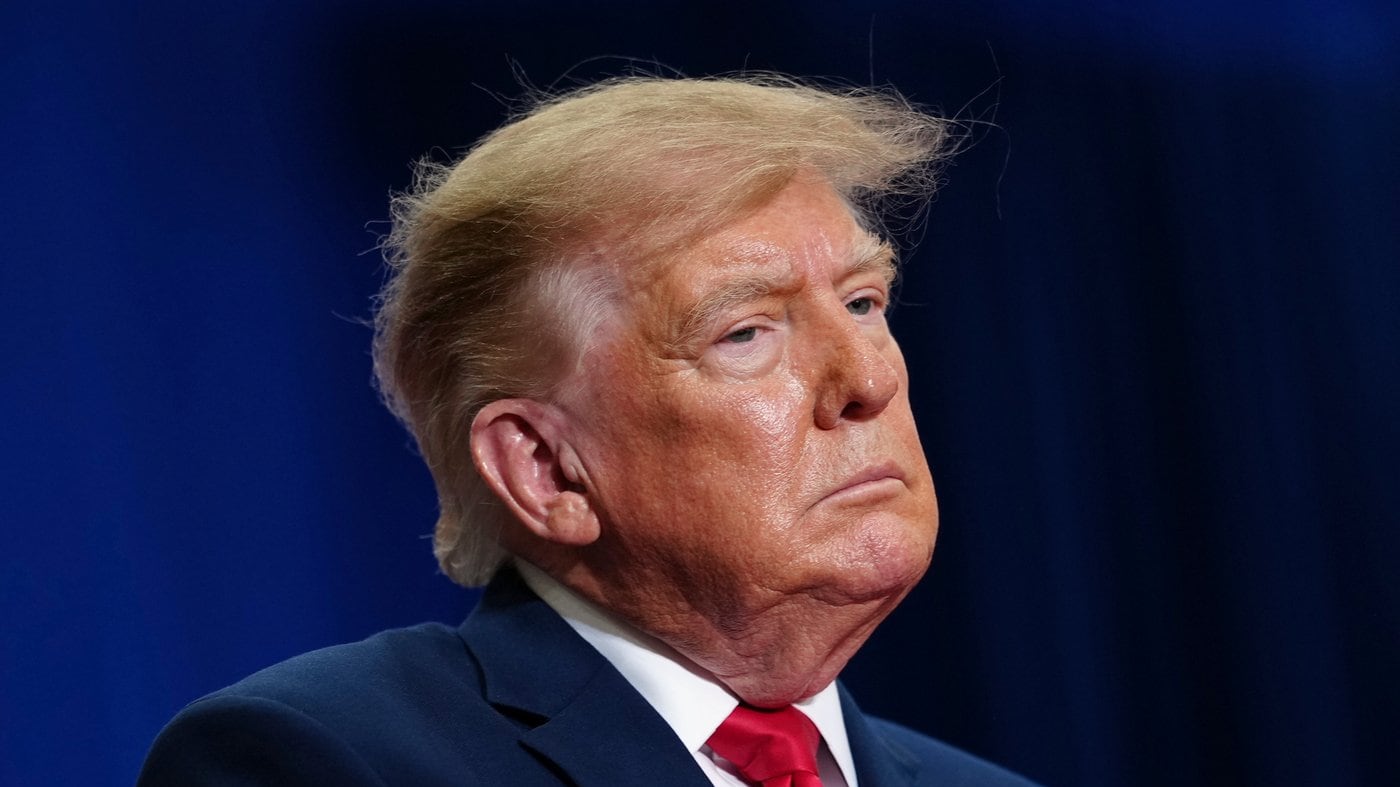
U.S. President Donald Trump speaks during a campaign rally at McMorran Place Sports and Entertainment Center, Sunday, Oct. 25, 2026, in Port Huron, Mich. (AP Photo/Julia Demaree Nikhinson)

U.S. President Donald Trump says he expects his constantly evolving trade war with Canada to end “pretty soon” despite formal trade negotiations not resuming since they fell apart in August.

Trump told a rally in Port Huron, Michigan, on Sunday that Canada had been “ripping off” the U.S. on trade and the U.S. had no choice but to impose levies on Canadian goods.

He said the trade dispute would be settled “pretty soon” and that Canada was “willing to give us anything at this moment.”

A spokesperson for Canada-U.S. Trade Minister Dominic LeBlanc’s office said the two sides “remain in constructive dialogue” on a “range of priorities. The spokesperson said Canada is ready to work constructively on a mutually beneficial deal that “respects Canada’s interests.”

Diplomatic relations between Canada and the U.S. have been dicey since Prime Minister Mark Carney’s government walked away from formal trade talks in August after the Americans made what Carney called unreasonable last-minute demands.

In response, Washington imposed tariffs on billions of dollars in Canadian goods, and Ottawa followed up with retaliatory tariffs on American products.

“Canada has been ripping off the United States for years, OK? For years. And I had to do it. We’ll have that settled pretty soon. They’re willing to give us anything at this moment,” Trump said Sunday.

Trump has repeatedly insisted Canada has treated the United States unfairly despite the Canada-U.S.-Mexico Agreement he negotiated and bragged was a great deal during his first term.

Trump’s trade war with Canada has been a key issue in the November midterm elections, especially in tight races. The Republicans currently control both the House of Representatives and the U.S. Senate but polls suggest they are in danger of losing one, or both of those chambers after the Nov. 3 midterm elections.

Trump announced Friday he will lift some of the 50 per cent tariffs on Canada at the end of the month, while adding tariffs to dozens of new products, including Canadian garbage and sewage.

The tariff changes reportedly came at the request of Republican Senator Susan Collins of Maine, an eastern state on the Canada-U.S. border hit hard by the trade dispute.

This report by The Canadian Press was first published Oct. 26, 2026.

Aaron Sousa, The Canadian Press

Trump adviser says Alberta referendum made it ‘essentially impossible’ to negotiate on trade deal

By Luca Caruso-Moro
Updated: October 25, 2026 


CHUCKLES THE CLOWN


White House blames Canadian elections, Alta. referendum for trade talks pause

Canada and the U.S. are “very close” to a trade deal, a key adviser to U.S. President Donald Trump said, days after the White House imposed new tariffs on Canadian goods and dropped others.

National Economic Council Director Kevin Hassett made the remark during an interview on Fox News Sunday. He said U.S. Commerce Secretary Howard Lutnick had been speaking with his Canadian counterparts through last week, and that the two sides are nearing an accord.

“The negotiations have picked up. They’re gathering steam,” Hassett said.How to set CTV News as your preferred source on Google

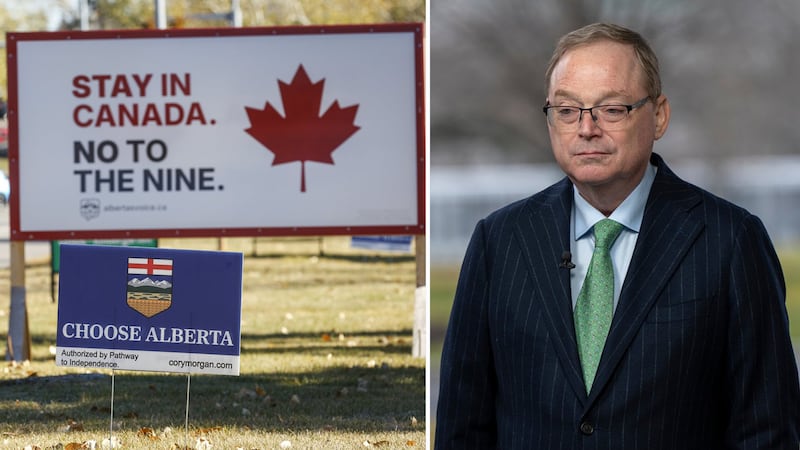
Asked why Trump’s tariff policy had not yet resulted in a deal, the adviser blamed the “Canadian election that just happened, including Alberta separating,” for the impasse. Earlier this week, Albertans voted against holding a binding referendum on leaving Canada.

That had made it “essentially impossible to negotiate with the Canadians,” he said.

Director of the White House National Economic Council Kevin Hassett stands before a television interview of the White House, Friday, March 6, 2026, in Washington. (AP Photo/Alex Brandon)
Does Trump hold ‘all the cards’?

His comments echo similar remarked from the U.S. president himself on Friday. He told reporters in Washington that he felt a deal was close. His team holds “all the cards,” he added.

Later that day, the White House laid out a new slate of 50 per cent tariffs against Canadian goods.

Republican Maine Sen. Susan Collins – who is running for re-election in November – took credit for the removal of tariffs on Canadian goods critical to her state’s agricultural sector. She called Canada America’s “neighbour, ally, and largest trading partner.”

Among the goods receiving exemptions: seaweed, packing boxes and some plywood sheets. In their place, the White House added tariffs on cocoa powder, vinyl flooring and shampoos, among other goods.A full list of goods now facing 50 per cent tariffs is available here. The changes will take effect at the end of the month, joining a wide range of Canadian goods facing U.S. import tariffs, including metals, lumber, and autos. Other goods have been banned outright, like beer, liquors, and motorcycles.

On Saturday, CTV News spoke with the CEO of Preverco, a major Canadian hardwood flooring producer. He said Trump’s latest 50 per cent tariffs on his product could devastate the sector.

“Overnight, we’re losing 25 per cent of our business,” said Jean-François Dufresne. He wrote to federal Finance Minister François-Philippe Champagne requesting a meeting.

In a statement, Canada-U.S. Trade Minister Dominic LeBlanc’s office said the government will assess the latest tariff measures and that “Canada stands ready to work constructively and in good faith towards a more mutually beneficial trading relationship” with the U.S.


Luca Caruso-Moro

Breaking Digital Assignment Editor, CTVNews.ca


Danielle Smith aims to turn the page after referendum as legislature returns


Published: 2026 


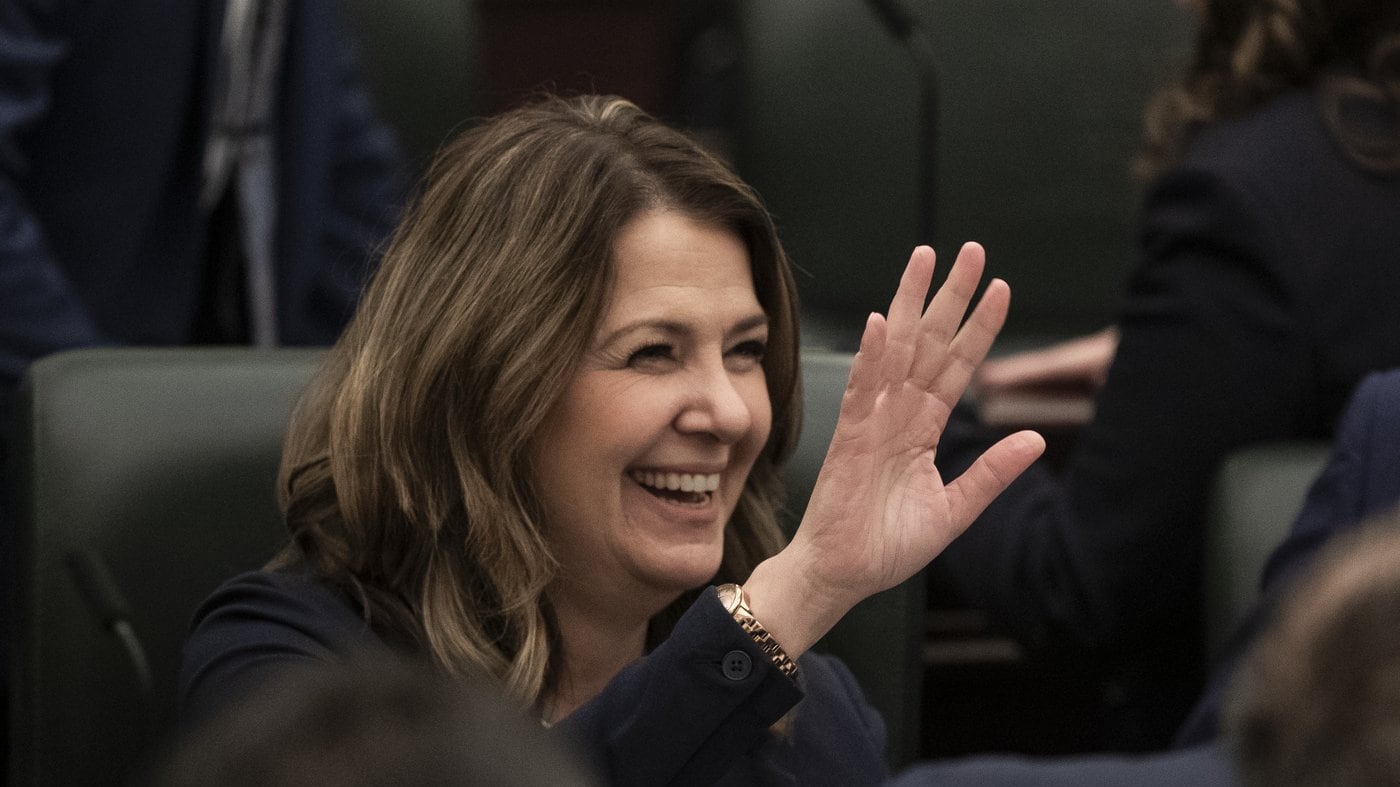
Alberta Premier Danielle Smith arrives at the Legislature for the throne speech, in Edmonton, on Thursday, Oct. 23, 2025. THE CANADIAN PRESS/Amber Bracken

EDMONTON — Alberta’s legislature is set to reconvene today — just over a week after the province voted overwhelmingly to stay in Canada.

Premier Danielle Smith has said she considers the separatism debate settled, after it riled the province all summer.

She has said she expects separatist leaders in her United Conservative Party to accept the results and turn the page.

Yesterday, one of her backbenchers, Shane Getson, resigned as a member of the legislature, citing personal and family reasons.

Although unofficial referendum results show a slim majority of Albertans want to see immigration reform, legislative changes won’t be immediate.

This fall, Smith’s government says it’s focusing on top-of-mind issues for Albertans like affordability and education.

Government house leader Joseph Schow is also promising consumer protection rules for event ticket sales, changes to auto insurance, and stricter guidelines for artificial intelligence data centres.

New provincial laws governing municipal bike lanes, illegal garbage dumping, and standards for school report cards are also expected before the legislature breaks for Christmas.

This report by The Canadian Press was first published Oct. 27, 2026.